Inside Jeddah Tower’s Record-Breaking Rise
Rising from the desert sands of Saudi Arabia, Jeddah Tower represents one of the most ambitious construction projects ever attempted. The building aims to break through the one-kilometer barrier, a threshold that has captivated engineers and architects for decades.
After years of setbacks and delays, construction crews are now racing upward at a pace that would have seemed impossible just a few years ago. The tower’s journey from concept to reality mirrors the broader transformation happening across Saudi Arabia.
Here is a list of 15 key aspects that define this extraordinary project.
Adrian Smith’s Second Skyscraper Crown
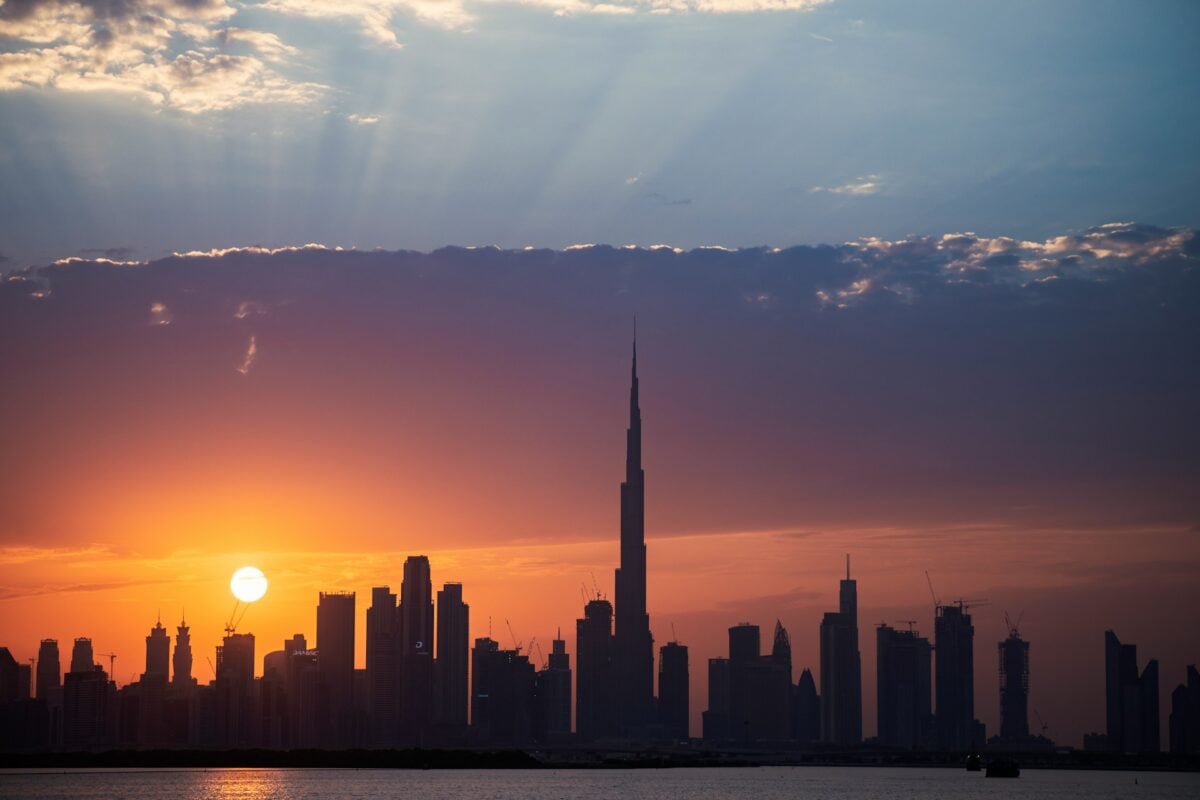
The same architect who designed the Burj Khalifa is behind Jeddah Tower, bringing decades of supertall building expertise to the project. Adrian Smith spent nearly 40 years at Skidmore, Owings & Merrill before founding his own firm in 2006 with partners Gordon Gill and Robert Forest.
Smith retired in 2024, but his collaborators at Adrian Smith + Gordon Gill Architecture continue overseeing the project toward completion. His track record includes multiple buildings in the world’s top ten tallest structures, making him uniquely qualified for this unprecedented challenge.
The Height That Changes Everything

When finished, Jeddah Tower will stand at least 1,001 meters tall, making it approximately 180 meters taller than the Burj Khalifa. That extra height might not sound dramatic, but crossing the one-kilometer threshold represents a psychological and engineering milestone.
The tower will have more than 130 floors, creating what essentially becomes a vertical city. The exact final height remains officially undisclosed, though everyone involved knows the symbolic power of that four-digit number.
Like Go2Tutors’s content? Follow us on MSN.
Desert Plants as Design Blueprint

The tower’s form draws inspiration from desert flora, with petals spiraling upward in harmony with wind and sun patterns. Smith and his team studied how young desert plants shoot up from the ground, their leaves folded tightly before unfurling. The slender, subtly asymmetrical profile evokes a bundle of leaves reaching skyward.
This approach connects the ultramodern structure to its harsh desert environment rather than fighting against it. The design philosophy extends beyond aesthetics into practical engineering solutions that help the building survive extreme conditions.
Foundation Engineering Marvel
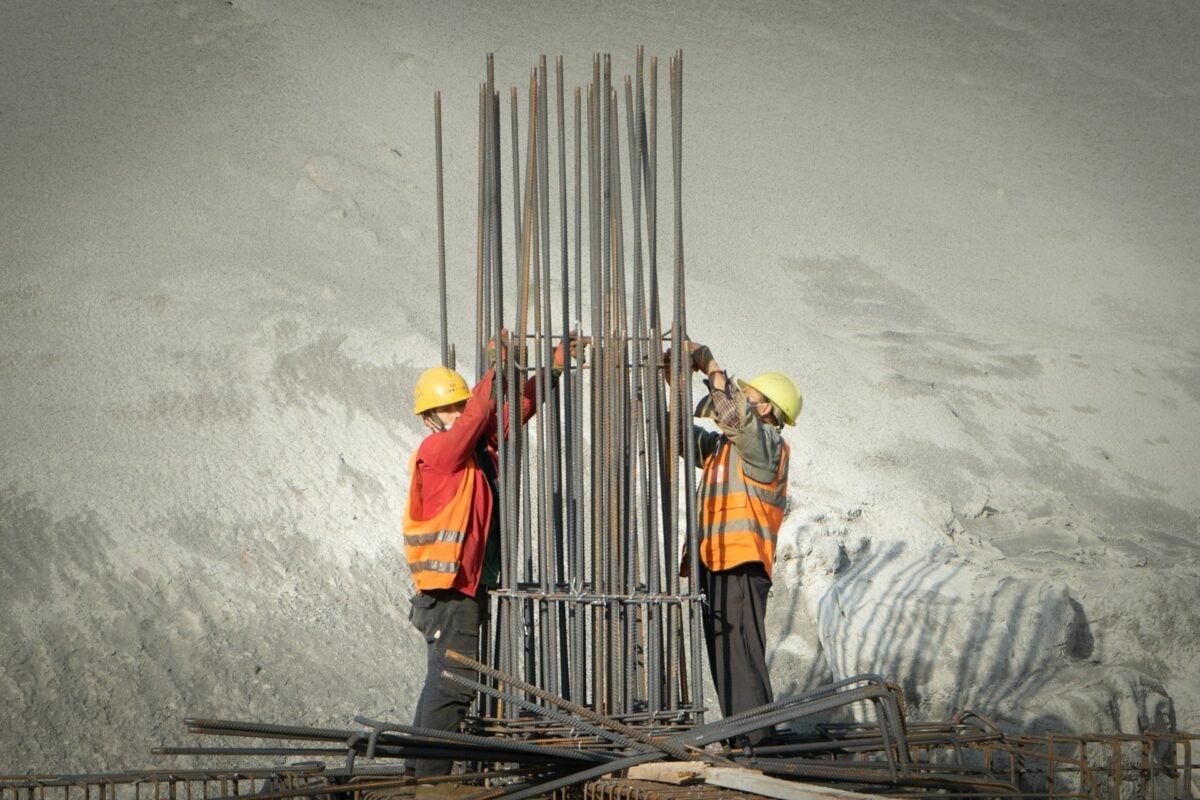
Supporting all that height requires a massive concrete foundation system with a 5-meter thick raft foundation supported by 270 bored piles, each 1.8 meters in diameter, extending to depths up to 105 meters. Picture trying to anchor something nearly as tall as three Eiffel Towers stacked vertically in sandy desert soil.
The piles were driven 344 feet into the ground to ensure stability. The foundation alone represents a construction achievement that most buildings never require, but when you’re building the world’s tallest structure, ordinary solutions won’t cut it.
The Y-Shaped Stability Solution

The tower uses a Y-shaped triangular footprint designed to maximize wind resistance and reduce wind vortex effects. The shifting setbacks and spiraling wings disrupt wind patterns, preventing dangerous vortexes that could make the structure sway.
Traditional rectangular skyscrapers face wind head-on, creating turbulence and instability. The three-pronged design lets wind flow around the building more naturally, similar to how water flows around a rock in a stream.
This geometrical approach eliminates the need for many traditional structural reinforcements.
Like Go2Tutors’s content? Follow us on MSN.
Buttressed Core Instead of Columns

The structural system employs a buttressed core without columns, outriggers, floor beams, or spandrel beams, with all walls interconnected so each element resists both wind and gravity loads. The design takes advantage of Saudi Arabia’s expertise in concrete construction rather than importing unfamiliar techniques.
The system consists only of walls and plates that can be fabricated using climbing formwork or conventional slab formwork. Engineers chose simplicity and efficiency over complexity, making construction faster and reducing the chances of costly mistakes during the building process.
Seven Years of Construction Silence

From January 2018 until January 2025, no construction occurred on Jeddah Tower, leaving it uncertain whether the tower would ever be finished. Building owner JEC halted structural concrete work with the tower about one-third completed in 2018 following labor issues with a contractor after the 2017-19 Saudi Arabian purge.
The COVID-19 pandemic added further complications. Work stalled after reaching the 63rd floor in 2018. For seven years, the incomplete tower stood as a monument to abandoned ambition, its exposed concrete core visible for miles around Jeddah.
The 2025 Construction Restart
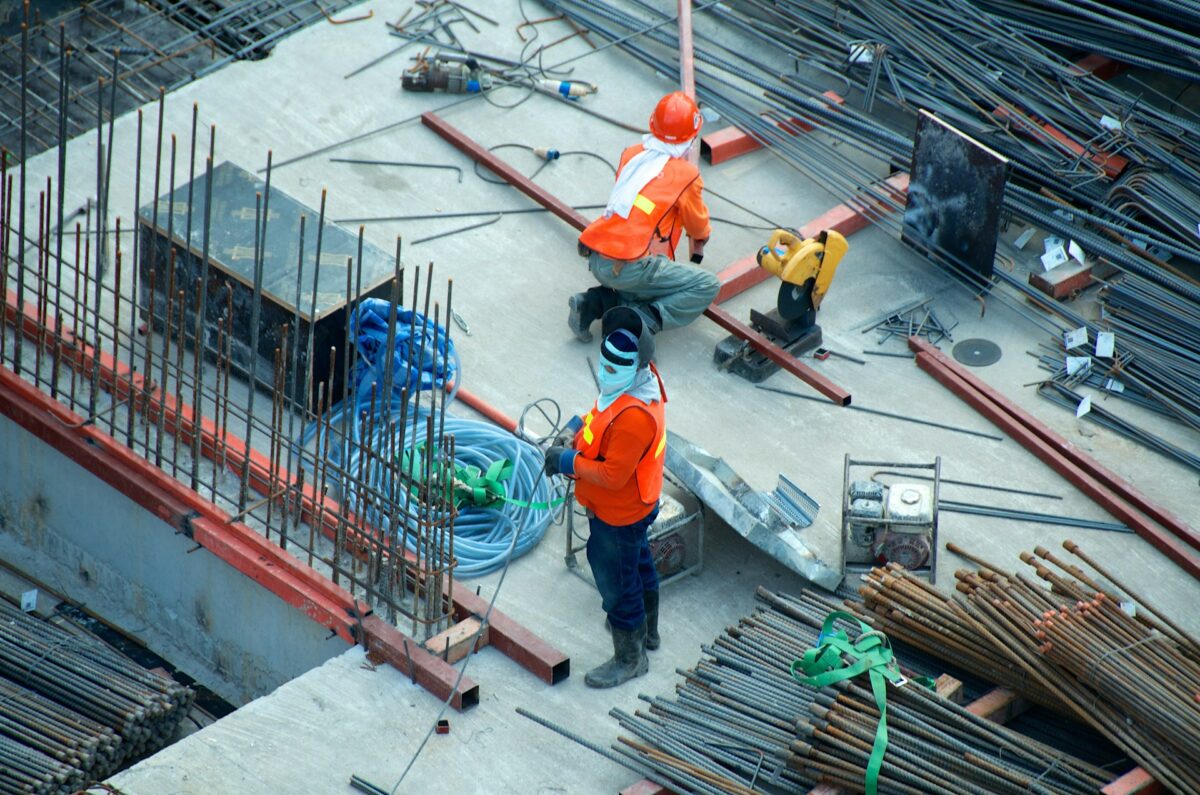
Construction officially restarted in January 2025, with the tower reaching its 66th floor by April 2025 after construction sped up following Ramadan. As of September 2025, the tower reached its 70th floor.
During a ceremony on January 21, 2025, key stakeholders celebrated as concrete was poured for the 64th floor. The atmosphere on construction sites transformed dramatically. Teams work with renewed commitment, knowing they’re building something that will reshape the global skyline and serve as a centerpiece for Saudi Arabia’s economic transformation.
Like Go2Tutors’s content? Follow us on MSN.
One Floor Every Four Days

Construction crews are completing approximately one floor every three to four days. That pace might not sound impressive until you consider the scale involved.
Each floor requires thousands of cubic meters of concrete pumped to heights that would terrify most construction workers. Currently, concrete can be pumped to a height of 800 meters, but firms are working to increase this capacity to 1,000 meters.
The speed reflects both improved construction techniques and the pressure to meet the 2028 deadline tied to Saudi Arabia’s Vision 2030 development plan.
Observation Deck Above the Clouds
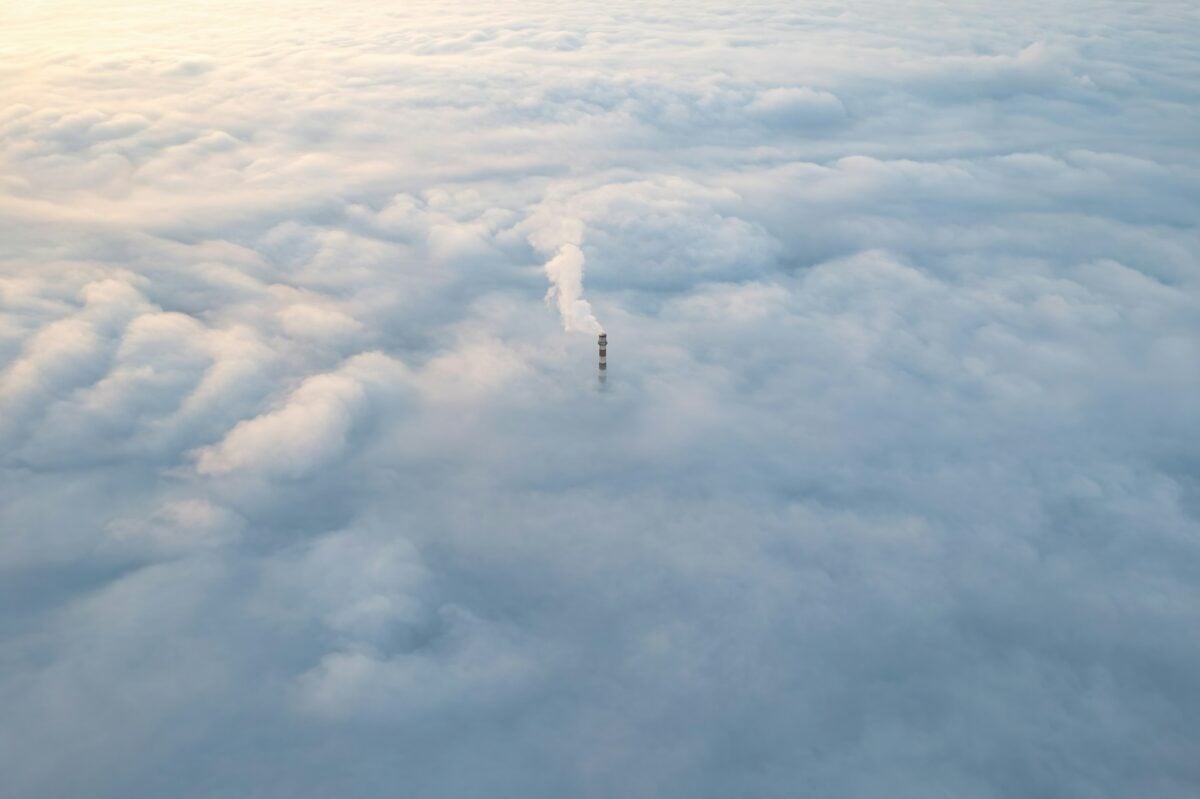
The world’s highest observation deck will sit on the 157th floor at approximately 644 meters (2,112 feet). The sky terrace measures 30 meters wide, providing panoramic views across Jeddah and the Red Sea.
On clear days, visitors will see roughly 75 miles to the horizon in every direction. The observation deck alone required extensive engineering to ensure structural stability and visitor safety at such extreme heights.
Glass panels must withstand not just wind pressure but also dramatic temperature variations between the desert floor and the upper atmosphere.
Elevator Engineering Feat
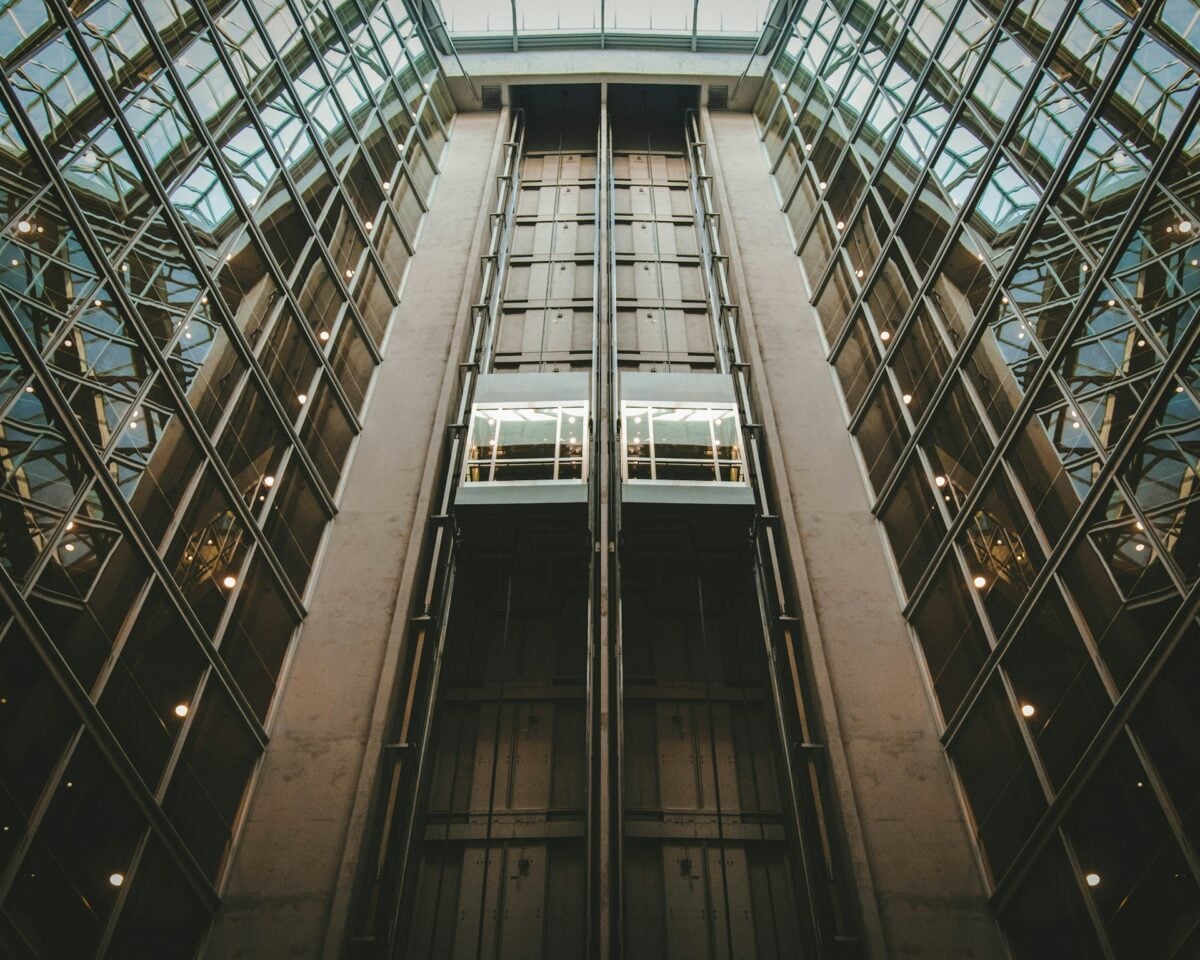
The tower requires 59 elevators, including 54 single-deck and five double-deck elevators, plus 12 escalators. Elevators serving the observatory will travel at 10 meters per second in both directions.
Moving people efficiently through 157 floors presents challenges that low-rise buildings never encounter. Sky lobbies will break up travel and ease congestion, similar to subway transfer stations.
The elevator system alone costs tens of millions of dollars and represents cutting-edge vertical transportation technology.
Like Go2Tutors’s content? Follow us on MSN.
Luxury Hotel and Premium Spaces

A Four Seasons luxury hotel will occupy floors 19 through 27, offering 200 rooms with views of the Red Sea. The building will include apartments, offices, and the world’s highest viewpoint.
The tower provides roughly 530,000 square meters of floor space dedicated to residential, commercial, and recreational uses. Premium residential apartments occupy multiple floors, while Class A office spaces target international businesses looking for prestigious Jeddah addresses.
The mixed-use approach ensures the building functions as more than just a tourist attraction.
Vision 2030 Centerpiece

The tower serves as a symbol of Saudi Arabia’s economic transformation and modernization, helping position the kingdom as a global hub for commerce, tourism, and cultural exchange. The project is part of Saudi Vision 2030, which aims to diversify the oil-rich kingdom’s economy.
Prince Al-Waleed bin Talal chairs Kingdom Holding Company, which partnered with Jeddah Economic Company to develop the project. The tower serves as the centerpiece of Jeddah Economic City, a development designed to attract investments, tourism, and talent from across the world.
The Saudi government views these massive construction projects as essential for the country’s economic future.
Sustainable Desert Engineering

The building incorporates high-performance glazing to reduce heat absorption, energy-efficient systems throughout, rainwater harvesting, and greywater recycling systems. The tower’s orientation and tapering shape minimize solar heat gain, crucial for the challenging Saudi Arabian climate.
Desert construction presents unique environmental challenges that temperate-climate buildings never face. Temperatures regularly exceed 110 degrees Fahrenheit, while sandstorms can strip exterior surfaces.
The design team integrated sustainability not as an afterthought but as a fundamental requirement for the building’s long-term viability.
The 2028 Finish Line

The new completion target is 2028, aligning with Saudi Arabia’s Vision 2030 strategic milestone. The project has a hard deadline as part of the Vision 2030 plan, though some slippage seems possible.
Project managers estimate 42 months to complete construction from the restart date. Meeting that deadline requires maintaining the current construction pace while solving increasingly complex engineering challenges as the tower reaches unprecedented heights.
Weather delays, material shortages, or technical problems could push completion into 2029, but everyone involved understands the political and economic pressure to finish on schedule.
From Stalled Symbol to Soaring Reality

The transformation from abandoned construction site to active megaproject reflects Saudi Arabia’s broader evolution. What once stood as a reminder of overreach now represents renewed confidence and capability.
The tower’s completion will place Saudi Arabia alongside the UAE as a Middle Eastern nation that successfully executed one of humanity’s most ambitious architectural projects. Whether Jeddah Tower maintains its title as world’s tallest for five years or fifty, it will permanently change perceptions about what’s possible in desert construction and serve as a monument to the engineers, architects, and construction workers who refused to let an impossible dream stay buried in the sand.
from Go2Tutors!

- 16 Historical Figures Who Were Nothing Like You Think
- 12 Things Sold in the 80s That Are Now Illegal
- 15 VHS Tapes That Could Be Worth Thousands
- 17 Historical “What Ifs” That Would Have Changed Everything
- 18 TV Shows That Vanished Without a Finale
Like Go2Tutors’s content? Follow us on MSN.



