18 Times Weather Gave One Army a Massive Advantage
Weather has been the ultimate wildcard in military history. Sometimes a sudden storm or unexpected freeze would completely flip the outcome of battles that seemed already decided. Smart commanders learned to work with Mother Nature while others got blindsided by conditions they never saw coming.
These weather events didn’t just influence battles — they changed the entire course of history in ways that still affect us today. Here is a list of 18 times weather gave one army a massive advantage.
The Spanish Armada Storm
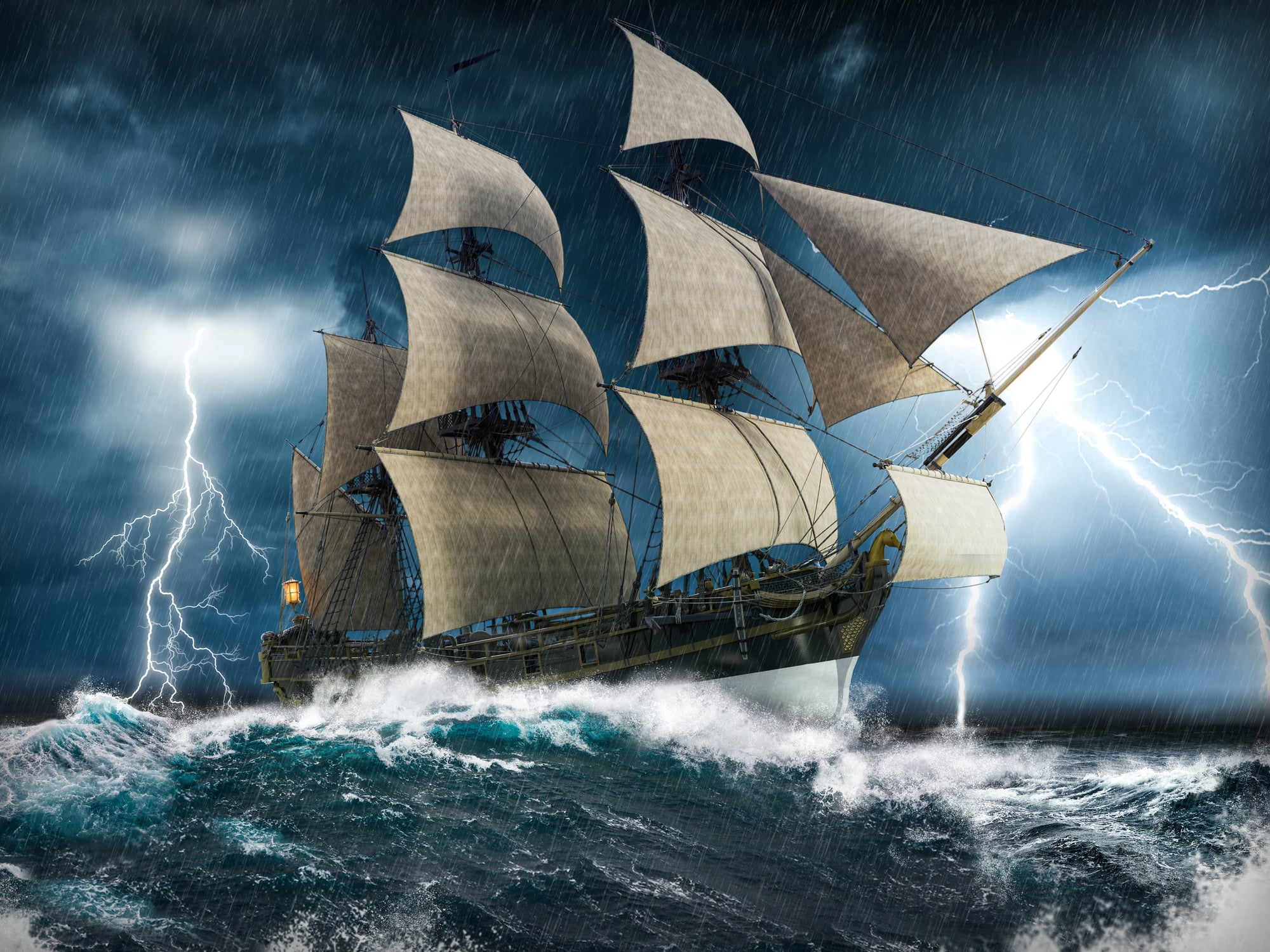
England’s victory over the Spanish Armada in 1588 had as much to do with brutal storms as it did with naval tactics. The “Protestant Wind” scattered Spanish ships across the North Sea and wrecked dozens of vessels on rocky coastlines.
What started as Spain’s attempt to invade England turned into a disaster that marked the beginning of English naval dominance for centuries.
Napoleon’s Russian Winter

Napoleon’s retreat from Moscow became one of history’s most famous weather disasters. The brutal Russian winter of 1812 destroyed his Grande Armée more effectively than any enemy force could have.
Temperatures dropped so low that soldiers’ weapons froze to their hands, and over 400,000 men died from cold and starvation during the retreat.
The Fog at Trenton

George Washington’s surprise attack on Trenton worked partly because thick fog concealed his troops as they crossed the icy Delaware River on Christmas night 1776. The Hessian soldiers were caught completely off guard, nursing hangovers from holiday celebrations while Washington’s army emerged from the mist like ghosts.
This victory revitalized the American Revolution when it desperately needed a win.
Like Go2Tutors’s content? Follow us on MSN.
D-Day Weather Window

The Allied invasion of Normandy almost got postponed because of terrible weather conditions in early June 1944. Eisenhower’s meteorologists spotted a brief window of calmer weather on June 6th that would allow the massive operation to proceed.
Meanwhile, German weather forecasters missed this opportunity entirely, leaving their defenses unprepared for the largest amphibious invasion in history.
Mongol Invasions of Japan

Typhoons destroyed Mongol invasion fleets attempting to conquer Japan in both 1274 and 1281. The Japanese called these storms ‘kamikaze’ or divine wind, believing the gods had protected their homeland from foreign invasion.
These weather disasters were so devastating that the Mongols never attempted another invasion of Japan, preserving Japanese independence for centuries.
Battle of Agincourt Mud

Heavy rain turned the battlefield at Agincourt into a muddy nightmare that completely favored Henry V’s English longbowmen over French heavy cavalry. French knights got stuck in the thick mud wearing heavy armor while English archers picked them off from dry ground.
What should have been a French victory became a legendary English triumph that Shakespeare immortalized in his plays.
Like Go2Tutors’s content? Follow us on MSN.
Valley Forge Winter

The harsh winter at Valley Forge actually strengthened Washington’s Continental Army through shared suffering and proper training. While British forces stayed comfortable in Philadelphia, American troops endured freezing temperatures that weeded out deserters and built incredible unit cohesion.
Baron von Steuben used the downtime to drill the army into a professional fighting force that emerged stronger in spring.
Russian Winter War Against Sweden
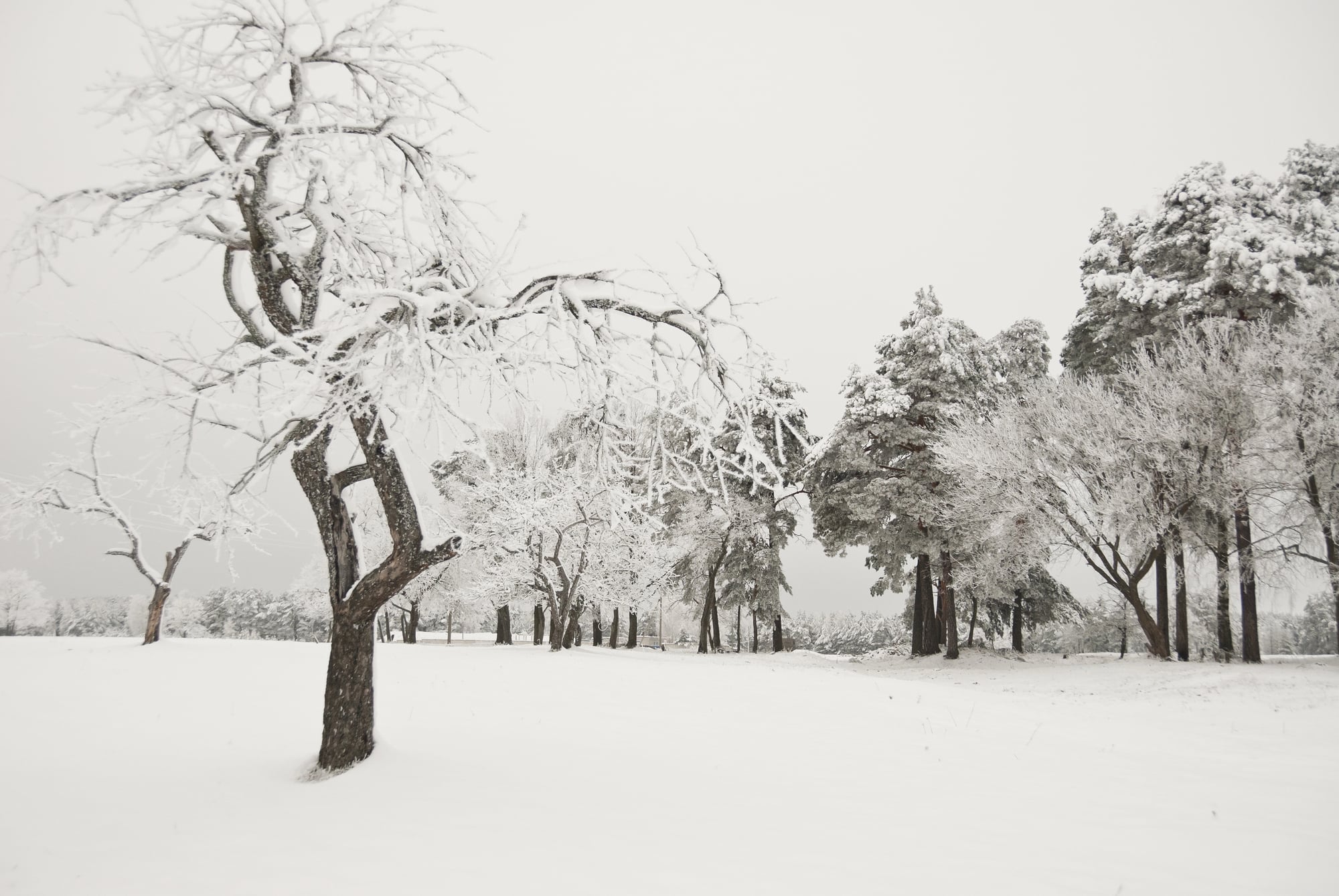
Peter the Great’s victory over Swedish King Charles XII at Poltava in 1709 was set up by one of the worst winters in European history. The brutal cold decimated Swedish forces as they marched through Ukraine, killing thousands before they even reached the battlefield.
Charles arrived at Poltava with a fraction of his original army, making Russian victory almost inevitable.
Stalingrad Winter

The German siege of Stalingrad turned into a nightmare when Russian winter arrived earlier and harder than expected in 1942. German troops weren’t equipped for the extreme cold while Soviet forces had proper winter gear and tactics.
The weather trapped the German Sixth Army in the city where they faced annihilation from both enemy forces and frostbite.
Like Go2Tutors’s content? Follow us on MSN.
Alexander’s Monsoon Advantage

Alexander the Great timed his Indian campaigns to take advantage of monsoon seasons that local rulers couldn’t predict as accurately. His meteorological knowledge, gained from Greek scholars, let him move troops during weather windows that caught enemies completely unprepared.
The surprise factor from unexpected timing helped him conquer territories that seemed impossible to reach.
Thermopylae Storm

A massive storm helped the Greek fleet defeat the much larger Persian navy during the Battle of Thermopylae campaign in 480 BCE. The Greeks knew local waters and weather patterns better than the Persians, allowing them to position their ships safely while enemy vessels got smashed against rocky coasts.
This naval victory was just as important as the famous land battle at the narrow mountain pass.
English Channel Storm of 1066

Strong winds delayed William the Conqueror’s invasion of England for weeks, which actually worked in his favor by lulling Harold Godwinson into complacency. When the weather finally cleared, Harold was busy fighting Vikings in the north and couldn’t properly defend against William’s landing.
The timing meant Harold had to fight two major battles within days, weakening his forces at Hastings.
Like Go2Tutors’s content? Follow us on MSN.
Midway Weather Cover

Cloud cover and shifting weather patterns helped American dive bombers catch Japanese aircraft carriers with their planes refueling and rearming during the Battle of Midway in 1942. The clouds concealed American approaches while clear skies over the Japanese fleet made them sitting ducks.
This weather advantage turned what could have been mutual destruction into a decisive American victory.
Hannibal’s Alpine Storm

Hannibal’s crossing of the Alps was made possible by an unusually warm autumn in 218 BCE that kept mountain passes open longer than normal. Early snow would have trapped his entire army and elephants in the mountains, ending his campaign before it started.
The favorable weather let him reach Italy with enough forces to terrorize Rome for over a decade.
Yorktown Hurricane

A hurricane in the Atlantic prevented British naval reinforcements from reaching Cornwallis at Yorktown in 1781. The storm scattered British ships and delayed their arrival just long enough for Washington and Rochambeau to complete their siege.
Without naval support, Cornwallis had no choice but to surrender, effectively ending the American Revolution.
Like Go2Tutors’s content? Follow us on MSN.
Jutland Fog

Thick fog during the Battle of Jutland in 1916 helped the German High Seas Fleet escape destruction by the British Grand Fleet. German ships used the limited visibility to break contact and flee toward their home ports while British dreadnoughts fired blindly into the mist.
What could have been a decisive British victory turned into a frustrating stalemate that left both sides claiming success.
Korean War Chosin Reservoir

Brutal cold at the Chosin Reservoir in 1950 actually helped UN forces escape Chinese encirclement during one of the war’s most desperate battles. The frozen reservoir became a highway for retreat while Chinese forces struggled with frostbite and equipment failures in temperatures reaching -30°F.
American and British troops used winter warfare training to fight their way out of what seemed like certain annihilation.
Lepanto Winds

Favorable winds at the Battle of Lepanto in 1571 helped the Holy League fleet maneuver more effectively than the Ottoman navy. The wind direction gave Christian galleys better positioning for their superior artillery while Ottoman ships struggled to maintain formation.
This naval victory effectively ended Ottoman expansion into the western Mediterranean and marked the beginning of European naval dominance.
When Nature Picks Sides
Weather has always been the great equalizer in warfare, capable of turning overwhelming advantages into crushing defeats in a matter of hours. These battles show that even the best military planning can’t control Mother Nature, but smart commanders learn to adapt and use weather as another weapon in their arsenal.
From ancient times to modern warfare, the side that better understands and prepares for weather conditions often walks away victorious, proving that sometimes the most powerful ally comes from the sky.
More from Go2Tutors!

- 18 Unexpectedly Valuable Collectibles You Might Have Lying Around
- 20 Little-Known Historical Battles That Had Huge Consequences
- 20 Historical Artifacts That Scientists Can’t Explain
- 15 Inventions That Were Immediately Banned After Being Created
- 20 Actors Who Were Almost Cast in Iconic Roles
Like Go2Tutors’s content? Follow us on MSN.