Cleanest Cities With the Purest Air
Breathing clean air shouldn’t feel like a privilege, but in many places it is. Some cities manage to keep their air remarkably pure despite modern development.
Geographic advantages help—coastal winds, low population density, or distance from industrial centers. But policy matters too.
Cities that invest in public transportation, protect green spaces, and regulate emissions see measurable improvements in air quality. These places prove that urban living and breathable air don’t have to be mutually exclusive.
Zurich, Switzerland
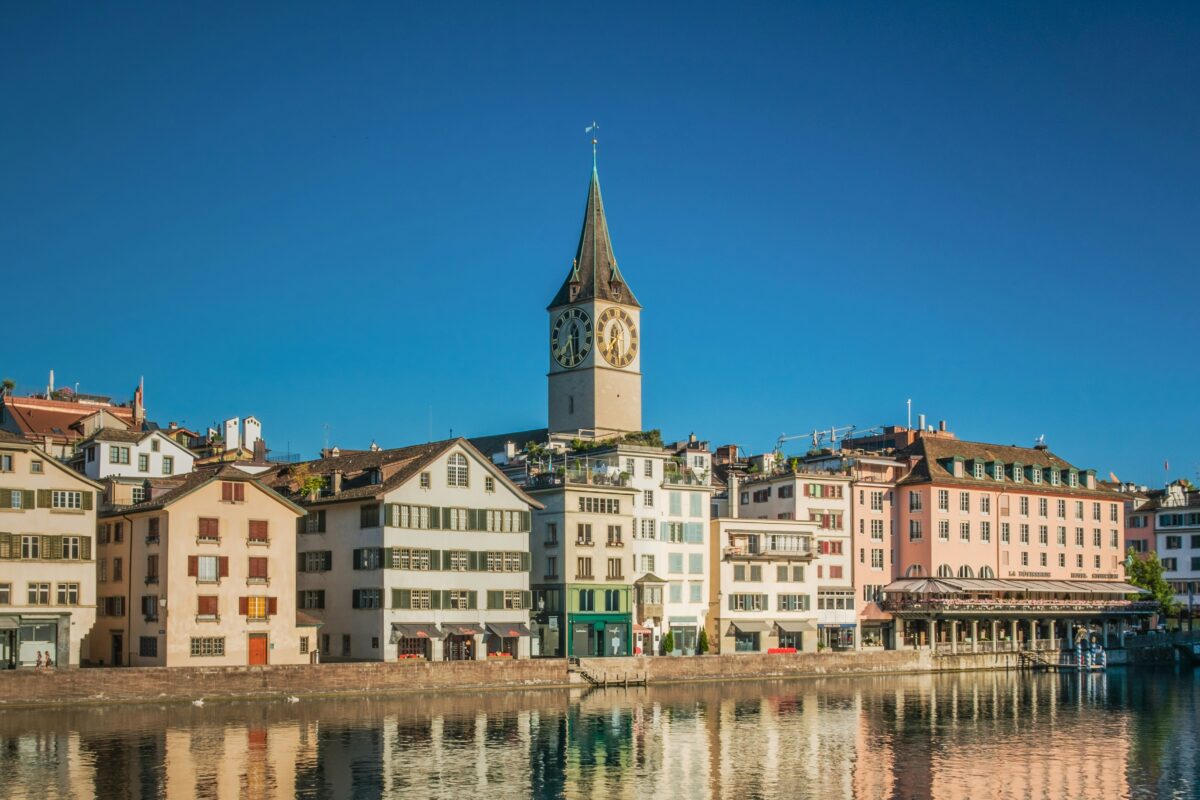
Mountains surround Zurich, but the city avoided the pollution trap that plagues other valley cities. Strict emissions regulations keep vehicle pollution low.
The public transportation system works so well that many residents don’t bother owning cars. Trams, trains, and buses run frequently enough that waiting more than a few minutes feels unusual.
The city invested in green infrastructure decades ago. Parks and trees line streets throughout urban areas.
The Limmat River runs through the center, and forest covers the hills just outside the city limits. Alpine winds help clear out what little pollution accumulates.
Air quality measurements consistently rank among the best in Europe. You notice the difference immediately.
The air tastes clean. Visibility extends for miles on clear days.
Respiratory issues occur less frequently here than in comparable European cities.
Reykjavik, Iceland
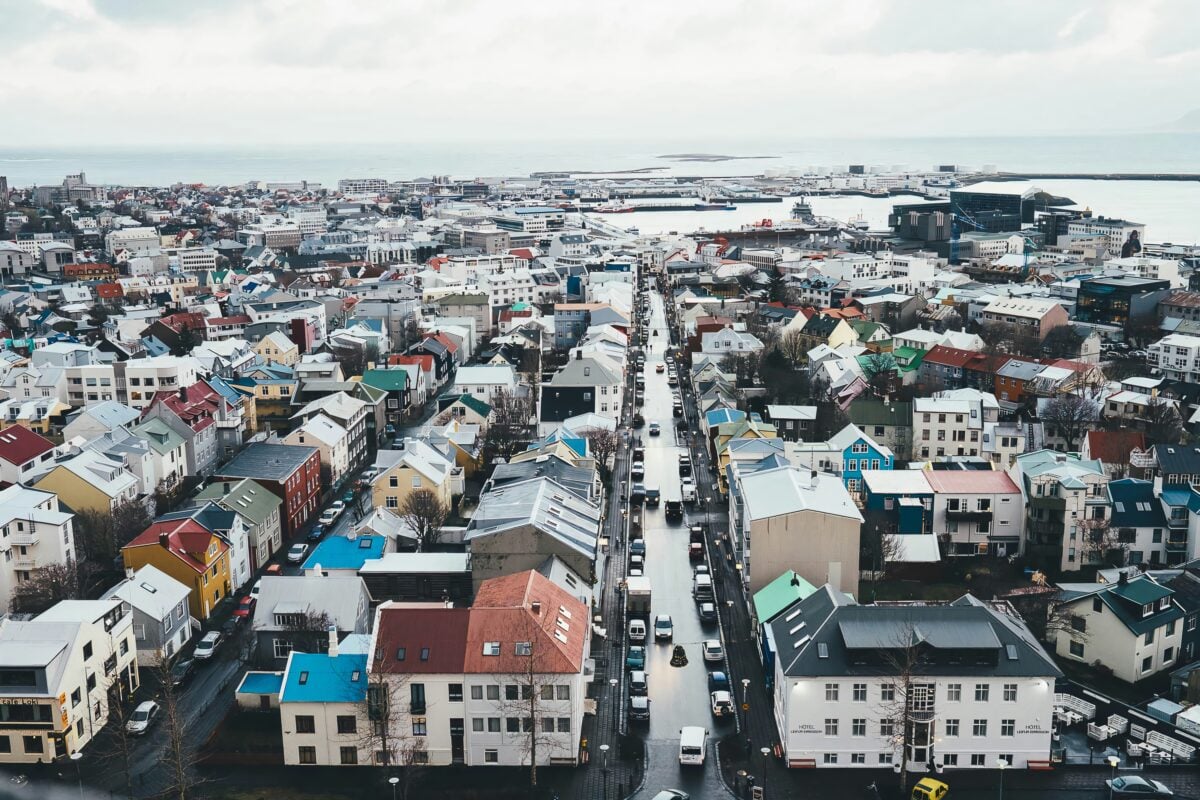
Iceland’s capital sits on a volcanic island in the North Atlantic where constant wind sweeps away pollutants before they can accumulate. The population barely reaches 130,000, which helps.
But Reykjavik also benefits from geothermal energy that heats homes and buildings without burning fossil fuels. The city runs almost entirely on renewable energy. Geothermal and hydroelectric power generate electricity.
This eliminates the coal plants and gas facilities that dirty the air in other cities. Cars remain the main pollution source, but even that is changing as electric vehicles become more common.
Ocean breezes keep the air moving. Temperatures stay moderate year-round due to ocean currents.
The combination of renewable energy, low population, and constant wind creates some of the purest urban air you’ll find anywhere. On clear nights, you can see the Northern Lights from the city center because there’s so little light pollution and air haze.
Helsinki, Finland
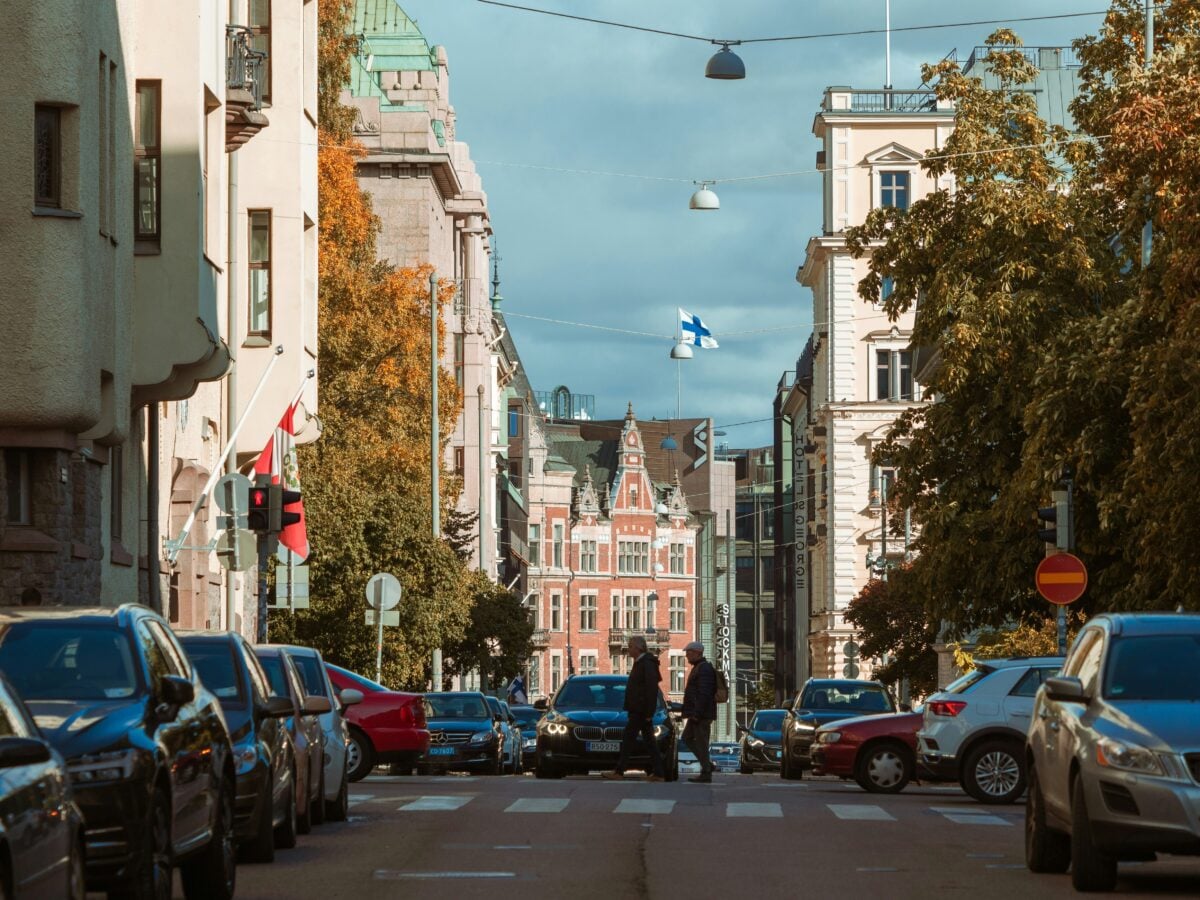
Finland’s capital manages impressive air quality despite long, cold winters that typically increase heating demands and pollution. The secret lies in efficient district heating systems and aggressive environmental policies.
The city committed to carbon neutrality by 2035 and backs that commitment with action. Public transportation gets priority over private vehicles.
The metro, trams, and buses connect the entire metropolitan area. Bike lanes run throughout the city, and people actually use them even in winter.
Green spaces occupy a surprising amount of urban territory. Forests grow within city limits. Baltic Sea winds help, but Helsinki’s air quality results more from deliberate choices than geographic luck.
The city monitors pollution levels constantly and adjusts policies based on data. Industries that produce significant emissions aren’t welcome here.
Clean air became a priority decades ago, and the investment paid off.
Honolulu, Hawaii
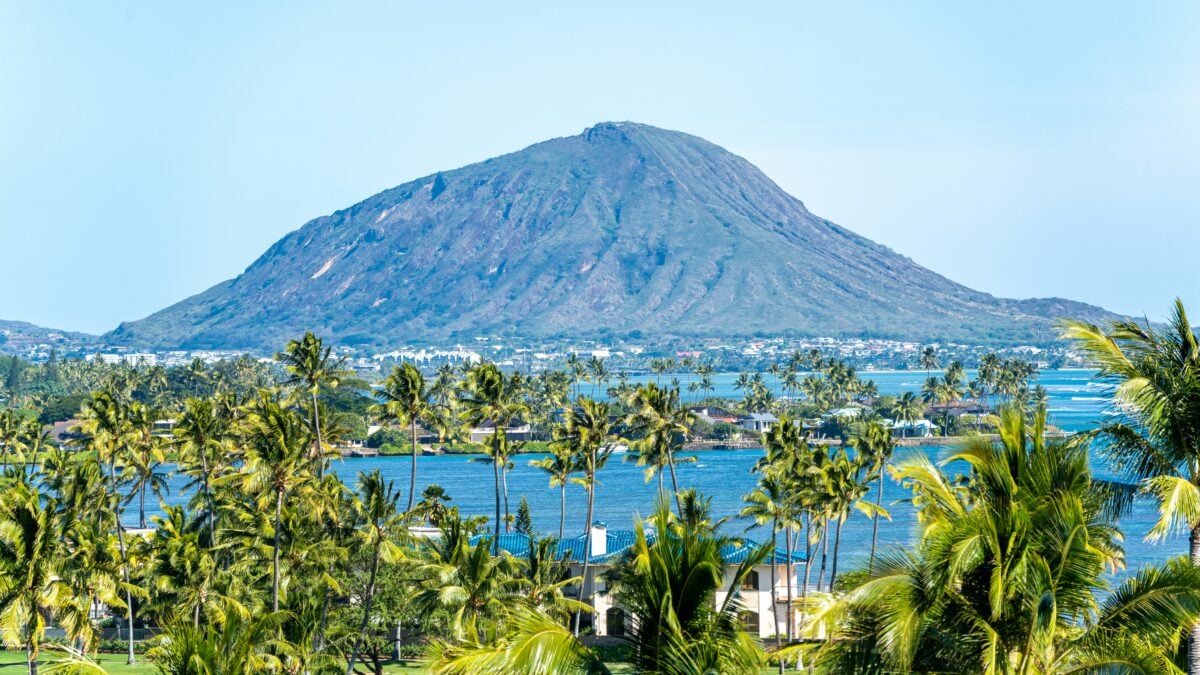
Island geography provides natural advantages. The ocean surrounds Honolulu on all sides.
Trade winds blow consistently from the northeast, pushing any pollution out to sea. The nearest major industrial center sits thousands of miles away. But the city still takes air quality seriously.
Vehicle emissions represent the main challenge. Tourism brings rental cars and tour buses.
Residents depend on personal vehicles because public transportation coverage remains limited. Despite this, air quality stays remarkably good.
The constant wind prevents pollution from settling. Rain falls frequently enough to clean the atmosphere.
The climate means no heating bills, which eliminates a major pollution source. Power plants exist, but renewable energy from solar, wind, and geothermal continues growing.
The mountains behind Honolulu trap some pollution occasionally, but trade winds usually push it away within hours.
Wellington, New Zealand
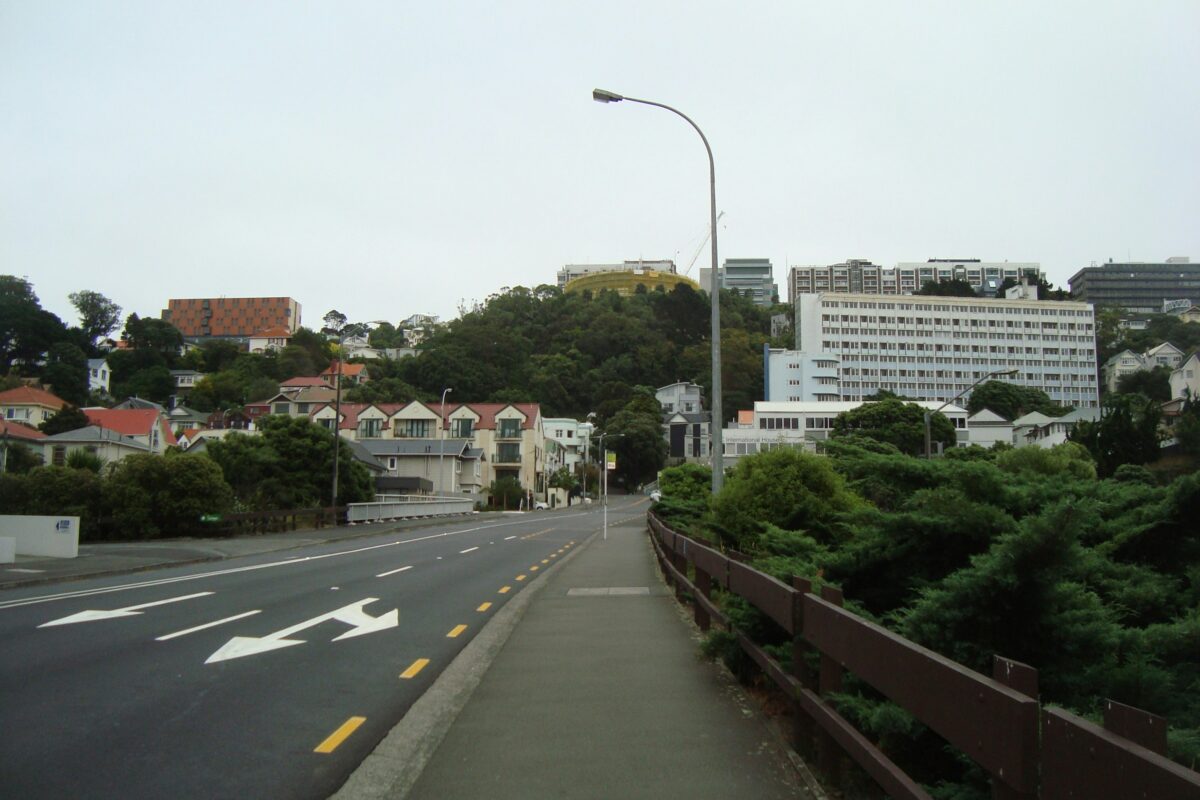
New Zealand’s capital occupies a peninsula jutting into the Cook Strait. Wind defines life here. Locals joke that Wellington has two seasons: winter and windier winter.
But that constant wind sweeps away pollutants continuously. The air stays fresh and clean year-round.
The city’s small size helps. The population sits around 200,000. Light industry exists but heavy manufacturing doesn’t.
Strict environmental regulations protect air quality. New Zealand’s clean, green image isn’t just marketing.
The government enforces emissions standards that would be considered strict even in Europe. Hills surround the city, covered in native bush and forest.
Green spaces are integrated throughout urban areas. The harbor hosts shipping traffic, but even that operates under environmental restrictions.
Wellington proves that a capital city can maintain excellent air quality if policies prioritize it.
Calgary, Canada
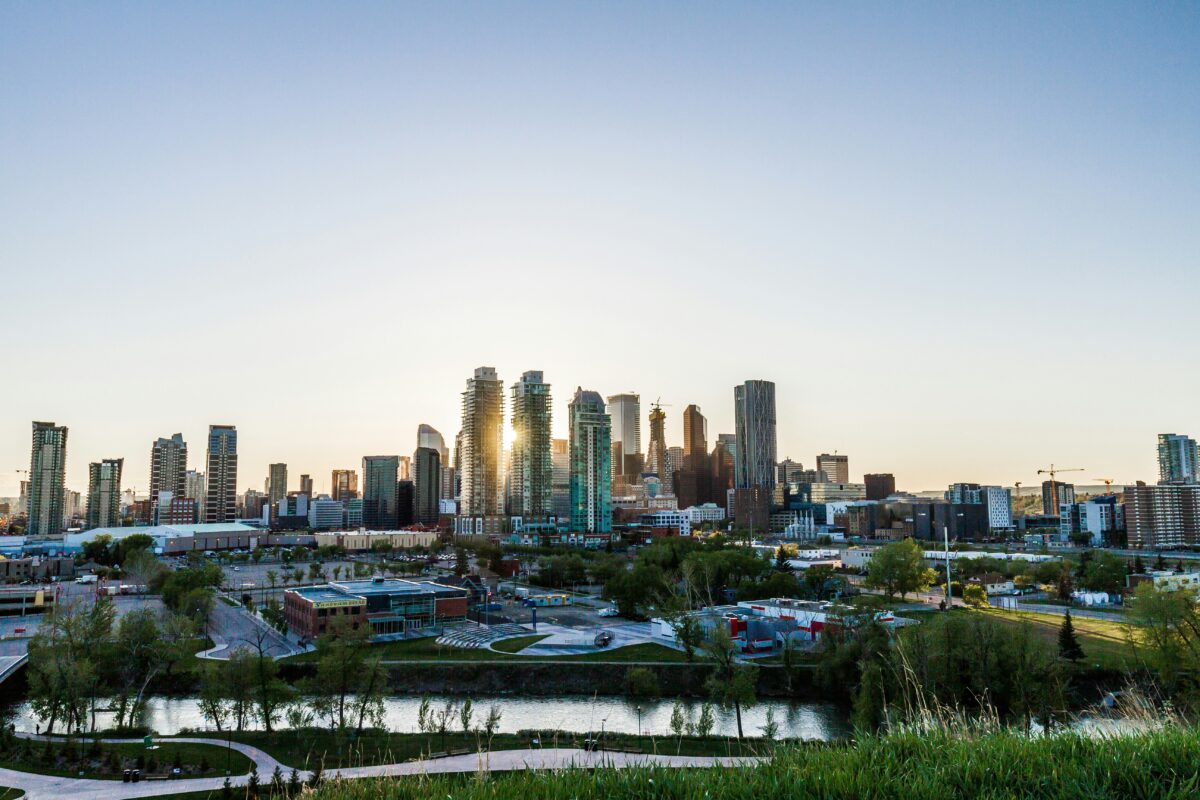
Prairie winds sweep across Calgary constantly. The city sits at a high elevation with the Rocky Mountains visible to the west.
That combination creates natural ventilation that keeps the air fresh. But Calgary’s clean air also results from urban planning and economic shifts.
The city moved away from heavy industry. The economy runs on services, technology, and energy sector offices rather than manufacturing.
Strict emissions regulations apply to what industry remains. Urban sprawl created car dependency, which isn’t ideal, but newer vehicles with better emissions control reduce the impact.
Winter temperatures drop severely, which typically increases pollution from heating. Calgary addresses this through building codes that require better insulation and more efficient heating systems. The climate is dry, which affects air quality differently from humid cities.
Particulate matter doesn’t linger the way it does in damper climates.
Tallinn, Estonia
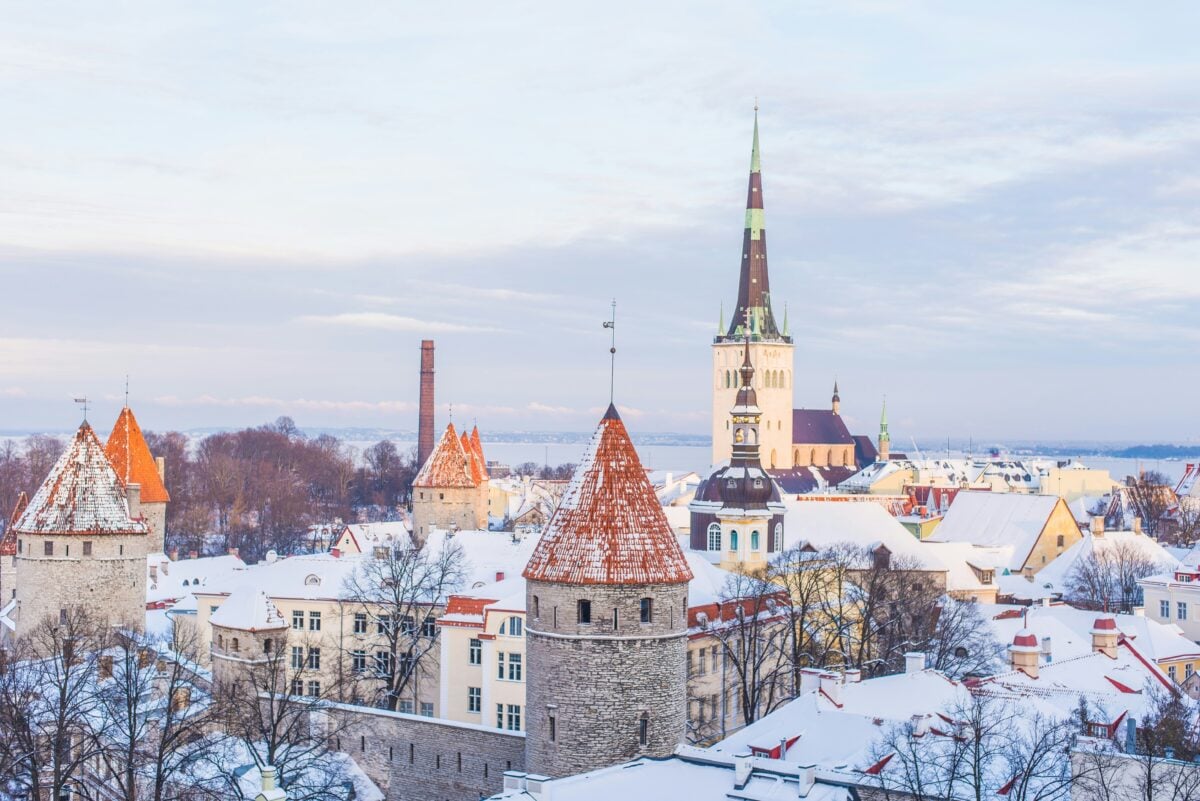
Estonia’s capital surprises people who associate Eastern Europe with pollution. Tallinn cleaned up significantly after independence.
Soviet-era factories closed or modernized. Environmental regulations adopted EU standards.
The transformation took decades but worked. The Baltic Sea location provides ocean breezes that clear the air.
The city isn’t large—under 500,000 people. Medieval architecture in the old town attracts tourists, but modern Tallinn spreads beyond those ancient walls with parks and green corridors.
Public transportation improved dramatically. Many residents use bikes or walk.
Winters bring challenges as heating demands increase, but the city shifted to more efficient systems. Monitoring stations track air quality throughout the urban area.
Data shows consistent improvement over the past 20 years. Tallinn demonstrates that cities can recover from industrial pollution with sustained effort.
Bergen, Norway
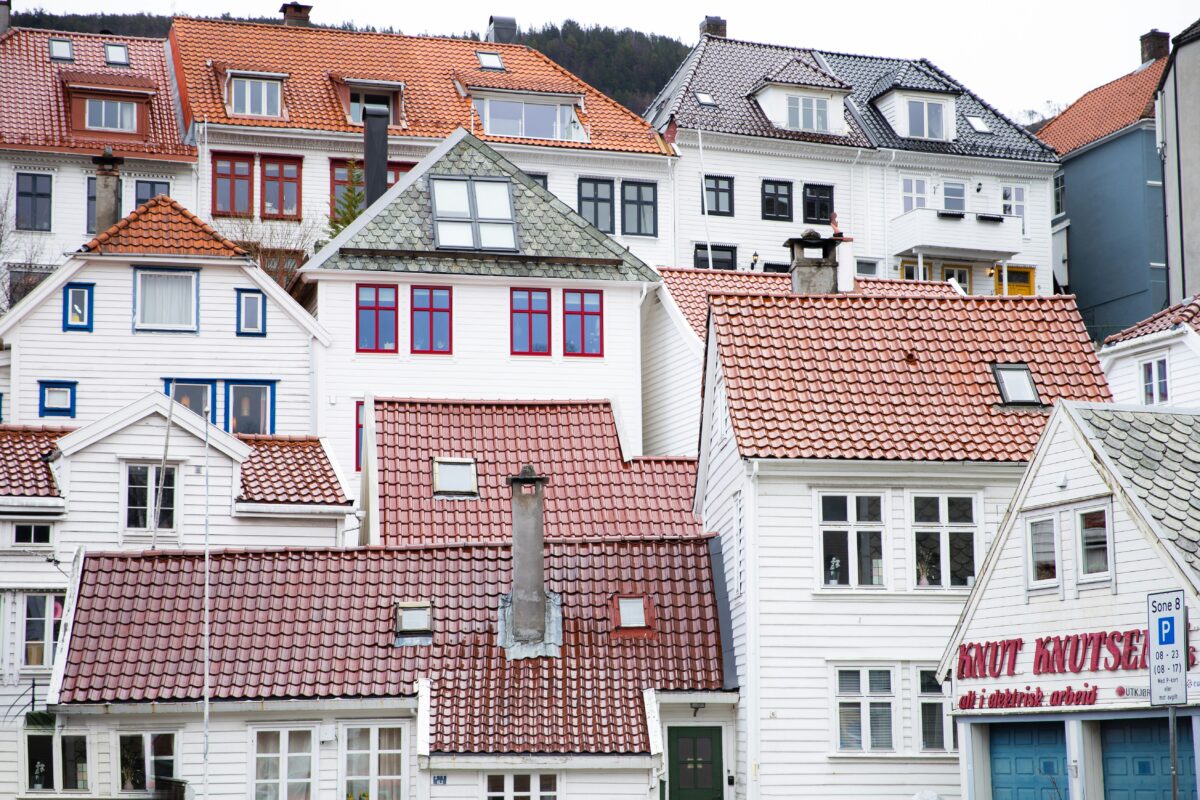
Mountains and fjords surround Bergen, which should trap pollution. But Norway’s environmental policies keep emissions low.
The city invested heavily in electric public transportation. Ferries run on electricity or clean fuel. Cars increasingly use electric power.
Charging stations appear throughout the city. Rain falls constantly in Bergen—locals claim it rains 300 days a year.
That humidity washes particulates from the air. The rain gets annoying, but it keeps the air remarkably pure.
Ocean winds also help. The Gulf Stream moderates temperatures and brings clean ocean air.
Norway’s oil wealth funded environmental initiatives that other cities couldn’t afford. Bergen used that advantage.
Strict building codes, efficient heating systems, and clean power generation became standard. The result is a city where you can breathe easily despite the surrounding terrain that should trap pollutants.
Copenhagen, Denmark
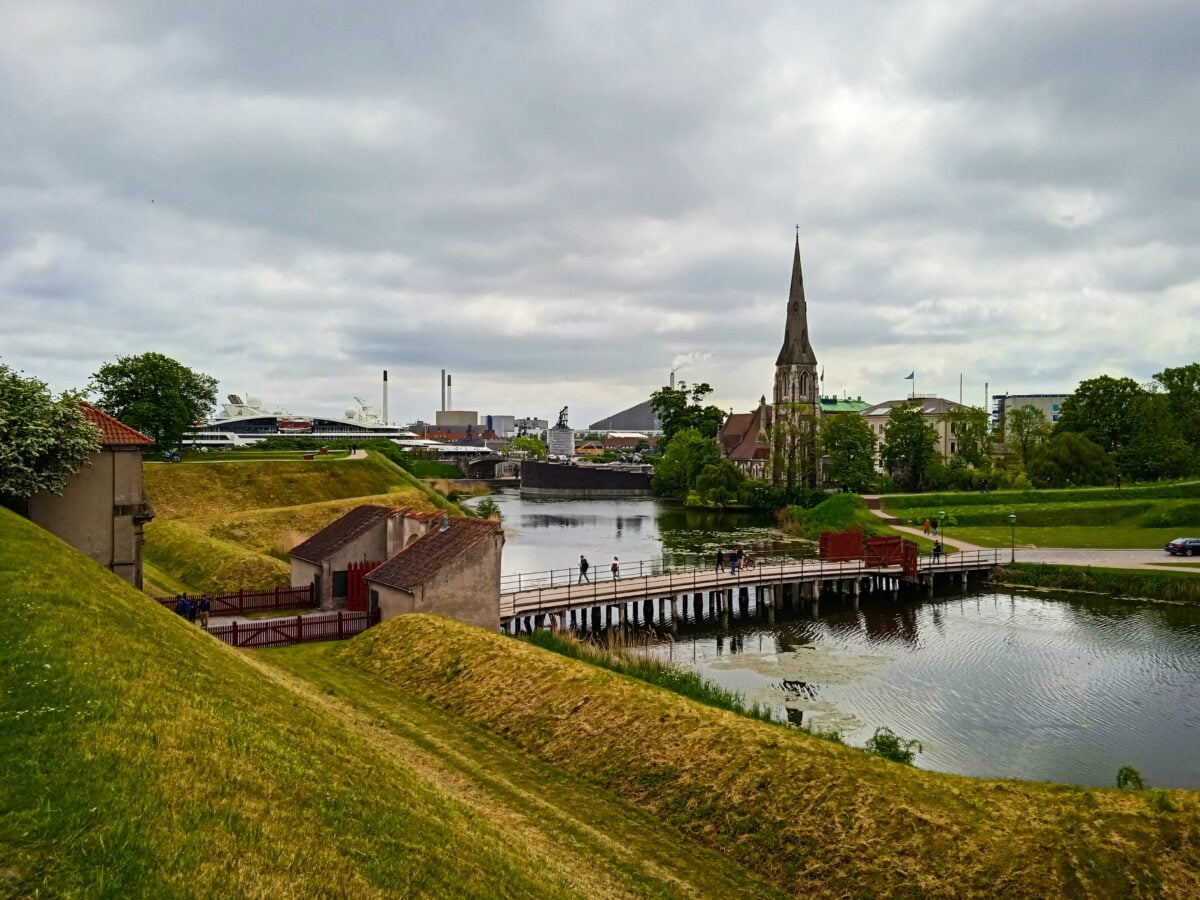
Denmark’s capital built a reputation as one of Europe’s greenest cities. That reputation comes from concrete policies, not just marketing.
Copenhagen prioritized bicycles over cars decades ago. Bike lanes connect the entire city.
Over 60% of residents commute by bicycle daily. That reduces vehicle emissions dramatically.
Wind power generates significant electricity. Denmark leads globally in wind energy technology and implementation.
Copenhagen benefits directly. Combined heat and power plants operate with high efficiency.
District heating systems reduce the energy waste that comes from individual building heating. Green spaces are integrated throughout the city.
Parks, gardens, and tree-lined streets create urban forests that filter air. The city monitors air quality constantly and publishes data publicly.
Copenhagen aims for carbon neutrality by 2025. Whether they hit that target or not, the air quality already ranks among Europe’s best.
Adelaide, Australia
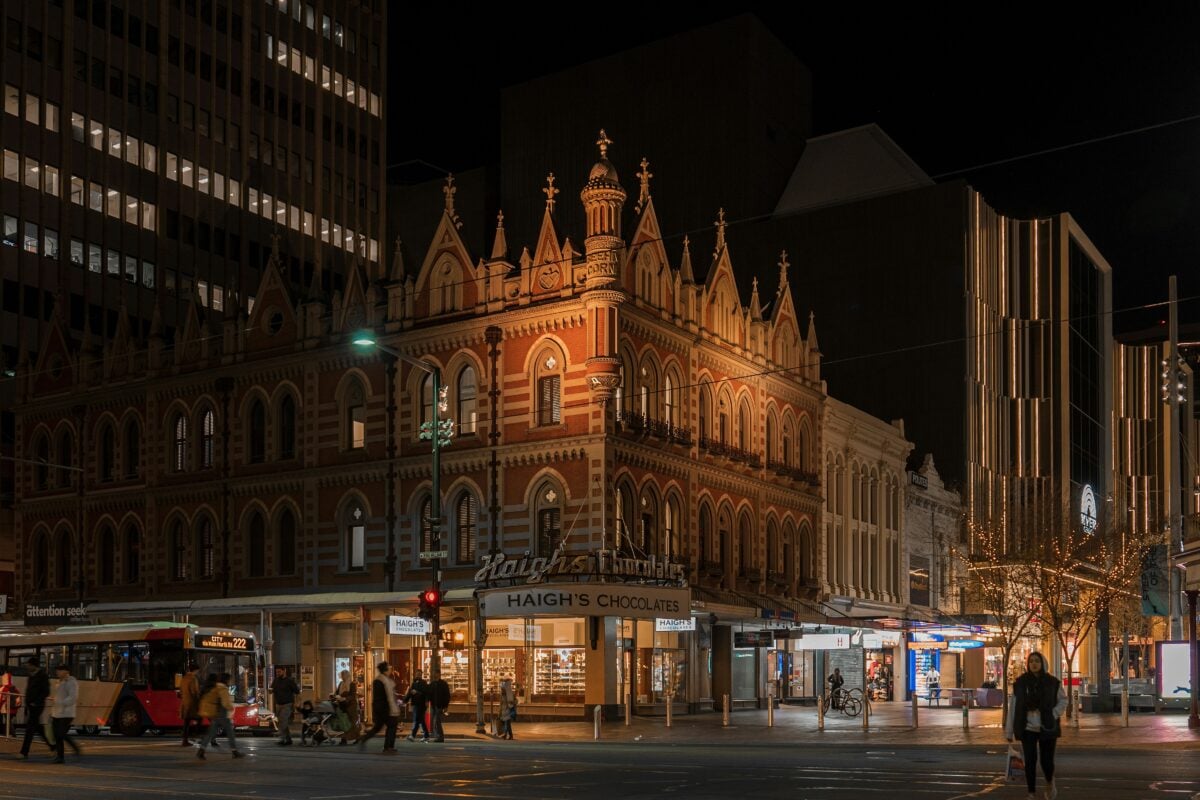
South Australia’s capital enjoys coastal breezes from the Gulf of St. Vincent. Hills rise to the east, but ocean winds dominate.
The city’s relatively small size—around 1.3 million people—helps keep pollution manageable. But Adelaide also made deliberate choices about development and industry.
Renewable energy generates a large portion of South Australia’s power. Wind farms cover hills outside the city.
Solar panels appear on residential roofs throughout Adelaide. The state leads Australia in renewable energy adoption.
This reduces the air pollution that comes from coal power plants common elsewhere in the country. Urban planning protected green belts and parks.
The Adelaide Parklands ring the city center with protected open space. Trees line many streets. The Mediterranean climate means outdoor living year-round, and residents appreciate clean air.
Water restrictions affect gardening, but air quality rarely poses problems.
Stockholm, Sweden
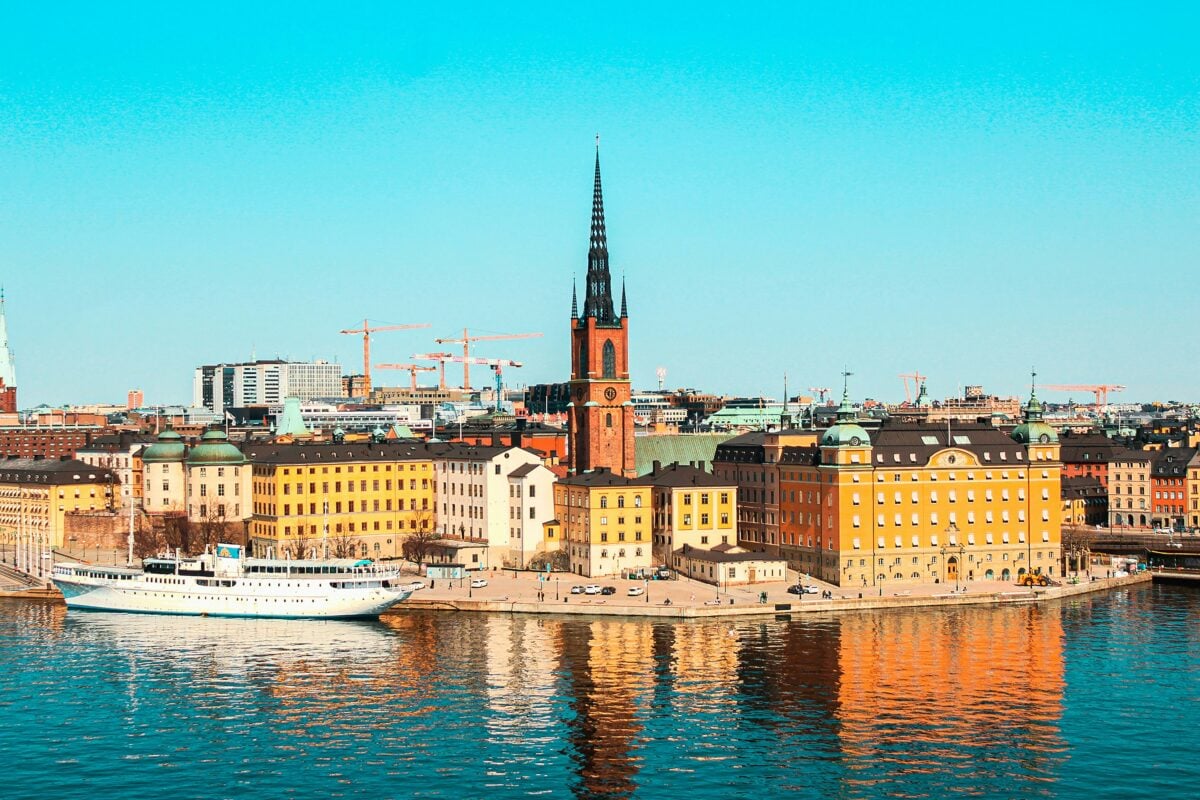
Sweden’s capital spreads across 14 islands connected by bridges. Water surrounds the city, bringing clean ocean air.
But Stockholm’s air quality results from more than geography. The city implemented congestion charging in the city center.
Drivers pay fees to enter during peak hours. This reduced traffic significantly.
Public transportation works efficiently. Buses, trains, metro, and ferries connect the metropolitan area.
Many residents choose public transit over driving. The city invested in bike infrastructure too. Protected bike lanes make cycling practical year-round despite cold winters.
District heating systems use combined heat and power plants with high efficiency. Renewable energy provides growing portions of electricity.
Sweden sets ambitious environmental targets and backs them with policy. Stockholm shows the results.
The air stays clean even in a metropolitan area approaching one million residents.
Bern, Switzerland
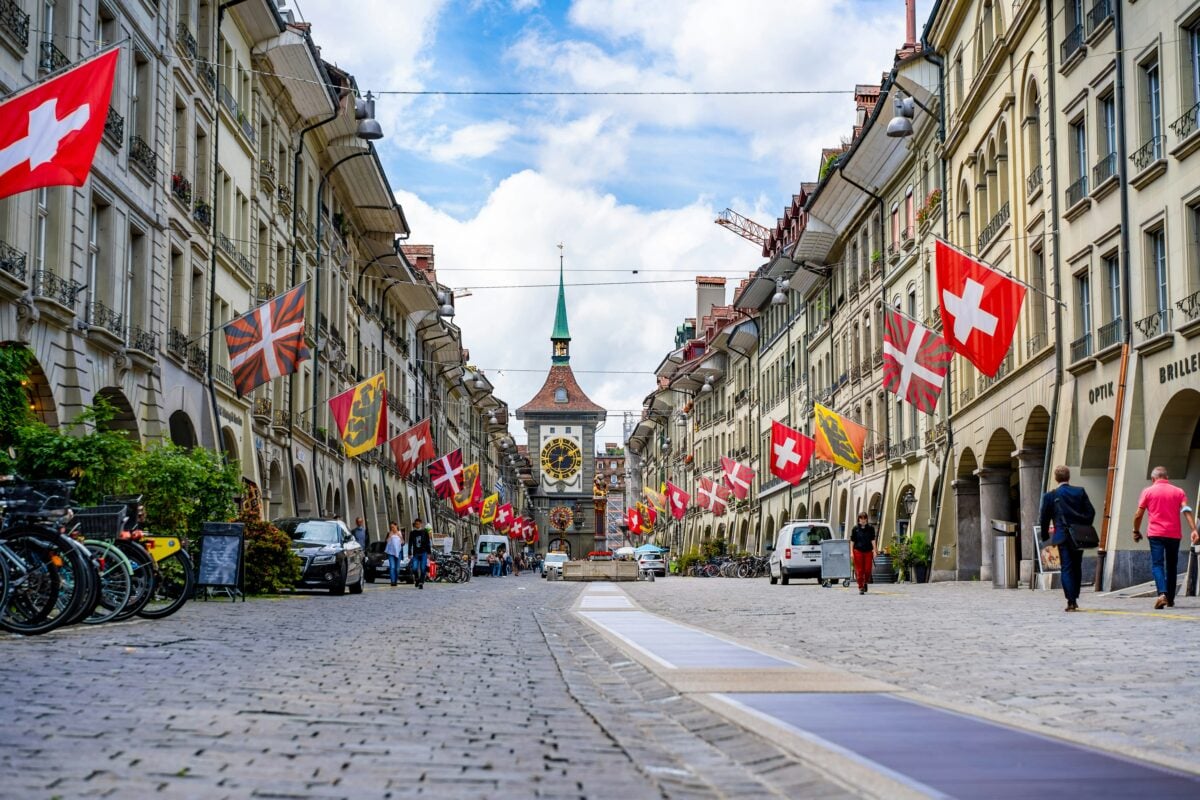
Switzerland’s capital maintains even stricter environmental standards than Zurich. Bern sits in a loop of the Aare River, surrounded by gentle hills and the Alps beyond.
The population stays under 150,000, which helps. But small cities can still have pollution problems.
Bern doesn’t because of policy choices. Cars face restrictions in the old town.
Public transportation connects the entire region. Swiss trains run with legendary precision, and Bern serves as a major hub.
Trams and buses provide local transportation. The Swiss generally prefer public transit over driving for practical and environmental reasons.
Industry in Bern focuses on services, government, and technology. Manufacturing exists but follows strict emissions controls.
The city protects green spaces aggressively. Even though Bern is the capital, it feels more like a large town than a city.
That scale helps maintain air quality. The Alps rise in the distance, visible on clear days because nothing blocks the view.
Oslo, Norway
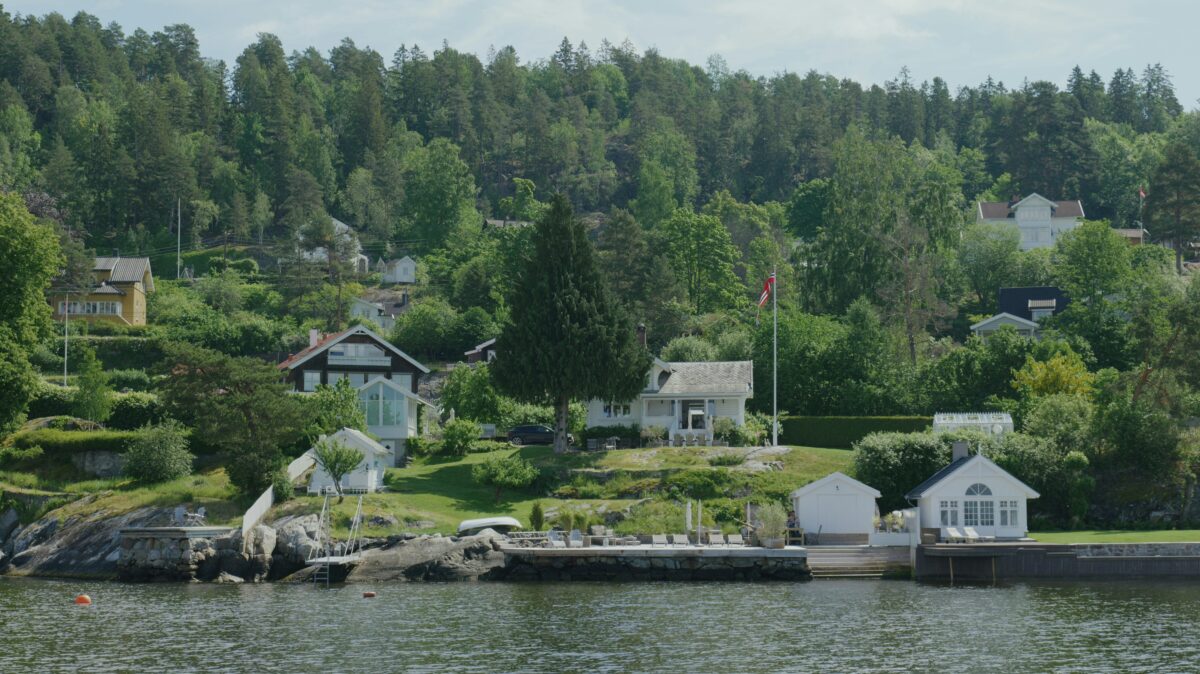
Norway’s capital benefits from fjord geography and strict environmental policies. Ocean water reaches into the city center, bringing maritime air.
Mountains surround Oslo, but prevailing winds usually prevent pollution from settling. The city is committed to aggressive climate goals and follows through.
Electric vehicles dominate Oslo’s streets. Norway incentivized electric car adoption with tax breaks and free parking.
Charging infrastructure appears everywhere. Public transportation runs on clean electricity.
Ferries crossing the harbor use electric or hybrid power. The city transformed over recent decades.
Highways that once ran through the city center got buried or rerouted. Waterfront industrial areas became parks and residential neighborhoods.
Oslo reclaimed space from cars and gave it to people. Air quality improved as a direct result.
Mountains that trap pollution occasionally still rise around the city, but what little pollution exists disperses quickly.
Breathing Easy

Clean air in cities requires luck and effort in varying proportions. Coastal winds help.
Low population density helps. Distance from industrial zones helps.
But the cities with the cleanest air made conscious choices about transportation, energy, and development. They invested in public transit.
They protected green spaces. They regulated emissions even when industries complained.
Geography dealt these cities different hands. Some got ocean breezes and natural ventilation.
Others sit in valleys that trap pollution but overcome that disadvantage through policy. The common thread is prioritizing air quality over convenience or short-term economic gains.
That choice costs money upfront. It requires political will. It means telling developers no sometimes and telling residents they can’t do whatever they want.
The payoff comes in health outcomes, quality of life, and cities that function better in the long run. Clean air isn’t everything, but it affects daily life more than people realize until they experience it.
You think more clearly. You sleep better. You get sick less often.
The difference might be subtle, but it’s real. These cities prove that urban living and clean air can coexist when communities decide that’s what they want.
More from Go2Tutors!

- The Romanov Crown Jewels and Their Tragic Fate
- 13 Historical Mysteries That Science Still Can’t Solve
- Famous Hoaxes That Fooled the World for Years
- 15 Child Stars with Tragic Adult Lives
- 16 Famous Jewelry Pieces in History
Like Go2Tutors’s content? Follow us on MSN.