17 Police Dog Units and Their Incredible Work
Police dogs aren’t just loyal partners—they’re highly trained specialists who can do things human officers simply can’t. These four-legged crime fighters undergo rigorous training that often takes years to complete, and out of every 1,000 potential dog candidates, only about 2 will have the right combination of drive, characteristics, and temperament to make it into elite police programs. From sniffing out hidden explosives to tracking down missing persons, these canine units serve in ways that would be nearly impossible for humans to replicate.
The world of police K9 units is far more diverse than most people realize, spanning everything from bomb detection to cybercrime investigation. Here’s a list of 17 specialized police dog units that showcase the incredible range of work these animals perform every day.
Drug detection units

These dogs are specifically trained to detect illegal substances like marijuana, heroin, cocaine, crack cocaine, and methamphetamines. Their noses? Incredibly sensitive.
They can pick up trace amounts of drugs that would be completely undetectable to humans, often working at airports, border crossings, and during routine traffic stops where their keen sense of smell has led to countless arrests and seizures.
Explosive detection teams

Bomb-sniffing dogs are among the most critical K9 units in modern law enforcement. These teams conduct bomb threat responses, security sweeps for special events, and dignitary protection, working actively during Presidential visits, college football games, concerts, and festivals.
Their ability to detect even tiny amounts of explosive materials makes them invaluable for preventing terrorist attacks and keeping large crowds safe—something that becomes more important with each passing year.
Apprehension and attack dogs

These dogs are used to locate, apprehend, and sometimes subdue suspects. They’re trained to respond to specific commands and can chase down fleeing criminals at speeds humans can’t match.
These units often work alongside SWAT teams and patrol officers, providing an extra layer of protection when dealing with dangerous suspects who might otherwise escape or harm officers.
Search and rescue units
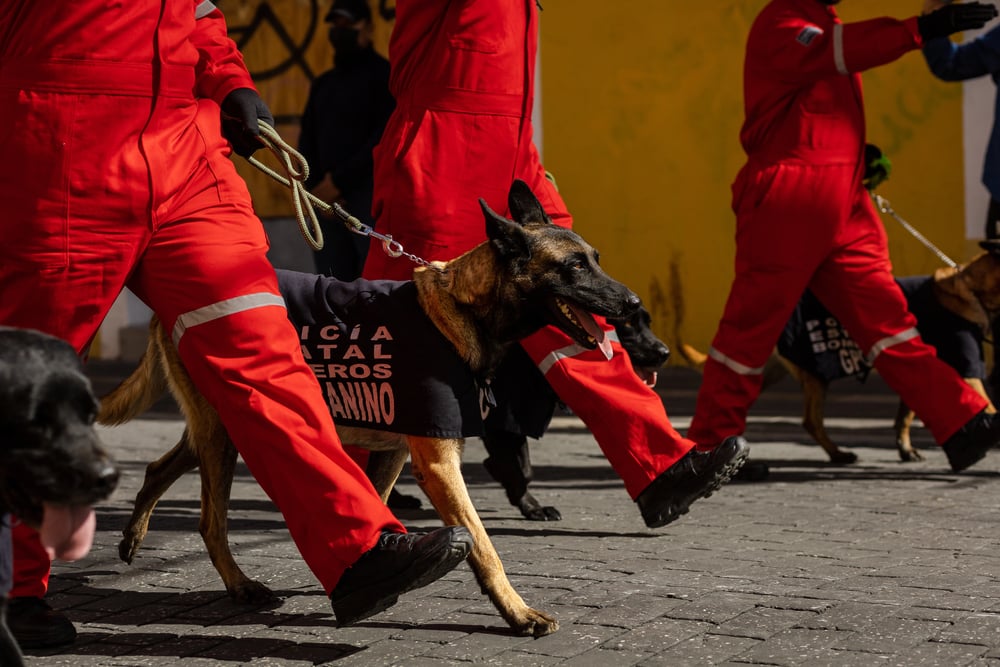
Search and rescue dogs specialize in finding missing persons, whether they’re lost hikers, disaster survivors, or victims of crimes. These dogs can track scents across miles of terrain and work in conditions that would be challenging for human searchers.
Their success rate in locating missing people far exceeds traditional search methods. Often making the difference between life and death.
Cadaver detection teams

Also known as human remains detection dogs, these units have the grim but important job of locating deceased individuals. These specialized teams work alongside crime scene investigators and search teams, helping solve murders and locate bodies in cases where traditional search methods have failed.
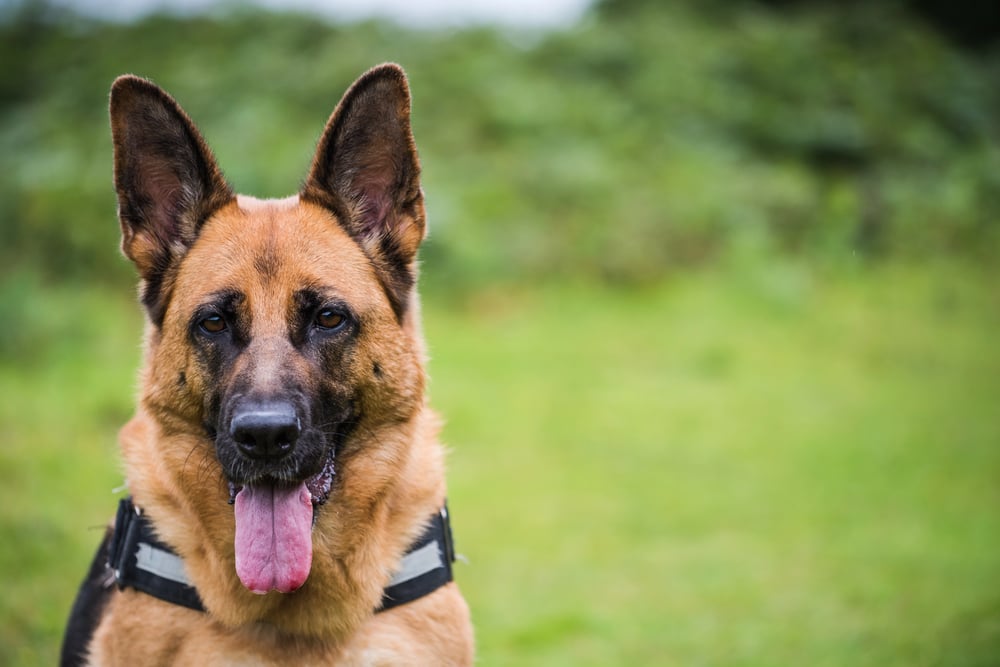
Their ability to detect human remains even after significant time has passed makes them crucial for cold case investigations—though it’s not exactly the kind of work you’d expect when you first see a friendly-looking German Shepherd.
Arson investigation dogs
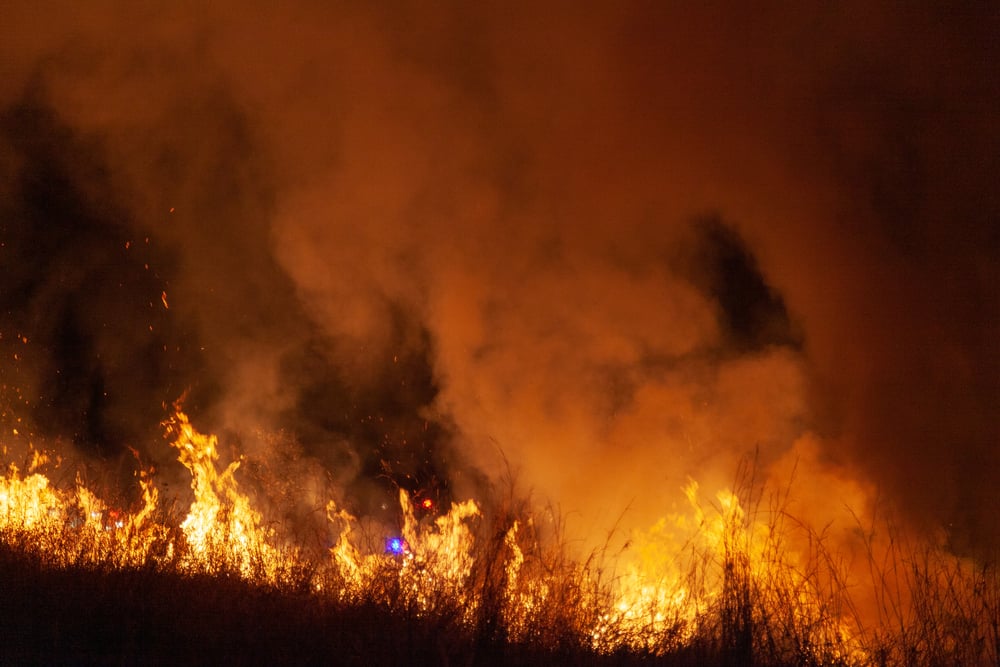
Arson detection dogs are trained to identify accelerants used to start fires. These units can sniff out traces of gasoline, lighter fluid, and other flammable substances that arsonists might use, even after a fire has burned for hours.
Still, their work often provides the key evidence needed to prove whether a fire was set intentionally, helping prosecutors build cases against arsonists.
Firearms detection units
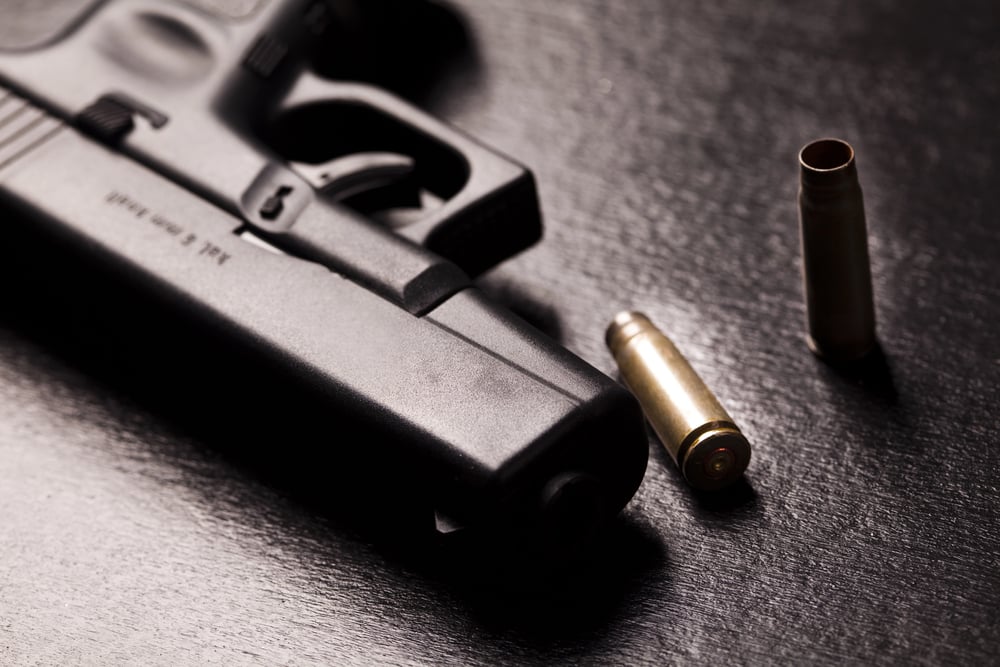
Some dogs are specifically trained to detect firearms and ammunition. These units are particularly valuable at schools, government buildings, and public events where weapons screening is essential.
Unlike metal detectors, these dogs can detect the distinctive scent of gunpowder and gun oil. Makes them incredibly effective at finding concealed weapons.
Tactical K9 operations
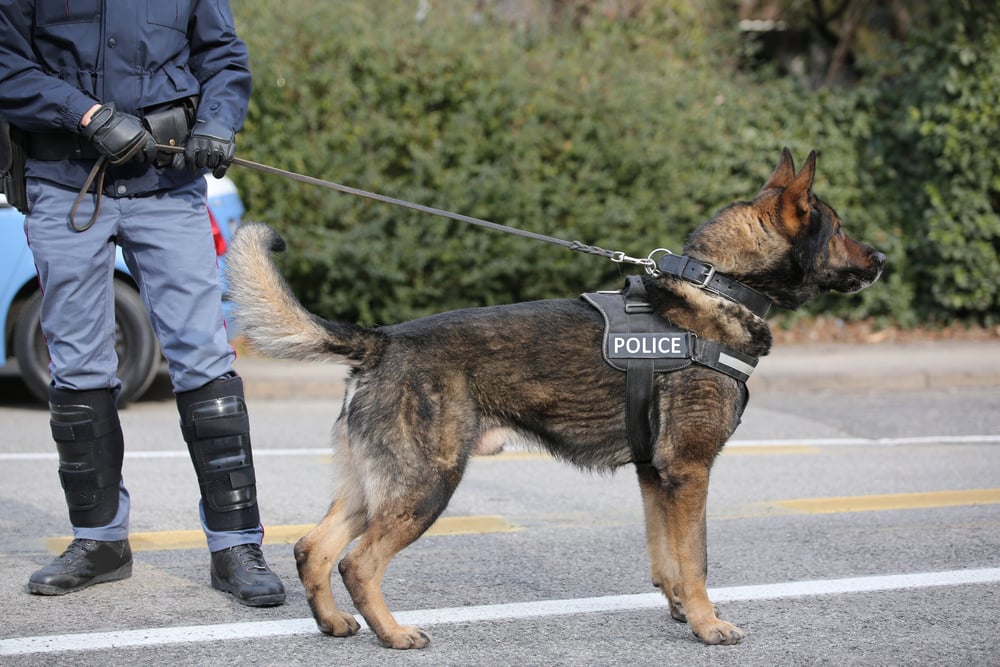
The U.S. Marshals developed Specialized Search Dog training in 2015, creating Tactical K9 operations that consist of highly trained K9s paired with Deputy U.S. Marshal handlers. These elite teams work on high-risk missions and provide specialized screening capabilities during national security events.
They represent the cutting edge of police dog training and deployment.
Presidential protection units
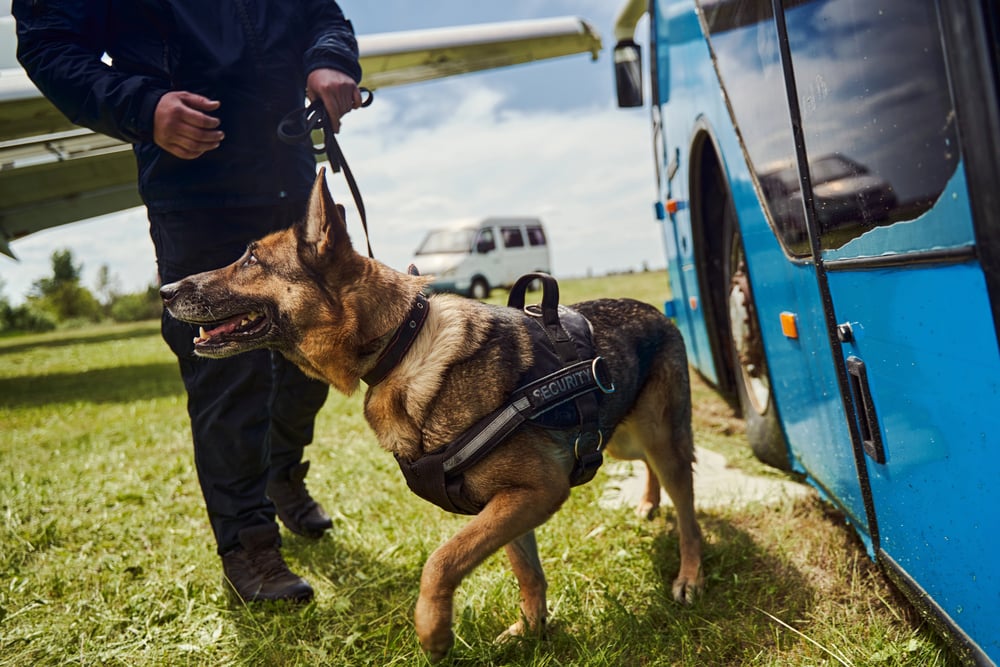
The U.S. Secret Service maintains a Canine Explosives Detection Team that provides full-time explosive detection support to the Presidential Protective Division. These dogs work around the clock to ensure the safety of the President and other high-level officials.
Their training is so specialized that they can detect threats in environments ranging from crowded public spaces to secure government facilities.
Patrol and dual-purpose dogs

Dual-purpose dogs, also known as patrol dogs, are trained in multiple skills including tracking, handler protection, off-leash obedience, criminal apprehension, and building searches. These versatile units are the workhorses of many police departments, capable of switching between different roles as situations demand.
One moment they might be tracking a suspect, the next they could be searching a building for evidence.
SWAT support teams

Many K9 units are assigned to SWAT teams, assisting with tactical searches. These dogs can clear buildings faster and more safely than human officers, often entering dangerous spaces first to assess threats.
Their presence allows SWAT teams to operate more effectively while reducing the risk to human officers during high-stakes operations—and the dogs seem to thrive on the adrenaline-filled work.
Air Force security forces K9s

US Air Force Security Forces maintain K9 units with highly trained dogs specializing in bomb and drug detection. These military working dogs protect some of America’s most sensitive installations, including nuclear facilities and classified research centers.
Their training often exceeds that of civilian police dogs due to the critical nature of military security requirements.
Border patrol canine units

While not covered in the search results, border patrol dogs work specifically along international boundaries to detect illegal crossings, contraband smuggling, and human trafficking. These units operate in challenging terrain and weather conditions, often working for hours in remote areas where traditional surveillance methods are impractical.
Crowd control and public order dogs
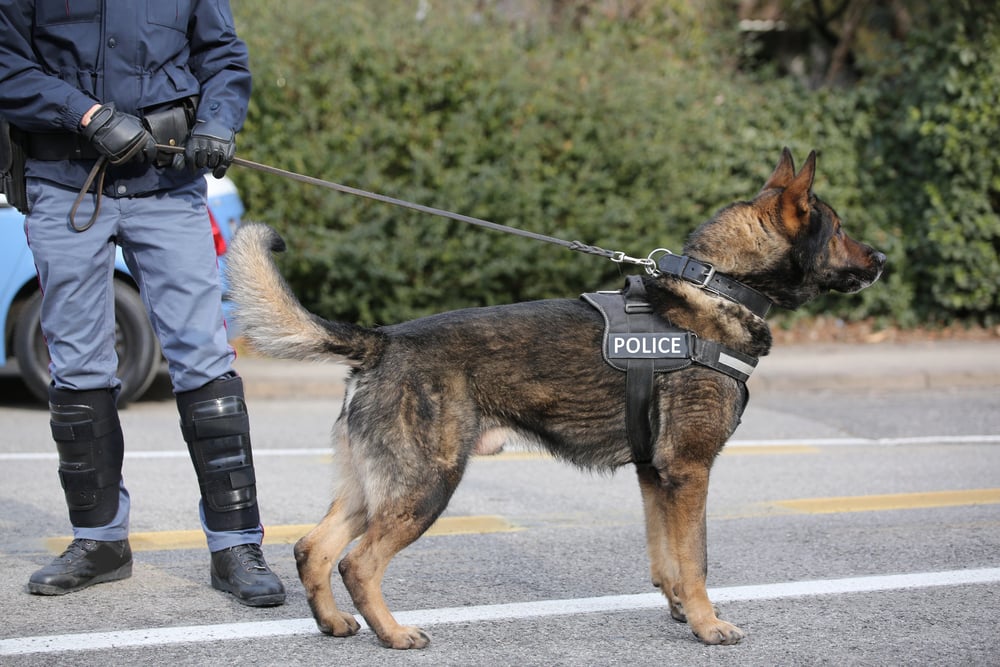
These specialized units help maintain order during protests, riots, and large public gatherings. Their presence alone often serves as a deterrent to violence, while their training allows them to respond appropriately to crowd situations without escalating tensions unnecessarily.
Computer and electronics detection dogs
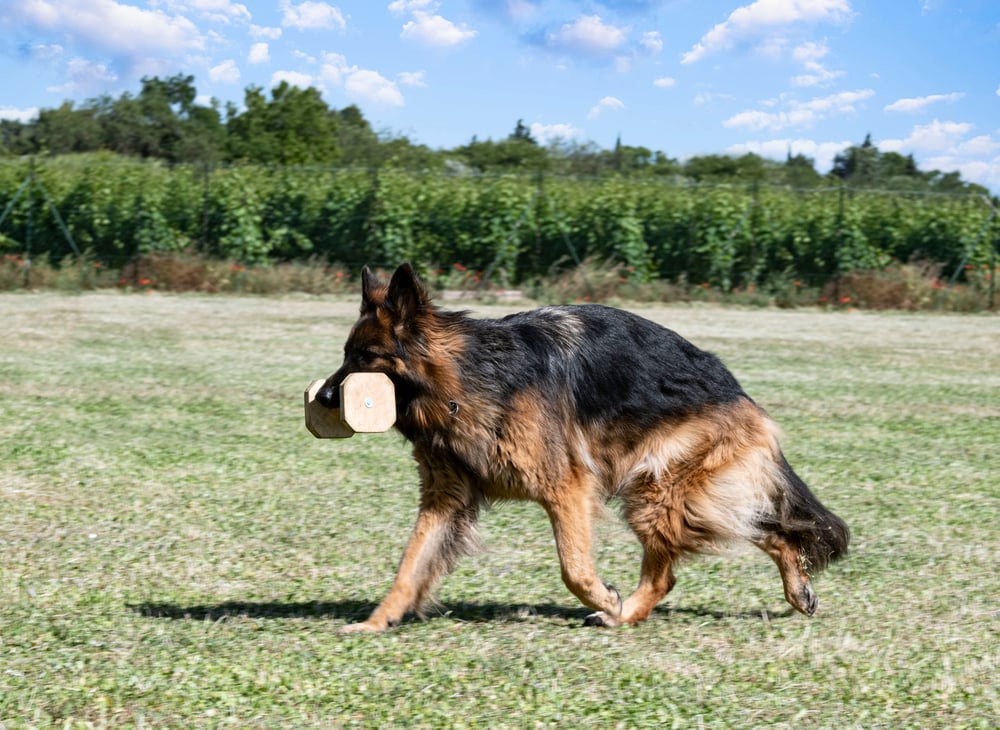
A newer specialty in law enforcement, these dogs are trained to detect the distinctive scents of electronic storage devices like hard drives, USB drives, and memory cards. They’re particularly valuable in investigations involving child exploitation, corporate espionage, and cybercrimes where suspects might hide digital evidence.
Vehicle interdiction teams

These dogs specialize in searching vehicles for contraband, weapons, or other illegal items. They’re trained to work around cars, trucks, and commercial vehicles, detecting hidden compartments and concealed items that might escape human inspection during traffic stops or border crossings.
Currency detection units
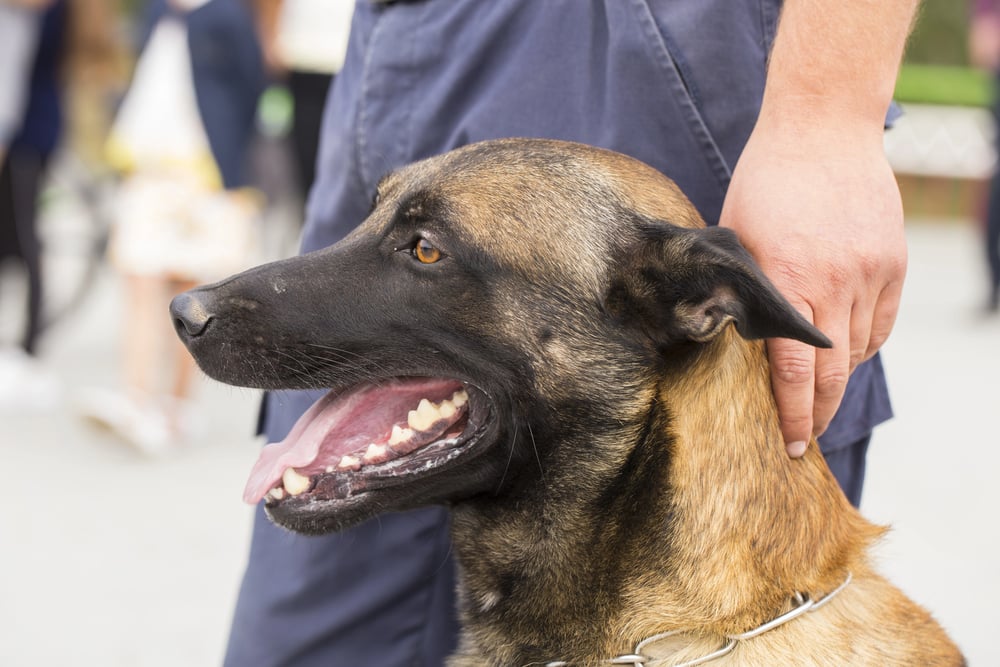
Some K9 teams are trained specifically to detect large amounts of currency, which often indicates money laundering or drug trafficking operations. These dogs can smell the distinctive ink and paper used in U.S. currency, helping investigators track illegal financial activities and seize assets connected to criminal enterprises.
From specialized training to everyday heroes
The evolution of police K9 units reflects law enforcement’s growing understanding of just how valuable these four-legged officers can be. The training process is incredibly lengthy, starting with extensive handler training that requires officers to complete police academy training and one to two years of patrol experience before becoming eligible for canine units.
\What started as simple patrol dogs has expanded into highly specialized units that can tackle everything from terrorism prevention to cybercrime investigation. These canine partners are on-call 24/7 and also promote positive public relations, serving not just as crime-fighting tools but as bridges between law enforcement and the communities they protect.
The incredible diversity of their work proves that when it comes to police dogs, there’s truly no limit to what these remarkable animals can accomplish.
More from Go2Tutors!

- The Romanov Crown Jewels and Their Tragic Fate
- 13 Historical Mysteries That Science Still Can’t Solve
- Famous Hoaxes That Fooled the World for Years
- 15 Child Stars with Tragic Adult Lives
- 16 Famous Jewelry Pieces in History
Like Go2Tutors’s content? Follow us on MSN.