17 of the Most Densely Populated Places in the World (You Can Actually Visit)
The thrill of navigating through buzzing metropolises where humanity congregates in astonishing numbers creates travel experiences unlike any other. Dense urban centers showcase our species’ remarkable adaptability in creating functional societies despite severe spatial constraints.
The energy in these places proves almost tangible – you can feel it in the air. Unlike secluded wilderness retreats, these destinations immerse visitors directly in vibrant communities where cultural experiences happen organically.
Here is a list of 17 of the most densely populated places worldwide that welcome tourists with open arms – though those arms might be pressed right against you on crowded streets.
Manila, Philippines
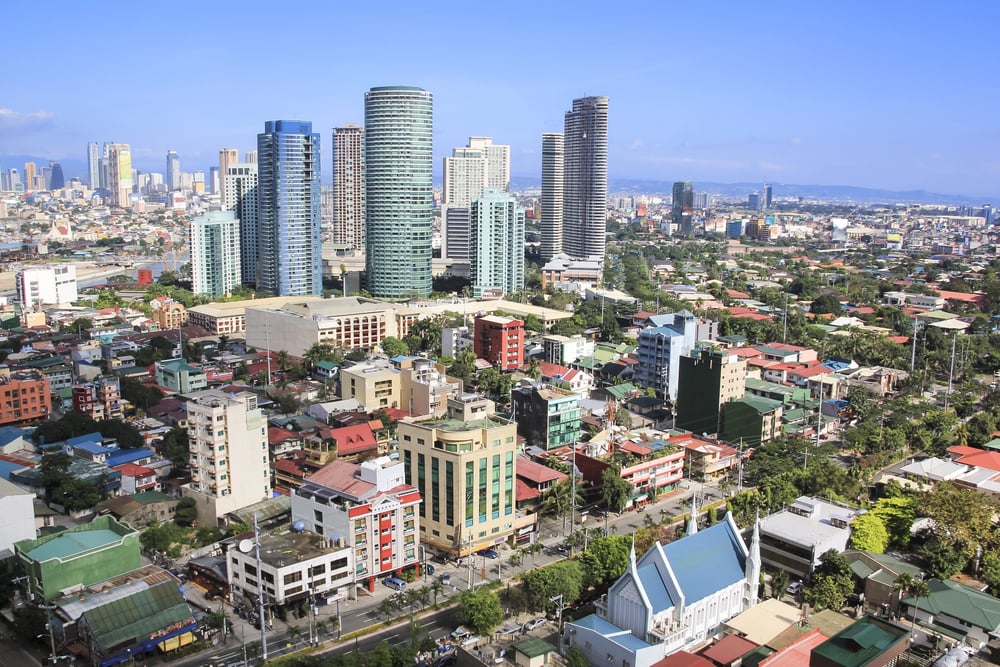
The Philippine capital somehow accommodates over 46,000 people per square mile – creating an urban landscape that defies conventional Western notions of personal space. Manila’s extreme population density becomes particularly evident when wandering through neighborhoods like Tondo, where makeshift homes press against each other and narrow alleyways buzz with constant activity.
Filipinos haven’t let their crowded conditions diminish their legendary hospitality, though; they’ll often greet visitors warmly despite the challenging living environments.
Mumbai, India
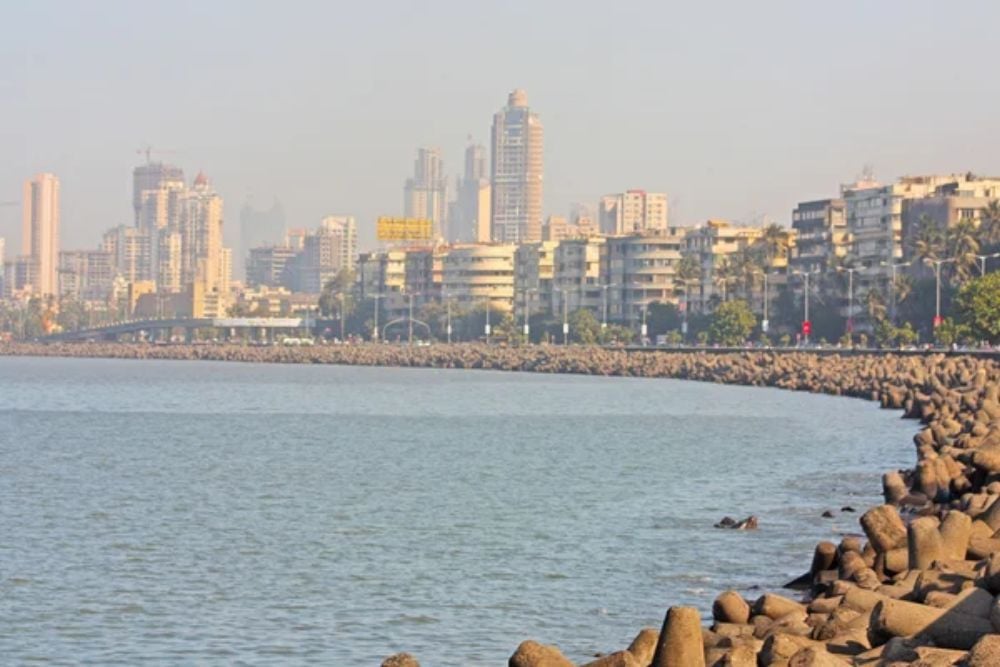
With approximately 73,000 people crammed into each square mile of its most congested areas, Mumbai epitomizes the concept of organized chaos. The city’s famous Dharavi slum – subject of countless documentaries and books – houses nearly one million residents within less than a single square mile.
A journey through Mumbai means navigating colorful market stalls, dodging determined auto-rickshaws, and experiencing sensory overload that somehow functions with its own internal logic and rhythm.
Like Go2Tutors’s content? Follow us on MSN.
Hong Kong
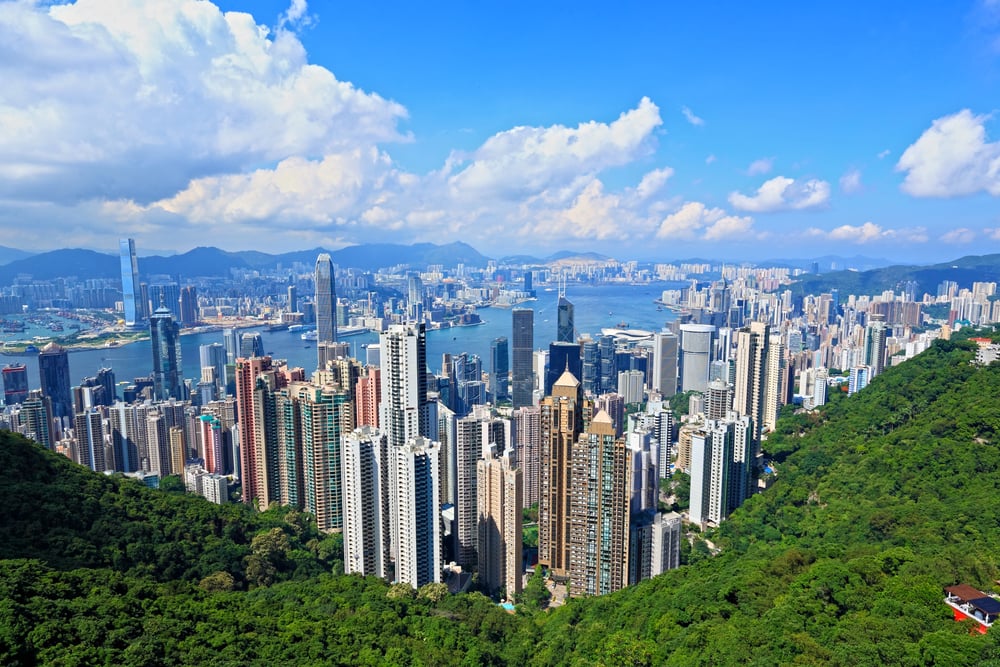
This vertical metropolis tackles its spatial limitations by building skyward – resulting in the iconic forest of skyscrapers that defines its unmistakable silhouette. Hong Kong packs roughly 67,000 people into each square mile, with neighborhoods like Mong Kok featuring apartments that might measure no larger than a standard American parking space.
Despite such extreme spatial constraints, the city maintains remarkable efficiency – its public transportation system moves millions daily with precision that would impress Swiss watchmakers.
Dhaka, Bangladesh
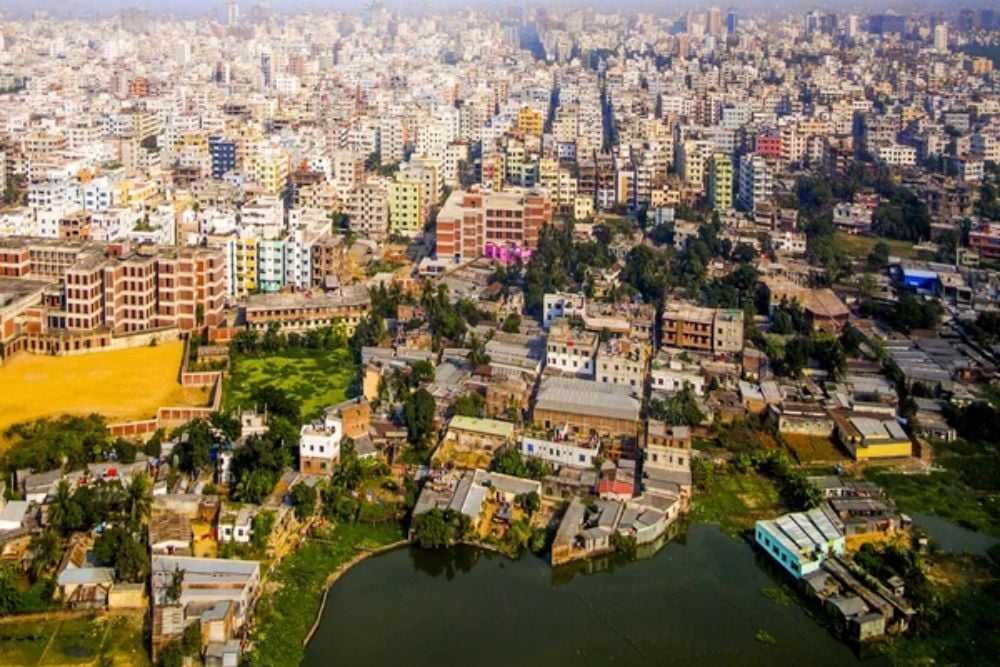
Bangladesh’s capital holds the distinction of being among the world’s fastest-growing megacities, with density reaching a staggering 115,000 people per square mile in certain districts. Colorful rickshaws weave impossibly through narrow lanes while street vendors, pedestrians, and vehicles compete fiercely for every available inch.
The city’s vibrant textile markets and chaotic street food scenes assault visitors’ senses – yet this sensory bombardment constitutes precisely what makes exploring Dhaka so fascinating.
Lagos, Nigeria
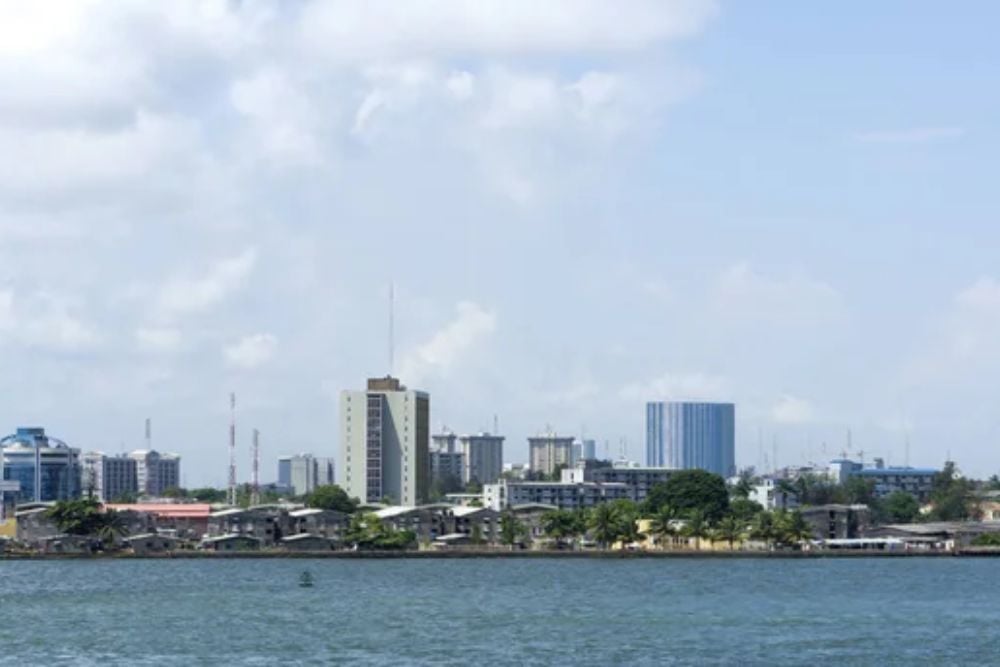
Africa’s most populous urban center squeezes approximately 20,000 people into each square mile – with informal settlements like Makoko demonstrating incredible human ingenuity through neighborhoods built entirely on stilts above water. Lagos pulses with entrepreneurial energy unlike anywhere else – street traders hawk everything from tropical fruits to cutting-edge electronics with equal enthusiasm.
The famous hustle culture ensures ceaseless activity regardless of time – creating an urban environment that truly never sleeps.
Like Go2Tutors’s content? Follow us on MSN.
Tokyo, Japan
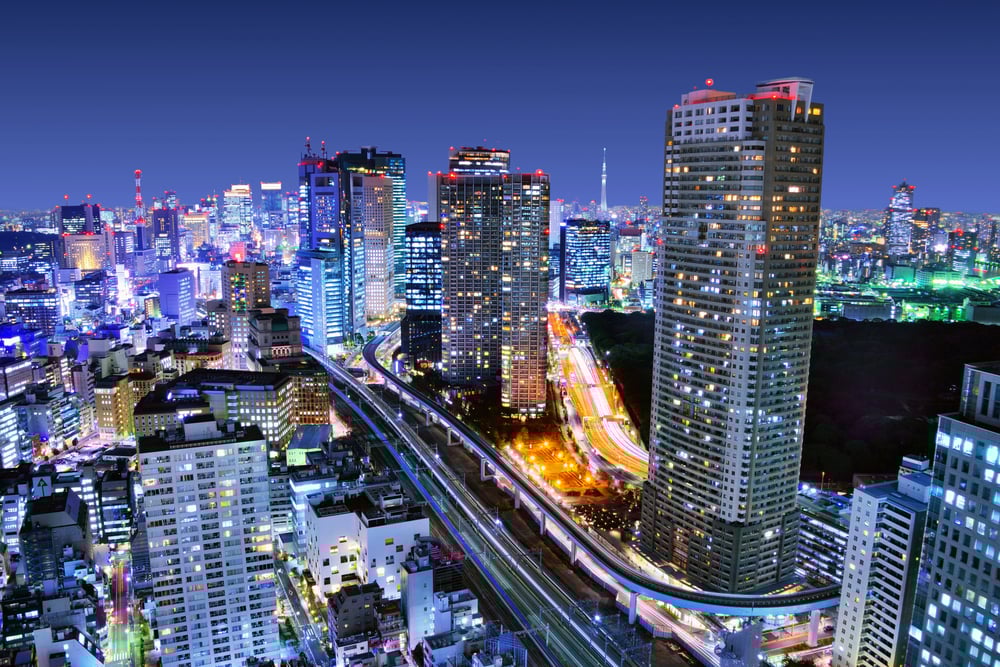
Despite ranking among the world’s most heavily populated metropolitan areas, Tokyo manages its extraordinary density with efficiency that borders on the miraculous. The city houses about 16,000 residents per square mile – with districts like Shinjuku illustrating how thoughtful urban planning can successfully accommodate massive populations without descending into chaos.
Shibuya Crossing stands as perhaps the perfect symbol of Tokyo’s organized density – thousands cross simultaneously when traffic signals change in a mesmerizing urban ballet.
Cairo, Egypt
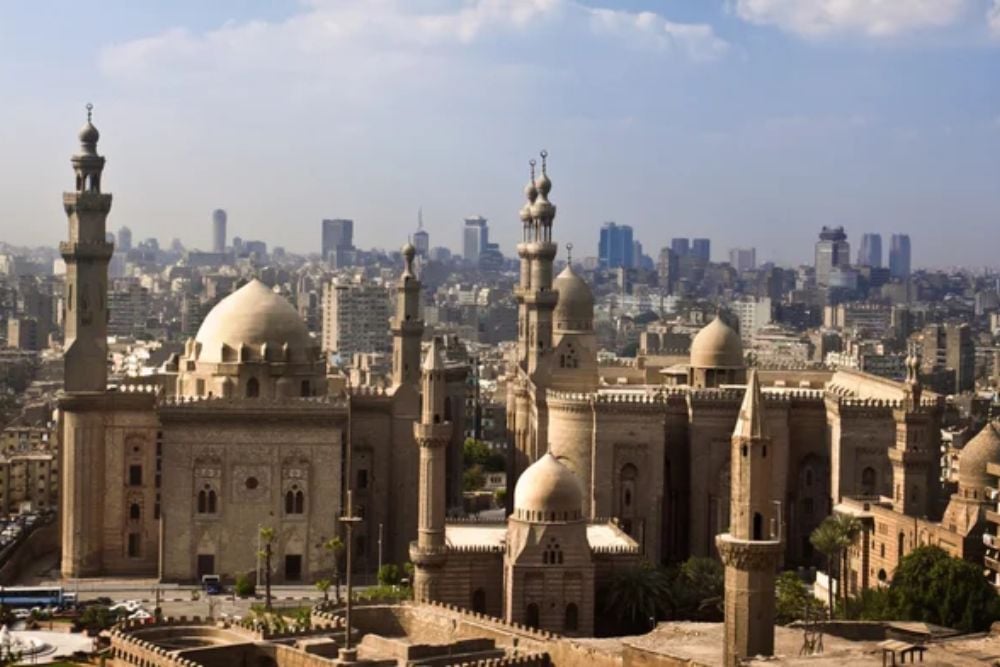
Egypt’s sprawling capital fits roughly 20,000 people into each square mile – with ancient neighborhoods featuring buildings positioned so closely that neighbors might easily shake hands through opposing windows. Cairo’s density extends beyond traditional living spaces – even the historic City of the Dead hosts thousands who’ve established homes among mausoleums and tombs.
Cairenes maintain tight community bonds despite spatial challenges; entire lives unfold in public spaces where private and communal boundaries blur continually.
Kolkata, India
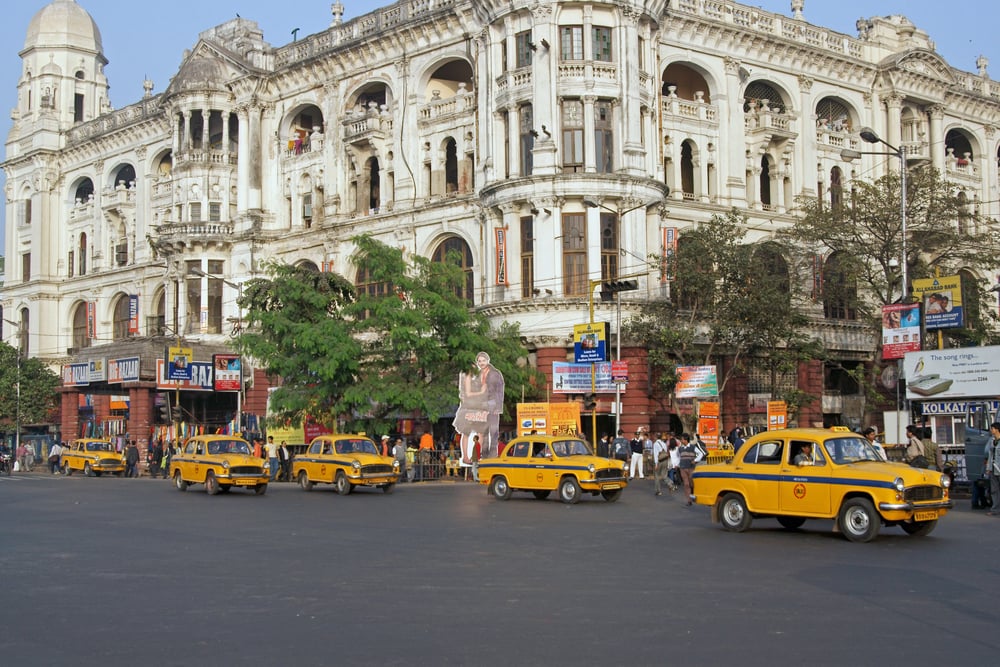
This Indian metropolis – formerly known as Calcutta – accommodates about 63,000 people per square mile throughout its central districts. Kolkata’s iconic hand-pulled rickshaws navigate streets lined with colonial architecture standing shoulder-to-shoulder with improvised shelters. The city somehow preserves its rich intellectual heritage amid overwhelming crowds; book markets and coffee houses still host passionate debates on philosophy, politics, and literature despite the pressing humanity all around.
Like Go2Tutors’s content? Follow us on MSN.
Seoul, South Korea
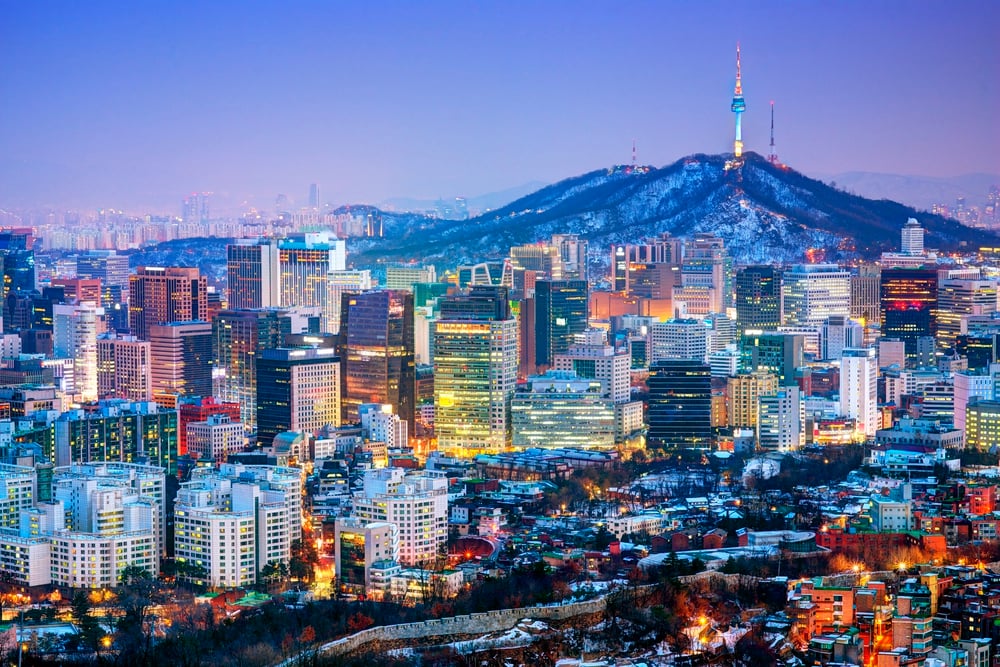
South Korea’s capital demonstrates how intelligent urban design can make extreme density not just livable but genuinely pleasant, housing approximately 43,000 people per square mile across its sprawling districts. Seoul’s residential high-rises efficiently shelter millions while still preserving space for beautifully maintained public parks and riverside promenades.
The city’s perpetual activity creates a uniquely comforting atmosphere – you’ll never feel isolated when midnight shopping excursions and 3 AM barbecue restaurants operate as normally as midday establishments.
Karachi, Pakistan
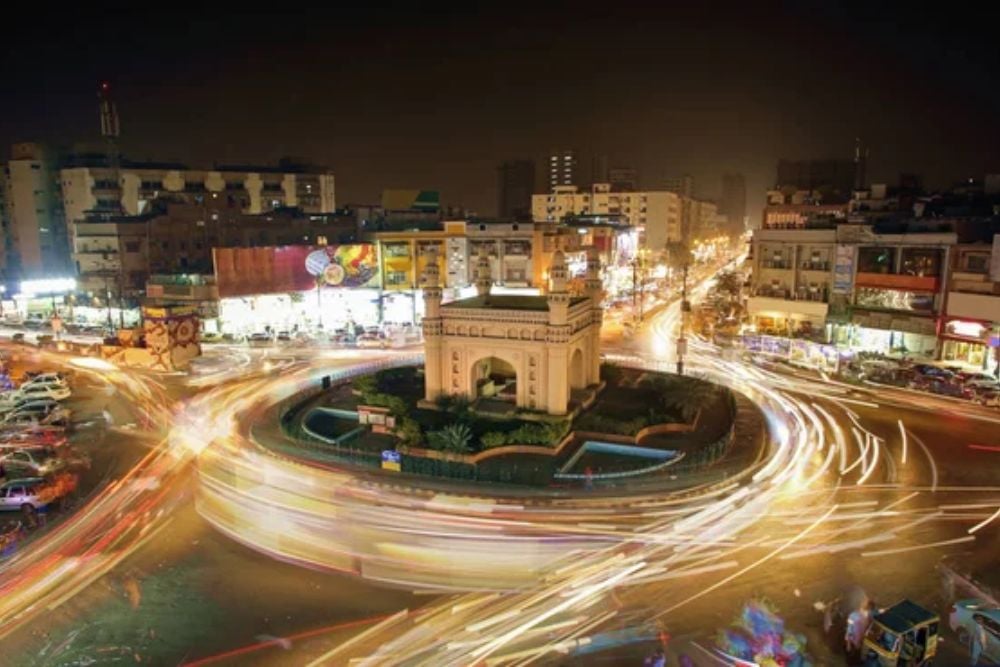
Pakistan’s largest urban center fits approximately 24,000 people into each square mile, creating vibrant neighborhoods where distinctions between public and private realms fade into irrelevance. Karachi’s density becomes most apparent in bustling bazaars where merchants stack goods impossibly high to maximize limited retail space.
The city faces significant infrastructure challenges due to its rapid growth, yet maintains an entrepreneurial vitality that visitors often find unexpectedly captivating.
Mexico City, Mexico
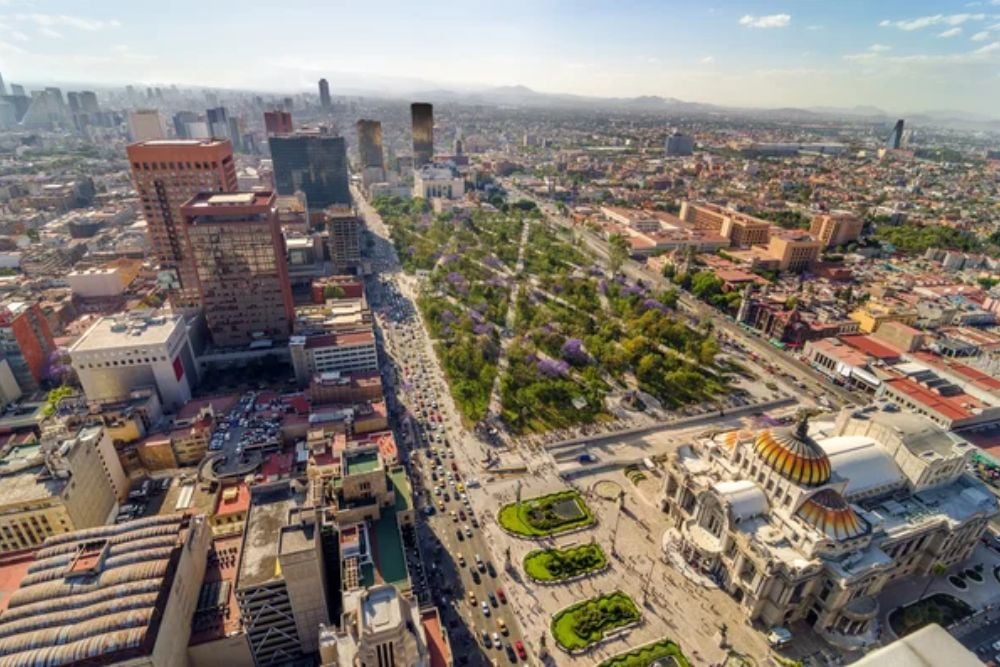
Constructed atop an ancient lakebed, Mexico City houses roughly 25,000 people per square mile across its vast metropolitan expanse. The historic center compresses centuries of fascinating history into narrow streets where Aztec ruins sit in the shadow of Spanish colonial architecture.
Mexico City’s density offers undeniable advantages for culinary enthusiasts – you’re never more than a few steps from incredible street food, with taco stands appearing almost magically on every corner.
Like Go2Tutors’s content? Follow us on MSN.
Jakarta, Indonesia
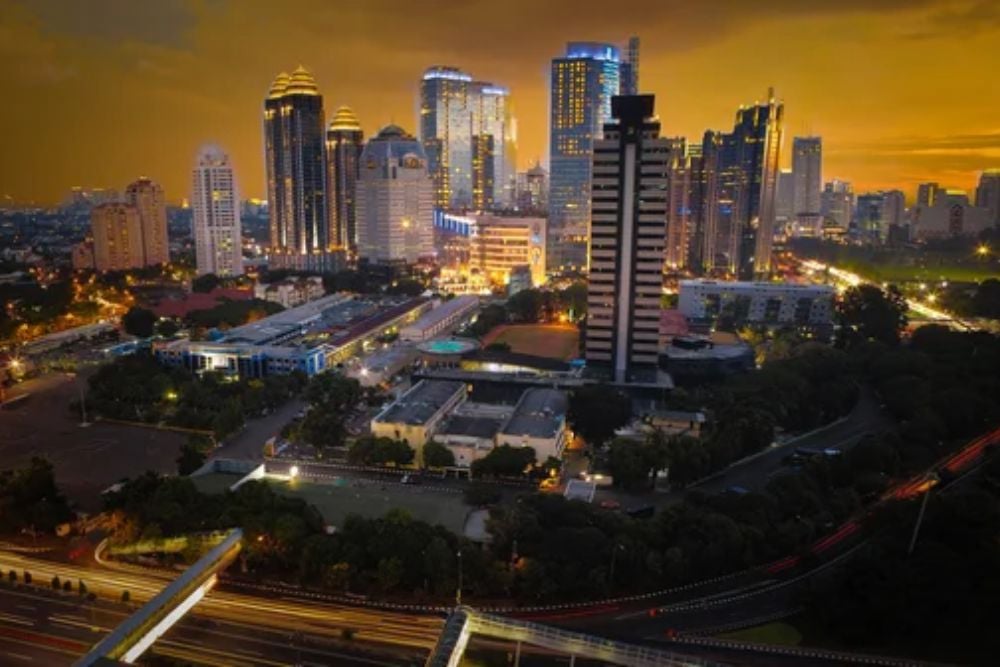
Indonesia’s sprawling capital accommodates approximately 37,000 residents per square mile across neighborhoods that juxtapose gleaming skyscrapers against traditional kampung settlements. Jakarta’s infamous macet (traffic jams) demonstrate the logistical challenges of urban overcrowding, yet also highlight residents’ remarkable adaptability in creating functioning communities despite limited infrastructure.
After sunset, the city transforms as night markets convert crowded thoroughfares into vibrant communal spaces where locals socialize regardless of space constraints.
Sao Paulo, Brazil
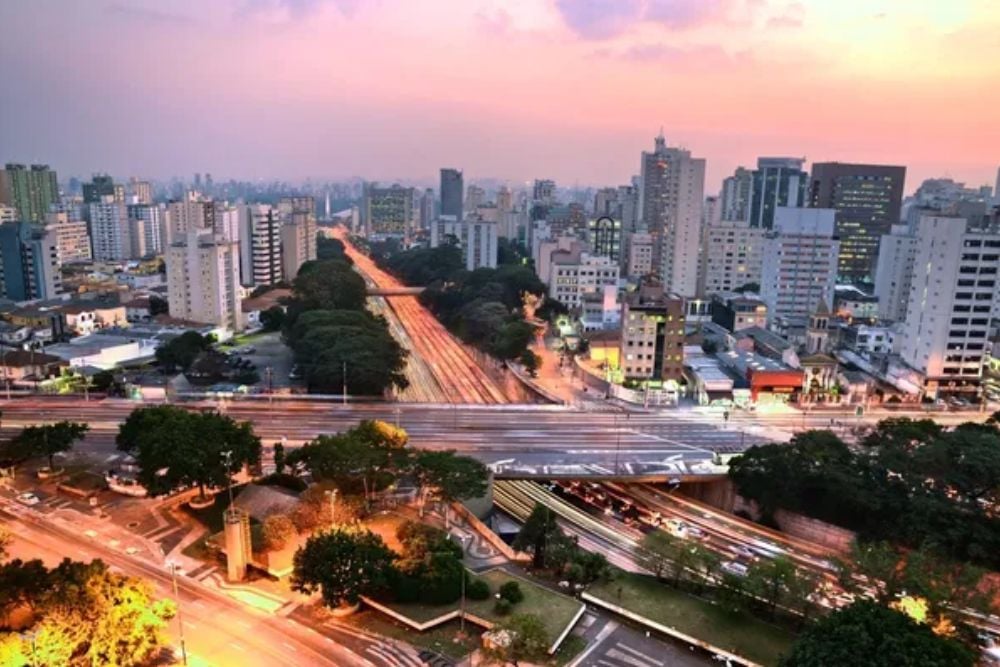
South America’s largest metropolitan area houses approximately 21,000 people per square mile, with stark contrasts between luxury high-rises and densely packed favelas often visible within the same panorama. Sao Paulo’s helicopter culture—boasting the world’s largest fleet of private choppers—emerged directly from adaptation to extreme congestion and limited ground mobility.
The city’s incredible diversity means visitors can authentically experience dozens of global culinary traditions and cultural expressions within remarkably short distances.
Shanghai, China
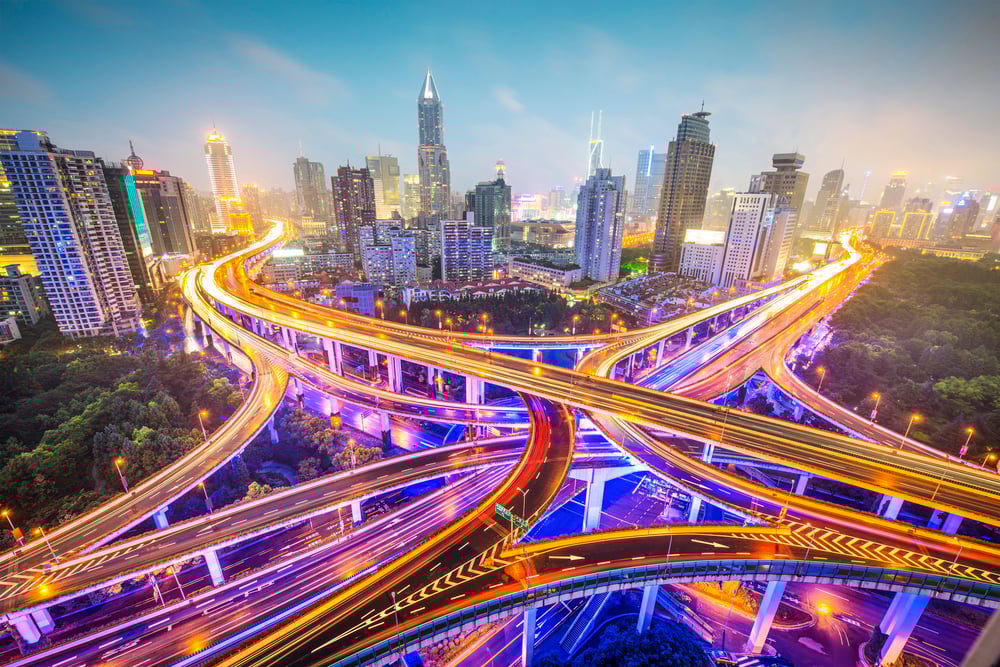
China’s financial powerhouse showcases how rapid development reshapes urban density, with approximately 11,000 people occupying each square mile across its extensive footprint. Shanghai’s traditional lilong neighborhoods feature homes arranged around intimate alleyways, creating close-knit communities within the larger megacity framework.
The striking visual contrast between ultramodern Pudong district and the densely packed old town demonstrates a metropolis actively balancing breakneck growth with respect for historical urban patterns.
Like Go2Tutors’s content? Follow us on MSN.
Istanbul, Turkey
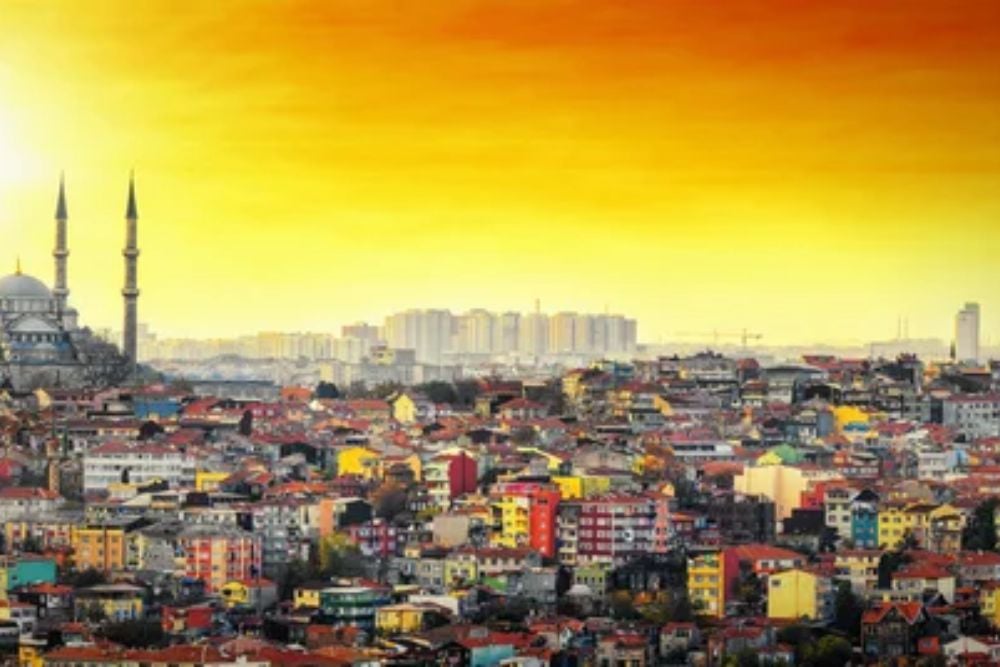
Spanning two continents, Istanbul accommodates roughly 8,400 people per square mile throughout neighborhoods that layer Byzantine, Ottoman, and contemporary architectural influences. The Grand Bazaar serves as a microcosm of the city’s density with over 4,000 shops packed into labyrinthine corridors that have facilitated commerce for centuries.
Istanbul’s relatively compact historical districts mean travelers can experience dramatically different cultural atmospheres by walking surprisingly short distances between neighborhoods.
Paris, France
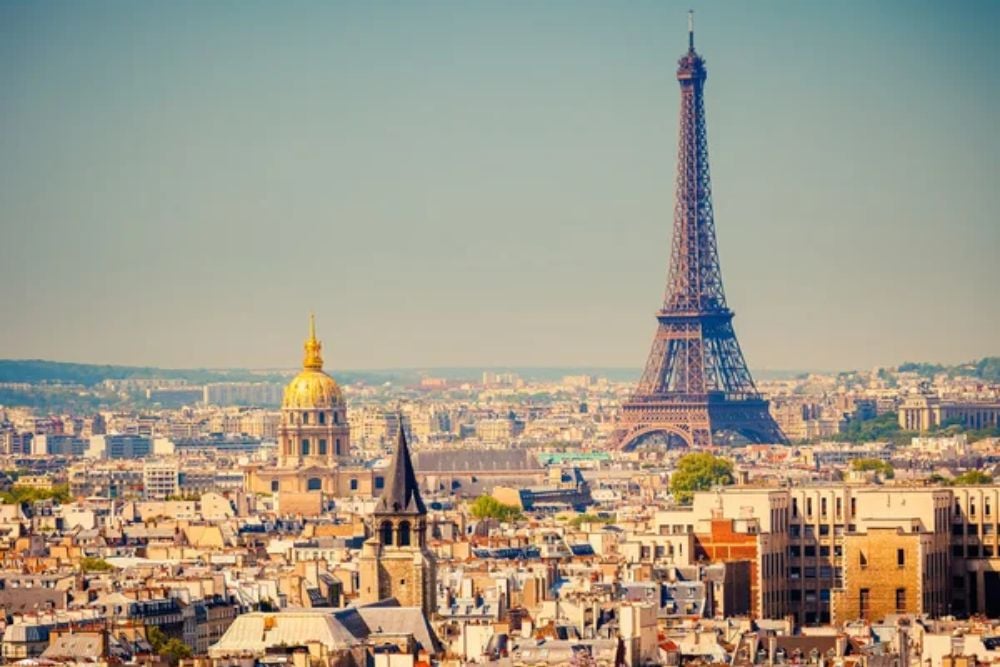
Europe’s most densely populated major city manages to fit approximately 56,000 people per square mile within its historic périphérique (ring road) through remarkably consistent urban planning. Paris achieves this population density primarily through uniform mid-rise buildings—typically 6-7 stories tall, distributed evenly across its 20 distinctive arrondissements.
The legendary café culture effectively transforms narrow sidewalks into functional living rooms as Parisians ingeniously utilize every available square inch of public space for socializing.
Macau

This tiny autonomous region packs over 57,000 people into each square mile, creating one of the world’s most concentrated urban experiences in an area measuring just 12 square miles total. Macau’s extreme density reflects its unique historical position at the crossroads of Eastern and Western influence—Portuguese colonial buildings stand adjacent to traditional Chinese temples while modern casino complexes compete for limited real estate.
Despite its minuscule geographical footprint, Macau somehow absorbs over 30 million annual visitors who further intensify the already impressive human density.
Like Go2Tutors’s content? Follow us on MSN.
Urban Proximity: Challenge and Opportunity
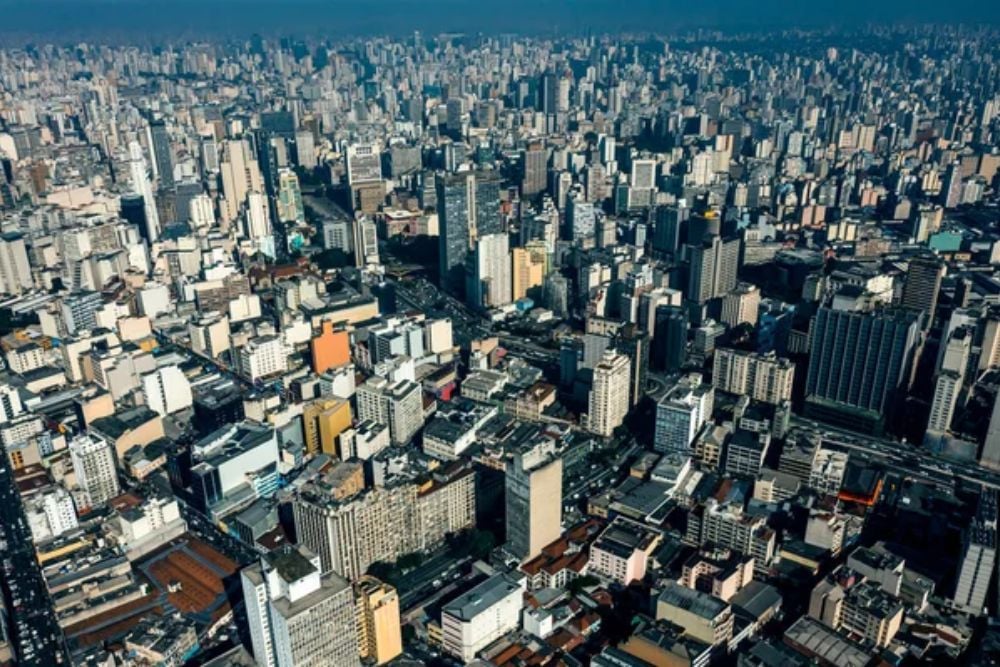
These remarkably dense cities challenge conventional Western notions about personal space while showcasing humanity’s inventive responses to spatial limitations. Each location has developed distinctive cultural adaptations to extreme crowding—from Tokyo’s elaborate subway etiquette to Mumbai’s astonishingly efficient dabbawala lunchbox delivery network.
What connects these diverse places transcends their obvious physical constraints; the vibrant energy generated when millions of lives unfold in close proximity creates urban experiences that, while occasionally overwhelming, remain endlessly fascinating for travelers willing to embrace the beautiful chaos.
More from Go2Tutors!

- 18 Unexpectedly Valuable Collectibles You Might Have Lying Around
- 20 Little-Known Historical Battles That Had Huge Consequences
- 20 Historical Artifacts That Scientists Can’t Explain
- 15 Inventions That Were Immediately Banned After Being Created
- 20 Actors Who Were Almost Cast in Iconic Roles
Like Go2Tutors’s content? Follow us on MSN.