Destinations With Strict Gender Laws
Travel opens your mind. It drops you into cultures that work differently from your own, and most of the time that’s a good thing. But some of the places people dream of visiting — or pass through without a second thought — operate under laws that govern what women can wear, where they can go, who they can marry, and how much of their own life they actually get to decide for themselves.
These aren’t ancient relics buried in history books. They’re active, enforced, and in some cases getting stricter by the year.
If you’re planning a trip, or just curious about how gender laws shape entire societies, here’s what’s happening on the ground in some of the most restrictive places on Earth.
Afghanistan: The World’s Harshest Crackdown
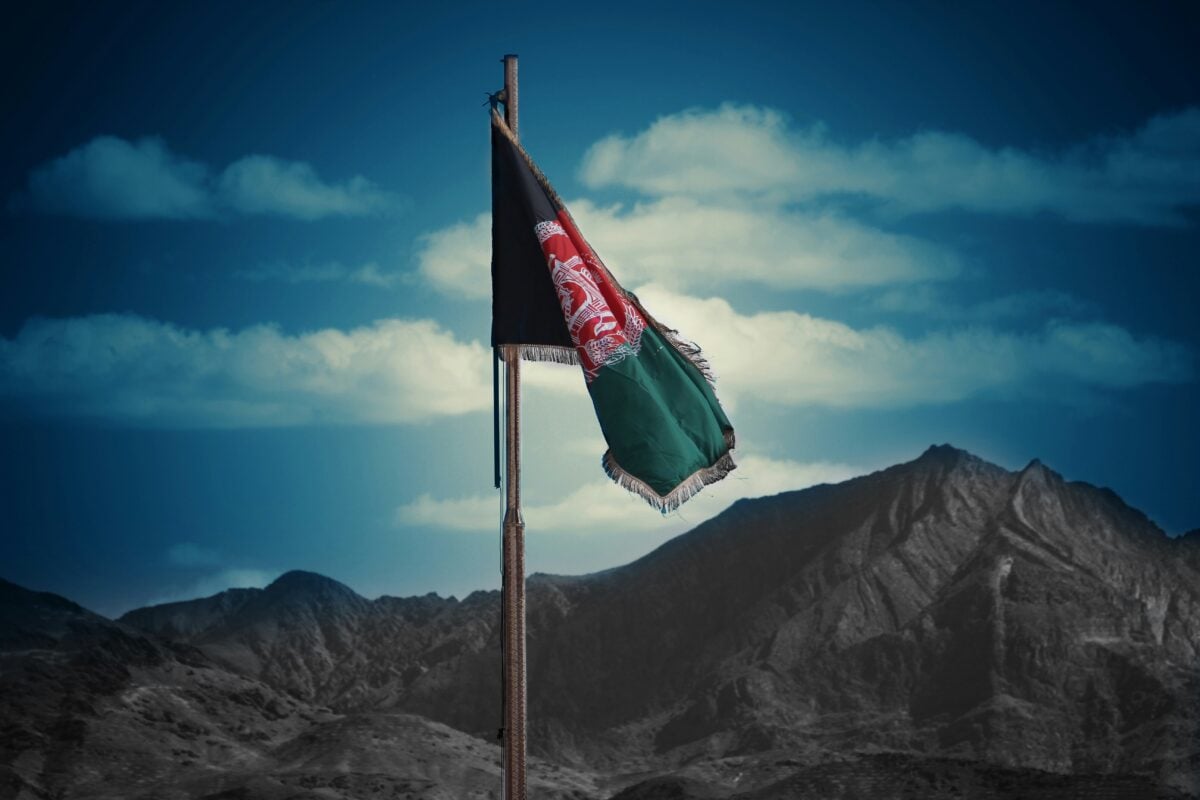
Afghanistan stands alone. It is the only country on Earth where girls and women are banned from both secondary school and university education.
Since the Taliban regained power in August 2021, they have issued close to 100 decrees stripping women and girls of rights across the board — education, employment, movement, public life, and even their voices. Girls finish primary school at the end of grade six, and that’s it.
More than 2.2 million Afghan girls are locked out of secondary education right now. Women are barred from universities, most jobs, parks, gyms, and sports clubs.
They cannot travel without a male relative. A 2024 law called the “Promotion of Virtue and Prevention of Vice” prohibits women from speaking on radio and bans any representation of the human form.
The numbers tell a bleak story. Seventy-eight percent of young Afghan women are not in education, employment, or training — nearly four times the rate for young men.
Less than seven percent of Afghan women have a bank account. The country has the second-widest gender gap in the world, according to a 2025 UN Women report.
Saudi Arabia: Reform and Contradiction
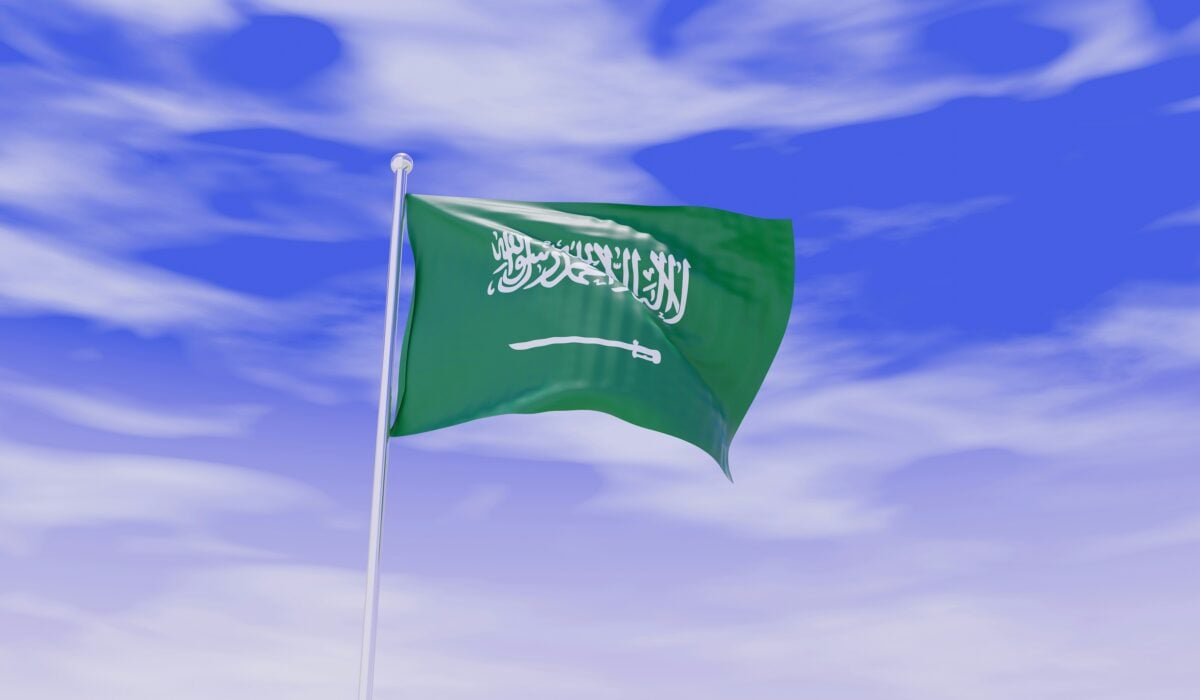
Saudi Arabia has made headlines in recent years for a wave of reforms under Crown Prince Mohammed bin Salman’s Vision 2030. Women gained the right to drive in 2018.
From 2019, women over 21 can obtain passports and travel abroad without a male guardian’s permission. Female labor force participation jumped from around 17% in 2017 to over 36% by 2024.
But the reforms have limits, and critics say they come with serious contradictions. The male guardianship system — known as wilaya — still governs key life decisions.
A woman’s right to marry and divorce still requires guardian involvement under the 2022 Personal Status Law. The 2025 implementing regulations added some protections, but human rights organizations like Amnesty International and Human Rights Watch have pointed out that women who campaigned for these very changes have been arrested and imprisoned.
Saudi Arabia ranked 132nd out of 148 countries on the World Economic Forum’s 2025 Global Gender Gap Index. The country still ranks near the bottom globally.
The gap between what the law now says on paper and what women actually experience day to day remains significant.
Iran: A Nation at War With Itself
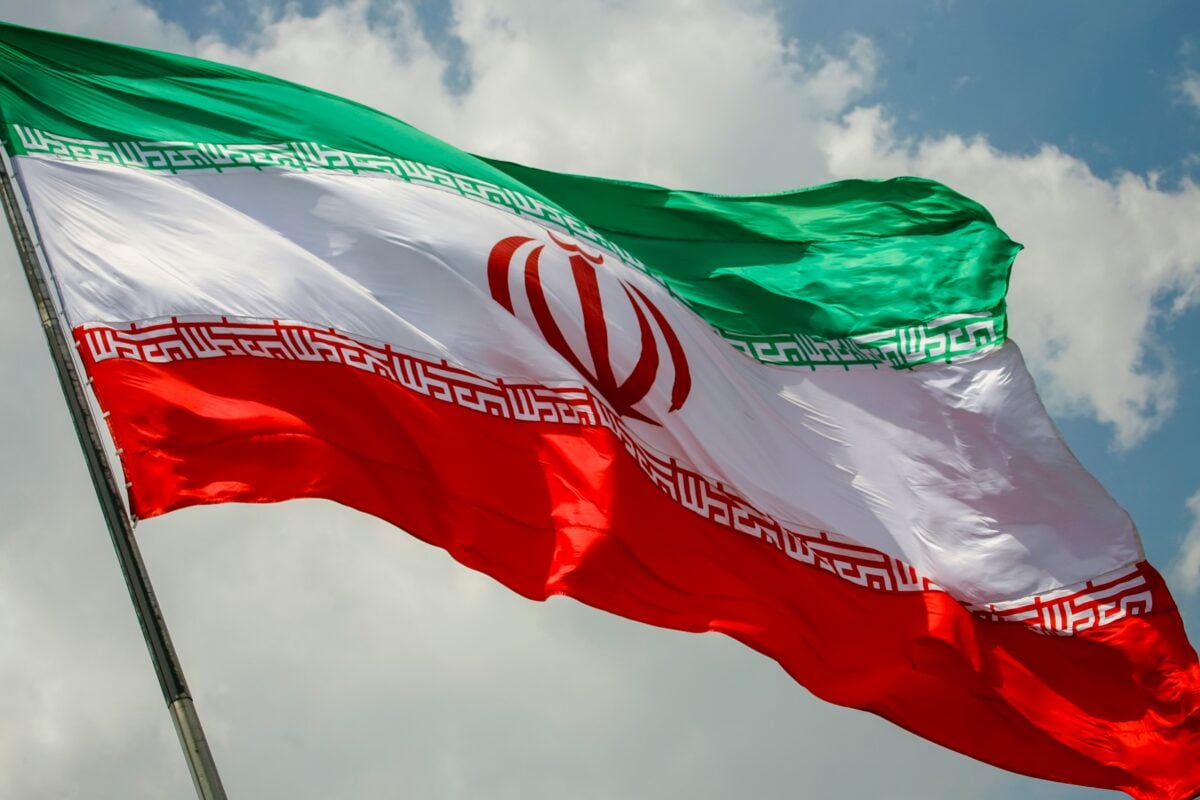
Iran’s mandatory hijab law has been in place since the 1979 Islamic Revolution. Women who fail to comply face fines, arrest, and imprisonment.
But the story shifted dramatically in September 2022 when 22-year-old Mahsa Amini died in custody after being detained by Iran’s morality police for allegedly wearing her hijab improperly. The protests that followed — known as the “Woman, Life, Freedom” movement — spread across all 31 provinces and became the largest wave of demonstrations since the revolution.
Over 500 people were killed and more than 22,000 were detained. The protests eventually subsided, but the defiance did not.
In April 2024, Iran launched the “Noor Plan,” a nationwide crackdown that brought increased patrols, car chases, vehicle confiscations, and a mobile app called Nazer that lets ordinary citizens report women they spot without a hijab. A new “Hijab and Chastity” bill passed parliament, carrying penalties of up to 15 years in prison.
Despite this, Iranian women are appearing without hijabs in cities in unprecedented numbers. The regime and its citizens are locked in a tense, ongoing struggle.
Yemen: The Deepest Gender Gap
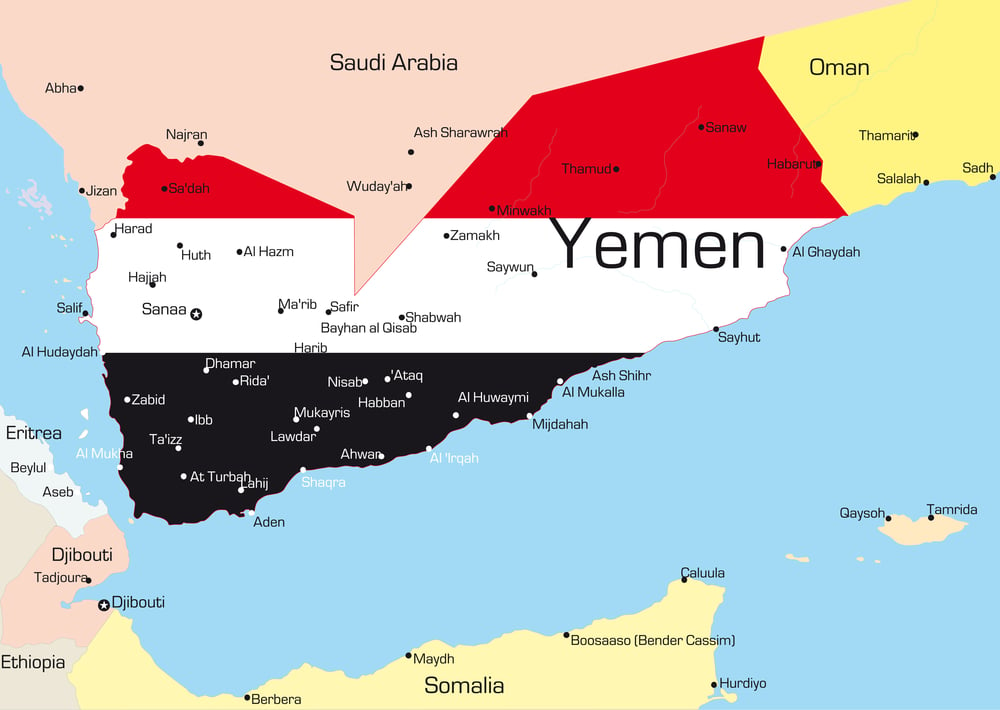
Yemen consistently ranks last or near-last on global gender equality indices. The World Economic Forum placed it at the very bottom of its 2024 Global Gender Gap report, with a score that reflects stark disparities across health, education, employment, and political participation.
Women in Yemen face compulsory marriage laws, limited access to divorce, and widespread child marriage. There is no defined age of consent within marriage in some regions, which leaves girls deeply vulnerable.
Women rarely hold political office, own property independently, or move freely in public without male supervision. The ongoing conflict that has devastated the country has made things worse, not better, with women and girls bearing a disproportionate share of the humanitarian crisis.
North Korea: Control by Design
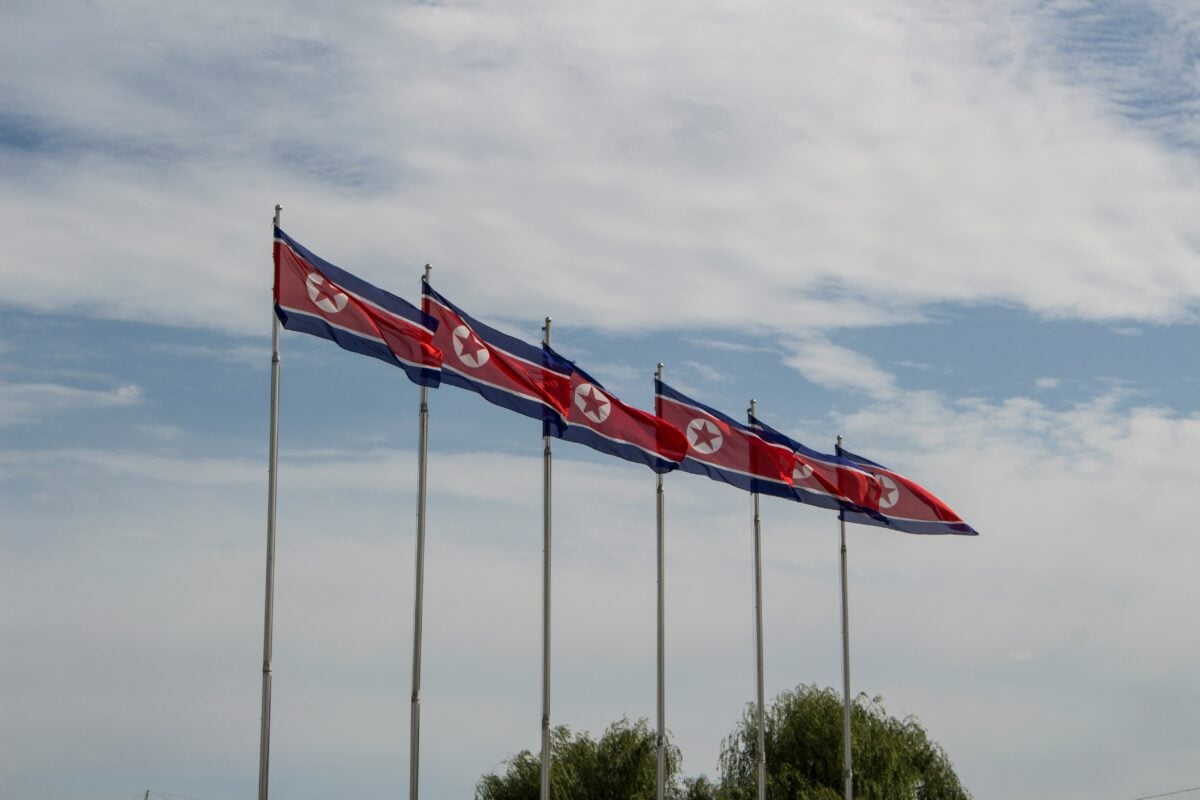
North Korea’s gender laws are less about religion and more about political control. The regime dictates what people wear, how they style their hair, and what they express — and women face the tightest constraints.
Skirts must fall at or below the knee. Trousers are discouraged for women, and jeans are banned outright because they represent Western influence.
The government approves specific hairstyles for both men and women. Items carrying foreign logos or English text are prohibited. Women caught wearing jeans or tight-fitting trousers have faced punishment, including fines and forced labor.
Tourists are given somewhat more leeway, but the rules are still expected to be followed. The country’s dress code is one visible piece of a much larger system designed to keep every aspect of life under state supervision.
Sudan: Public Order as a Weapon

Sudan’s laws around women’s clothing have been used as a tool of control for decades. Under harsh interpretations of Sharia law, women have been arrested for “public order” offences — wearing Western-style trousers, showing too much skin, or even dancing with men in public.
The numbers are staggering. Rights groups have reported that between 40,000 and 50,000 women were arrested and flogged by public order police each year at the height of enforcement. A journalist and UN officer named Lubna Ahmed Hussein made international news in 2009 when she faced 40 lashes for wearing trousers.
She was eventually fined and briefly imprisoned instead. Sudan’s political situation has shifted in recent years, and enforcement has eased somewhat in urban areas.
But rural regions still hold to stricter norms, and the underlying legal framework has not been dismantled.
Uganda: The Anti-Pornography Act
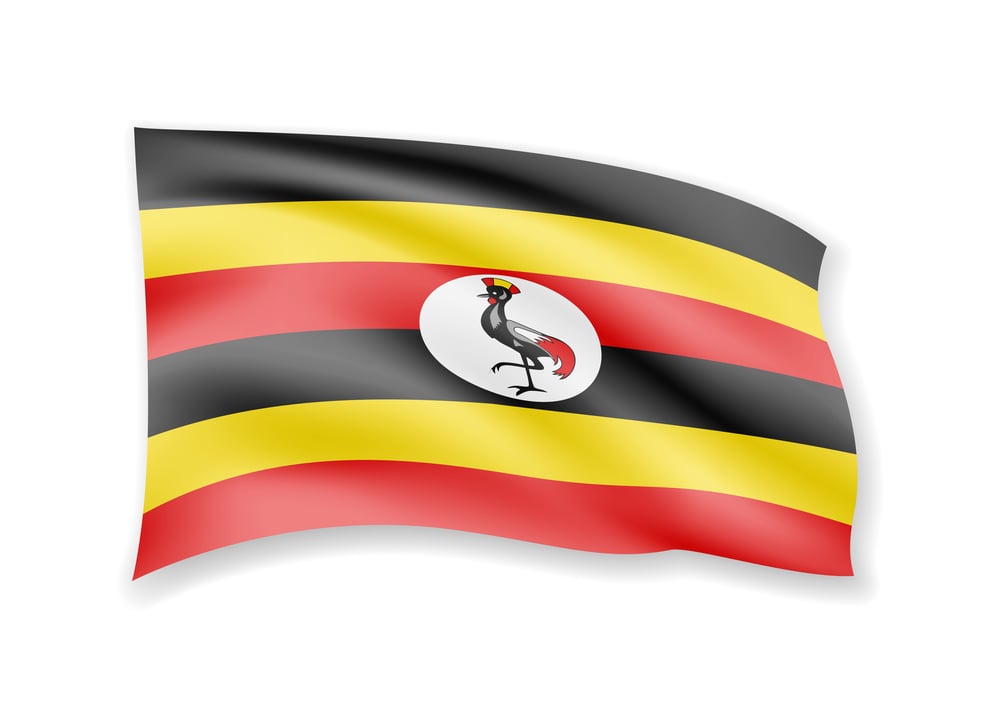
Uganda’s Anti-Pornography Act, passed in 2013, includes provisions that ban women from wearing clothing deemed too revealing — anything above the knee qualifies. The law was aimed at local women, but tourists are also expected to dress conservatively, particularly outside major cities.
The consequences of the law have gone beyond fines and arrests. In 2014, incidents emerged of men publicly stripping women on the streets, claiming the women’s clothing was too revealing.
The attacks drew widespread condemnation and protests. The Prime Minister at the time said the law would be revisited, but the core provisions remain on the books.
Qatar: The Guardianship Trap
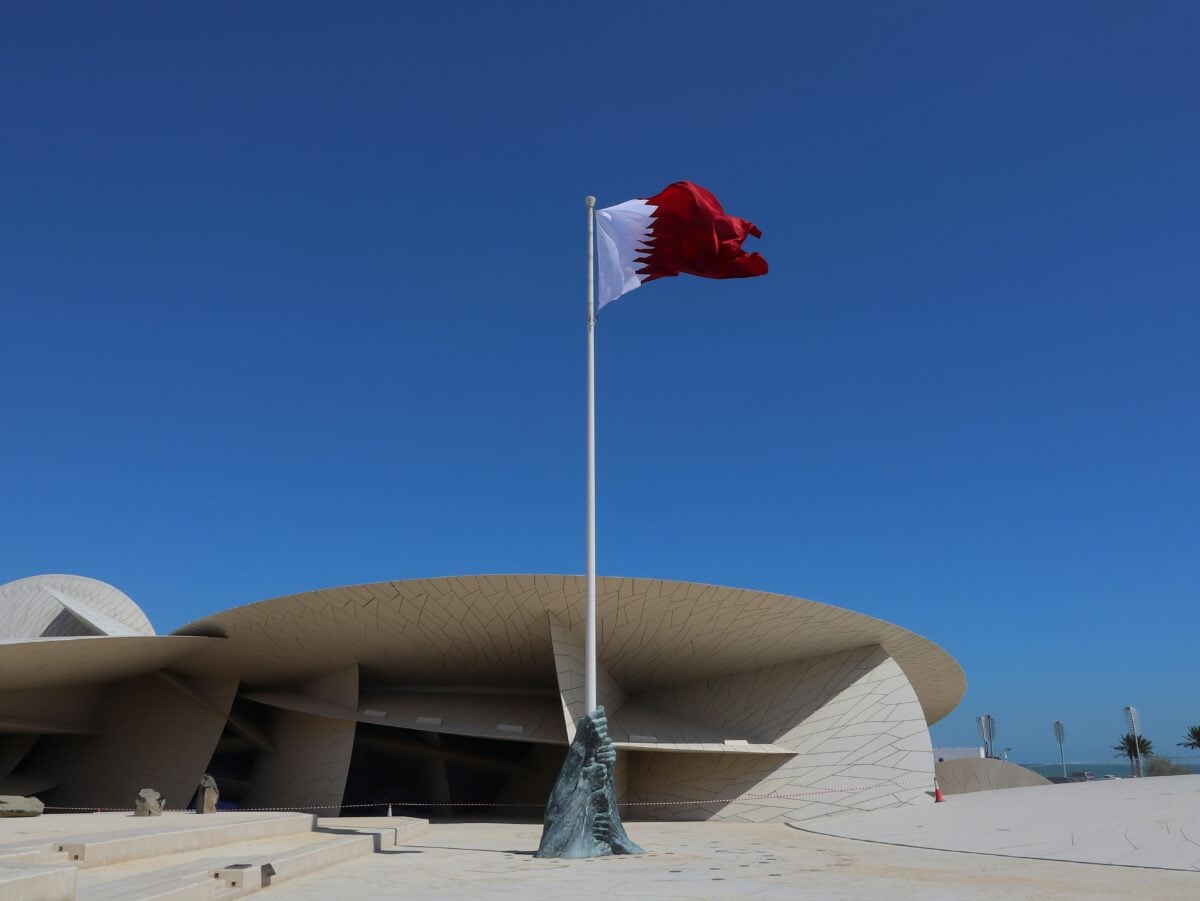
Qatar has taken some steps toward reform — in 2020, it lifted the requirement that women needed a male guardian’s permission to obtain a driver’s license. But the broader guardianship system remains intact.
According to Human Rights Watch, unmarried women under 30 cannot check into hotels alone or travel without permission from a male guardian. Women in Qatar can work and pursue education, but their legal autonomy in personal matters — marriage, divorce, custody — is heavily shaped by male guardians.
Qatar ranks among the lowest in the world on the World Economic Forum’s gender gap rankings.
The Maldives: Paradise with Rules
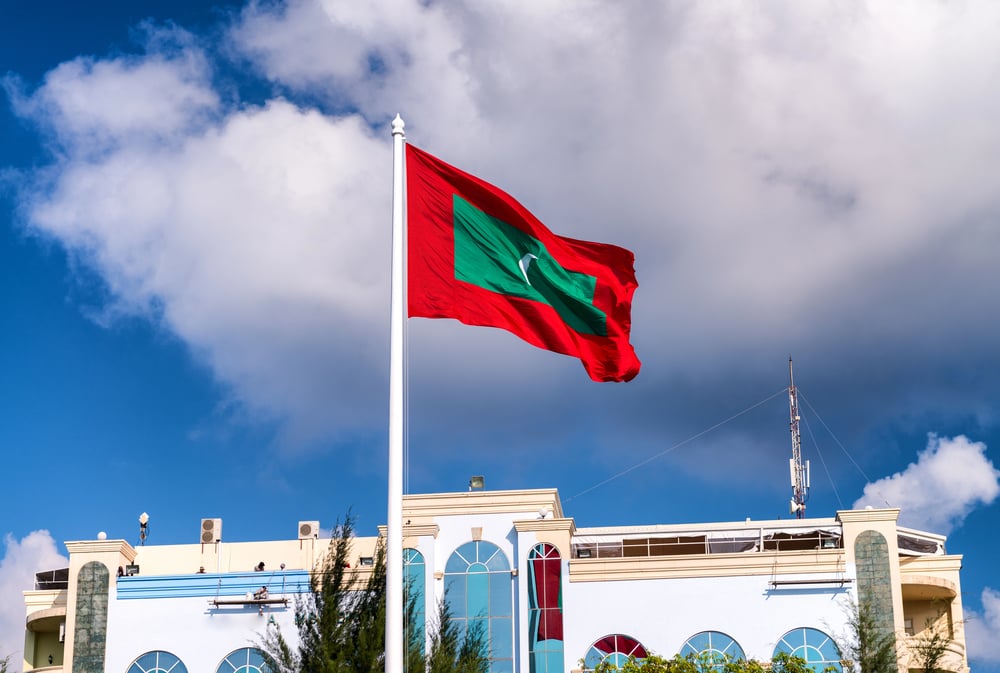
The Maldives is a hundred percent Muslim nation, and the dress code reflects that. Women — both locals and tourists — are expected to dress modestly in public. Designated bikini beaches exist for resort areas, but outside those zones, revealing clothing is not acceptable.
The government and broader culture hold that women should remain reserved in public spaces. Shorts and tank tops that would be completely normal at a beach resort elsewhere would draw unwanted attention or even harassment here.
Tourists are advised to wear a wrap dress over a swimsuit when moving between the beach and other areas, and to check in advance whether a particular spot permits swimwear.
France: Banning the Other Direction

France approaches gender and clothing laws from the opposite angle. In 2010, the country passed what became known as the “burqa ban” — legislation making it illegal to cover one’s face in public.
The law applies to niqabs, burqas, hoods, and even motorcycle helmets in certain contexts. The ban was criticized from the start as discriminatory toward Muslim women.
A legal challenge was brought to the European Court of Human Rights, which rejected it in 2014, ruling that uncovered faces encourage citizens to coexist. The debate continues.
Critics see the law as an expression of secular values. Others see it as one government deciding what women of a particular faith are allowed to wear — which, in its own way, is the same kind of control seen in countries on the other end of this list.
The Surveillance Turn

Iran’s approach to enforcing gender laws has evolved in ways that deserve attention on their own. The Nazer app, launched in 2024, allows vetted civilians to report hijab violations by submitting license plates, locations, and timestamps.
The system automatically flags vehicles and sends warnings to registered owners. Drones have been used to monitor public events. AI-enabled cameras scan intersections and university entrances.
This is not policing in the traditional sense. It’s the construction of a society-wide surveillance apparatus built specifically around controlling what women wear.
The technology is sophisticated, the reach is broad, and the message is clear: the state is watching, and so is your neighbor.
Only 14 Countries Have Got It Right — On Paper

According to the World Bank’s Women, Business and the Law report, only 14 countries in the world offer full legal equality between men and women. They include Belgium, Canada, Denmark, France, Germany, Greece, Iceland, Ireland, Latvia, Luxembourg, the Netherlands, Portugal, Spain, and Sweden.
That means the vast majority of nations — over 170 — have at least one area where the law treats men and women differently. The United States, for instance, scored 91.3 percent, losing points for gaps in equal pay protections and parental leave policies.
The gap between legal equality and lived equality is another matter entirely, even in countries that score well on paper.
The Laws That Shape Lives Before You Land
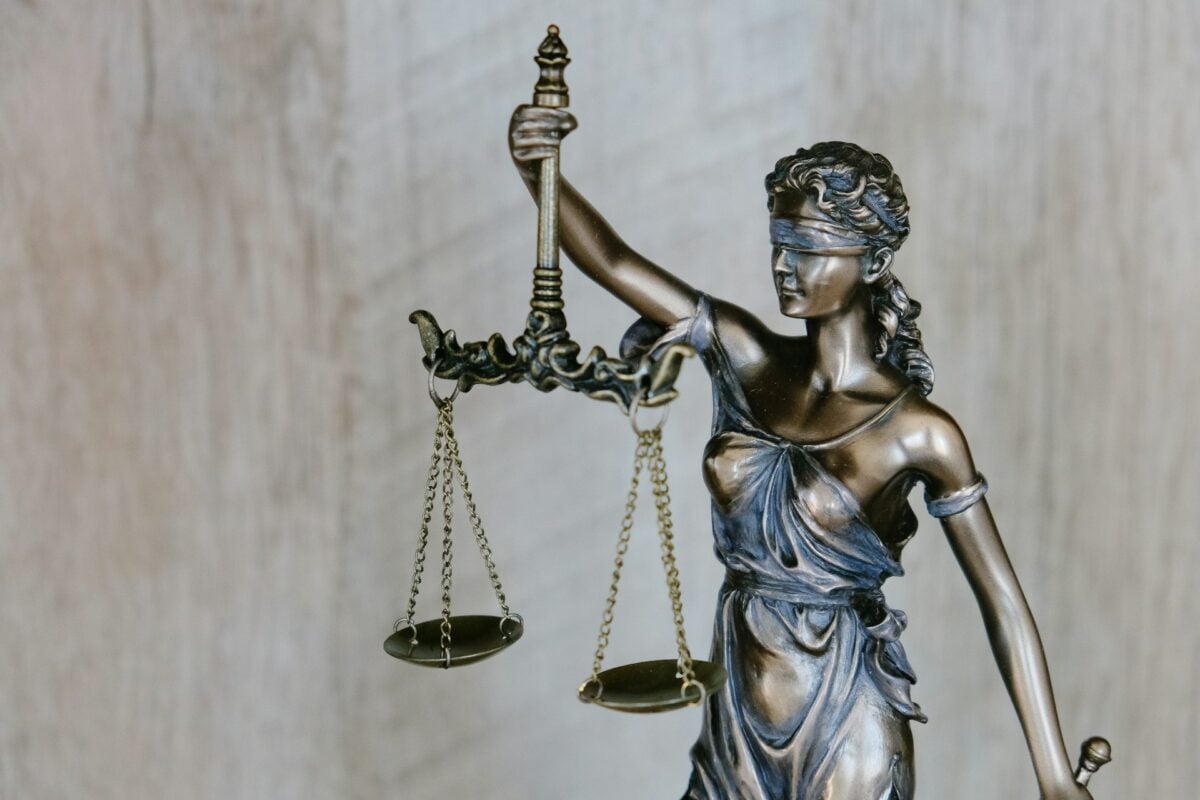
Getting on a flight to one of these spots means more than changing locations. It means entering a system of rules that decides what women may do, speak about, dress like, study, or grow into. A few of those regulations started hundreds of years ago.
New ones appeared only months ago. Certain restrictions have eased up now.
More of them clamp down harder. Folks who are female face these rules every single day.
Not ideas in a book, but walls around how they move, think, live. To glimpse their reality – even without standing inside it – begins to crack the version sold in glossy images.
Reality shows up differently when you stop pretending.
More from Go2Tutors!

- The Romanov Crown Jewels and Their Tragic Fate
- 13 Historical Mysteries That Science Still Can’t Solve
- Famous Hoaxes That Fooled the World for Years
- 15 Child Stars with Tragic Adult Lives
- 16 Famous Jewelry Pieces in History
Like Go2Tutors’s content? Follow us on MSN.



