18 Extinct Animals That Scientists Want to Bring Back
Bringing extinct species back to life used to be pure fantasy. Now? It’s edging closer to reality thanks to breakthroughs in genetic engineering and cloning technology. Labs worldwide are tackling de-extinction projects, attempting to resurrect everything from ice age giants to colorful butterflies that vanished just decades ago.
Here is a list of 18 extinct animals that researchers are actively trying to bring back from extinction.
Woolly Mammoth

The woolly mammoth has become the face of de-extinction efforts, though that’s hardly surprising given what scientists have to work with. Siberian permafrost has preserved these massive creatures so well that researchers can extract high-quality DNA from specimens that died thousands of years ago. Colossal Biosciences is leading the charge by inserting mammoth genes into Asian elephant embryos — creating hybrids that could potentially restore Arctic ecosystems by trampling snow and exposing the grasslands beneath.
Passenger Pigeon
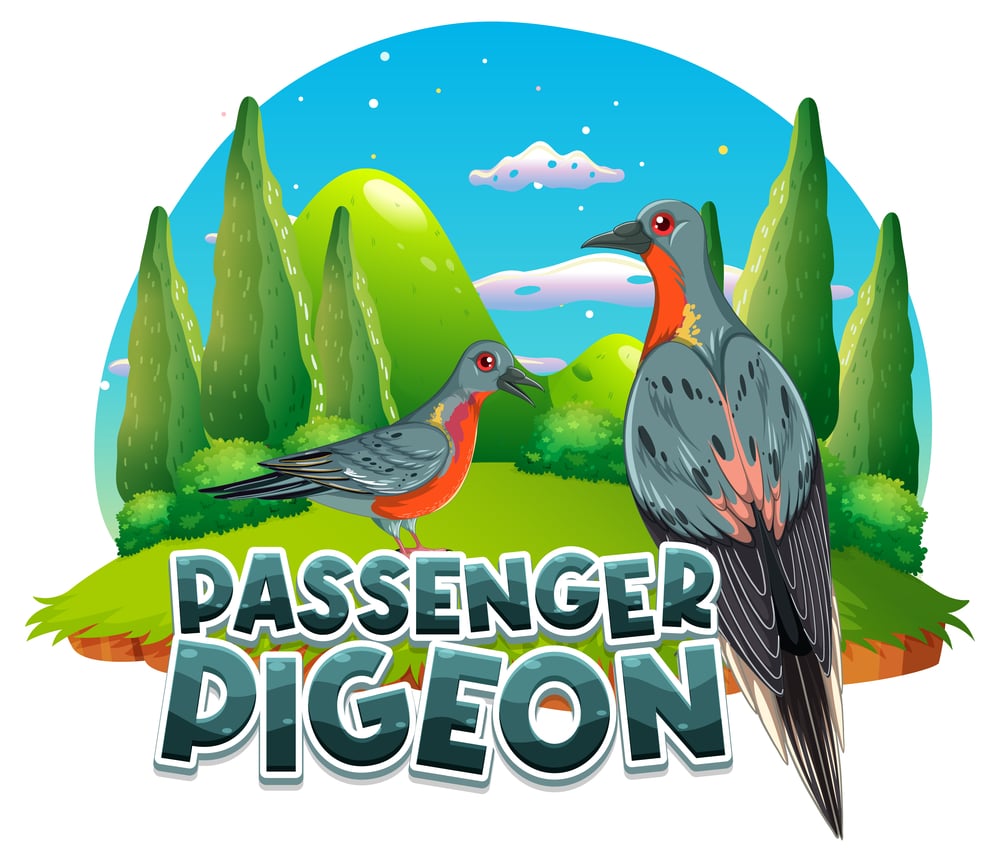
Passenger pigeons once flew in flocks so massive they’d block out the sun for hours at a time. Yet within a few decades, relentless hunting and habitat destruction drove them from billions to zero. The last bird died at Cincinnati Zoo in 1914, but researchers at UC Santa Cruz aren’t giving up on them. They’re using band-tailed pigeon DNA as their starting point, editing the genome to recreate those incredible flocking behaviors that made passenger pigeons so unique.
Thylacine

Australia’s largest carnivorous marsupial — the thylacine — looked like a dog with tiger stripes and a pouch. The last known individual died in captivity back in 1936, leaving behind an empty ecological niche that nothing else has filled. What makes this project particularly compelling is how well-preserved some specimens are. Australian scientists are working with museum samples to decode the thylacine’s genome, eventually hoping to create embryos that Tasmanian devils or similar species could carry.
Dodo

Everyone knows the dodo as the poster child for extinction, though these flightless birds weren’t actually the bumbling idiots popular culture makes them out to be. They were perfectly adapted to life on Mauritius until humans showed up with hunting tools and invasive species. Extracting usable DNA from 400-year-old museum specimens presents major challenges — the genetic material is heavily degraded compared to more recently extinct animals.
Saber-Toothed Cat

Those iconic elongated canine teeth made saber-toothed cats unmistakable predators of the ice age. They disappeared around 10,000 years ago, but their role as ecosystem engineers makes them fascinating candidates for de-extinction. The La Brea Tar Pits have yielded exceptionally well-preserved specimens that scientists are studying for genetic clues — though bringing back such a formidable predator would raise obvious safety concerns.
Steller’s Sea Cow
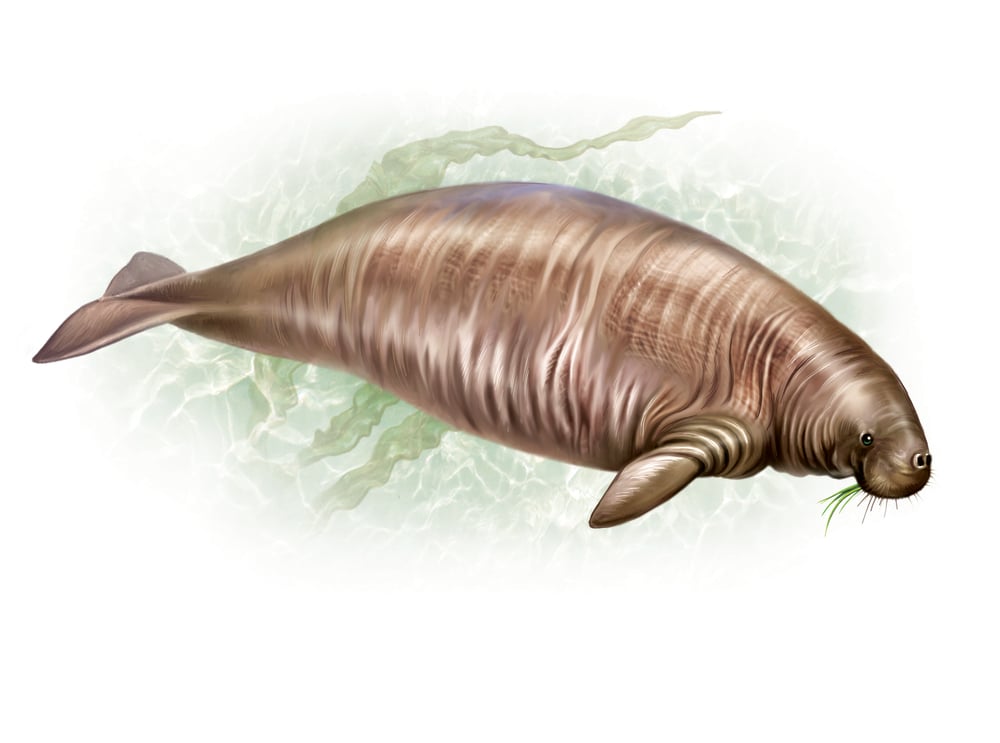
Imagine a 30-foot-long marine mammal grazing peacefully in kelp forests, and you’ve got Steller’s sea cow. Sadly, this gentle giant survived only 27 years after its scientific discovery in 1741 before hunters wiped it out completely. Russian and American teams are collaborating on genome sequencing, but the project faces unique hurdles — how do you resurrect something that lived entirely in frigid ocean waters?
Quagga

The quagga wasn’t technically a separate species but rather a subspecies of plains zebra with a twist. Unlike regular zebras, quaggas only had stripes on their front halves, creating a distinctive two-toned appearance. Here’s the encouraging part: genetic analysis revealed that quaggas were remarkably close to modern zebras. The Quagga Project in South Africa has been selectively breeding zebras since the 1980s to recreate that unique coloration — and they’ve made impressive progress.
Aurochs
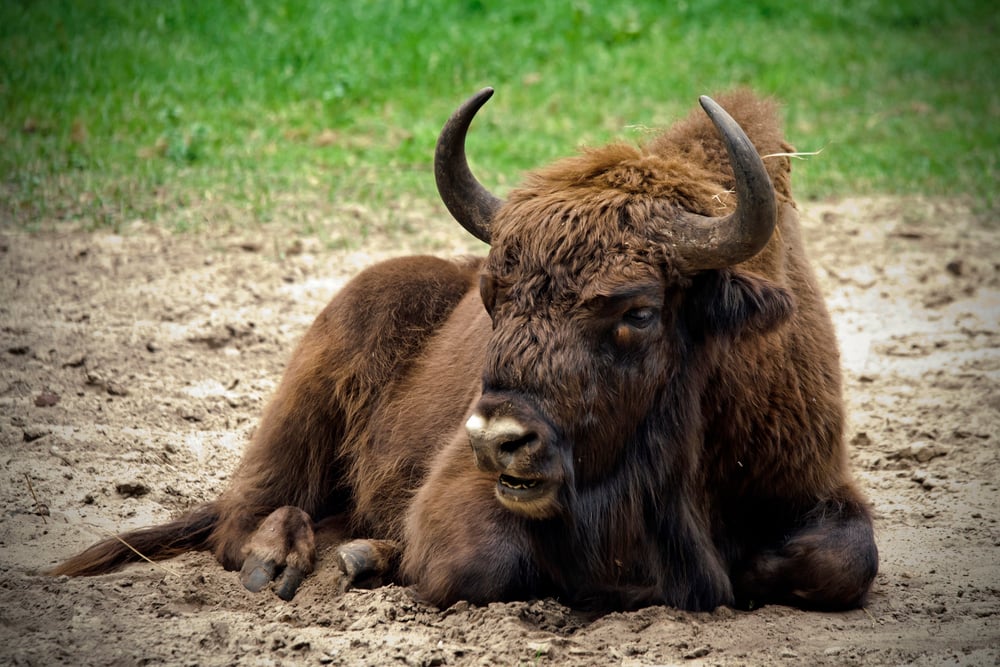
Modern cattle descend from aurochs — wild oxen that stood six feet tall at the shoulder and commanded respect across Europe, Asia, and North Africa. The last aurochs died in a Polish forest in 1627, but several European rewilding projects are essentially running evolution in reverse. They’re breeding domestic cattle to recreate aurochs characteristics, undoing thousands of years of selective breeding that made cows docile and manageable.
Pyrenean Ibex
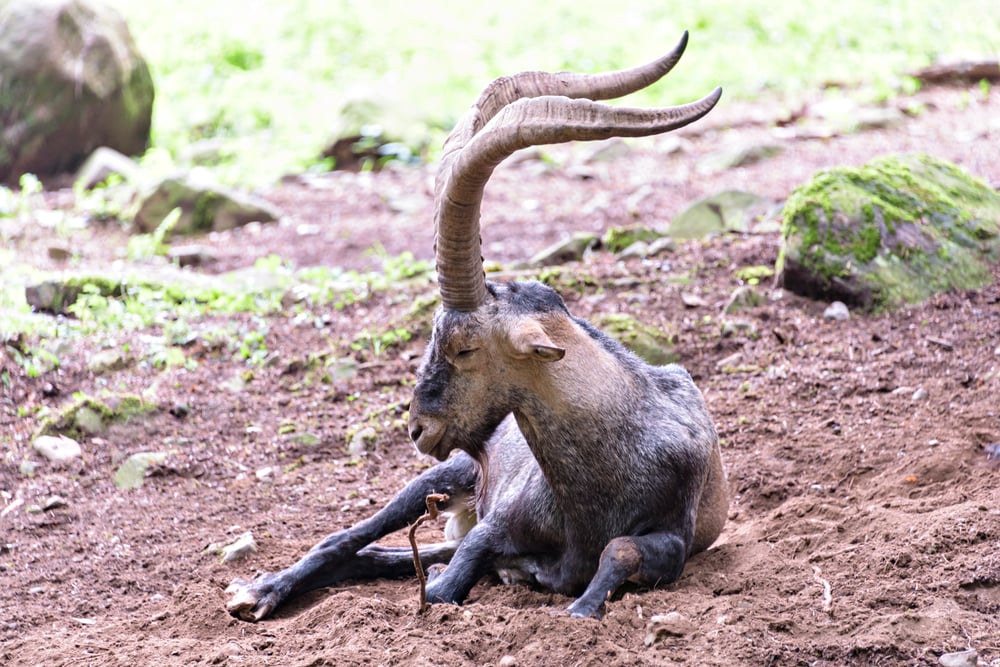
This mountain goat subspecies holds a unique place in de-extinction history — scientists actually tried to bring it back already. The Pyrenean ibex disappeared from the Pyrenees in 2000, and researchers attempted cloning using preserved tissue samples. While the cloned kid died shortly after birth due to lung defects, the experiment proved that de-extinction wasn’t just theoretical anymore.
Gastric-Brooding Frog
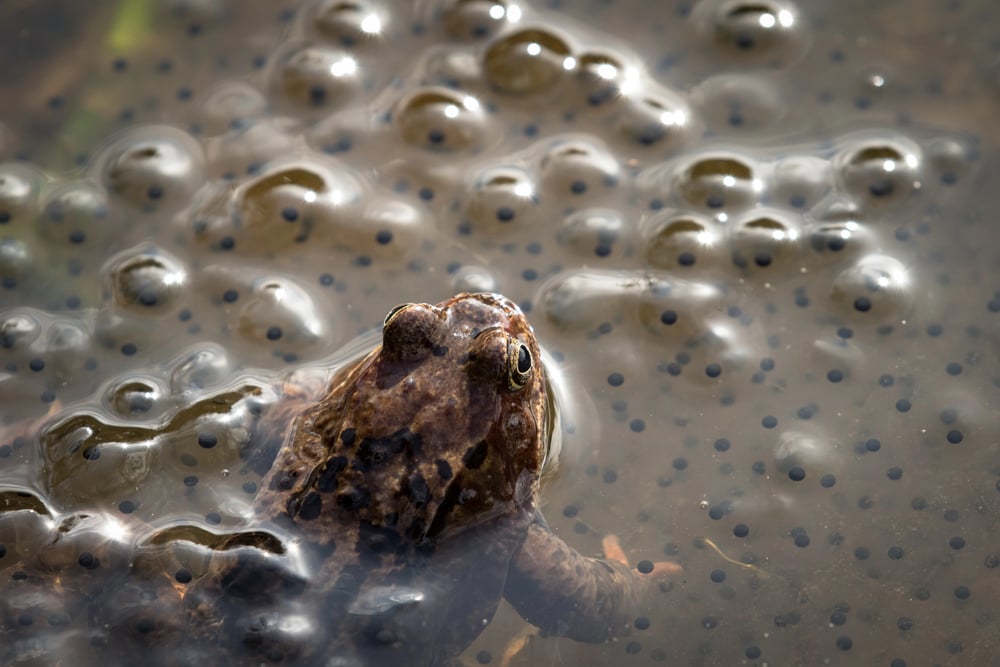
Nature created some bizarre reproductive strategies, but few were stranger than the gastric-brooding frog’s approach. Females would swallow their fertilized eggs and literally give birth through their mouths weeks later. This Australian amphibian vanished in the 1980s, likely due to disease and habitat loss. Scientists view it as a relatively manageable de-extinction target given the frog’s small size and available genetic material.
Baiji Dolphin

The Yangtze River dolphin became functionally extinct in 2006 after pollution and boat traffic destroyed its freshwater habitat. This graceful creature had evolved separately from other dolphins for millions of years, making it genetically irreplaceable. Chinese scientists are investigating whether the vaquita porpoise could serve as a surrogate mother, though the baiji’s unique adaptations to river life complicate the process.
Ground Sloth
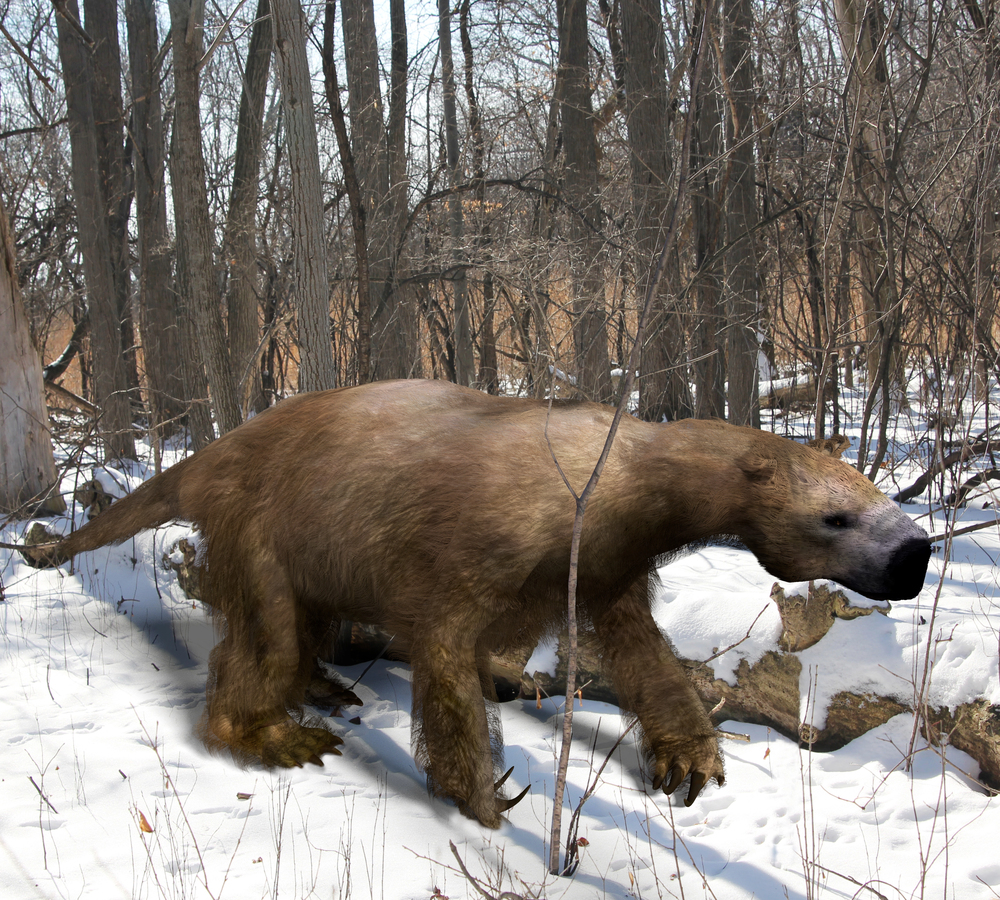
Giant ground sloths were the elephants of the Americas until about 10,000 years ago, with some species weighing several tons. These massive plant-eaters dispersed seeds across vast landscapes and helped maintain vegetation balance through their feeding patterns. Cave deposits and tar pits have preserved specimens that scientists are studying for genetic information, though resurrecting such enormous mammals would present logistical nightmares.
Moa
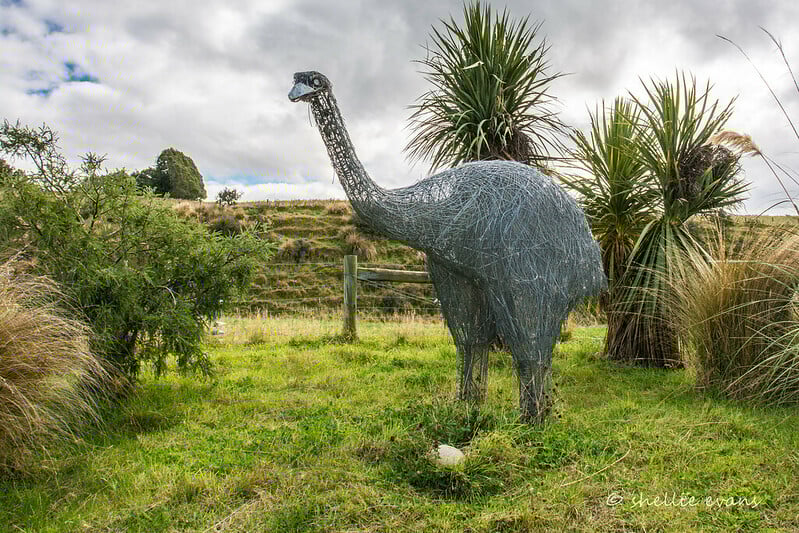
New Zealand’s moa were flightless birds that could tower 12 feet tall and weigh hundreds of pounds. Polynesian settlers hunted them to extinction around 600 years ago, but moa bones and eggshells have yielded extractable DNA samples. Researchers are investigating whether modern birds like emus or ostriches could serve as surrogate mothers for genetically modified embryos, though the size difference creates obvious complications.
Carolina Parakeet

America’s only native parrot species brought tropical colors to eastern forests until the early 1900s. These vibrant birds flew in huge flocks, feeding on seeds and fruits while adding splashes of green and yellow to temperate woodlands. Museum specimens are providing genetic material for sequencing efforts, with scientists hoping to use closely related South American parrots as foundations for resurrection attempts.
Woolly Rhinoceros
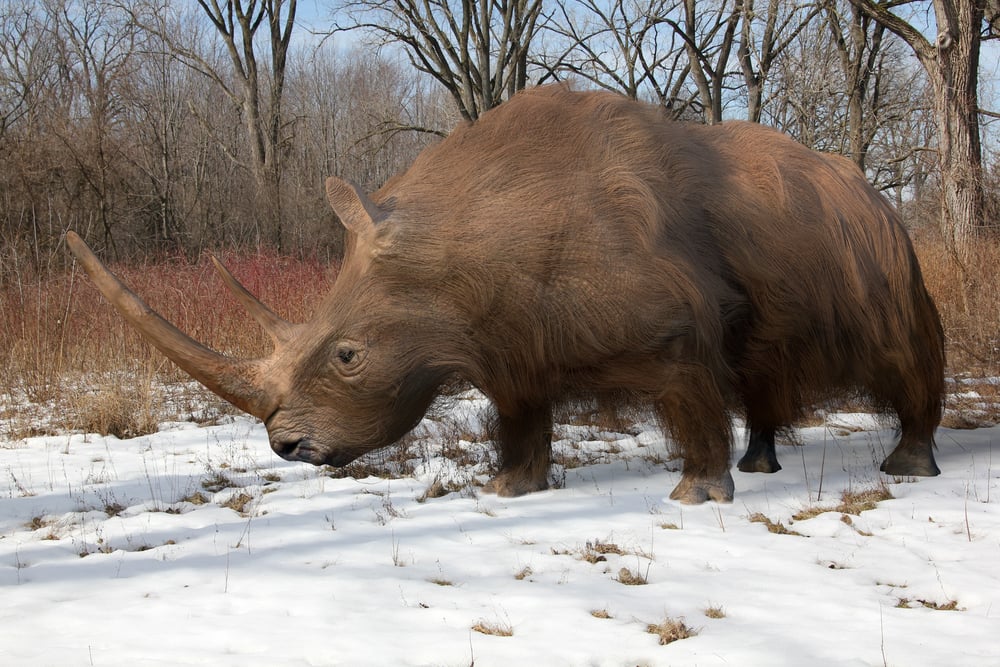
Shaggy woolly rhinoceroses shared ice age landscapes with mammoths and saber-toothed cats until disappearing around 10,000 years ago. These cold-adapted giants maintained grassland ecosystems through their grazing patterns, and Siberian permafrost has preserved specimens with intact genetic material. The project faces similar challenges to mammoth de-extinction, particularly finding suitable surrogate mothers among modern rhinoceros species.
Xerces Blue Butterfly
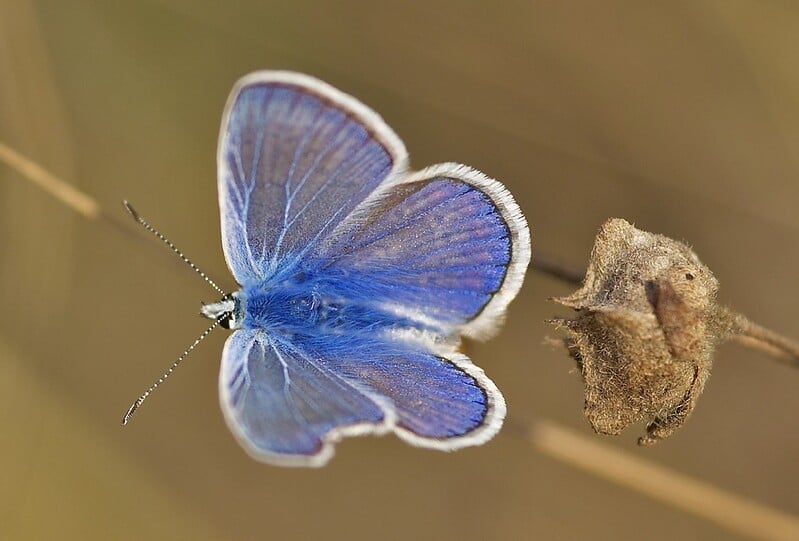
San Francisco’s coastal sand dunes once hosted clouds of tiny blue butterflies until urban development destroyed their habitat in the 1940s. The Xerces blue represents thousands of extinct insect species that rarely attract de-extinction attention, yet it played crucial roles in pollinating native plants. Its relatively simple genome and ecological importance make it an intriguing candidate for genetic resurrection.
Bluebuck

South Africa’s bluebuck was an antelope with a distinctive blue-gray coat that disappeared around 1800 due to hunting pressure and livestock competition. This elegant grazer filled important ecological roles in Cape region ecosystems before vanishing forever. Museum specimens are providing genetic material for research, with scientists believing the bluebuck was closely related to other African antelopes that could potentially serve as surrogate mothers.
Toolache Wallaby

Considered one of the most beautiful members of the kangaroo family, the toolache wallaby had a distinctive bounding gait and elegant proportions that set it apart from other marsupials. This graceful Australian species disappeared in the 1940s, but preserved specimens are helping scientists understand its genetics. Closely related wallaby species could potentially provide the genetic foundation needed for resurrection efforts.
The Future of Lost Species
These de-extinction projects represent far more than scientific curiosity or technological showmanship. Each species on this list filled unique ecological roles that remain empty today, and their return could help restore damaged ecosystems while advancing our understanding of genetics and conservation. Success will ultimately depend on our ability to protect habitats and address the root causes that drove these species to extinction in the first place. The technology might bring them back, but only improved stewardship can keep them alive.
More from Go2Tutors!

- The Romanov Crown Jewels and Their Tragic Fate
- 13 Historical Mysteries That Science Still Can’t Solve
- Famous Hoaxes That Fooled the World for Years
- 15 Child Stars with Tragic Adult Lives
- 16 Famous Jewelry Pieces in History
Like Go2Tutors’s content? Follow us on MSN.