Unusual Museums Around the World Worth a Special Trip
Travel long enough, and the standard museum circuit starts to blur together. Ancient pottery, famous paintings, dinosaur bones—they’re all magnificent, but they’re also predictable.
The real discoveries happen when you stumble across a museum dedicated to something so specific, so unexpected, that you question whether you’re reading the sign correctly. These places exist in the margins of the travel guide world, often created by obsessive collectors or communities celebrating something the rest of the world overlooks entirely.
Museum Of Broken Relationships
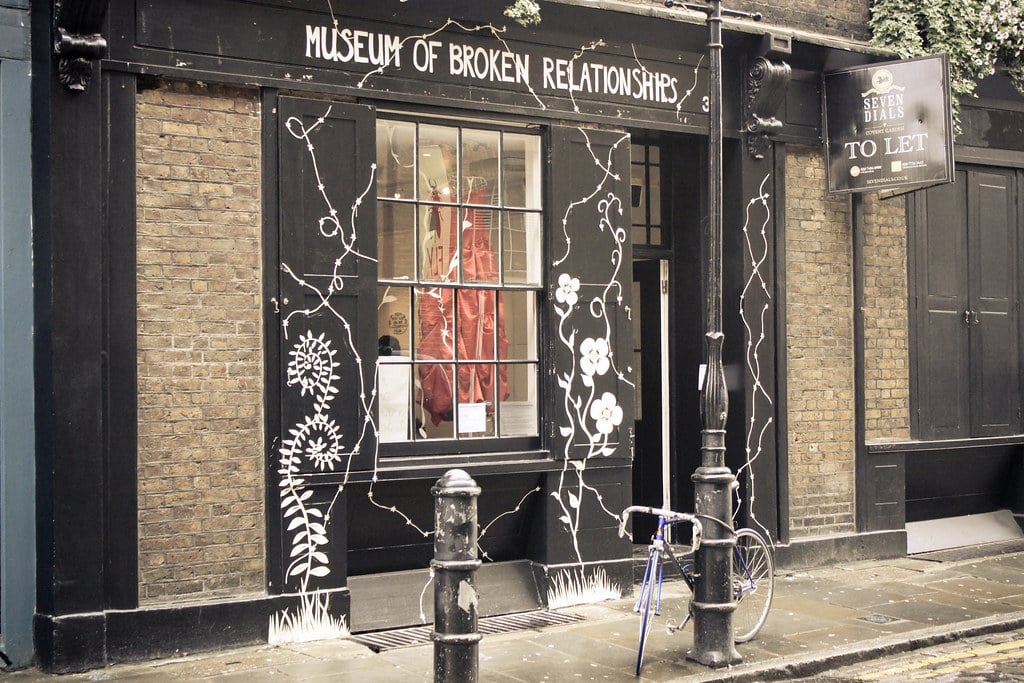
Breakups leave debris. Not just the emotional wreckage, but the actual stuff—concert tickets, half-finished sweaters, keys to apartments that no longer matter.
Croatia’s Museum of Broken Relationships turns this universal experience into something approaching art therapy. Each display case holds an object donated by someone whose relationship ended, paired with a brief explanation of what it meant and why it mattered.
The stories range from devastating to darkly funny. A single flip-flop from a couple who argued during vacation.
An axe used to destroy an ex’s furniture. Love letters written in languages the recipient never learned to read.
International Cryptozoology Museum
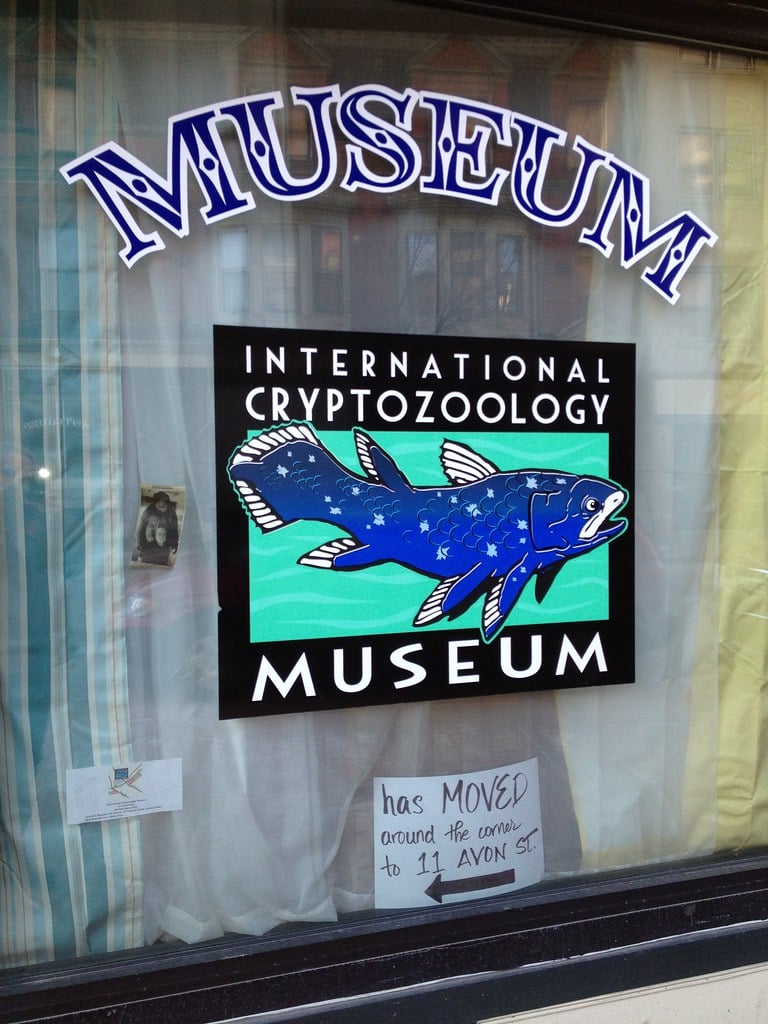
Bigfoot gets taken seriously in Portland, Maine. The International Cryptozoology Museum treats creatures like Sasquatch, the Loch Ness Monster, and the Chupacabra as legitimate subjects of scientific inquiry rather than internet jokes.
The collection includes hair samples, plaster casts of mysterious footprints, and witness testimonies organized with academic rigor. Whether you believe in cryptids doesn’t matter—the museum’s commitment to documenting unexplained encounters feels refreshingly earnest in a world that dismisses anything it can’t immediately categorize.
Museum Of Bad Art
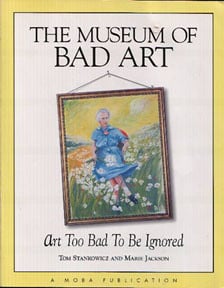
Bad art, it turns out, requires a certain kind of commitment (the kind that sees a project through to completion despite mounting evidence that things have gone wrong), and the Museum of Bad Art celebrates this stubborn dedication to creative expression. Located in the basement of a community center outside Boston, MOBA houses paintings so spectacularly misguided that they loop back around to being fascinating.
The permanent collection includes portraits where the proportions suggest the artist learned anatomy from funhouse mirrors, landscapes that appear to have been painted during minor earthquakes, and still lifes that make you wonder if the fruit was actually moving while being observed. And yet there’s something deeply human about these failed attempts at beauty—they represent the gap between artistic vision and technical ability that every creative person knows intimately, pushed to its logical extreme.
Icelandic Phallological Museum
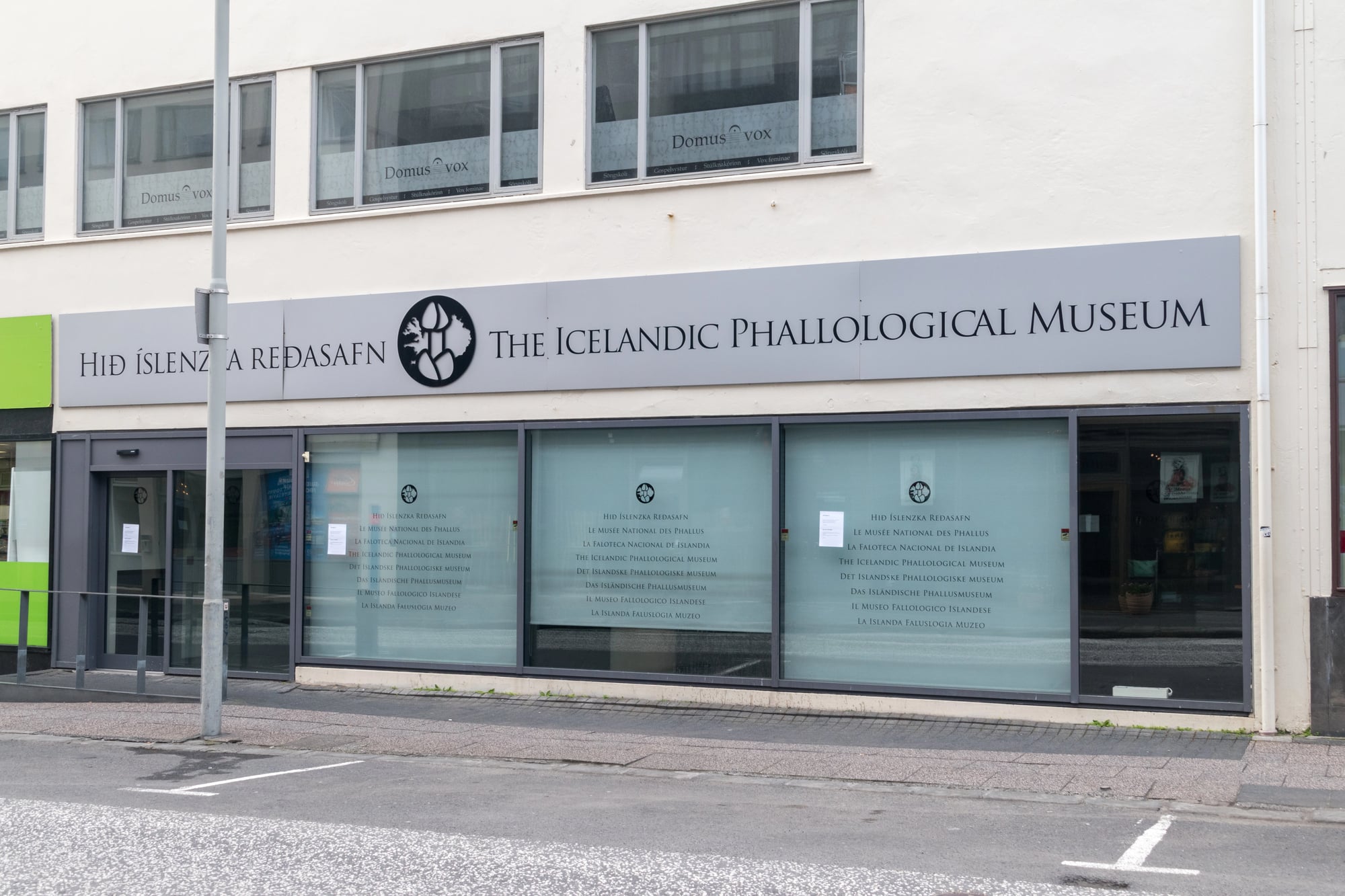
Reykjavik’s Phallological Museum approaches male anatomy with the methodical thoroughness of a natural history collection. Every specimen is properly labeled, cataloged, and displayed with scientific precision.
The collection spans species from tiny shrews to massive whales, each example preserved and presented without snickering or juvenile commentary. It’s educational in the way biology textbooks used to be before everything became sanitized.
The museum treats its subject matter as a legitimate area of zoological study, which somehow makes the whole enterprise more interesting than shocking.
Torture Museum
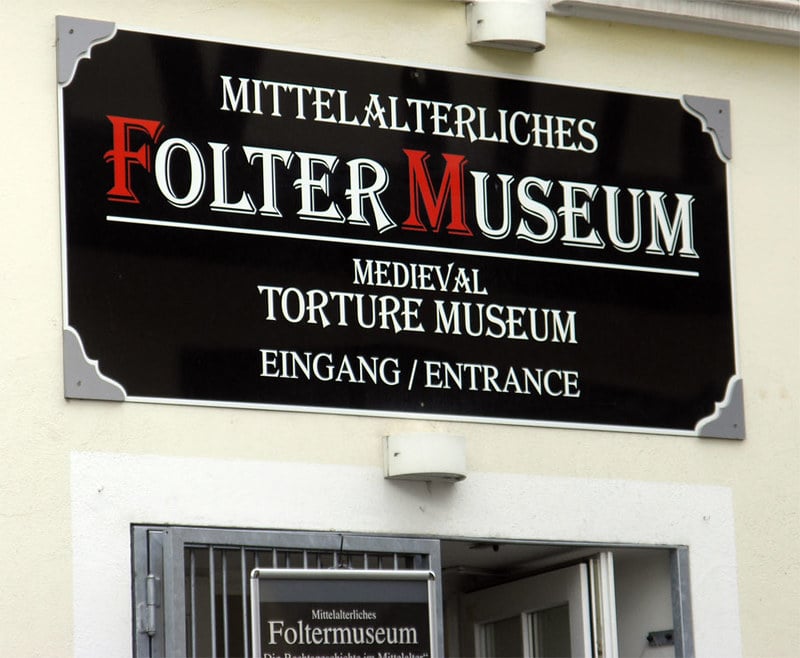
Medieval punishment devices tell stories about human creativity in all the wrong directions, and Amsterdam’s Torture Museum documents this particularly dark chapter of innovation with uncomfortable thoroughness. The collection includes iron maidens, thumbscrews, and various contraptions designed to extract confessions through carefully calibrated pain.
Each device comes with historical context explaining when and where it was used, which somehow makes the experience more disturbing rather than less. The museum doesn’t glorify this history—it presents it as evidence of what humans are capable of when fear and authority combine in particularly toxic ways.
It’s educational in the way that makes you grateful for constitutional protections against cruel punishment.
Museum Of Toilets
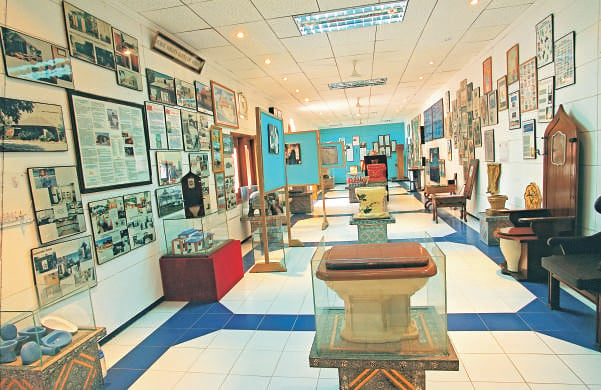
Delhi’s Sulabh International Museum of Toilets traces the evolution of sanitation from ancient Rome to modern Japan. What sounds like a joke reveals itself as a surprisingly comprehensive look at public health, urban planning, and cultural attitudes toward bodily functions.
The collection includes everything from ornate Victorian chamber pots to cutting-edge Japanese smart toilets that do everything except file your taxes. The historical timeline shows how sanitation technology reflects broader social priorities—societies that invested in waste management tended to be healthier and more prosperous than those that ignored the problem.
Hair Museum

Avanos, Turkey, houses a museum dedicated entirely to human hair — specifically, hair donated by over 16,000 women who visited a local potter’s shop over several decades — and the result resembles something between an art installation and a shrine to follicular devotion. The ceiling and walls are covered with thousands of locks of hair, each tagged with the donor’s name and address.
The story goes that the potter’s friend was moving away, so she left a lock of hair as a memento, and other women began doing the same until the entire space transformed into this peculiar monument to temporary connections.
Twice a year, the potter randomly selects names from the collection and invites those women back for a free pottery workshop, turning the whole thing into an ongoing experiment in chance encounters.
Jell-O Gallery Museum
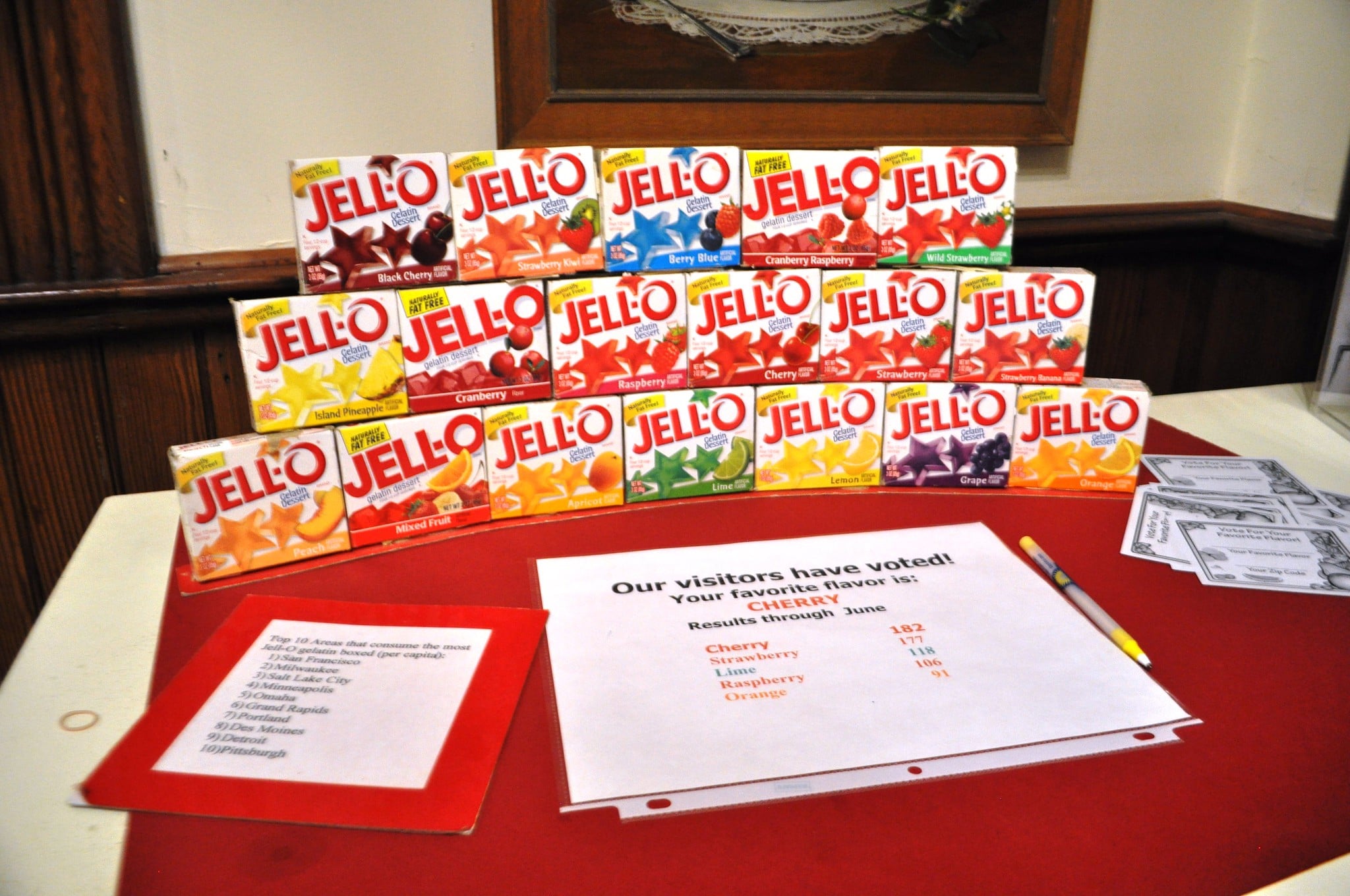
LeRoy, New York, takes gelatin seriously. The Jell-O Gallery Museum documents the complete history of America’s most jiggly dessert, from its invention in 1897 through its transformation into a cultural phenomenon that spawned countless church potluck disasters.
The exhibits include vintage advertisements that promised Jell-O would solve everything from dinner party anxiety to childhood malnutrition, original molds in shapes that defy both gravity and good taste, and recipe collections that suggest previous generations had a very different relationship with food presentation.
There’s also a substantial section devoted to Jell-O’s role in mid-century entertaining, when molded salads containing everything from tuna to vegetables were considered the height of sophistication.
Museum Of Miniatures
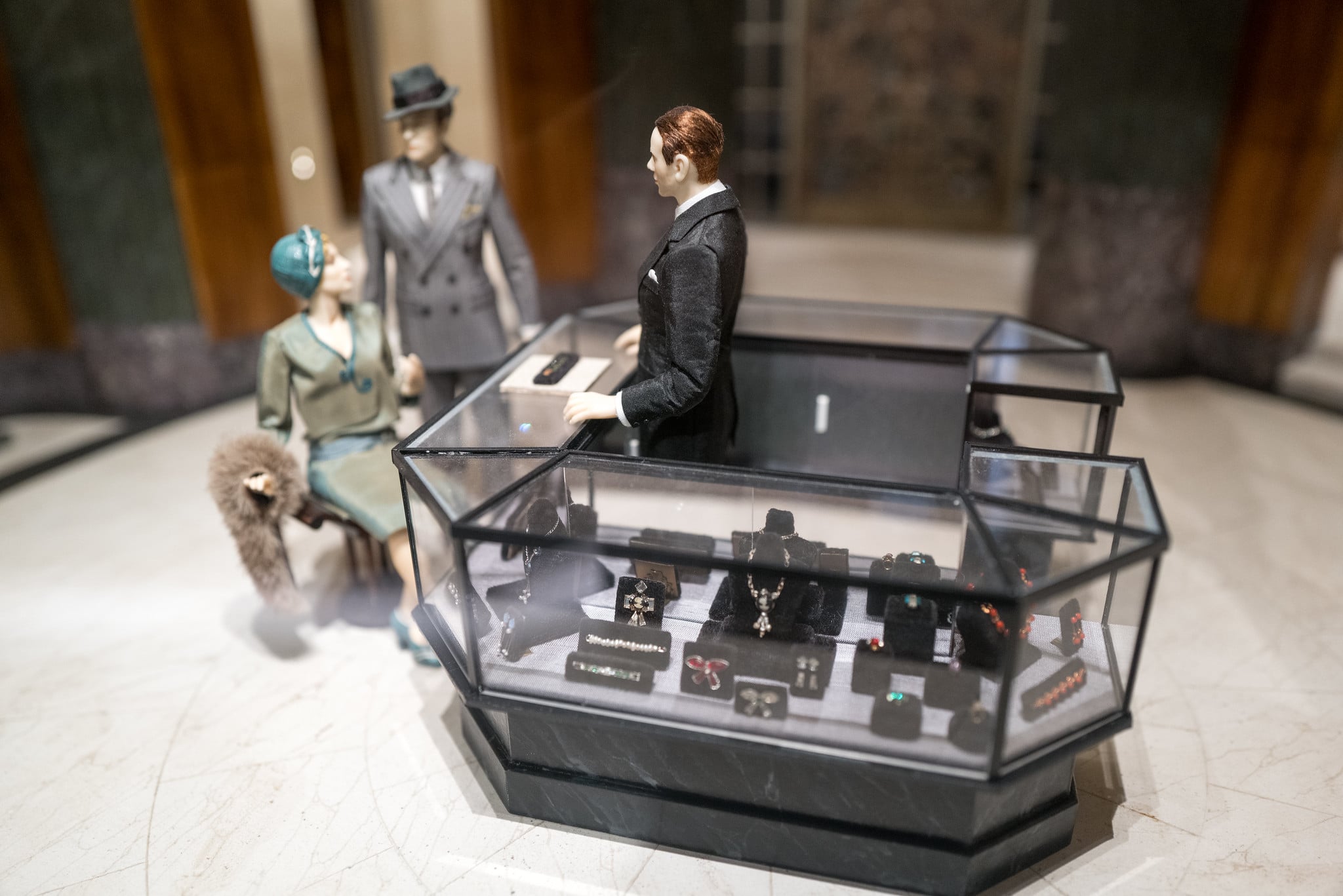
Prague’s Museum of Miniatures requires magnifying glasses to properly appreciate its collection. Artist Anatoly Konenko creates sculptures so small they fit inside the eye of a needle or on the surface of a grain of rice.
The technical precision required to carve a complete chess set from a single cherry pit or write the Lord’s Prayer on a strand of hair approaches the supernatural. Each piece comes with a magnifying device so visitors can examine details that would be invisible to the unaided eye.
The museum challenges assumptions about what’s possible within severely constrained spaces—limitations that force creativity into directions it would never explore otherwise.
Cancun Underwater Museum
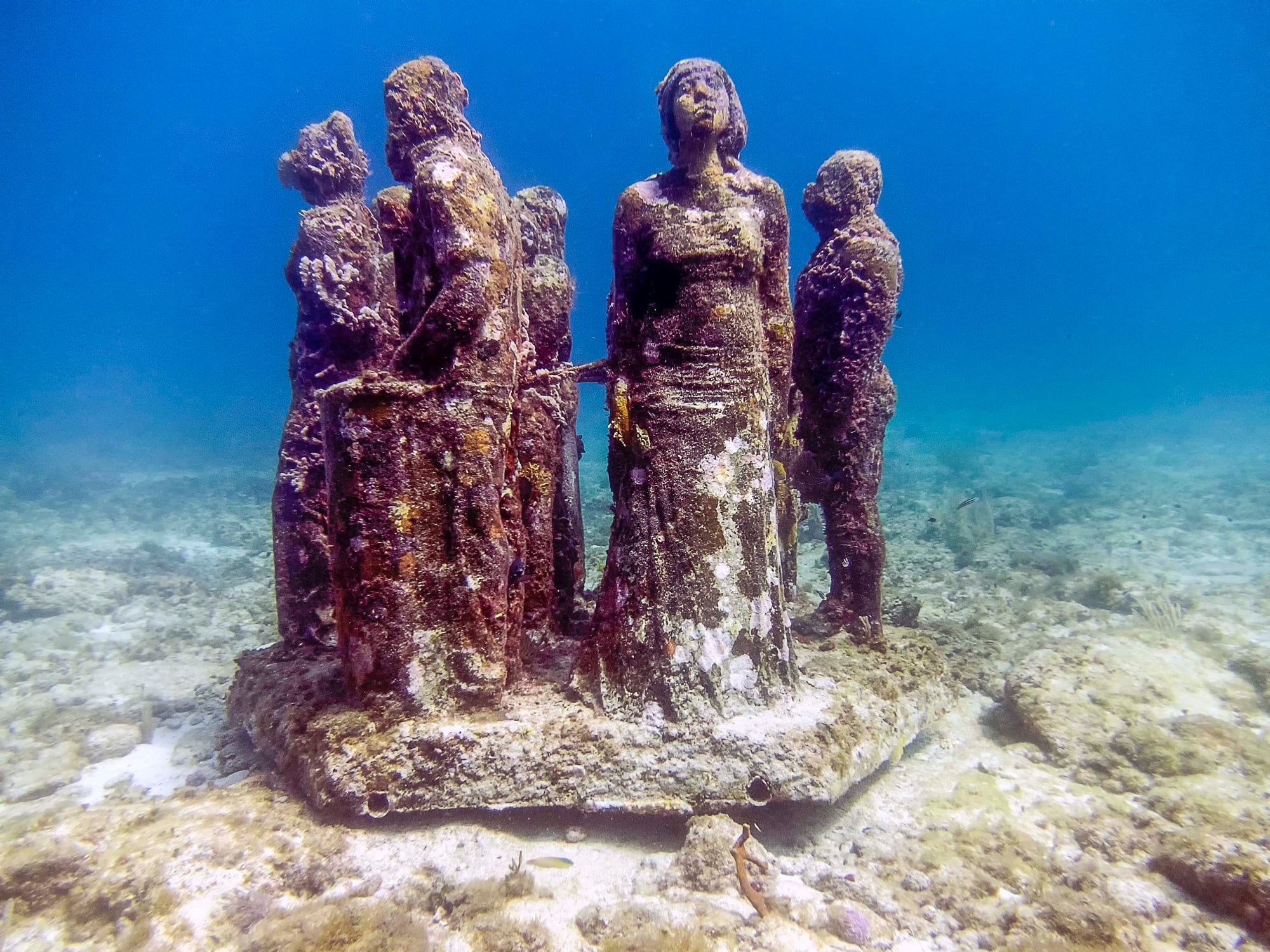
Mexico’s underwater sculpture park sits on the ocean floor off Cancun, accessible only to divers and snorkelers willing to descend twenty feet below the surface. The installations were designed to serve as artificial reefs, attracting marine life while creating an otherworldly gallery experience.
Over time, the sculptures have become colonized by coral, algae, and various sea creatures, transforming the original artworks into something hybrid—part human creation, part natural ecosystem.
Visiting requires scuba gear and a tolerance for the surreal experience of swimming through an art gallery while schools of tropical fish dart between the exhibits.
Museum Of Medieval Torture Instruments

San Gimignano’s torture museum occupies a medieval tower that probably witnessed its share of unpleasant historical moments. The collection focuses specifically on devices used during the Inquisition and witch trials, displayed with enough historical context to be educational rather than sensationalistic.
The exhibits explain how these instruments fit into larger systems of social control and religious authority, making the museum function as a history lesson about power structures rather than just a catalog of creative cruelty.
It’s the kind of place that makes you appreciate living in an era with constitutional protections and international human rights treaties.
Burnt Food Museum

Arlington, Massachusetts, hosts a museum dedicated to culinary disasters. The Burnt Food Museum displays charcoal-black remnants of meals that went catastrophically wrong, each accompanied by the story of how the disaster unfolded.
The collection includes everything from completely incinerated turkeys to cookies that achieved the approximate consistency and color of roof shingles. What makes the museum compelling isn’t just the spectacular failures, but the stories behind them—distracted cooks, faulty ovens, ambitious recipes that exceeded the cook’s skill level.
It’s a monument to the gap between culinary ambition and kitchen reality.
Avanos Hair Museum
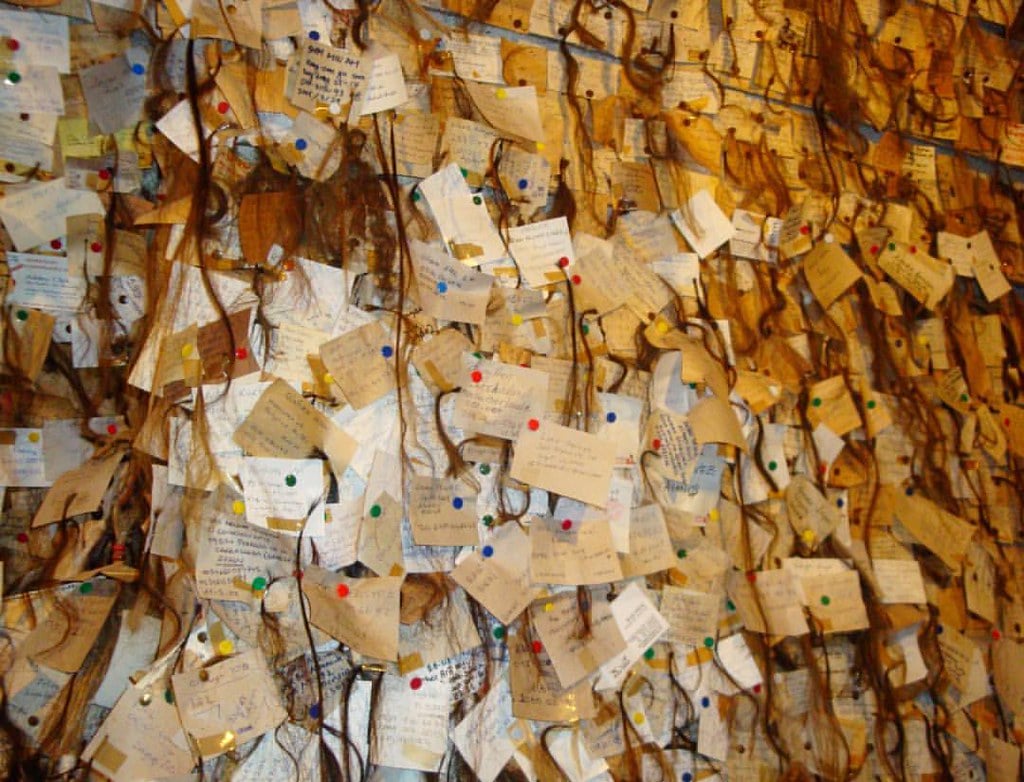
The underground caves of Avanos, Turkey, house one of the world’s strangest collections. What started as a single lock of hair left by a departing friend has grown into a cavern filled with hair donations from over 16,000 women.
Each sample is carefully labeled with the donor’s name and contact information, creating a kind of analog social network spanning decades. The potter who started the collection occasionally selects names at random and invites those women back for pottery workshops, turning the museum into an ongoing experiment in maintaining connections across time and distance.
A Different Kind Of Memory

These museums exist because someone decided that the overlooked, the bizarre, or the uncomfortable deserved preservation just as much as the obviously important stuff. They’re built by people who see significance in things the rest of the world discards or ignores, creating spaces where the margins become the main attraction.
Visiting them requires a certain willingness to have your assumptions challenged about what deserves attention, what counts as culture, and what stories are worth telling.
More from Go2Tutors!

- The Romanov Crown Jewels and Their Tragic Fate
- 13 Historical Mysteries That Science Still Can’t Solve
- Famous Hoaxes That Fooled the World for Years
- 15 Child Stars with Tragic Adult Lives
- 16 Famous Jewelry Pieces in History
Like Go2Tutors’s content? Follow us on MSN.