Iconic Beauty Gurus Who Defined the Early YouTube Era
Before beauty became a billion-dollar industry on YouTube, before elaborate sponsorships and professional studios, there were pioneers filming in their bedrooms with basic cameras and terrible lighting. These creators built something from nothing, turning makeup tutorials into a legitimate career path and changing how people learned about beauty.
They made mistakes on camera, shared their genuine opinions, and built communities around shared interests. The platform looked different back then, and so did the approach to content.
But these early beauty gurus laid the foundation for everything that came after.
Michelle Phan
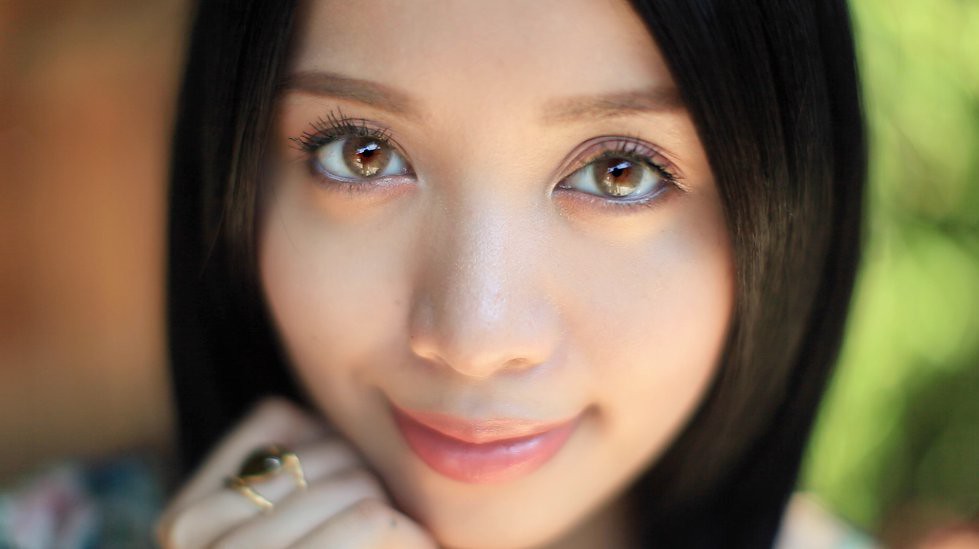
She was there at the beginning, posting tutorials when YouTube was still figuring out what it wanted to be. Her early videos had a dreamy quality, with soft music and artistic editing that set them apart from the basic webcam recordings flooding the platform.
The Barbie transformation tutorial went viral and introduced millions of people to the concept of watching makeup tutorials online. She made beauty feel accessible and artistic at the same time, showing that you could create editorial looks with drugstore products.
Her influence extended beyond YouTube into product lines and business ventures, but those early tutorials remain what people remember most.
Dulce Candy
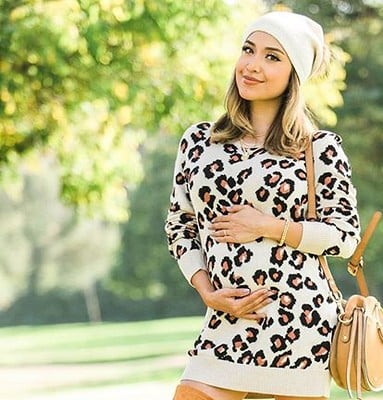
Her channel started as a hobby while serving in the Army, and that authenticity made all the difference. She filmed in her car, in her room, wherever she could find time between deployments and military duties.
The contrast between her military service and her passion for beauty made her story compelling, but her genuine personality kept people watching. She reviewed products honestly, showed real techniques, and built a community around being yourself.
Her success proved that you didn’t need a professional setup or a beauty industry background to connect with an audience.
Blair Fowler (Juicystar07)
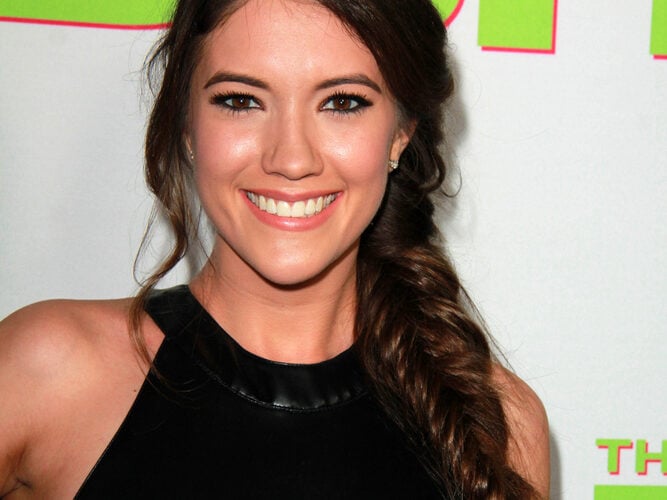
Starting as a teenager with her sister, Blair represented a different kind of beauty content. Her videos felt like hanging out with a friend who happened to know a lot about makeup. The energy was high, the editing was fast-paced, and the approach was casual in a way that resonated with younger viewers.
She and her sister Elle turned their channel into a phenomenon, showing that age didn’t matter if you had personality and genuine enthusiasm. The haul videos became a staple format partly because of how she presented them—not as bragging but as excitement about sharing discoveries.
Promise Phan (dope2111)
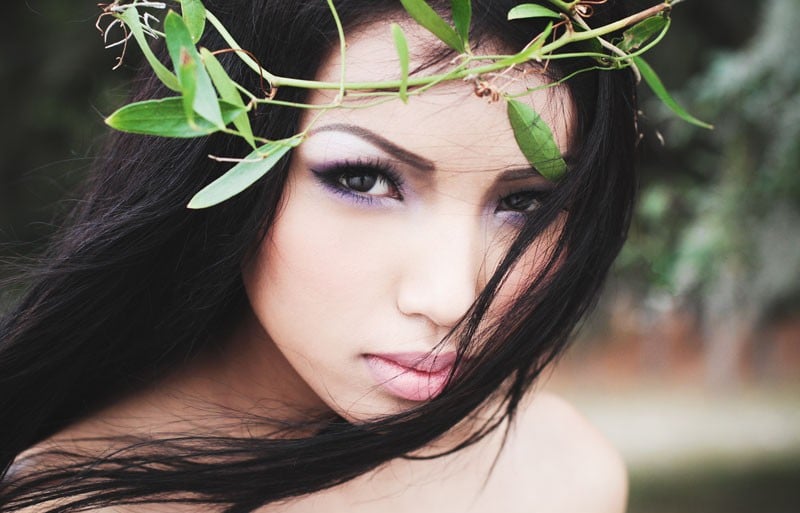
Transformation tutorials reached new heights with her work. She could turn herself into celebrities, movie characters, or completely different people using just makeup.
The technical skill was impressive, but the creativity kept people coming back. Each transformation told a story and showcased what makeup could do when pushed beyond everyday looks.
Her videos proved that beauty content could be entertainment and art, not just instruction. The comment sections filled with requests for different characters, and she delivered consistently.
Kandee Johnson
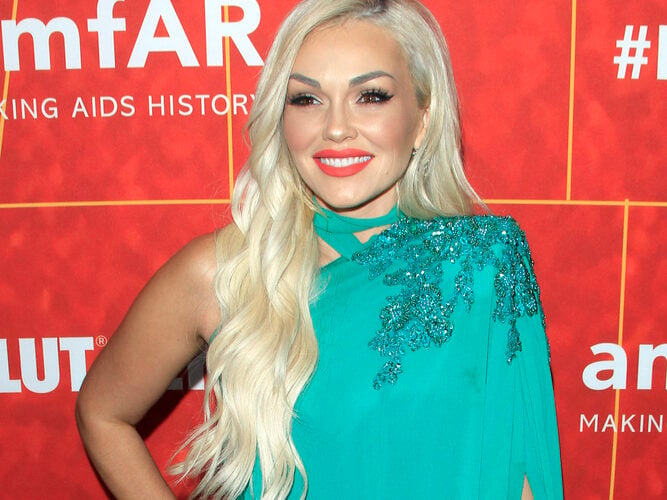
Her background as a professional makeup artist showed in her tutorials, but she never talked down to viewers or made techniques seem impossible. The enthusiasm was infectious—she genuinely loved makeup and wanted everyone else to love it too.
Her transformation videos turned her into Disney princesses and celebrities, showing both the fun side of makeup and the technical expertise required. She collaborated with other creators early on, helping build the sense of community that would become central to beauty YouTube.
The positivity in her videos stood out during a time when YouTube comments could get harsh.
Bethany Mota
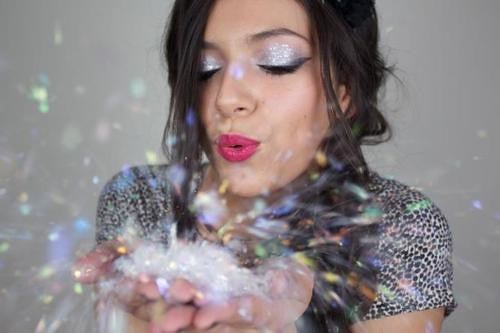
Fashion and beauty blended together in her content, creating a lifestyle approach that would later become standard. Her videos covered everything from makeup to room decor to fashion hauls, giving viewers a complete picture rather than just focusing on one aspect.
The approachability made her special—she seemed like someone you’d actually be friends with, not a distant celebrity. Her success led to product lines and mainstream opportunities, but she maintained that friendly energy throughout. The “get ready with me” format became popular partly through her consistent use of it.
Tanya Burr
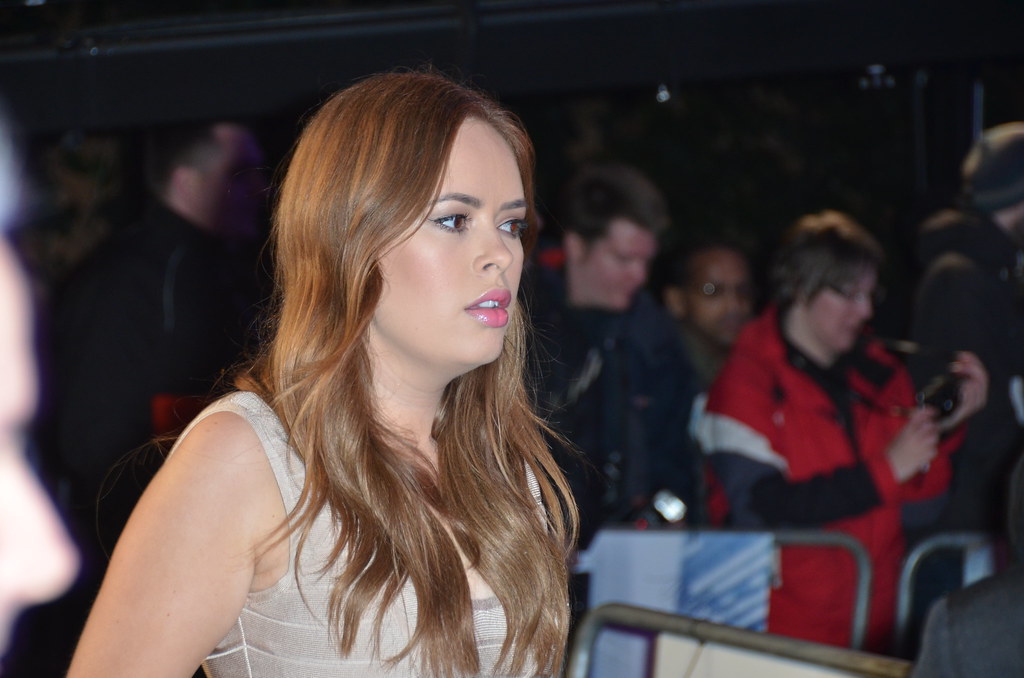
Starting from a small town in England, she built an audience through consistent uploads and genuine enthusiasm for makeup. Her accent and British perspective offered something different from the American-dominated beauty community at the time.
The tutorials were thorough without being boring, and she had a way of explaining techniques that made sense to beginners. Her friendship with other UK beauty YouTubers created a subcommunity within the larger beauty world.
The eventual expansion into baking and lifestyle content showed how early creators had to diversify to keep growing.
Ingrid Nilsen (Missglamorazzi)
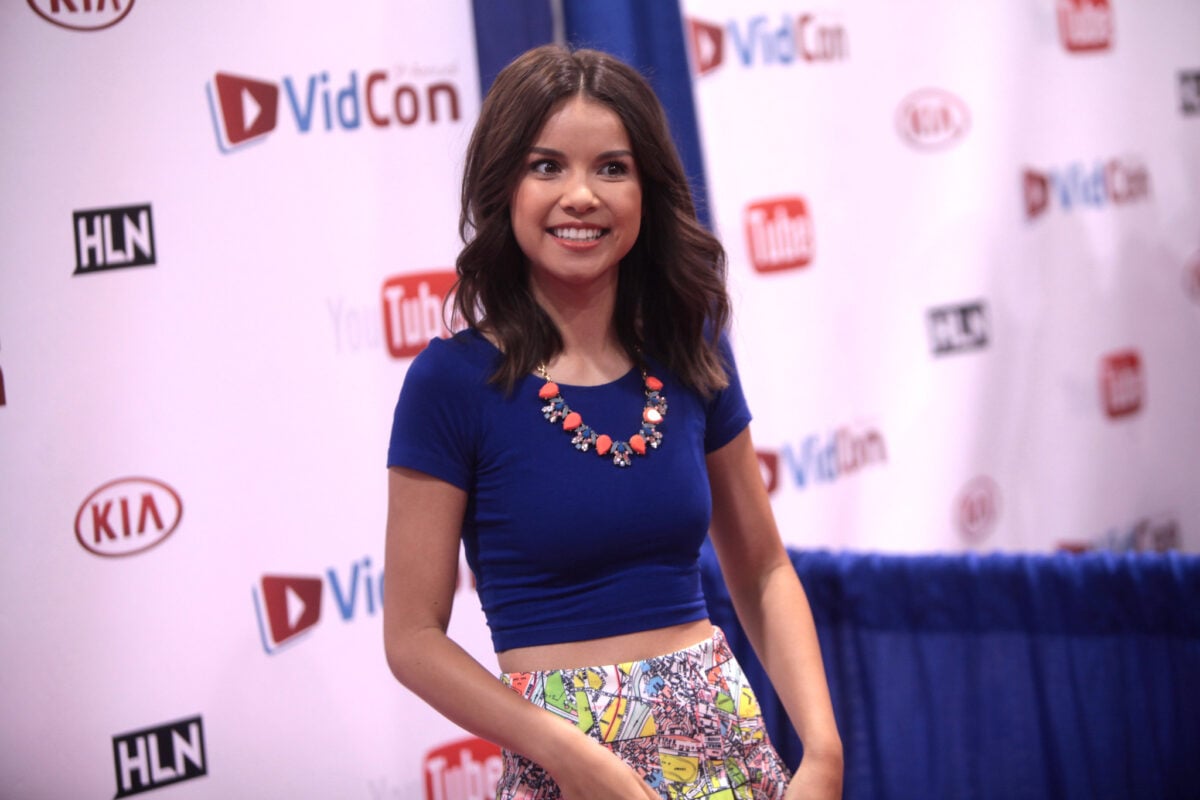
Her organizational approach to beauty content filled a specific need. The videos weren’t just about products but about how to organize your collection, plan your looks, and think strategically about makeup.
She brought structure to a space that often felt chaotic, and viewers appreciated the practical approach. The coming out video she posted years later showed the personal connection she’d built with her audience—people cared about her life beyond the makeup.
But those early organizational and tutorial videos established her as someone who understood both beauty and how to present information clearly.
Jaclyn Hill
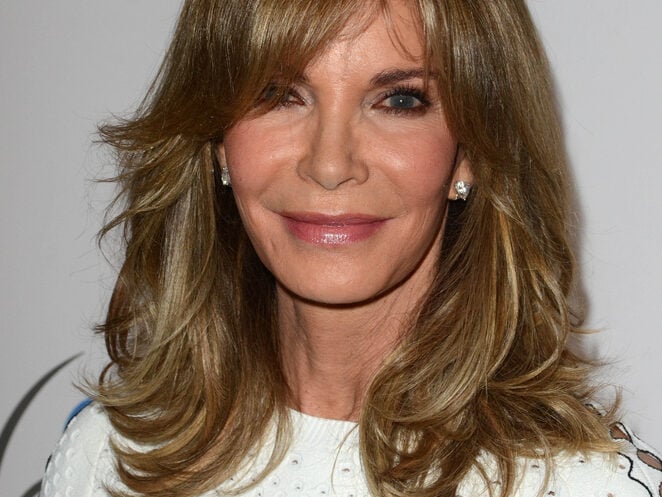
Technical expertise combined with genuine excitement made her tutorials stand out. She could break down complex eye looks into understandable steps, and her enthusiasm for products felt authentic rather than forced.
The collaborations with makeup brands started early in her career, showing that companies recognized her influence. She pushed for better products and wasn’t afraid to criticize things that didn’t work, which built trust with viewers.
The focus on technique over trends meant her videos remained useful long after posting.
Carli Bybel
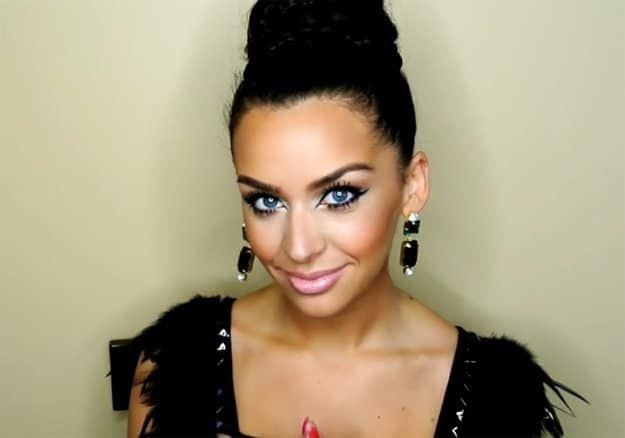
Her polished aesthetic set her apart from the more casual content flooding YouTube at the time. The production quality improved steadily, but the personality remained consistent.
She focused on wearable looks that viewers could actually recreate, not just editorial concepts. The combination of beauty and fashion content gave her videos broad appeal.
Her palette collaboration with BH Cosmetics became one of the most successful influencer products of its time, proving that her audience trusted her taste.
Nikkie de Jager (NikkieTutorials)
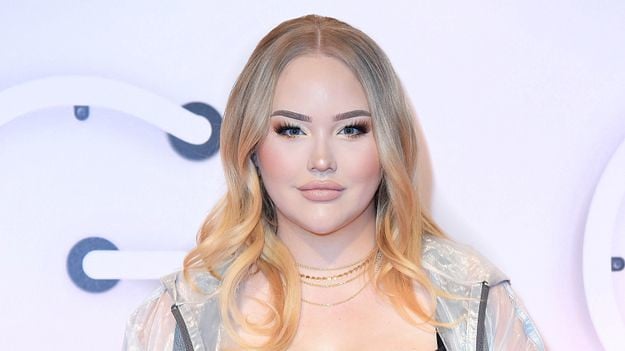
The “Power of Makeup” video changed conversations about beauty standards and why people wear makeup. But before that viral moment, she’d been posting detailed tutorials with impressive technical skill.
Her approach to makeup was bold—she wasn’t afraid of color, drama, or going against natural makeup trends. The Dutch perspective brought different product recommendations and techniques to an English-speaking audience.
She could make high-end and drugstore products work together, proving that good technique mattered more than expensive products.
Pixiwoo (Sam and Nic Chapman)
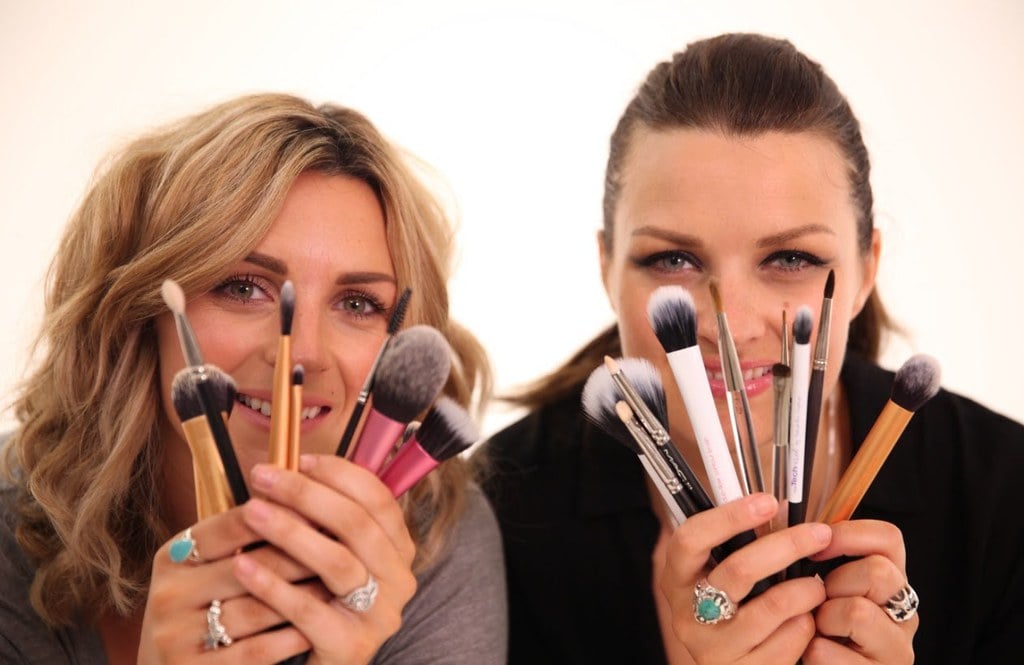
Professional makeup artists who actually knew how to teach set these sisters apart. Their tutorials broke down complex techniques in ways that made sense, and their professional experience showed in every video.
They focused on technique over trends, creating content that remained relevant years after posting. The British perspective and product recommendations introduced international viewers to different brands.
Their approach proved that professional knowledge could translate to YouTube without losing the personal connection that made the platform special.
Bubzbeauty (Lindy Tsang)
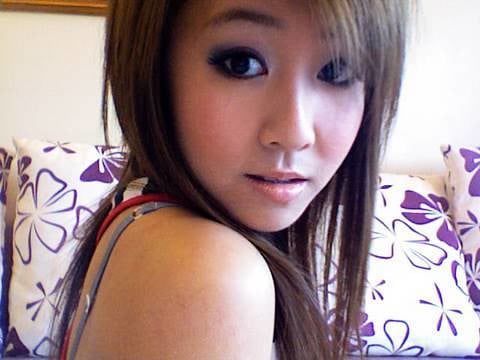
Her cartoon-like thumbnails and sweet personality created a distinctive brand. The content covered beauty, but also life in Hong Kong, art, and personal stories that made viewers feel connected to her life.
She balanced product reviews with genuine lifestyle content before that became the standard approach. The honesty about her skin struggles and beauty journey made her relatable despite the polished presentation.
Her marriage and family life became part of the content, showing how creators evolved with their audiences.
The Foundation They Built

These creators didn’t just make videos—they established formats, built communities, and proved that beauty content could sustain careers. They dealt with primitive cameras, harsh lighting, and comments sections that had no moderation.
They figured out thumbnail strategies before anyone knew what worked. They built audiences one subscriber at a time when algorithms barely existed.
The beauty industry noticed and started sending PR packages, creating sponsored opportunities, and eventually hiring these YouTubers for campaigns that would have gone to traditional celebrities just years before.
The platform changed. Production values increased. Sponsorships became transparent requirements rather than exciting opportunities.
Drama became content. But those early years had something different—a sense of discovery and community building that’s hard to replicate once an industry becomes established.
These creators showed what was possible when you combined personality, knowledge, and consistency. They turned bedroom filming sessions into viable careers and changed how brands thought about marketing.
The beauty gurus who came after walked paths these pioneers cleared.
When Bedroom Tutorials Became an Industry
Now, that first wave of beauty videos on YouTube seems far away, almost like flipping through a photo album from another life. Back then, filming happened simply because it brought joy – no spreadsheets tracking views or calendars mapping every upload.
Mistakes stayed visible since cutting them meant hours more work, and sharing mattered more than perfection. Down below each video, replies unfolded like letters exchanged between friends.
Viewers arrived not for clicks but curiosity, eager to hear an opinion from someone continents away on whether a new mascara held up. Now and then, one of them shows up again, shifting gears with whatever platform feels right at the moment.
Not far off, another traded scripts for meetings, turning views into job offers without much fanfare. A couple simply faded, leaving behind clips frozen mid-motion, like screenshots nobody deleted.
Still, echoes pop up – routines copied, styles borrowed, timing lifted by someone just starting out. They showed skill doesn’t need credentials when obsession fuels it enough.
Belonging grew where people kept returning, drawn by common quirks or habits. All it took was a lens, real reactions, and hours spent trying, which somehow stuck.
More from Go2Tutors!

- The Romanov Crown Jewels and Their Tragic Fate
- 13 Historical Mysteries That Science Still Can’t Solve
- Famous Hoaxes That Fooled the World for Years
- 15 Child Stars with Tragic Adult Lives
- 16 Famous Jewelry Pieces in History
Like Go2Tutors’s content? Follow us on MSN.