Strange Legal Loopholes That Let Some People Get Rich
The legal system, with all its complexities and nuances, occasionally creates extraordinary gaps that enterprising individuals discover and exploit. These legal loopholes aren’t necessarily illegal—they exist in the gray areas where lawmakers never anticipated someone would venture.
Some particularly savvy operators have found ways to transform these oversights into personal fortunes. Here is a list of some of the 17 strangest legal loopholes that have allowed people to amass wealth in unexpected ways.
The Double Irish Arrangement

Multinational corporations moved profits across multiple Irish subsidiaries to avoid billions in taxes. Companies like Google and Apple reduced their effective tax rates to single digits using this method.
By exploiting differences in Irish and U.S. tax residency laws, businesses funneled profits through tax havens. Ireland eliminated this loophole in 2020, but not before corporations saved enormous sums on taxes.
The Duty-Free Art Vault

Wealthy art collectors avoided import taxes and capital gains by storing valuable artwork in “freeport” warehouses. These climate-controlled facilities exist in a legal limbo, meaning the art never technically enters a country.
The Geneva Freeport alone holds an estimated $100 billion in art, allowing collectors to buy, store, and sell masterpieces tax-free.
The Montana Car Registration Scheme

Luxury car buyers saved tens of thousands in sales tax by registering vehicles in Montana. The state has no sales tax, so wealthy individuals created LLCs there to purchase and register high-end cars.
A California resident buying a $300,000 Ferrari could avoid approximately $30,000 in sales tax. While states have started cracking down, the practice remains widespread.
The Carried Interest Advantage

Hedge fund and private equity executives classify income as “carried interest” to pay a lower tax rate. Instead of ordinary income tax (up to 37%), they pay the reduced capital gains rate of around 20%.
A fund manager earning $10 million can save over $1.5 million annually using this loophole. Despite efforts to close it, strong lobbying has kept it mostly intact.
The Bahamas Property Flip

Real estate developers lowered tax obligations by temporarily passing property ownership to Bahamian shell companies. The property would be “sold” to an offshore entity and “repurchased” at a higher value.
This tactic created artificial tax losses while disguising gains in tax havens. New international reporting rules have limited this practice, though variations still exist.
The Hollywood Accounting Method

Movie studios structured finances so that even blockbuster films appeared unprofitable on paper. ‘Return of the Jedi,’ despite earning over $475 million on a $32 million budget, reportedly never turned a profit.
Studios create subsidiaries and charge inflated fees to themselves, shifting profits and avoiding taxes or payouts to actors and producers.
The Delaware Corporation Advantage
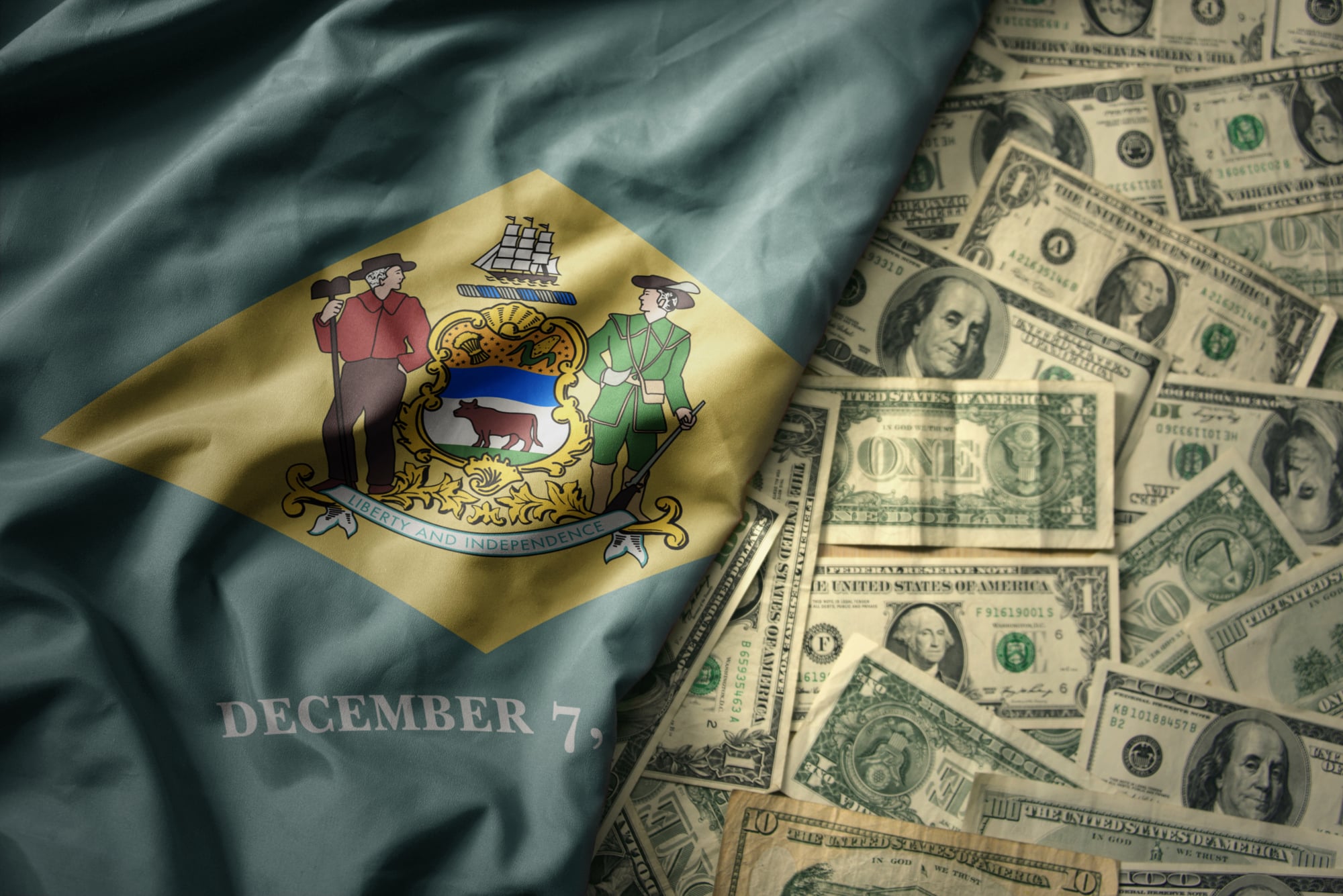
Businesses flock to Delaware for its tax-friendly policies, including no sales tax, no tax on intangible assets, and strong privacy protections.
Around 70% of Fortune 500 companies have Delaware corporations, helping them minimize tax liabilities. The system allows income to be strategically allocated, significantly reducing overall tax burdens.
The Yacht Charter Business

Wealthy individuals register personal yachts as charter businesses, transforming them into tax-deductible assets.
Even if rarely rented out, the yacht qualifies as a depreciating business asset, allowing owners to deduct maintenance and operating costs. This strategy effectively subsidizes luxury yacht ownership.
The Oil Depletion Allowance

Oil companies deduct 15% of gross income from oil and gas production as compensation for resource depletion.
A company producing $100 million in oil secures a $15 million tax deduction—regardless of actual costs. Despite repeated reform attempts, this provision has survived for nearly a century.
The Conservation Easement Syndication

Investment groups inflate land values and donate conservation easements to claim massive tax deductions.
A $1 million property may be appraised at $10 million based on hypothetical development potential, generating enormous tax benefits. The IRS now requires special reporting, but the practice still shelters billions in income.
The Foreign Sales Corporation

Exporters established offshore subsidiaries to gain preferential tax treatment on exported goods.
These paper entities, often in tax-friendly jurisdictions, allowed companies to shift export profits to low-tax regions. The World Trade Organization eventually ruled against the practice, forcing legal changes.
The Life Insurance Investment Strategy

Wealthy individuals use specialized life insurance policies to convert taxable investment gains into tax-free insurance proceeds.
Private placement policies allow investments to grow tax-deferred, with potential tax-free distributions. Properly structured, this strategy can save families millions over a lifetime.
The Timber Tax Break

Landowners classify property as timber-producing to access special capital gains treatment.
This reduces tax rates on qualifying timber income to about 15%, compared to ordinary income rates up to 37%. Large landowners benefit from millions in savings, often with minimal actual forestry activity.
The Puerto Rico Act 20/22 Relocation

Entrepreneurs relocate to Puerto Rico to pay corporate tax rates as low as 4% and zero capital gains tax.
Under Acts 20 and 22 (now Act 60), U.S. citizens who establish residency in Puerto Rico can significantly reduce tax obligations. Crypto investors have especially leveraged this benefit, saving millions.
The Child Actor Loophole

Parents of child performers structured earnings through corporations to reduce taxes.
Though the ‘Coogan Law’ mandates 15% of earnings go into a blocked trust, the remaining 85% can be managed through corporate structures with tax advantages. Families of young stars have saved substantial sums through this method.
The Historic Building Rehabilitation Credit

Real estate developers buy historic buildings to access tax credits worth up to 20% of renovation costs.
A $10 million restoration project could yield $2 million in tax credits. These credits can be sold to investors seeking tax advantages, creating a secondary market for these financial benefits.
The Cruise Ship Registry Advantage

Cruise lines register ships in countries like Panama, Liberia, and the Bahamas to avoid U.S. corporate taxes and labor laws.
Despite earning billions from American passengers, these companies pay little to no corporate income tax. This practice saves the industry hundreds of millions annually.
The Opportunity Zone Investment
Investors defer and potentially eliminate capital gains taxes by investing in designated opportunity zones.
Created in 2017, this program allows investors to postpone tax payments and avoid taxes on new appreciation if held for ten years. Billionaires have used this provision to shelter massive gains while developing properties in qualifying areas.
The Reality of Legal Windfalls

Throughout history, the intersection of wealth and law has created opportunities for those with resources to exploit legal loopholes.
Many of these advantages arise from poorly written laws or unintended legal interactions. While regular taxpayers pay standard rates, businesses and individuals have used creative interpretations to amass fortunes that might have otherwise gone to public coffers.
As rules evolve, these gaps eventually close—only to be replaced by new ones.
More from Go2Tutors!

- The Romanov Crown Jewels and Their Tragic Fate
- 13 Historical Mysteries That Science Still Can’t Solve
- Famous Hoaxes That Fooled the World for Years
- 15 Child Stars with Tragic Adult Lives
- 16 Famous Jewelry Pieces in History
Like Go2Tutors’s content? Follow us on MSN.



