Things to Know About the Most Haunted Islands in the US
The coastline holds America’s oldest ghosts. Islands, by their very nature, trap things — storms, shipwrecks, and apparently the restless dead.
Cut off from the mainland by cold water and older currents, these patches of land have collected centuries of tragedy, mystery, and stories that refuse to stay buried. Some became prisons, others hosted battles, and a few simply attracted the kind of darkness that seems to follow isolation.
From the rocky shores of Maine to the sun-bleached keys of Florida, haunted islands dot the American coast like question marks on an old map. Each carries its own particular brand of supernatural unrest, whether it’s the echo of cannon fire or the whisper of patients who never left the asylum.
Alcatraz Island
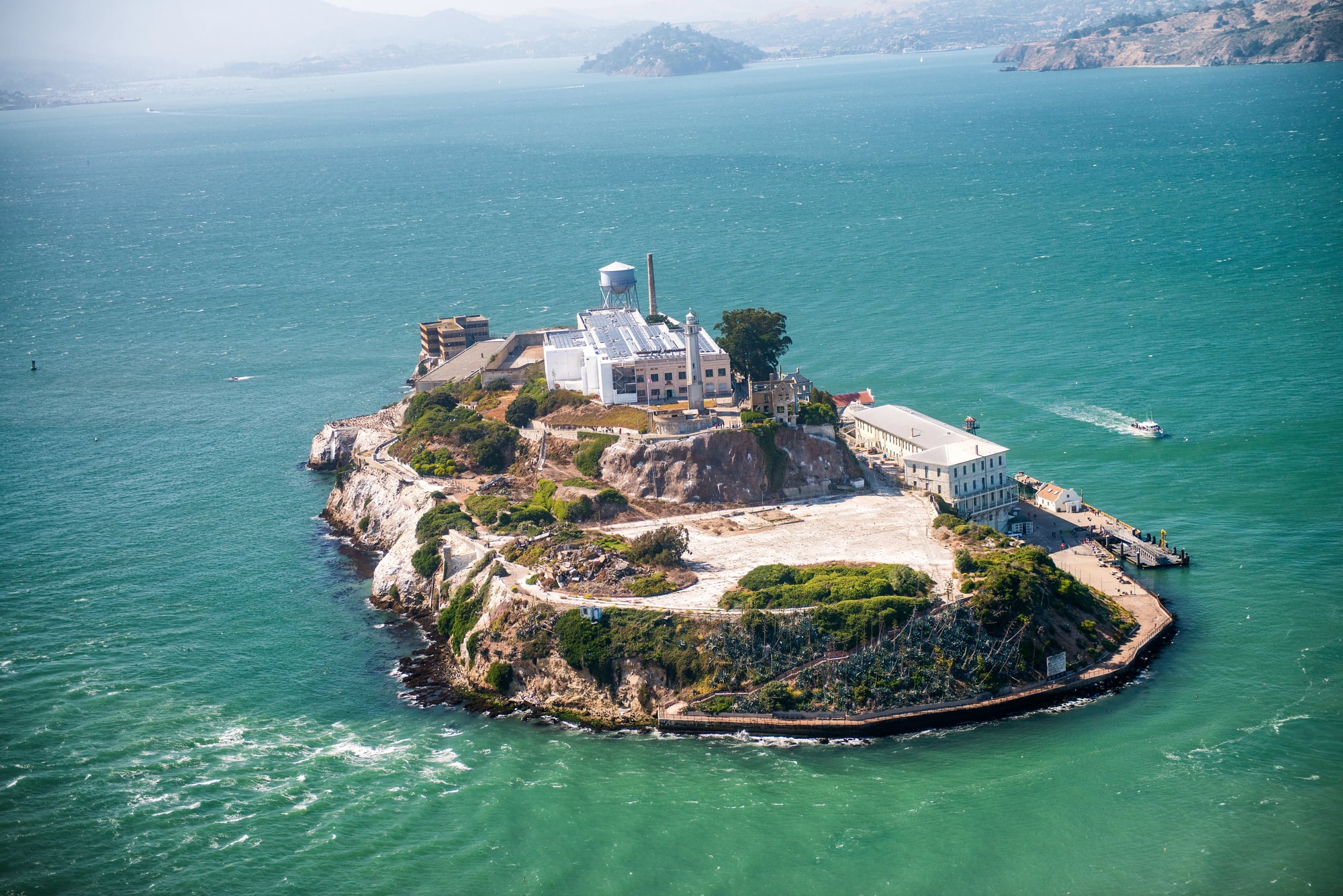
Alcatraz doesn’t need to try hard to be terrifying. The federal prison that once held Al Capone and other notorious criminals shut down in 1963, but the building still pulses with the kind of energy that makes tourists cut their visits short.
Guards and tour guides report cell doors slamming shut on their own, the sound of footsteps in empty corridors, and cold spots that appear without explanation. The isolation cells seem particularly active.
Visitors describe feeling watched, hearing whispers, and experiencing sudden drops in temperature that make their breath visible even on warm San Francisco days.
Hart Island
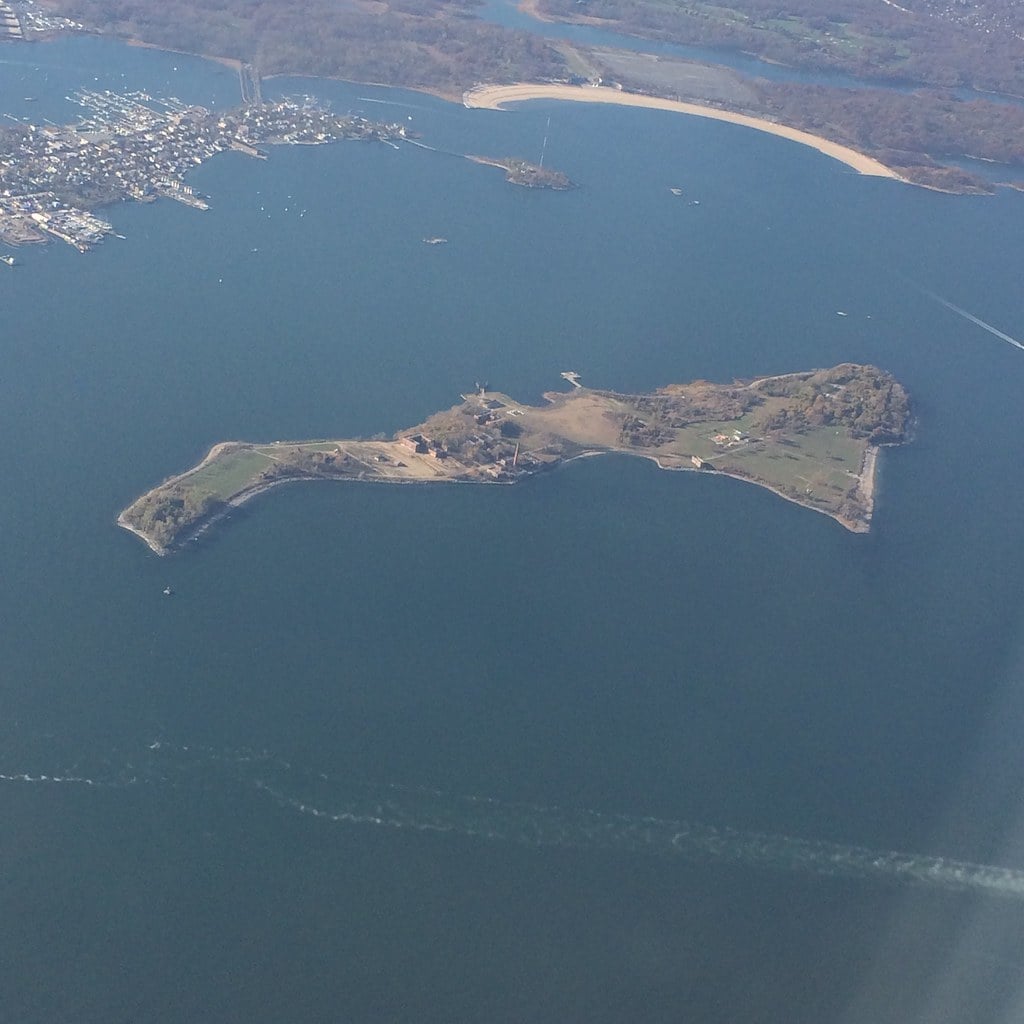
New York’s Hart Island serves as the city’s potter’s field, where more than a million unclaimed bodies have been buried since 1869. The island remains off-limits to most visitors, but those who work there describe experiences that go far beyond typical cemetery unease.
So much concentrated grief leaves marks (and the island bears them all), creating an atmosphere where the boundary between the living and dead feels paper-thin — which makes sense when you consider that Hart Island processes roughly 1,500 burials each year, many of them people who died alone and unclaimed in one of the world’s most populated cities.
Workers report seeing figures walking among the unmarked graves at dusk. Strange sounds.
Even stranger is the silence that sometimes falls over the entire island, as if the place itself is holding its breath.
Poveglia Island
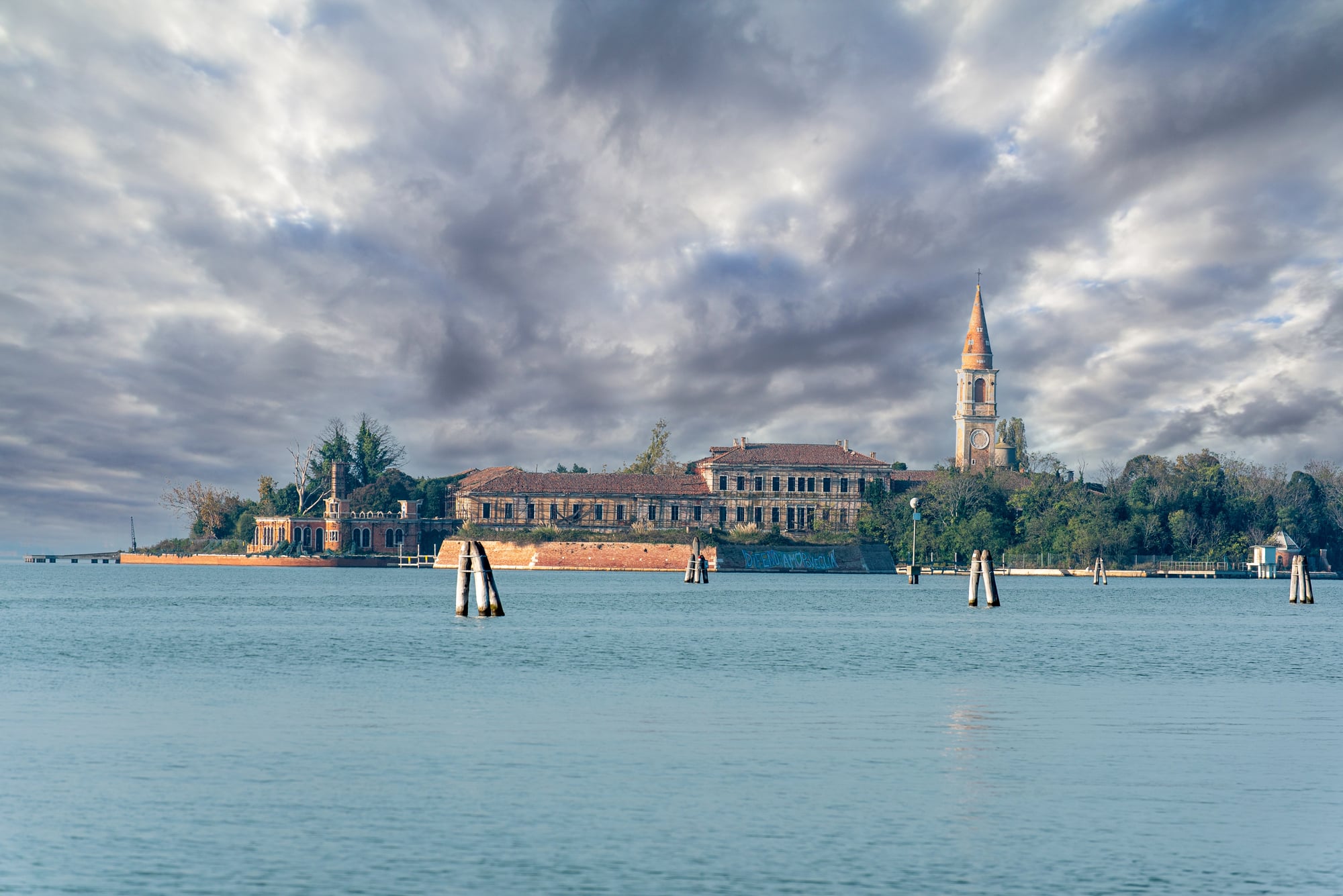
Technically not in US waters — this Italian island sits in the Venetian Lagoon — but its reputation has influenced American ghost hunting culture enough to earn mention. The island served as a plague quarantine station where an estimated 160,000 people died, their bodies burned in massive pyres that left the soil mixed with human ash.
The ground literally crunches underfoot with bone fragments. Fishermen still pull up human remains in their nets when working the waters around Poveglia.
The island feels like a wound that never healed, a place where suffering became so concentrated it changed the chemistry of the earth itself.
Eastern State Penitentiary Remains
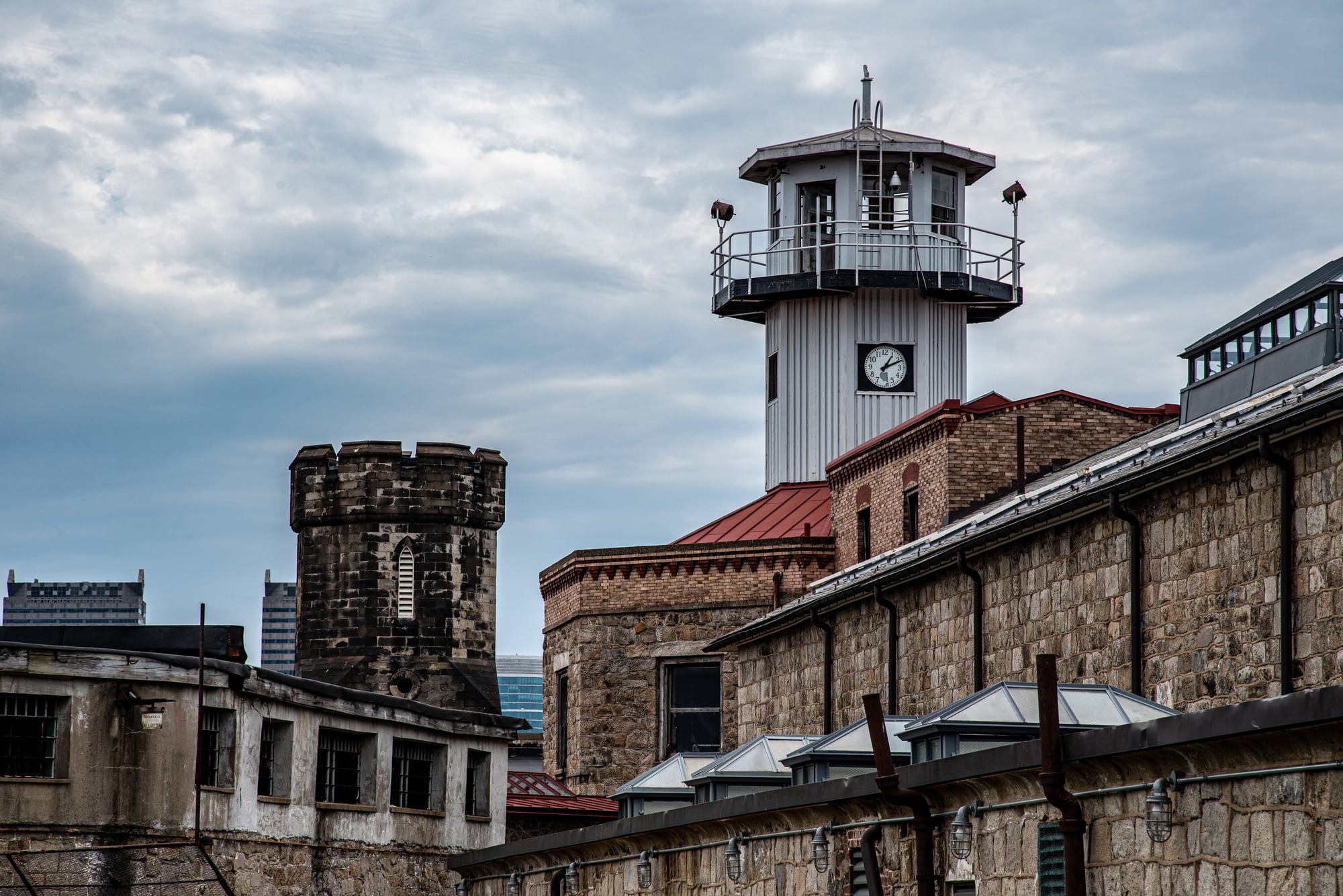
Though technically on the mainland now, Eastern State Penitentiary in Philadelphia was originally built on what locals considered an isolated island of land outside the city. The revolutionary prison design — solitary confinement as rehabilitation — drove many inmates to madness.
The crumbling cellblocks attract paranormal investigators who consistently report the same phenomena: shadow figures darting between cells, disembodied voices, and the sensation of invisible hands grabbing at visitors. Cell Block 12 has such a reputation for activity that even skeptical tour guides avoid lingering there after dark.
The prison’s design intended to break spirits through isolation. Apparently, some spirits refused to break.
Fort Jefferson
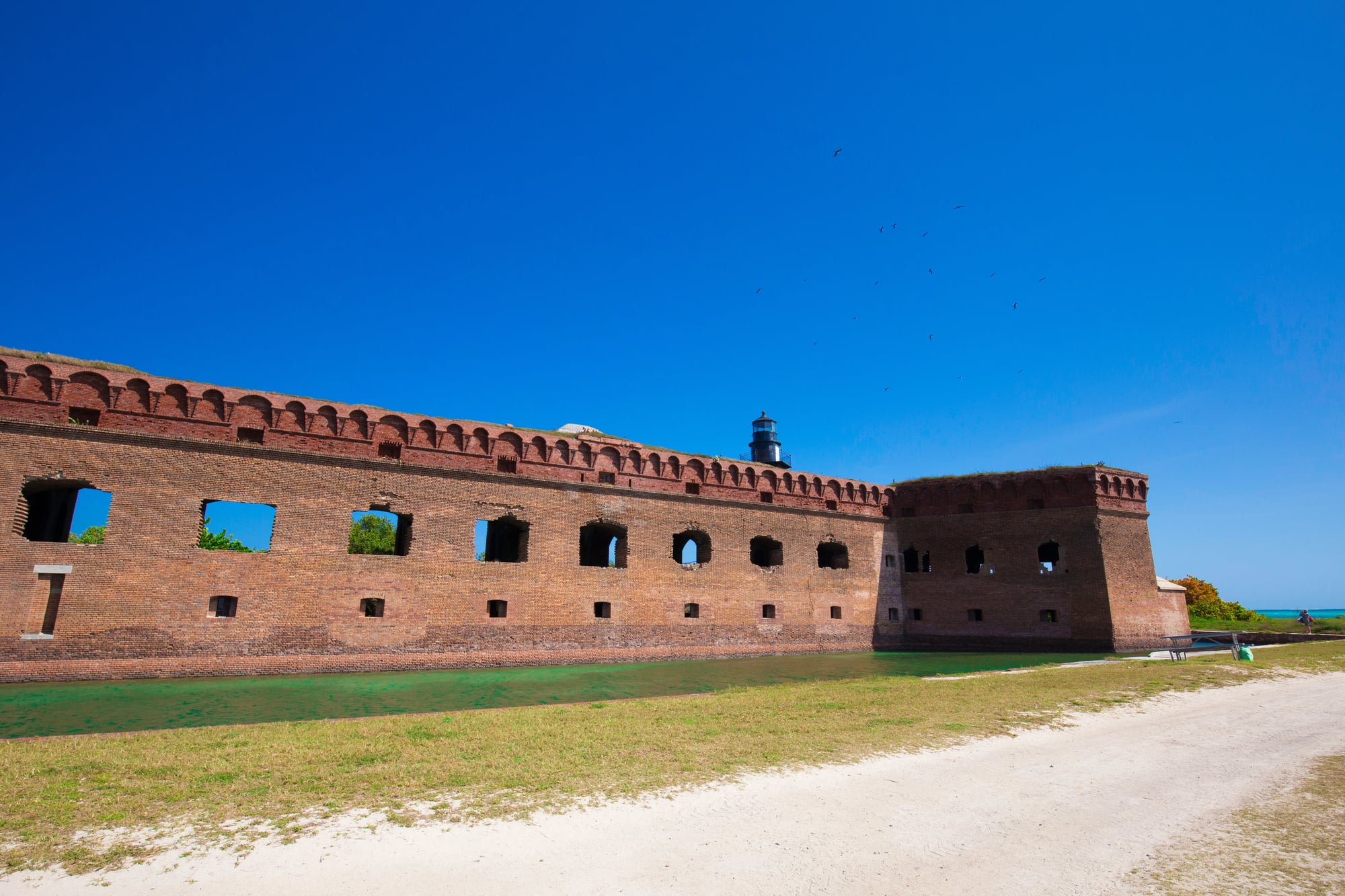
The massive fort sits on Garden Key in Dry Tortugas National Park, seventy miles west of Key West. During the Civil War and beyond, it served as both a military prison and a yellow fever quarantine station — a combination that left plenty of restless energy behind.
Rangers and visitors describe seeing uniformed figures walking the fort’s walls at sunset, always just out of clear view. The casements echo with footsteps when no one else is around.
Most unsettling are the reports of voices calling for help from the water surrounding the fort, though no boats or swimmers are ever spotted. The isolation of Fort Jefferson means these experiences happen seventy miles from the nearest town, with no easy explanation or quick escape.
McNeil Island
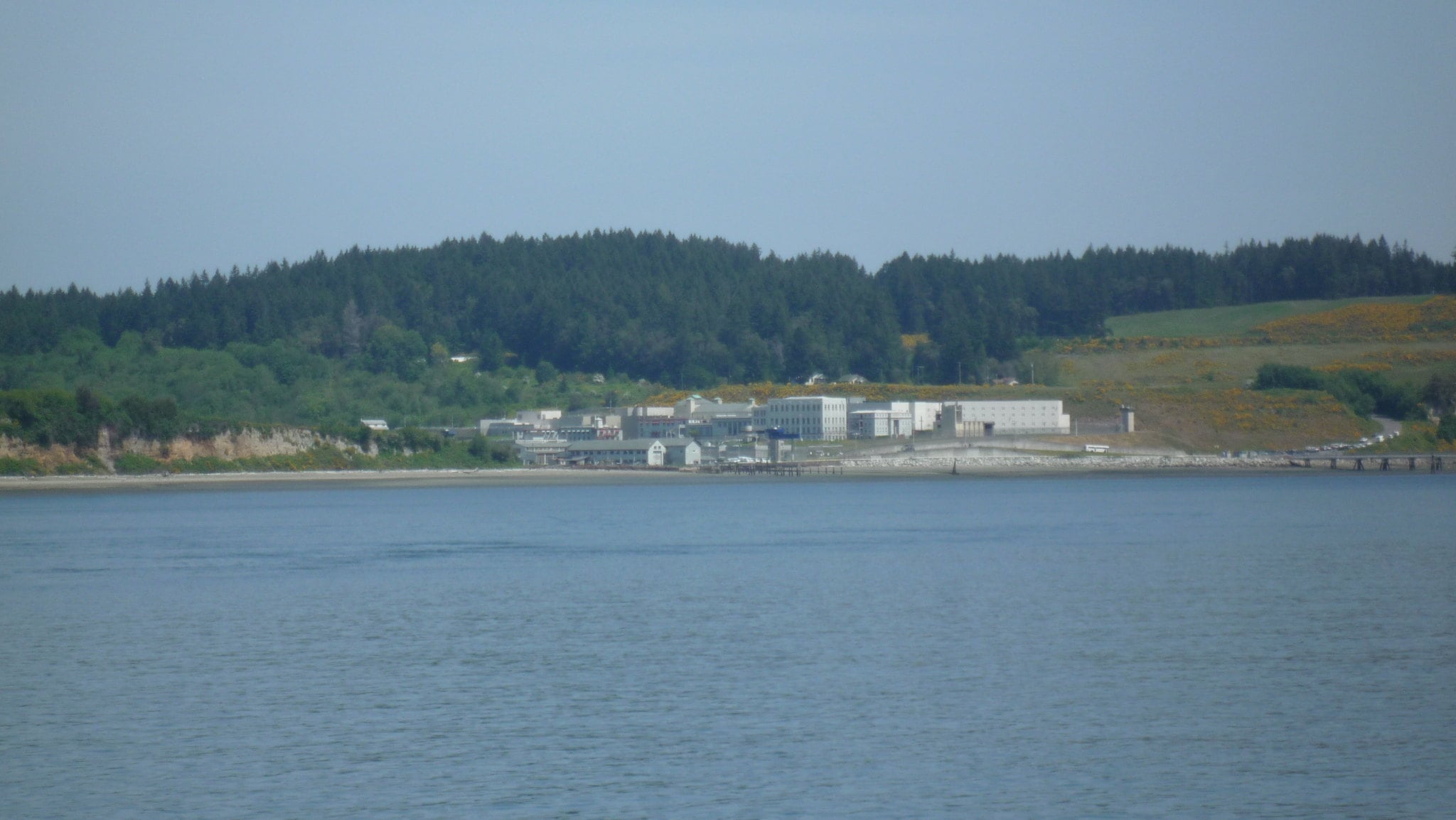
Like watching a movie where the projector keeps skipping frames, McNeil Island’s history jumps between federal prison, state penitentiary, and psychiatric facility. Located in Washington’s Puget Sound, the island housed some of the Pacific Northwest’s most dangerous criminals for over a century.
The abandoned prison buildings seem to exhale the accumulated tension of decades. Motion sensors trigger without cause.
Security cameras pick up movement in empty corridors. Former guards describe hearing their names called by voices they recognized — inmates who had died years earlier.
The island now serves as a wildlife preserve, but the animals avoid certain buildings entirely, as if they sense something humans can only guess at.
Angel Island
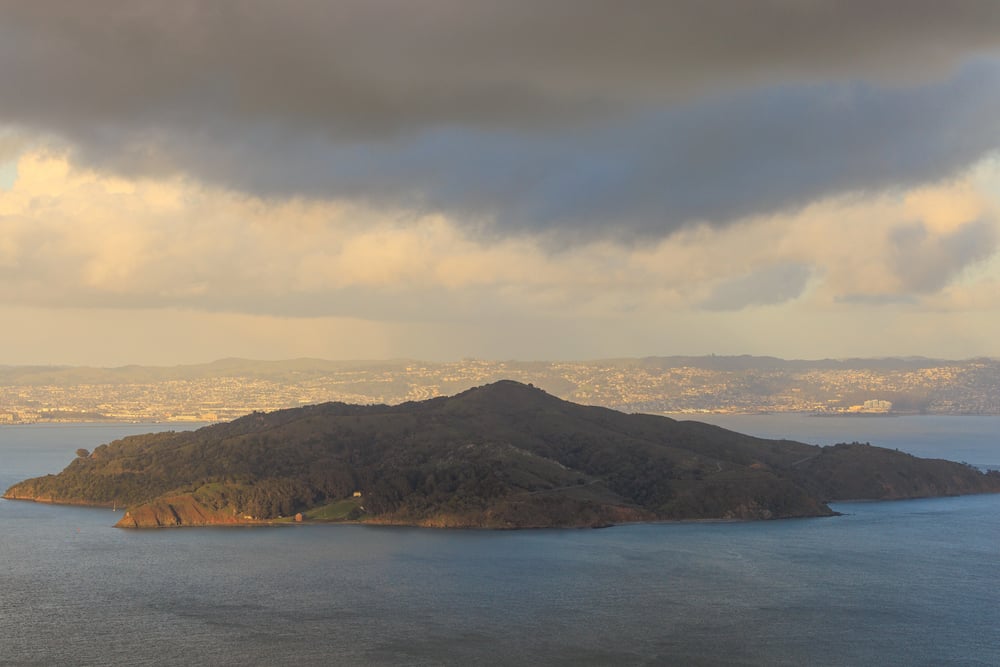
San Francisco Bay’s Angel Island served as the “Ellis Island of the West,” but with a much darker purpose — processing and often detaining Asian immigrants under harsh conditions from 1910 to 1940. Thousands of people were held in the immigration station’s barracks, many for months or years, while their cases wound through bureaucracy.
The wooden walls of the old barracks still bear carved poems written by Chinese detainees, desperate messages expressing hope, anger, and despair. Visitors report hearing voices speaking in various Asian languages, seeing figures in period clothing walking the grounds, and feeling overwhelming sadness in certain rooms.
The island holds the emotional residue of dreams deferred and lives interrupted, concentrated into buildings that still stand as monuments to institutional cruelty disguised as policy.
Governors Island
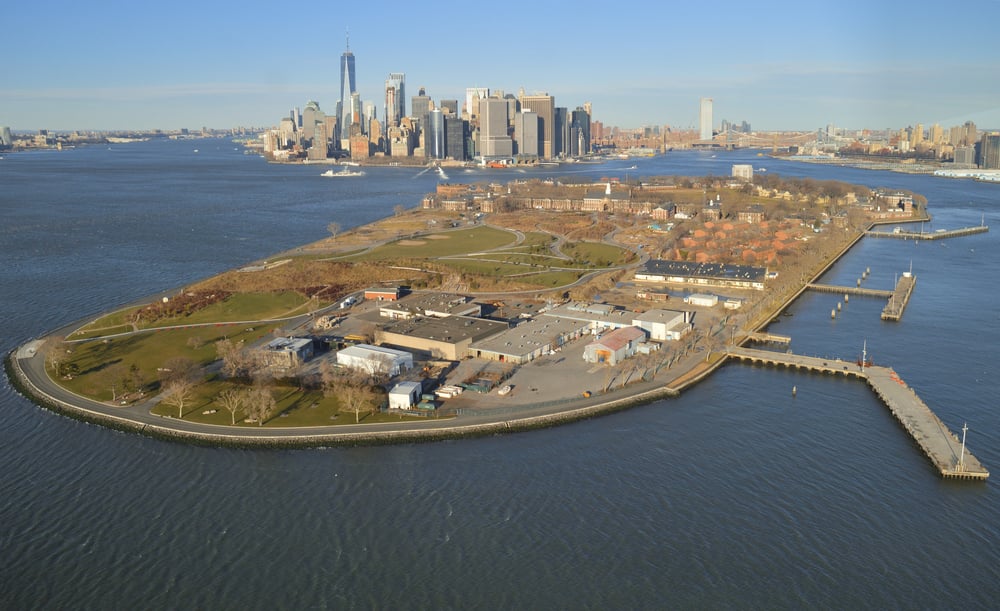
This 172-acre island in New York Harbor served military purposes for over two centuries before becoming a public park. The combination of Revolutionary War fortifications, Civil War prisons, and decades of military housing created layers of history that seem to manifest into the present.
Castle Williams, the circular fort that held Confederate prisoners during the Civil War, generates the most paranormal reports. Visitors describe sudden temperature drops, the sound of marching feet on empty ramparts, and glimpses of figures in military uniforms from various eras.
The island’s extensive tunnel system amplifies sounds in ways that make normal maintenance work feel like an encounter with the supernatural. Even during crowded summer events, certain areas of the island maintain an atmosphere of watchfulness, as if unseen sentries still guard their posts.
Devils Island
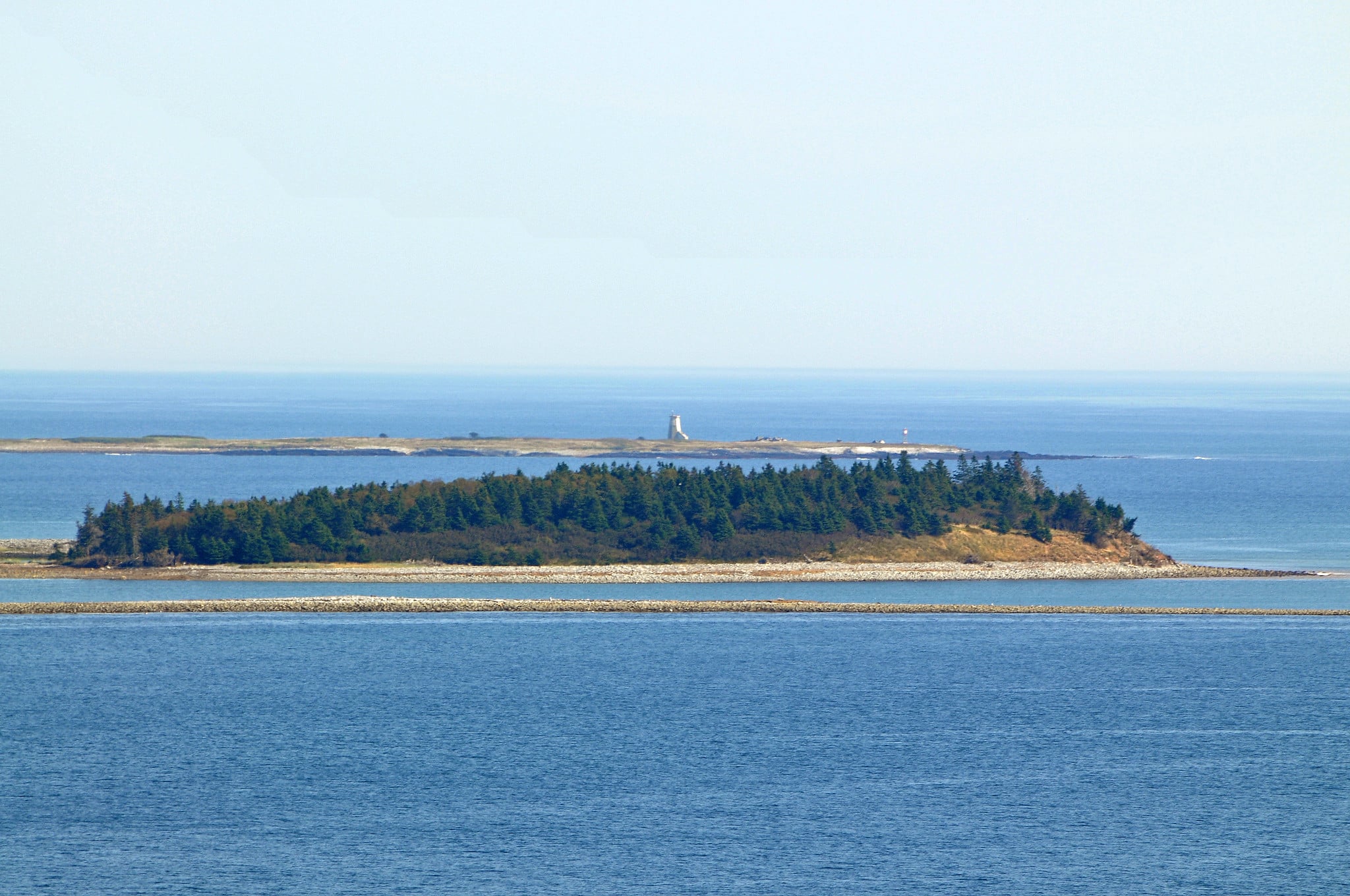
Actually located off the coast of French Guiana, Devils Island gained notoriety as part of the brutal French penal colony system. However, its influence on American ghost lore comes through the stories of escaped prisoners who attempted to reach the US coast and the American fascination with the island’s reputation.
The prison closed in 1953, but the buildings remain as a monument to institutional brutality. Visitors describe an oppressive atmosphere that seems to press down on the island like a physical weight.
The isolation cells, where prisoners went insane in tropical heat and complete darkness, still radiate a kind of concentrated despair that affects even brief visitors. Some places collect suffering until it becomes part of the landscape.
Deer Island
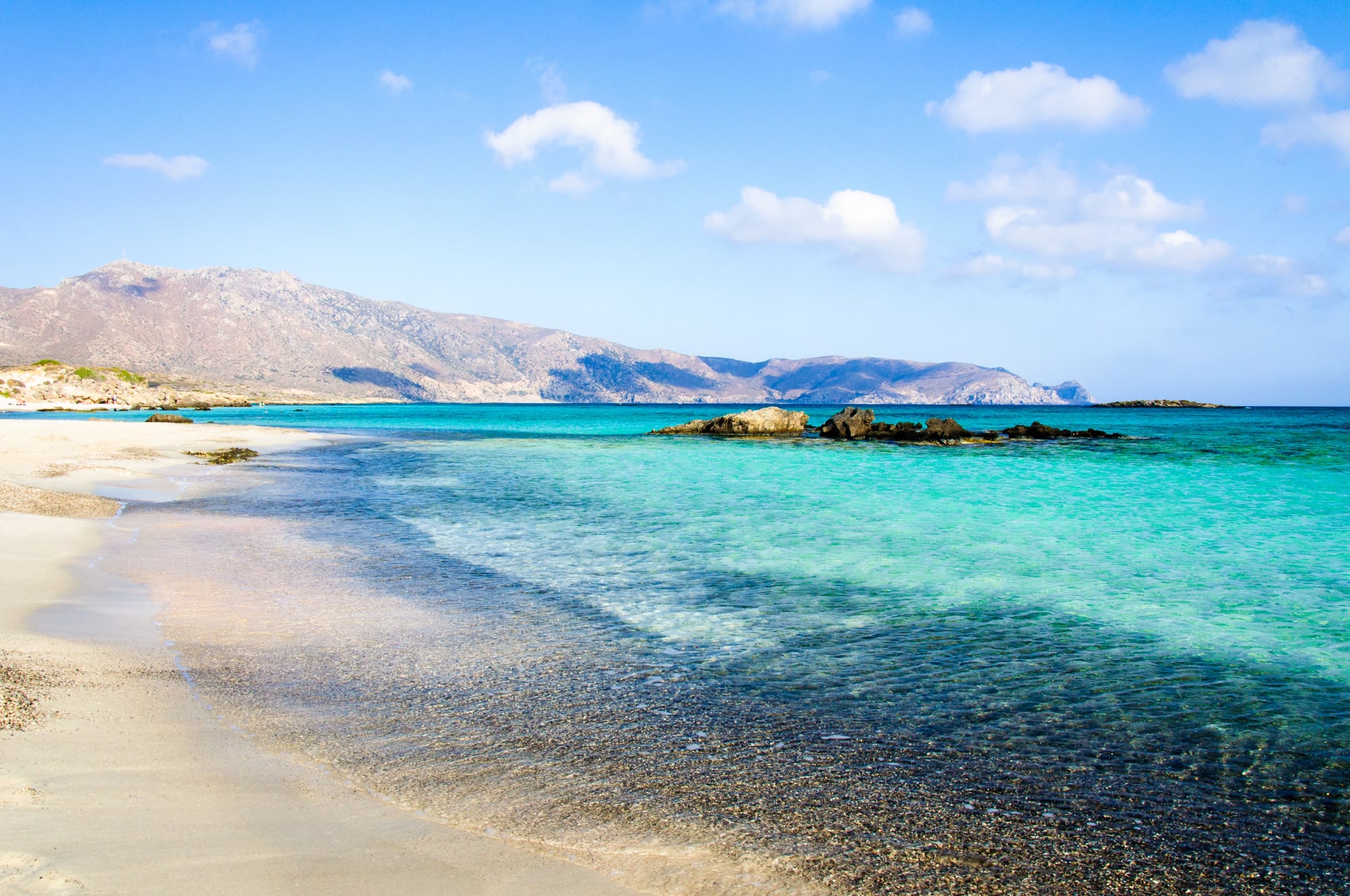
Boston Harbor’s Deer Island carries the weight of multiple tragedies across centuries. It served as an internment camp for Native Americans during King Philip’s War, a quarantine station for Irish immigrants fleeing the potato famine, and later as a prison and sewage treatment facility.
The overlapping histories create a complex supernatural landscape where different eras seem to overlap each other. Visitors report seeing figures in colonial dress, hearing voices speaking in Irish Gaelic, and experiencing sudden emotional shifts that range from profound sadness to inexplicable anger.
The island’s current role as a public park creates an odd juxtaposition — families having picnics on ground where thousands died of disease, exposure, and despair.
Rikers Island
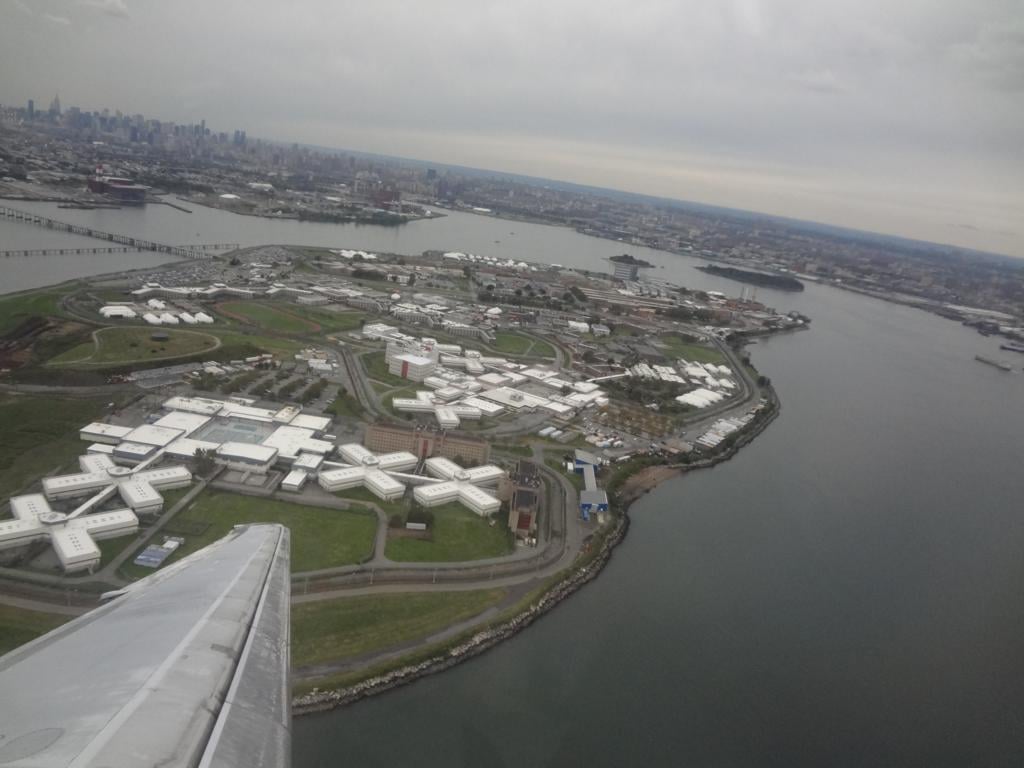
New York’s notorious jail complex sits on an island in the East River, housing roughly 10,000 inmates at any given time. The combination of ongoing institutional violence and decades of accumulated trauma creates an environment where paranormal activity seems almost mundane compared to daily reality.
Corrections officers describe hearing voices from empty cells, seeing shadow figures in peripheral vision, and experiencing equipment malfunctions that follow no logical pattern.
The island’s multiple facilities — spread across 413 acres — each have their own supernatural signatures, as if different types of suffering leave different types of residual energy. Current inmates and staff often report the same phenomena in specific locations, creating a consistent pattern of paranormal activity that spans decades.
Long Island
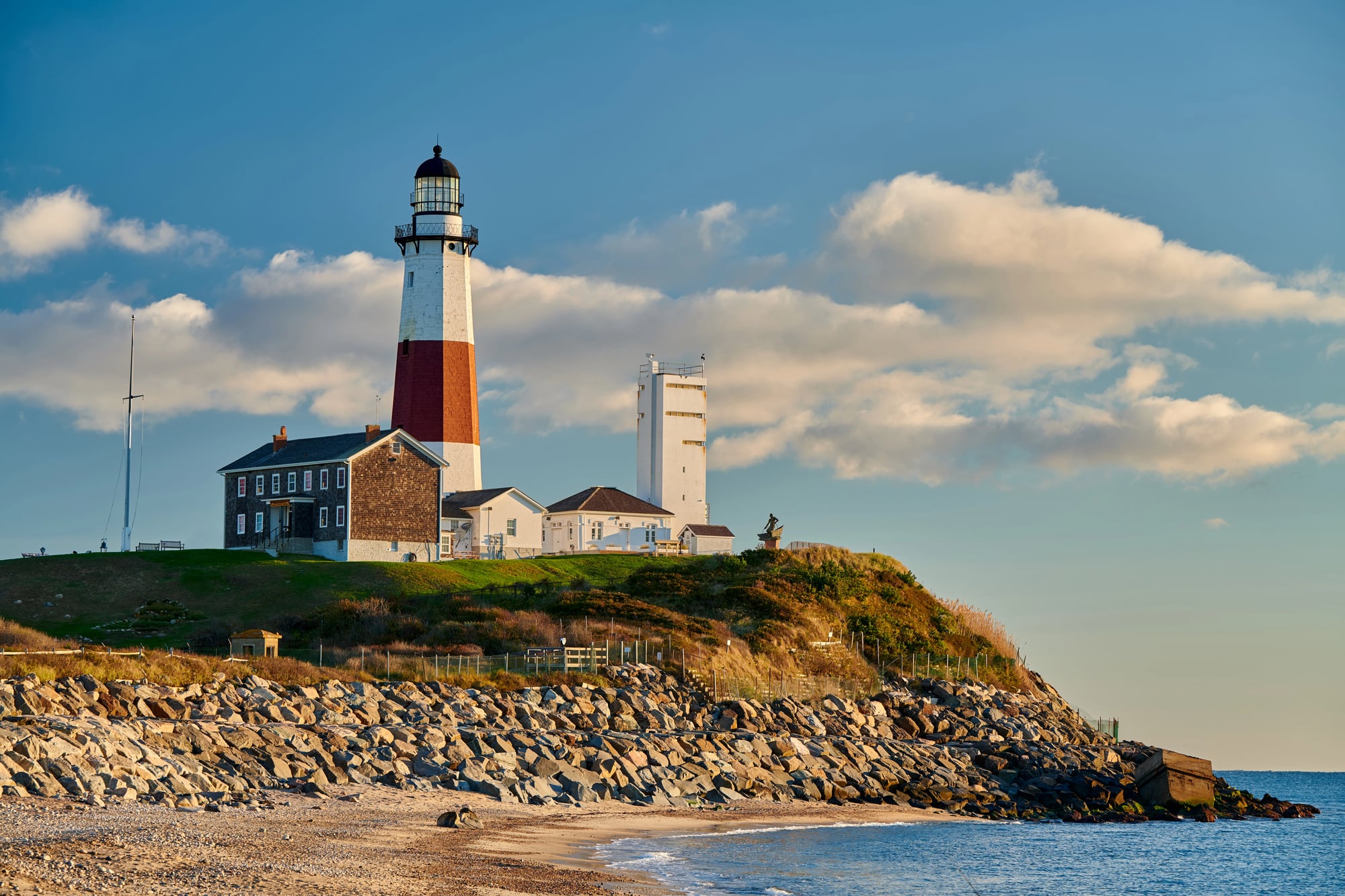
While most of Long Island, New York, serves as suburban bedroom communities, certain isolated areas maintain reputations for supernatural activity tied to the island’s darker historical moments. The abandoned Kings Park Psychiatric Center and Pilgrim State Hospital represent decades of institutional neglect and experimental treatments.
The massive hospital complexes, now mostly abandoned, contain buildings where experimental procedures, neglect, and systematic abuse occurred for most of the 20th century. Urban explorers and paranormal investigators report voices echoing through empty wards, medical equipment turning on by itself, and the sensation of being followed through endless corridors.
The scope of these facilities — Pilgrim State was once the world’s largest psychiatric hospital — means the paranormal activity spreads across multiple buildings and campuses, creating an entire landscape haunted by institutional trauma.
Roosevelt Island
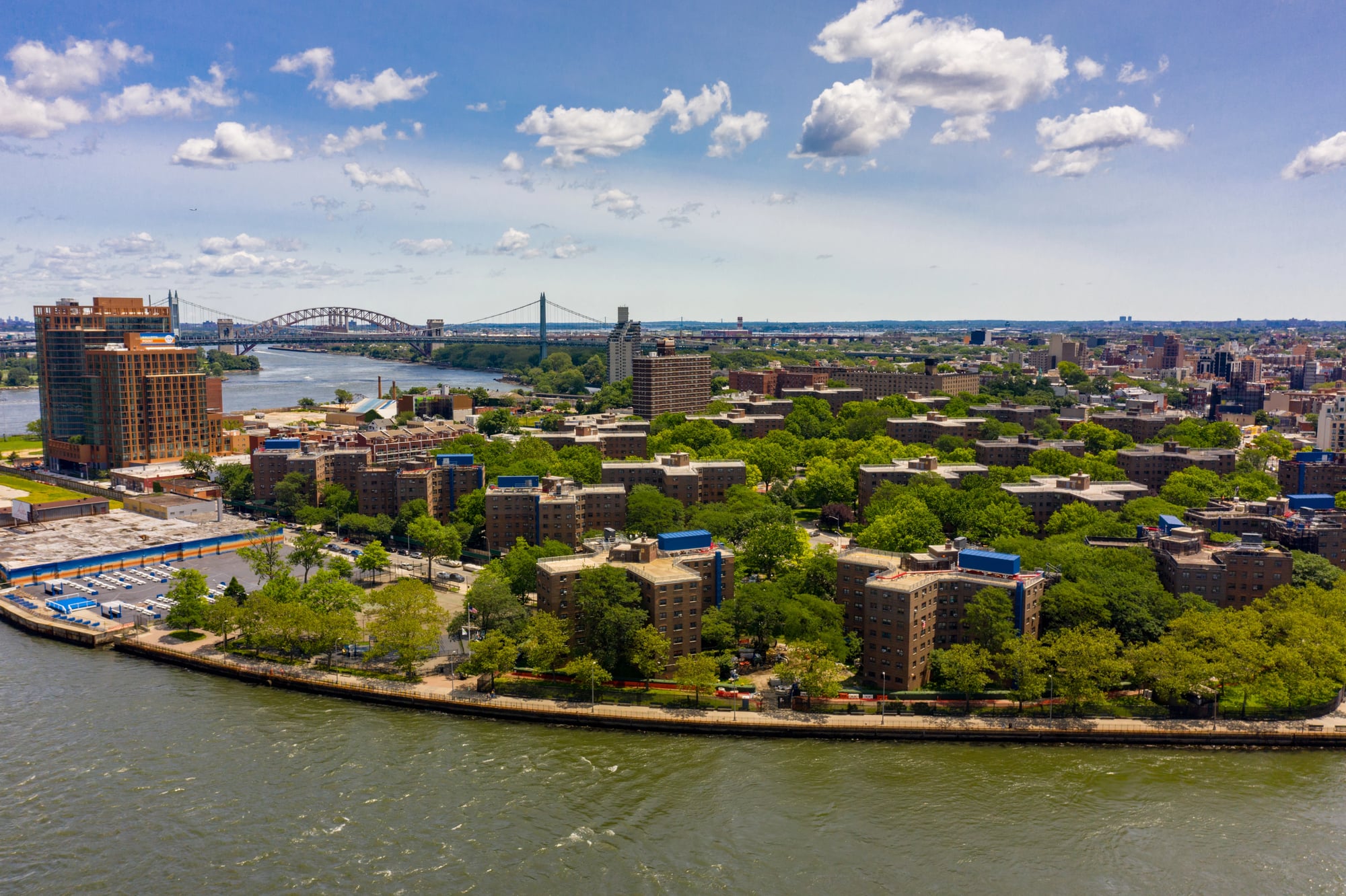
This narrow strip of land in New York’s East River once housed the city’s most desperate institutions — a penitentiary, poorhouse, smallpox hospital, and lunatic asylum. The island’s transformation into upscale residential housing creates one of America’s strangest supernatural situations: luxury apartments built on land soaked with centuries of suffering.
Residents of modern high-rises report phenomena that seem connected to the island’s institutional past: voices speaking in languages from various immigrant communities, medical equipment appearing in apartments where none should exist, and sudden temperature drops accompanied by the smell of disinfectant.
The ruins of the smallpox hospital still stand at the island’s southern tip, too structurally unsound to demolish, serving as a reminder that some foundations can’t be completely covered over with new construction.
Where The Dead Still Walk
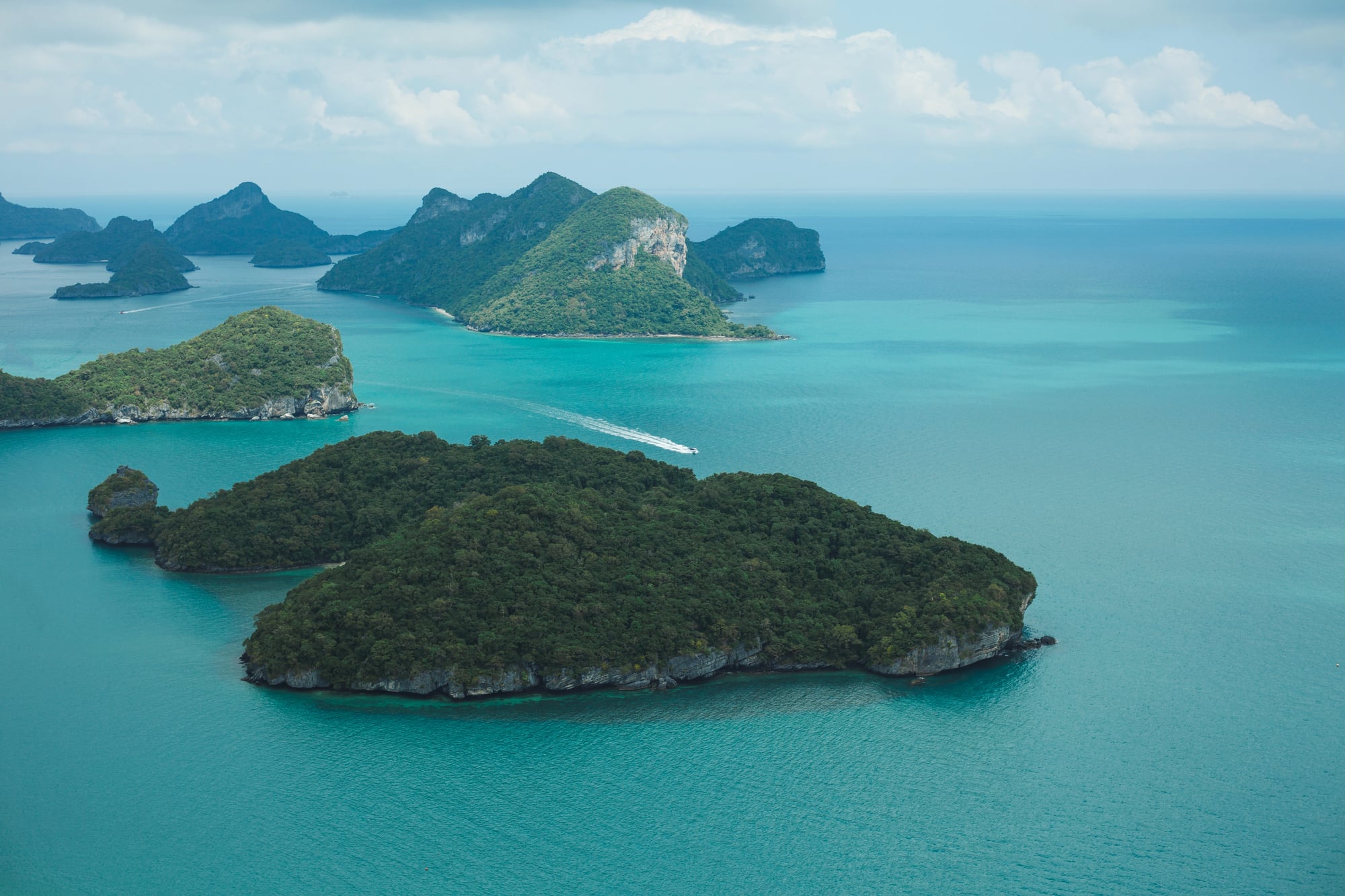
These haunted islands serve as more than tourist destinations or paranormal curiosities. They function as repositories of American memory, holding stories that the mainland has often chosen to forget.
Prison islands, plague stations, immigration detention centers — places where society sent people to disappear, but where the disappeared refuse to remain silent.
The water that surrounds these islands doesn’t just provide isolation from the living world. It creates a kind of supernatural boundary where normal rules seem suspended, where the past maintains a stronger hold on the present.
Perhaps that’s why island hauntings feel different from their mainland counterparts — more concentrated, more persistent, more willing to make themselves known to anyone brave enough to visit.
More from Go2Tutors!

- The Romanov Crown Jewels and Their Tragic Fate
- 13 Historical Mysteries That Science Still Can’t Solve
- Famous Hoaxes That Fooled the World for Years
- 15 Child Stars with Tragic Adult Lives
- 16 Famous Jewelry Pieces in History
Like Go2Tutors’s content? Follow us on MSN.