16 Musicians We Lost Way Too Young
The music world has lost too many brilliant artists before their time. Some were just finding their voice, others had already changed everything about their genre, and a few were on the verge of something even bigger.
Each one left behind work that still resonates today, making you wonder what else they might have created if they’d had more years. Their stories remind us that talent and success don’t protect anyone from tragedy, illness, or simple bad luck.
Jimi Hendrix
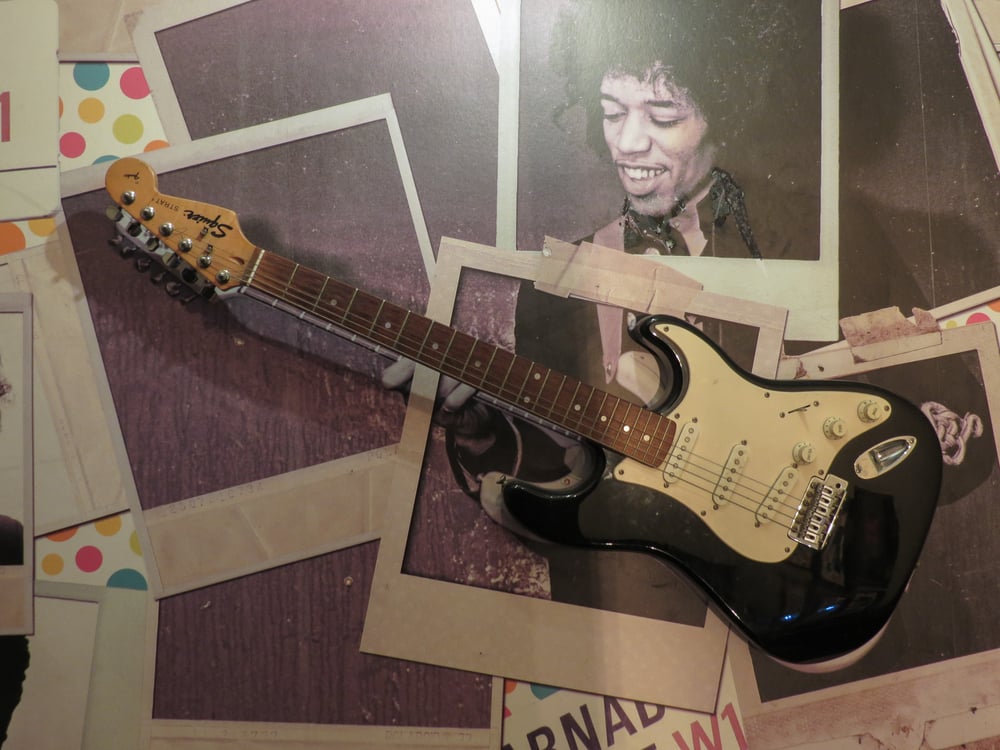
Hendrix rewrote the rules of what an electric guitar could do. He played left-handed on a right-handed guitar strung upside down, which somehow made his sound even more distinctive.
When he performed “The Star-Spangled Banner” at Woodstock in 1969, it became a defining moment in American music history. He was only 27 when he died in London in 1970.
Three albums as a frontman, plus his work as a session musician, barely scratch the surface of what he could have accomplished. His influence on rock guitar remains unmatched decades later.
Janis Joplin
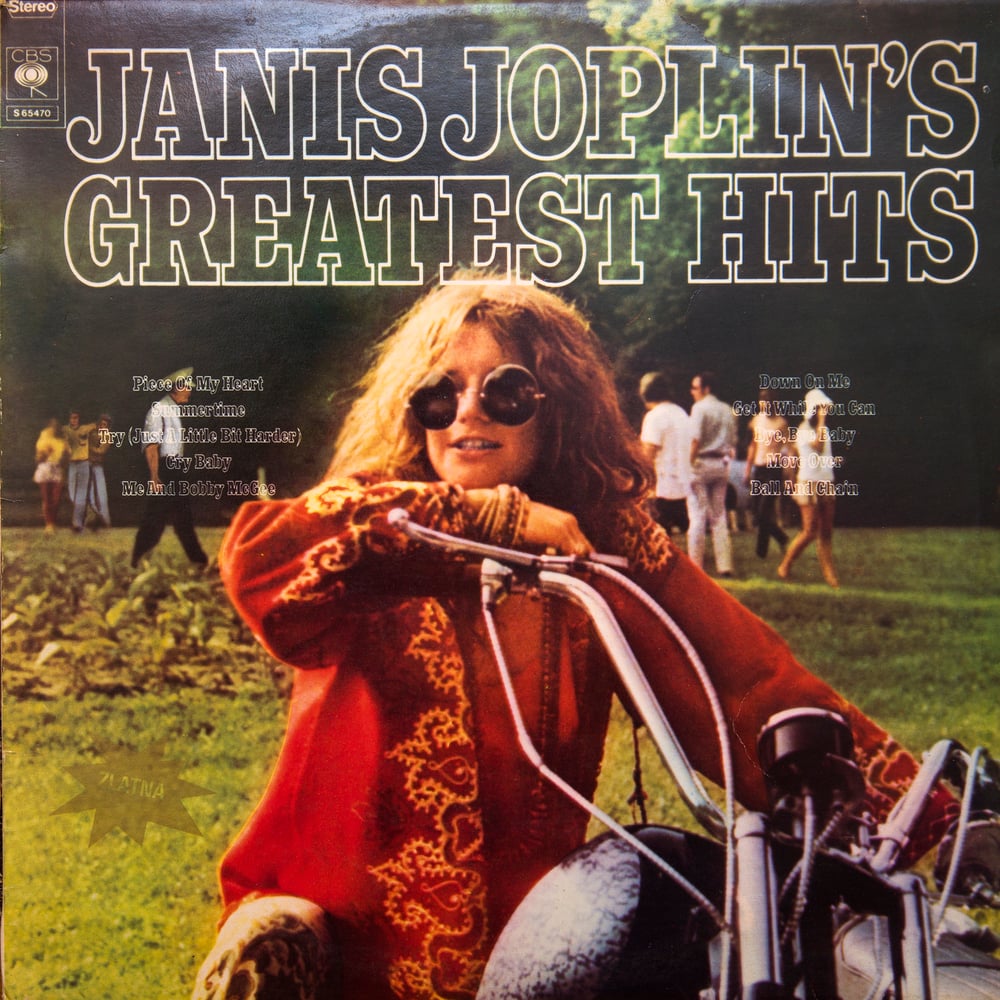
— Photo by BGStock72
That voice could tear through you. Joplin sang blues and rock with a rawness that most singers couldn’t touch, and her live performances became legendary for their intensity.
She stood out in a male-dominated music scene without compromising anything about her sound or style. She died just weeks after Hendrix, also at 27.
Her album “Pearl” came out after her death and showed how much she was still growing as an artist. The fact that “Me and Bobby McGee” became a huge hit posthumously feels almost cruel, like we got to hear what could have been but never would be.
Kurt Cobain
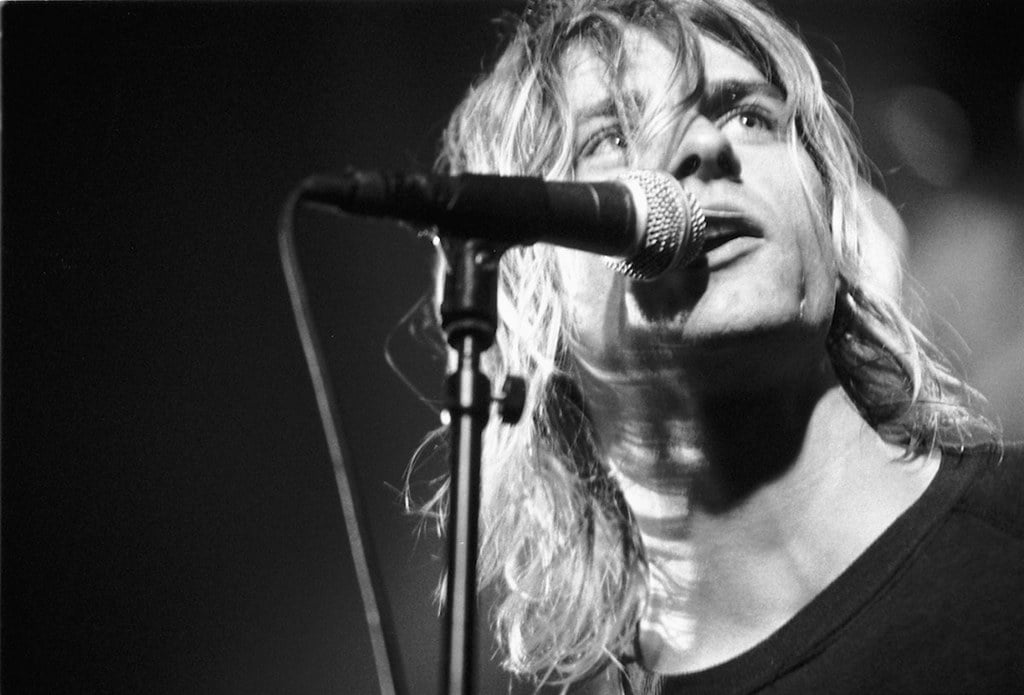
Nirvana changed rock music practically overnight. When “Smells Like Teen Spirit” hit, it knocked hair metal off the radio and made flannel shirts a uniform for an entire generation. Cobain wrote songs that connected with millions of people who felt like they didn’t fit anywhere else.
He struggled with fame in ways that were obvious to anyone paying attention. His death in 1994, at 27, ended one of the most important bands of the 1990s.
The raw emotion in his lyrics still speaks to people dealing with pain, alienation, and the feeling that the world doesn’t make sense.
Amy Winehouse
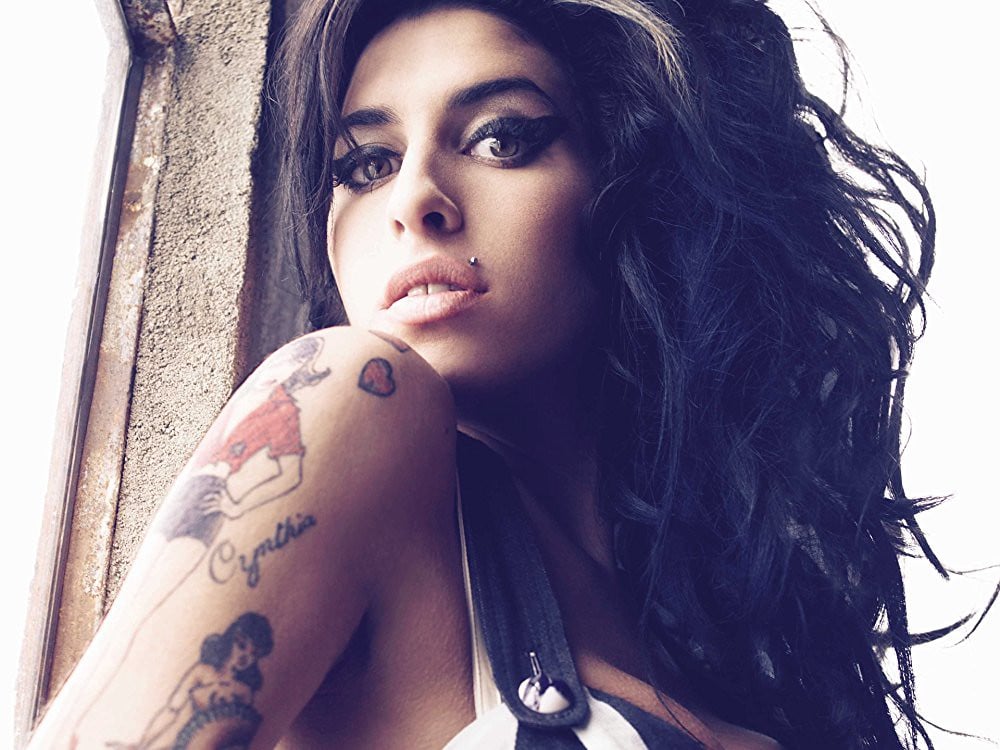
Winehouse had a voice that belonged in another era, but she made it work perfectly in the 2000s. “Back to Black” combined 1960s soul with modern production, and her lyrics were brutally honest about her own struggles.
She won five Grammys in one night but seemed uncomfortable with all of it. Her battles played out in public in ways that were hard to watch.
When she died at 27 in 2011, it felt inevitable and tragic at the same time. She left behind just two studio albums, which makes you think about all the music that never got made.
Jim Morrison
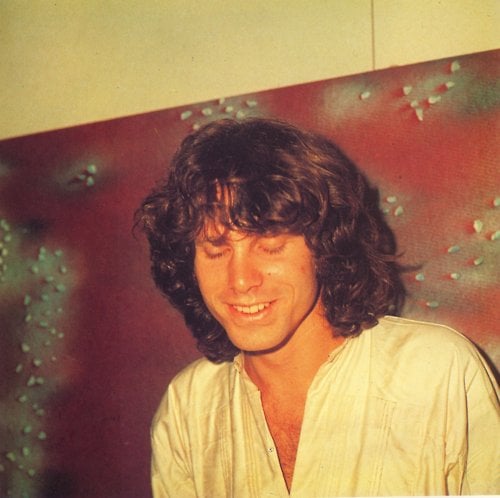
The Doors made psychedelic rock that was darker and stranger than most of what was happening in the late 1960s. Morrison wrote cryptic lyrics and performed with an intensity that sometimes veered into chaos.
He wanted to be taken seriously as a poet, and some of his work actually deserves that attention. He moved to Paris to escape fame and died there in 1971 at 27.
The circumstances around his death remain murky, which somehow fits with his mystique. The Doors couldn’t continue without his voice and presence, and that says everything about what he brought to the band.
Tupac Shakur
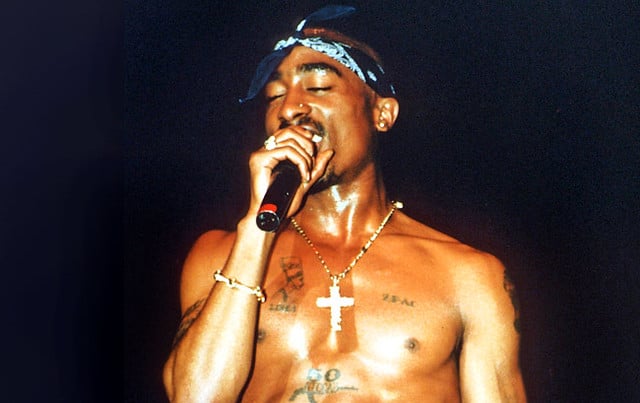
Tupac made hip-hop that was both commercially successful and socially conscious. He could write about violence and poverty with the same skill he brought to more introspective tracks.
His acting career was taking off too, showing range that most musicians never develop. He was only 25 when he was shot in Las Vegas in 1996.
The East Coast-West Coast rivalry that surrounded his death now seems pointless and wasteful. He recorded hundreds of songs, and posthumous releases have kept coming for years, but it’s still just a fraction of what he might have created with more time.
Selena Quintanilla-Pérez
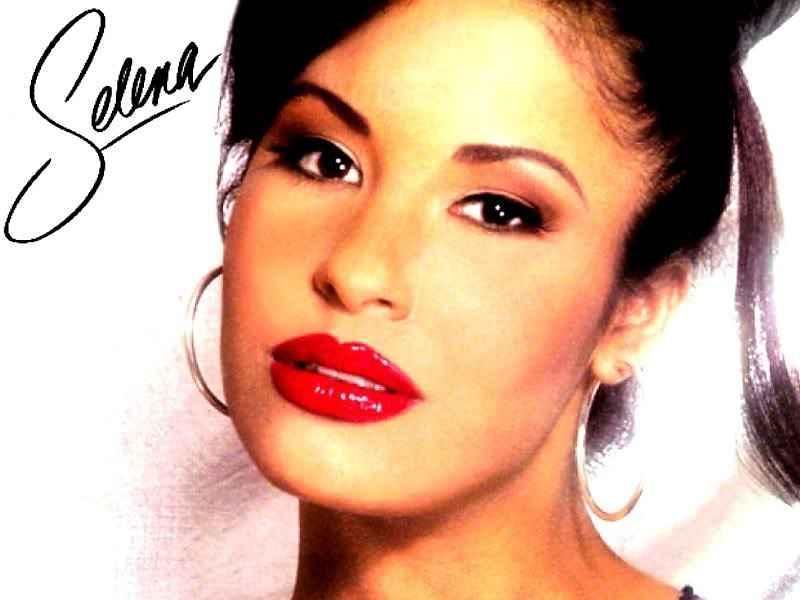
Selena brought Tejano music to mainstream audiences in ways that hadn’t happened before. She sang in Spanish and English, bridged cultural divides, and designed her own stage outfits.
Her crossover album was in progress when she died, and it would have made her even bigger. She was murdered by the president of her fan club in 1995, just before her 24th birthday.
The loss hit the Latino community particularly hard because she represented something hopeful and new. Her music still plays at celebrations and gatherings, keeping her presence alive in a way she never got to fully experience.
Buddy Holly
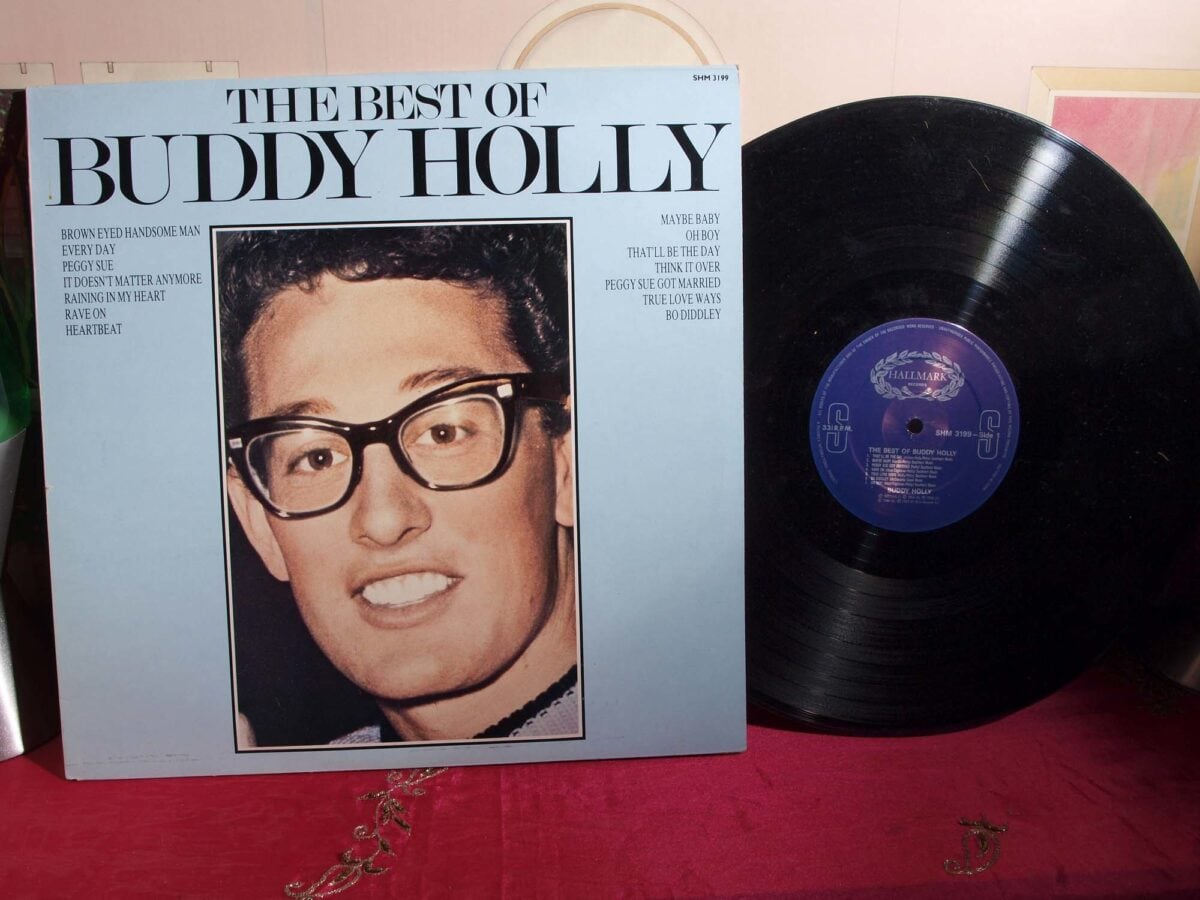
Holly helped invent rock and roll in the 1950s with his band The Crickets. He wore thick-rimmed glasses at a time when that wasn’t cool, wrote his own songs when most artists didn’t, and influenced nearly every British Invasion band that came after him.
The plane crash in 1959 that killed him, Ritchie Valens, and J.P. Richardson became known as “The Day the Music Died.” Holly was only 22. He’d been a professional musician for less than two years, but in that time he changed popular music permanently.
John Lennon named The Beatles as a play on The Crickets, if that tells you anything about his impact.
Otis Redding
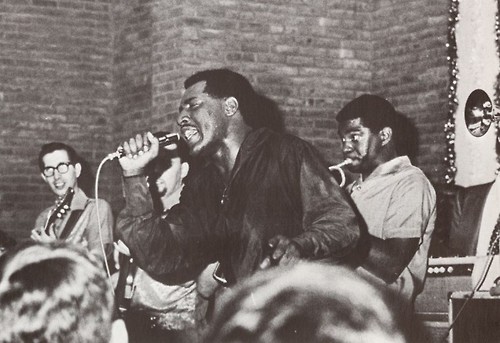
Redding’s voice could convey more emotion in one line than most singers manage in an entire career. He wrote and performed soul music that felt honest and urgent, and his live shows at places like the Apollo Theater became legendary.
He recorded “(Sittin’ On) The Dock of the Bay” just days before he died. The plane crash in 1967 killed him at 26, along with most of his backing band.
That song became his biggest hit after his death, reaching number one on the charts. He was just starting to cross over to white audiences when he died, and you can hear in his final recordings that he was still evolving as an artist.
Jeff Buckley
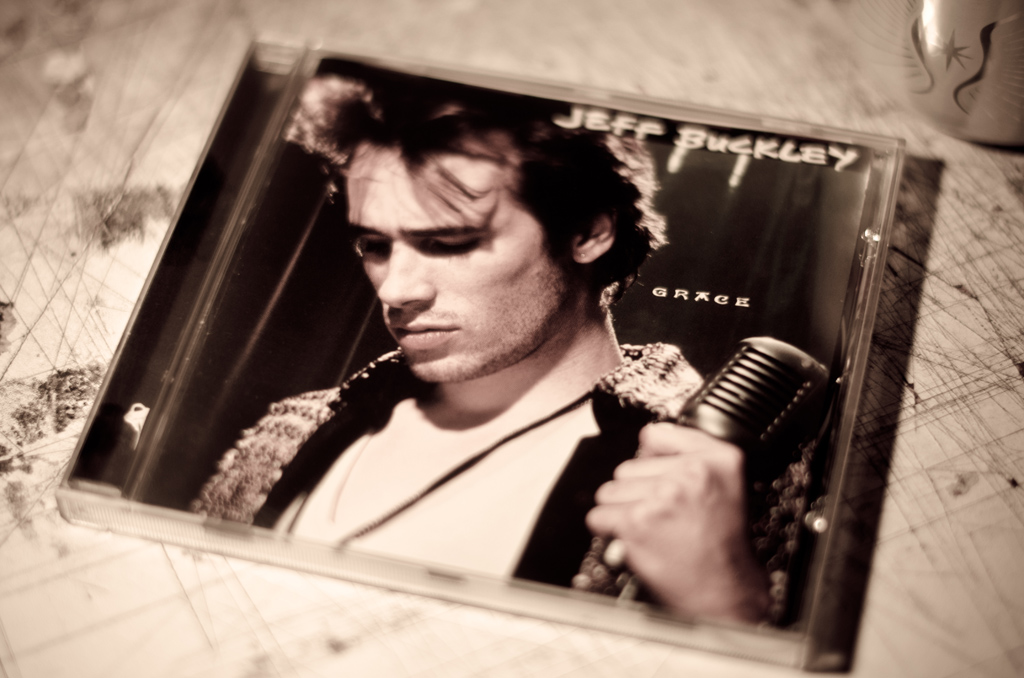
Buckley’s version of “Hallelujah” became the definitive interpretation of Leonard Cohen’s song. His album “Grace” showcased a four-octave vocal range and a willingness to take risks that most debut artists avoid.
Critics loved him, but he hadn’t quite broken through to mainstream success yet. He drowned in the Wolf River in Memphis in 1997 at 30, while working on his second album.
The circumstances were bizarre and accidental, which somehow makes it worse. His one complete album has influenced countless singers and songwriters, but we’ll never know where he would have gone next.
Aaliyah

Aaliyah worked with Timbaland and Missy Elliott to create R&B that sounded like nothing else in the late 1990s and early 2000s. She could sing, dance, and act, and she was just starting to build a serious film career.
Her style influenced fashion and music videos long after her death. The plane crash in the Bahamas in 2001 killed her at 22.
She’d just finished filming a music video and was heading home. Her third album had just come out, showing continued growth and experimentation.
She was on the verge of becoming a major crossover star when everything ended.
Robert Johnson
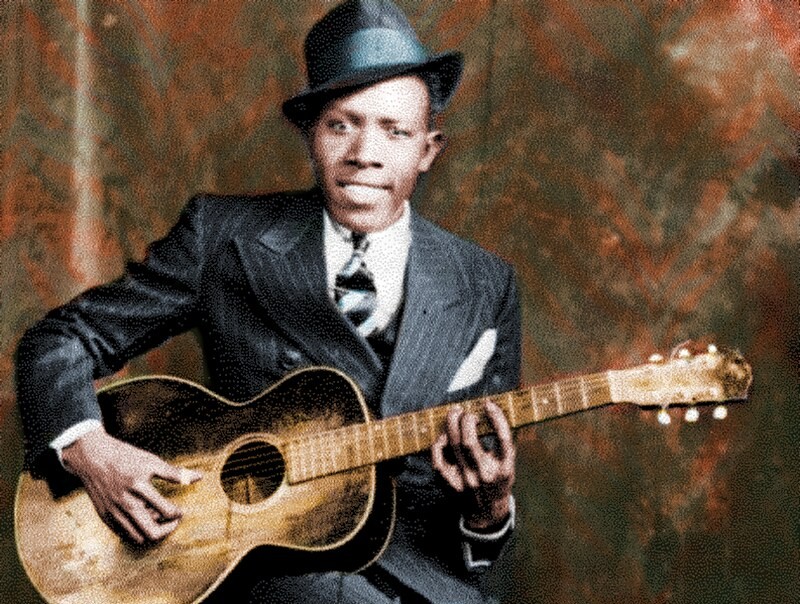
Johnson recorded only 29 songs in his lifetime, but they became the foundation of blues music as we know it. He played guitar with a technique that baffled other musicians, leading to legends about him selling his soul at a crossroads.
His lyrics dealt with themes that are still relevant today. He died at 27 in 1938, possibly poisoned by a jealous husband.
The exact circumstances remain unclear because nobody thought to document the death of a blues musician carefully back then. Eric Clapton, Keith Richards, and countless others have cited him as a primary influence, which shows how much those 29 songs mattered.
Biggie Smalls
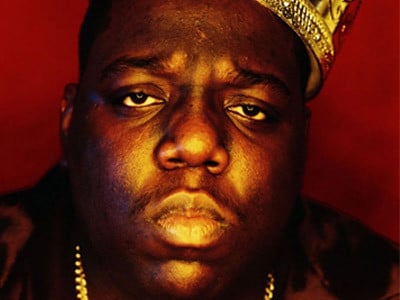
The Notorious B.I.G. had a flow and storytelling ability that set him apart even in the golden age of hip-hop. His debut album “Ready to Die” established him as a major force, and he was working on even more ambitious material when he died.
His size and deep voice made him instantly recognizable. He was shot in Los Angeles in 1997, six months after Tupac’s death, at age 24.
The East Coast-West Coast rivalry claimed another victim, and hip-hop lost one of its greatest voices. His second album came out weeks after his death and went to number one immediately.
Two albums and a handful of guest appearances were all he had time to create.
Ritchie Valens
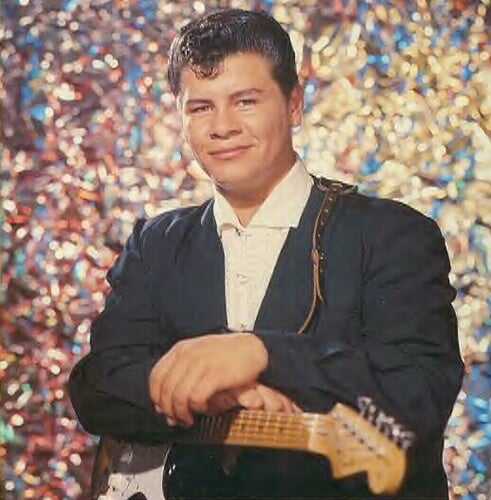
Valens was a pioneer of Chicano rock, blending Mexican folk music with rock and roll. “La Bamba” became a hit when he was still a teenager, proving that songs could cross language barriers and cultural divides.
He was one of the first Latino rock stars in America. That 1959 plane crash that killed Buddy Holly killed Valens too.
He was only 17 and had been recording professionally for less than a year. He’d released two albums and was touring with established stars, which was remarkable for someone so young.
The fact that he accomplished so much in such a short time makes his death even more painful to think about.
Karen Carpenter
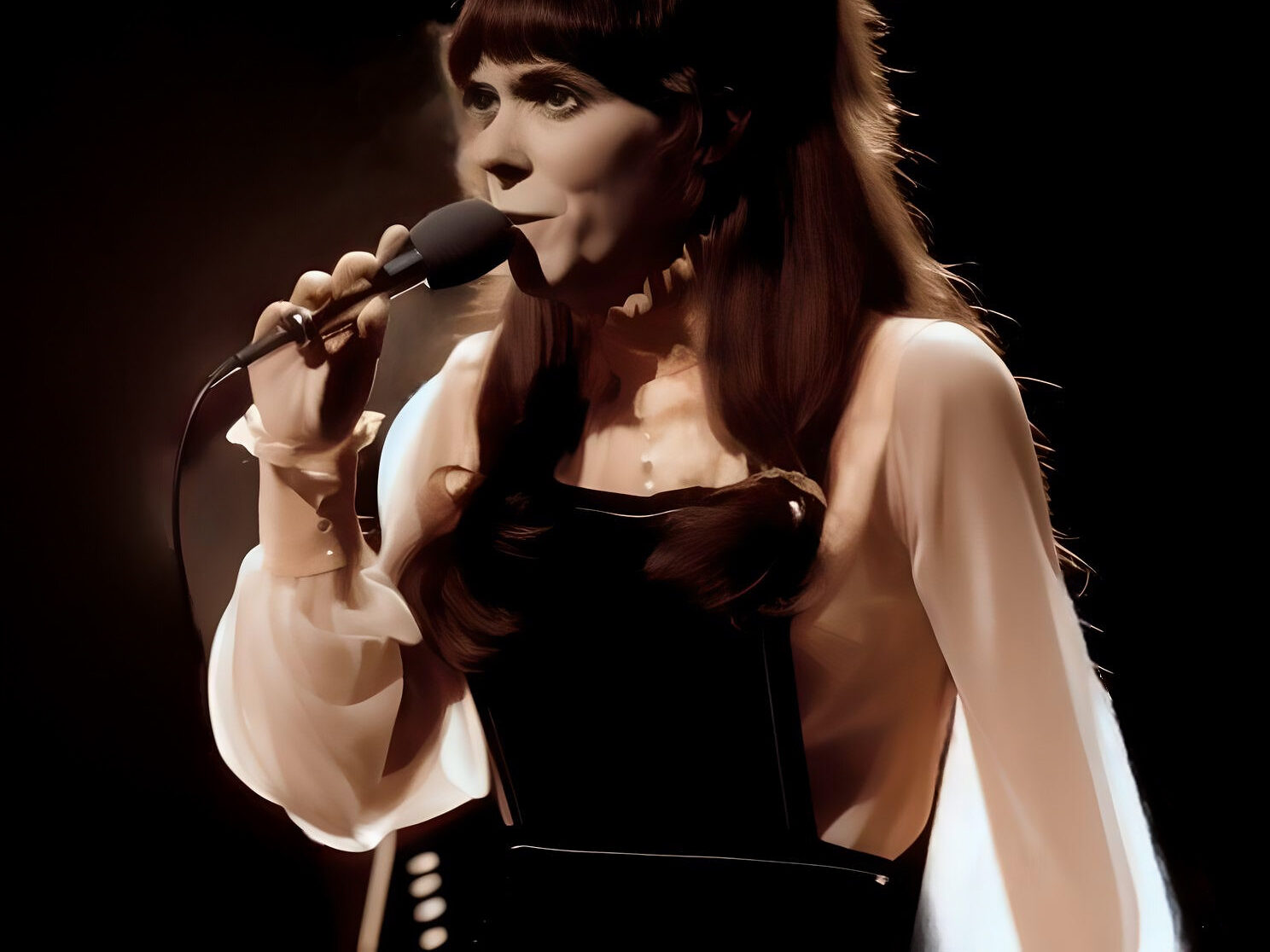
The Carpenters made soft rock that sounded perfect on AM radio in the 1970s. Karen’s voice was warm and clear, and her drumming was seriously underrated.
Their songs became standards that still get played at weddings and on oldies stations. She died of heart failure at 32 in 1983, caused by complications from anorexia.
Her death brought attention to eating disorders in ways that were groundbreaking at the time. She left behind a catalog of hits that showcased her vocal talent, but you can hear in the later recordings how much her health was declining.
Sam Cooke
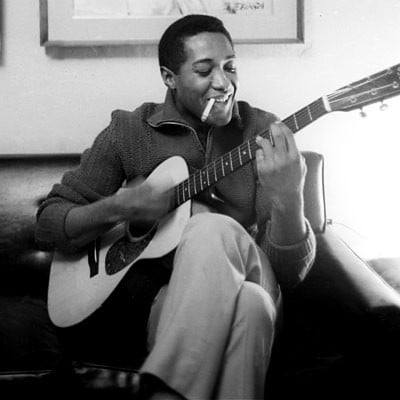
Cooke mixed gospel fire into soul tunes, turning spiritual energy toward everyday lyrics. That passion fueled “A Change Is Gonna Come,” later embraced by civil rights voices.
Ownership mattered – he held his recordings tight, built a label alone, rare ground back then for any Black musician of the era. Shot dead at thirty three during nineteen sixty four, questions still swirl around how it happened.
Not just a sharp mind for business, but he used songs to speak on tough public matters – this mix likely pointed toward greater impact ahead. As the push for equal rights hit full stride, silence took him right when his words might’ve carried furthest.
Where Skill Aligns With Moment
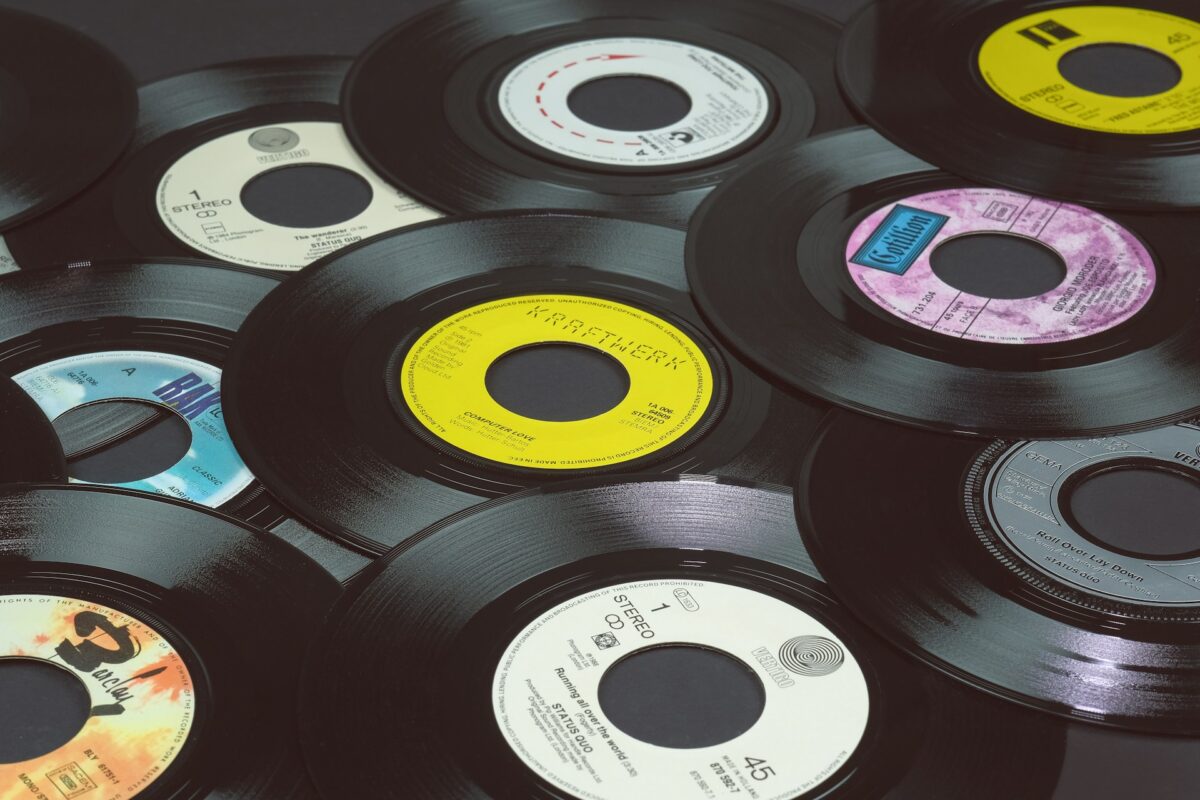
Out of moment comes sound, shaped by when those musicians walked the earth. Not every one fits neatly – some bent the rules instead of following trends.
Death came early, cutting short paths not yet finished, opening doors we’ll never see opened. What they left behind sits still on tape, unchanging, untouched by years or failure. Perhaps that stillness is why it holds weight even now.
More from Go2Tutors!

- The Romanov Crown Jewels and Their Tragic Fate
- 13 Historical Mysteries That Science Still Can’t Solve
- Famous Hoaxes That Fooled the World for Years
- 15 Child Stars with Tragic Adult Lives
- 16 Famous Jewelry Pieces in History
Like Go2Tutors’s content? Follow us on MSN.