Why Coffee Tastes Different on Planes
You’ve seen this happen. That initial gulp of coffee up in the sky never quite matches the one you have back home.
It can seem dull sometimes. Or maybe it’s strangely sharp, missing the deep smell you’re used to.
Could be the exact same beans you brew every morning – still, it hits differently here. What you’re tasting is real.
And plenty of others feel the same way.
Your Taste Buds Work Differently Up There
The cabin pressure on a plane feels like standing 6,000 to 8,000 feet up in the air. Though you might not notice it directly, your body still reacts.
With less air pushing around, your sense of taste and smell shifts. Research finds sweet and salty tastes weaken by nearly 30%.
Meanwhile, bitter notes tend to stand out more. This is why tomato juice feels more tempting mid-air, even if you’d pass on it at home.
Since airlines noticed folks picking beverages they usually ignore, they caught onto the trend. What travelers do matches what researchers found – turns out, altitude changes taste.
The Air Dries Everything Out
Aircraft cabins keep moisture at about 10–20%, while regular rooms usually sit between 40–60%. That parched atmosphere doesn’t only zap moisture from your skin.
It also dries up the inside of your nose, messing with how things smell. Because scent plays a big role in flavor, when your nose is dry, coffee ends up tasting flat.
The smell that makes coffee feel good isn’t quite there anymore. Because your nose works worse, flavors fade too.
The link from nose to tongue breaks in subtle ways – ways you barely catch till you sip a drink like coffee.
Brewing Methods Don’t Help
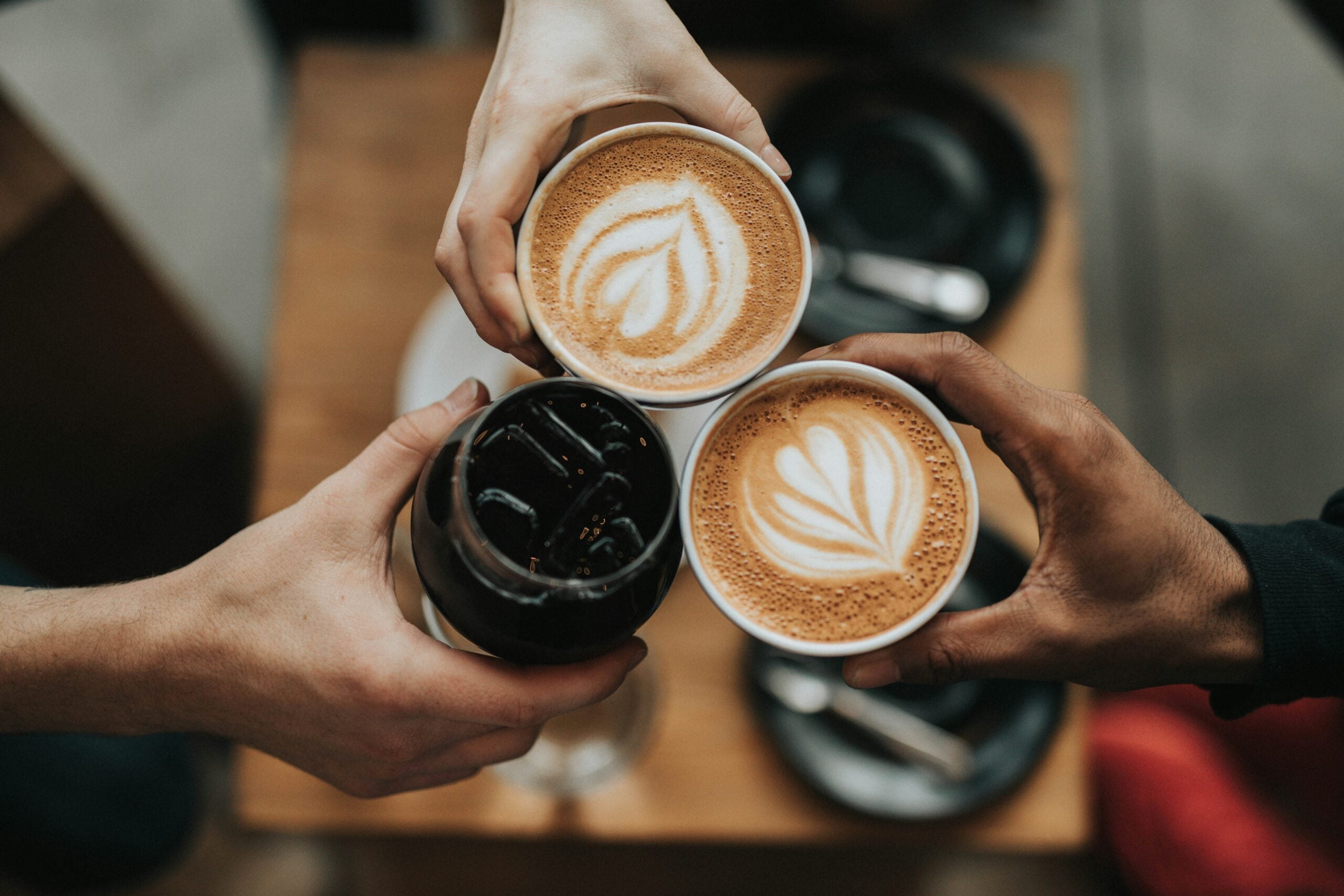
Airlines face practical limits on how they can prepare coffee. Most use drip coffee makers or pre-brewed coffee kept warm in thermal containers.
The water quality varies. The temperature might not stay ideal.
The coffee often sits for extended periods before anyone drinks it. Fresh coffee releases volatile compounds that create that appealing smell and complex flavor.
Those compounds start breaking down immediately after brewing. By the time you get served, the coffee has been sitting long enough to lose the characteristics that make it taste good.
Add in the challenges of maintaining proper brewing temperature while managing limited space and resources, and you end up with coffee that starts at a disadvantage.
Temperature Matters More Than You Think
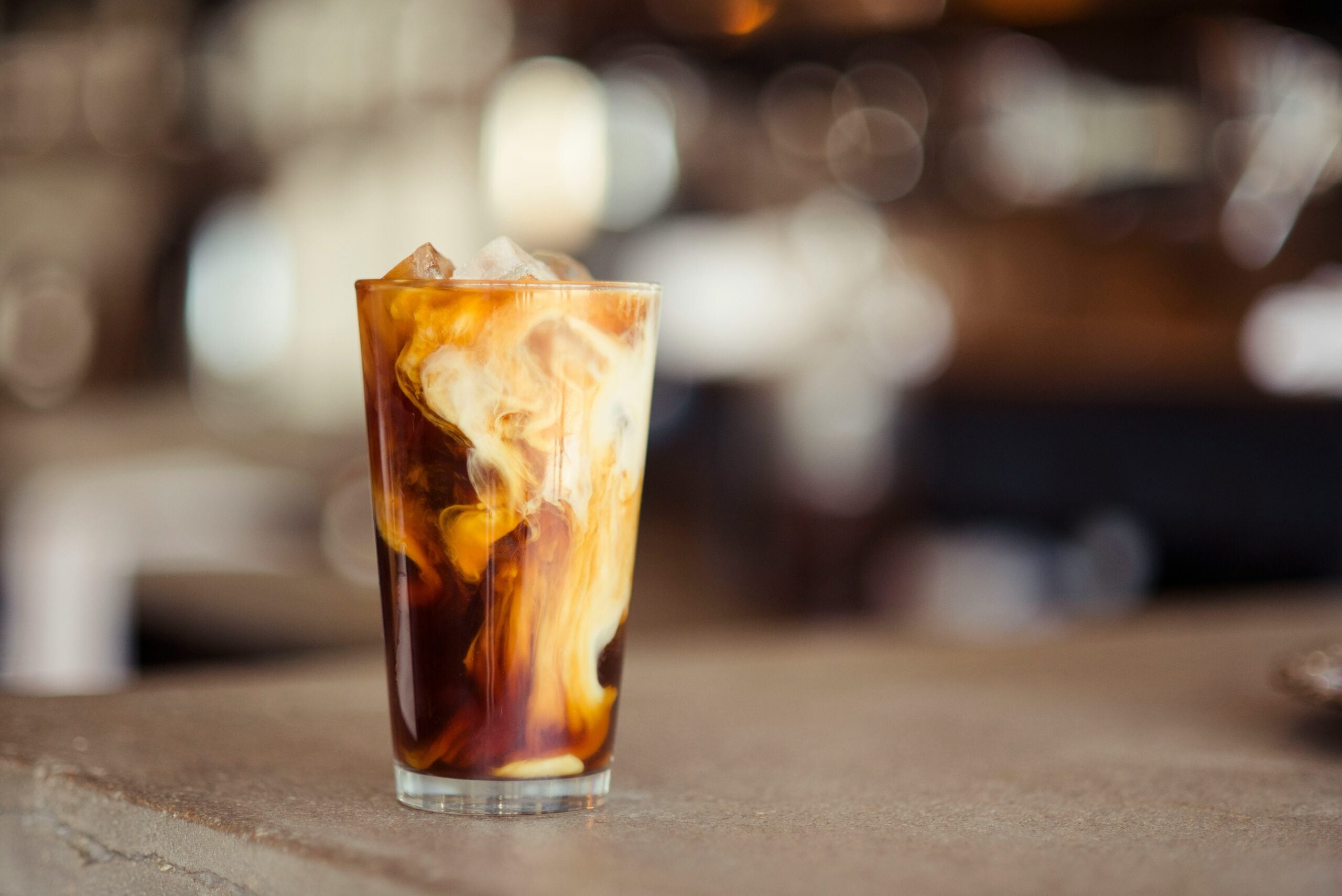
Temperature affects how you perceive flavor. Coffee needs to be hot enough to release its aromatic compounds but not so hot that it burns your tongue and temporarily dulls your taste buds.
On planes, coffee often arrives either too hot or has cooled down too much during the service process. The altitude and cabin pressure also change how quickly liquids cool.
Heat transfers differently when air pressure drops. Your coffee might cool faster than expected, hitting that lukewarm zone where it tastes worst.
Or it stays scalding hot for longer, forcing you to wait while the flavors continue to degrade.
Your Body is Under Stress
Flying stresses your body in subtle ways. You’re sitting still for hours.
You’re mildly dehydrated. Your blood oxygen levels drop slightly because of the cabin pressure.
Your circadian rhythms get confused, especially on long flights crossing time zones. All of this physiological stress affects how you perceive taste.
Your body prioritizes essential functions over fine-tuning your sense of taste. You’re not operating at your sensory best, and that morning coffee that usually perks you up just doesn’t deliver the same satisfaction.
The Coffee Quality Starts Lower
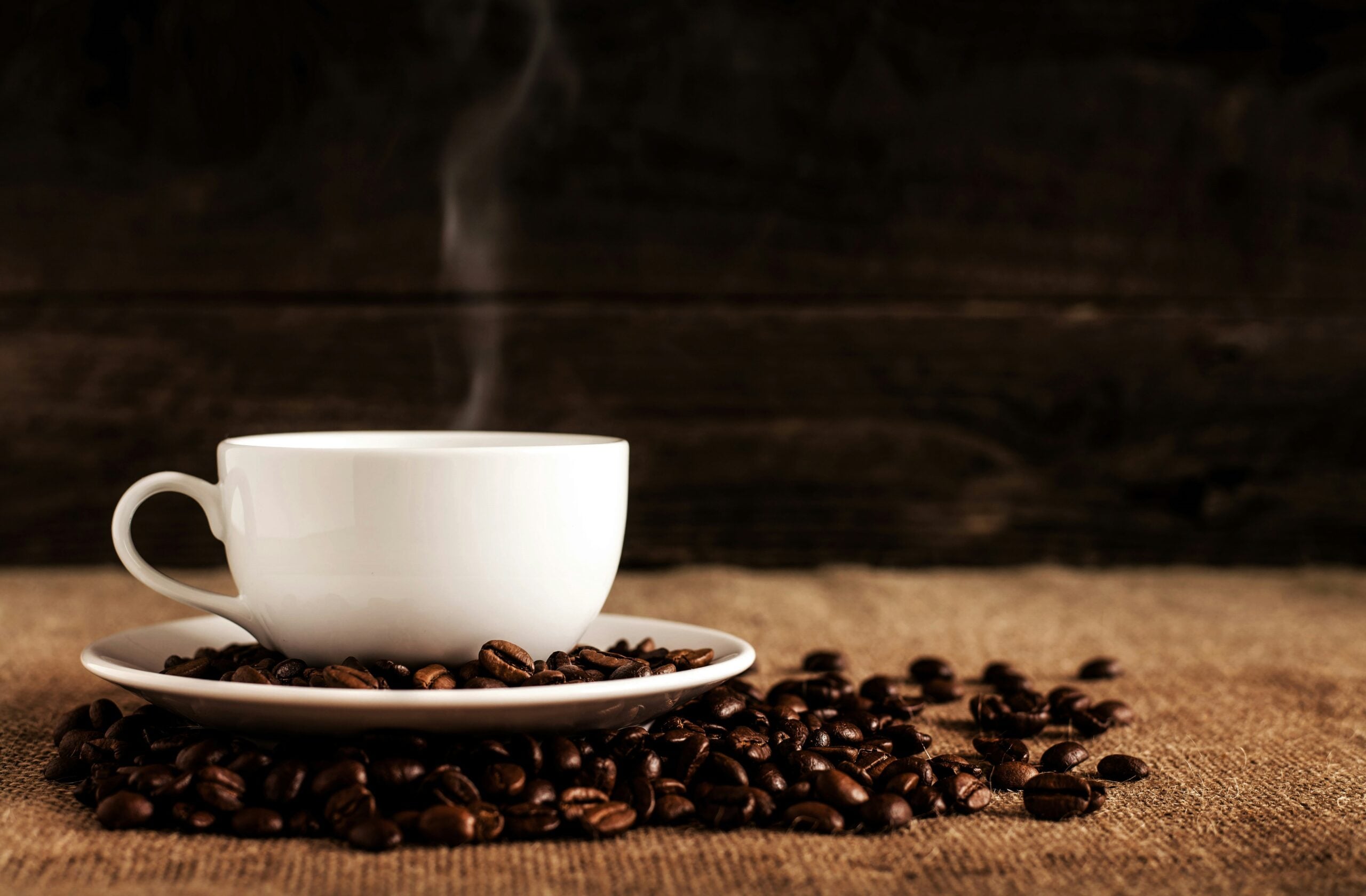
Airlines choose coffee based on cost, storage life, and how well it holds up to less-than-ideal brewing conditions. They’re not selecting small-batch, freshly-roasted beans.
The coffee that gets loaded onto planes was probably roasted weeks or months ago, then ground and packaged for extended shelf life. Fresh coffee makes a difference you can taste.
The oils in coffee beans go rancid over time. Pre-ground coffee loses its volatile compounds faster than whole beans.
By the time that coffee makes it to your cup at altitude, it’s already past its prime before the cabin pressure and dry air even factor in.
Background Noise Drowns Out Flavor
Research shows that loud environments suppress your ability to taste sweet and salty flavors while barely affecting bitter tastes. Airplane cabins hover around 85 decibels—roughly as loud as heavy traffic.
This constant drone of engine noise and air circulation affects your sensory experience in ways you don’t consciously register. Your brain has limited processing power.
When it’s working hard to filter out background noise, it dedicates fewer resources to processing taste and smell. That coffee tastes more one-dimensional because your brain literally can’t focus on all the subtle flavors at once.
Plastic and Paper Change the Experience
Most airlines serve coffee in plastic cups or disposable paper cups. These materials affect taste more than you realize.
Plastic can impart chemical flavors, especially when filled with hot liquids. Paper cups often have a waxy coating that leaves its own taste behind.
Compare this to drinking from a ceramic mug at home. The material doesn’t interact with the coffee.
It maintains temperature better. It even affects how the liquid flows into your mouth, which changes the tasting experience.
These small details add up, and plastic airplane cups work against the coffee from the start.
Water Quality Varies Wildly
The water used to brew coffee on planes comes from the aircraft’s tanks. These tanks get refilled at different airports around the world, meaning the water quality changes constantly.
Some airports have excellent water. Others have water with high mineral content or chlorine levels that affect taste.
Airlines have gotten better about maintaining their water systems, but the tanks themselves can harbor bacteria if not cleaned properly. Most airlines now use bottled water for drinking, but the coffee is often brewed with tank water.
That inconsistency means your coffee never tastes the same twice, and it’s rarely as good as coffee made with properly filtered water on the ground.
Your Expectations Work Against You
You expect airplane coffee to taste bad because you’ve had bad airplane coffee before. This expectation actually affects how you perceive the taste.
Your brain uses past experiences to interpret current sensory input, and if you’re expecting disappointment, you’ll find it. This isn’t just psychological.
Studies show that context genuinely affects taste perception. The same coffee tastes different when you drink it in different settings.
The cramped seat, the plastic cup, the engine noise, the knowledge that you’re on a plane—all of it shapes your experience before you even take a sip.
The Ritual Gets Lost
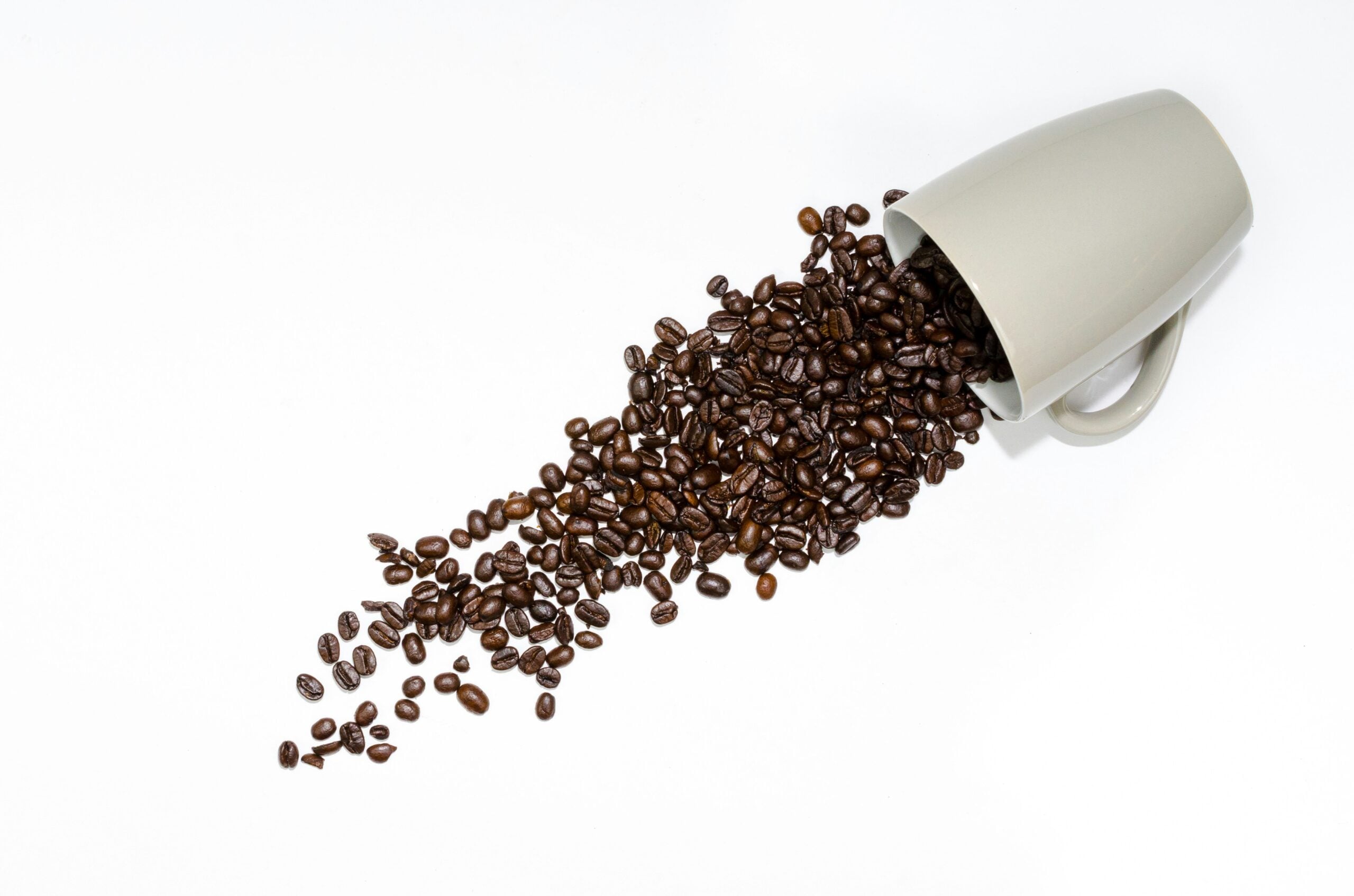
Part of enjoying coffee involves the ritual. You might have a favorite mug at home.
You know exactly how you like it prepared. You drink it in a comfortable spot where you can actually taste and appreciate it.
On a plane, that ritual disappears. You’re wedged into a narrow seat.
You’re worried about turbulence spilling it. You’re trying to juggle it with your tray table, your phone, maybe your laptop.
The experience becomes functional rather than pleasurable. Coffee stops being something you savor and becomes just another part of getting through the flight.
Airlines Know but Can’t Fix Everything
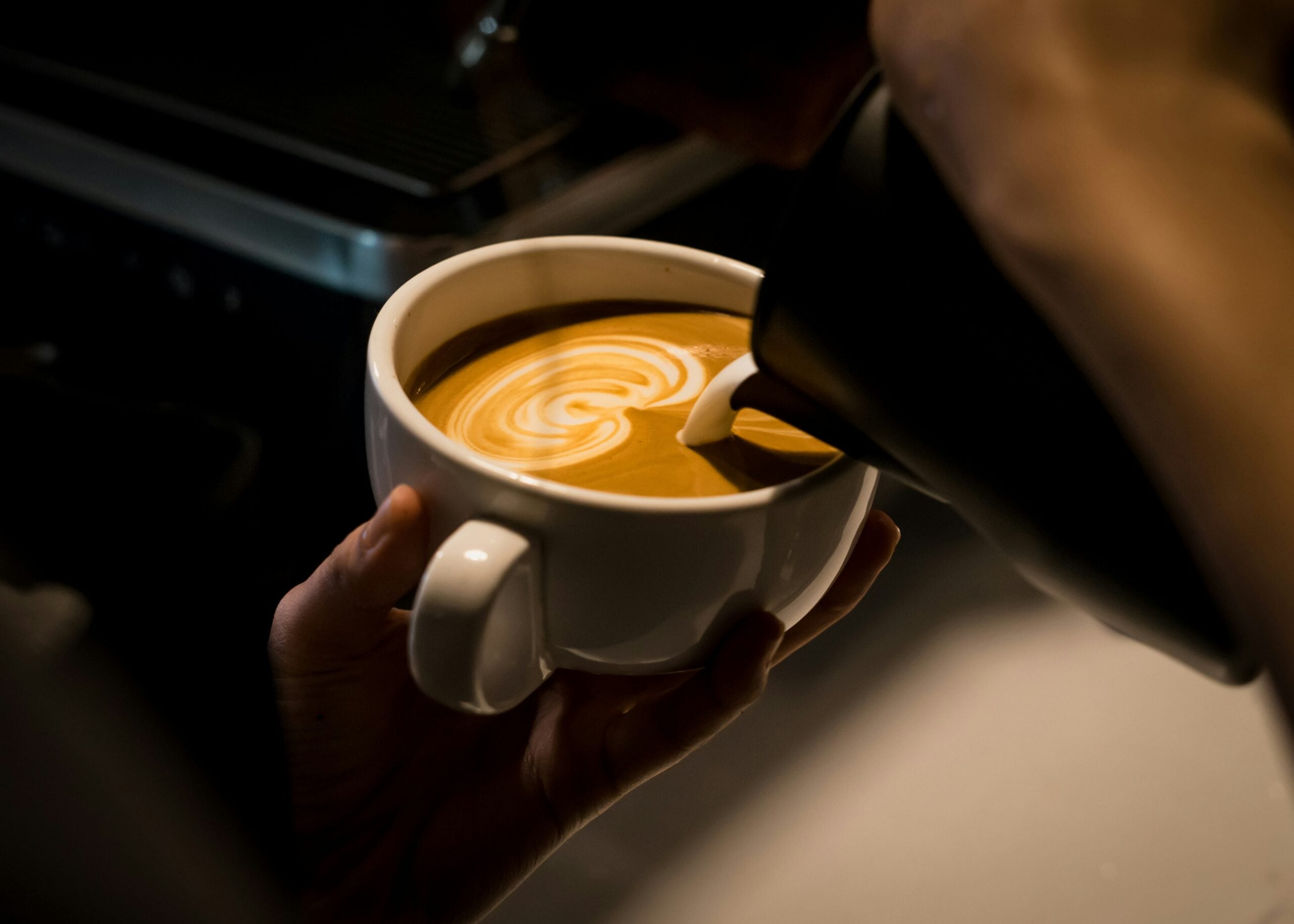
Flight attendants hear complaints about coffee constantly. Airlines have tried different solutions: better beans, different brewing methods, serving it in different cups.
Some improvements help, but the fundamental challenges remain. The physics of flying creates problems that better coffee beans alone can’t solve.
You can’t change the cabin pressure without affecting the entire flight. You can’t dramatically increase humidity without creating other issues.
Some limitations are built into the nature of air travel itself.
What You Can Actually Do
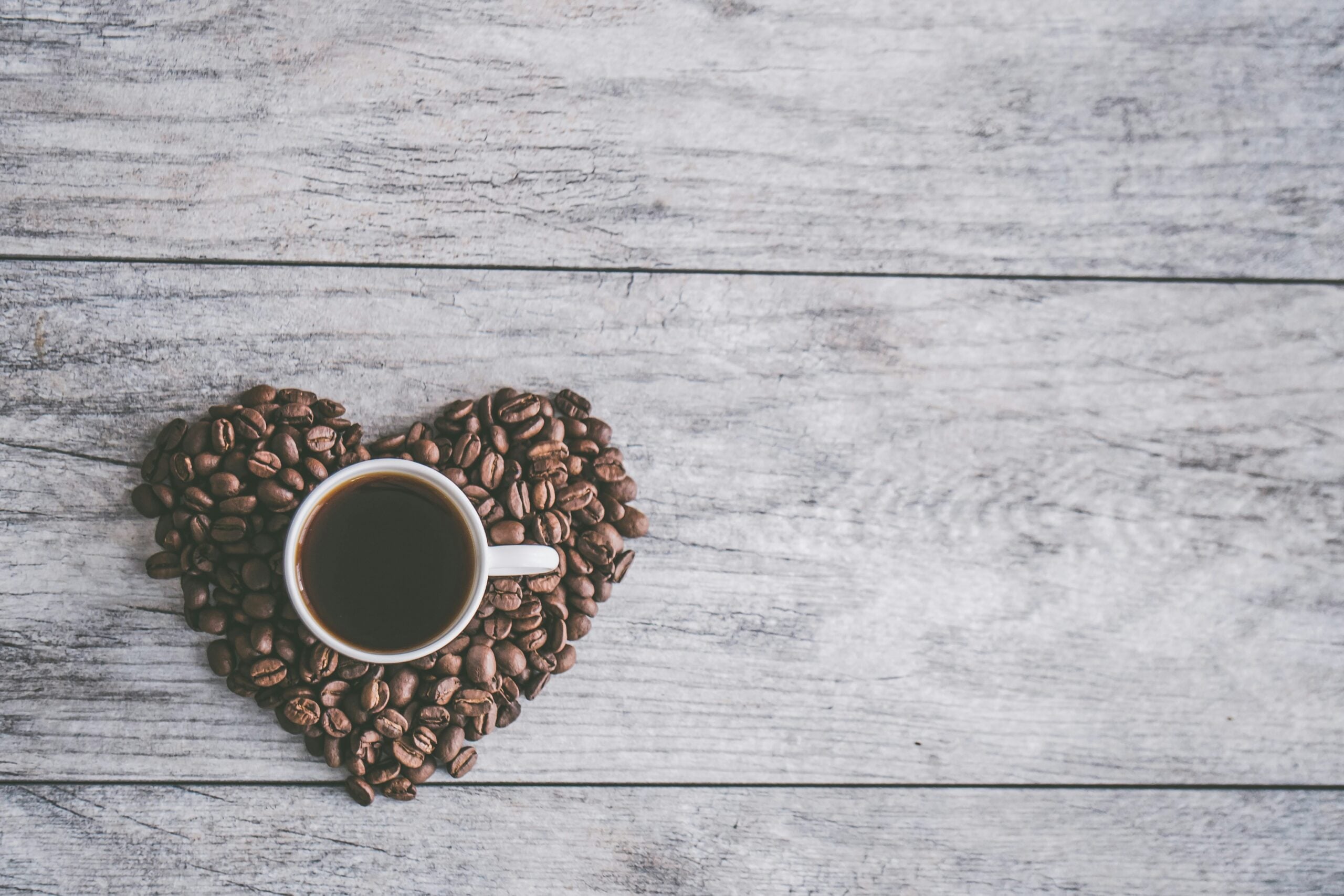
Bringing your own instant coffee or tea bags helps if you can get hot water. Some people bring travel packets of good instant coffee and just ask for hot water.
You control the quality of what goes in the cup, even if you can’t control everything else. Timing matters too.
Ask for coffee right after the brewing cycle when it’s freshest. The first cups out usually taste better than the ones served at the end of the service.
Stay hydrated throughout the flight to keep your nasal passages from drying out completely. Skip the sugar and cream at first—taste the coffee plain to see if it needs help or if adding things just makes it worse.
When It Actually Tastes Better
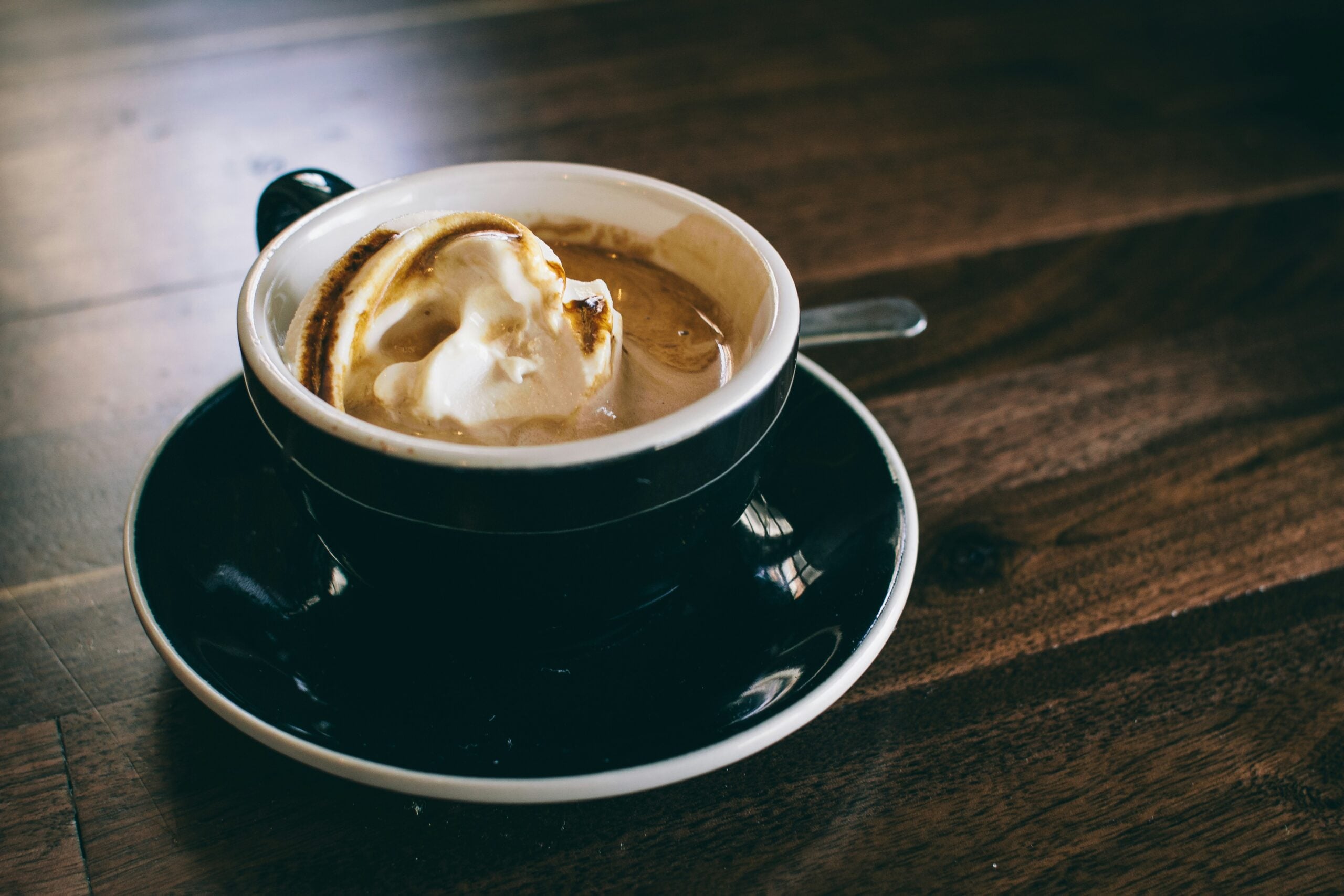
Sometimes, plain coffee is different. Could be a quick hop – fresh brew, still hot.
Might’ve slept enough, feelin’ good. Or the terminal’s got a solid water supply.
Feels like proof: airline java ain’t doomed – it’s just luck when things actually work out. Some folks insist coffee hits differently when flying early.
Being wide awake helps – your tongue’s sharp, plus the air hasn’t zapped all moisture from your body just yet. A few go out of their way to book carriers famous for decent brews instead.
Figuring it out? That comes down to testing stuff ’til something sticks.
The Ground Still Wins
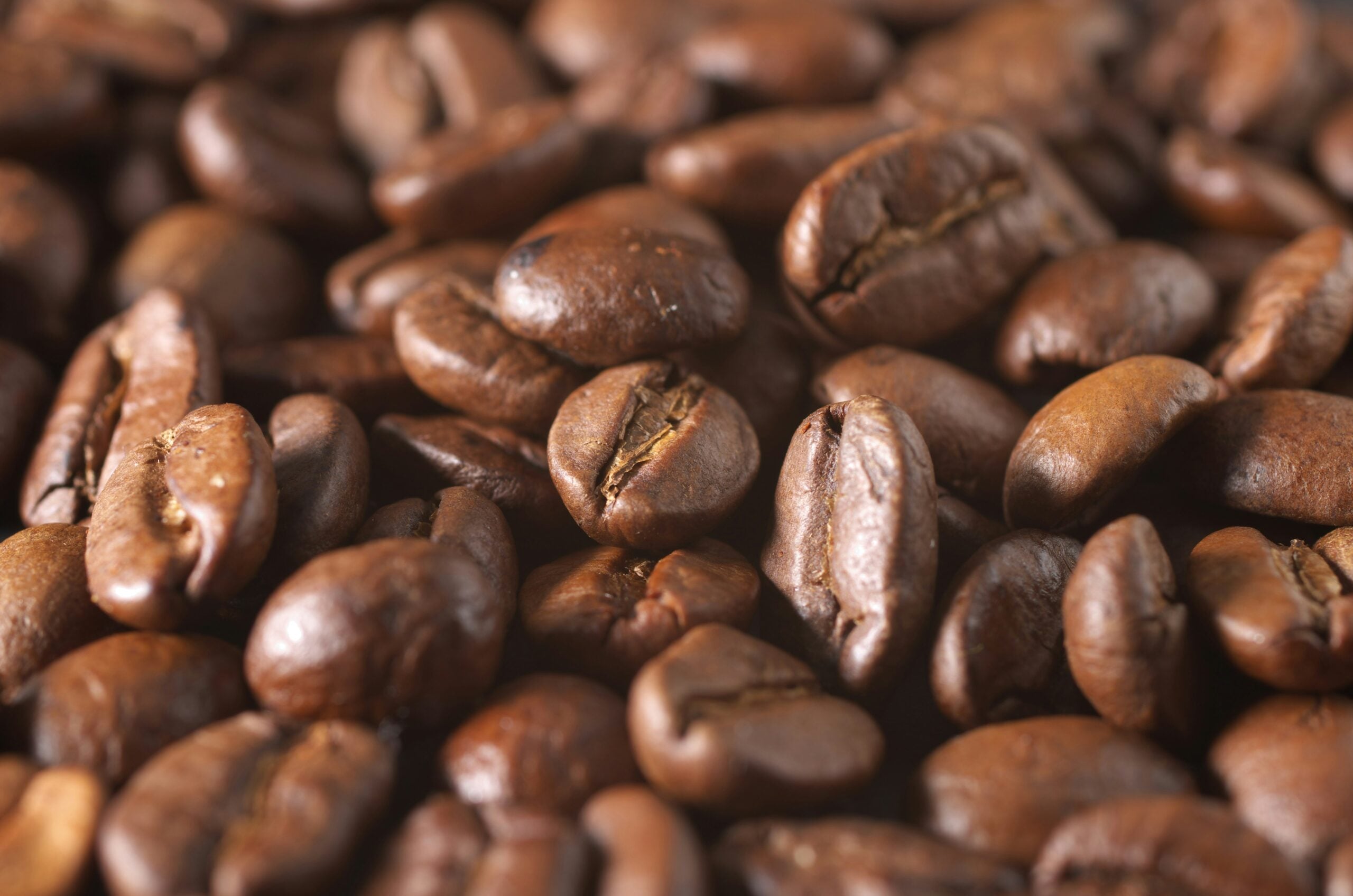
Coffee still wins when you’re down here. Air travel changes how stuff works – your system acts differently.
Water quality shifts things. Fresh brew matters more than we think.
A good mug helps a lot. Less noise makes sipping easier.
Routine keeps the moment together. This isn’t saying plane coffee is useless – when you’re stuck mid-air, a jolt of energy or a warm mug can feel like home.
Knowing why it tastes off takes the surprise out of it. But once you land?
That first real sip hits different. Suddenly, you recall how coffee should actually taste.
The difference sharpens the flavor, makes it matter more – and hey, that feeling counts for something.
More from Go2Tutors!

- The Romanov Crown Jewels and Their Tragic Fate
- 13 Historical Mysteries That Science Still Can’t Solve
- Famous Hoaxes That Fooled the World for Years
- 15 Child Stars with Tragic Adult Lives
- 16 Famous Jewelry Pieces in History
Like Go2Tutors’s content? Follow us on MSN.