18 Wealthiest Dynasties Controlling Global Banks
Money has always followed bloodlines. The families that figured this out early didn’t just accumulate wealth — they built the architecture through which wealth itself moves.
From Renaissance counting houses to modern investment banks, a surprisingly small number of dynasties have shaped how global finance works. Some are household names.
Others operate in quieter ways, their influence woven so deeply into financial institutions that most people never think to ask who’s really at the top. Here are 18 dynasties that have controlled, founded, or deeply influenced some of the most powerful banks in the world.
The Rothschilds — The Family That Invented Multinational Banking
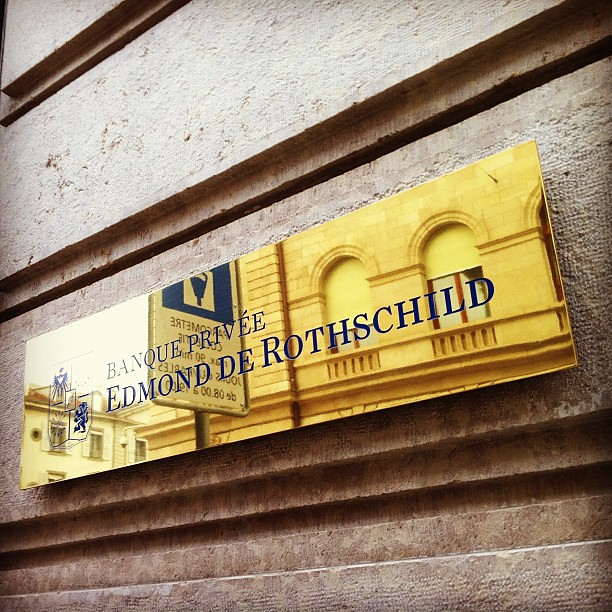
No list about banking dynasties starts anywhere else. Mayer Amschel Rothschild, working from a cramped house in Frankfurt’s Jewish ghetto in the late 18th century, built a financial network that would eventually stretch across five countries.
His five sons — stationed in Frankfurt, London, Paris, Vienna, and Naples — created what is widely considered the first multinational bank. At their peak, the Rothschilds were the wealthiest family on earth.
They financed wars, governments, and railways. They helped Britain purchase the Suez Canal.
Their London and Paris houses still operate today as Rothschild & Co, an investment bank with significant influence in European mergers and acquisitions. The family’s reach has narrowed compared to its 19th-century dominance, but the Rothschild name still opens doors in global finance that most banks can only dream of knocking on.
The Rockefellers — Oil Money That Built A Banking Empire
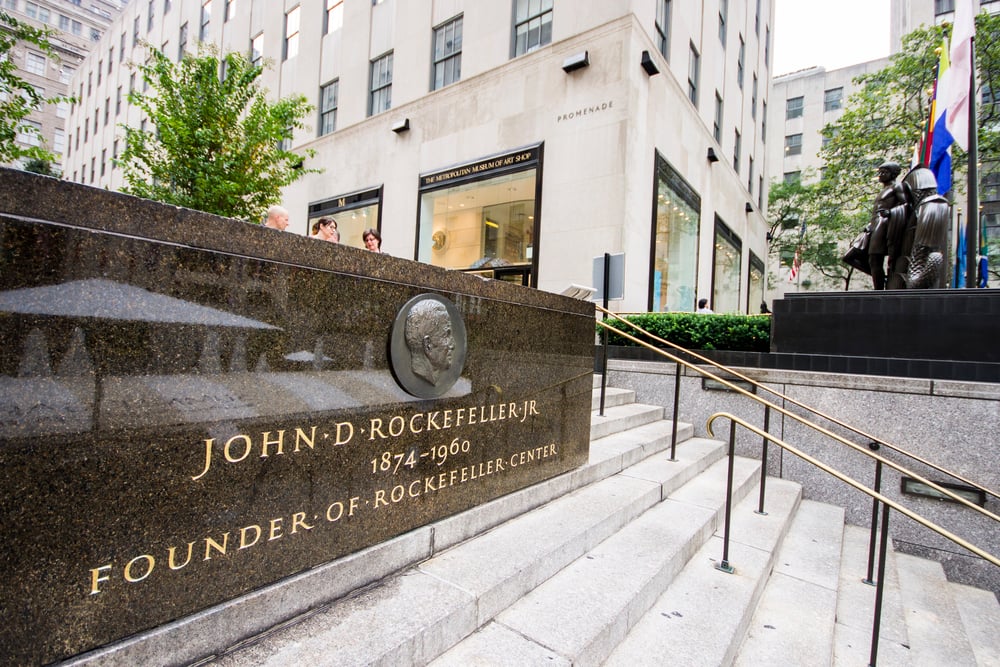
John D. Rockefeller made his fortune in oil, but the family’s fingerprints on American banking are just as deep. Chase National Bank, which eventually became JPMorgan Chase — the largest bank in the United States — owes much of its 20th-century growth to Rockefeller influence.
David Rockefeller served as president and later chairman of Chase Manhattan Bank for decades, shaping American and global financial policy in ways that extended far beyond any single institution. The Rockefeller family office still manages billions today.
Their philanthropic arms, like the Rockefeller Foundation, double as soft-power financial tools that keep the family embedded in global economic conversations.
The Morgans — The Architects Of Wall Street
J.P. Morgan didn’t just build a bank. He essentially rescued the American financial system twice — once during the Panic of 1893 and again during the banking crisis of 1907, when he personally organized a private bailout that stopped a complete collapse.
No government entity had the power or the credibility to do what Morgan did from his private library. JPMorgan Chase, the institution bearing his name, is now the world’s largest bank by market capitalization.
The Morgan family’s direct involvement in running the bank ended generations ago, but the structures, philosophy, and relationships J.P. Morgan built continue to define how global investment banking operates.
The Warburgs — Europe’s Other Banking Powerhouse

The Warburg family of Hamburg created M.M. Warburg & Co in 1798, making it one of the oldest private banks still in existence. The family’s reach extended into American finance through Paul Warburg, who played a central role in designing the United States Federal Reserve System.
That alone puts the Warburgs in a category very few families can claim. Kuhn, Loeb & Co — the investment bank the family was deeply connected to — competed directly with J.P. Morgan for decades.
After World War II, the family rebuilt their German banking operations and M.M. Warburg & Co continues to operate today as a significant private bank.
The Melons — Pittsburgh Steel Turned Into Financial Power
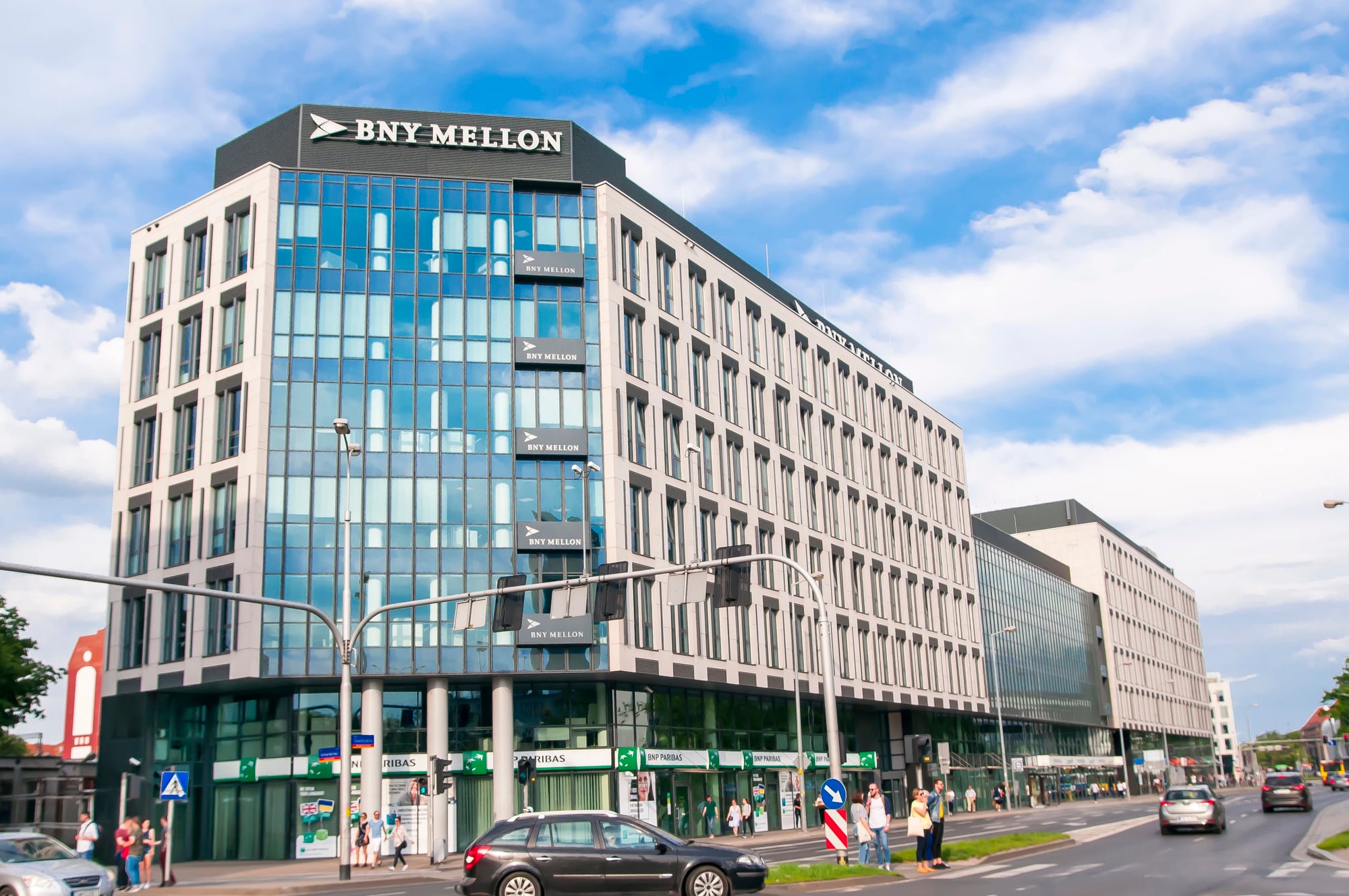
The Mellon family built their wealth through the Bank of Pittsburgh, which Andrew Mellon transformed into one of the most influential financial institutions in American history. Andrew himself served as U.S. Secretary of the Treasury for over a decade, spanning three presidential administrations — a level of access to fiscal policy that no banker before or since has matched.
Mellon Bank eventually merged with Bank of New York to become BNY Mellon, now one of the world’s largest custodian banks managing trillions in assets.
The Fuggers — The Dynasty That Financed Empires Before Banks Existed
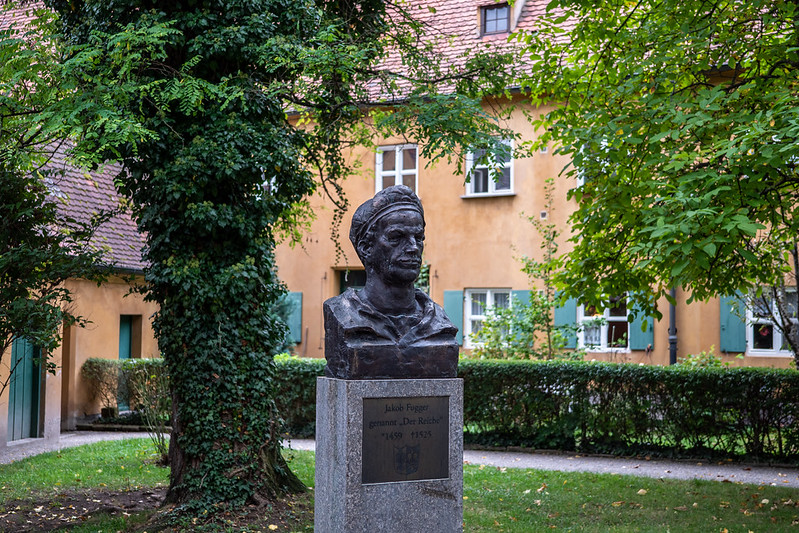
Jakob Fugger of Augsburg operated in the 15th and 16th centuries, long before modern banking had a name. He financed Holy Roman Emperors, bankrolled papal campaigns, and held more political leverage than most kings of his era.
His wealth, adjusted for today’s terms, makes him one of the richest individuals in human history. The Fugger dynasty shows that the pattern of family financial dynasties is not a modern invention.
It is a structure with deep roots, and the families that master it tend to hold their position across generations.
The Medicis — Renaissance Bankers Who Shaped A Continent
The Medici Bank, founded in Florence in 1397, became the most important financial institution in Europe for nearly a century. The family financed popes, monarchs, and artists — blurring the lines between culture, religion, and money in ways that still define how we think about wealth and patronage.
Their banking innovations, including the widespread use of letters of credit and early foreign exchange, are direct ancestors of the tools modern banks use today. The Medici name is gone from banking, but the infrastructure they helped build remains.
The Goldmans And The Sachses — Two Families, One Legendary Firm

Goldman Sachs traces its origins to two immigrant families. Marcus Goldman arrived in New York in the 1860s and started the firm.
His son-in-law Samuel Sachs joined later, cementing the family partnership that gave the bank its name. For decades, leadership of Goldman Sachs passed through family circles before professionalizing into the partnership model.
Goldman Sachs today is one of the most powerful investment banks on earth, with a hand in sovereign debt, commodities, technology IPOs, and government advisory work across dozens of countries.
The Lehmans — Cotton Brokers Who Built A Wall Street Giant

The Lehman family started in Alabama trading cotton. By the time the family’s banking operations matured in New York, Lehman Brothers had become a major force in commodities and investment banking.
The firm bore the family name for over 150 years before its collapse in 2008 triggered the worst financial crisis since the Great Depression. The Lehman name is now synonymous with financial excess and systemic risk, but the dynasty itself built something that genuinely shaped American capital markets for generations.
The Barings — Britain’s Original Banking Aristocracy

Baring Brothers & Co, founded in London in 1762, was at one point called the “sixth great power of Europe” — after France, Britain, Russia, Austria, and Prussia. The family financed the Louisiana Purchase, meaning that without Baring money, the United States might look very different on a map.
The firm survived for over two centuries before a rogue trader brought it down in 1995. But the Baring family’s imprint on British banking culture and the architecture of global sovereign finance remains.
The Agnellis — Italian Industrial Capital And Banking Influence

The Agnelli family, famous for building Fiat, extended their reach deep into Italian banking and finance through Mediobanca and other institutions. Giovanni Agnelli established a model where industrial capital and banking capital reinforced each other — a relationship the family managed for most of the 20th century.
Their holding company Exor S.A. remains one of Europe’s most powerful investment vehicles, with stakes in major financial institutions and global corporations.
The Sassoons — The Rothschilds Of The East
The Sassoon family, Baghdadi Jews who built their empire through trade in India and China, are far less known than their European counterparts but no less significant. David Sassoon created a commercial and financial network across the Middle East, India, and East Asia that rivaled the great European houses.
Their banking and trading operations financed entire regional economies. They are a clear reminder that the history of banking dynasties is not exclusively Western.
The Oppenheimers — South African Mining, Diamond Capital, And Banking Power

The Oppenheimer family built their fortune through De Beers and Anglo American Corporation. But the financial infrastructure required to run a global diamond and mining empire meant deep ties to banking, including Standard Bank and various South African financial institutions.
Ernest Oppenheimer and his descendants used their resource wealth to influence capital allocation across the African continent for most of the 20th century.
The Desmarais — Canada’s Quiet Financial Dynasty
The Desmarais family controls Power Corporation of Canada, a holding company with majority stakes in some of Canada’s most important financial institutions, including Great-West Lifeco and IGM Financial — the parent of Investors Group and Mackenzie Financial. Paul Desmarais Sr. built the family’s financial empire quietly but effectively.
The family’s influence over Canadian investment management and insurance rivals that of any single bank family in North American history.
The Wallenbergs — Sweden’s Financial Backbone

The Wallenberg family has controlled Swedish financial life for nearly 200 years. Founded through Stockholm’s Enskilda Bank in 1856, the dynasty created an investment vehicle — Investor AB — that holds controlling stakes in Swedish corporate giants including SEB (Skandinaviska Enskilda Banken), Ericsson, ABB, and AstraZeneca.
Few families anywhere in the world have maintained such consistent, formal control over a national financial system for so long without losing their grip.
The Peugeots And The Müllers — European Industrial Banking Families

Families across Europe built factories first, only later finding their way into banks. Take France’s Peugeot line – roots in metalwork, wheels, machines – yet over decades, influence shifted toward money matters.
Switzerland tells a similar story, though quieter; the Müllers didn’t shout about power, yet their name anchors deep within finance now. Time turns gears into ledgers more often than most notice.
Families still hold tight control over Swiss private banks, passing down money through decades while keeping things quieter than what you’d see in U.S. or UK finance circles.
The Li Family Influencing Asian Banking

A towering figure in Hong Kong business, Li Ka-shing shaped Cheung Kong Holdings into a sprawling network. Its reach stretches deep into Asian finance through arms like those under Hutchison Whampoa.
Private equity plays also form part of this web. Ownership spreads wide, yet control remains firm.
Starting with property, then moving through ports, telecoms, followed by finance – the Li clan’s setup shows a path to bank power unlike Europe’s old money lines. Across Hong Kong it spreads into China proper, reaching out toward Vancouver, touching corners of France and Italy too.
The Rockefeller-Style Gulf Dynasties — Sovereign Wealth As Family Control
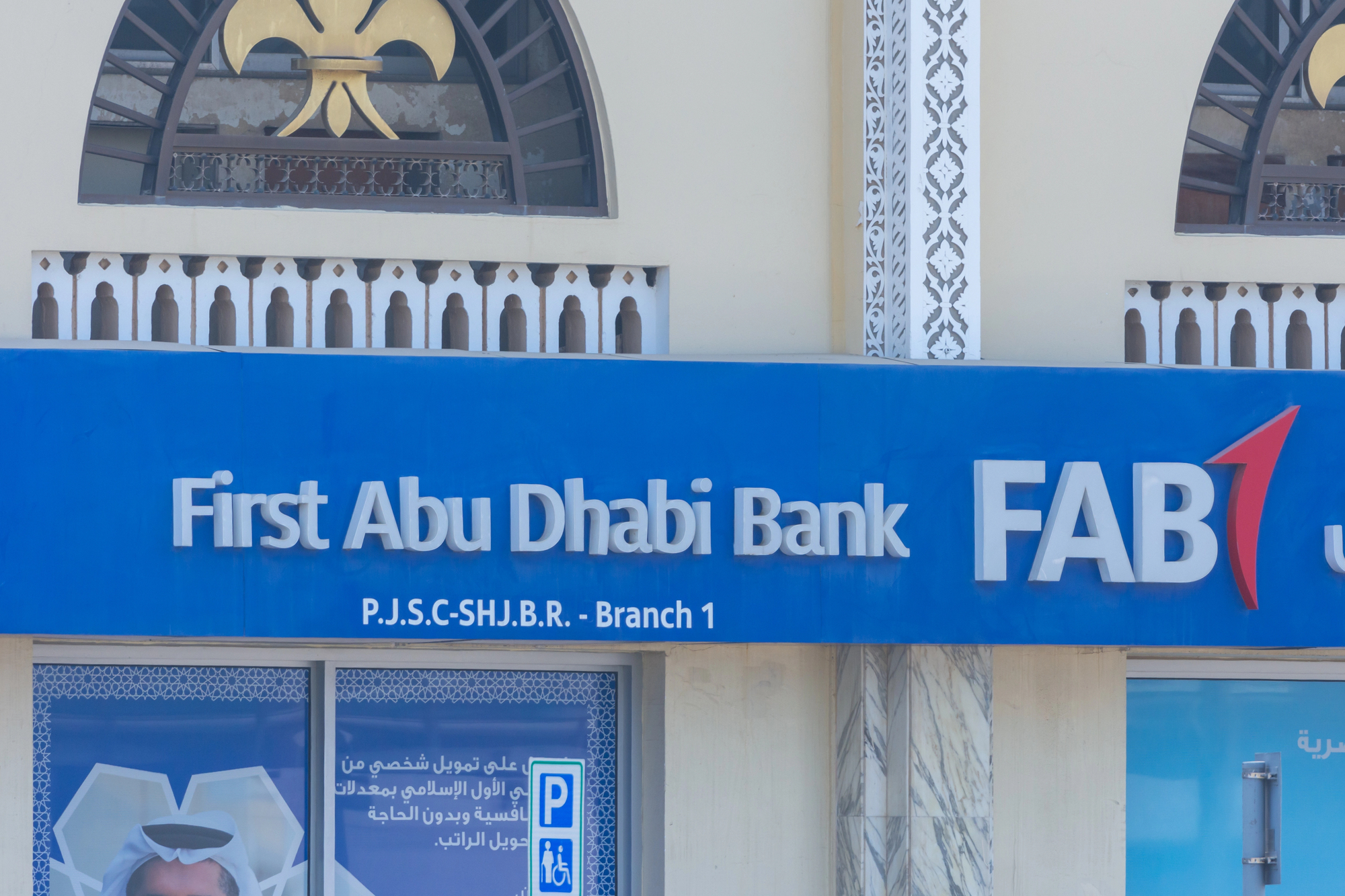
Most times in Saudi Arabia, the UAE, Qatar, or Kuwait, you cannot tell where the ruling family ends and the national wealth fund begins. Power flows through dynasties like the Al Saud, Al Nahyan, Al Thani, and Al Sabah, who run massive financial tools shaped by their influence.
These groups steer fortunes so large they shift global markets without notice. Their grip on money tied to government makes borders between personal and public authority nearly vanish overnight.
Trillions move through Abu Dhabi’s fund, Kuwait’s sovereign wealth machine, then Saudi Arabia’s PIF – together a quiet force. Not merely state accounts, these operate like dynastic tools, slipping into boardrooms, grabbing power in financial hubs and industries worldwide.
Influence once reserved for names like Rothschild or Morgan now lives here, tucked behind desert governments turned investors. Power shifts quietly, stake by stake, far from public view.
The Old Money Still Around

Change finds even the oldest money powers. Not every family stayed at the top through chance alone.
Some moved quietly into parent firms instead of keeping banks outright. Others turned local banking roots into worldwide investment networks.
Leadership shifted – less day-to-day control, more oversight roles. A few are placed inside central banks or public offices where influence flows differently.
Survival rarely looks the same twice. Out of quiet backrooms, power often grows.
From a small storefront in Frankfurt run by Mayer Rothschild came threads that wove into today’s financial networks across Europe. Shift westward, then, to Pittsburgh, where decisions made in Andrew Mellon’s chambers helped shape massive institutions holding trillions.
Go further back still – Jakob Fugger kept records in Augsburg that planted early seeds for national borrowing itself. Time swaps names and places like cards.
What remains fixed are the frameworks beneath. Those clans who first saw the pattern continue influencing unseen currents guiding wealth around the planet.
More from Go2Tutors!

- The Romanov Crown Jewels and Their Tragic Fate
- 13 Historical Mysteries That Science Still Can’t Solve
- Famous Hoaxes That Fooled the World for Years
- 15 Child Stars with Tragic Adult Lives
- 16 Famous Jewelry Pieces in History
Like Go2Tutors’s content? Follow us on MSN.