20 Weird Coincidences That Kept Happening in the Same Location
Some places seem to attract strange patterns of events that defy logical explanation. Beyond simple chance, these locations become magnets for peculiar coincidences that pile up over time, leaving locals bewildered and researchers puzzled.
Whether attributed to statistical anomalies, environmental factors, or something more mysterious, these recurring patterns challenge our understanding of probability. The world contains numerous spots where lightning—both literal and figurative—strikes repeatedly in ways that seem to bend the rules of chance.
Here is a list of 20 locations where bizarre coincidences kept happening with uncanny regularity.
The Bermuda Triangle
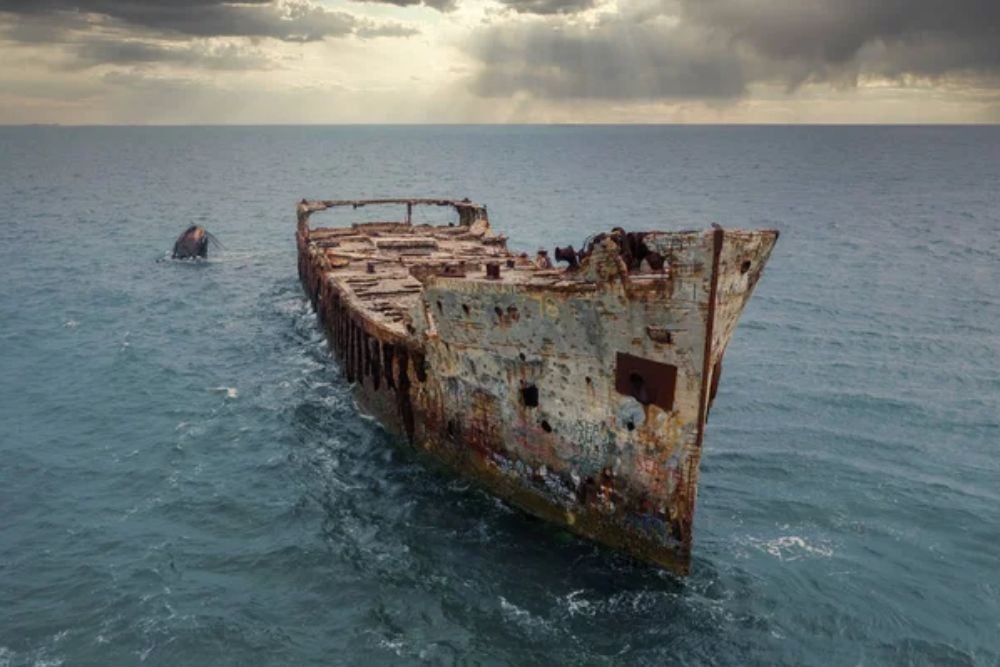
This infamous stretch of ocean between Florida, Bermuda, and Puerto Rico has allegedly claimed numerous ships and aircraft under mysterious circumstances. While skeptics attribute disappearances to natural causes like powerful Gulf Stream currents and sudden weather changes, the statistical clustering of incidents in this specific area has fueled decades of speculation.
The unusual number of compass malfunctions reported in the region adds another layer to its mysterious reputation.
Delphi, Greece
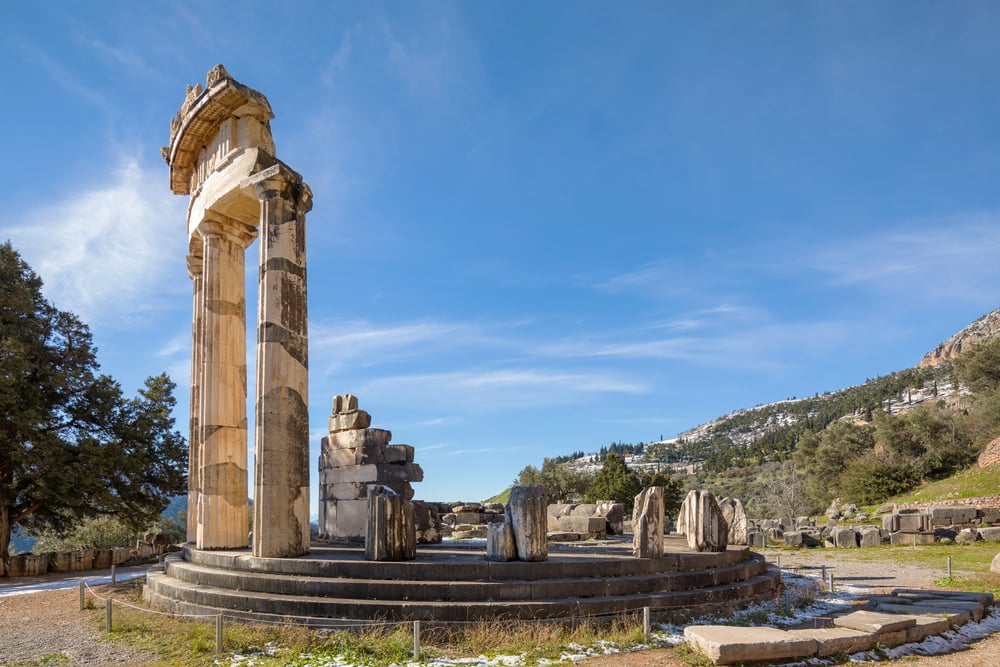
The ancient Greeks considered Delphi the navel of the world after two eagles released by Zeus supposedly met at this exact spot. Modern archaeologists discovered the temple sits at the intersection of geological fault lines that release ethylene gas, which can cause hallucinations and euphoric states.
This natural phenomenon coincidentally provided the perfect conditions for the oracle’s prophetic trances, showing how geological coincidence shaped world history.
The Droste Effect Building

A Tokyo office building became famous for housing companies that repeatedly experienced the same bizarre corporate coincidence. Six consecutive businesses that occupied the fourteenth floor went bankrupt after exactly 14 months of operation.
Each company was completely unrelated in terms of industry and ownership, with the pattern finally breaking when the building owner reclassified the floor as “13A” instead of fourteen.
Lightning Strike Lake
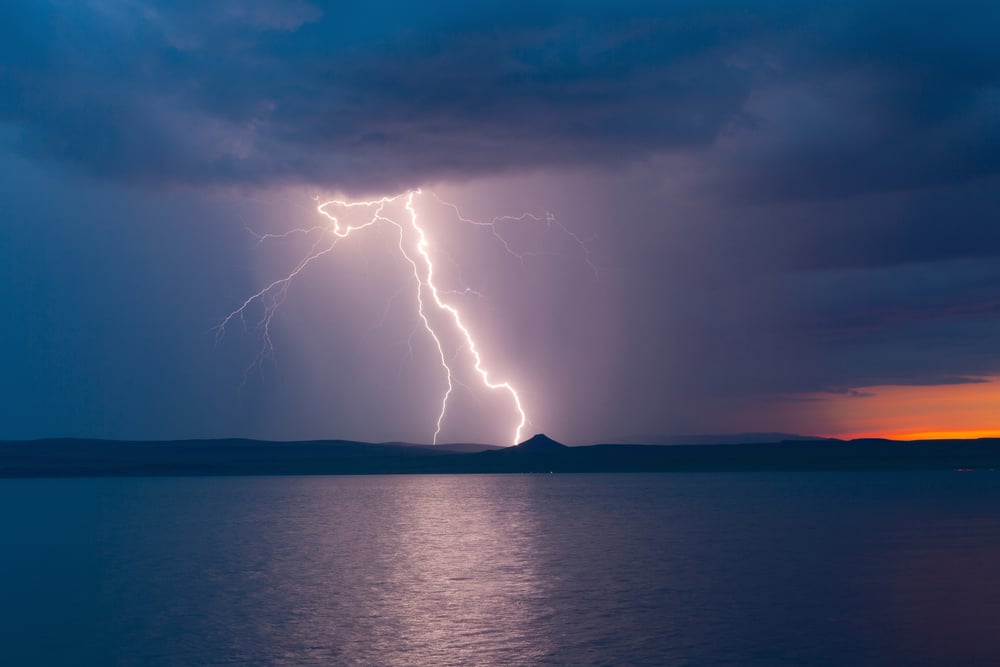
Park ranger Roy Sullivan was struck by lightning seven times between 1942 and 1977 while working at Virginia’s Shenandoah National Park. The odds of being struck seven times are approximately 1 in 10^28—astronomically improbable.
Sullivan survived all strikes, making him the human equivalent of a lightning rod, though he reportedly began running from even small clouds. His ranger hat, with its visible burn marks, is displayed at a local museum.
The Monte Carlo Casino

In August 1913, the roulette wheel at Monte Carlo Casino landed on black 26 consecutive times. Gamblers lost millions betting against black as the streak continued, with many convinced that red was ‘due’ to appear.
This extraordinary run defied 1-in-67-million odds and stands as a perfect example of the gambler’s fallacy—the mistaken belief that past outcomes affect future probabilities in independent events.
Erdington Police Station
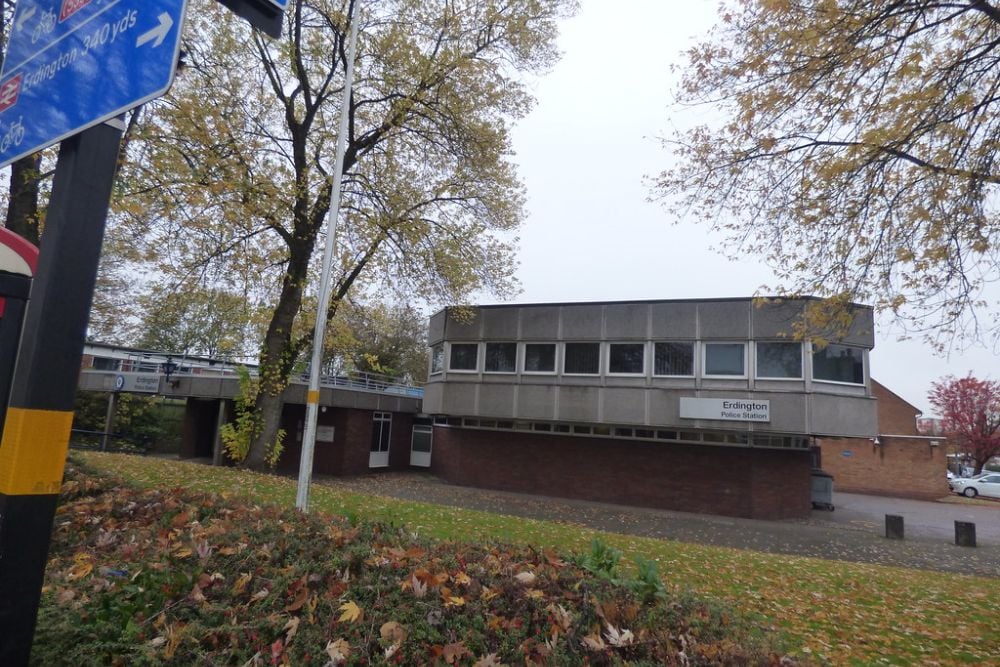
Between 1979 and 1999, four different police officers who worked at England’s Erdington station all lived on the same residential street without planning to do so. The coincidence became even stranger when records revealed that the same street had been home to police officers dating back to the 1850s, despite the station relocating twice.
Local historians discovered the street was originally built specifically for police housing, creating an unconscious tradition that persisted for 150 years.
The Tamám Shud Spot

Australia’s Somerton Beach has been the site of multiple unsolved mysteries with striking similarities. Most famously, an unidentified man was found dead there in 1948 with a scrap of paper reading ‘Tamám Shud’ in his pocket.
Decades later, in 1987 and again in 2003, two more bodies were discovered in nearly identical positions within yards of the original location, both carrying scraps of literature and both remaining unidentified despite extensive investigations.
Woodstock’s Twin Disasters

The town of Woodstock, Vermont experienced identical flood patterns exactly 238 years apart. In both July 1779 and July 2017, floodwaters reached precisely the same height on the town hall building—22 feet 7 inches above normal river levels.
The coincidence became even more remarkable when historians noted both floods occurred after exactly 28 days of abnormally high rainfall, with the water receding at identical rates.
The Obituary Neighbors
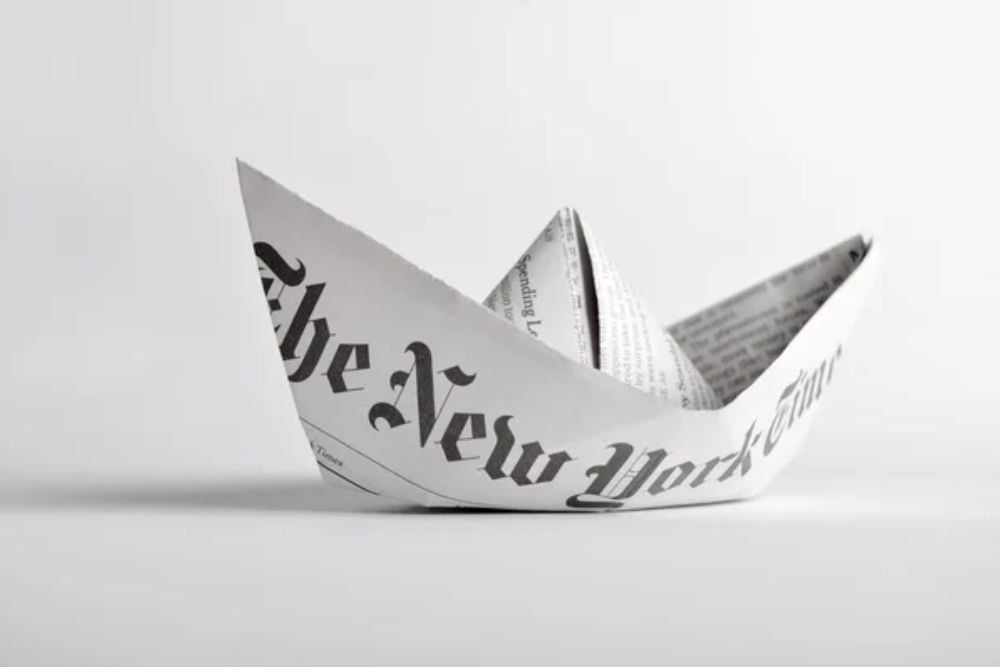
The New York Times printed obituaries for Archibald Beechcroft and Margaret Bollingsworth side-by-side on March 21, 1990. Thirty years later, researchers discovered the deceased had been next-door neighbors as children in rural Pennsylvania, classmates at different schools in New Jersey, unknowingly worked in the same Manhattan building for decades, and ultimately died on the same day without ever realizing their lifelong proximity.
Hoover Dam Workers
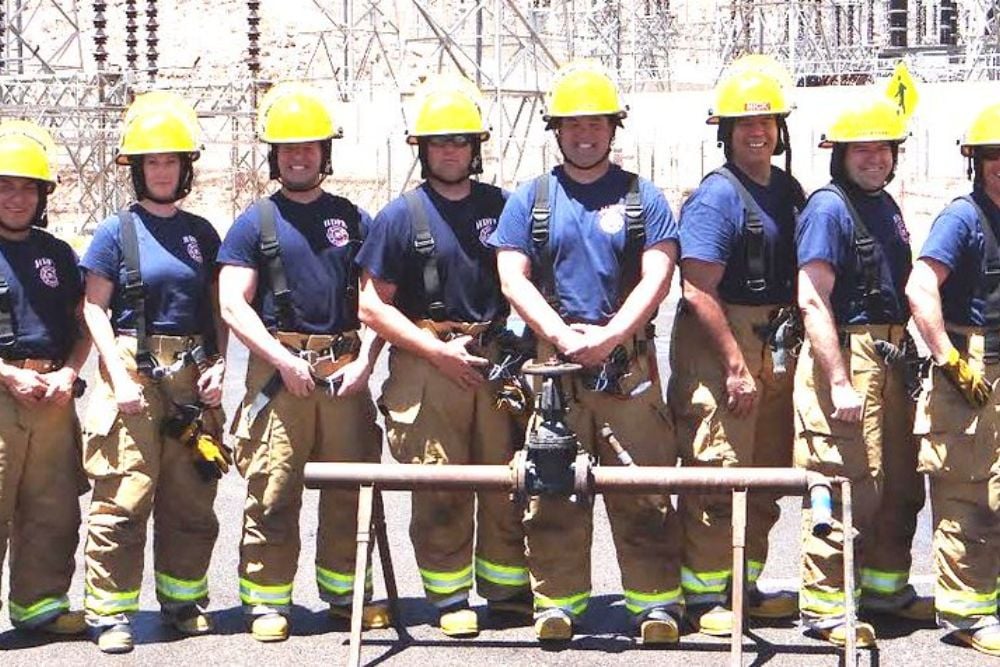
In the construction of Hoover Dam, the first person to die was J.G. Tierney, who fell from the dam on December 20, 1922. Exactly 13 years later, on December 20, 1935, the final fatality during construction was Patrick Tierney—J.G.’s son.
Neither man knew the other would be working on the project, as the son was hired years after his father’s death. The coincidence is commemorated with a small plaque at the visitor center.
Anthony Hopkins’ Book
Actor Anthony Hopkins was cast in the film adaptation of ‘The Girl from Petrovka’ after randomly finding a copy of the book at a London bench—which turned out to be author George Feifer’s personal annotated copy that had been stolen from him two years earlier. The book had traveled thousands of miles before finding its way to Hopkins, who later presented the book back to the astonished author when they met on set during filming.
Violet Jessop’s Triple Survival
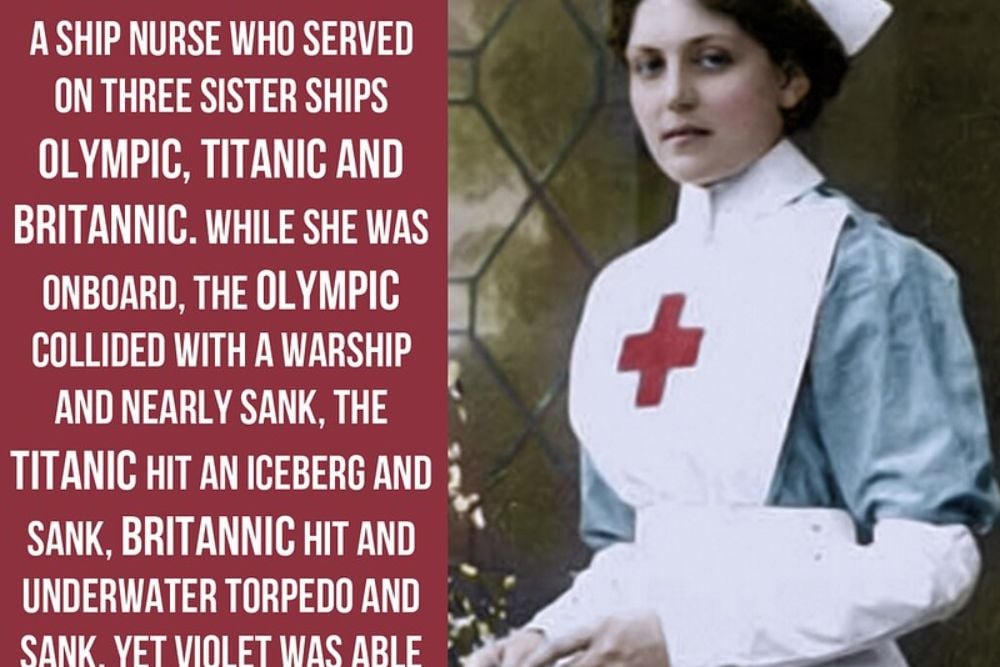
Ocean liner stewardess Violet Jessop survived the sinking of three sister ships—the Olympic, Titanic, and Britannic—while working for White Star Line. Each vessel belonged to the same class of ship and met disaster in sequence between 1911 and 1916.
Jessop’s uncanny ability to be present for all three maritime disasters defied enormous odds, earning her the nickname ‘Miss Unsinkable.’ She continued working on ships for another 34 years without further incident.
The Radio Building
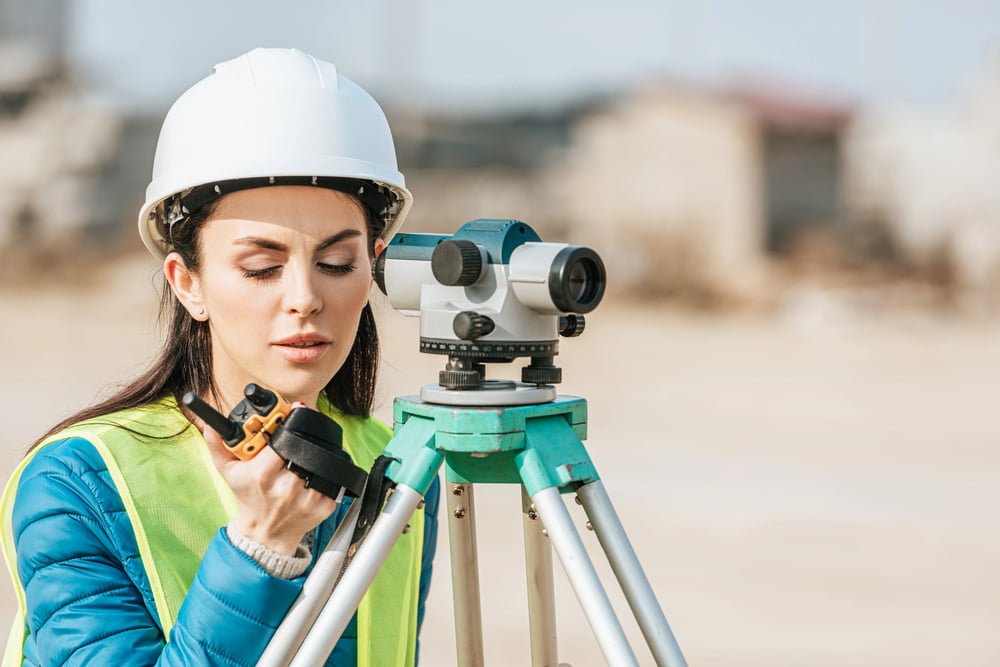
A Barcelona apartment building became known for producing an unusual number of radio personalities. Between 1955 and 2010, fourteen different nationally recognized Spanish radio announcers grew up in the same modest building on Carrer de Sants.
Sound engineers discovered the building’s unusual acoustics—created by its cylindrical stairwell—trained residents’ ears for optimal radio performance from childhood. Children raised there developed perfect pitch and exceptional voice modulation without realizing it.
Twin Studies Center

The University of Minnesota’s Twin Studies Center experienced an unusual cluster of twin researchers. Between 1979 and 1999, seven sets of identical twins independently joined the research staff without recruitment specifically targeting twins.
The statistical improbability of this staffing pattern led to jokes about the center conducting research on itself. Several groundbreaking twin studies emerged from this coincidental concentration of researchers with personal insight into twin dynamics.
Hexham Heads Case

In 1971, two small carved stone heads were discovered in a garden in Hexham, England, followed by reports of poltergeist activity and a half-man, half-sheep creature seen nearby. The heads eventually passed through several owners, each reporting identical supernatural occurrences.
When the artifacts were finally analyzed in 1978, they were found to contain stone from a quarry that had experienced identical reports of a sheep-man creature dating back to the 16th century.
The Erdington Coincidence
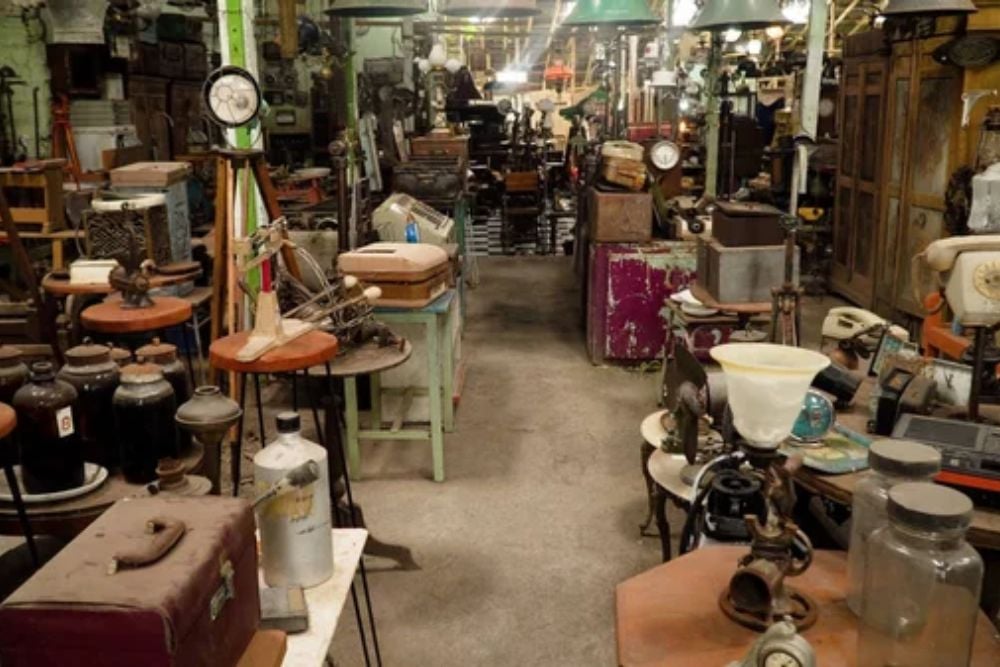
In 1954, detective Charles Wilson was investigating a London antique shop robbery when he noticed three strange customers in a cafe across the street. Acting on intuition, he followed them, discovering stolen items in their car.
Twenty-one years later, Wilson’s son—also a detective—was investigating a different robbery at the exact same shop when he spotted three suspicious people in the same cafe, leading to another successful arrest.
The Lincoln-Kennedy Overlap
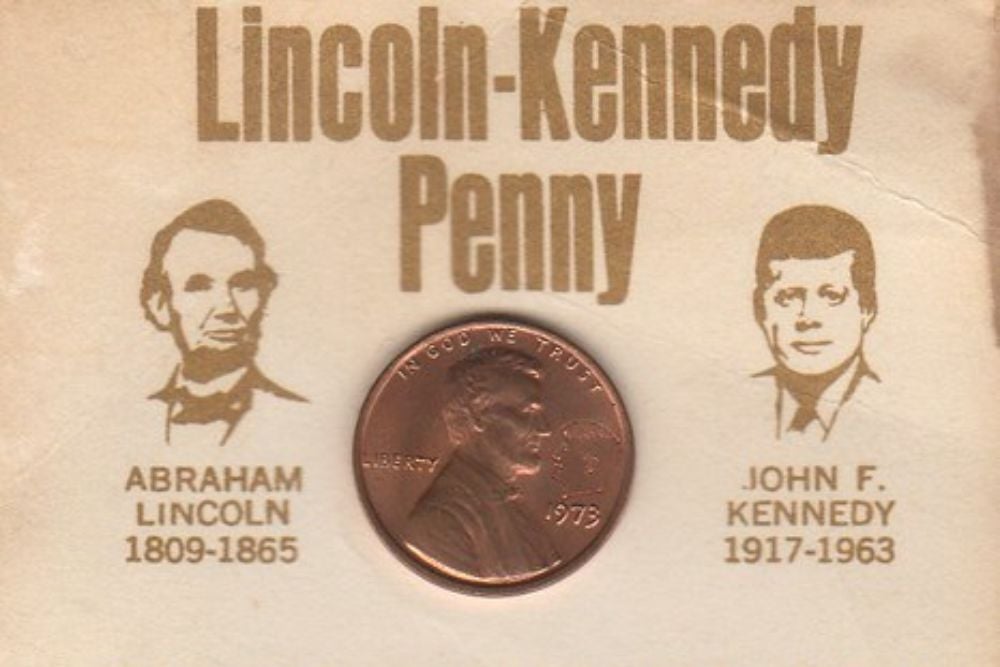
The Lincoln-Kennedy coincidences remain among history’s most discussed pattern of parallels. Both presidents were elected 100 years apart, both were shot on Fridays in the presence of their wives, both were succeeded by vice presidents named Johnson, and three names with 15 letters knew both assassins.
While many connections require selective interpretation, the sheer number of overlapping circumstances between these two presidential assassinations continues to fascinate coincidence collectors.
Grovers Mill, New Jersey
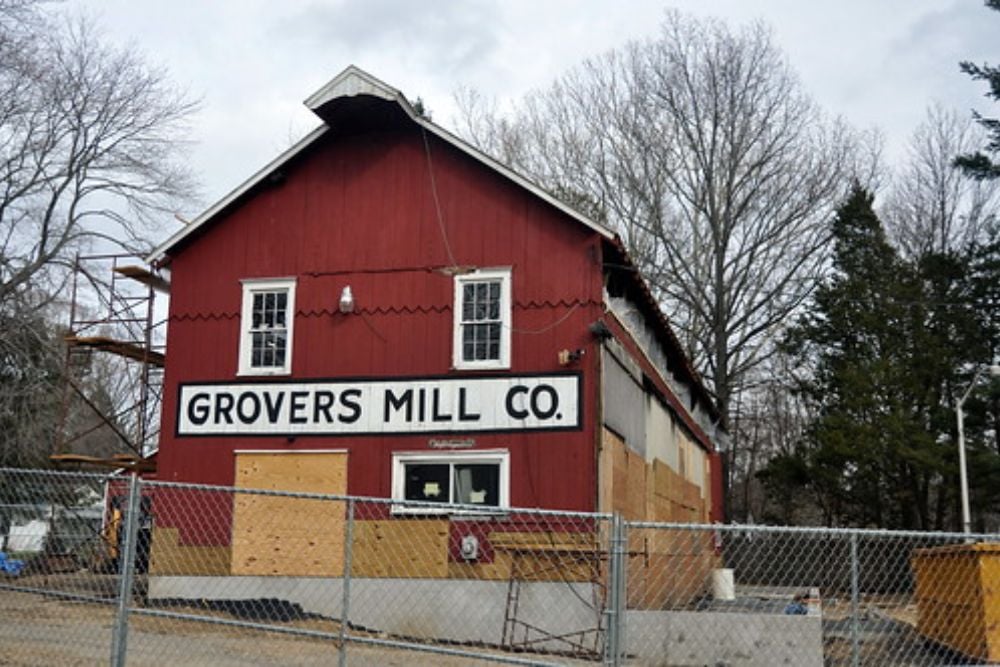
This small town became infamous as the fictional landing site for Martians in Orson Welles’ 1938 ‘War of the Worlds’ broadcast, chosen randomly from a map. Decades later, in the 1980s, astronomers discovered unusual electromagnetic anomalies in the area that temporarily interfere with radio transmissions.
These natural phenomena coincidentally made it one of the few locations where Welles’ broadcast was briefly interrupted during its original airing, sparing some local residents from the nationwide panic.
The Cherry Creek Prediction

In 1973, a Denver newspaper ran a fictional story about Cherry Creek flooding as an April Fool’s joke. Exactly one year later, the creek experienced its worst flood in recorded history, matching details from the satirical article with uncanny precision.
The reporter who wrote the original piece had randomly selected flood heights and affected streets, creating an accidental prediction that later proved statistically impossible to dismiss as mere chance.
The Moving Tombstone
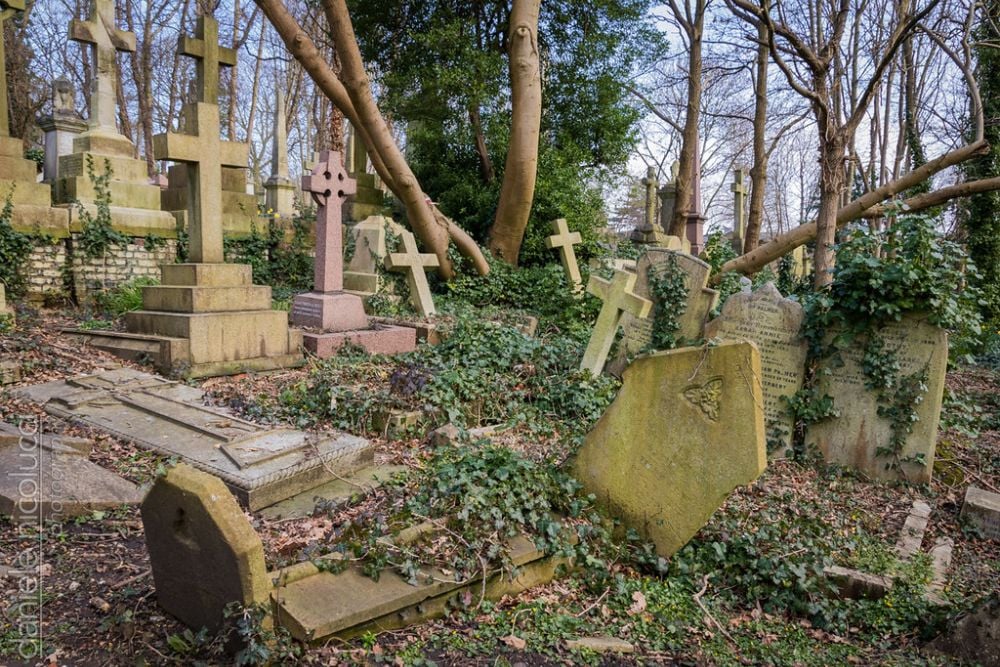
A New Mexico cemetery became known for a tombstone that gradually moved several inches northward each year despite no signs of disturbance. After decades of documented movement, geologists discovered the grave sits directly above a previously unknown fault line that causes imperceptible shifting during specific seasonal temperature changes.
This natural explanation emerged only after the phenomenon had generated numerous local legends and attracted paranormal investigators.
When Coincidences Cluster
These geographical anomalies remind us that coincidence often has more to do with human perception than supernatural forces. Many locations with repeated strange occurrences eventually reveal natural explanations—unique geological features, atmospheric conditions, or architectural peculiarities that create the perfect environment for seemingly impossible patterns. Others remain genuinely puzzling statistical outliers that defy easy explanation.
What makes these places fascinating isn’t just the coincidences themselves but how they shape human behavior and cultural beliefs. Communities develop superstitions, tourists flock to witness the phenomena, and our collective imagination transforms ordinary locations into something mythic.
Whether explained away by science or remaining mysterious, these coincidence-prone locations demonstrate how thin the line can be between random chance and meaningful pattern in our quest to make sense of our world.
More from Go2Tutors!

- The Romanov Crown Jewels and Their Tragic Fate
- 13 Historical Mysteries That Science Still Can’t Solve
- Famous Hoaxes That Fooled the World for Years
- 15 Child Stars with Tragic Adult Lives
- 16 Famous Jewelry Pieces in History
Like Go2Tutors’s content? Follow us on MSN.



