17 Foods Invented to Solve Very Odd Problems
The history of food innovation isn’t just about taste – sometimes it’s about solving surprisingly specific problems. From military needs to economic crises, many everyday foods in your kitchen began as solutions to peculiar challenges rather than culinary inspirations.
Many of the most popular items in your pantry have fascinating origin stories that reveal human ingenuity at its finest. Here is a list of 17 foods that were created to address some truly unexpected problems.
Cornflakes

Cornflakes weren’t originally intended as a convenient breakfast option but rather as an anti-stimulant food. Dr. John Harvey Kellogg developed them in the late 1800s for patients at his sanitarium, believing that bland foods would reduce passionate urges.
His brother Will later added sugar and marketed them commercially, much to John’s dismay.
Coca-Cola

This world-famous beverage began as a medicinal solution created by pharmacist John Pemberton. Originally formulated in 1886 as a nerve tonic to address headaches and exhaustion, it contained coca leaves (with trace amounts of cocaine) and kola nuts.
The stimulating drink evolved into a refreshment after the cocaine was removed in the early 1900s.
Like Go2Tutors’s content? Follow us on MSN.
Popsicles

The popsicle came into existence purely by accident when 11-year-old Frank Epperson left a cup of powdered soda and water with a stirring stick on his porch overnight in 1905. The freezing temperatures turned his forgotten mixture into a frozen treat on a stick, solving the problem of keeping cool in summer without refrigeration technology.
Margarine

Created in 1869 by French chemist Hippolyte Mège-Mouriès, margarine addressed Napoleon III’s need for an affordable butter substitute to feed his armies and the lower classes. Using beef fat and milk, Mège-Mouriès developed what he called ‘oleomargarine’ to solve food shortages during industrialization.
Spam

Hormel Foods introduced Spam in 1937 to address the problem of unused pork shoulder meat. This canned meat product provided an efficient way to use less desirable cuts while creating a non-perishable protein source.
During World War II, it became essential to feed troops and civilians facing fresh meat shortages.
Like Go2Tutors’s content? Follow us on MSN.
Graham Crackers

Much like cornflakes, graham crackers were invented as an anti-pleasure food. Minister Sylvester Graham created the bland whole wheat crackers in the 1830s, believing that plain, fiber-rich foods would suppress carnal urges and promote moral purity.
The original versions contained no sugar or honey and were considerably less appetizing than today’s varieties.
Gatorade

This sports drink was developed specifically to solve a problem facing the University of Florida’s football team – the Gators. Players were struggling with dehydration in the hot Florida climate.
In 1965, university researchers created a balanced electrolyte beverage that quickly replenished lost fluids and improved performance on the field.
Tonic Water

Tonic water originated as medicinal quinine water designed to prevent malaria among British colonial officers in India. The bitter quinine taste was so unpleasant that officers began mixing it with gin, soda, and lime, inadvertently creating the gin and tonic cocktail while solving a serious tropical disease problem.
Like Go2Tutors’s content? Follow us on MSN.
Instant Ramen

After World War II, Japan faced severe food shortages. Inventor Momofuku Ando observed people waiting hours in line for bowls of ramen and set out to create an affordable, shelf-stable alternative. In 1958, he introduced instant ramen, providing a solution to hunger that could be prepared in minutes with just hot water.
Chocolate Chip Cookies
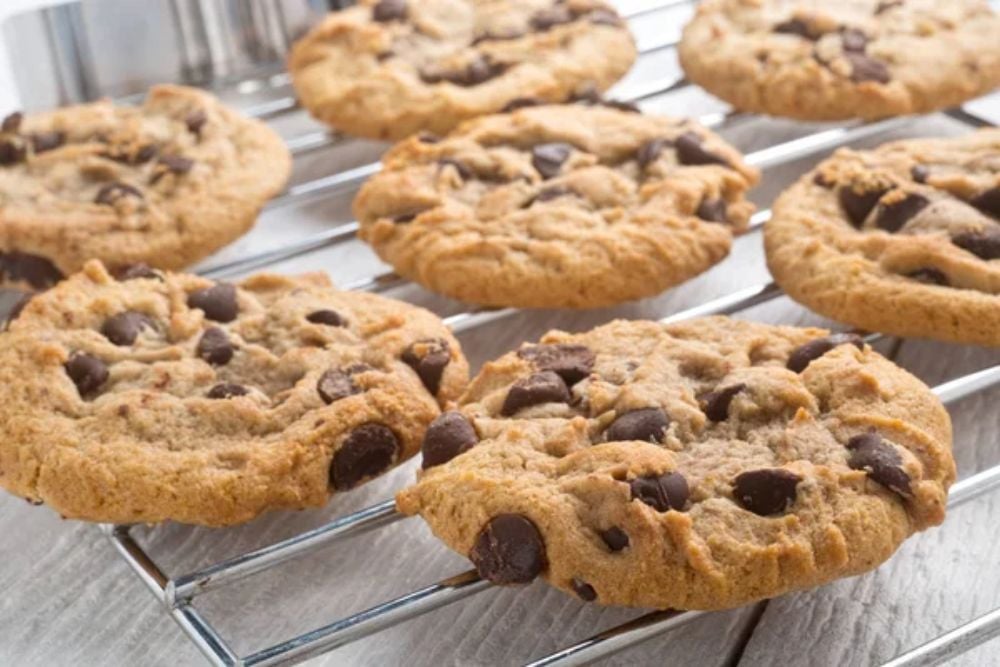
The beloved chocolate chip cookie came about when innkeeper Ruth Wakefield ran out of baker’s chocolate while making cookies. In a pinch, she chopped up a Nestlé chocolate bar, expecting it to melt completely into her cookie dough.
Instead, the chocolate maintained its form, creating pockets of chocolate and solving her inventory shortage in delicious fashion.
Sliced Bread
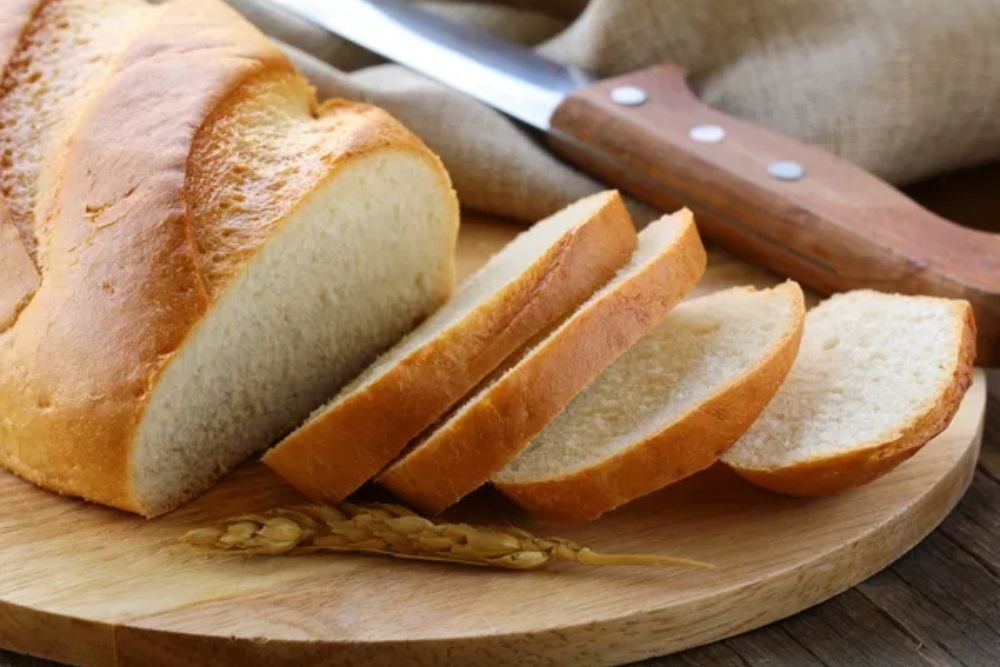
Pre-sliced bread was invented to solve the problem of inconsistent home bread-cutting. Otto Frederick Rohwedder spent 16 years developing a bread-slicing machine, finally succeeding in 1928.
His innovation was initially met with skepticism from bakers who worried the slices would go stale, leading to the invention of tightly sealed packaging.
Like Go2Tutors’s content? Follow us on MSN.
Ranch Dressing
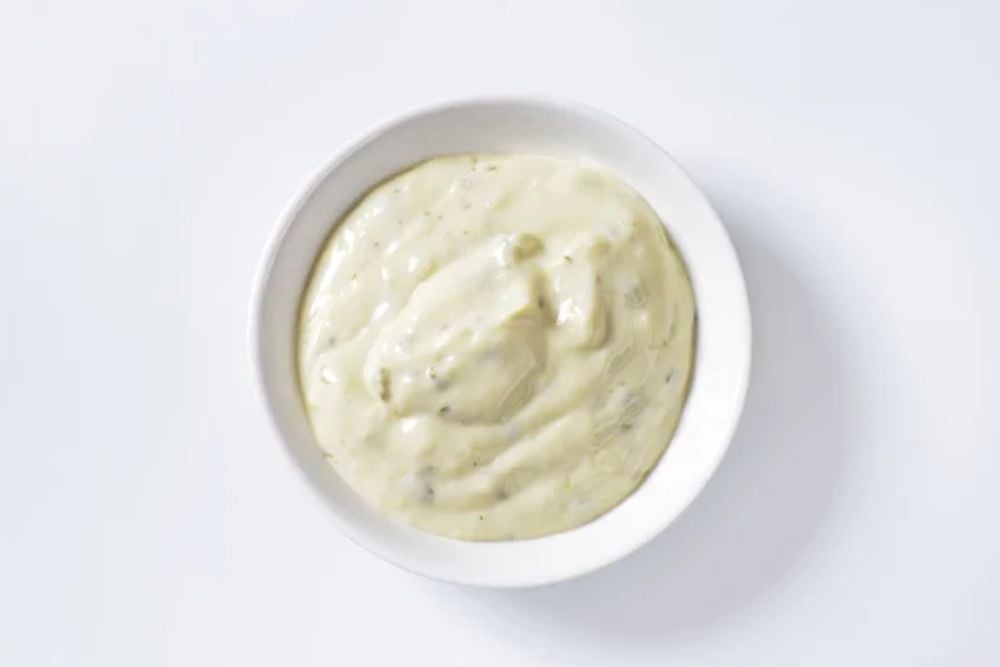
This popular condiment was created by Steve Henson in the early 1950s for workers at his Hidden Valley Ranch in California. The problem?
Finding a dressing that would appeal to laborers unaccustomed to traditional vinaigrettes. His buttermilk-based creation became so popular with ranch guests that Henson began selling dry packets of the mix.
Energy Bars

The first commercial energy bar, the PowerBar, was invented in 1986 by marathon runner Brian Maxwell. After experiencing energy depletion during races, Maxwell sought an easily digestible, portable carbohydrate source that wouldn’t melt or crumble during athletic activities.
His solution transformed both athletic nutrition and on-the-go eating habits.
Saccharin

The first artificial sweetener was discovered accidentally in 1879 when chemist Constantin Fahlberg forgot to wash his hands after working in the lab. At dinner, he noticed his bread tasted unusually sweet and traced it back to a compound he had spilled on his hands.
Saccharin solved the problem of providing sweetness during sugar shortages, particularly during World Wars.
Like Go2Tutors’s content? Follow us on MSN.
Bubble Gum

Traditional chewing gum was stiff and difficult to blow bubbles with. Accountant Walter Diemer, while experimenting with gum recipes at the Fleer Company in 1928, accidentally created a less sticky, more stretchable formula.
His pink-colored invention solved the bubble-blowing problem and became an instant hit with children.
Worcestershire Sauce

This distinctive condiment was created when Lord Sandys returned to England from India and commissioned chemists John Lea and William Perrins to recreate a sauce he had enjoyed abroad. Their first attempt was considered inedible and forgotten in a basement barrel.
Years later, they rediscovered the fermented mixture and found it had transformed into a deliciously complex flavor enhancer.
TV Dinners

Swanson faced an unexpected problem after Thanksgiving 1953: 260 tons of leftover turkey. Salesman Gerry Thomas suggested packaging the meat with traditional sides in compartmentalized aluminum trays resembling airline meals.
This solution to food waste revolutionized convenience dining and changed American eating habits forever.
Like Go2Tutors’s content? Follow us on MSN.
The Unexpected Legacy of Problem-Solving Foods

These innovative creations remind us that necessity truly is the mother of invention in the culinary world. From wartime rationing to accidental discoveries, many foods we consider everyday staples began as clever solutions to unique challenges.
The next time you enjoy these familiar items, you’ll appreciate the surprising circumstances that brought them to your table.
More from Go2Tutors!

- 16 Restaurant Chains That Went Too Fast
- 12 Things Sold in the 80s That Are Now Illegal
- 15 Strange Things People Have Tried to Ban (And Failed)
- 16 Collectibles People Tossed Out Too Soon
- 17 Myths from Your Childhood That Were Actually Based on Real Things
Like Go2Tutors’s content? Follow us on MSN.



