Facts About Fehmarnbelt, the World’s Longest Immersed Tunnel
Soon Europe gains a new link turning how people move between Germany and Denmark upside down. Beneath the waves of the Baltic Sea, workers build what might be today’s boldest feat of engineering – the Fehmarnbelt Tunnel.
Instead of waiting through a 45-minute boat crossing, drivers zip across in just ten minutes. Crossing national borders feels less like travel, more like stepping next door for milk.
What once demanded planning now happens on a whim. Floating beneath the waves, this passage carries secrets that sound made up, yet none of it is fiction.
What unfolds below water defies expectation – each piece grounded in today’s reality.
Nearly 11 Miles Long Beneath The Baltic Sea

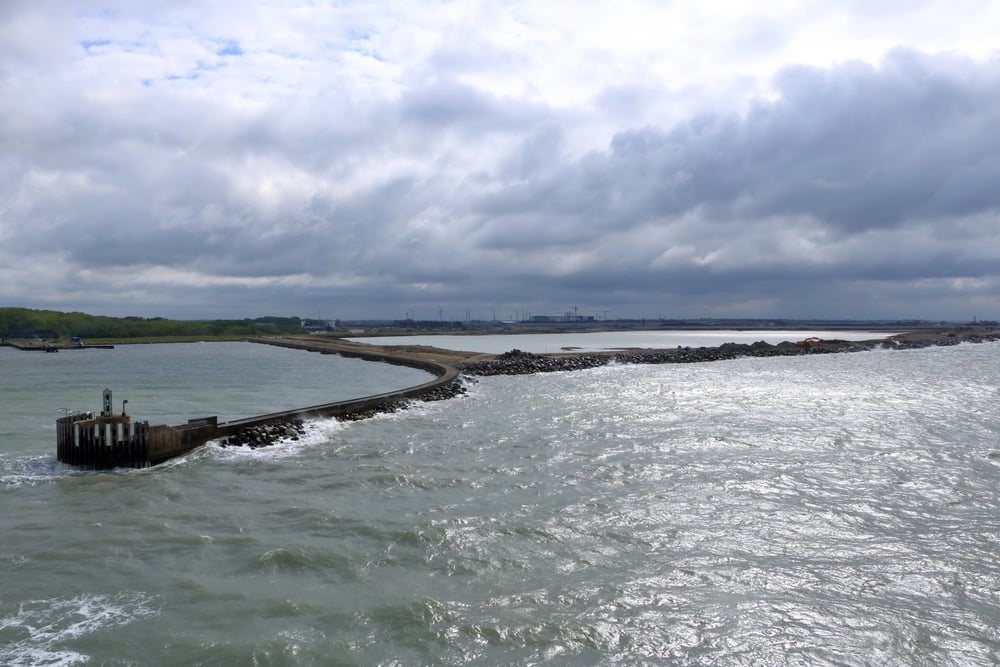
Underwater, stretching nearly 18 kilometers, a passage links Fehmarn in Germany to Lolland in Denmark. That span claims the title of Earth’s most extended submerged tunnel built by sinking sections into place.
Its path traces the narrowest gap across the sea separating these nations, dipping where waters reach roughly 40 meters down. Tough ocean flows, shifting skies above, plus layers of seabed material shaped how builders designed this colossal subsea corridor.
Construction Involves 89 Massive Concrete Sections
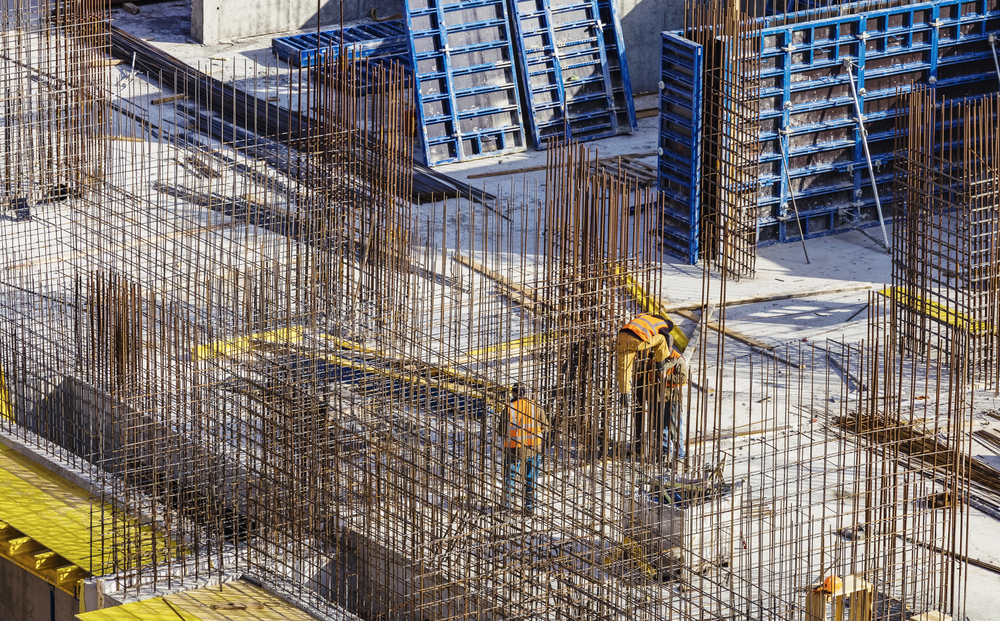
Not carved from stone like old tunnels go. Made up of eighty-nine huge concrete pieces instead, every single one stretching close to five hundred seventy-five feet.
Rising inside a Danish factory where teams shape wet concrete into massive forms – tubes standing as high as five floors stacked. Each piece tips the scales at nearly seventy-three thousand tons, that weight matching about six Eiffel Towers laid together.
After drying and finishing, they tow them across water, then sink each carefully into a dug-out path along the seabed.
Faster Trips Begin Here – Ten Minutes Is All It Takes Now Through The New Passageway
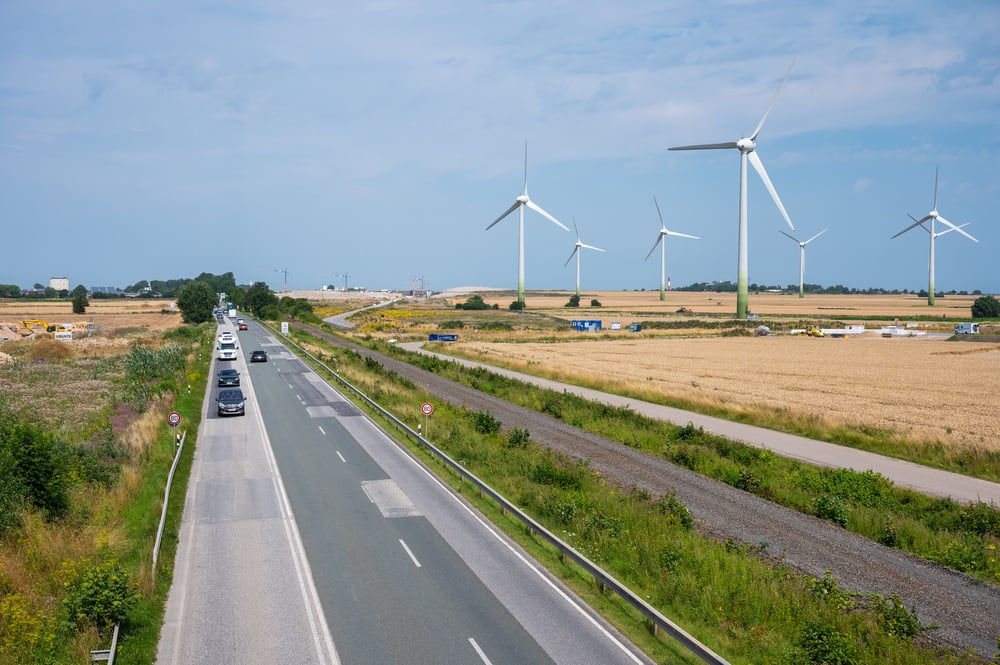
Right now, crossing from Germany to Denmark through Fehmarn means boarding a ferry – around 45 minutes of travel, but add extra time for waiting both before and after. Instead of queuing, drivers one day might just keep going, rolling under the sea in ten minutes flat; trains could zip through even faster, in seven.
Saving minutes like these adds up fast, especially when fuel stays in tanks and schedules stay intact. Unlike boats that halt during storms or fill past full, this link runs nonstop, rain or shine, morning to midnight.
It Includes Both A Highway And A Railway
Not only cars will use the Fehmarnbelt Tunnel. Hidden within its thick concrete walls runs a broad roadway with space for four lanes of traffic alongside two rails built for fast trains.
Because it serves two kinds of travel, money spent on construction helps drivers and train riders at once. Trains moving along these tracks will link into Europe’s wider rail system, making trips smoother from northern regions straight across central parts of the continent without needing to change transport types.
The Project Costs Around 10 Billion Dollars

Starting a project this big means spending serious money. Around ten billion dollars – that is what it will take, placing it among Europe’s costliest builds ever.
Denmark pays up front, then collects toll fees later to get back what was spent. Better connections usually bring more business, visitors, plus growth near the crossing, so gains should pass totals at start.
Money moves where travel gets easier.
Workers Built A Specialized Factory Just To Make Tunnel Sections
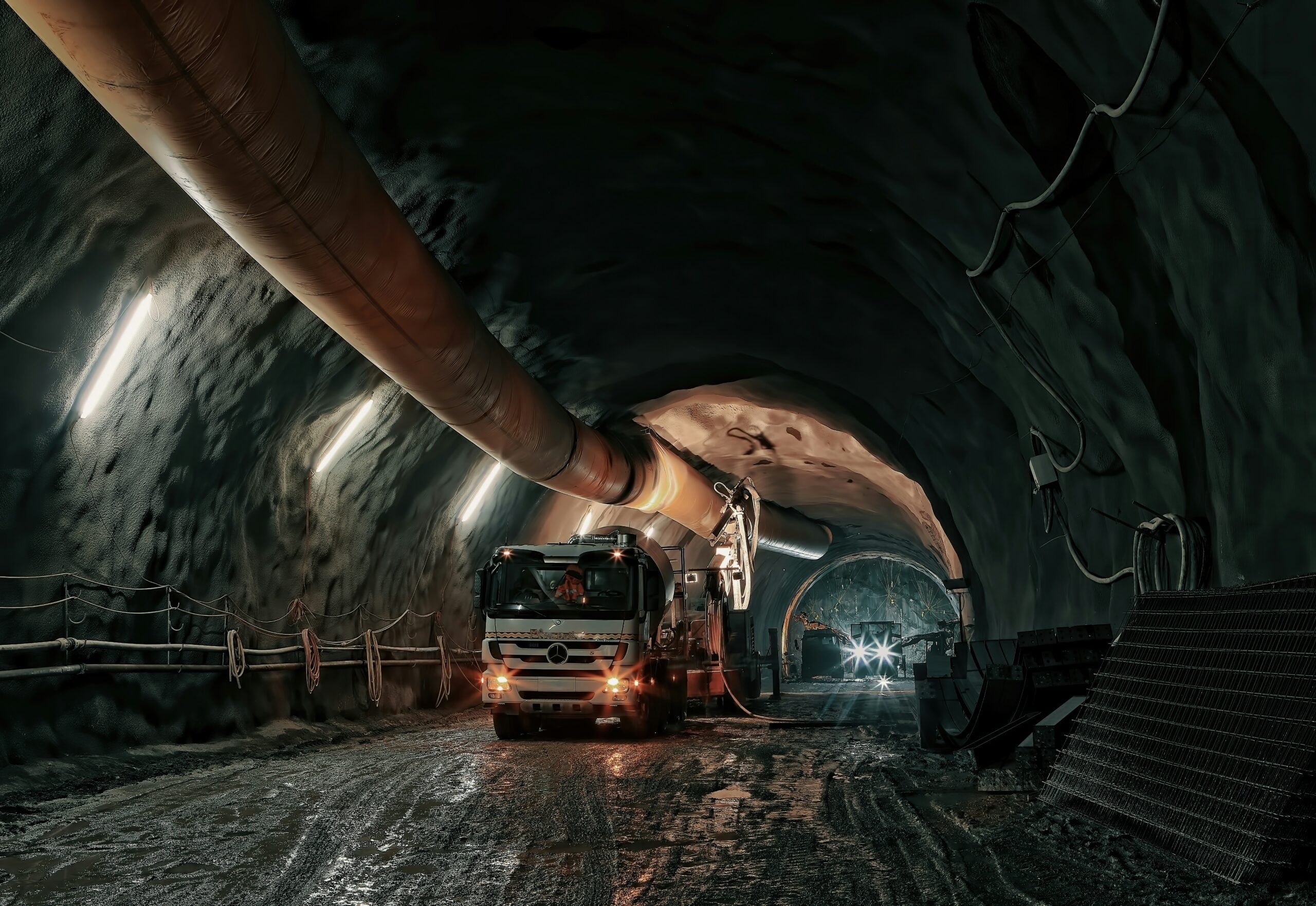
Creating 89 giant concrete tubes required building a dedicated manufacturing facility from scratch. The factory on Lolland covers an area equivalent to about 42 football fields and employs hundreds of workers who operate around the clock.
This facility produces tunnel sections using an assembly-line approach, where each section takes several months to complete before being stored in a nearby basin. The factory will be dismantled once all sections are finished, but the sheer scale of this temporary facility shows how unique and demanding this project really is.
The Tunnel Lies In A Trench Dug Into The Seafloor
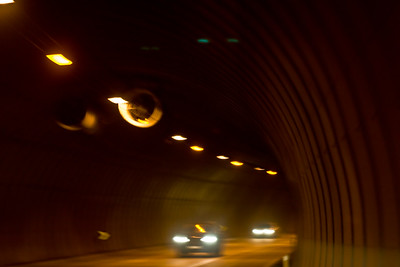
Rather than resting on top of the Baltic Sea floor, the tunnel sections sit inside a specially prepared trench. Dredging vessels remove sediment and rock to create a channel deep enough to accommodate the tunnel while leaving enough material on top for protection.
Once a section gets lowered into position, workers cover it with layers of stone and gravel to shield the concrete from ship anchors, fishing equipment, and natural erosion. This burial method also provides stability against currents and shifting seafloor conditions.
Special Ships Transport Sections Weighing Thousands Of Tons
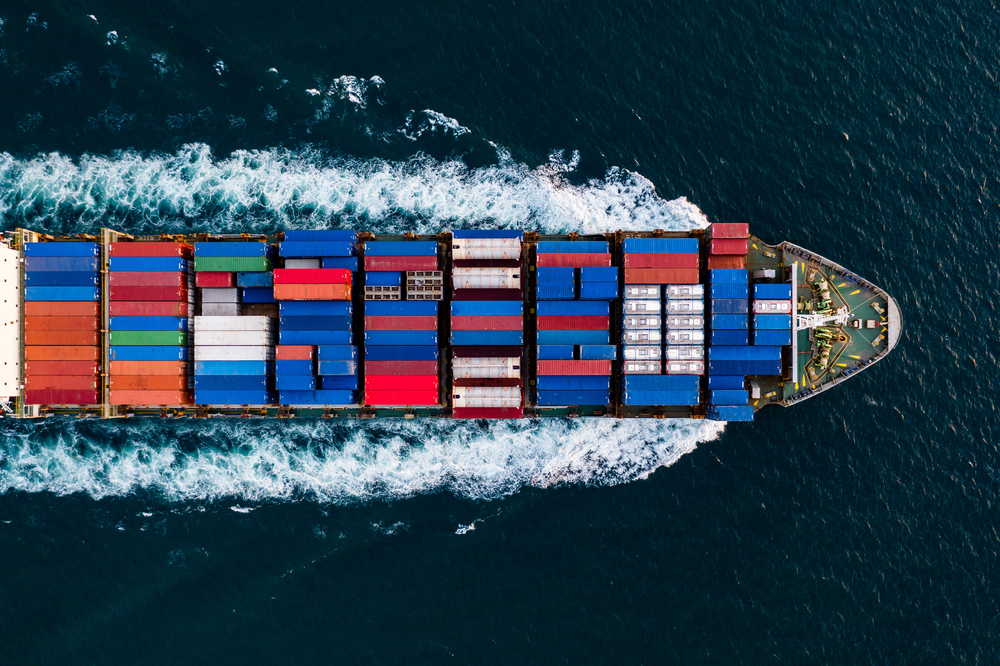
Moving something as heavy as a tunnel section requires vessels designed specifically for this purpose. Custom-built transport ships carefully tow each floating section from the factory to its final position in the Baltic Sea.
The journey happens at a crawl to prevent damage, with tugboats guiding the massive concrete tube through the water. Once at the correct location, workers slowly flood chambers inside the section, causing it to sink in a controlled descent until it rests perfectly in the prepared trench below.
The Tunnel Connects To Existing Road And Rail Networks
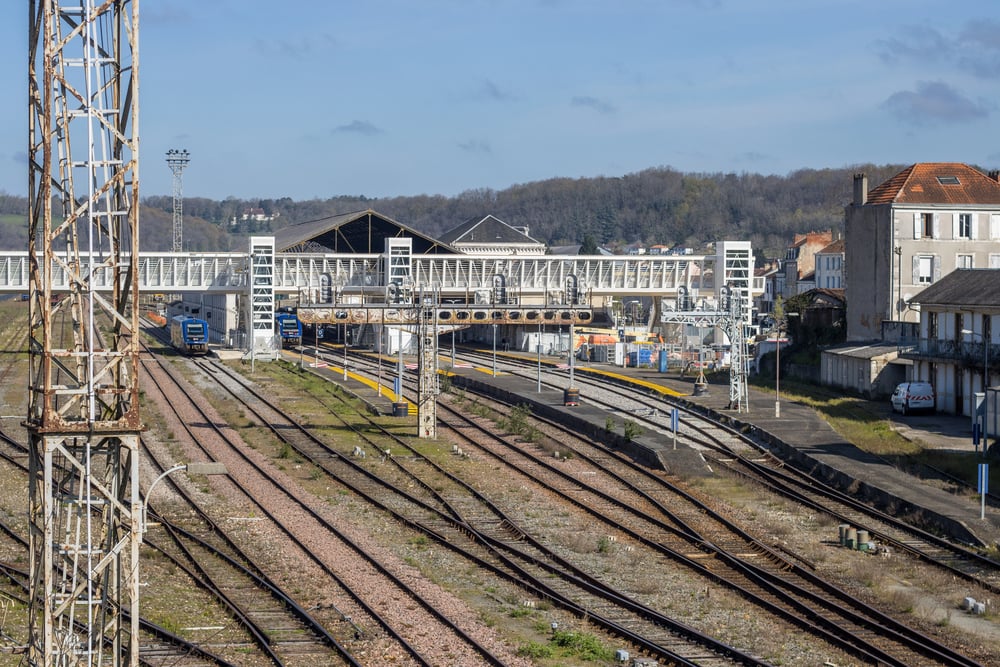
Getting to and from the tunnel requires extensive work on land as well. Both Germany and Denmark are upgrading highways and railway lines to handle the increased traffic that will flow through this new connection.
These improvements include widening roads, building new interchanges, and reinforcing bridges to support heavier loads. The tunnel only works as intended if vehicles and trains can reach it easily and continue smoothly to their destinations, so the connecting infrastructure matters just as much as the underwater portion.
It Features Advanced Ventilation And Safety Systems
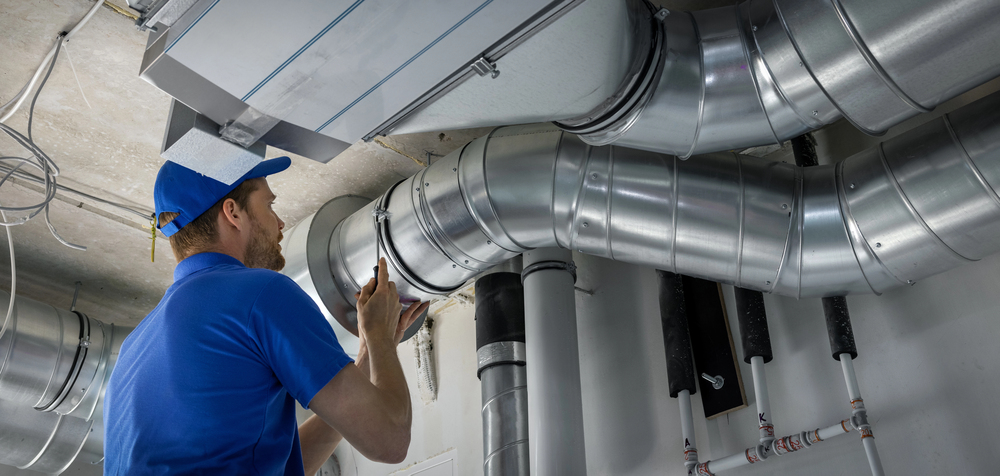
Keeping air fresh and travelers safe inside an 11-mile underwater tunnel requires sophisticated technology. Powerful ventilation fans circulate air continuously, removing vehicle exhaust and maintaining comfortable conditions for everyone inside.
The tunnel also includes emergency exits, fire suppression systems, and communication equipment throughout its length. If something goes wrong, emergency teams can reach any location quickly, and drivers can access safe areas to wait for help.
The Project Creates Thousands Of Jobs

Building the Fehmarnbelt Tunnel employs thousands of people across multiple countries and industries. Workers include concrete specialists, engineers, divers, machine operators, and logistics coordinators.
The economic impact extends beyond direct construction jobs to suppliers, service providers, and businesses supporting the workforce. Communities near the construction sites benefit from increased activity, though some locals have expressed concerns about noise, traffic, and environmental disruption during the building phase.
Environmental Protections Were Built Into The Design
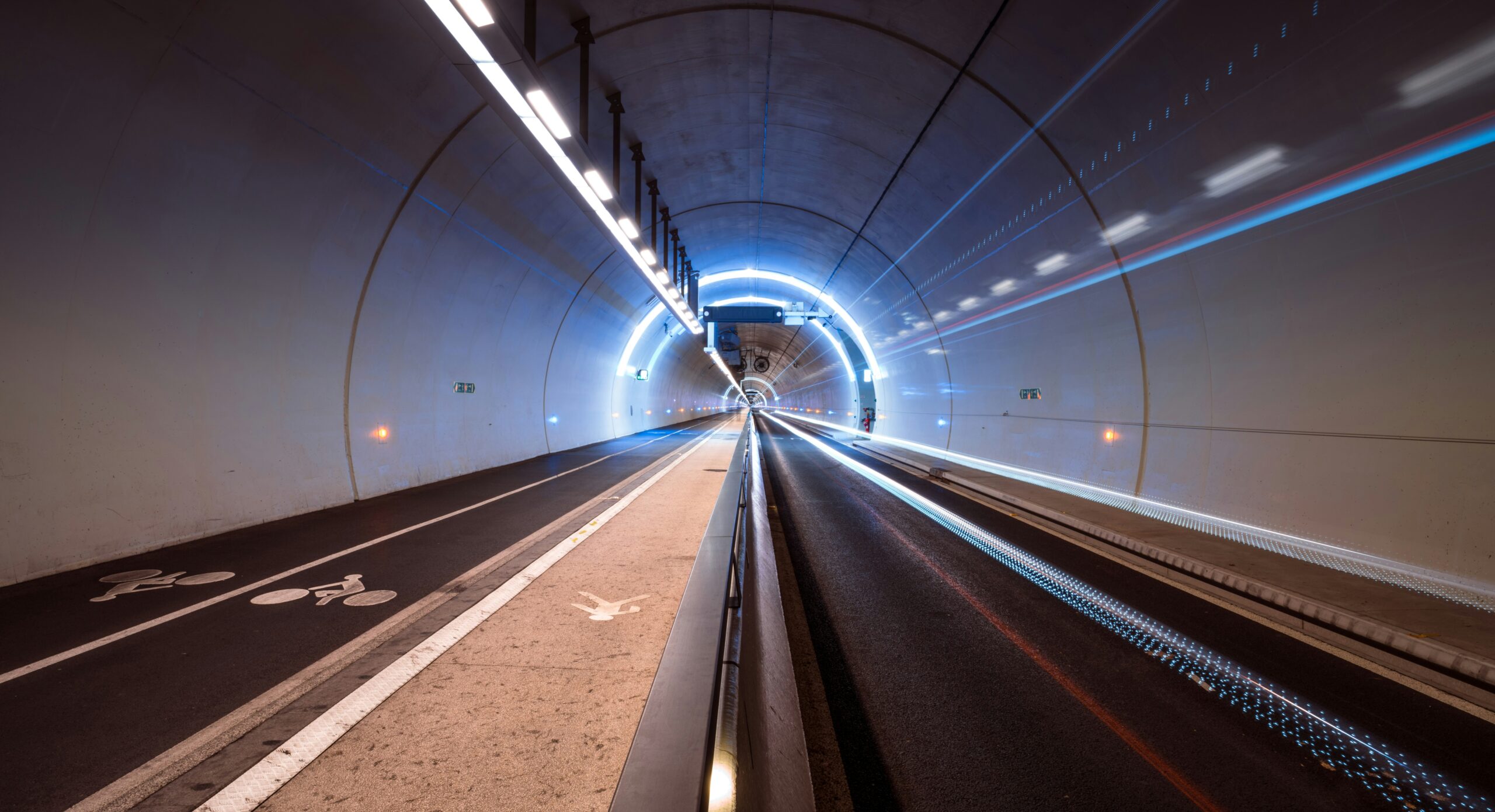
Moving this much concrete and disturbing the seafloor raises legitimate environmental questions. Planners worked with marine biologists to minimize harm to Baltic Sea ecosystems, including fish populations and underwater habitats.
The construction timeline includes seasonal restrictions to avoid disturbing breeding cycles, and monitoring programs track water quality throughout the project. After completion, the buried tunnel actually creates new hard surfaces where marine life can attach and grow, potentially enhancing local biodiversity.
Denmark And Germany Have Debated This Connection For Decades
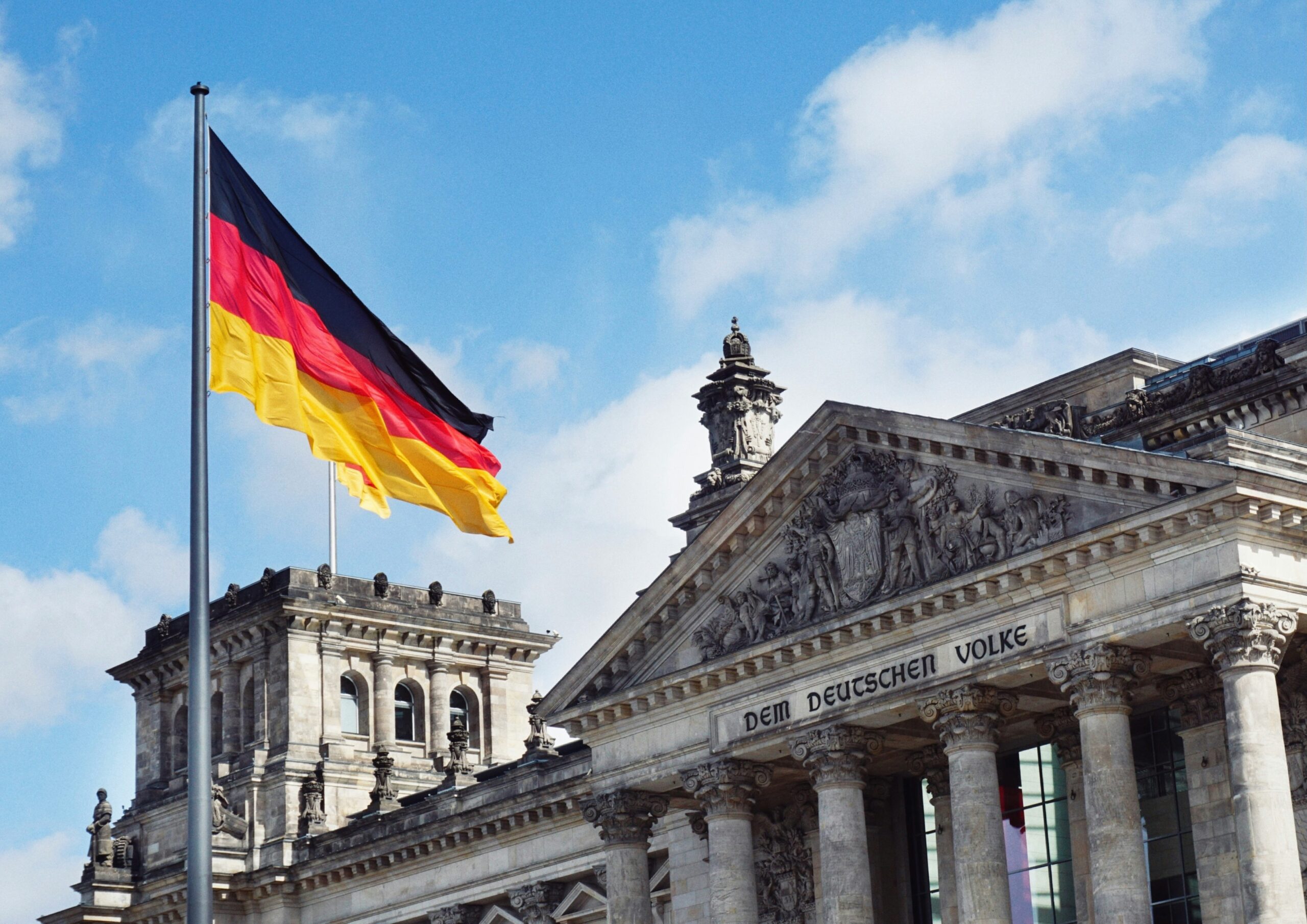
The idea of linking these two countries with a fixed connection isn’t new. Politicians, engineers, and citizens discussed various proposals for more than 20 years before breaking ground on the current project.
Some people worried about costs, environmental impacts, and whether the tunnel would actually get enough use to justify the expense. Others saw it as essential for economic growth and European integration.
The decision to finally move forward came after extensive studies, political negotiations, and public consultations on both sides of the border.
Completion Is Scheduled For 2029
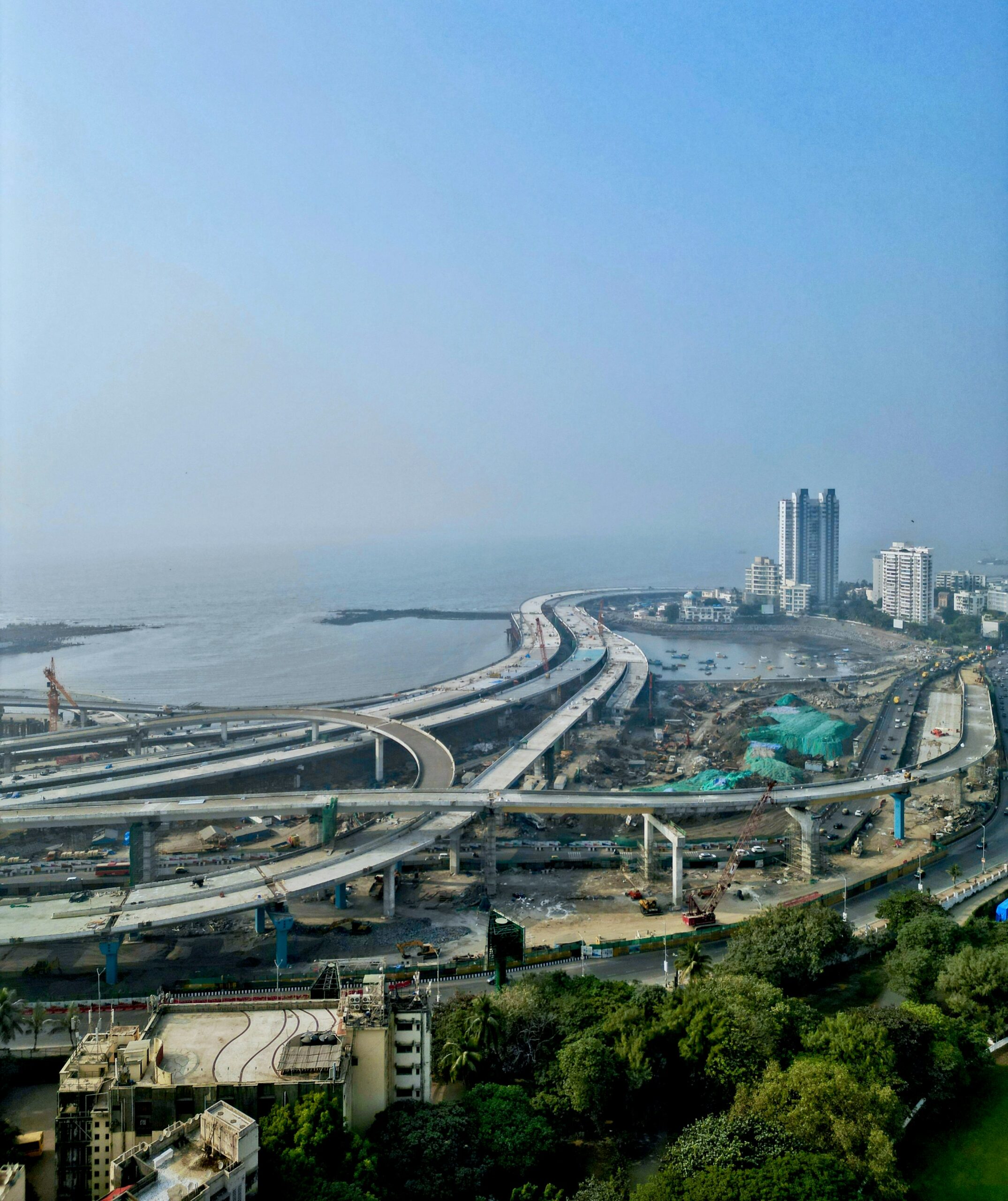
If everything stays on track, the Fehmarnbelt Tunnel should open to traffic in 2029. This timeline accounts for the complex logistics of building and installing all 89 sections, connecting them properly, and testing every system before allowing public access.
Weather delays, technical challenges, and unexpected geological conditions could push the date back, as often happens with major infrastructure projects. However, significant portions of the work are already complete, and progress continues steadily toward the opening day.
The Tunnel Will Transform Trade Routes Across Northern Europe
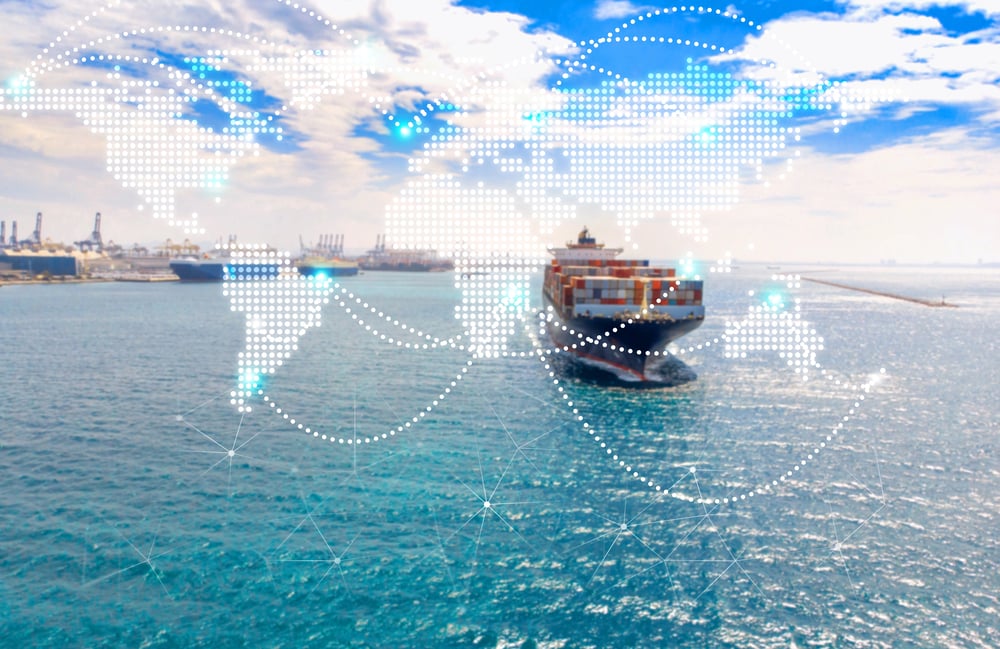
Once operational, this tunnel changes how goods move between Scandinavia and the rest of Europe. Trucks carrying products from Sweden, Norway, and Denmark currently face long detours or ferry delays when heading south.
The direct connection makes these journeys faster and more predictable, which matters enormously for businesses operating on tight schedules. Lower transportation costs could make Scandinavian companies more competitive internationally, while also making it easier for Central European businesses to reach Nordic markets.
A Lasting Link Beneath The Waves
The Fehmarnbelt Tunnel represents more than just concrete and engineering prowess. It shows what happens when neighboring countries commit to a shared vision that benefits everyone, even when the price tag seems overwhelming.
Decades from now, people will drive or ride trains through this passage without thinking much about the massive effort required to put it there. The tunnel will simply be part of the landscape, a normal piece of infrastructure that makes life easier and brings communities closer together in ways both practical and profound.
More from Go2Tutors!

- The Romanov Crown Jewels and Their Tragic Fate
- 13 Historical Mysteries That Science Still Can’t Solve
- Famous Hoaxes That Fooled the World for Years
- 15 Child Stars with Tragic Adult Lives
- 16 Famous Jewelry Pieces in History
Like Go2Tutors’s content? Follow us on MSN.