Elite Schools With Brutal Acceptance Rates
Getting into college used to feel like a reasonable goal. You did your homework, joined a club or two, wrote a decent essay, and crossed your fingers.
These days, applying to elite schools feels more like entering a lottery where the house always wins. The numbers tell a sobering story: schools that once accepted one in four applicants now turn away nineteen out of twenty.
Behind every acceptance letter lies a trail of near-perfect test scores, flawless transcripts, and extracurricular achievements that would exhaust most adults. Yet students keep applying in ever-growing numbers, chasing dreams that grow more elusive each year.
Harvard University
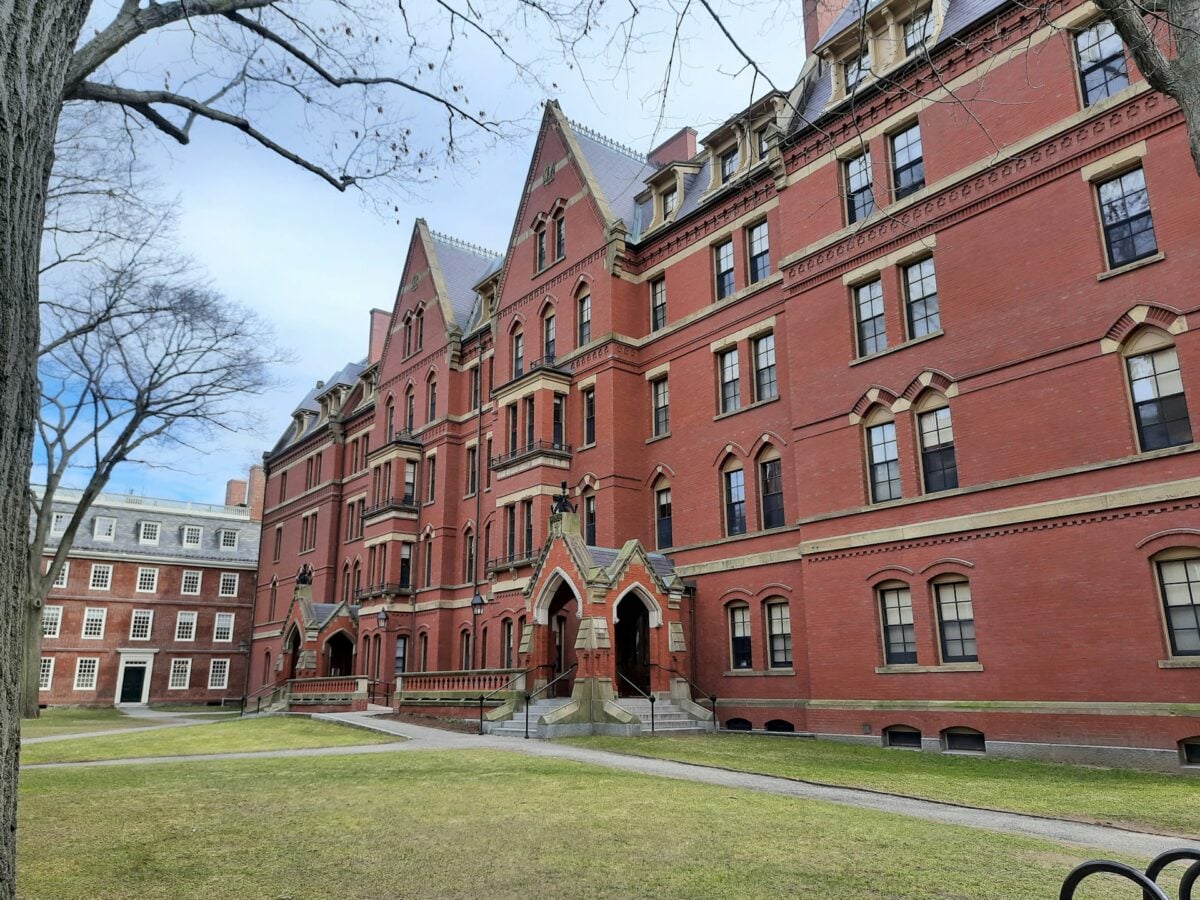
Harvard doesn’t mess around. The acceptance rate hovers around 3.4%.
That means if you lined up 100 qualified applicants, 97 would walk away empty-handed. The school receives over 60,000 applications annually.
Most of these students were valedictorians. Most had perfect or near-perfect SAT scores.
Most founded nonprofits, conducted research, or captained varsity teams. Harvard still says no to nearly all of them.
Stanford University
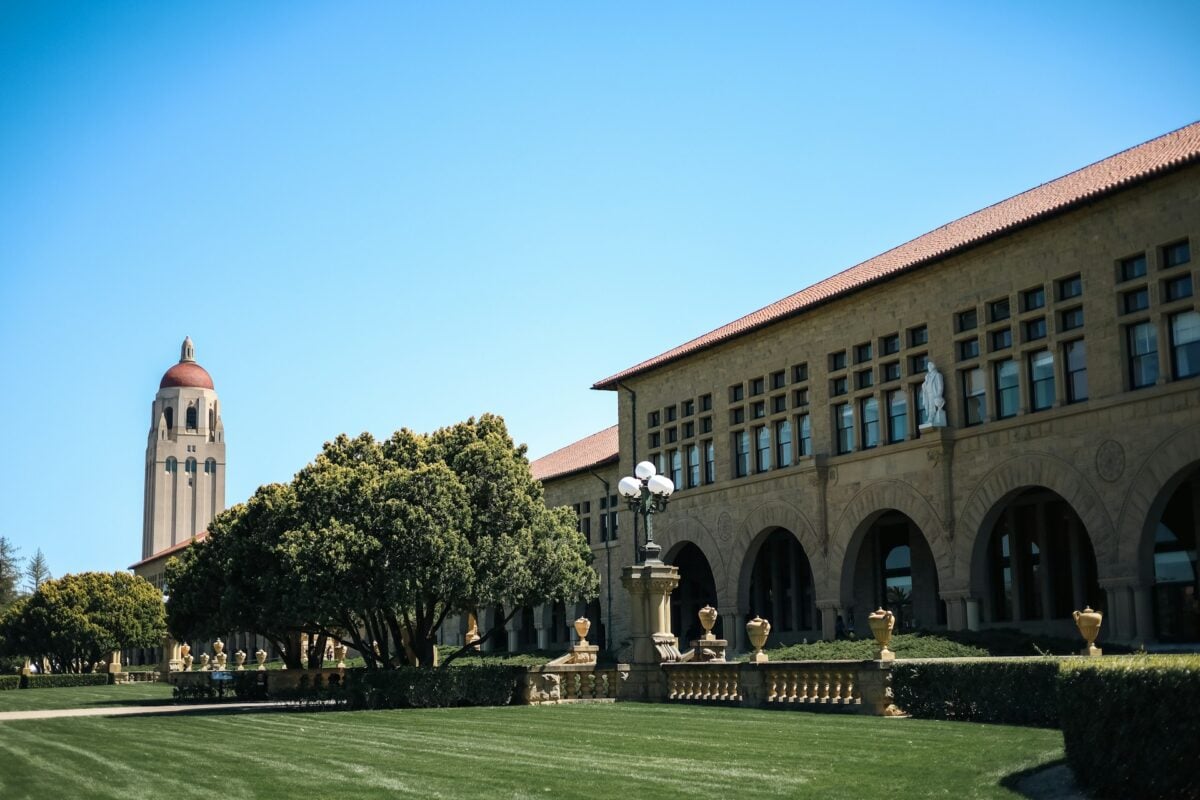
Stanford’s acceptance rate makes Harvard look generous. The university accepts roughly 3.9% of applicants, but the story gets worse when you dig deeper (because Stanford applications have tripled over the past two decades, which means the raw number of rejections has reached almost comical proportions).
Walking across Stanford’s campus, you might wonder what combination of brilliance, luck, and strategic positioning landed these students here — and honestly, many of them wonder the same thing. So do their parents. The admissions process has become so unpredictable that guidance counselors have stopped making confident predictions about who gets in and who doesn’t.
Columbia University
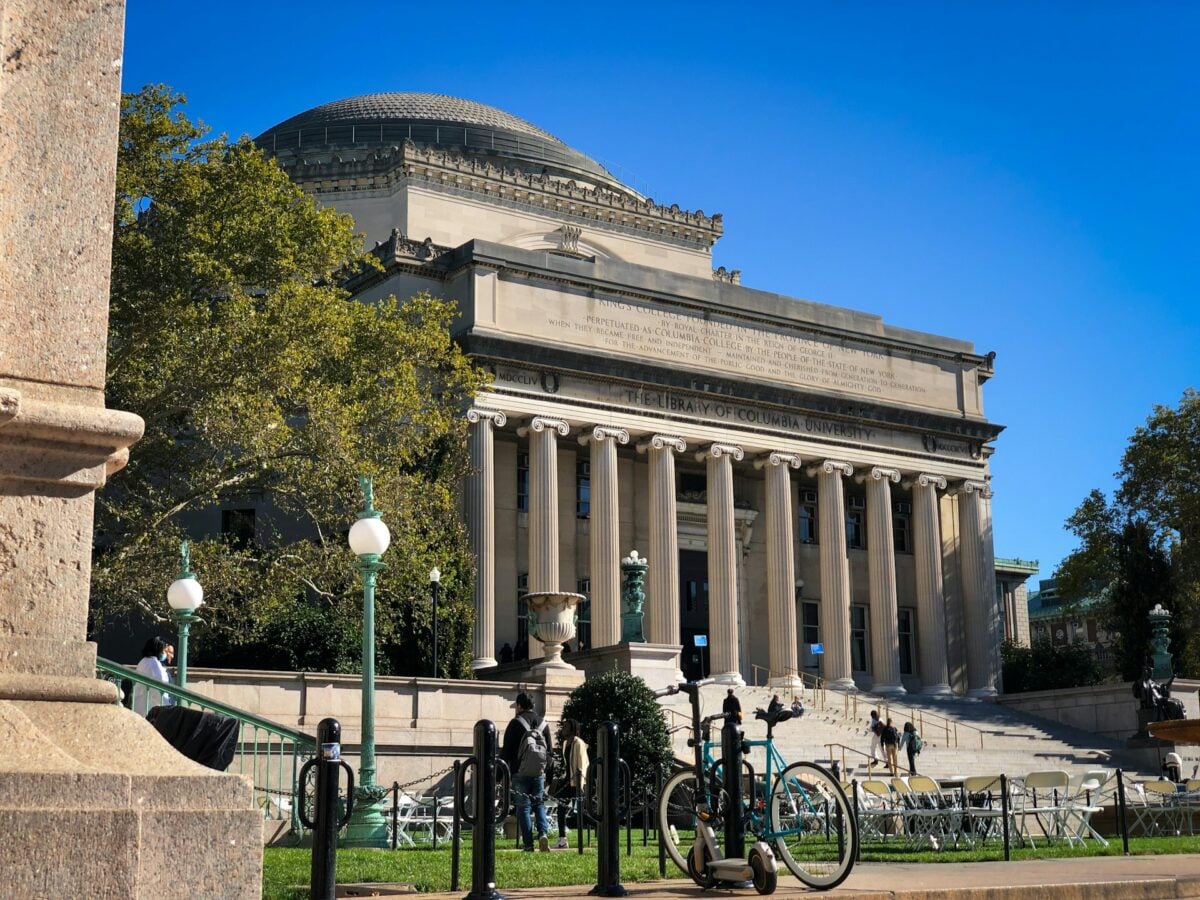
Picture a velvet rope outside an exclusive nightclub, except the bouncer has a PhD and the line stretches around several city blocks. That’s Columbia.
The acceptance rate sits at approximately 3.7%, but the real story lives in the details that don’t make it into the statistics. Students who get rejected from Columbia often possess credentials that would have guaranteed admission twenty years ago — perfect grades, leadership roles, volunteer work that spans continents.
The school has become so selective that it functions less like an educational institution and more like a rare artifact that only a chosen few get to touch.
Massachusetts Institute of Technology
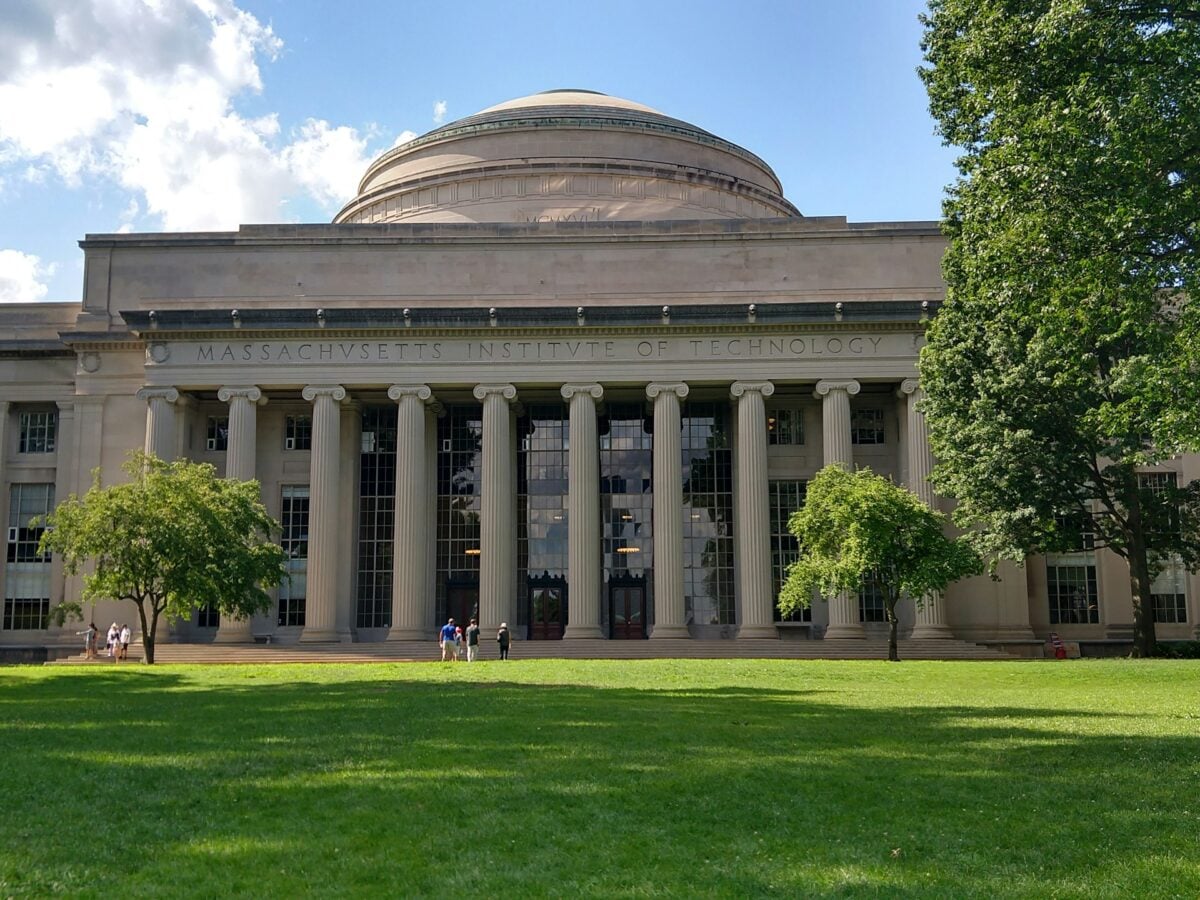
MIT accepts about 4% of applicants. The school doesn’t care how charming you are or how many community service hours you logged.
It wants to see proof that you can think. Engineering students who get rejected from MIT often end up thriving at other top programs.
The rejection says more about the numbers game than about their potential. But MIT’s brand carries weight that’s hard to replicate elsewhere.
Yale University
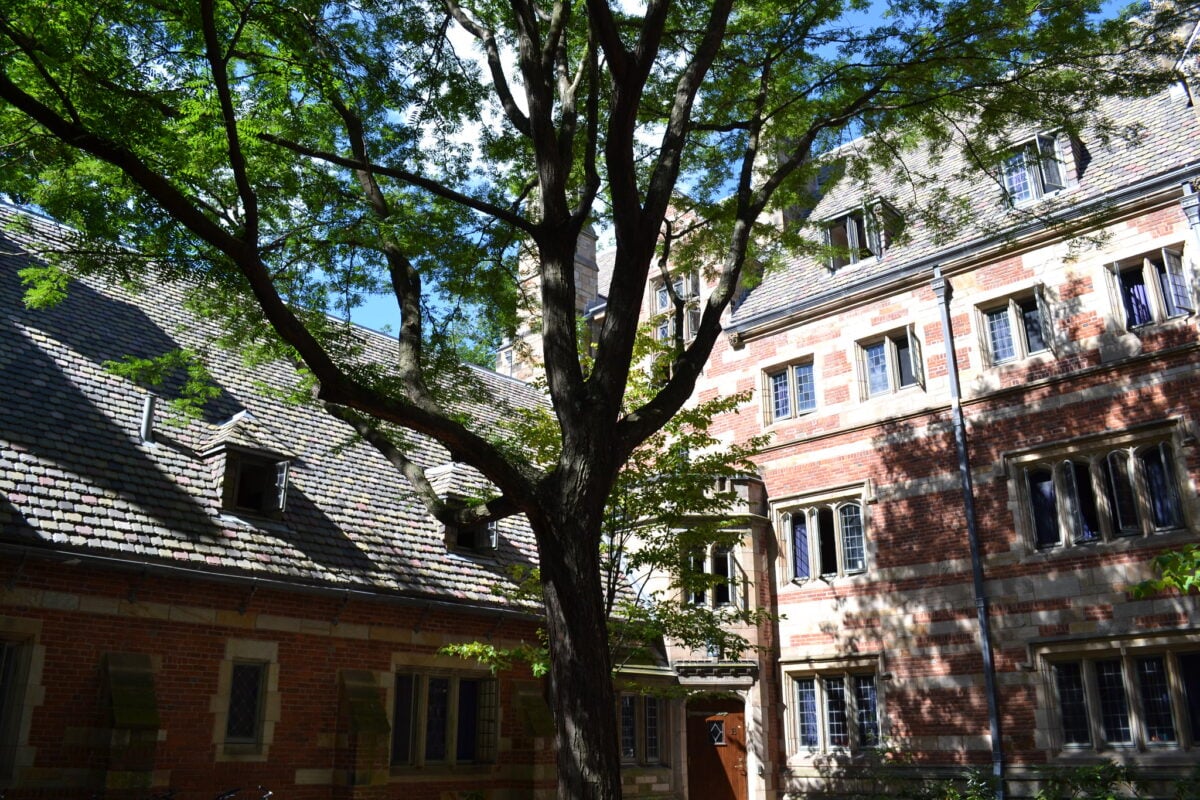
The thing about Yale is that it breeds a particular type of confidence — the kind that comes from surviving a selection process so ruthless it makes job interviews look casual (and the confidence shows up in everything from the way students walk across campus to how they introduce themselves at parties decades later). With an acceptance rate around 4.6%, Yale doesn’t just choose students; it chooses people who will carry the Yale name into positions of influence for the next fifty years.
And Yale takes that responsibility seriously, which explains why the admissions process feels less like an evaluation and more like an audition for a lifetime role you didn’t know you were trying out for. But the school delivers on its promise: Yale graduates tend to end up running things.
Princeton University
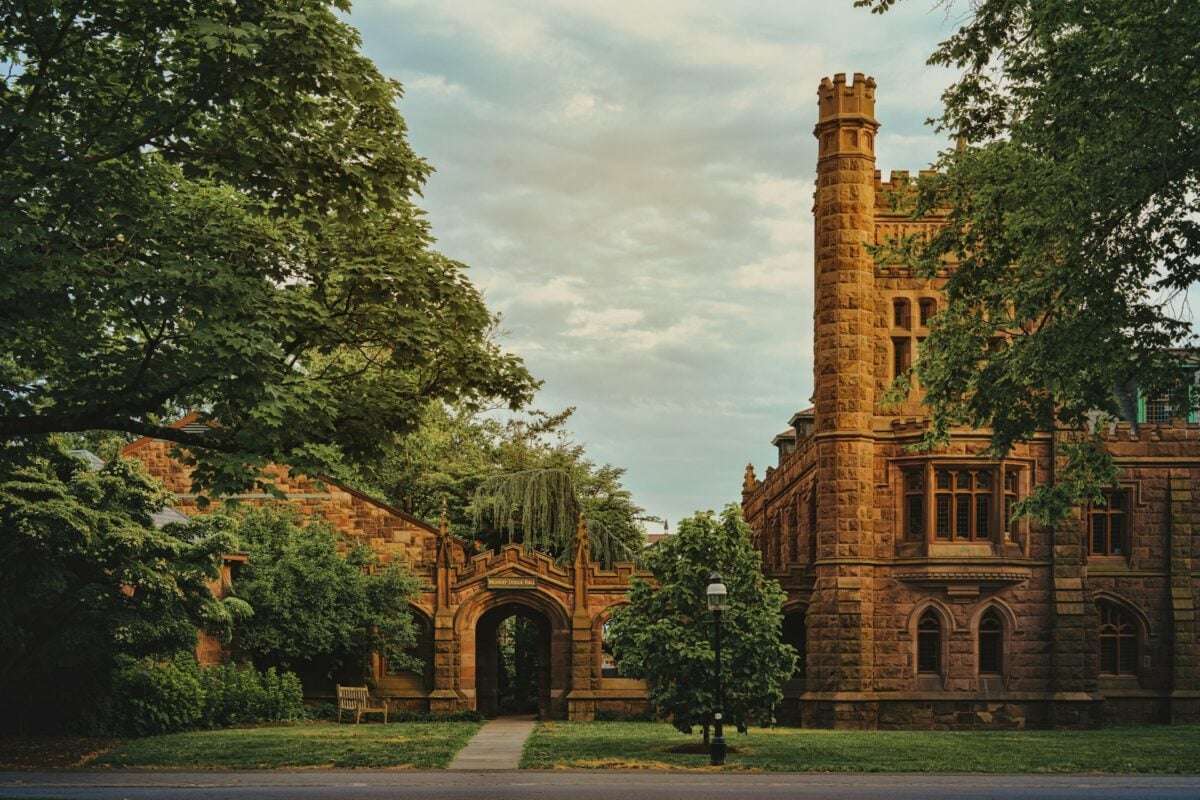
Princeton sits in a category by itself when it comes to undergraduate focus. The acceptance rate of 4% reflects a school that has decided it would rather be impossibly selective than compromise its vision.
Students at Princeton benefit from resources that most universities can’t match. Small class sizes, renowned faculty, and an endowment that eliminates financial barriers for admitted students.
The school earns its reputation, which makes the rejection rate sting more for students who recognize quality when they see it.
California Institute of Technology

Caltech operates like a scientific instrument designed to identify the most analytically gifted minds in the world. The acceptance rate hovers around 3.9%, but that number barely captures the intensity of the selection process.
This isn’t a school for well-rounded students who happen to be good at math; it’s a place where future Nobel laureates learn to think in ways that most people can’t follow. The campus feels more like a research laboratory than a traditional college, and the students move through their coursework with a focus that borders on obsessive.
Which makes sense, because solving the hardest problems in science requires exactly that kind of obsessive focus.
University of Chicago
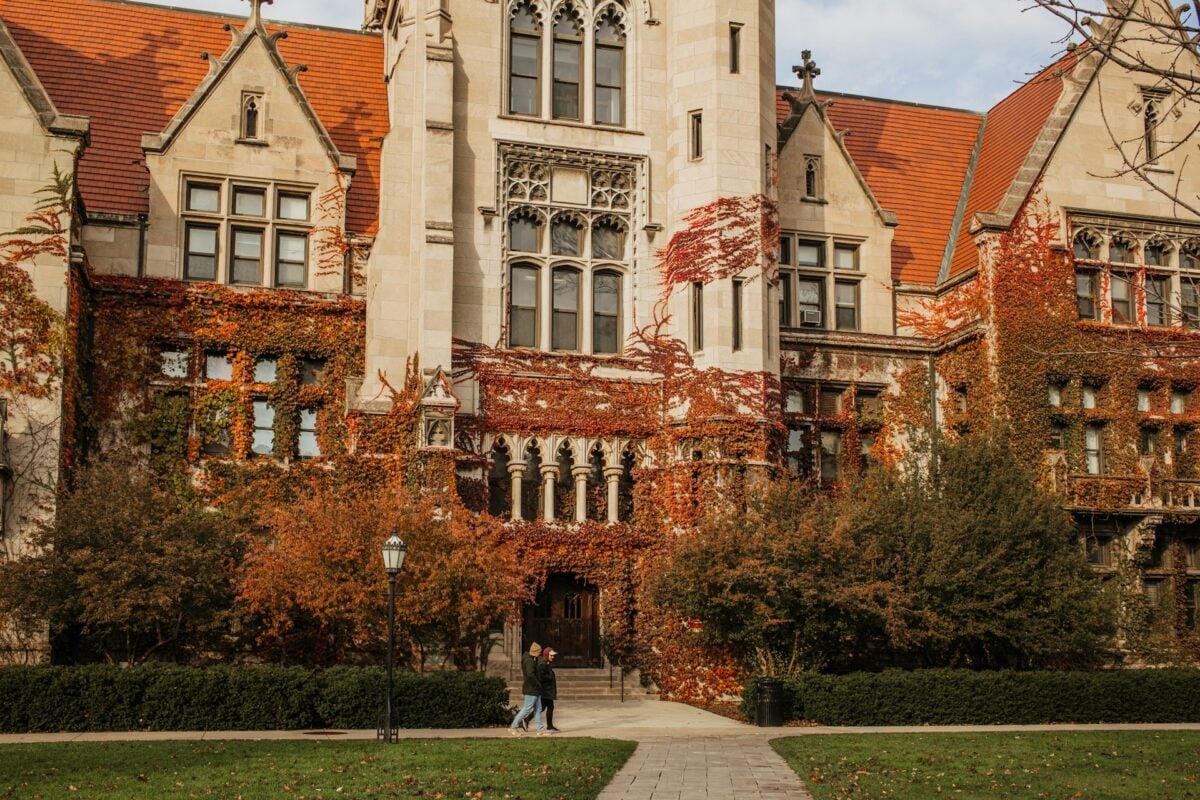
Chicago accepts roughly 5.4% of applicants. The school has built its reputation on intellectual rigor that makes other elite institutions look relaxed.
Students don’t choose Chicago for its social scene or campus beauty. They choose it because they want their ideas challenged daily.
The school delivers on that promise, sometimes more aggressively than students expect.
Brown University
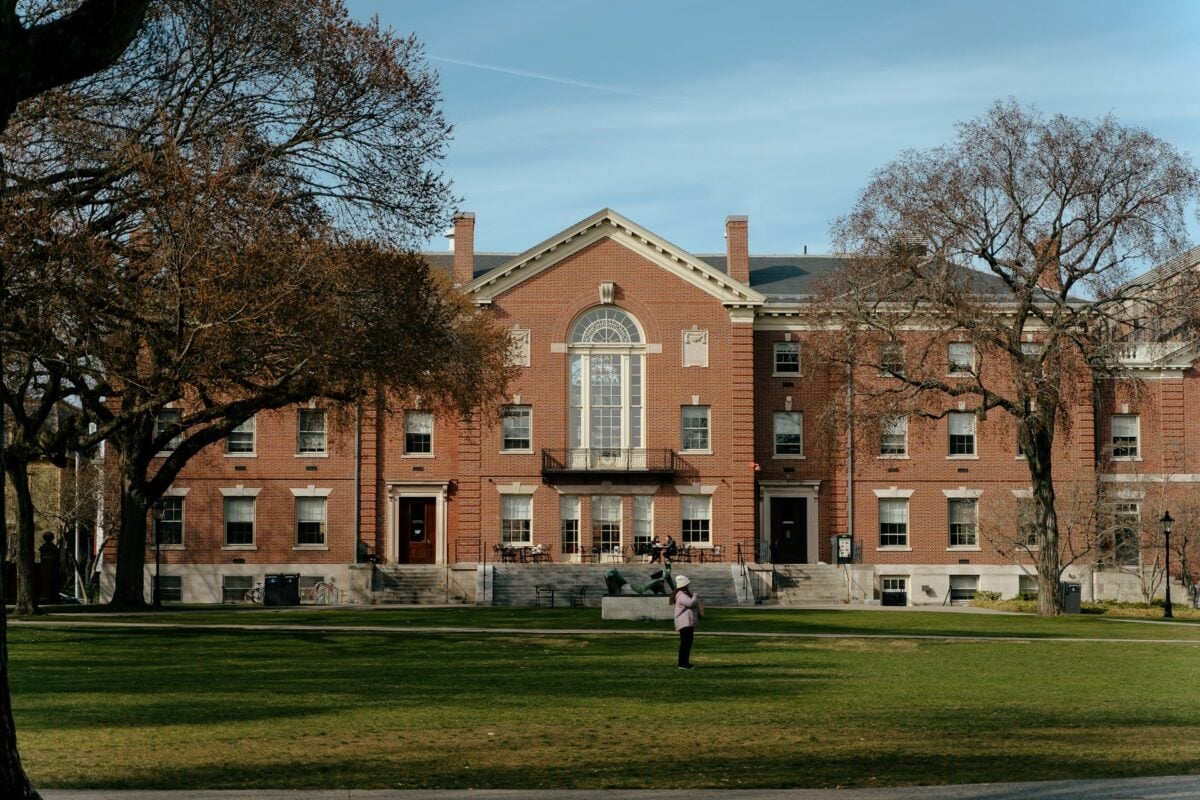
Brown’s open curriculum attracts students who want freedom to design their own education, but getting that freedom requires surviving an acceptance rate of about 5.1% (which creates an interesting paradox: the school that offers the most academic flexibility maintains some of the most rigid admissions standards in the country). Students who make it through Brown’s admissions process often possess a combination of academic excellence and creative thinking that traditional metrics struggle to capture.
And Brown knows this, which is why their admissions essays tend to be more unconventional than what you’d find at other Ivy League schools. So the students who end up on College Hill usually bring perspectives that don’t fit neatly into categories, and that’s exactly what Brown wants.
Dartmouth College
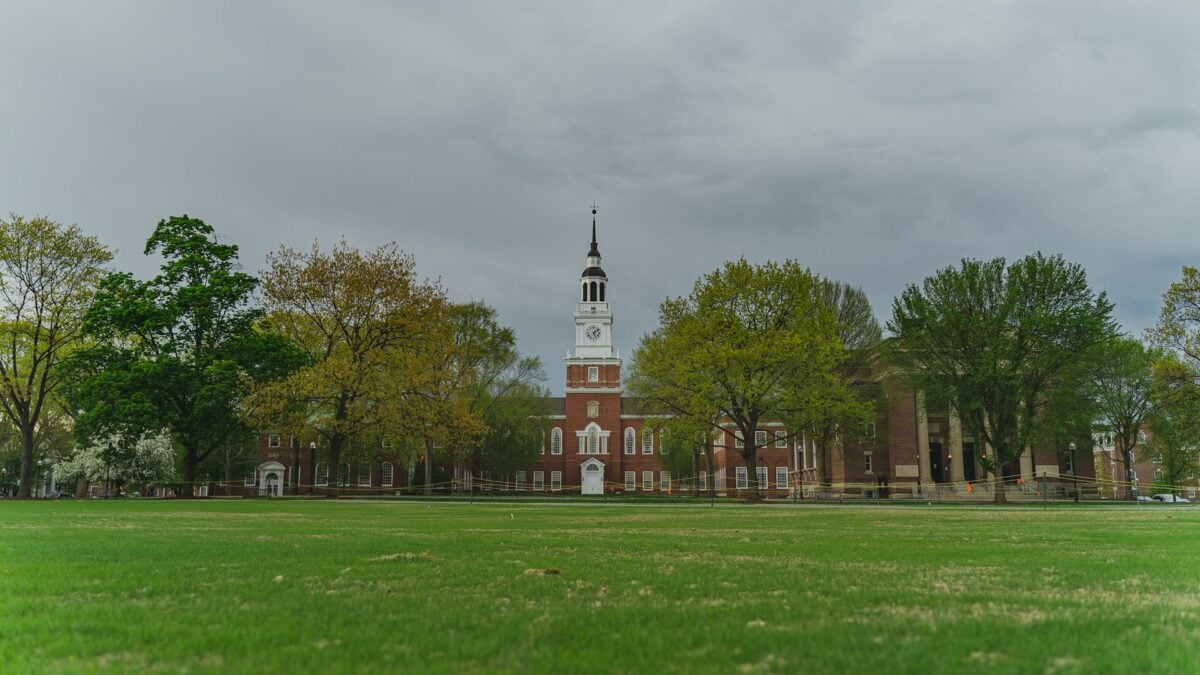
Dartmouth’s acceptance rate sits around 6.2%. The school maintains a culture that feels more accessible than other Ivy League institutions, but the numbers don’t lie about selectivity.
Students who thrive at Dartmouth tend to value community and outdoor adventure alongside academic achievement. The school attracts applicants who want excellence without the cutthroat competition found elsewhere.
That combination proves popular enough to keep admission rates low.
University of Pennsylvania
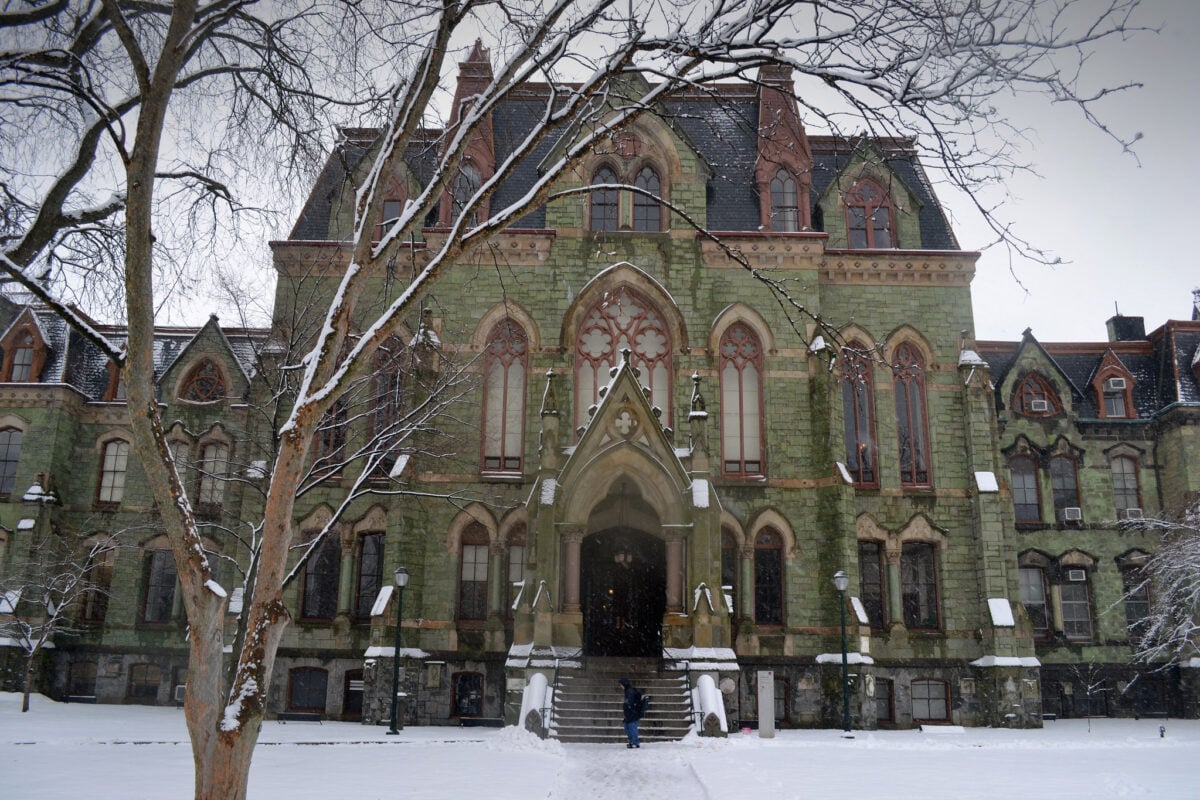
Penn operates in an interesting space where business ambition meets Ivy League tradition. The acceptance rate of approximately 5.8% reflects a school that has mastered the art of producing graduates who understand both ideas and markets.
The school’s connection to Wharton gives it a practical edge that pure liberal arts institutions can’t match. Students arrive knowing they’re training for leadership roles in fields that shape global economics.
That clarity of purpose attracts applications from students who see education as preparation for influence.
Northwestern University
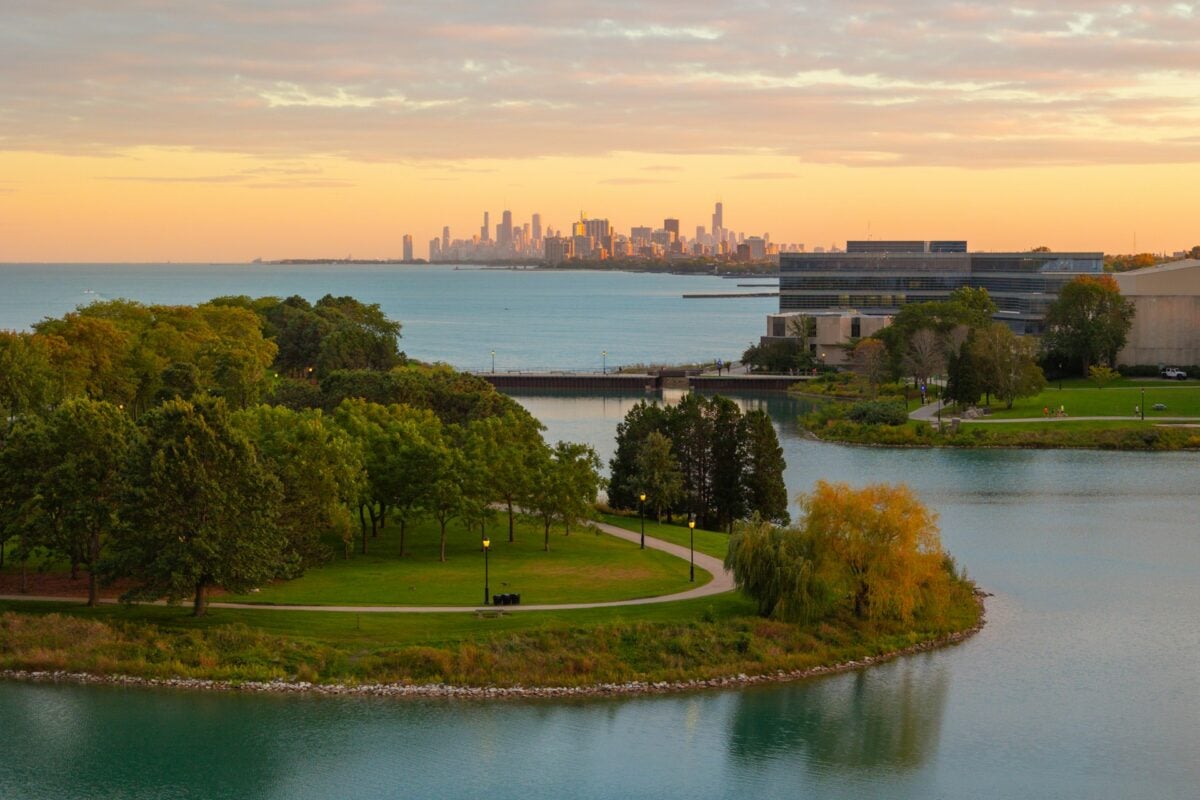
Northwestern’s 7% acceptance rate reflects a school that refuses to choose between academic excellence and practical preparation. The university has built programs that consistently produce graduates who succeed in competitive fields like journalism, theater, and business.
Students at Northwestern benefit from proximity to Chicago and a culture that values both intellectual curiosity and professional competence. The school attracts applicants who want their education to lead somewhere specific, not just somewhere prestigious.
Duke University

Duke combines academic rigor with a social culture that other elite schools struggle to match. The acceptance rate of around 6% reflects demand from students who want both intellectual challenge and a traditional college experience.
The school’s basketball program creates a campus energy that purely academic institutions can’t replicate. Students get serious about their studies and serious about school spirit, which turns out to be a combination that many high achievers find appealing.
Vanderbilt University
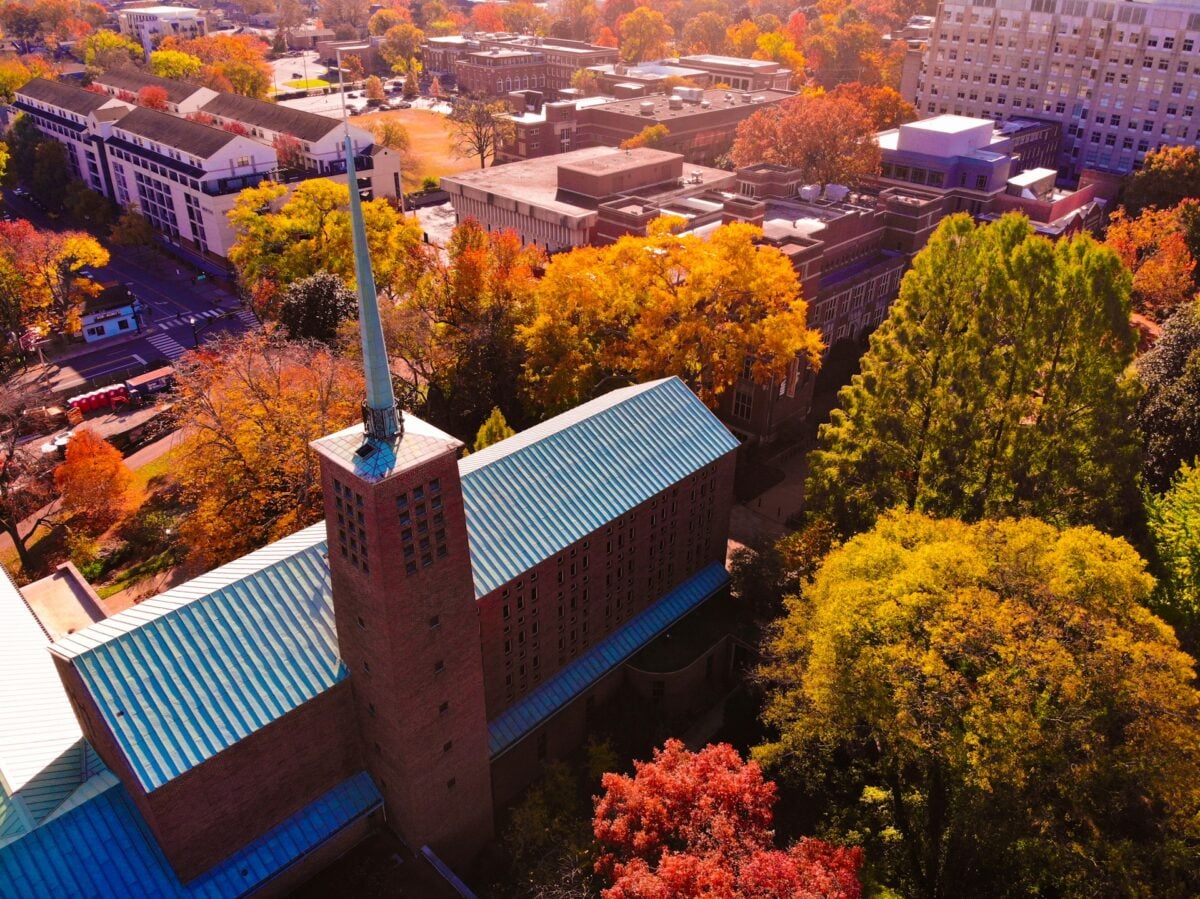
Vanderbilt’s transformation from regional powerhouse to national elite institution shows up in an acceptance rate that has dropped to approximately 6.7%. The school has managed to attract top students while maintaining a campus culture that actually feels enjoyable.
Students at Vanderbilt get access to resources that rival any institution in the country, but without the academic pressure that makes some elite schools feel oppressive. The school proves that selectivity doesn’t require misery, which explains why applications keep increasing.
The Weight of Numbers

These acceptance rates represent more than statistical curiosities. Behind each percentage point sit thousands of students whose high school years were shaped by the pursuit of credentials that might — might — earn them a spot at schools that have become symbols of achievement in American culture.
The students who get rejected often possess qualifications that would have guaranteed admission to these same institutions a generation ago, but the mathematics of supply and demand don’t care about historical precedent. So families spend fortunes on test prep, essay coaches, and extracurricular programs designed to manufacture the kind of distinctiveness that admissions committees claim to value, creating an arms race where the finish line keeps moving further away.
More from Go2Tutors!

- The Romanov Crown Jewels and Their Tragic Fate
- 13 Historical Mysteries That Science Still Can’t Solve
- Famous Hoaxes That Fooled the World for Years
- 15 Child Stars with Tragic Adult Lives
- 16 Famous Jewelry Pieces in History
Like Go2Tutors’s content? Follow us on MSN.



