Most Expensive Military Jets Officially Ranked Today
The sticker shock hits differently when you’re talking about fighter jets. These aren’t just flying machines — they’re the kind of hardware that makes defense contractors rich and taxpayers wince.
The numbers get thrown around so casually in Pentagon briefings that it’s easy to forget we’re talking about individual aircraft that cost more than most small countries’ annual budgets.But here’s what makes these price tags fascinating: they tell the story of what nations consider essential for their survival.
Every billion-dollar development program represents a bet on the future of warfare, and every procurement decision reveals how seriously a country takes its threats — real or imagined.
F-35 Lightning II
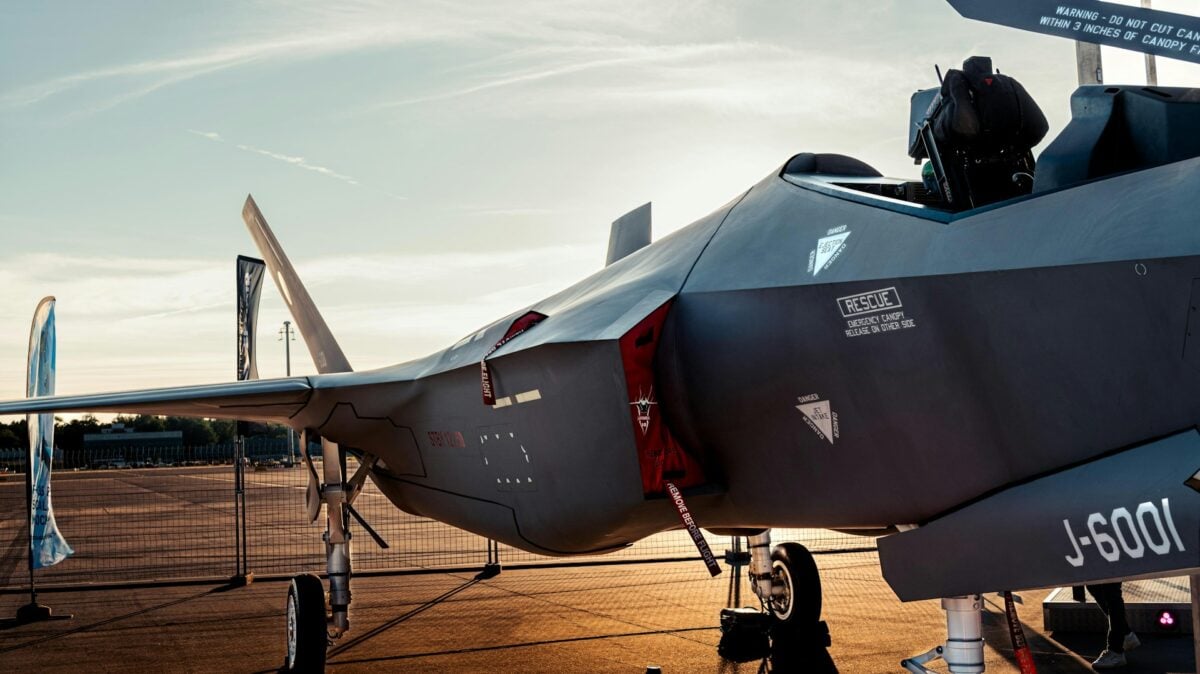
The F-35 program broke every rule about military spending. $1.7 trillion total program cost.
Each jet runs about $80-110 million depending on the variant you choose.This plane was supposed to do everything for everyone.
One design for the Air Force, Navy, and Marines. What could go wrong?
B-2 Spirit Stealth Bomber
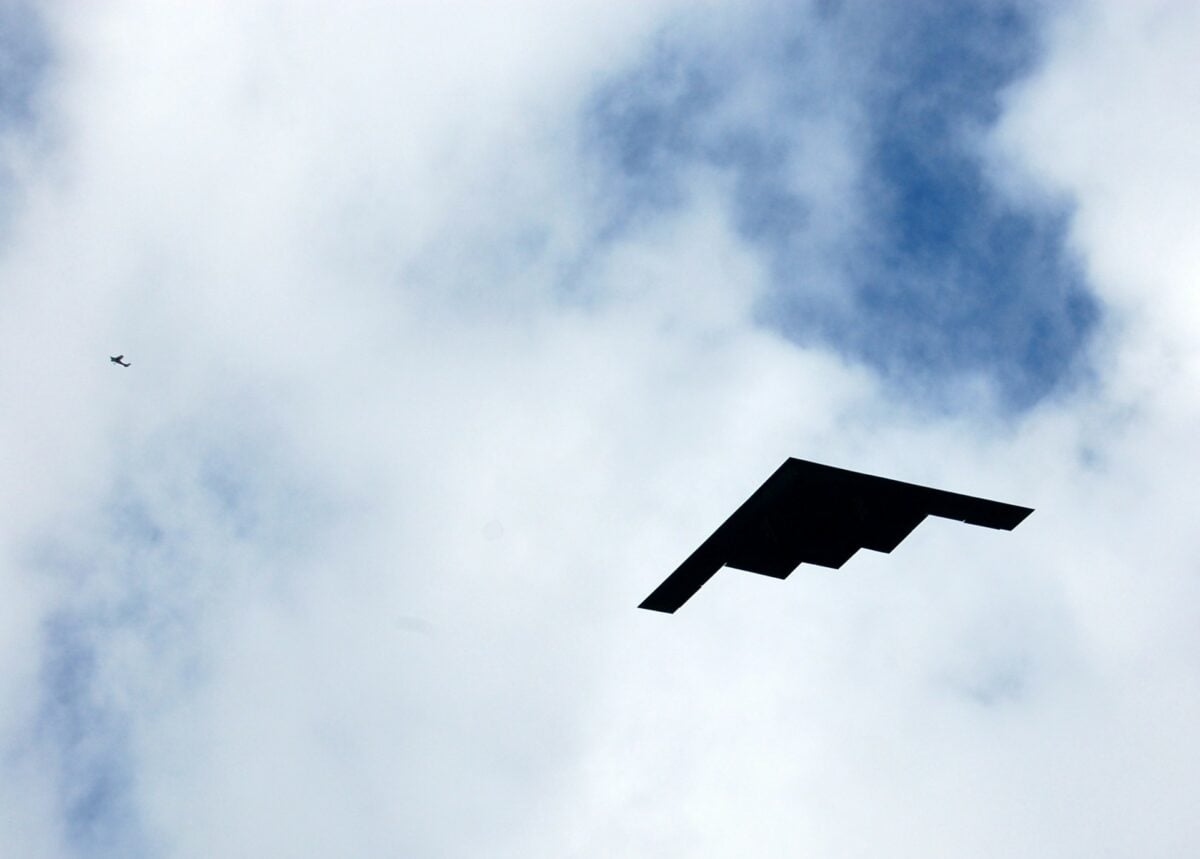
When you divide the total program cost by the number of planes actually built, each B-2 Spirit cost $2.1 billion. That’s not a typo.
The Pentagon ordered 132 of these stealth bombers back in the 1980s, but (and this is where the math gets brutal) they ended up building just 21. So all that research and development money — the wind tunnel testing, the exotic materials research, the software development — got spread across a fraction of the planned fleet.
The result is an aircraft that costs more than some countries’ entire defense budgets, and yet remains one of the most capable strategic bombers ever built, which is saying something given that it first flew when most people still used dial-up internet.
F-22 Raptor
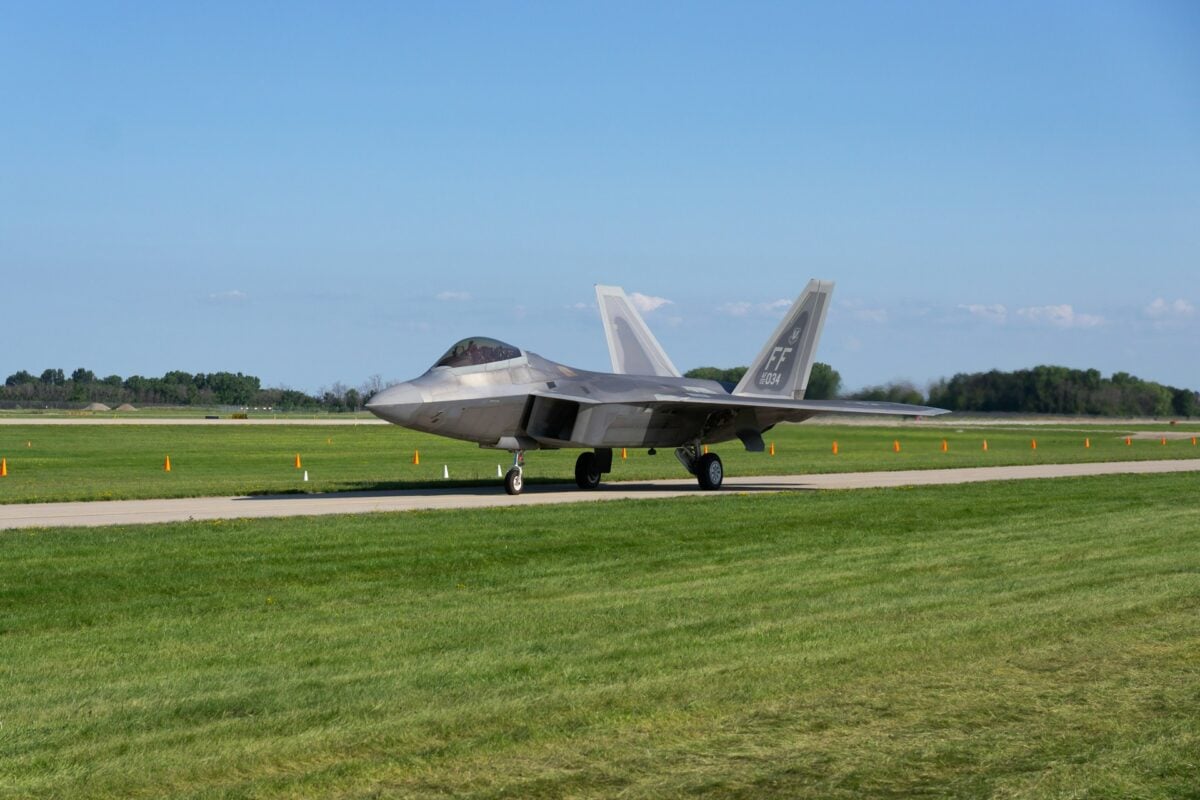
Air superiority doesn’t come cheap. Each F-22 costs around $150 million, but the real pain comes from the total program expense.
Congress capped production at 187 aircraft. The Air Force wanted 750. Basic economics kicked in — spread those development costs across fewer planes and watch the unit price explode.
Eurofighter Typhoon
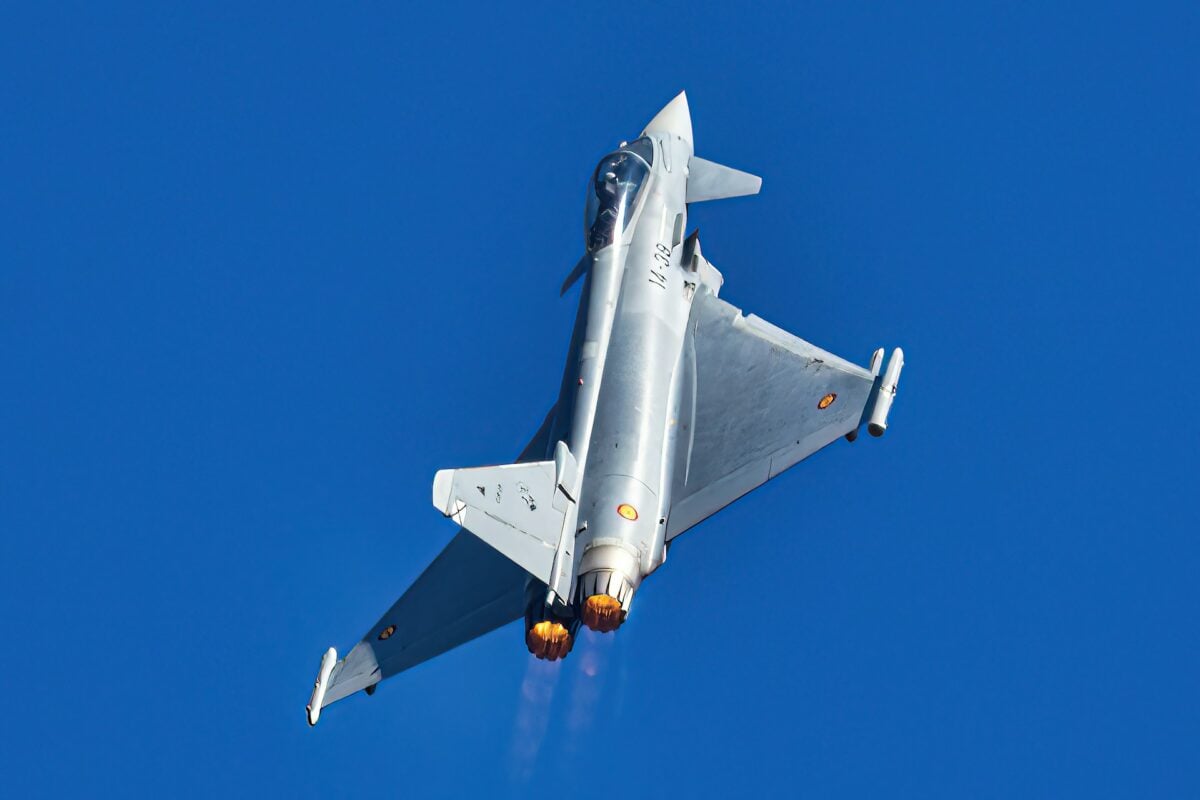
European cooperation sounds noble until you see the price tag. This four-nation project (UK, Germany, Italy, Spain) produces jets that cost roughly $90-120 million each.
The Typhoon works well enough, but coordinating requirements across multiple countries turns out to be expensive. Who knew that getting four different air forces to agree on specifications would drive up costs?
Dassault Rafale
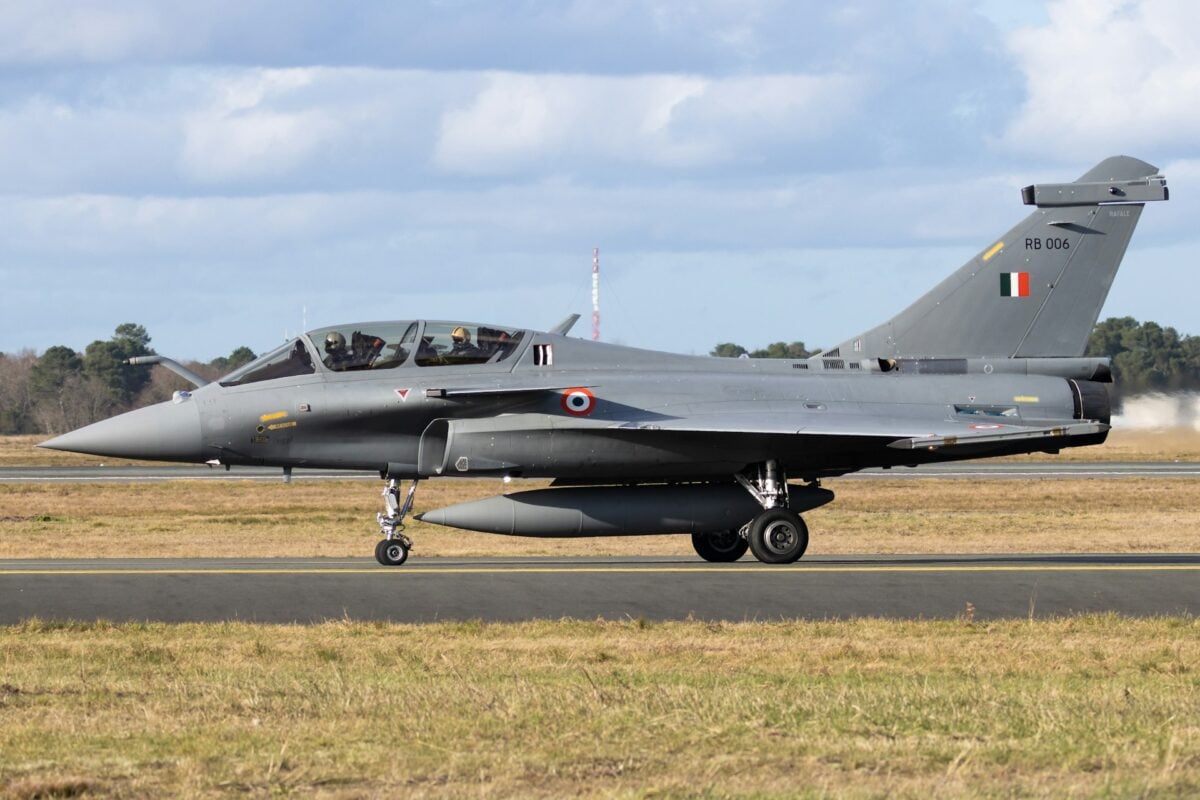
France decided to go alone after leaving the Eurofighter project, and the Rafale represents what happens when a single nation shoulders the entire development burden. At around $85-90 million per aircraft, it’s actually more affordable than many of its competitors — though that’s a relative term when you’re talking about cutting-edge fighter jets.
The French approach had its advantages: no committee meetings with foreign partners, no compromises to accommodate different operational requirements, no diplomatic delays when technical decisions needed to be made. But it also meant that Dassault and the French government absorbed costs that might have been shared across multiple nations, and the smaller production run (compared to what a multinational program might achieve) kept per-unit costs higher than they might otherwise have been.
F/A-18E/F Super Hornet
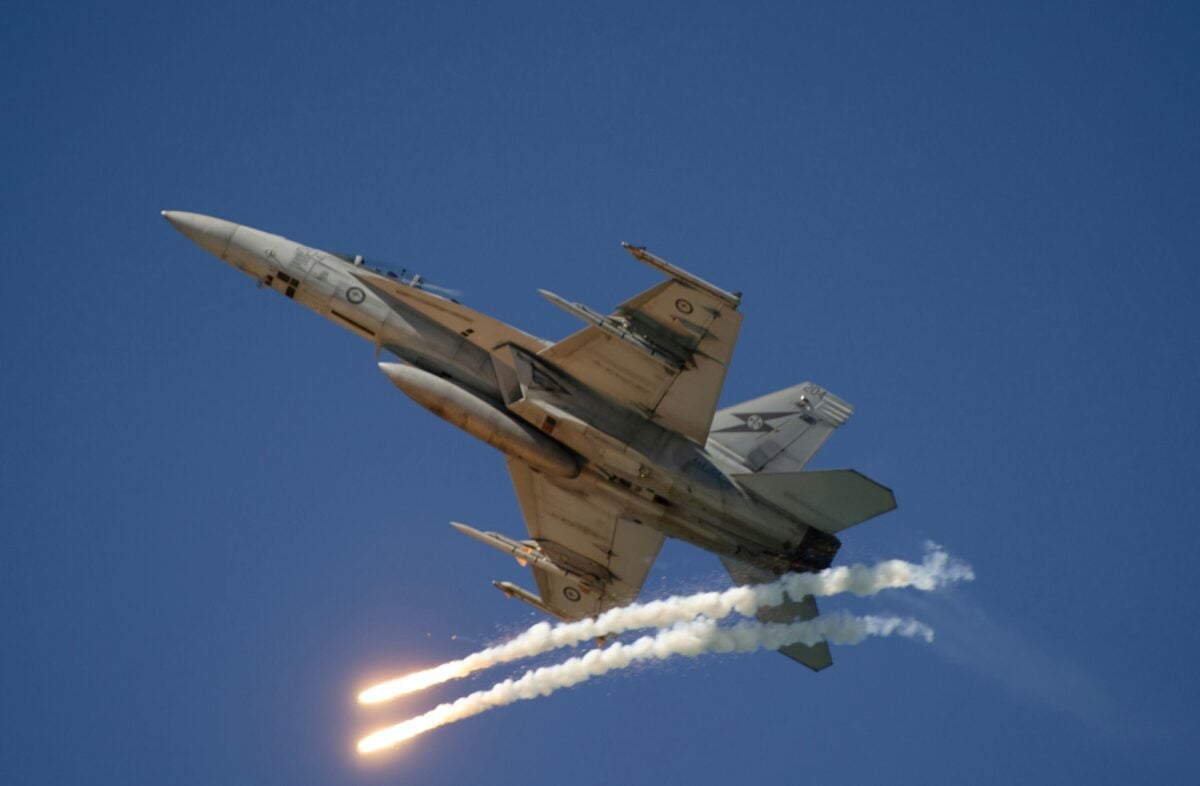
The Super Hornet represents something rare in modern military aviation: a reasonable approach to capability and cost. At around $70 million per aircraft, it’s practically a bargain in today’s fighter market.
Boeing took the original Hornet design and stretched it, upgraded it, and refined it without reinventing everything from scratch. The result lacks the exotic appeal of stealth technology, but it gets the job done reliably and without the maintenance nightmares that plague more complex aircraft.
Sukhoi Su-57
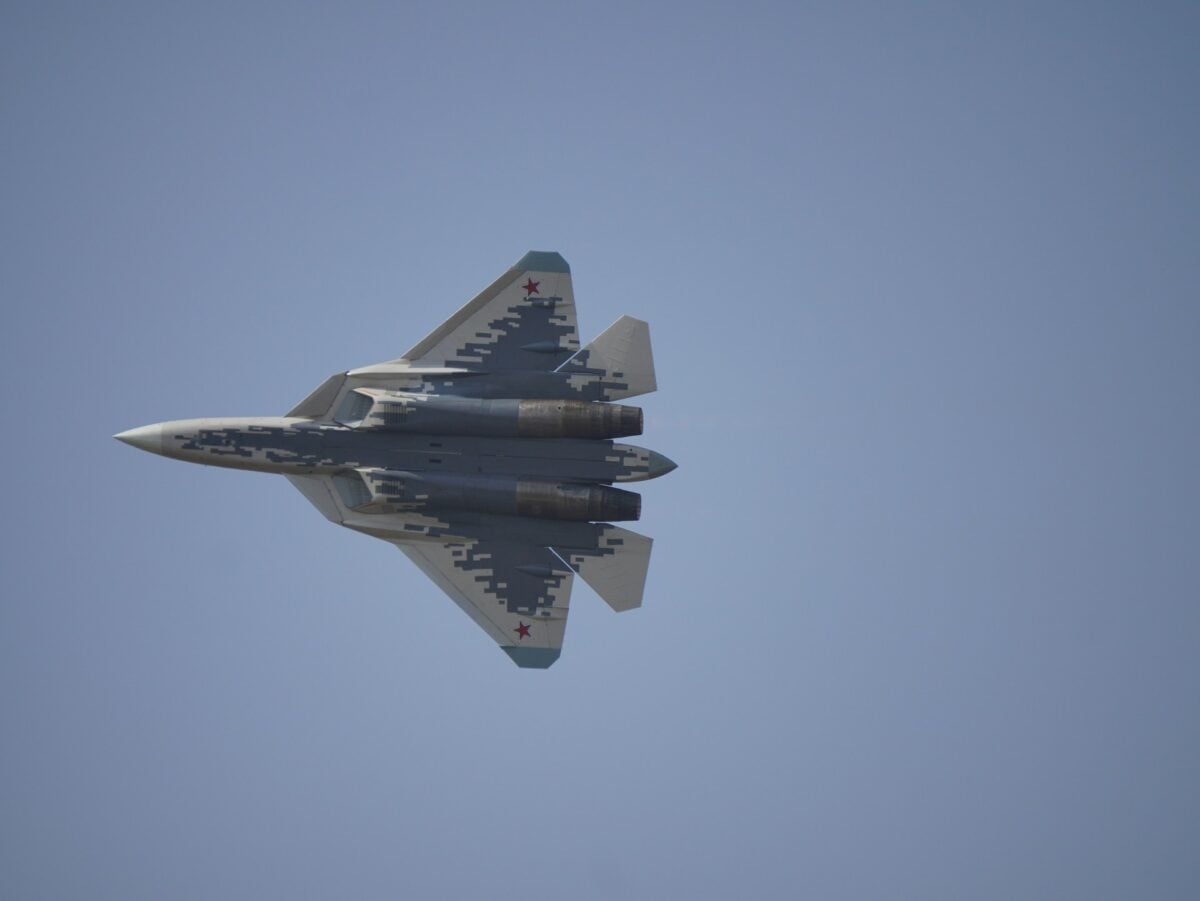
Russia’s entry into fifth-generation fighters carries all the ambition of a superpower with a fraction of the budget. Estimated cost per aircraft hovers around $40-50 million, which sounds reasonable until you consider the development struggles.
The Su-57 program has faced delays, technical setbacks, and funding shortfalls. Few have been built. Even fewer are fully operational.
Chengdu J-20
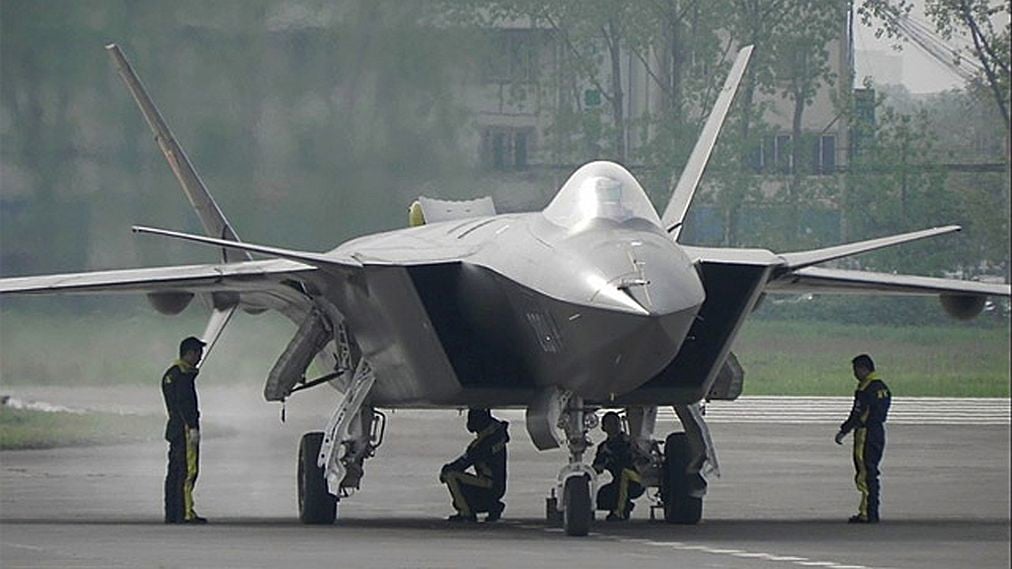
China’s stealth fighter program operates behind a curtain of secrecy, but estimates put the J-20’s cost somewhere between $100-120 million per aircraft. The exact figure remains classified, but the broader implications are clear enough: China has decided that stealth technology justifies whatever price tag comes with it. What makes the J-20 particularly interesting (from a financial perspective, if not a strategic one) is how it represents China’s willingness to invest heavily in catching up with Western air power, regardless of the immediate return on investment.
The Chinese approach seems less concerned with cost-effectiveness in the traditional sense and more focused on achieving technological parity, which creates a different kind of economic calculation altogether — one where national prestige and long-term strategic positioning matter more than quarterly budget reviews.
F-15EX Eagle II
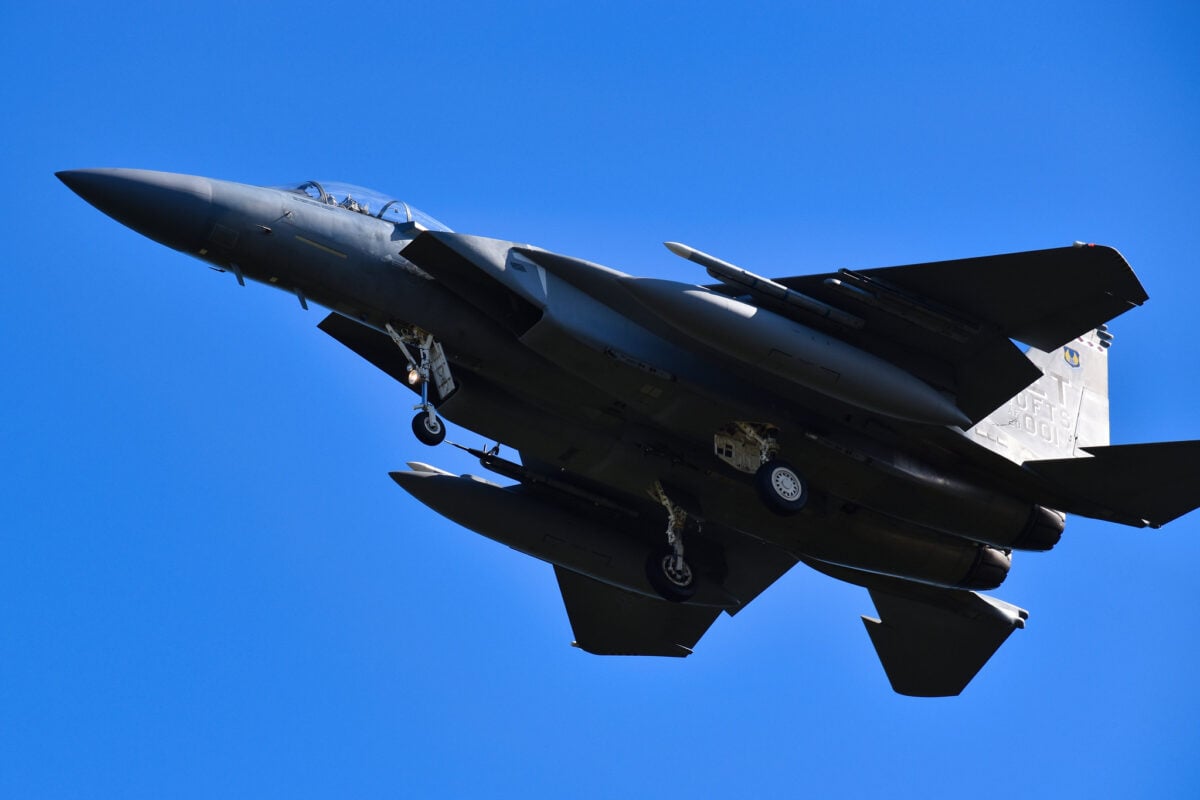
Boeing took a proven design and gave it modern avionics, weapons systems, and structural improvements. The result costs about $87 million per aircraft — expensive by historical standards, but reasonable compared to developing something entirely new.
The F-15EX strategy makes sense: take what works and upgrade it rather than starting from scratch. Sometimes the boring approach turns out to be the smart one.
Lockheed Martin F-16 Fighting Falcon (Latest Variants)
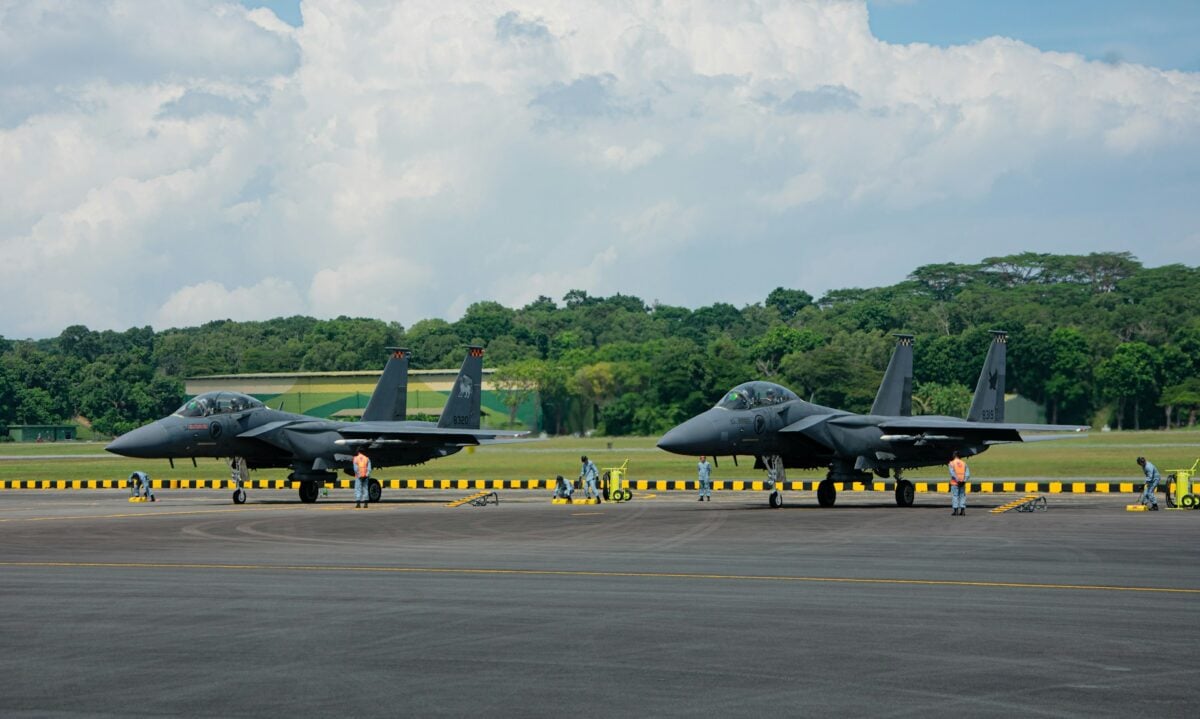
Even the venerable F-16 has gotten expensive in its modern incarnations. Current Block 70/72 variants cost around $30-35 million each — a far cry from the original “lightweight fighter” concept that made the F-16 famous.
But inflation and capability creep affect everything eventually. Today’s F-16 carries sensors and weapons that didn’t exist when the first ones rolled off the production line in the 1970s.
Saab Gripen E/F
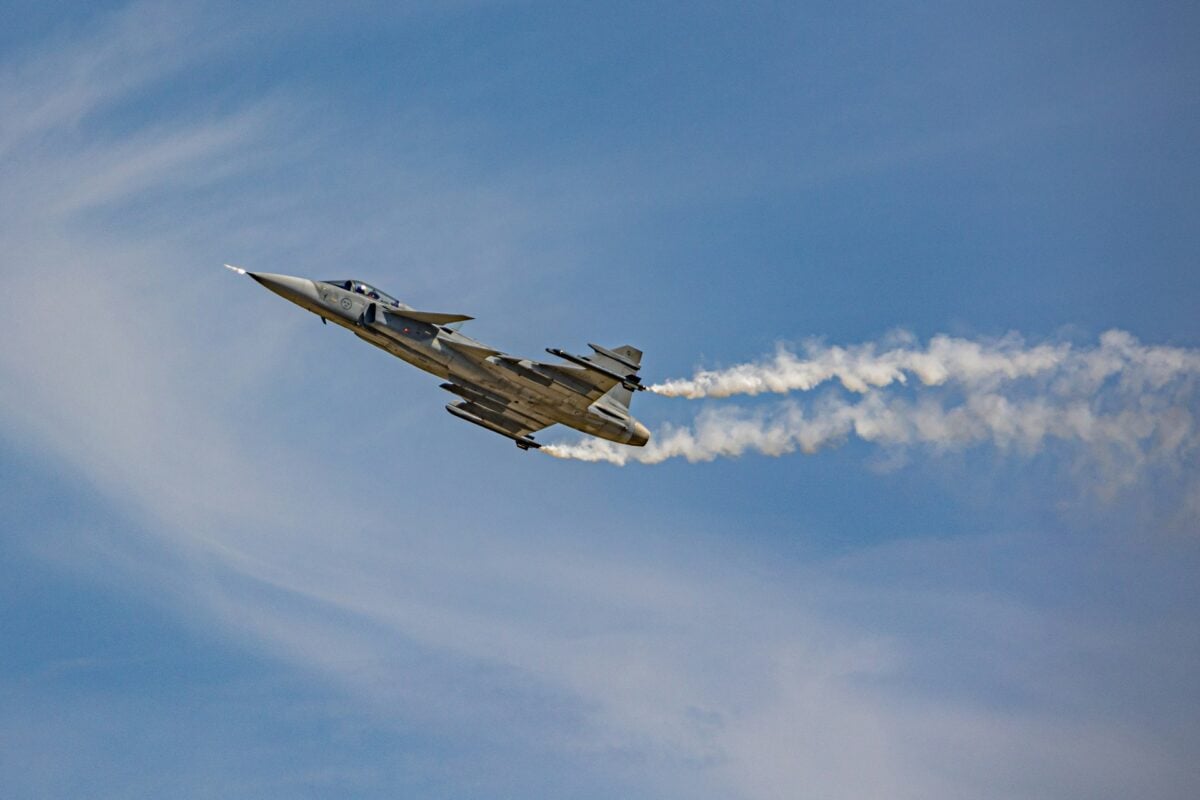
Sweden’s approach to fighter design prioritizes efficiency — both operational and financial. The Gripen E costs roughly $60-70 million per aircraft, making it one of the more affordable options in the modern fighter market.
The Swedish philosophy emphasizes getting maximum capability from minimum resources. It shows in the Gripen’s design, maintenance requirements, and overall cost structure.
Dassault Mirage 2000
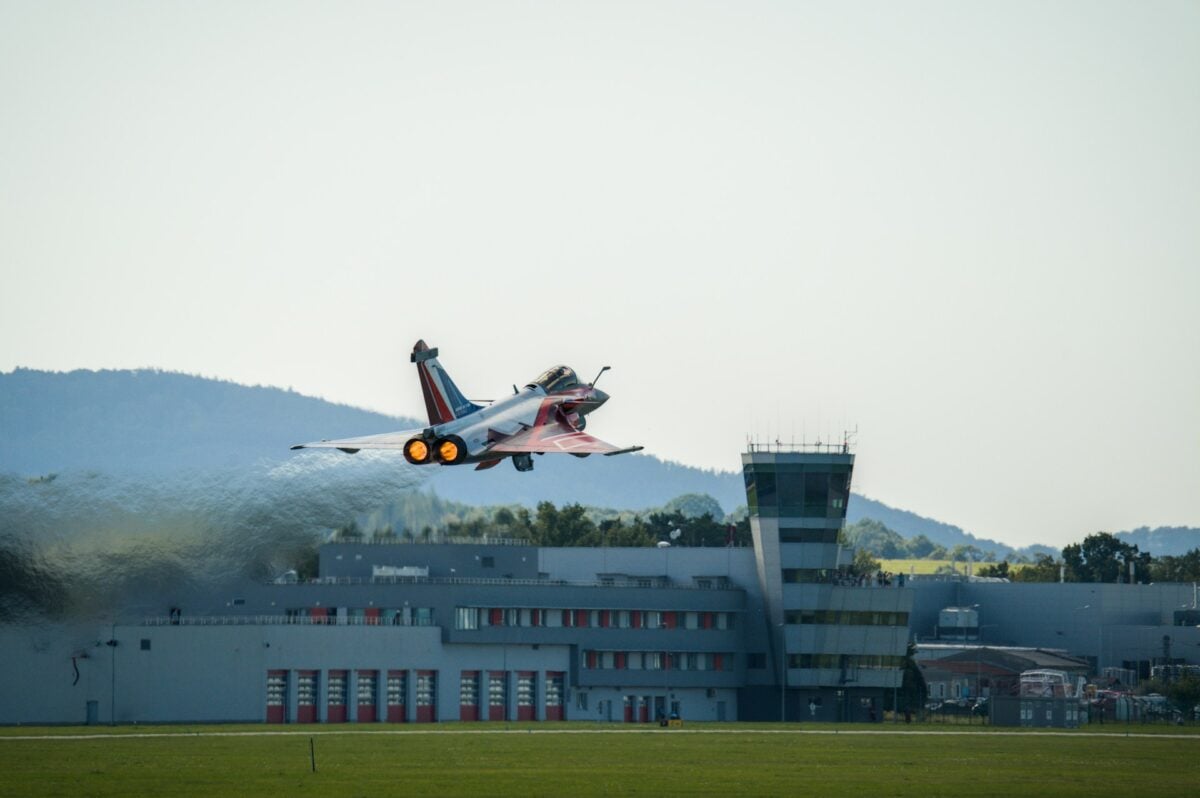
France’s Mirage 2000 program peaked in the 1980s and 1990s, but modern variants still command significant prices. Current versions cost around $25-30 million each, though most sales these days involve upgrades to existing aircraft rather than new production.
The Mirage 2000 represents an earlier era of fighter design — before stealth, before sensor fusion, before the complexity that drives modern costs through the roof.
Boeing F/A-18 Hornet (Original)
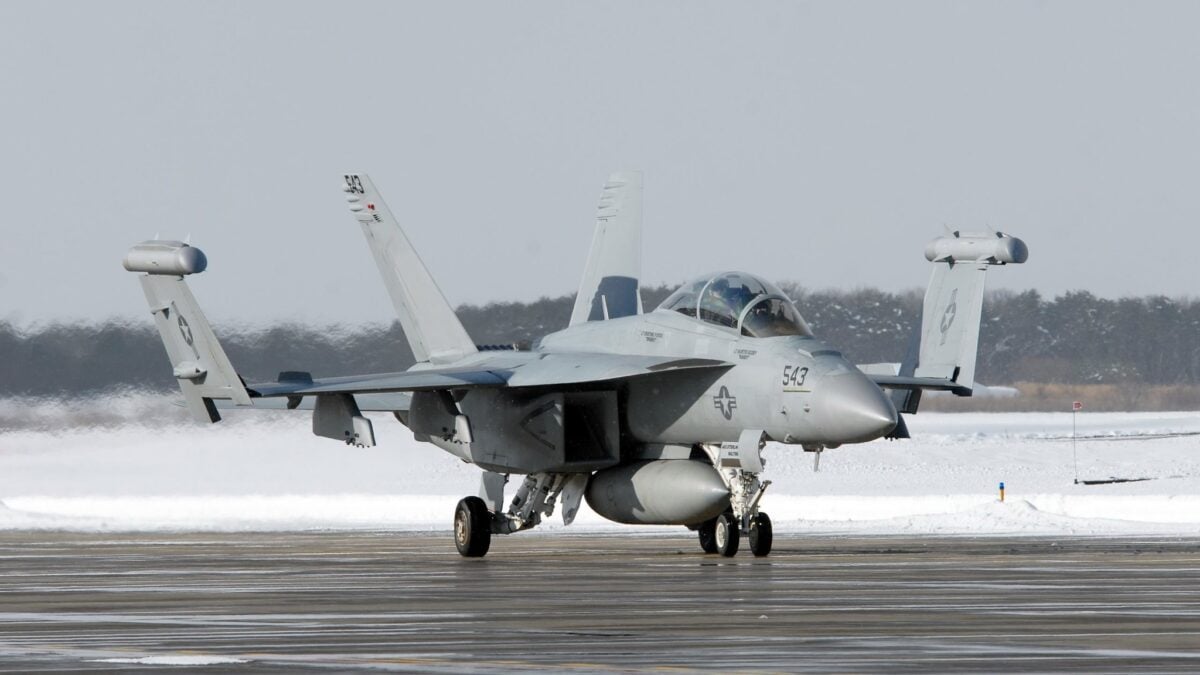
The original Hornet design, still in service with various air forces around the world, represents what military aviation looked like before costs spiraled completely out of control. Early versions could be had for $15-20 million in today’s dollars, though finding new-production aircraft at those prices requires some serious shopping around.
Most Hornet transactions these days involve used aircraft or extensive upgrade packages that bring older jets closer to modern standards — and modern price points. The Hornet’s enduring appeal lies in its straightforward design philosophy: build a capable multirole fighter without exotic technologies that drive maintenance costs into orbit, and you end up with an aircraft that air forces can actually afford to operate day after day, year after year.
General Dynamics F-111 Aardvark
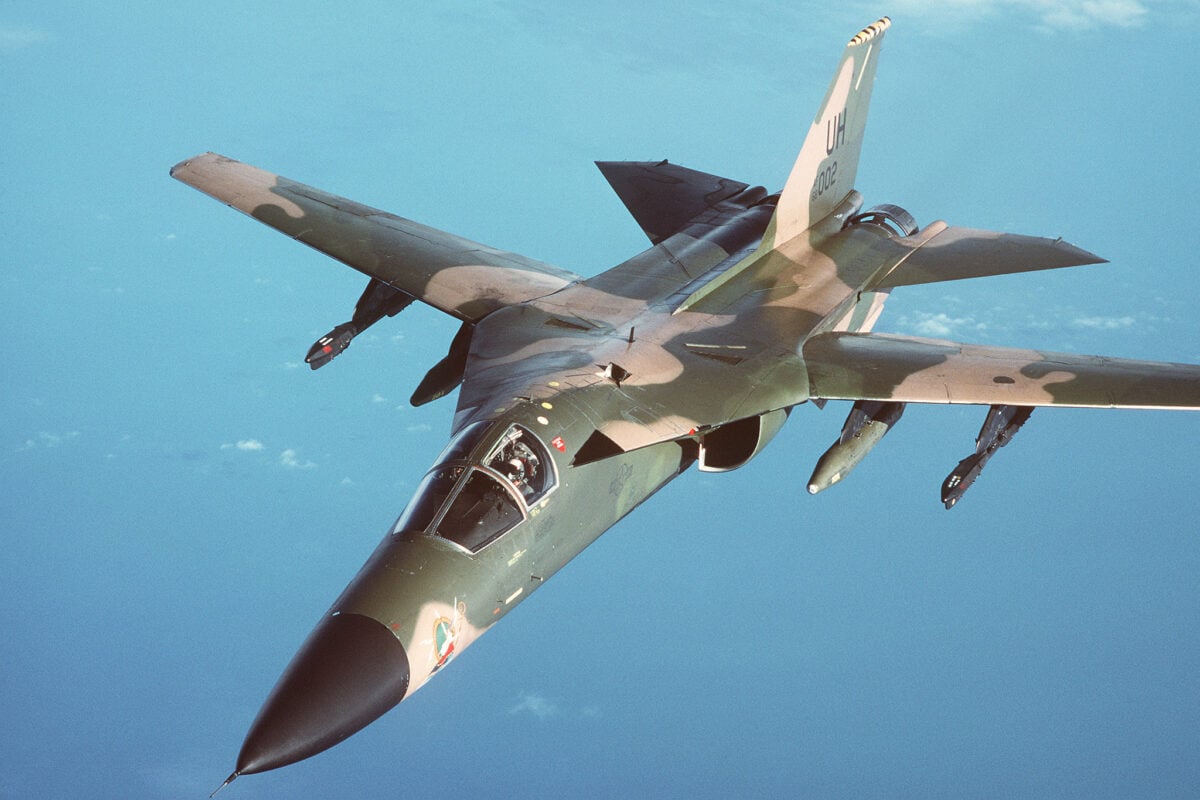
The F-111 program ended decades ago, but its legacy lives on in defense procurement nightmares. Original development costs spiraled so far beyond projections that the program became shorthand for everything wrong with military acquisition.
Each F-111 ended up costing around $10-15 million in 1970s dollars — roughly $70-100 million in today’s money. The swing-wing design worked eventually, but getting there nearly bankrupted the program multiple times.
Panavia Tornado
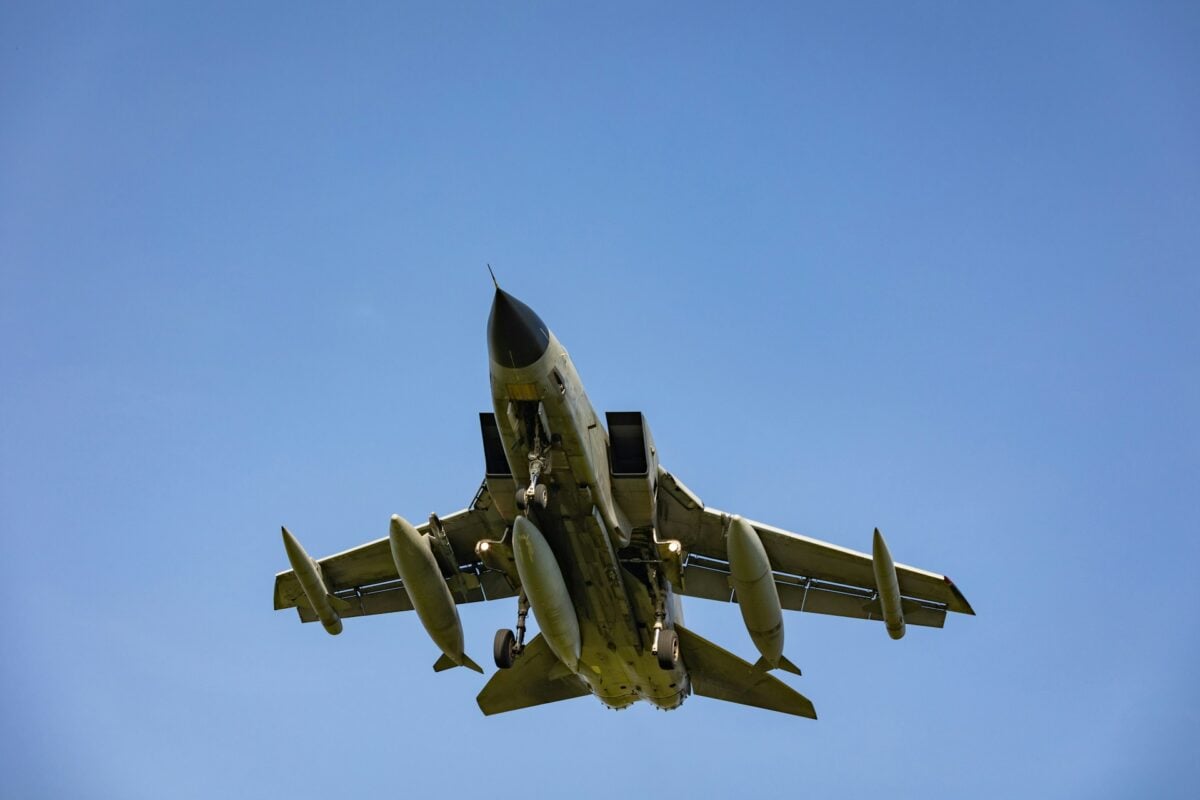
The Tornado represents European military cooperation from an earlier era, when three nations (UK, Germany, Italy) managed to build a capable strike aircraft without completely losing control of the budget. Per-unit costs settled around $25-30 million for most variants — expensive at the time, almost quaint by today’s standards.
The Tornado program succeeded where many international collaborations fail: it delivered a working aircraft that served effectively for decades.
When the Bills Come Due
Looking at these price tags reveals something uncomfortable about modern military aviation: the golden age of affordable fighters ended sometime in the 1990s. Every new generation costs exponentially more than the last, and there’s no obvious way to reverse the trend.
The physics haven’t changed, but the expectations have — today’s fighters need to be stealthy, networked, multirole, and capable of operating in threat environments that would have been science fiction when the F-16 was young. That capability comes with a price that makes even defense officials wince, but the alternative — falling behind technologically — seems even more expensive in the long run.
More from Go2Tutors!

- The Romanov Crown Jewels and Their Tragic Fate
- 13 Historical Mysteries That Science Still Can’t Solve
- Famous Hoaxes That Fooled the World for Years
- 15 Child Stars with Tragic Adult Lives
- 16 Famous Jewelry Pieces in History
Like Go2Tutors’s content? Follow us on MSN.