16 Words You’ve Been Using Wrong All This Time
What makes English flexible also trips it up at times. Meanwhile words bend, slide, sometimes gather meanings nobody planned.
Slowly what folks say pulls away from where things started. The newer way might work fine today, still feels odd when rules expect older forms.
Clarity wobbles, particularly where precision matters most. Even when words shift over time, getting it right stays important.
A fresh take on terms people toss around, usually twisting what they really mean without even noticing.
Literally
A moment captured just as it happened – that is where “literally” began. Imagine someone saying they literally ran five miles; each step was real, ground truly traveled.
Over time, however, usage shifted – now it underlines feeling rather than fact. Today, the word stresses intensity, not accuracy.
Lying flat on the floor from laughter? That’s what comes to mind if someone claims they literally died laughing.
Most people understand – this is just an exaggerated way of speaking. Open a current dictionary and that meaning shift appears clearly.
Still, inside academic studies or technical documents, the original precise definition holds firm. When accuracy matters, words have to hit the mark.
Clarity becomes key in moments where meaning cannot wander. Exactly what is said should be exactly what is understood.
Without decoration, without stretch – just bare sense. In those cases, literally stands stripped of flair.
Meaning shows up as it is, not as it could seem.
Ironic
‘Ironic’ is often used to describe bad luck or coincidence. True irony involves a sharp contrast between expectation and outcome.
The outcome must contradict what was reasonably anticipated. A rainstorm during a picnic is unfortunate.
A weather forecaster’s wedding being washed out by a storm carries irony. The difference lies in reversal, not inconvenience.
Irony depends on structural contradiction, not mild disappointment.
Decimate

Historically, ‘decimate’ meant reducing something by one-tenth, based on a Roman military punishment. Modern usage has expanded it to mean widespread destruction.
While dictionaries now accept the broader meaning, the original definition reveals how dramatic the shift has been. When a hurricane decimates a coastline, the loss typically far exceeds ten percent.
The word has evolved from numerical precision to emotional intensity.
Nonplussed
‘Nonplussed’ traditionally means confused or unsure how to react. Many people use it to mean calm or unimpressed.
The misunderstanding likely stems from its formal sound, which can feel detached. In reality, someone who is nonplussed is momentarily at a loss.
The word describes hesitation, not composure. Its tone may seem understated, but its meaning signals uncertainty rather than indifference.
Bemused
‘Bemused’ is frequently mistaken for amused. In fact, it originally meant puzzled or bewildered.
A bemused expression suggests someone processing unexpected information. The confusion arises because ‘bemused’ sounds playful.
Yet it points to mild confusion, not entertainment. A person can be both bemused and entertained, but the word itself centers on puzzlement.
Enormity
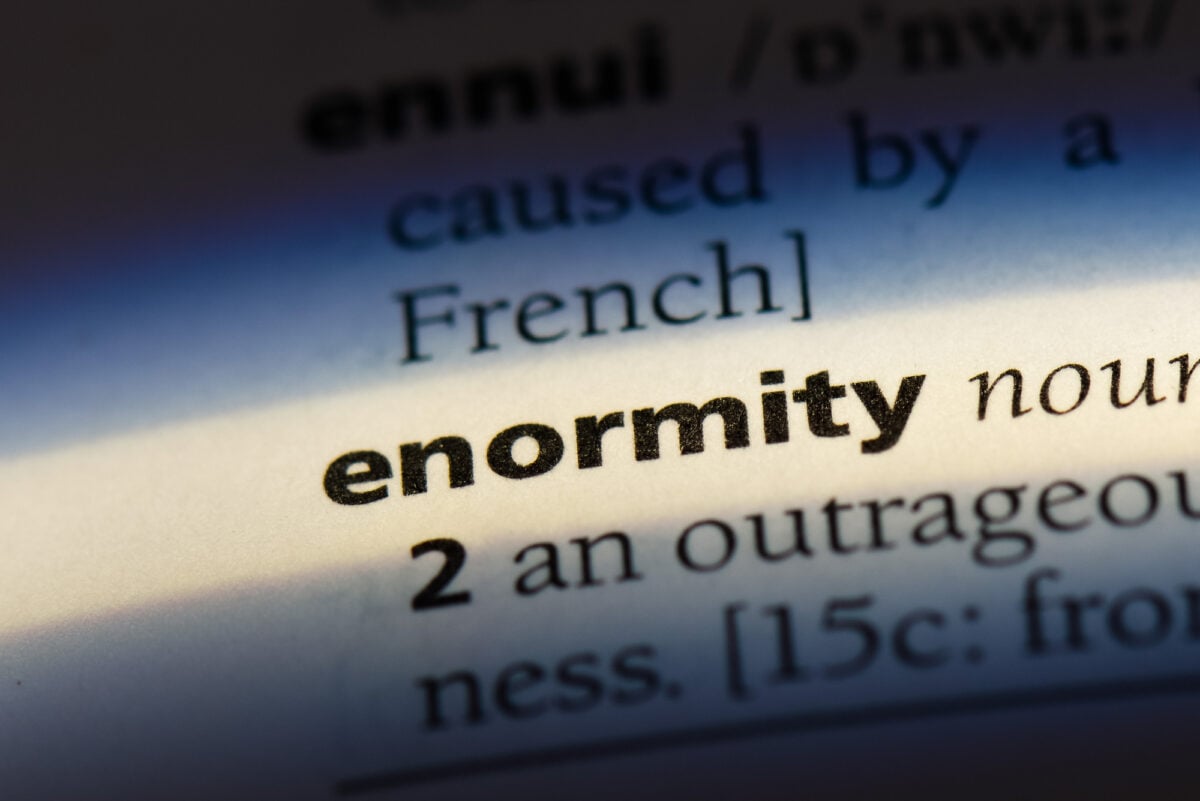
‘Enormity’ does not simply mean something enormous. It traditionally refers to something morally outrageous or severely wrong.
An enormity is an atrocity, not just a large object. Modern usage has softened the term in casual speech, but in formal contexts, enormity carries ethical weight.
Size and severity are not interchangeable, even if they occasionally overlap.
Peruse

Many people use ‘peruse’ to mean skim quickly. Traditionally, it means to examine carefully and thoroughly.
To peruse a contract suggests close reading, not casual scanning. The misconception likely comes from polite phrasing.
Saying ‘I’ll peruse it’ often signals brief review. The word itself, however, leans toward detailed attention.
Infer
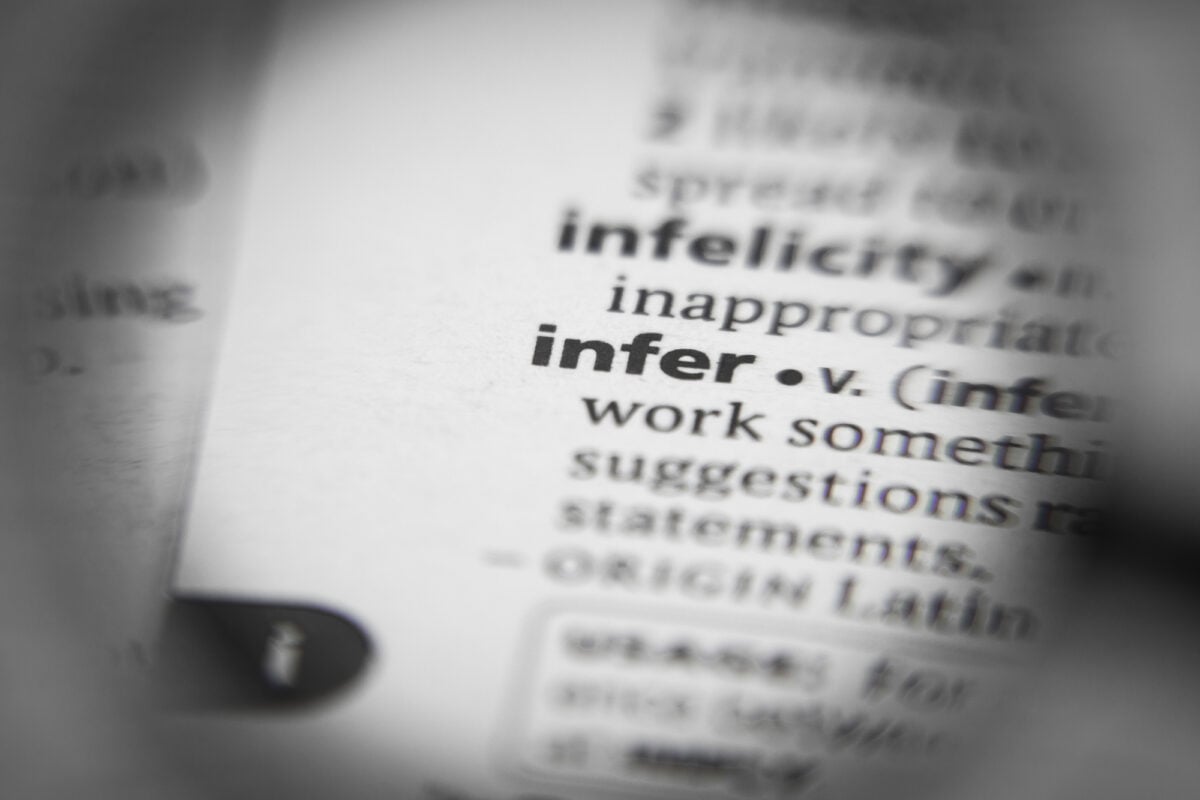
‘Infer’ is often confused with ‘imply.’ To imply is to suggest indirectly.
To infer is to interpret and draw a conclusion from that suggestion. The speaker implies.
The listener infers. Reversing them swaps responsibility for meaning.
The distinction is subtle but important in both journalism and legal contexts.
Affect
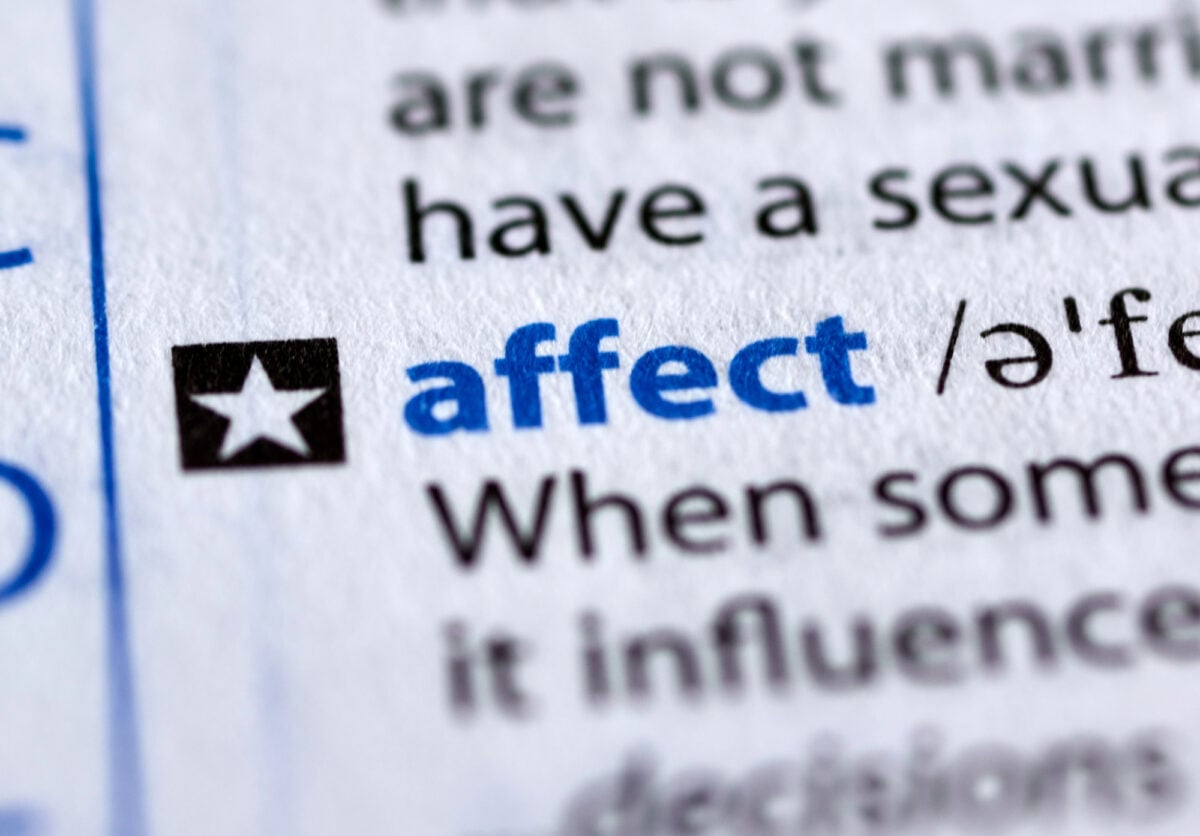
In most situations, ‘affect’ is a verb meaning to influence. ‘Effect’ is a noun meaning result.
The similarity in spelling makes errors common. There are exceptions, which complicate matters.
‘Effect’ can act as a verb meaning to bring about, and ‘affect’ can serve as a noun in psychological contexts. Still, the standard rule covers the majority of everyday usage.
Compliment
A ‘compliment’ expresses praise. A ‘complement’ enhances or completes something.
Their pronunciation is nearly identical, which fuels confusion. A kind remark is a compliment.
A matching tie complements a suit. One flatters; the other fits.
The distinction lies in function rather than sound.
Disinterested
‘Disinterested’ properly means impartial or unbiased. It does not mean bored or indifferent.
A judge should be disinterested, meaning free from personal stake. Confusion arises because both disinterest and indifference involve emotional distance.
However, disinterested implies fairness. Uninterested implies lack of concern.
In formal writing, the difference is significant.
Unique

‘Unique’ technically means one of a kind. Logically, something cannot be ‘very unique’ or ‘somewhat unique.’
It either stands alone or it does not. In everyday speech, unique often means unusual or distinctive.
While conversational usage has softened the word, formal contexts still favor precision. Degrees of uniqueness dilute its original strength.
Nauseous
Traditionally, ‘nauseous’ describes something that induces nausea. A nauseous smell causes discomfort.
The person feeling sick is nauseated. Modern usage has blurred this distinction, and dictionaries increasingly accept both forms.
Still, the original difference clarifies cause versus experience. That clarity can prevent ambiguity in medical or descriptive writing.
Fortuitous
‘Fortuitous’ originally meant occurring by chance. Many people now use it to mean fortunate or lucky.
While chance events can be fortunate, the word itself does not guarantee a positive outcome. A fortuitous meeting may be beneficial or inconvenient.
The defining element is randomness, not advantage. Over time, positive connotations attached themselves to the term, subtly reshaping its tone.
Momentarily
‘Momentarily’ properly means for a brief moment. It does not technically mean in a moment.
If a delay is momentary, it is short-lived. If something will happen momentarily, it will occur soon.
Public announcements often blur this distinction, leading to ambiguity. Context usually clarifies intent, but the two definitions point in opposite temporal directions.
Precision prevents misunderstanding.
Fewer
Fewer steps matter where items stack visibly. Picture hardcover novels lined up, each distinct.
A count unfolds slowly – cup after cup placed in rows. Some words fit only certain scenes.
One by one reveals what totals hide. Fewer stages mean numbers start to mix.
Picture water, sand, time – things that never really stop at a line. Boundaries fade now and then, definitely.
Still, being exact helps keep things clear. Not many folks wait in line at stores anymore, not any shorter.
The sugar level goes down by amount, not count. People swap these words because both mean something reduced.
Still, the guidelines know which one fits. Official writing keeps this rule alive so meaning stays clear.
Why Precision Still Matters
Now here comes change, shaped by what people do every day, not rules carved in stone. Over time, certain changes stick, settling into common practice like dust on a windowsill.
Still others spark debate, particularly where formal writing draws its lines. What feels old hat to some feels necessary to others, showing language breathes as it moves.
Clarity often grows without strict fixes during relaxed talk. Yet paying attention helps messages land more cleanly.
History hides inside words, along with subtle weight and care owed. Careful choices sharpen how thoughts pass between people.
Meaning moves straighter when language is shaped with purpose.
More from Go2Tutors!

- The Romanov Crown Jewels and Their Tragic Fate
- 13 Historical Mysteries That Science Still Can’t Solve
- Famous Hoaxes That Fooled the World for Years
- 15 Child Stars with Tragic Adult Lives
- 16 Famous Jewelry Pieces in History
Like Go2Tutors’s content? Follow us on MSN.



