Private Islands You Can Visit on a Cruise
Once, cruises meant noisy harbors, rows of shops selling trinkets, then quick tours packed into tight timetables. Major companies eventually saw a chance – build islands themselves, run them differently, make every moment fit their rhythm.
Rather than squeeze into a hectic dock, vessels now ease up to quiet beaches built only for those on board.
Imagine stepping onto land that feels just like your ship did. Meals taste familiar, paths wind similarly, fun stuff waits around corners – everything matches the cruise’s way of doing things.
Eight spots out there exist just for passengers to dock and unwind. Each place gives its own twist on island calm, yet none feel unrelated to where you slept last night.
Perfect Day at CocoCay

Perfect Day at CocoCay, operated by Royal Caribbean in the Bahamas, is arguably the most ambitious private island in the cruise industry. Following a multimillion-dollar transformation, the island now includes Thrill Waterpark, home to one of the tallest waterslides in North America, as well as Oasis Lagoon, one of the largest freshwater pools in the Caribbean.
The scale feels intentional, designed to mirror the bold features of Royal Caribbean’s largest ships.
Still, CocoCay is not entirely about adrenaline. There are quieter stretches like Chill Island and the adults-only Coco Beach Club, where overwater cabanas create a more refined atmosphere.
The island operates like a split personality — high-energy fun on one side, serene beach retreat on the other. That duality makes it one of the most versatile private cruise destinations in operation today.
Castaway Cay
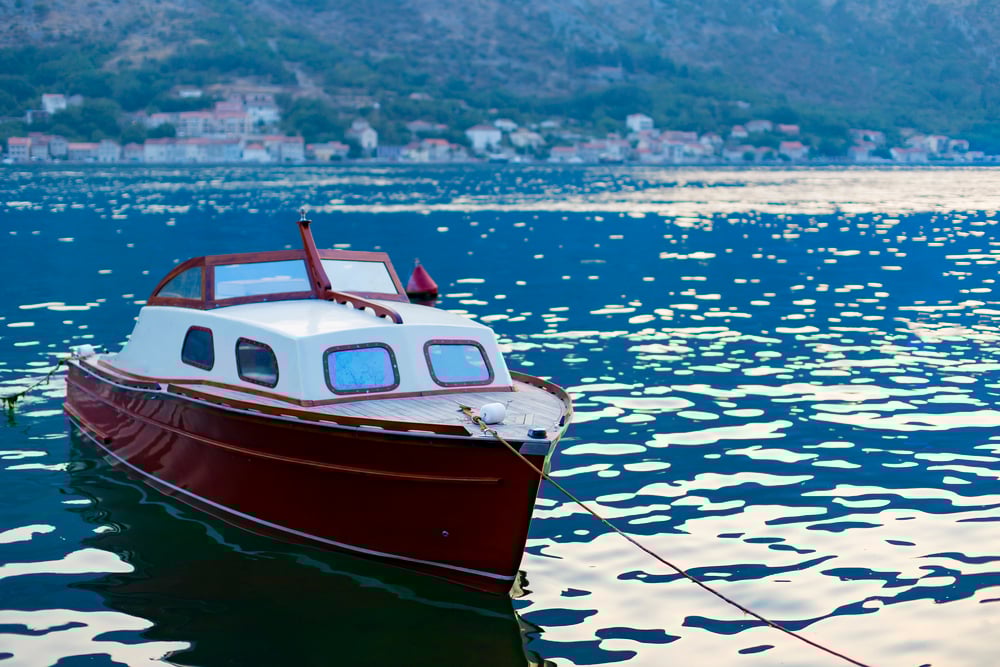
Castaway Cay, owned by Disney Cruise Line, sits on a 1,000-acre island in the Bahamas and delivers a distinctly different mood. Rather than towering slides or oversized attractions, the island emphasizes thoughtful layout and family-friendly design.
Landscaped bike paths stretch for several miles, and the beaches are divided into clearly defined zones for families, teens, and adults.
Serenity Bay, the adults-only section, provides a calmer atmosphere with soft sand and shallow water. Disney’s approach here feels consistent with its broader philosophy: organized, immersive, and quietly polished.
The island does not overwhelm visitors with spectacle. Instead, it offers a well-paced day that feels seamless from ship to shore.
Half Moon Cay
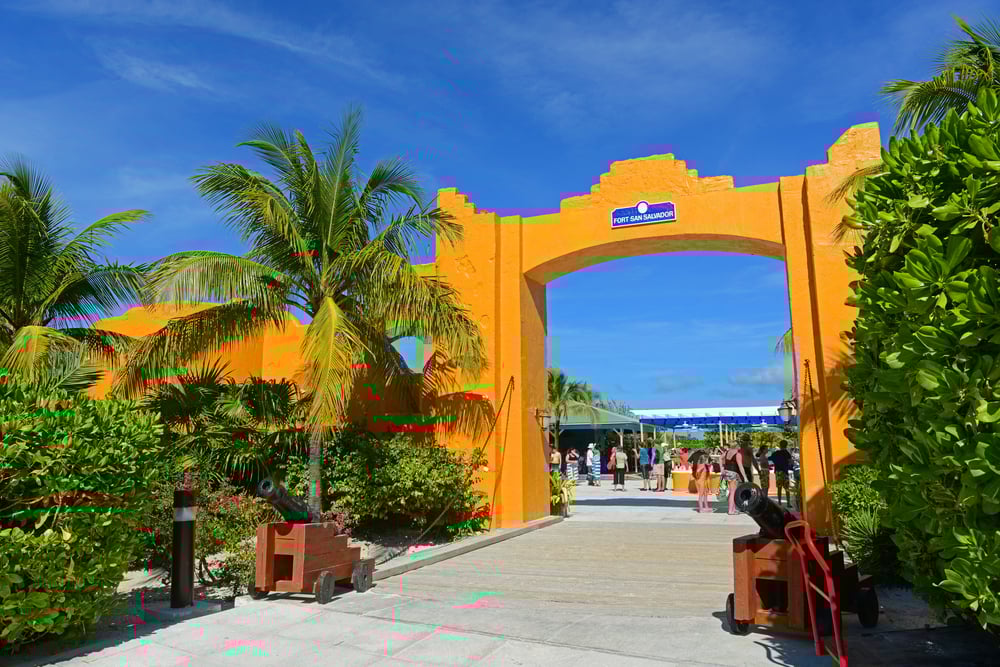
Half Moon Cay, officially known as Little San Salvador Island, is owned by Carnival Corporation and serves several of its cruise brands, including Carnival Cruise Line and Holland America Line. The island spans roughly 2,400 acres, though only a small portion is developed, leaving vast areas untouched.
Nearly two miles of white sand create one of the longest private cruise beaches in the Caribbean.
That open space is part of its appeal. Guests can ride horses along the shoreline, snorkel in calm turquoise water, or simply settle into a clamshell shade lounger.
Unlike heavily constructed destinations, Half Moon Cay maintains a classic postcard look — palm trees, open horizon, and very few permanent structures interrupting the view.
Great Stirrup Cay
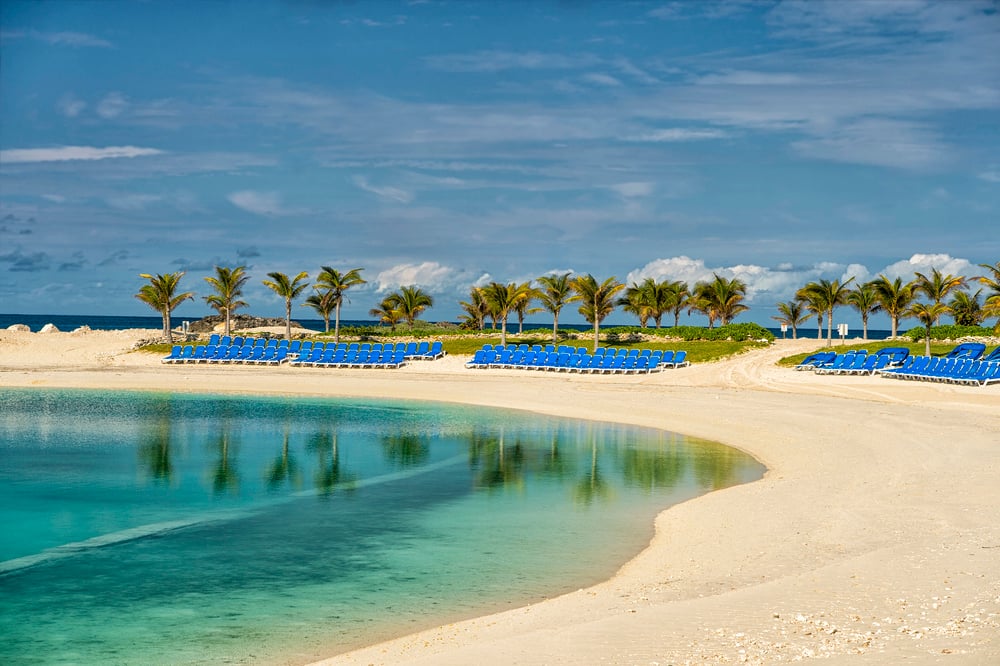
Great Stirrup Cay, owned by Norwegian Cruise Line, was one of the first private islands developed by a cruise company when it was acquired in 1977. Over the years, it has evolved into a more polished beach retreat with private villas, upgraded dining venues, and a nearly 1,000-foot zip line that crosses part of the island.
Infrastructure improvements have made the experience smoother while preserving the natural coastline.
On the other hand, Great Stirrup Cay maintains a laid-back atmosphere compared to more spectacle-driven islands. Hammocks sway between palm trees, and the shallow water makes it easy for casual swimmers to relax without navigating strong currents.
It feels balanced — active enough for adventure seekers but calm enough for those who prefer a slow afternoon by the sea.
Ocean Cay MSC Marine Reserve
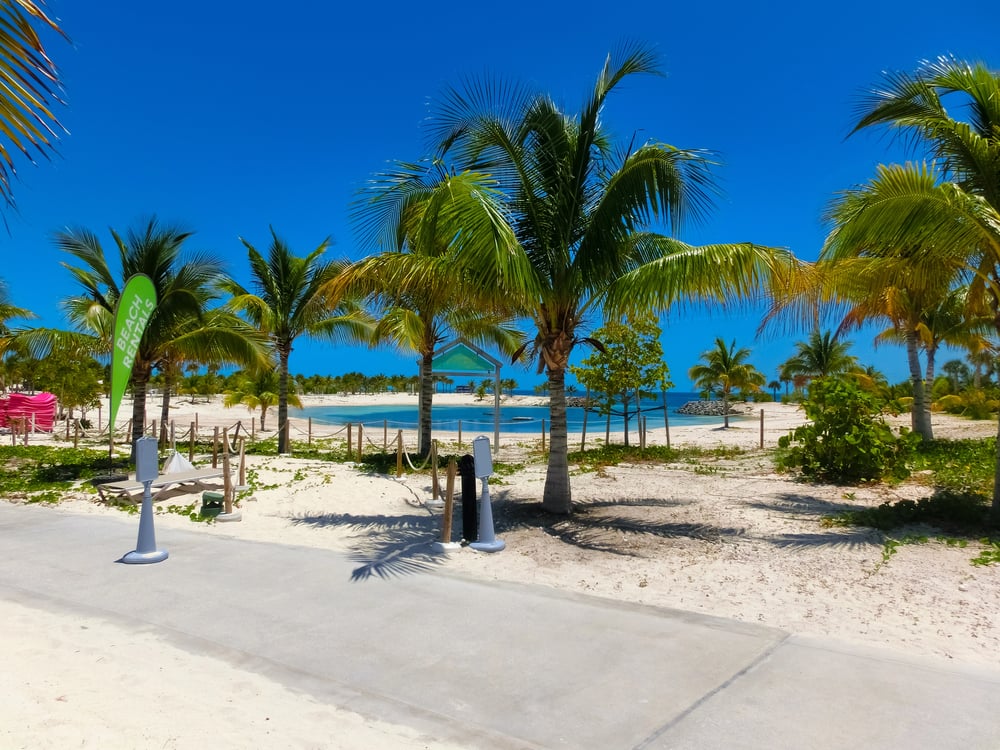
Ocean Cay MSC Marine Reserve stands out because of its environmental transformation. Located about 65 miles east of Miami, the island was once an industrial sand excavation site before MSC Cruises redeveloped it into a marine-focused destination.
The project included coral restoration initiatives and reshaping the shoreline to encourage marine life to return.
The result feels noticeably open and expansive. Eight distinct beaches are spread across the island, offering a sense of variety without overcrowding.
Unlike many private islands that operate strictly as daytime stops, MSC often keeps ships docked overnight at Ocean Cay, allowing guests to experience the lighthouse glowing at dusk and the beaches under starlight. That extended stay changes the rhythm entirely.
Labadee

Labadee is a private resort area leased by Royal Caribbean on Haiti’s northern coast. Although it is part of a larger nation rather than a standalone island, access is limited to cruise passengers, creating a contained and secure beach environment.
The setting is dramatic, framed by steep green mountains that rise sharply from the coastline.
That topography gives Labadee a more rugged appearance than many Bahamian islands. Activities range from a zip line that spans roughly half a mile over the shoreline to calm coves ideal for swimming.
The contrast between the mountainous backdrop and the bright water creates a striking visual experience that feels distinct within the Caribbean cruise circuit.
Harvest Caye
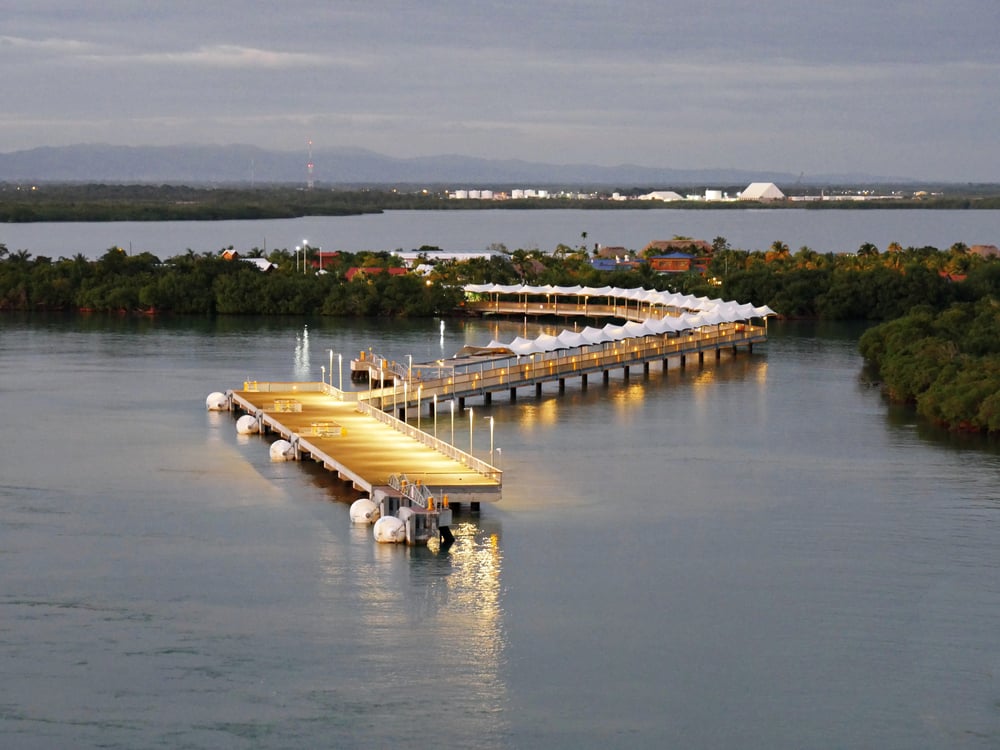
Harvest Caye, developed by Norwegian Cruise Line in Belize, operates as a purpose-built cruise destination connected to the mainland by a pier. The port area features a large pool complex, a saltwater lagoon, and manicured beach sections reserved for cruise guests.
A 136-foot lighthouse provides panoramic views of the surrounding coast and rainforest.
Still, Harvest Caye offers more direct access to local culture and natural landmarks than some fully isolated islands. Excursions depart for ancient Mayan ruins, river tubing adventures, and wildlife reserves.
It functions as both a controlled beach environment and a gateway to Belize’s broader landscape, creating a hybrid experience.
Princess Cays
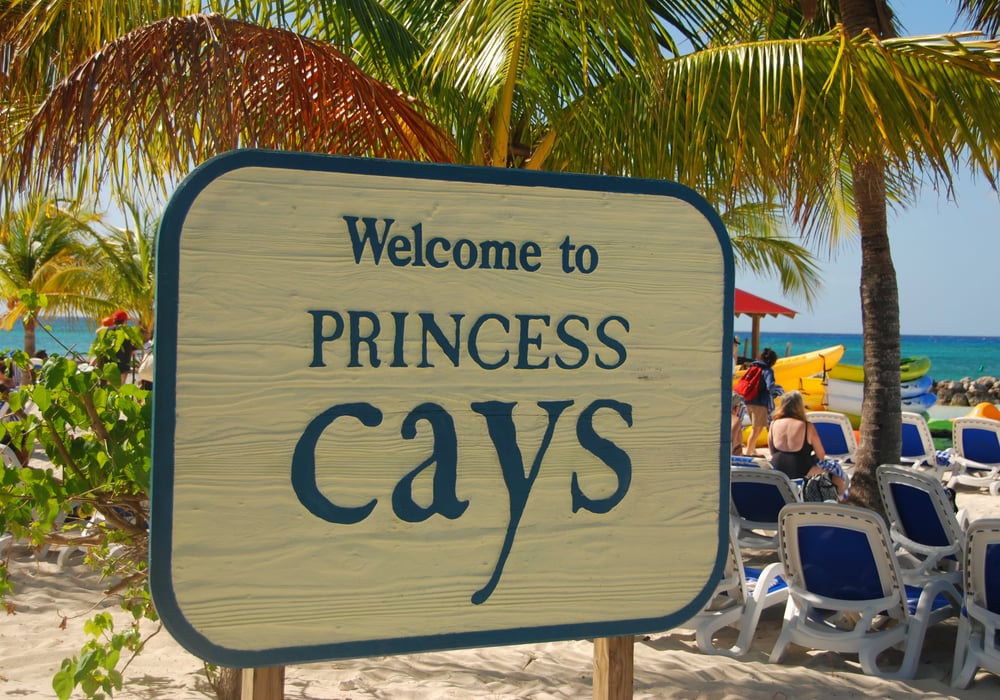
Princess Cays, located on the southern tip of Eleuthera in the Bahamas, is used by Princess Cruises and Carnival Cruise Line. The destination emphasizes simplicity and comfort rather than oversized attractions.
Colorful cabanas and open-air dining areas line the beach, and the water remains calm enough for easy snorkeling close to shore.
That straightforward design keeps the focus on the natural setting. There are no towering waterparks or sprawling entertainment complexes competing for attention.
Instead, the day unfolds at a gentler pace, built around swimming, sunbathing, and quiet views of the anchored ship offshore.
How Private Islands Changed the Cruise Industry

Islands owned by cruise companies changed sailing trips quietly, yet deeply. Because they manage what happens ashore, meals stay reliable, services remain steady, things feel familiar.
This steadiness cuts down travel hiccups, making movement from ship to shore flow easier. Smooth shifts happen when expectations hold firm.
Right now, these spots show how travel dreams are changing shape. Vacationers today want ease mixed with charm – think sunny shores minus the stress of shaky systems nearby.
Islands built for guests nail this mix. Picture flawless views backed by steady service, a getaway planned down to the sand.
This shift highlights how cruises keep reimagining ports – less like pauses on a route, more like places made from scratch to feel faraway yet familiar.
More from Go2Tutors!

- The Romanov Crown Jewels and Their Tragic Fate
- 13 Historical Mysteries That Science Still Can’t Solve
- Famous Hoaxes That Fooled the World for Years
- 15 Child Stars with Tragic Adult Lives
- 16 Famous Jewelry Pieces in History
Like Go2Tutors’s content? Follow us on MSN.