Bizarre Designer Toys That Cost Thousands
At some point, the toy stopped being just for children. The designer toy market — a world that sits somewhere between collectible art, street culture, and outright financial speculation — has produced objects that cost more than most people’s rent and look like nothing you’d find in any ordinary shop.
Some are collaborations between major artists and toy manufacturers. Some are limited edition runs of a few dozen pieces.
Some are simply bizarre objects that exist because someone with money and influence decided they should. Here’s a look at the ones that make you stop and wonder who exactly is buying them, and why.
KAWS BFF Figures
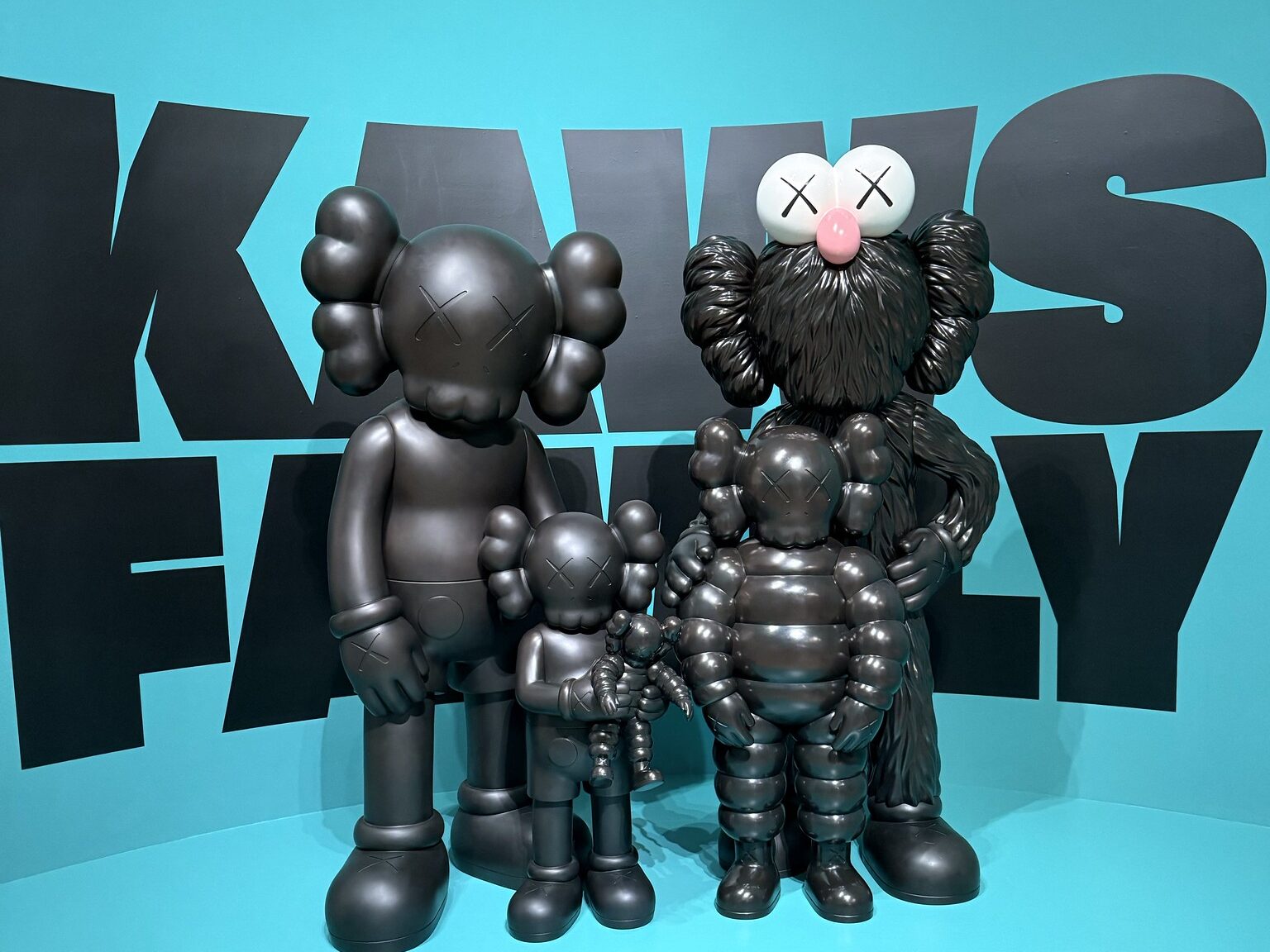
Brian Donnelly, known as KAWS, started as a graffiti artist in the 1990s and built one of the most recognizable visual languages in contemporary art. His BFF figure — a bear-like character with X’d-out eyes — has been produced in sizes ranging from palm-sized to monumental, in materials from vinyl to bronze.
A standard release version can sell for a few hundred dollars. Rare colourways and early editions trade on the secondary market for several thousand.
One plush version sold out within minutes of release and appeared on resale platforms at ten times the retail price. They are, technically, stuffed animals.
Medicom Toy’s BE@RBRICK at Scale
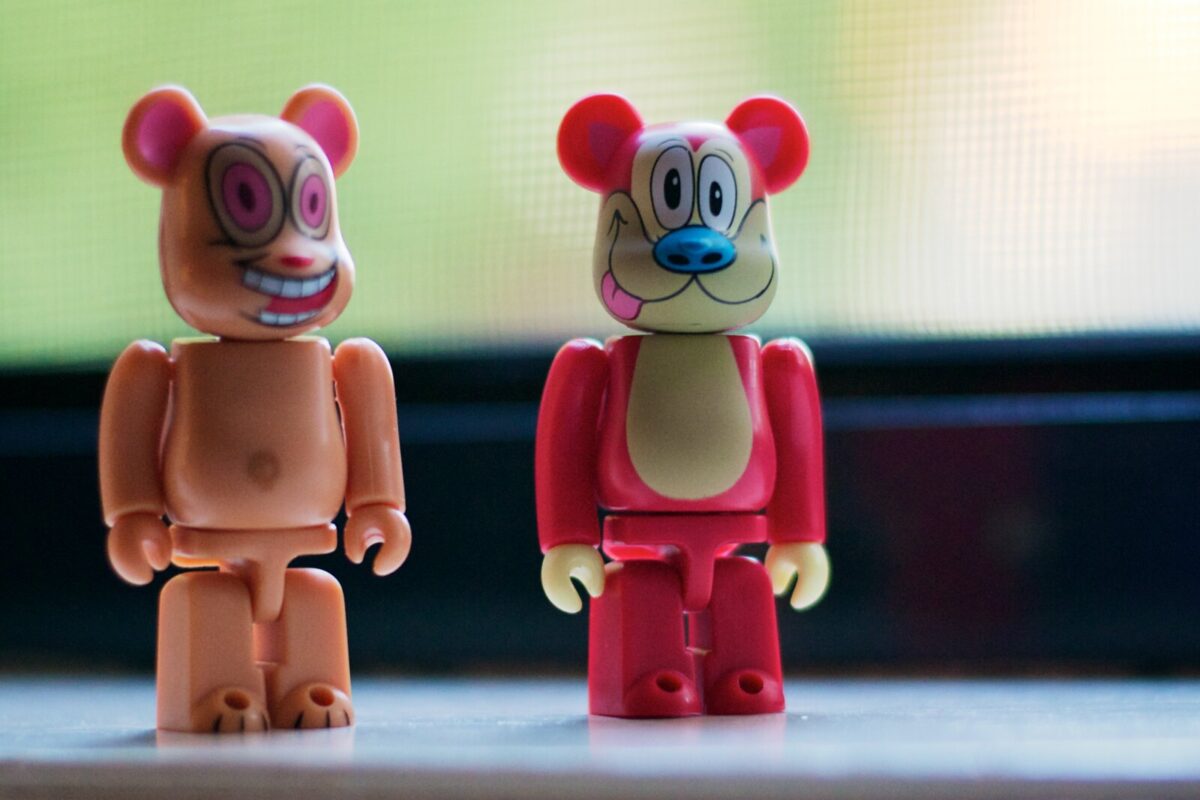
The BE@RBRICK is a bear-shaped vinyl figure produced by Medicom Toy in Japan, available in multiple sizes, the largest being the 1000% version — roughly 70 centimetres tall. Standard colourways are collector items.
The collaborations are something else entirely. BE@RBRICKs made in partnership with Chanel, Rolex, Banksy, and various luxury fashion houses have sold for between $5,000 and $30,000 or more depending on rarity.
The figure itself has almost no detail — it’s a smooth bear with a small seam and a logo on the chest. The price is almost entirely about who made it and how many exist.
Supreme x Any Toy That Shouldn’t Exist
Supreme has put its logo on a brick, a crowbar, and a fire extinguisher. In toy form, the results are similarly unexpected. Supreme-branded versions of classic toys — including a collaboration with Tonka and various branded action figures — have sold at multiples of their original retail price the moment they hit the secondary market.
A Supreme branded toy isn’t about the toy. It’s about what the logo means to the people who want it, which creates a dynamic where the object itself is almost irrelevant.
Ron English’s MC Supersized
Artist Ron English has built a career out of distorting advertising imagery, and his toy work follows the same logic. MC Supersized is a grotesquely enlarged version of Ronald McDonald — morbidly obese, blank-eyed, and rendered in perfect vinyl.
It’s a critique of fast food culture in the form of something you could put on a shelf. Limited edition runs of the figure have sold for thousands of dollars and are treated by collectors as serious art objects.
Whether the person buying it is doing so ironically or sincerely is a question that probably doesn’t have a clean answer.
Takashi Murakami’s Flower Figures
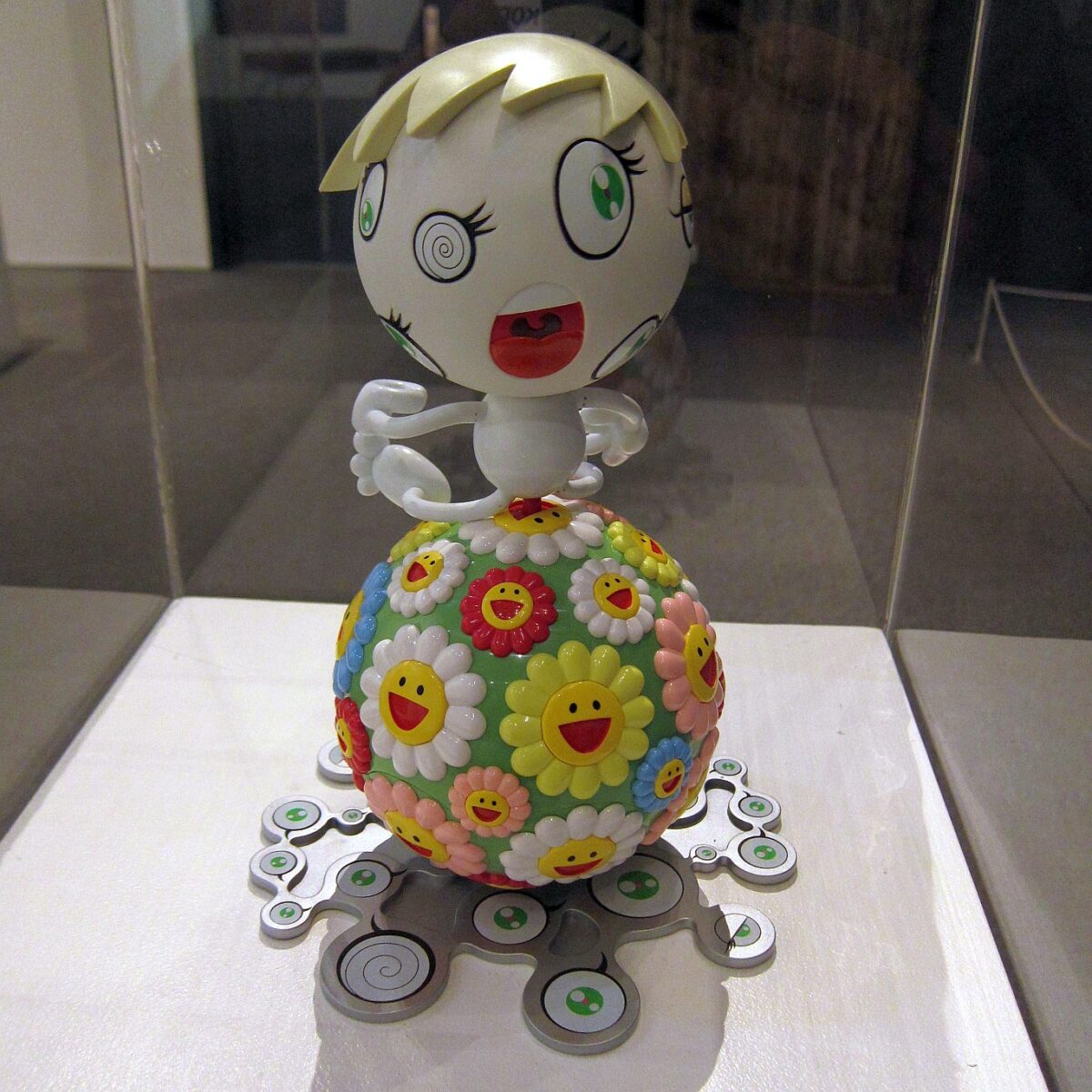
Takashi Murakami sits at the crossroads of fine art and commercial production in a way that very few artists have managed. His smiling flower motifs appear on everything from Louis Vuitton bags to gallery walls, and his limited edition vinyl figures occupy a similar space.
Small Murakami flower figures produced in collaboration with toy companies or released through his Kaikai Kiki gallery can sell for several thousand dollars on the secondary market. The figures are colourful and cartoonish and, depending on which edition, increasingly hard to find.
Daniel Arsham’s Eroded Figures
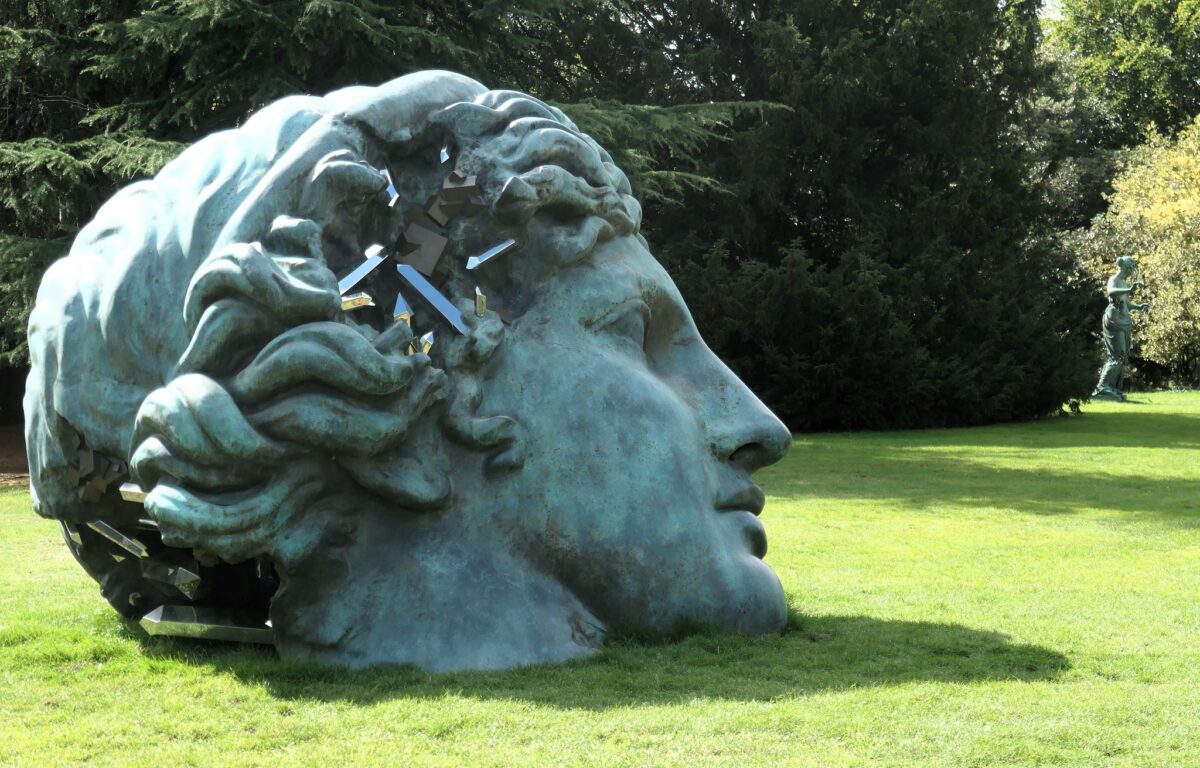
Daniel Arsham’s ongoing project involves imagining familiar cultural objects as though they’ve been excavated from the future — eroded, crumbling, half-fossilized. His toy collaborations apply this concept to characters from Pokémon, Sonic the Hedgehog, and various other childhood properties.
A resin Pokémon figure covered in crystal formations and simulated erosion, produced in a limited run, can sell for $2,000 to $5,000 or more. The idea is that nostalgia and decay are the same thing, which is either a profound statement or an excellent way to sell expensive figures, depending on your perspective.
Hot Toys’ Ultra-Premium Film Figures
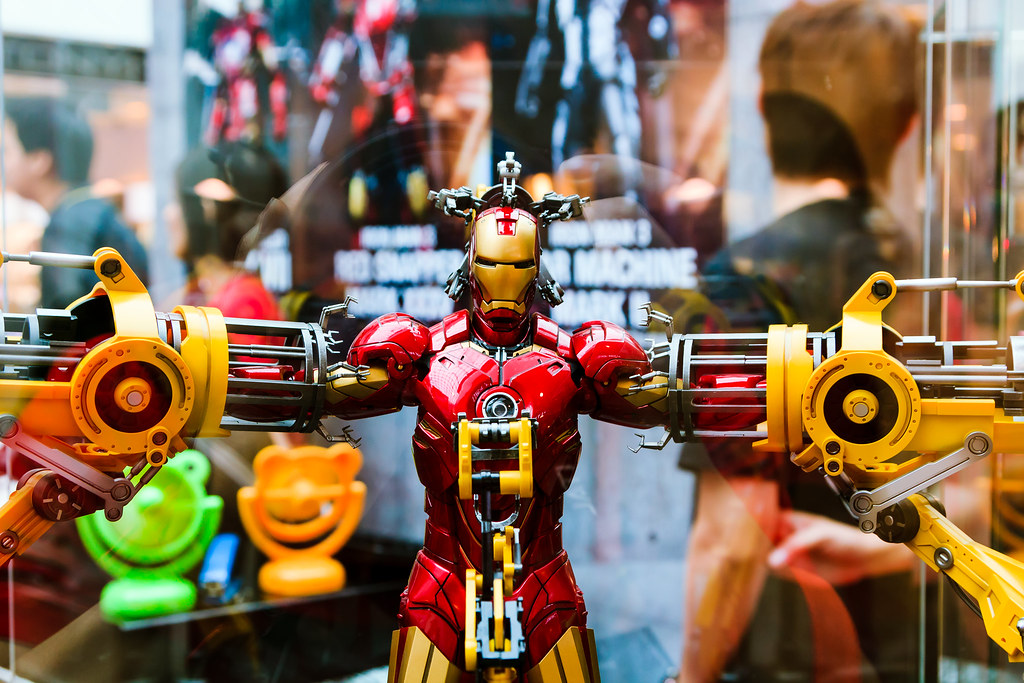
Hot Toys, the Hong Kong-based company, produces hyper-realistic sixth-scale figures of characters from major film franchises. At the standard level, these sell for $300 to $500. At the premium end — special editions, exclusive releases, figures with light-up features and multiple accessory sets — the price climbs past $1,000 without much difficulty.
A limited Hot Toys figure of a specific Iron Man suit variant, produced for a convention exclusive, will appear on resale platforms at two to three times retail within days of release. The detail on these figures is extraordinary, which partly explains the pricing.
The artificial scarcity explains the rest.
Hajime Sorayama Robot Figures
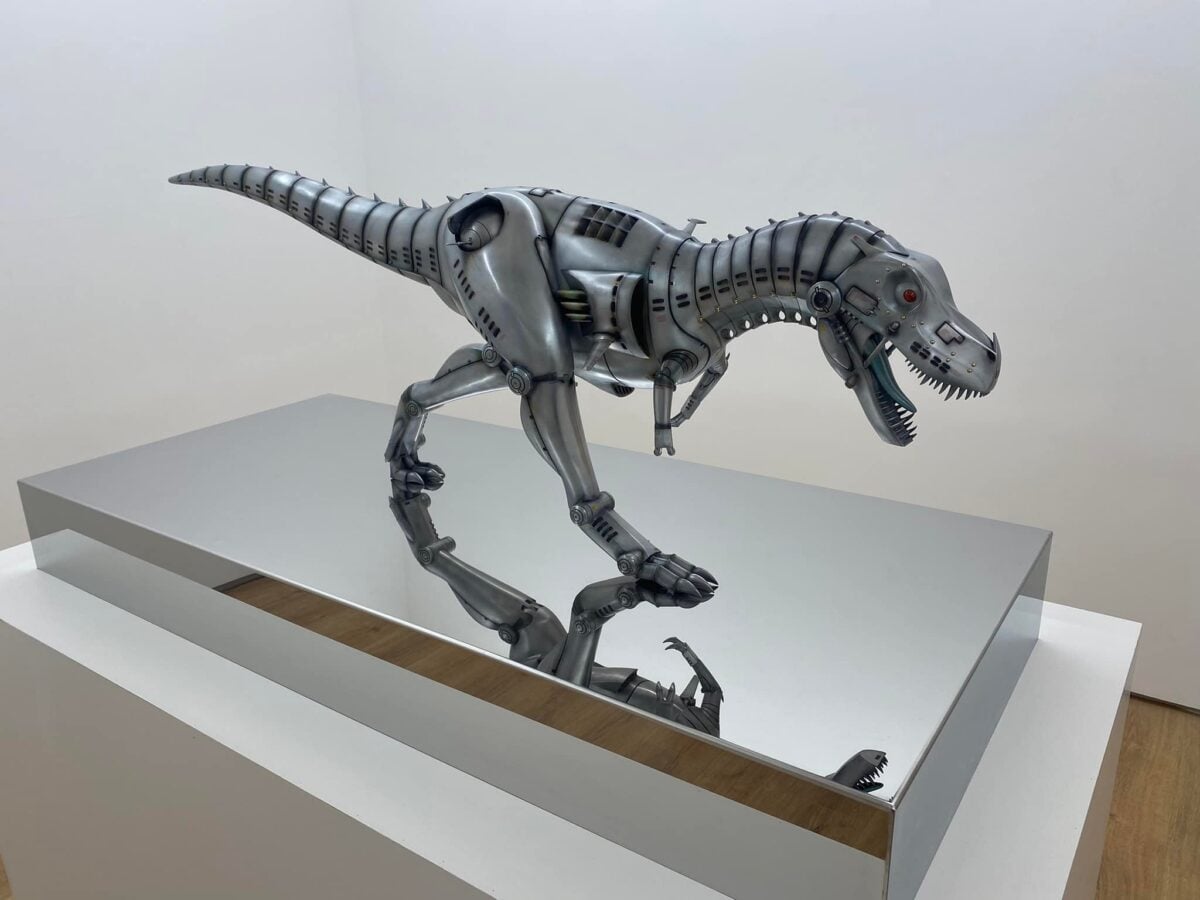
Hajime Sorayama is known for his hyper-realistic illustrations of chrome, sexualized robots — a visual language he developed in the 1970s that has influenced enormous amounts of design and culture since. His limited edition figure collaborations, particularly with Medicom and various galleries, bring that imagery into three dimensions.
A chrome robot figure in Sorayama’s style, produced in an edition of 100 or fewer, can sell for between $3,000 and $10,000. They look like prop pieces from a science fiction film that hasn’t been made yet.
Bape’s Plush and Vinyl Collaborations
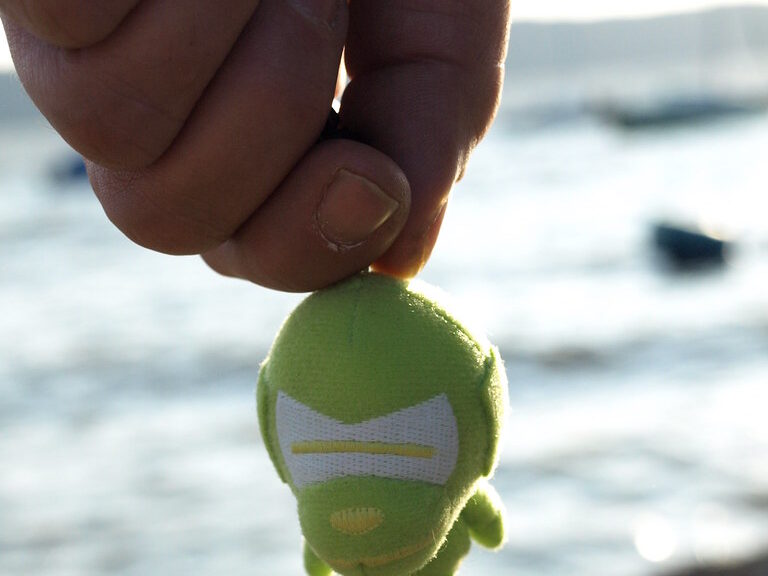
Bathing Ape — BAPE — has been producing branded toys alongside clothing since the brand’s early days in Harajuku. The baby milo character, a small cartoon ape, has appeared in plush, vinyl, and ceramic forms across hundreds of limited releases.
Some early BAPE vinyl figures from the early 2000s are now trading at $1,000 or more among collectors who remember when the brand’s Tokyo store required waiting in line for hours. The objects themselves are modest.
The cultural memory attached to them is not.
Nigo x Any Limited Vinyl
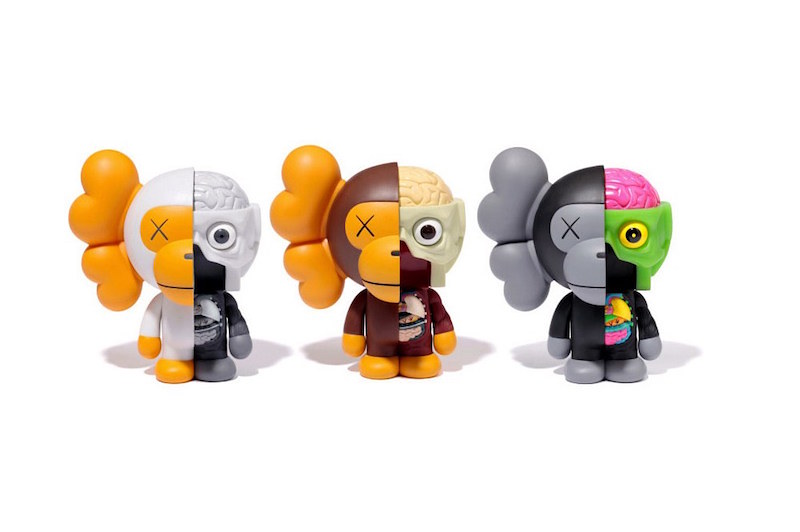
Nigo, the founder of BAPE and one of the central figures in the development of streetwear as a category, has produced numerous limited edition toys over the course of his career. The rarest of these — produced in tiny runs, given away at events, or sold only at specific locations — now command serious money from collectors.
Owning one is less about the object than about being able to say you were present in that particular moment of culture. The toys are just the physical receipt.
Tom Sachs’ NASA-Inspired Figures
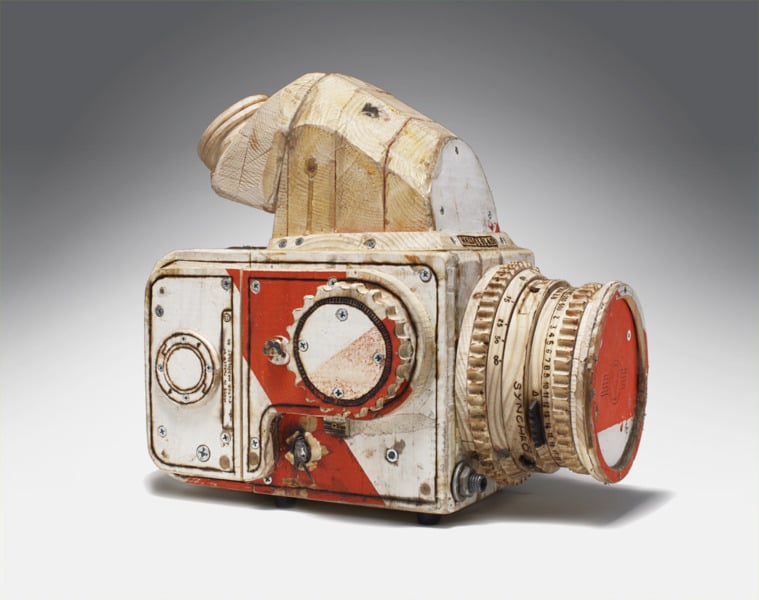
Handmade is how Tom Sachs builds everything. From whatever sits nearby – scrap wood, foam scraps, sticky tape – he shapes careful copies of tools, gadgets, maybe even icons.
When it comes to toy-like figures, that method sticks too. Some of these small forms, especially tied to his imagined trips to Mars, move fast in art markets, fetching big prices.
What you see is real effort: rough edges, visible glue, uneven lines. That raw finish isn’t a flaw. It’s why people want them.
Machines don’t make things like this.
Futura’s Abstract Painted Figures
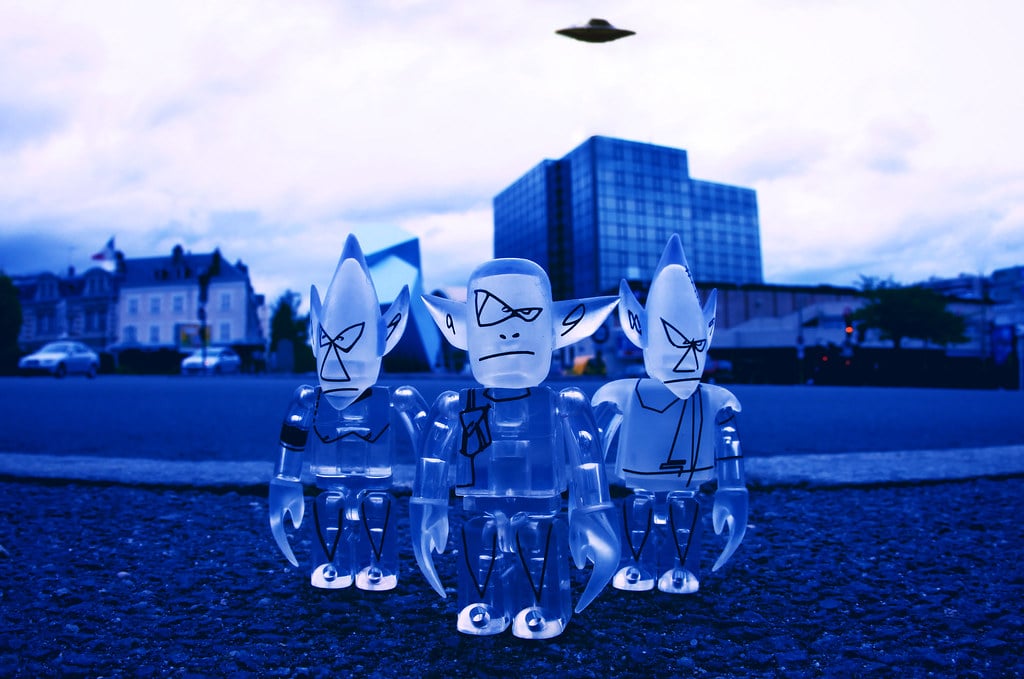
Futura goes by Leonard Hilton McGurr – a name tied to New York’s first wave of graffiti writers who moved beyond subway trains. Instead of staying on walls, he stepped into galleries, fashion projects, then later, playful vinyl toys made with companies like Medicom.
Those pieces? Often blurry human-like forms shaped through quick bursts of aerosol paint, sharp yet drifting. Only a few ever got turned out in tiny batches, each coated in fast-dry color straight from the artist’s hands.
Nowadays, one of those handmade models can fetch high numbers among collectors, signaling how raw city visuals once crossed paths with mass-making culture without losing edge. That moment rewired what street-rooted art could become.
Giant Sofubi Kaiju Figures
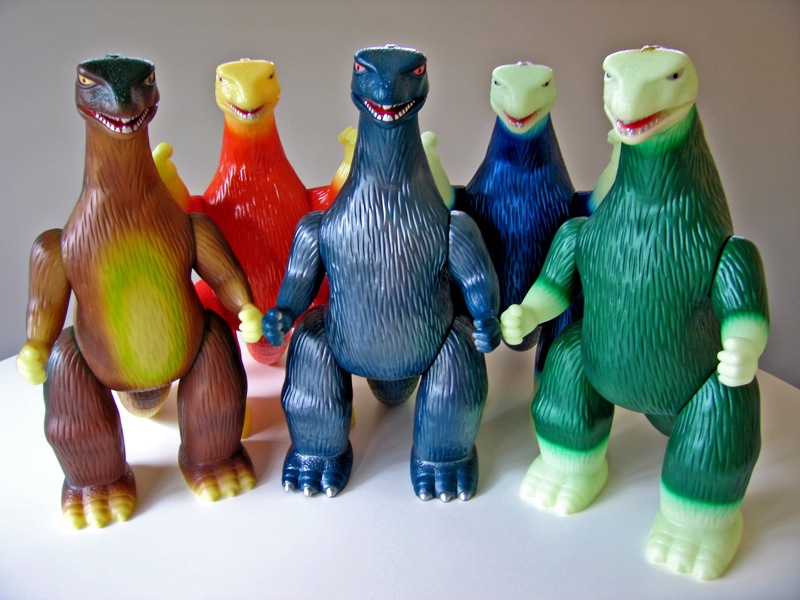
From Japan’s 1960s toy scene came squishy kaiju dolls made of soft vinyl – simple playthings back then. Yet today, solo creators have reshaped that idea entirely. Instead of mass production, each piece now emerges in small batches, often just two dozen at most.
These makers paint every detail themselves, one brushstroke after another. Because they control distribution, each drop goes straight to buyers without middle steps.
When a sought-after artist releases a new sculpture, priced between five hundred and two thousand dollars, it vanishes fast – sometimes under ten minutes. Their faces echo creatures once seen on late-night movie screens.
Behind the scenes though? Bidding wars, spreadsheets, timers counting down. Not childhood nostalgia anymore.
The Part Where Toys Become Something Else

What all of these objects have in common is that the word “toy” has stopped being accurate. They are cultural artifacts. They are investment vehicles for people who find traditional art too expensive or inaccessible.
They are status objects whose value comes entirely from collective agreement about what they represent. Some of them are genuinely interesting to look at.
Some are only interesting if you know the story behind them. But all of them exist at the edge of what an object can be, sitting in glass cases and on high shelves, waiting for the market to decide what they’re worth next.
More from Go2Tutors!

- The Romanov Crown Jewels and Their Tragic Fate
- 13 Historical Mysteries That Science Still Can’t Solve
- Famous Hoaxes That Fooled the World for Years
- 15 Child Stars with Tragic Adult Lives
- 16 Famous Jewelry Pieces in History
Like Go2Tutors’s content? Follow us on MSN.