Photos Of Pompeii The Moment Archaeologists First Uncovered It
The cameras weren’t rolling when Giuseppe Fiorelli first poured plaster into the hollow spaces left by decomposed bodies in 1863. No photographers documented the moment workers’ shovels first struck the preserved streets of Pompeii in 1748.
But as excavations continued through the 19th and early 20th centuries, photographers began capturing these extraordinary moments of discovery — the instant when artifacts, buildings, and human forms emerged from nearly 2,000 years of volcanic burial. These images offer something more powerful than any museum display: the raw immediacy of archaeologists confronting the past, shovel by shovel, revealing a city frozen in time.
The First Plaster Casts Being Created
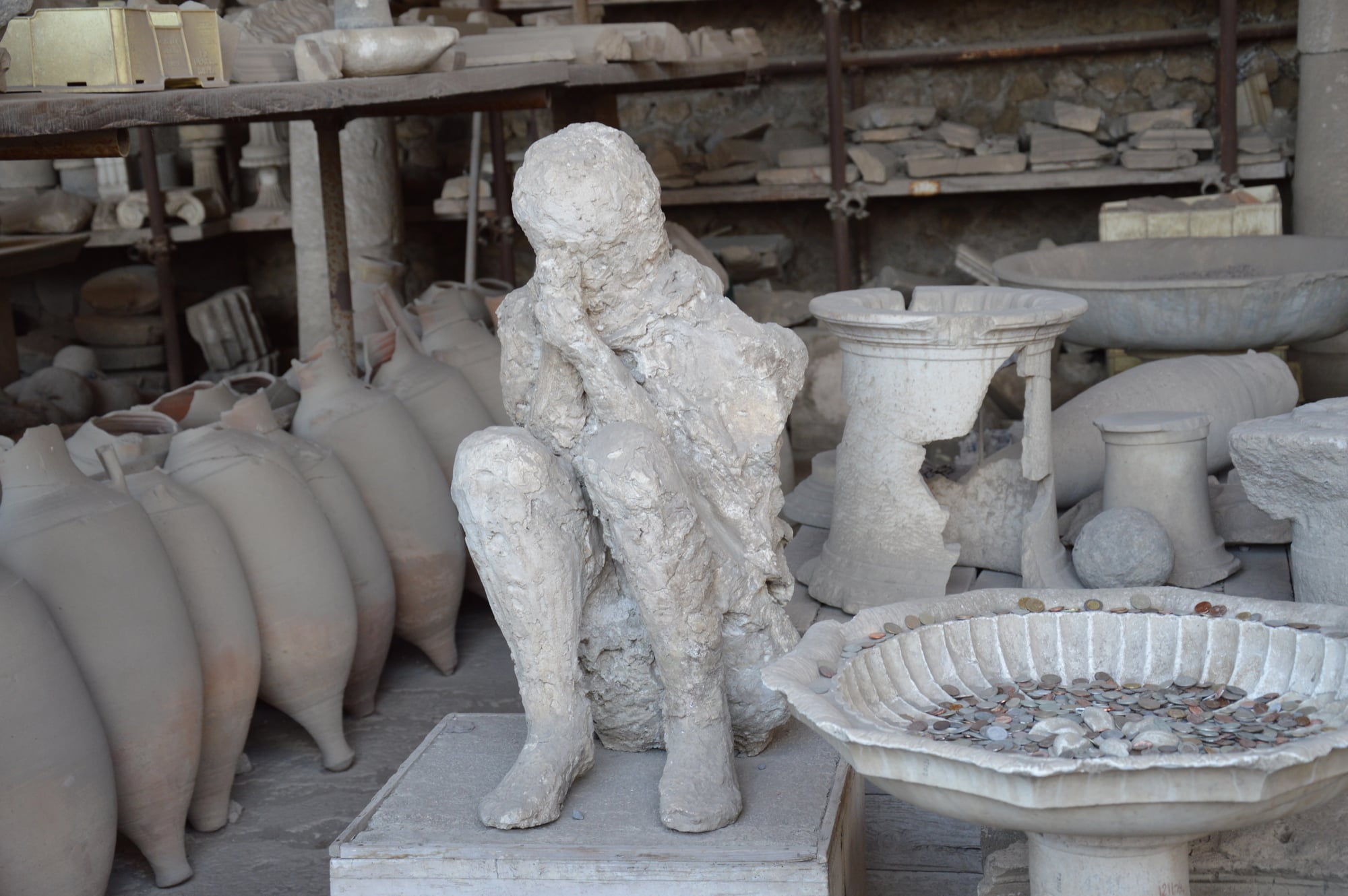
Fiorelli’s technique was brutal in its simplicity. Pour liquid plaster into the voids.
Wait. Chip away the hardened volcanic material. What emerged weren’t just shapes — they were people caught in their final moments, preserved in perfect detail down to the folds in their clothing.
The early photographs of this process look like a strange kind of surgery. Workers hunched over white forms still partially buried in dark ash, brushes in hand, carefully exposing a shoulder here, a face there.
The casts seem to be sleeping.
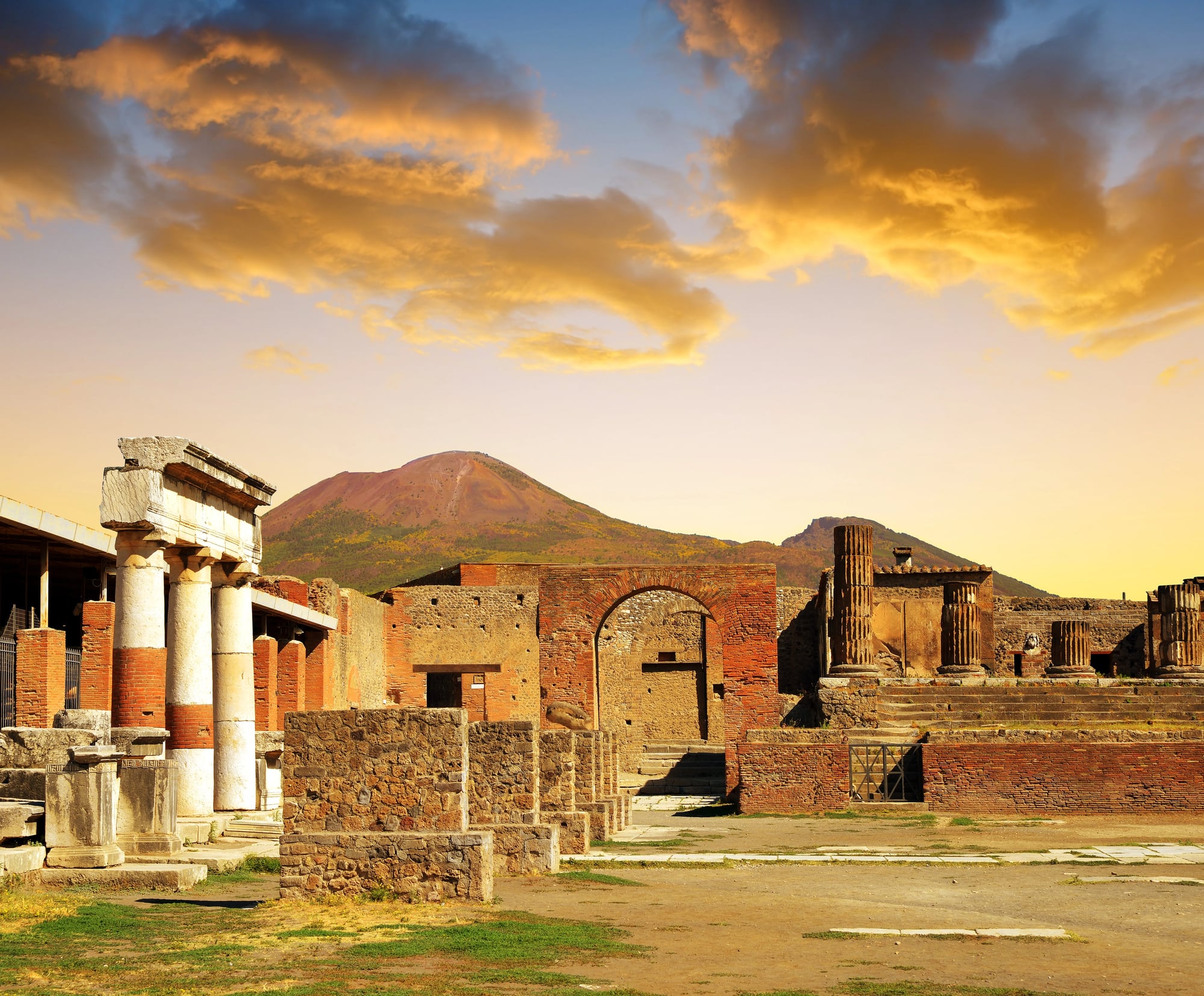
Excavation Teams At Work In The Forum
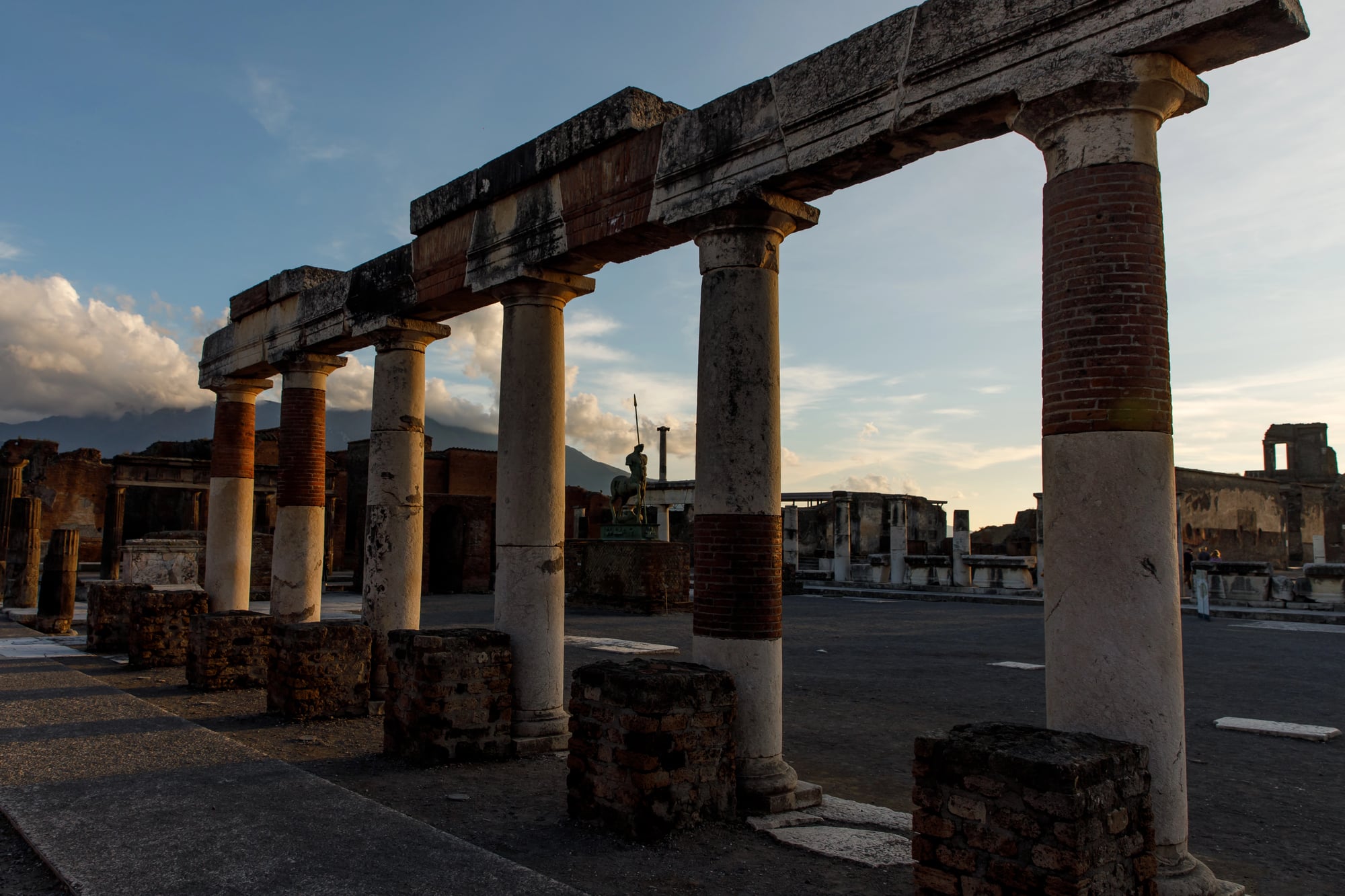
You have to understand something about these early archaeological teams (and this might sound obvious, but it bears stating): they were working with tools that would embarrass a modern gardener, yet they were uncovering one of history’s most significant sites. And yet the photographs from the Forum excavations show something remarkable — a kind of methodical reverence that somehow managed to coexist with what was essentially industrial-scale digging, where dozens of workers moved tons of volcanic debris while trying not to destroy the very thing they were seeking to uncover.
But look at their faces in these images. Serious work. So much depended on getting this right.
The Forum photographs capture the scale of what they were attempting: an entire public space, buried under twenty feet of ash and pumice, being brought back to daylight one wheelbarrow at a time.
Household Items Still In Place
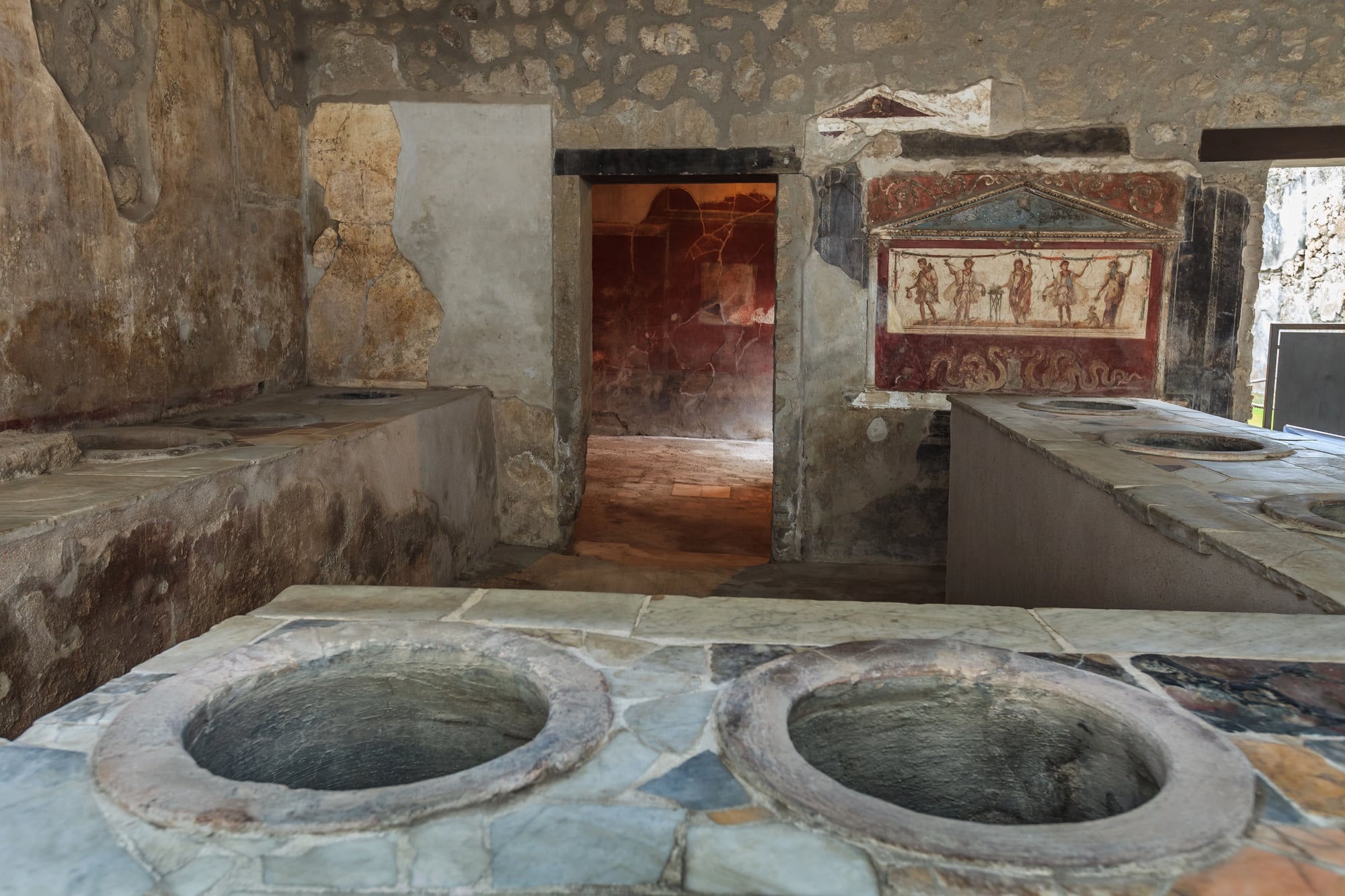
There’s something unsettling about seeing a kitchen exactly as someone left it on the morning of August 24, 79 AD. Pots still on the stove.
Bread still in the oven, carbonized but recognizable. A table set for a meal that was never finished.
The photographs from these domestic spaces feel invasive, like looking through someone’s windows. Which, in a sense, they were.
These weren’t museum pieces when the cameras captured them — they were still someone’s things, in someone’s home, waiting for someone who would never return.
The archaeologists in these images seem to understand this. They handle objects with a carefulness that goes beyond professional duty.
The Garden Of The Fugitives Discovery
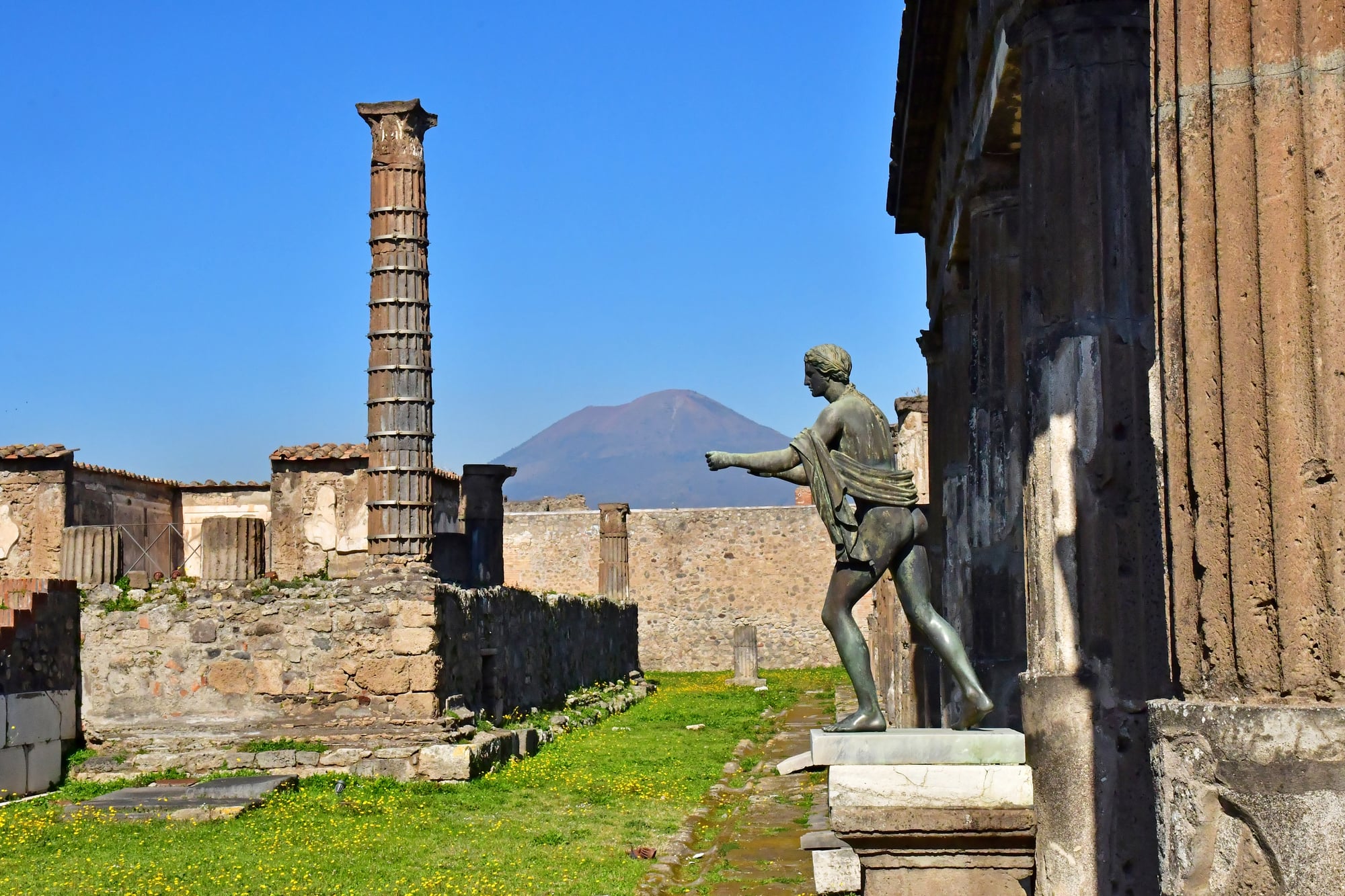
Thirteen people died together in what’s now called the Garden of the Fugitives, trying to escape the city as volcanic material rained down. The photographs of their discovery are difficult to look at — not because they’re graphic, but because they’re so human.
Their bodies tell the story better than any historical account could. A mother shielding a child.
Adults who turned back, perhaps to help someone who had fallen. The volcanic ash that killed them also preserved their final acts of courage and desperation with unforgiving precision.
These images were taken as the casts were still being cleaned and positioned, capturing the archaeologists’ first glimpse of this ancient tragedy.
Street-Level Views During Excavation
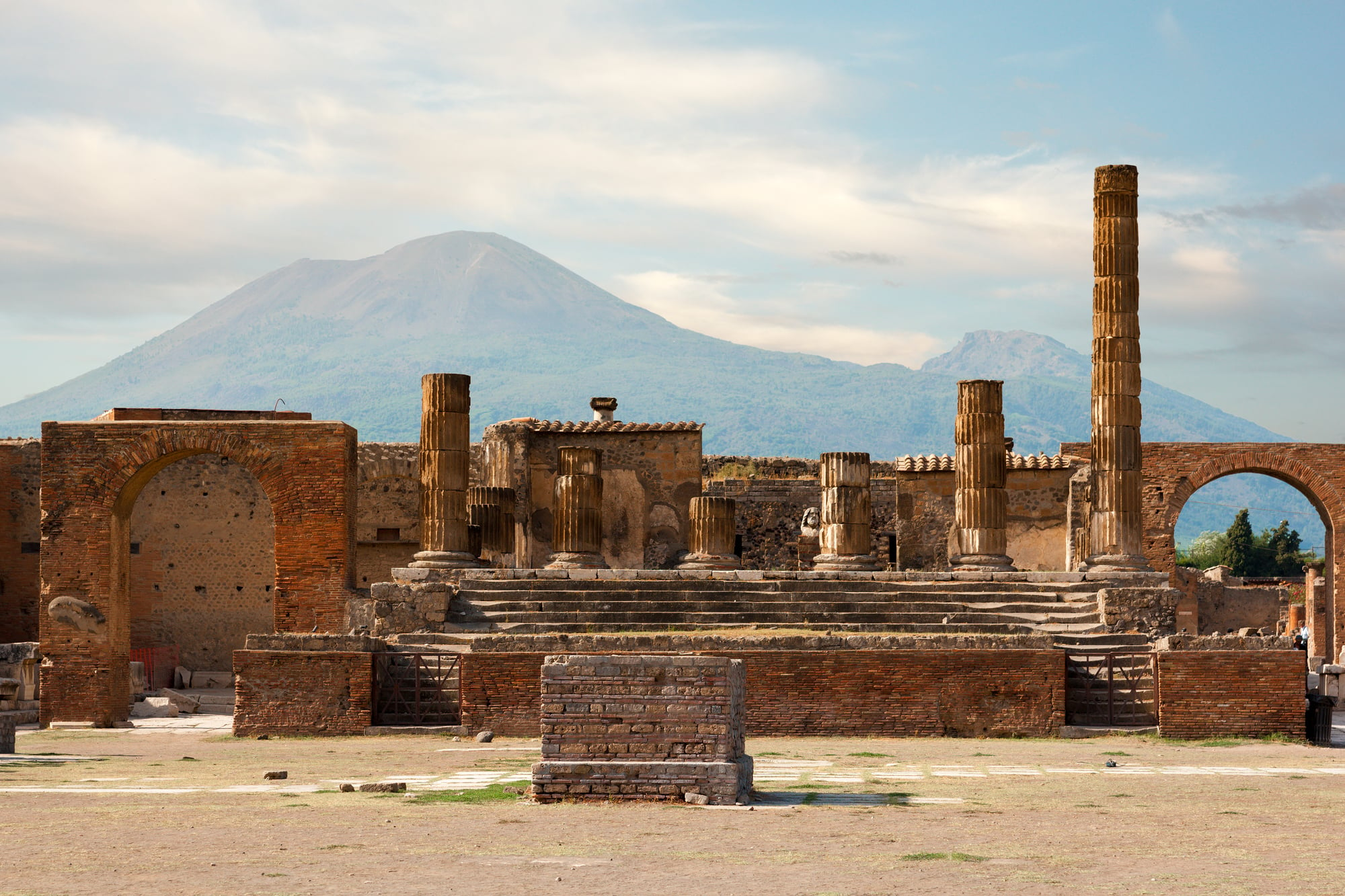
The streets of Pompeii weren’t just buried — they were erased from the landscape entirely. What the excavation photographs show is the strange process of rebuilding a geography that had been lost for nearly two millennia, where workers had to rediscover not just buildings but the basic layout of an entire city that existed beneath their feet.
And the streets they uncovered told stories: wheel ruts worn deep into stone from centuries of cart traffic, stepping stones placed at precise intervals to help pedestrians cross during floods. Even graffiti.
So much graffiti, actually. Turns out people in 79 AD had just as many opinions about politics and love as anyone else.
The photographs capture something else: the moment when scattered archaeological finds suddenly cohered into something recognizable as a place where people had lived their daily lives.
Villa Excavations In Progress
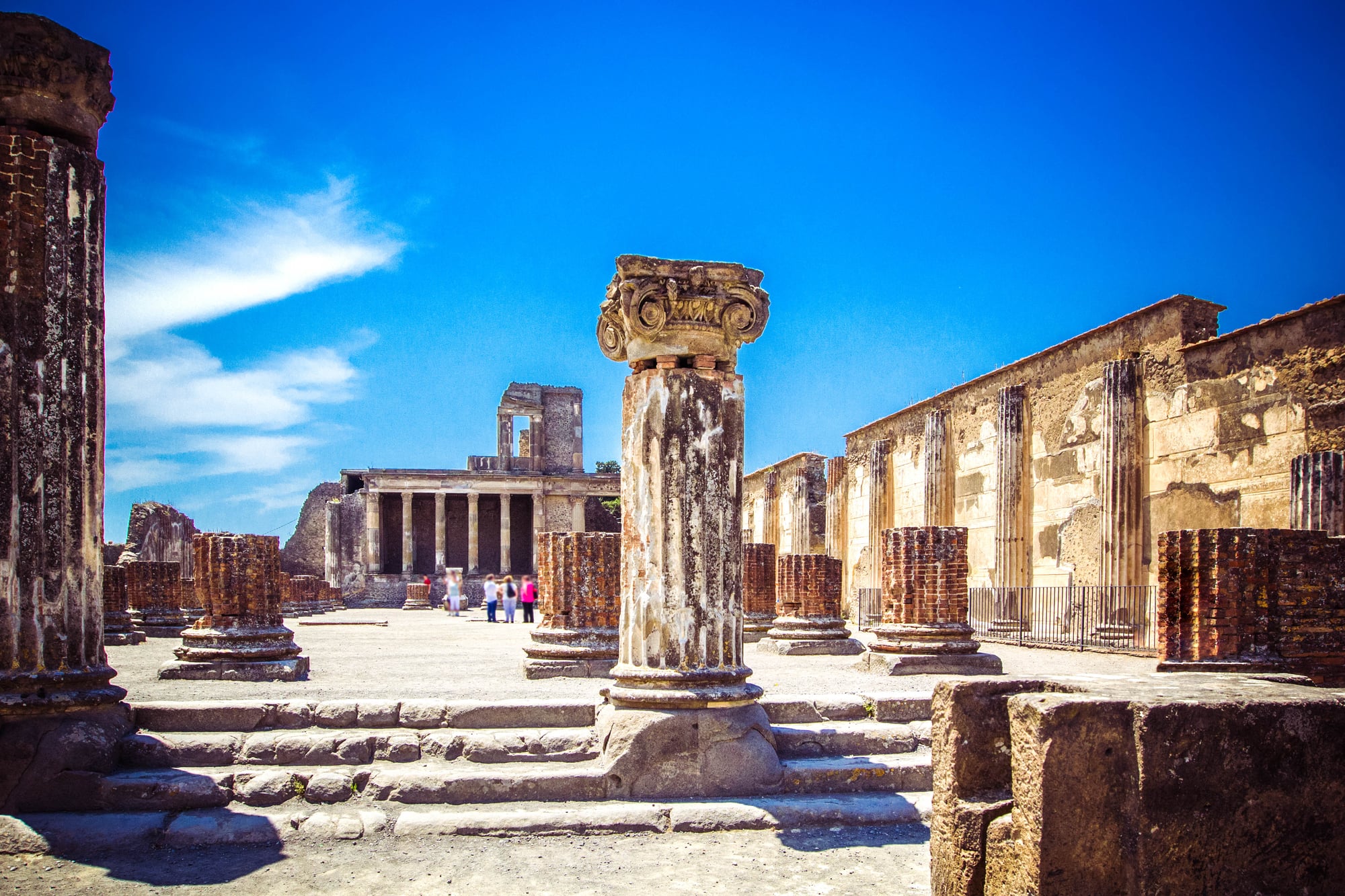
The wealthy districts of Pompeii were buried deepest, which meant they were among the last areas to be systematically excavated. The early photographs of villa excavations show the technical challenges this presented: elaborate mosaic floors that had to be uncovered tile by tile, fresco walls that began deteriorating the moment they were exposed to air, and architectural features so delicate that a careless shovel stroke could destroy them.
But these images also capture something else — the moment when luxury items emerged from the ash. Gold jewelry.
Elaborate silverware. Decorative objects that had been buried for two thousand years and emerged looking as if they’d been made yesterday.
The contrast between the rough work clothes of the excavation teams and the refined objects they were uncovering adds to the power of these photographs.
Bodies Preserved In Volcanic Ash
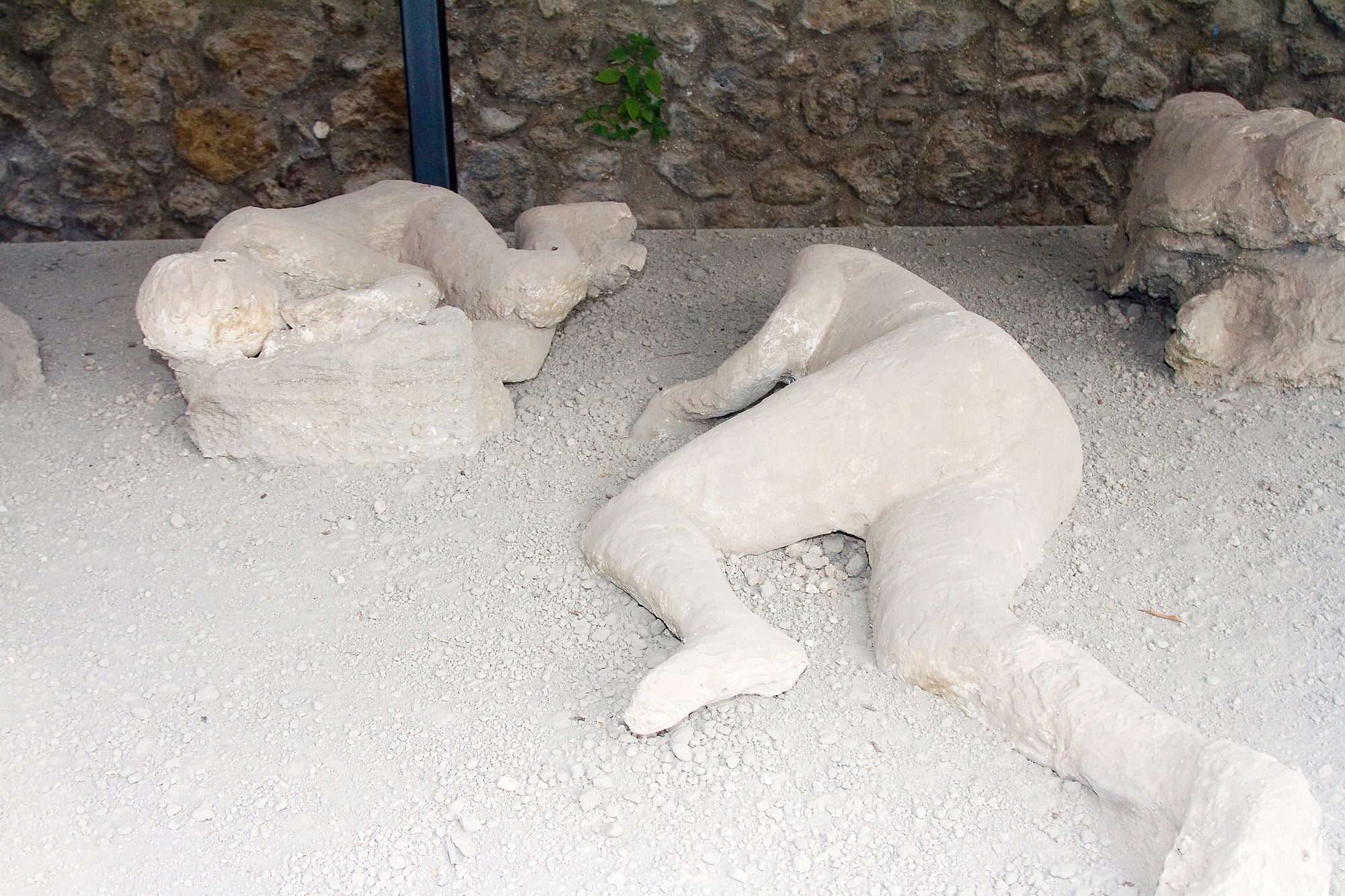
The human remains at Pompeii aren’t really bodies anymore — they’re hollow spaces in hardened ash that perfectly preserved the shape and position of people at the moment they died. The early photographs of these discoveries capture something that museum displays can’t quite replicate: the shock of recognition.
These images show archaeologists working with unusual care around these forms, understanding that they were handling not just archaeological evidence but human beings who had died in terror and pain.
The technical process of creating the casts required precision, but the emotional weight of the work is visible in every photograph.
Some of these early images are almost unbearably intimate. A child curled in what appears to be sleep.
An adult with hands raised, still trying to shield their face from the falling ash.
Artifacts Emerging From Ash
Every object that emerged from Pompeii’s ash was a small time machine, but the photographs of these moments of discovery capture something that’s lost once items end up in museum cases: the excitement of not knowing what you’re looking at until you brush away that last bit of volcanic debris. A bronze lamp becomes visible, its decorative details still sharp after two millennia (imagine the person who last lit it, going about their evening routine on what turned out to be the last normal night in the city’s history).
But household items weren’t the only things preserved — entire workshops emerged with their tools still arranged as if the craftsmen had just stepped out.
And the preservation was so complete that wooden objects, textiles, even food remained recognizable.
So the photographs don’t just show artifacts being uncovered — they show the moment when the past became tangible again.
Wall Frescoes Being Revealed
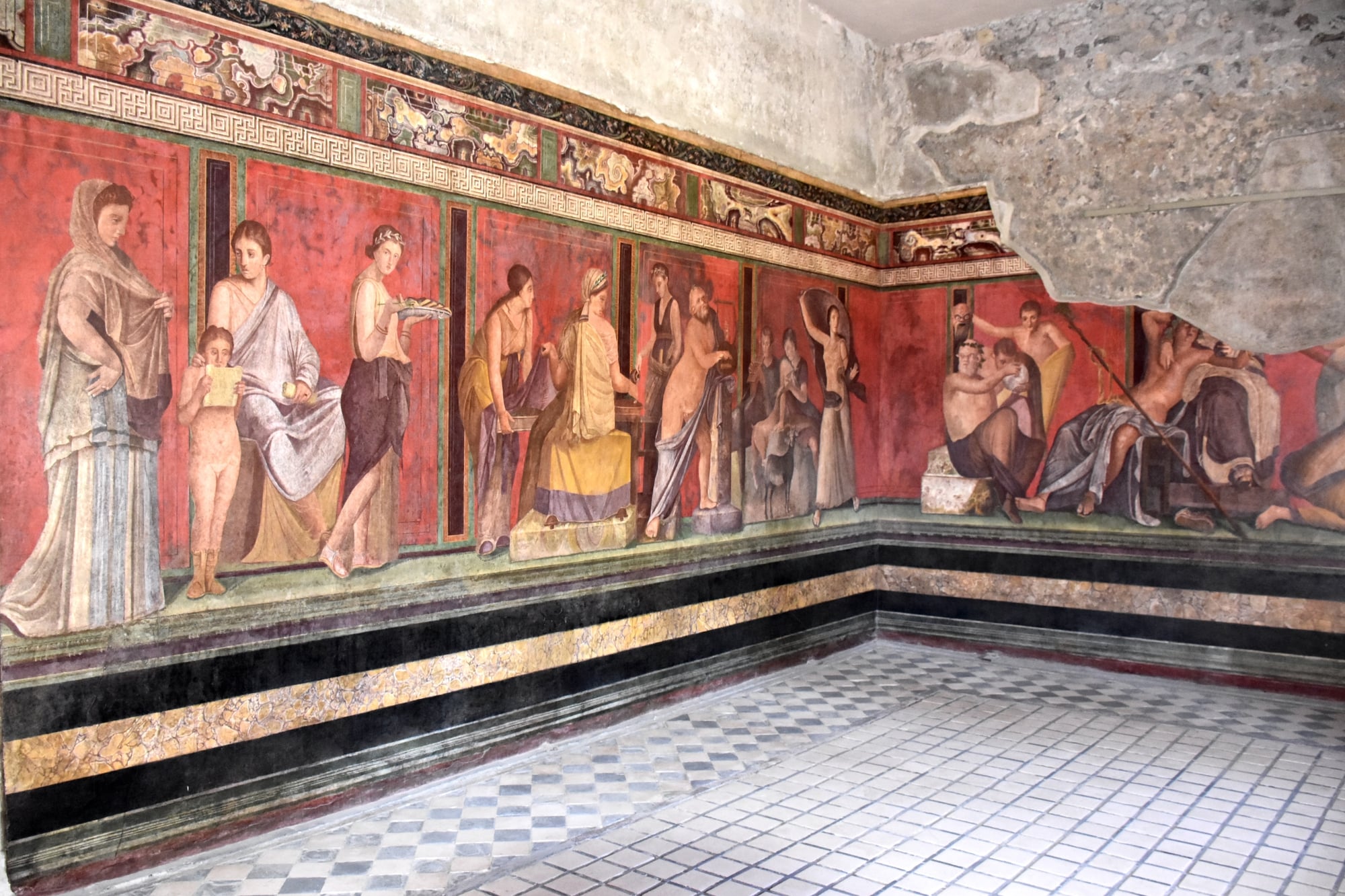
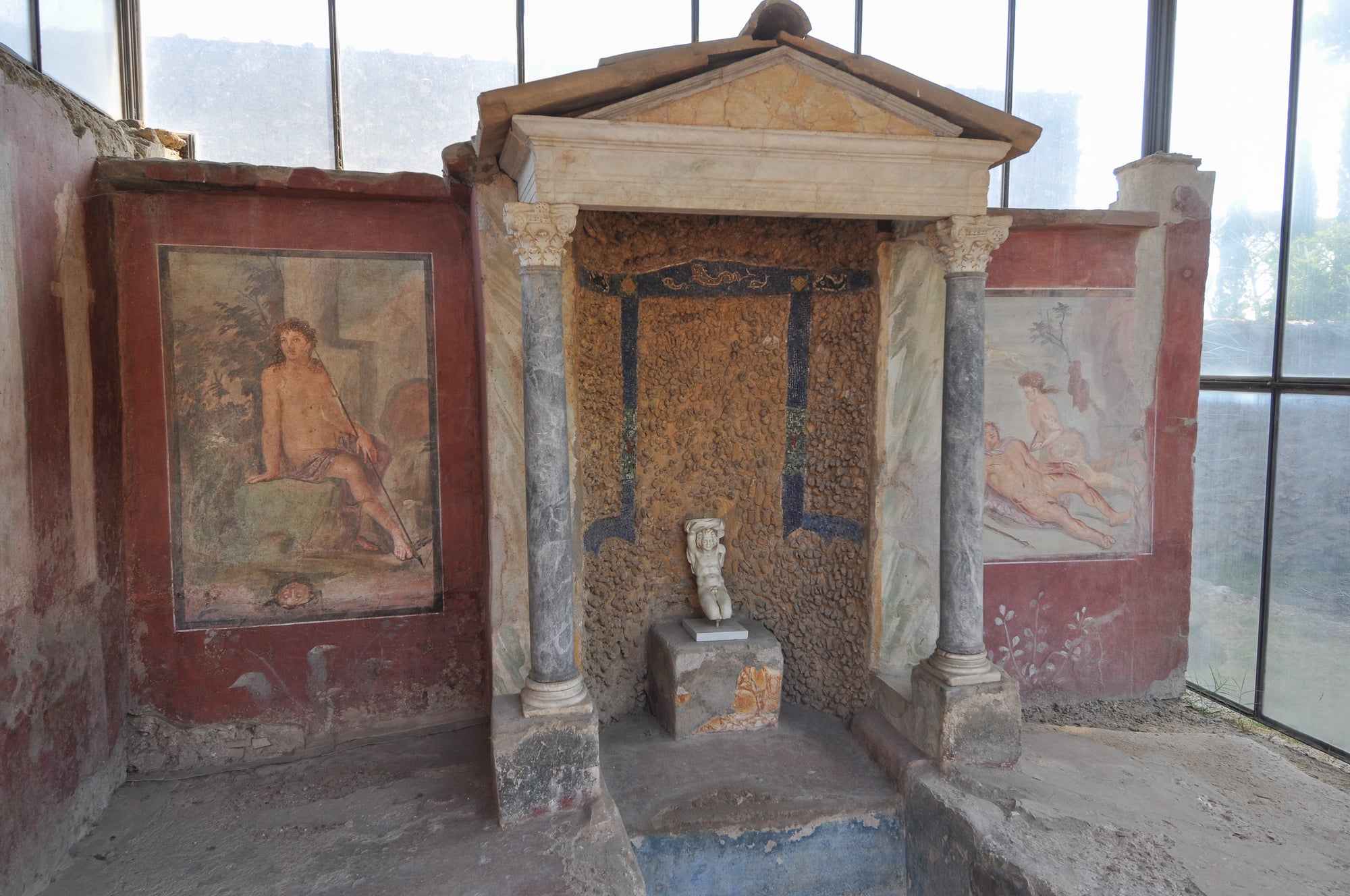
Pompeii’s wall paintings survived because volcanic ash doesn’t burn — it buries and preserves. The early photographs of fresco excavations capture the delicate work of exposing these paintings without destroying them.
The images show something remarkable: artwork that was nearly 2,000 years old but looked as fresh as if the paint were still wet. Bright reds and blues.
Intricate mythological scenes. Even simple decorative patterns that revealed the aesthetic preferences of ordinary Romans.
But these photographs also document a race against time. Many of the frescoes began deteriorating rapidly once exposed to air and weather.
The early excavation photos are, in some cases, the only record we have of paintings that didn’t survive their own discovery.
Archaeological Tools And Techniques
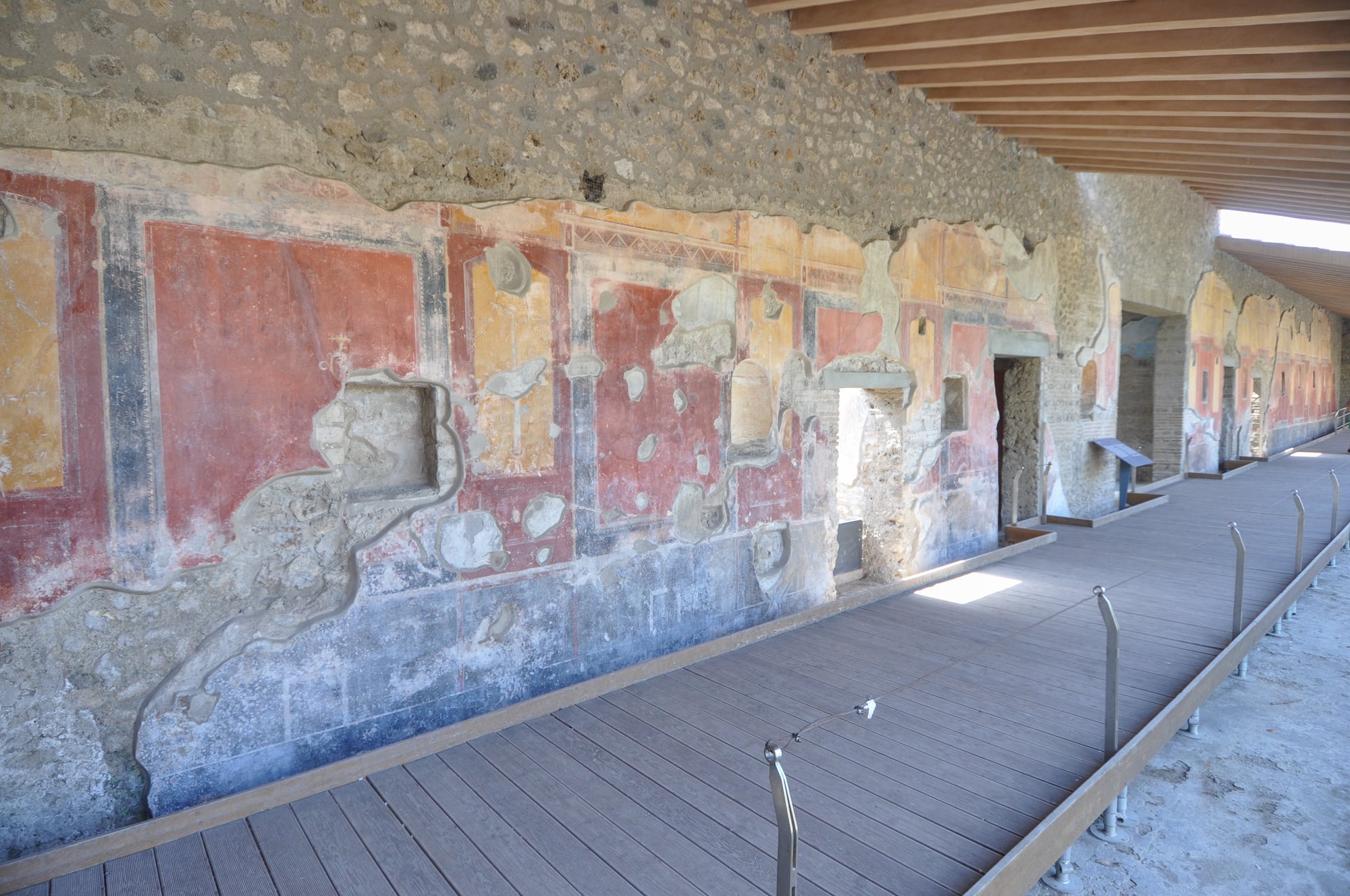
The tools visible in early Pompeii excavation photographs are almost comically primitive by modern standards. Hand brushes.
Simple trowels. Wheelbarrows that looked like they belonged on a construction site rather than at one of history’s most important archaeological digs.
Yet these basic tools were uncovering one of the most significant archaeological sites in human history. The photographs show the painstaking nature of this work: every shovelful of ash had to be examined for artifacts, every exposed surface had to be carefully cleaned and documented.
The contrast between the simplicity of the tools and the complexity of what they were revealing gives these images their power.
Workshop And Commercial Areas
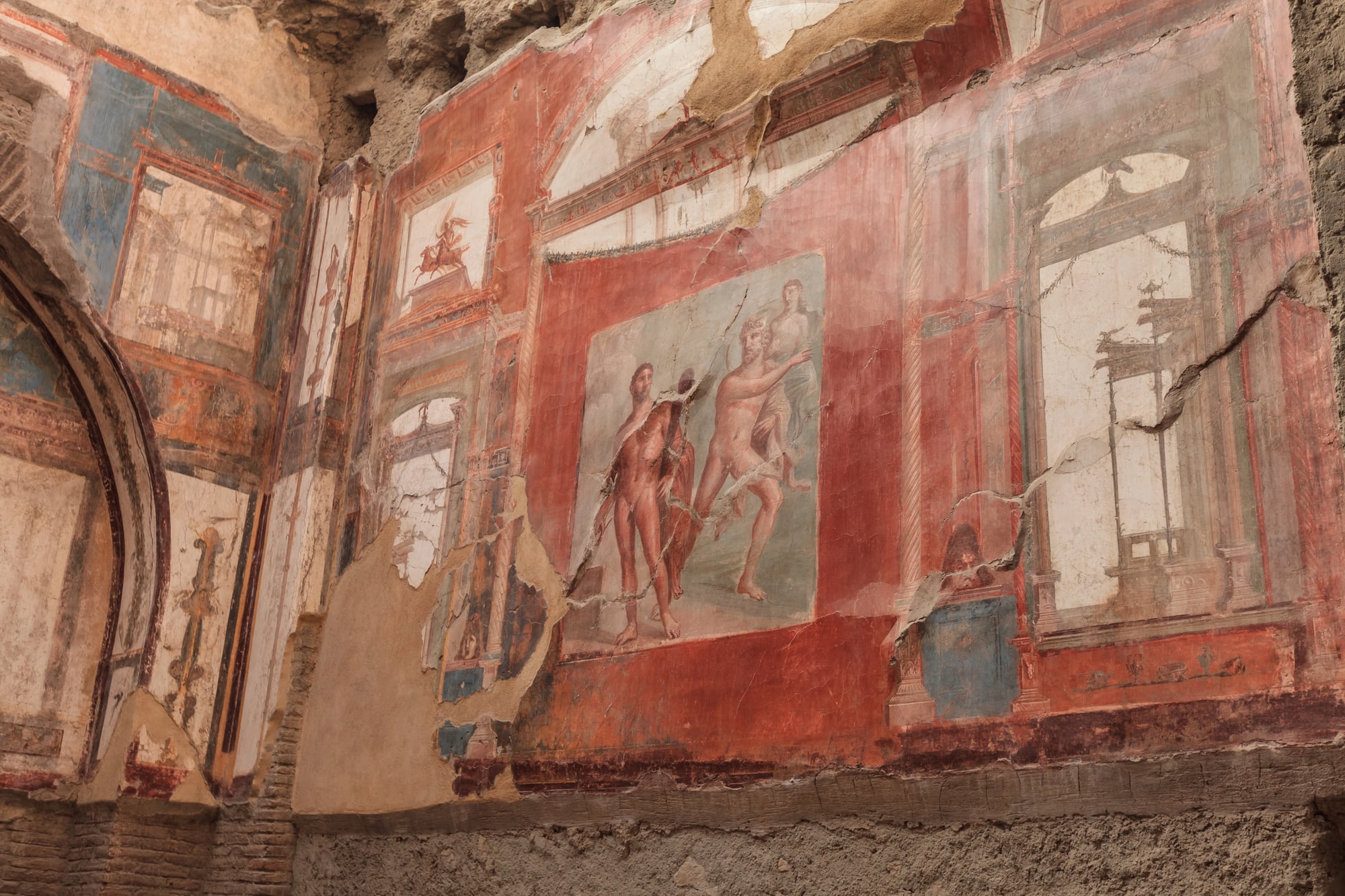
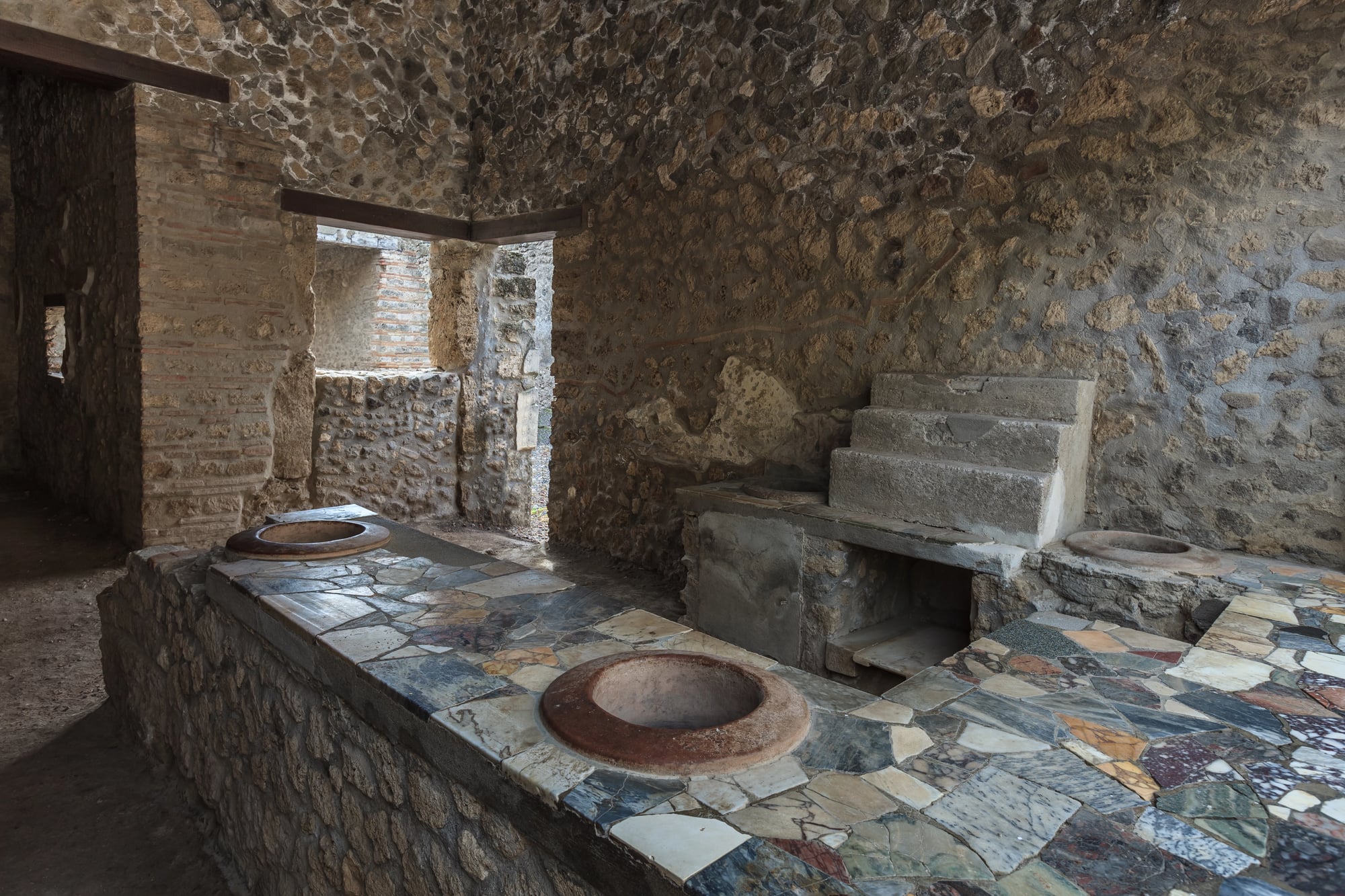
The commercial districts of Pompeii offered a different kind of time capsule — not the domestic intimacy of homes or the grandeur of public buildings, but the practical world of work and trade that kept the city functioning, and the early photographs of these excavations reveal spaces that were frozen in the middle of ordinary business: bakeries with loaves still in the ovens, wine shops with amphorae still lined up for sale, even a brothel with prices still painted on the walls.
But what makes these images particularly compelling is how they capture the moment when archaeologists realized they weren’t just uncovering buildings — they were uncovering an entire economy.
And the preservation was so complete that you could still see the wear patterns on workbenches, the stains on floors, even the graffiti left by bored employees.
The photographs show archaeologists encountering not just the past, but a version of the past that was startlingly familiar in its everyday concerns.
Public Baths And Bathhouses
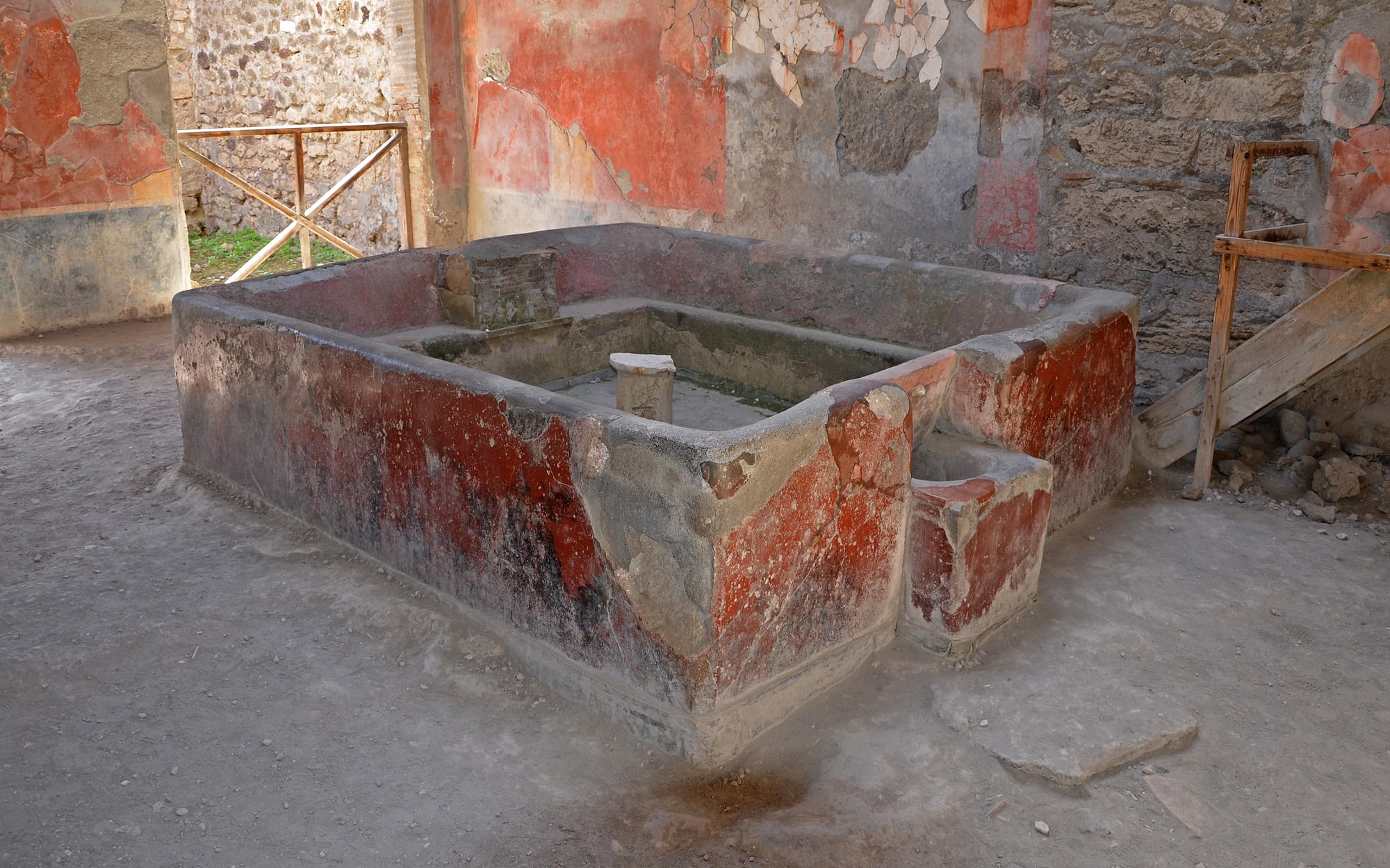
The bath complexes at Pompeii were sophisticated examples of Roman engineering — elaborate heating systems, multiple pools at different temperatures, and decorative elements that rivaled anything in Rome itself. The early excavation photographs capture the technical challenge of uncovering these spaces: complex underground systems had to be carefully exposed without causing structural collapse.
But these images also capture something else: the moment when archaeologists realized how advanced Roman bathing culture had been.
The level of luxury and technical sophistication was surprising even to scholars who thought they understood Roman civilization.
The photographs show spaces that were clearly designed for relaxation and socializing — a reminder that Pompeii wasn’t just a city, but a community where people had carved out spaces for pleasure and leisure.
Documentation And Recording Methods
Before digital photography, before video, even before reliable color film, documenting archaeological discoveries required a combination of photography, detailed drawings, and written descriptions. The early Pompeii photographs show this process in action: archaeologists working alongside artists and photographers to create a permanent record of discoveries that were often fragile and deteriorating.
These images capture the urgency of this documentation work. Many artifacts and frescoes were already showing signs of damage from exposure to air and weather.
The archaeologists knew they were racing against time to record everything before it was lost again.
The methodical nature of this work is visible in photograph after photograph: the same careful angles, the same attention to detail, the same understanding that these images might be the only permanent record of discoveries that wouldn’t survive their excavation.
Preservation Challenges Become Apparent
The early photographs of Pompeii excavations document not just discovery, but loss. Many of the most spectacular finds began deteriorating almost immediately once exposed to air, weather, and sunlight.
The images show archaeologists struggling with problems they hadn’t anticipated: frescoes fading within days of exposure, wooden objects crumbling at the first touch, textiles disintegrating before they could be properly documented.
These photographs capture the harsh reality that excavating Pompeii was also, in some ways, destroying it.
But they also show the beginning of modern preservation techniques. Later photographs in the series document the first attempts at protective covering, chemical stabilization, and controlled environment storage — techniques that were being invented as they went along.
When The Ancient World Became Real Again
Like walking into a house where the owners had stepped out for just a moment, the first photographs of Pompeii’s excavation captured something that transforms how you think about the past. Not as something remote and theoretical, but as a place where people had lived lives that were recognizably human in their concerns and routines.
The power of these images lies not in their technical quality — many are grainy, poorly lit, or hastily composed — but in their ability to document the moment when history stopped being abstract and became tangible. Here were real people who had lived real lives, preserved in such detail that you could see the bread they were baking and the games they were playing when the volcano erupted.
These photographs don’t just show archaeological discovery — they show the past refusing to stay buried.
More from Go2Tutors!

- The Romanov Crown Jewels and Their Tragic Fate
- 13 Historical Mysteries That Science Still Can’t Solve
- Famous Hoaxes That Fooled the World for Years
- 15 Child Stars with Tragic Adult Lives
- 16 Famous Jewelry Pieces in History
Like Go2Tutors’s content? Follow us on MSN.