The Kohinoor Diamond: Its Journey through Empires
Imagine a diamond so big it could fit in the palm of your hand, sparkling with the light of a thousand stars. The Kohinoor diamond was originally about 186 carats and is now 105.6 carats after being recut, making it one of the most famous gems in human history. For centuries, this incredible stone has passed from ruler to ruler, empire to empire, carrying with it stories of power, conquest, and controversy.
Origins in the Golconda mines
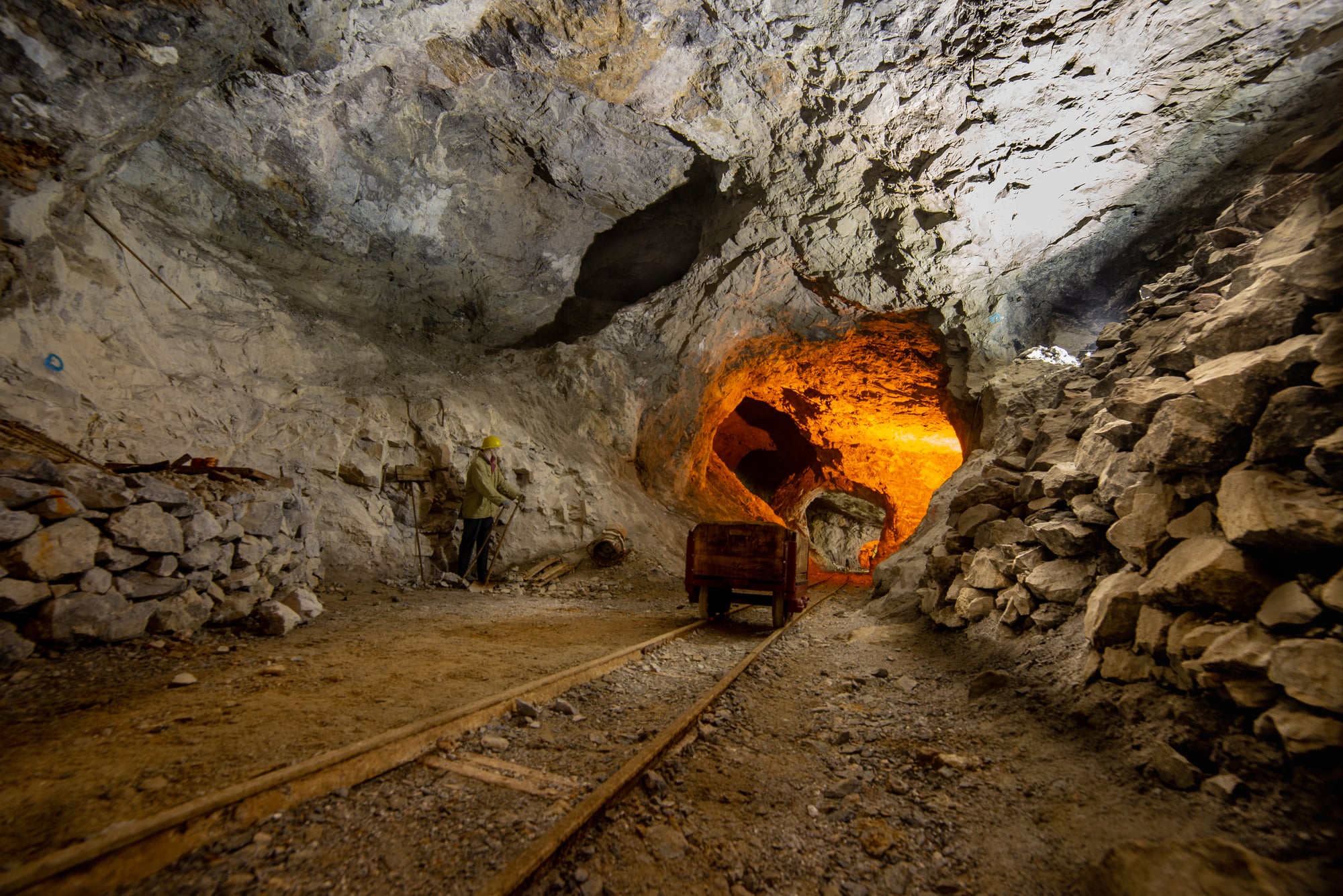
The diamond is believed to have originated in the Kollur Mine in the Golconda region of India, with its history dating back over a thousand years. The exact story of how it was first discovered remains a mystery lost to time.
Workers probably found it in river gravel, not knowing they held one of the world’s most famous stones. The Golconda region was known for producing the finest diamonds on earth. Local miners would have seen many beautiful stones, but none quite like this massive gem.
Early legends and Hindu mythology
Ancient Hindu texts mention a great diamond that brought both power and misfortune to its owners. Some stories connect the Kohinoor to the epic tale of the Mahabharata, written thousands of years ago.
According to a Hindu legend, the diamond was said to give its male owners terrible luck while bringing good fortune to women who possessed it. These early stories helped build the diamond’s reputation as both a blessing and a curse. Religious texts described it as a stone that could make kings or destroy them.
The Kakatiya dynasty’s treasure
The first royal family known to own the diamond ruled parts of southern India during medieval times. The Kakatiya dynasty treated the stone as one of their most precious royal treasures.
They displayed it during important ceremonies and festivals to show their power to other kingdoms. The diamond became a symbol of their divine right to rule their lands. When enemies threatened their borders, the Kakatiyas knew their great diamond would tempt invaders.
Delhi Sultanate acquisition
Muslim rulers who conquered parts of India in the 13th and 14th centuries seized the diamond along with other royal treasures. The Delhi Sultanate understood the stone’s value both as wealth and as a symbol of conquered Hindu kingdoms.
They kept it in their treasury alongside gold, silver, and other precious gems taken from defeated rulers. The diamond’s reputation spread throughout the Islamic world as news of its size and beauty reached distant lands. Merchants and diplomats carried tales of the incredible stone to courts across Asia and the Middle East.
Mughal Empire’s crown jewel
The mighty Mughal emperors made the Kohinoor the centerpiece of their legendary wealth and power. They set it in the famous Peacock Throne, surrounded by other precious stones and gold decorations.
Mughal court artists created detailed drawings showing the diamond’s place of honor among the empire’s treasures. Foreign ambassadors and visitors wrote amazed accounts of seeing the stone during royal audiences. The diamond helped establish the Mughals as one of the world’s richest and most powerful dynasties.
Nader Shah’s Persian conquest
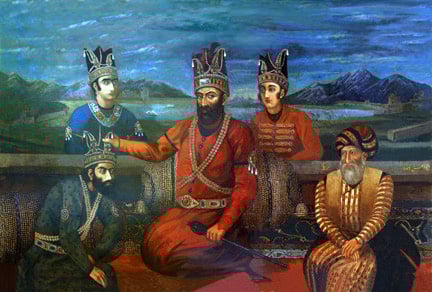
The first verifiable record of the diamond comes from a history by Muhammad Kazim Marvi of the 1740s invasion of Northern India by Afsharid Iran under Nader Shah. In 1739, he took the Peacock Throne, looted the Mughal treasury, and acquired the Koh-i-Noor.
The Persian ruler’s army completely overwhelmed the weakened Mughal forces defending Delhi. Nader took the Peacock Throne as part of his treasure, but removed the Timur Ruby and the Koh-i-Noor diamond to wear on an armband. This invasion marked the beginning of the diamond’s journey away from Indian soil.
Shah Shuja’s desperate bargain
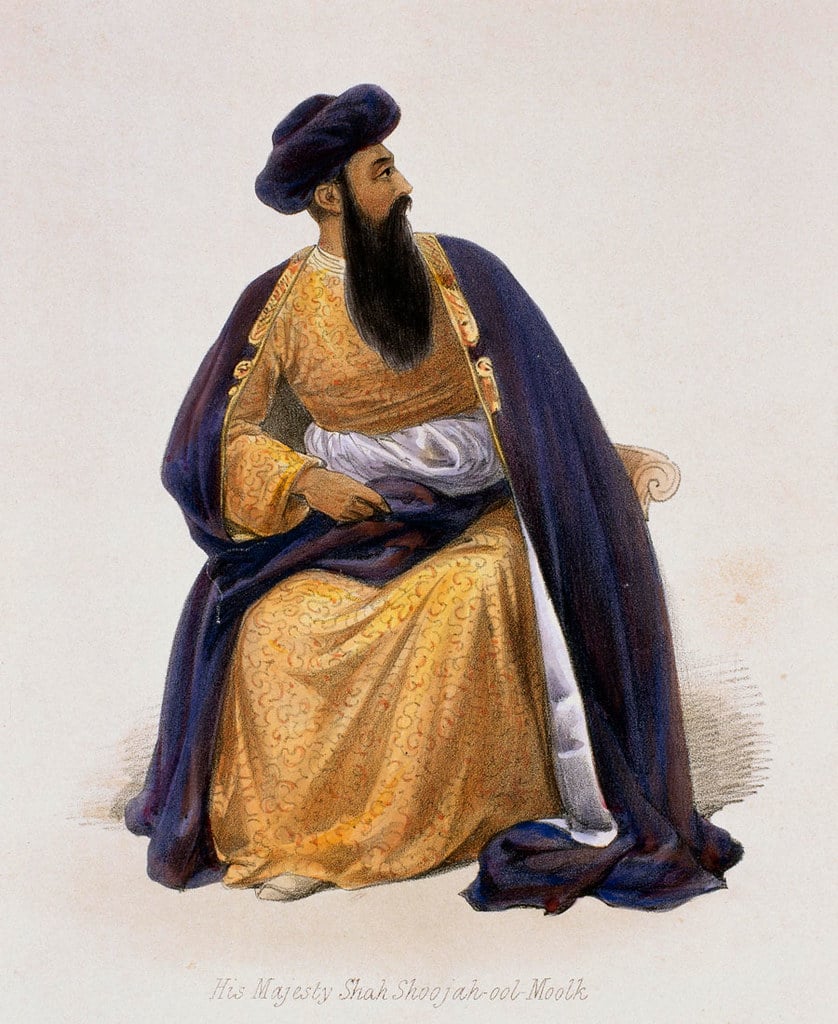
The last Afghan ruler to own the diamond faced political troubles that forced him to flee his homeland. Shah Shuja needed military protection and political support to regain his lost throne in Afghanistan.
In exchange for protection and military support, Shah Shuja gave the diamond to Ranjit Singh. This transaction happened when the Afghan king was living in exile and desperately needed allies. The diamond’s transfer marked another major change in its ownership and location.
Ranjit Singh and the Sikh Empire
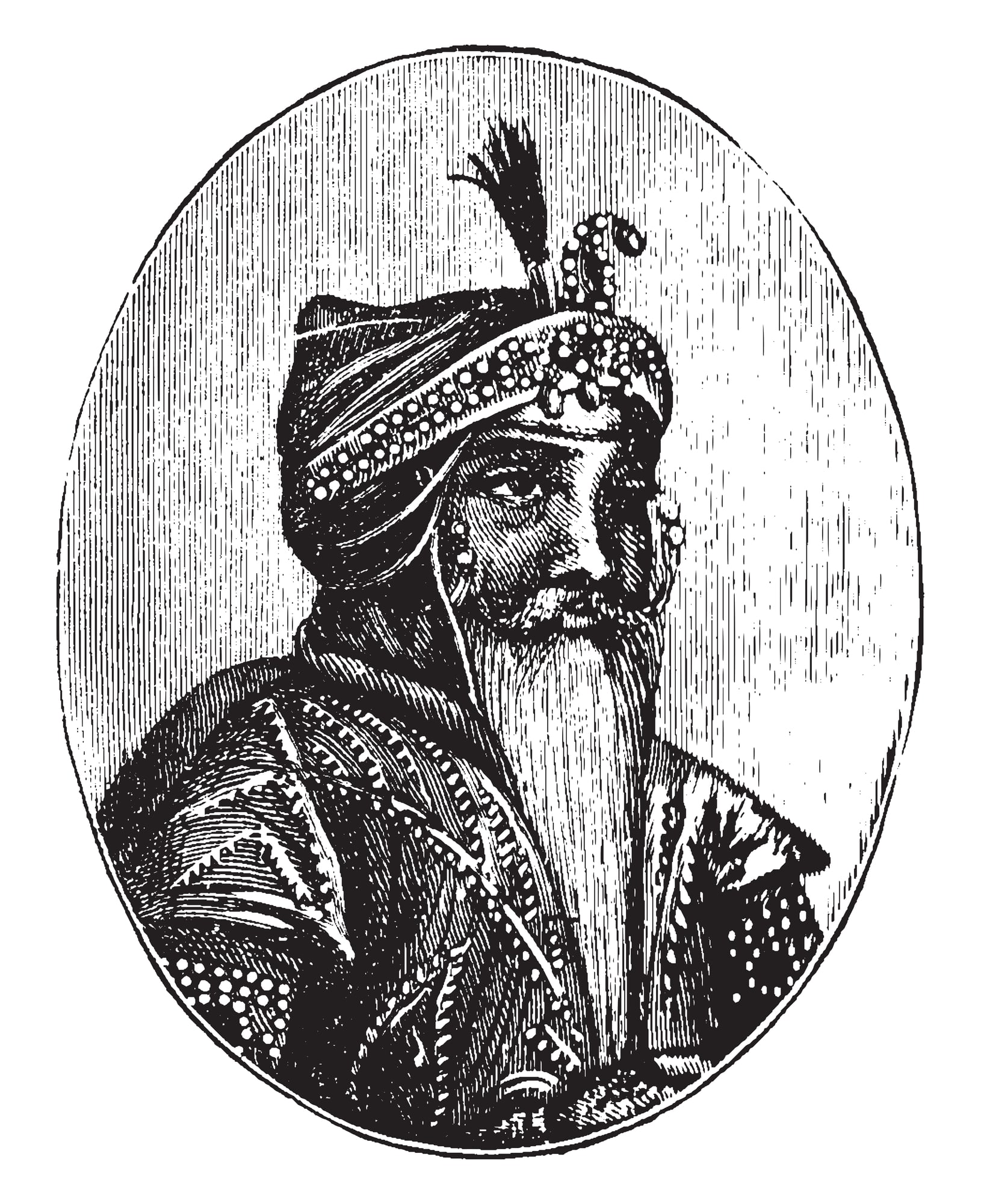
Under his rule, the Kohinoor became a symbol of Sikh pride and was displayed as part of the royal treasury in Lahore. The powerful Sikh ruler treated the diamond as the crown jewel of his expanding kingdom in Punjab.
Ranjit Singh understood that owning such a famous stone would enhance his reputation across India and beyond. He wore it during important state occasions and religious festivals to demonstrate his power and wealth. Ranjit Singh was one of the last Indian rulers to possess the Kohinoor before it left the subcontinent forever.
Journey to London and Queen Victoria
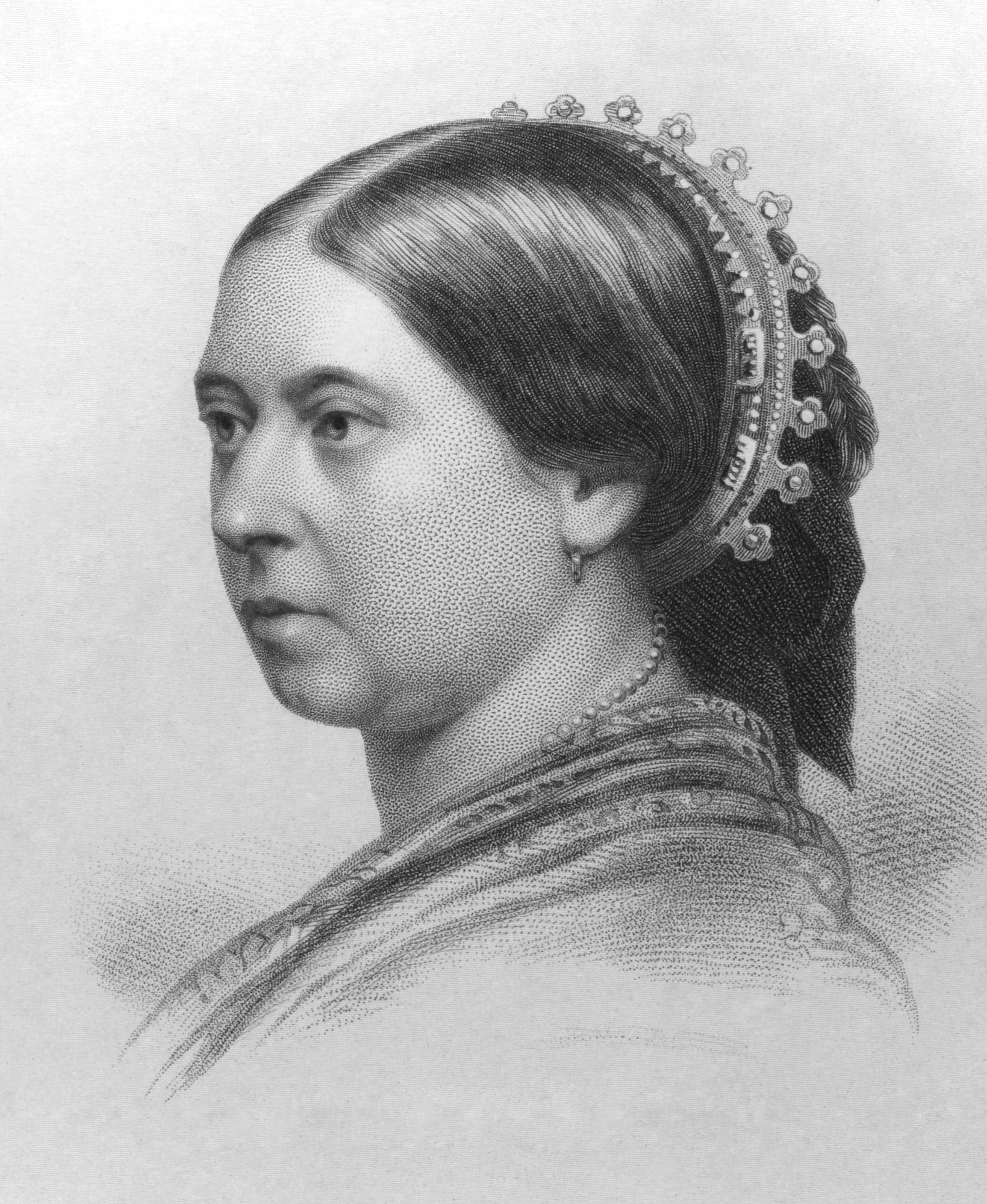
The diamond traveled from Lahore to London aboard a British ship, accompanied by heavy security and detailed documentation. Part of the British crown jewels since 1849, the Kohinoor was presented to Queen Victoria as a symbol of British imperial power.
The queen received it during a special ceremony that emphasized Britain’s control over Indian wealth and resources. British newspapers wrote exciting articles about the famous Eastern diamond joining the royal collection. The stone’s arrival in London marked the end of its long journey through Asian empires.
World War relocations and security

During both world wars, the British government moved the crown jewels, including the Kohinoor, to secret locations for protection. The diamond survived German bombing raids on London safely hidden away from the public eye.
Government officials created detailed security plans to protect the royal treasures from enemy forces or theft. The wartime relocations showed how important the British considered the diamond to their national heritage. Special guards and elaborate precautions ensured the stone’s safety during dangerous times.
Modern controversy and ownership claims
The Koh-i-noor is claimed by several countries, including India, which has demanded its return. Pakistan, Afghanistan, and Iran have also argued that they have legitimate claims to the famous diamond.
The diamond’s journey from India to Britain represents a troubling aspect of cultural appropriation, where a precious artifact was taken from its rightful owners and incorporated into the British imperial narrative. Legal experts debate whether modern international law supports returning artifacts taken during colonial periods. The controversy shows how historical objects can become symbols of larger political and cultural conflicts.
Current status in the Tower of London

Today, visitors from around the world can see the Kohinoor diamond displayed with the other British crown jewels in the Tower of London. Millions of tourists each year view the stone behind bulletproof glass and high-tech security systems.
The diamond continues to generate revenue for British tourism while remaining at the center of international diplomatic disputes. The scandal about the East India Company’s plunder imperialism in India and the rumor of the diamond’s curse lingered, so the Kohinoor never became the exalted gemstone in the imperial crown in the way that Dalhousie had envisioned. Despite the controversies, it remains one of the most famous gems in the world.
From ancient mines to modern museums: a legacy carved in stone
The Kohinoor’s remarkable journey through empires reflects the complex history of power, colonialism, and cultural heritage that still shapes our world today. The journey of the Kohinoor diamond is emblematic of the tumultuous histories of empires, colonialism, and cultural identity.
What began as a remarkable discovery in Indian mines became a symbol of conquest, wealth, and the lasting effects of imperial rule. Modern debates about returning the diamond to its country of origin highlight ongoing questions about historical justice and cultural ownership. The Kohinoor’s story reminds us that even the most beautiful objects can carry the weight of complicated human histories that continue to influence international relations centuries later.
More from Go2Tutors!

- The Romanov Crown Jewels and Their Tragic Fate
- 13 Historical Mysteries That Science Still Can’t Solve
- Famous Hoaxes That Fooled the World for Years
- 15 Child Stars with Tragic Adult Lives
- 16 Famous Jewelry Pieces in History
Like Go2Tutors’s content? Follow us on MSN.