Photos Of Countries With the Most Oil Reserves
Oil has shaped global politics, economies, and power dynamics for over a century. The countries sitting on massive underground reserves hold tremendous influence over energy markets and international relations.
From desert kingdoms to frozen tundras, these nations control the black gold that keeps the world running. Let’s take a visual journey through the countries where oil flows most abundantly beneath the surface.
Venezuela
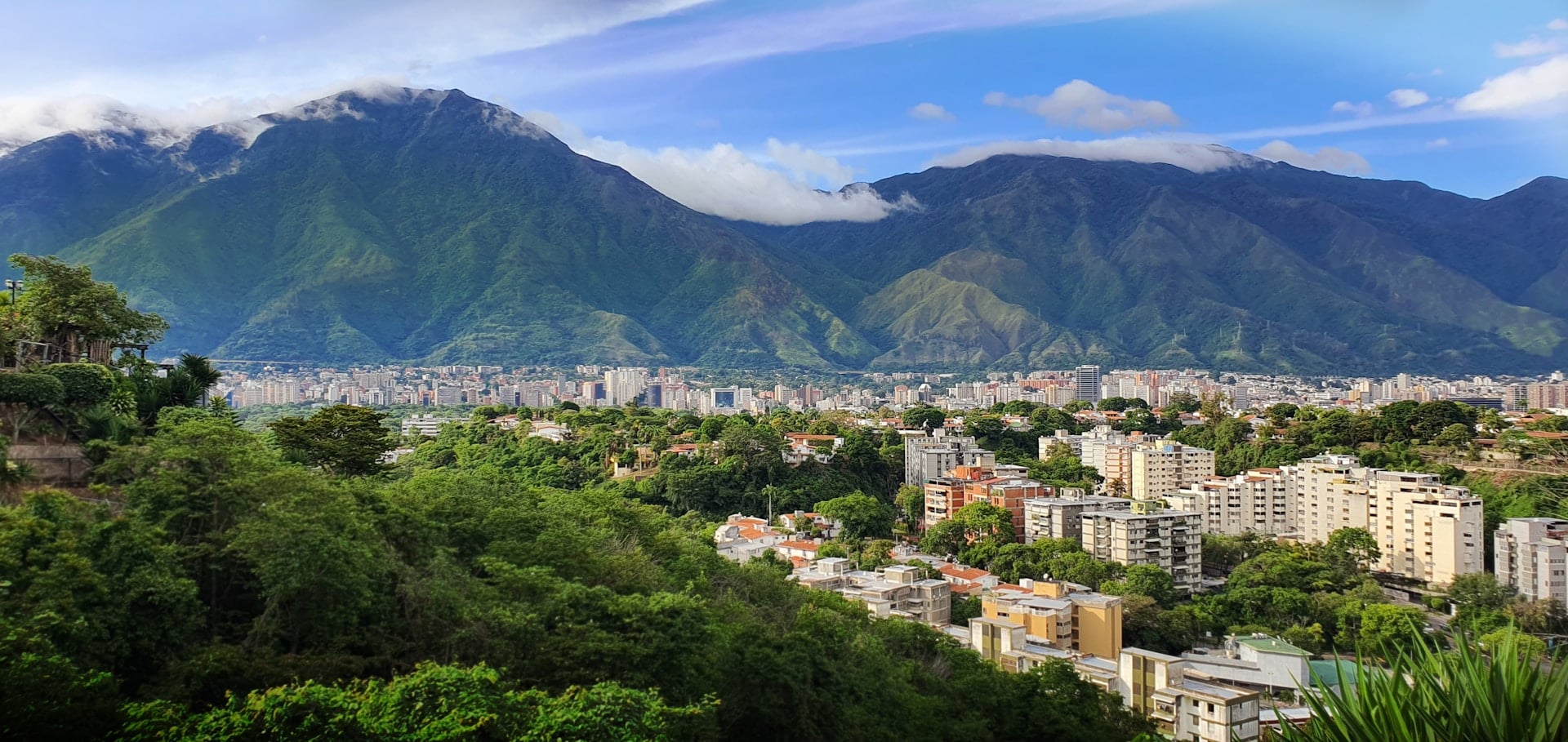
Venezuela tops the list with proven reserves exceeding 300 billion barrels, making it the world’s most oil-rich nation. The country’s Orinoco Belt contains heavy crude that requires special refining processes but represents an enormous energy resource.
Despite this wealth, economic mismanagement and political instability have prevented Venezuela from fully capitalizing on its underground treasure. The contrast between potential and reality makes Venezuela one of the most complex oil stories on the planet.
Saudi Arabia
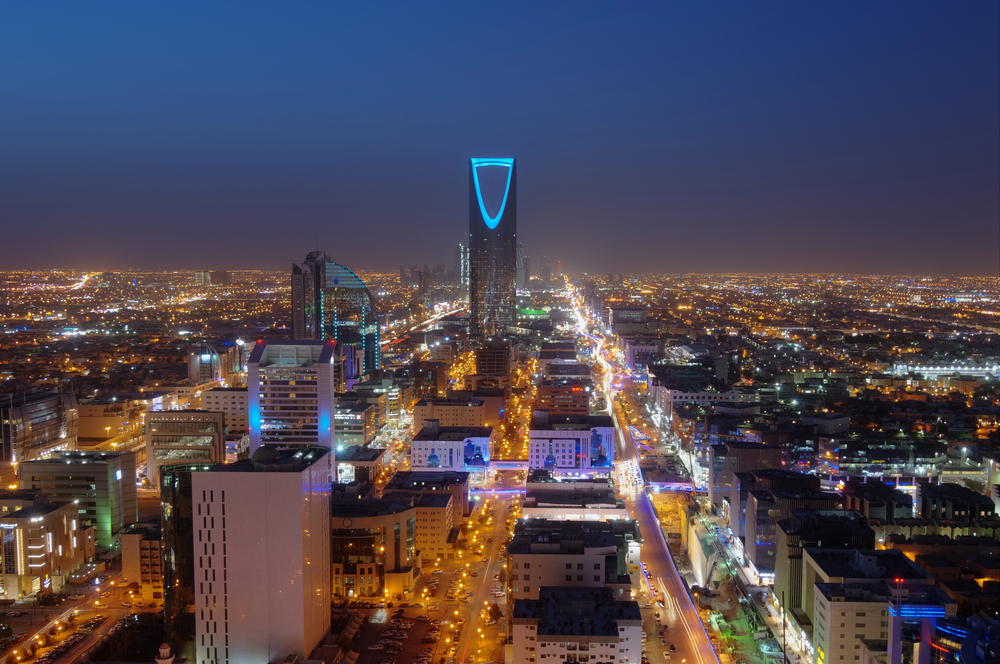
The kingdom sits on approximately 267 billion barrels of proven oil reserves, concentrated primarily in the eastern provinces along the Persian Gulf. Saudi Arabia’s reserves are particularly valuable because the oil is relatively easy and cheap to extract compared to other regions.
The massive Ghawar field alone produces millions of barrels daily and ranks as the largest conventional oil field ever discovered. For decades, Saudi Arabia has used its oil wealth to transform desert landscapes into modern cities with gleaming skyscrapers and advanced infrastructure.
Canada
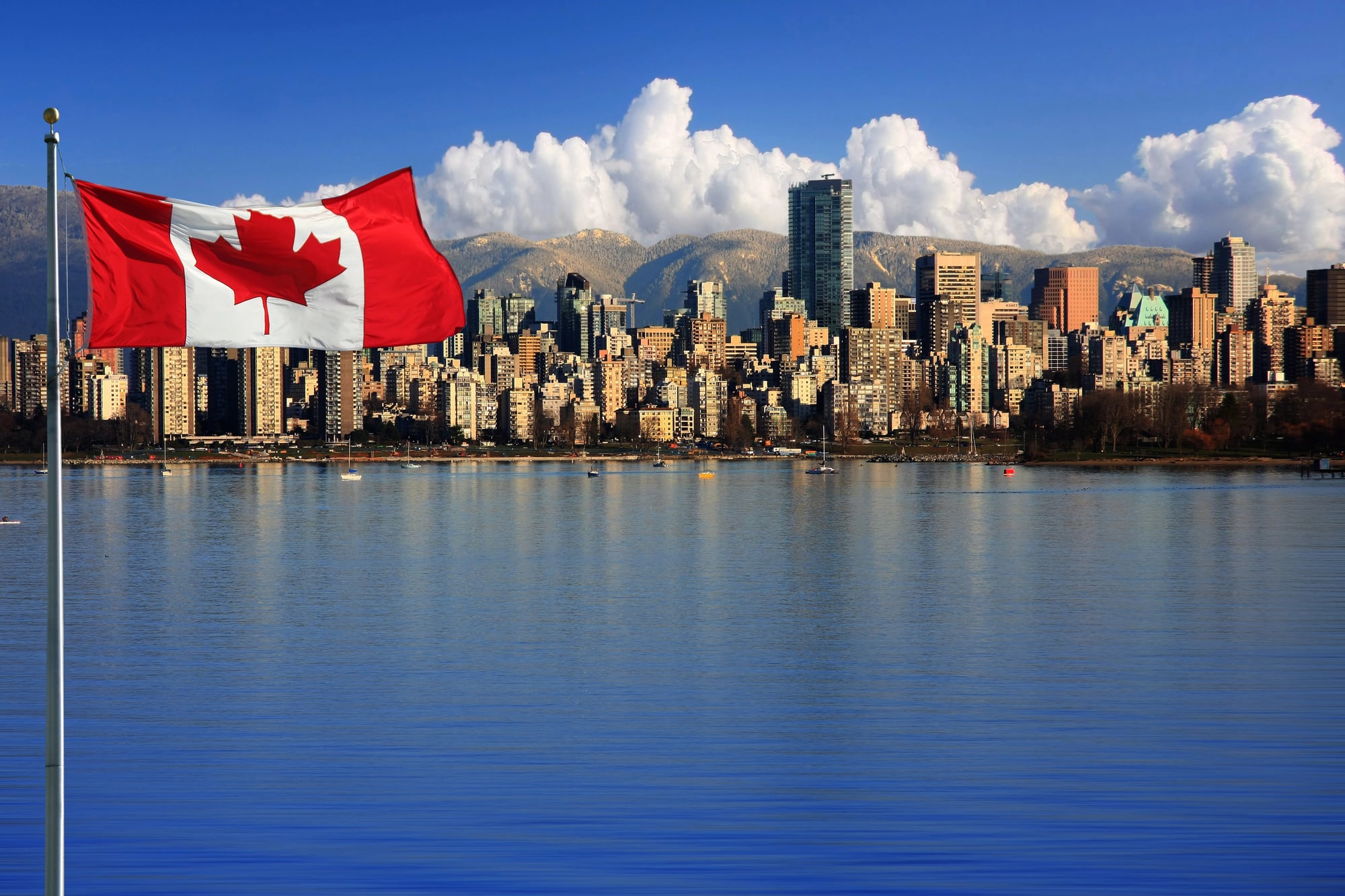
Canada holds around 170 billion barrels in proven reserves, with the vast majority locked in Alberta’s oil sands. These deposits require more intensive extraction methods than conventional drilling, involving mining and heating processes to separate thick bitumen from sand.
The Athabasca oil sands region covers an area roughly the size of Florida and represents one of the largest petroleum deposits accessible with current technology. Cold winters and environmental concerns add complexity to Canada’s oil production story.
Iran
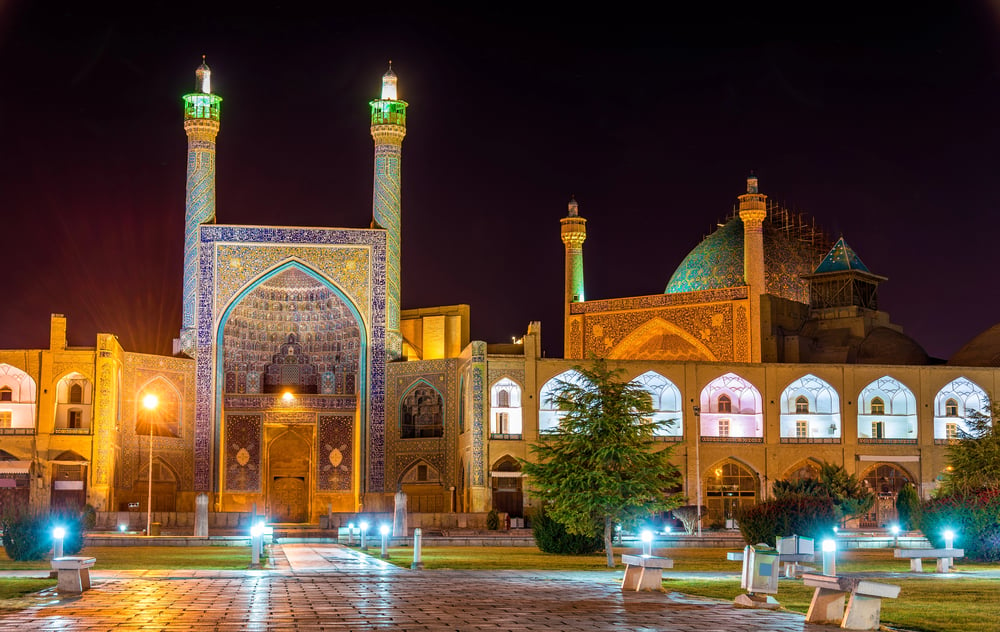
Iran possesses approximately 158 billion barrels of proven oil reserves spread across numerous fields throughout the country. The Azadegan field near the Iraqi border contains some of the world’s richest untapped reserves waiting for development.
Decades of international restrictions have limited Iran’s ability to modernize its oil infrastructure and maximize production. The country’s reserves could play an even larger role in global markets if political situations shift.
Iraq
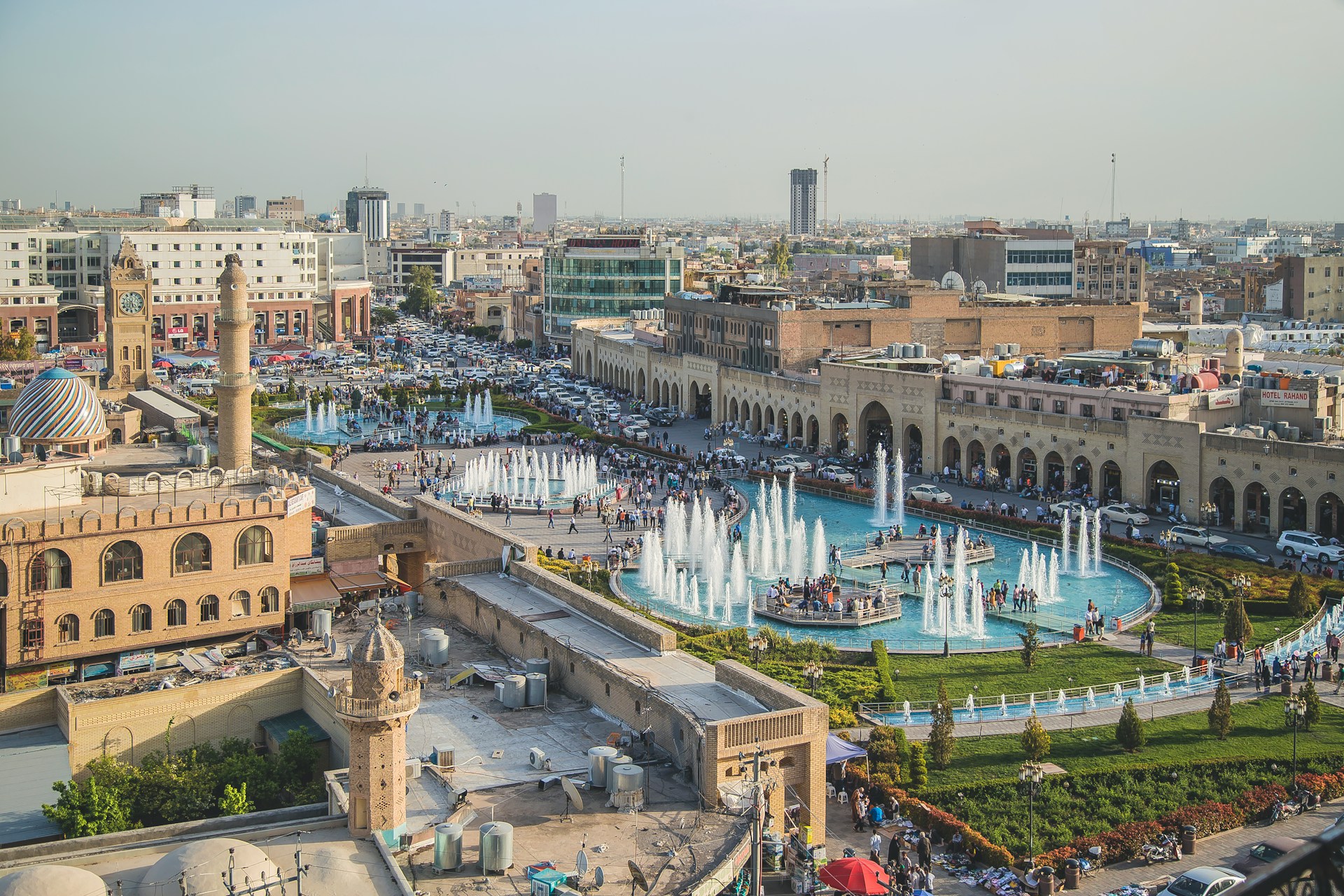
Iraq’s proven reserves exceed 145 billion barrels, concentrated mainly in the southern and northern regions of the country. The supergiant Rumaila field near Basra has produced oil since the 1950s and still holds enormous quantities.
Years of conflict damaged Iraq’s oil infrastructure, but recent rebuilding efforts have helped restore production capacity. The country’s reserves remain largely underexplored, suggesting actual deposits might be even larger than current estimates.
Kuwait
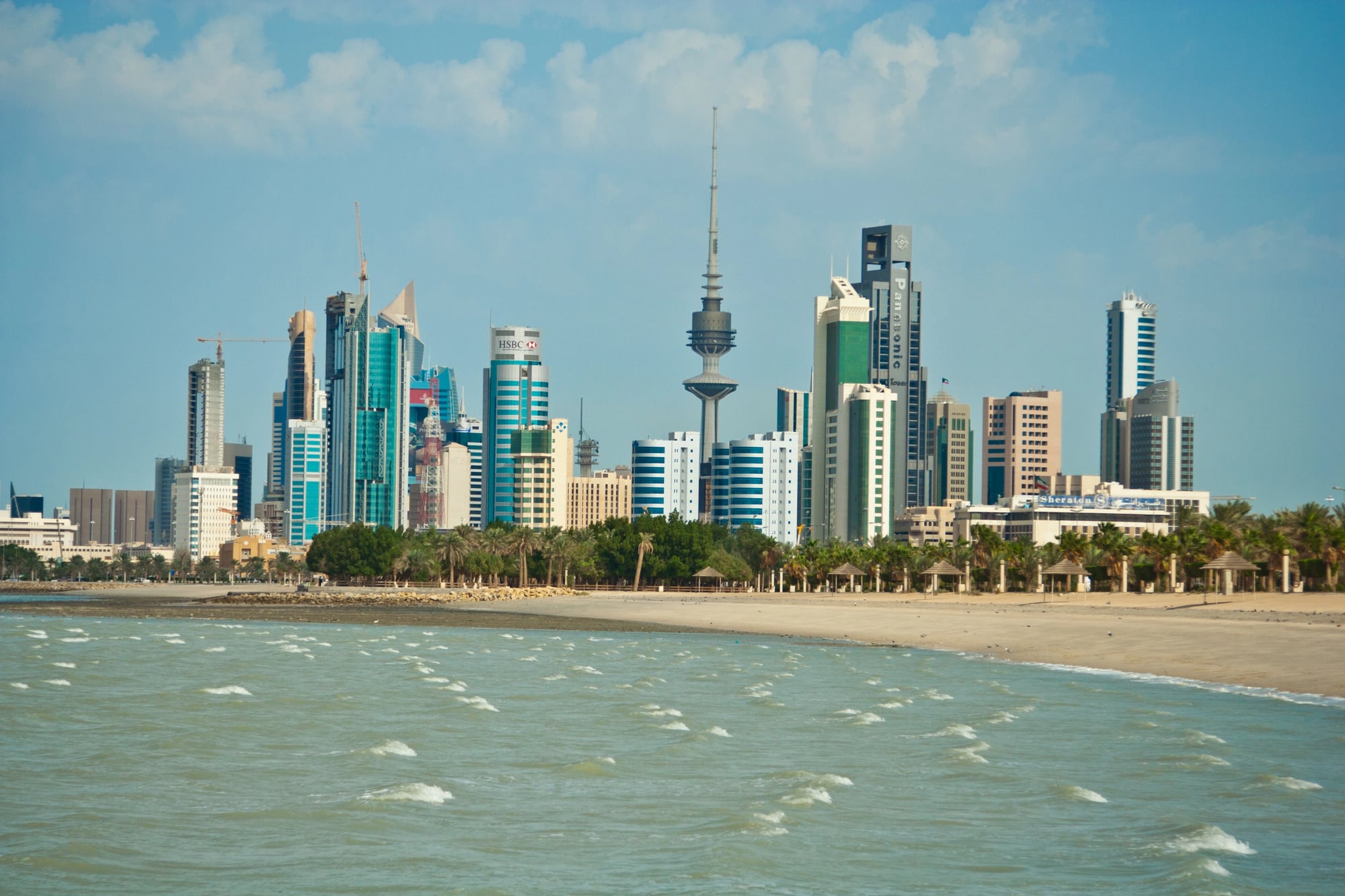
This small Gulf nation contains about 101 billion barrels of proven reserves, giving it one of the highest reserves-to-population ratios in the world. The Burgan field ranks among the largest conventional oil fields globally and has fueled Kuwait’s prosperity for generations.
Most of Kuwait’s territory sits atop oil-bearing rock formations that make extraction relatively straightforward. The country’s compact size means oil facilities are never far from export terminals along the coast.
United Arab Emirates
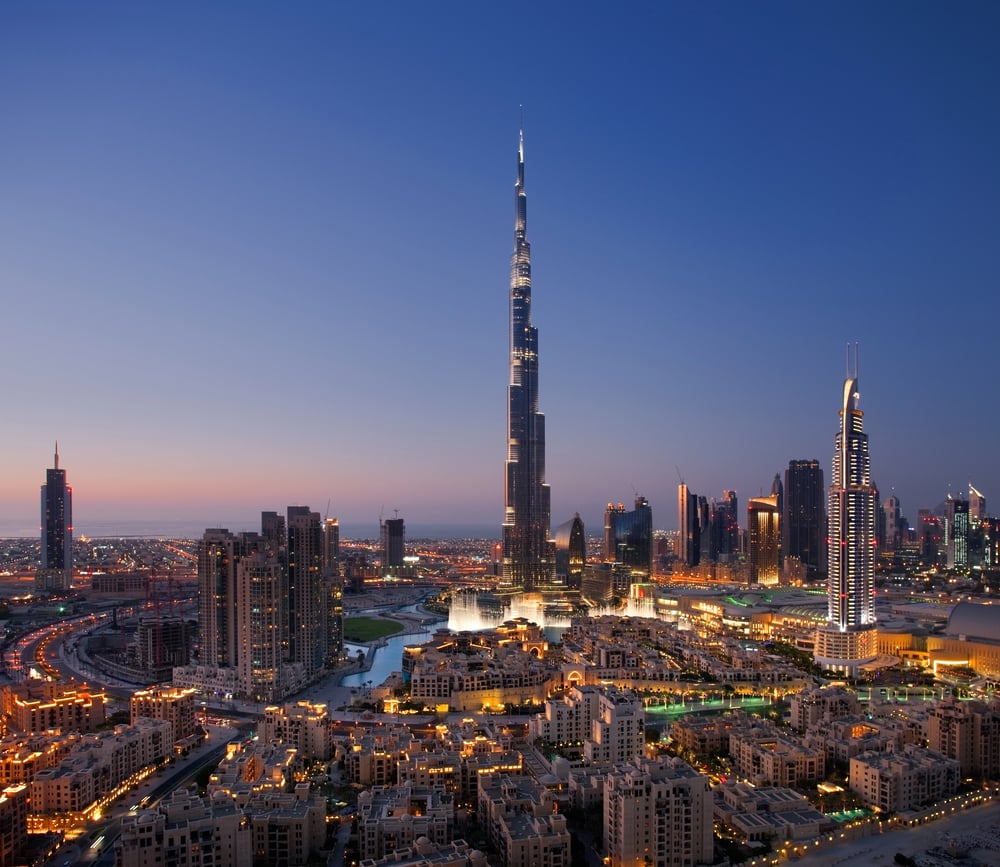
The UAE holds approximately 98 billion barrels in proven reserves, with Abu Dhabi controlling the vast majority of these deposits. The Zakum oil field, located offshore in shallow waters, ranks as one of the world’s largest and continues producing after decades of operation.
Dubai gets far less attention for oil despite having significant reserves that helped fund its transformation into a global business hub. The UAE has successfully diversified its economy while maintaining strong oil production.
Russia
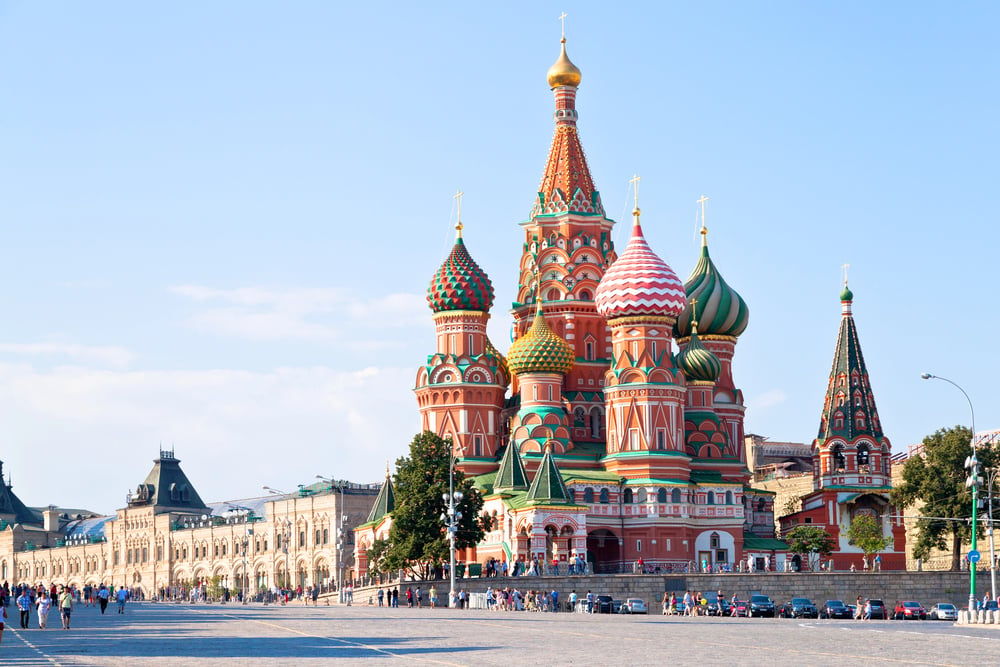
Russia contains around 80 billion barrels of proven reserves, though the country’s vast size means significant deposits remain undiscovered or undeveloped. Siberian fields like Samotlor have produced oil in harsh conditions for decades, requiring specialized equipment to operate in extreme cold.
Recent discoveries in the Arctic region could substantially increase Russia’s reserve numbers as technology improves. The country’s reserves extend from European regions near the Baltic Sea to far eastern territories near the Pacific Ocean.
Libya
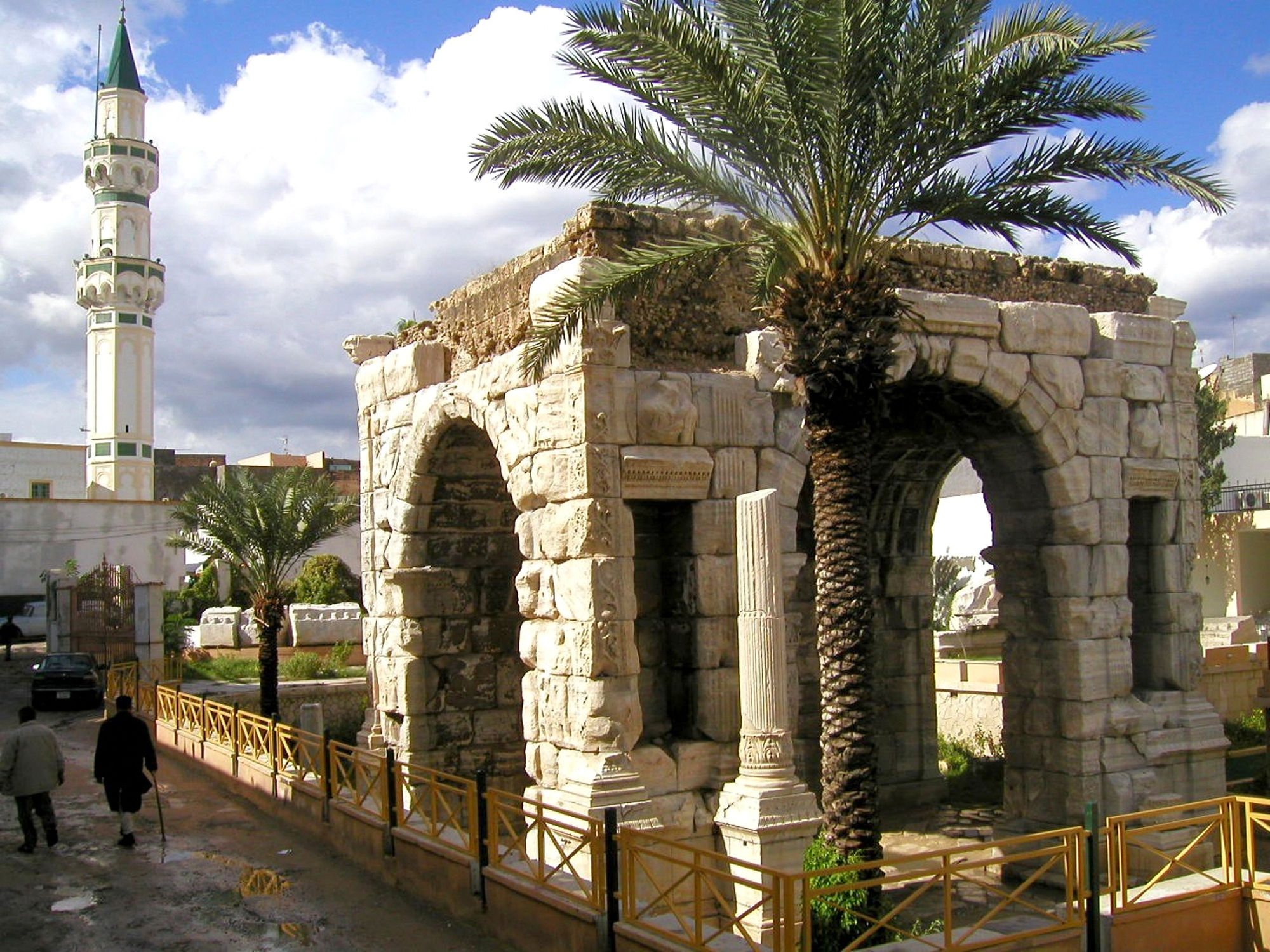
Libya holds approximately 48 billion barrels of proven reserves, concentrated mainly in the Sirte Basin and other areas along the Mediterranean coast. The country’s oil is particularly valuable because it’s light and sweet, requiring less refining than heavier crude varieties.
Political instability and armed conflicts have repeatedly disrupted Libya’s oil production and prevented full development of its reserves. When production runs smoothly, Libya’s relatively small population means oil revenues have enormous per-capita impact.
Nigeria
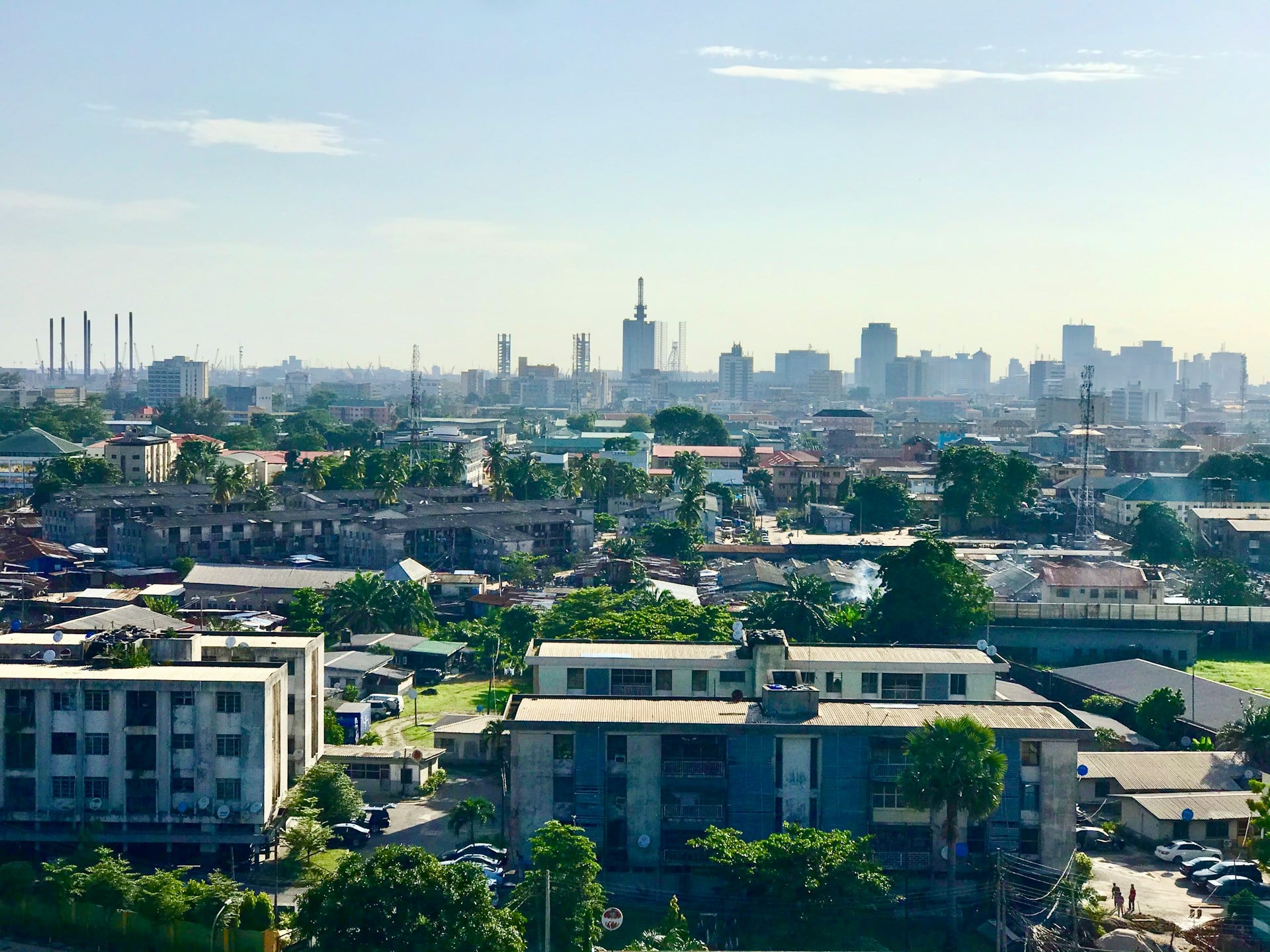
Nigeria possesses around 37 billion barrels of proven reserves, primarily in the Niger Delta region where oil and gas deposits lie beneath swamplands and coastal waters. The country ranks as Africa’s largest oil producer and has built much of its economy around petroleum exports.
Environmental concerns in the delta region have sparked ongoing debates about the costs and benefits of oil extraction. Nigeria’s reserves continue supporting the economy despite challenges with infrastructure and occasional production disruptions.
United States
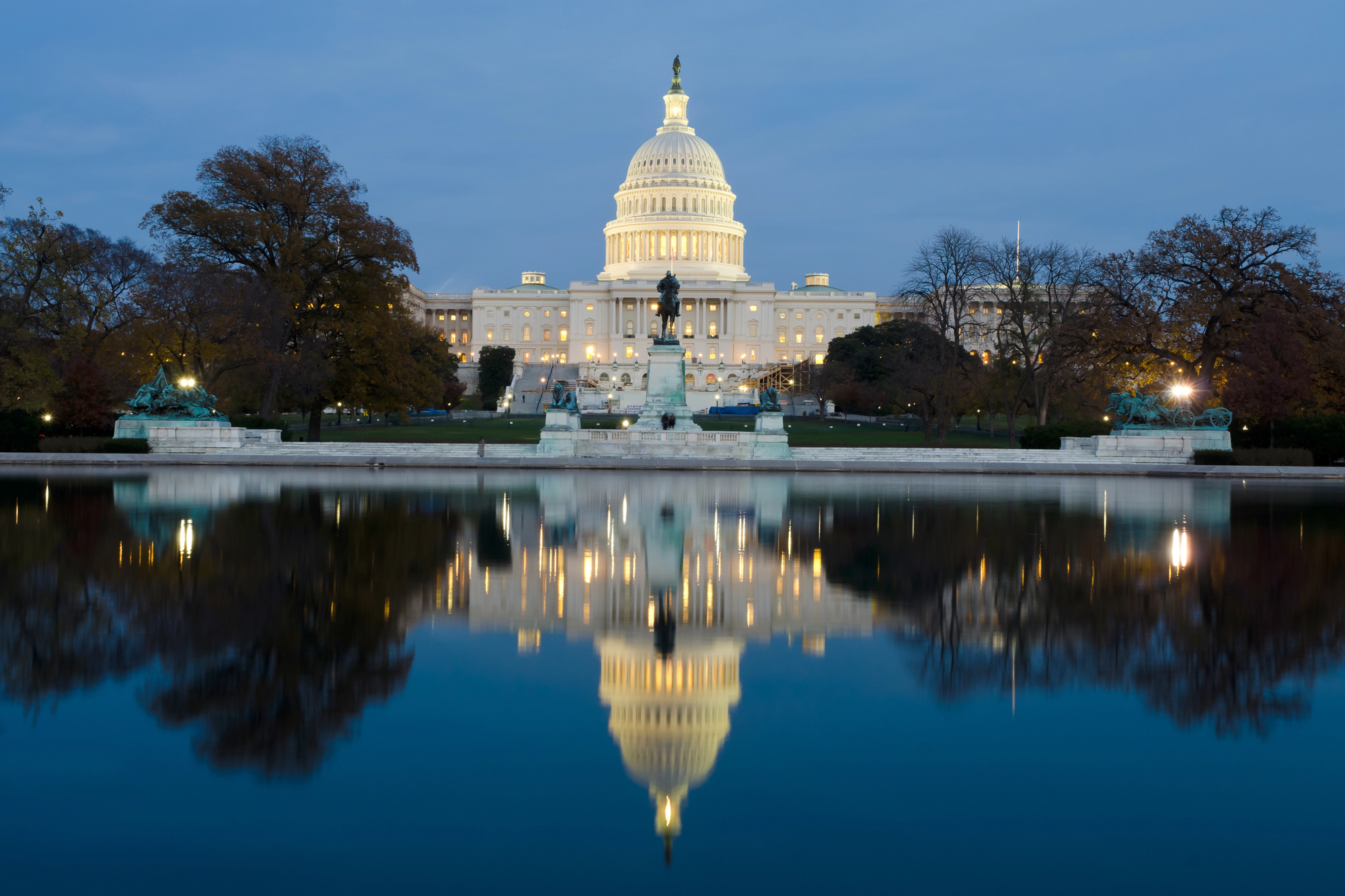
The United States holds approximately 36 billion barrels in proven reserves, spread across states like Texas, Alaska, and North Dakota. The shale revolution transformed American oil production through horizontal drilling and hydraulic fracturing techniques that unlocked previously inaccessible deposits.
Texas alone contains multiple major oil fields that have been produced for over a century while new discoveries continue. Alaska’s North Slope region holds substantial reserves in one of the world’s most challenging extraction environments.
Kazakhstan
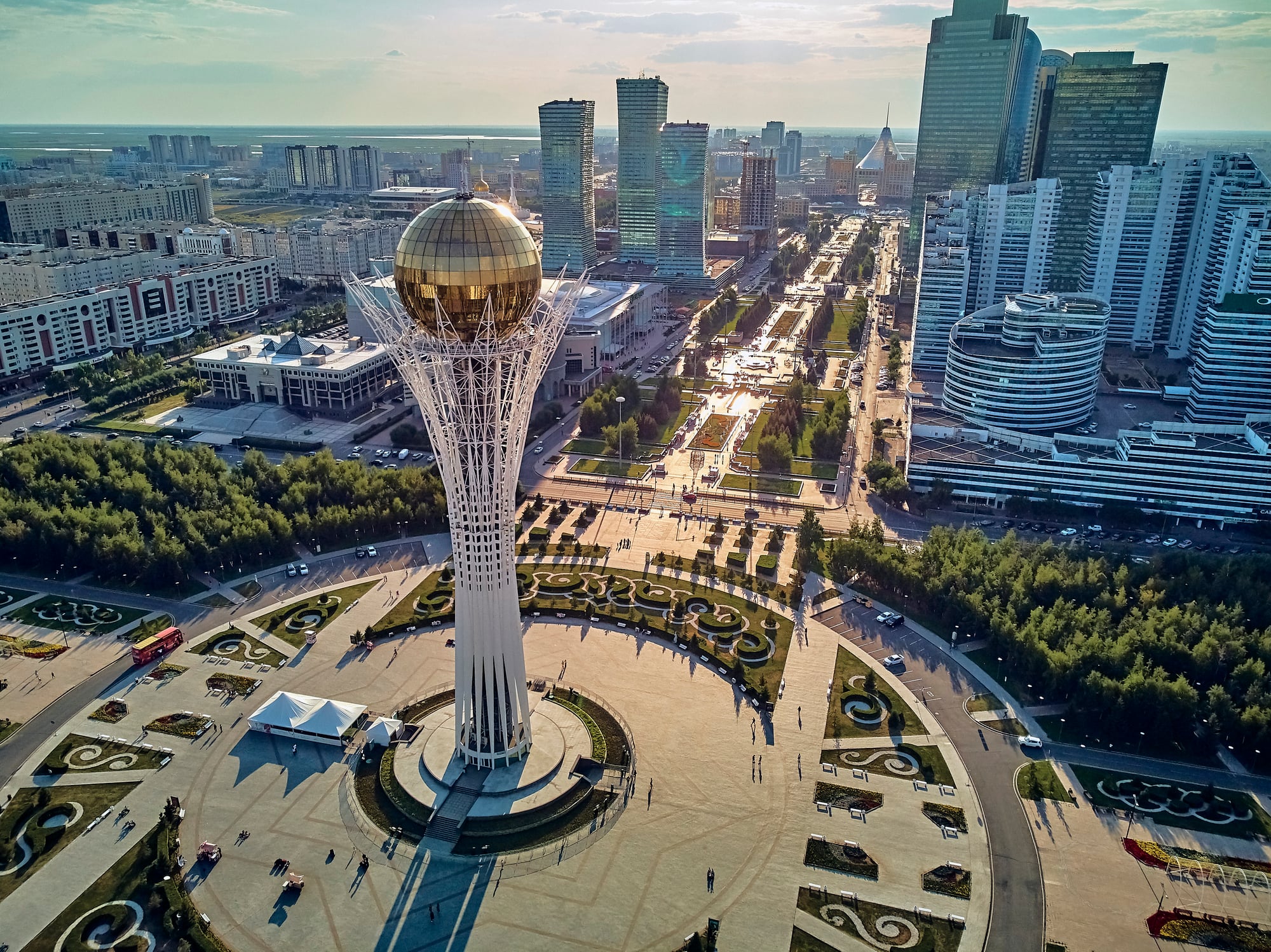
Kazakhstan contains around 30 billion barrels of proven reserves, with major deposits located beneath the Caspian Sea and in western regions near the Russian border. The Kashagan field ranks among the world’s largest discoveries in recent decades but proved extremely difficult and expensive to develop.
Harsh weather, high pressure, and toxic gas concentrations make Kazakhstan’s offshore operations particularly challenging. The country’s oil wealth has driven economic growth since independence from the Soviet Union.
China
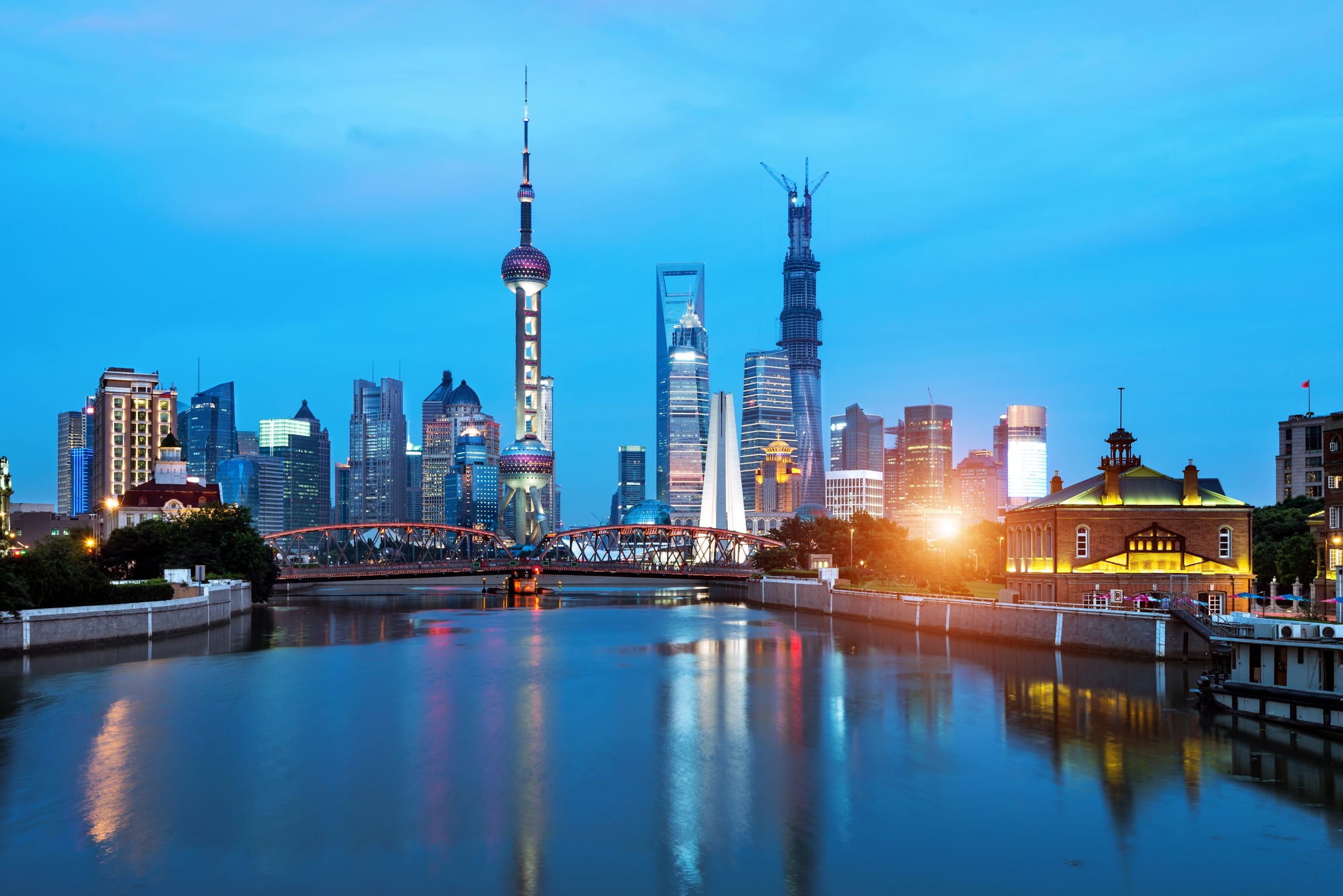
Every day, China uses way more oil than it can pull from its own ground. About 26 billion barrels sit under the surface – that is what they know about so far.
For years now, a place called Daqing has fed factories up north with black gold. Now eyes turn westward, where dust and desert hide possible wells beneath untouched land.
Some drills also reach into waters near contested islands down south. Even with those numbers, ships keep arriving loaded with foreign crude.
Its machines never stop, neither does the flow needed to power them.
Qatar
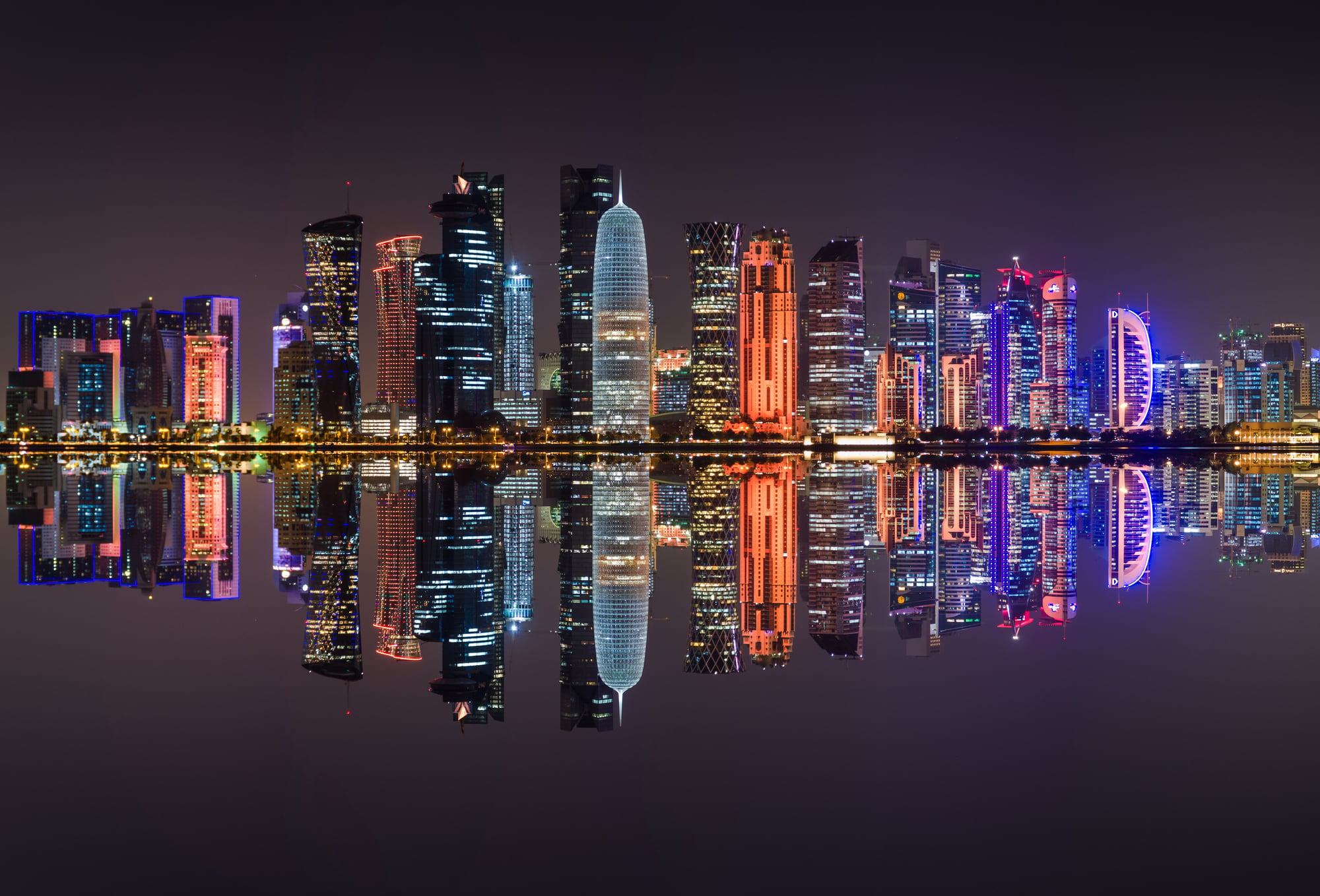
Oil sits beneath Qatar’s desert, roughly twenty-five billion barrels locked underground. Still, it is the vast stretches of natural gas that draw more attention globally.
Along the western shore, the Dukhan field keeps flowing, active since mid-century times. Even with a shift toward gas, this spot holds steady in national output.
Tiny on the map, yet swollen with resources, the place lifts income levels far above most nations. Wealth from black gold helped shape highways, banks, planes, and television ventures alike.
Brazil
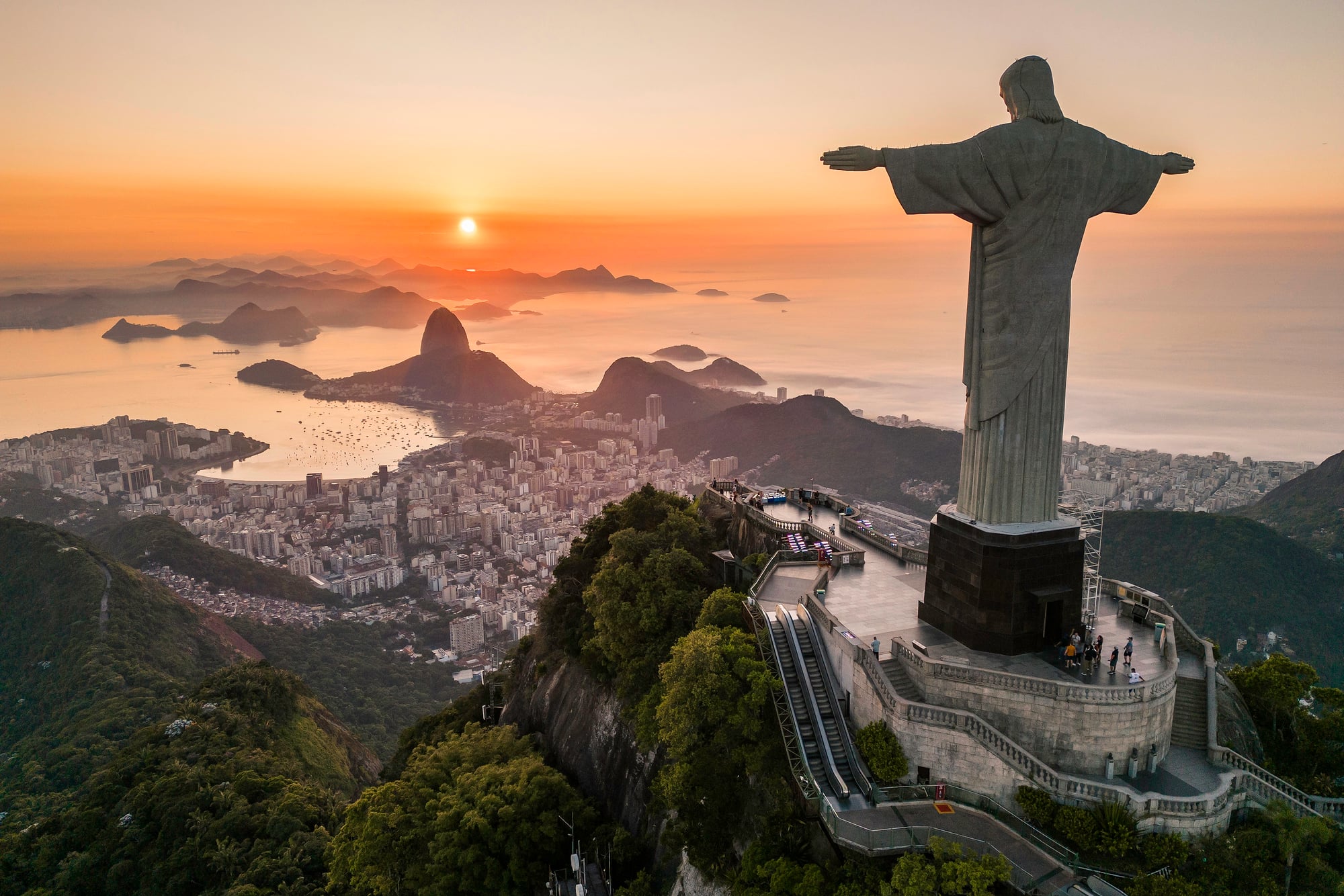
Offshore, below heavy salt sheets, lie most of Brazil’s 12 billion barrels of confirmed oil. Drilling here means going down through miles of ocean and stone before hitting the target zone.
Tough conditions mark these finds along the southeast edge of the country – some of the hardest engineering tasks on record. Reaching the crude demands breaking through shifting salt formations after long descents.
Even with steep expenses and complex logistics, output from such depths has lifted Brazil’s role across the region. Though demanding, progress continues where rock meets pressure far undersea.
The Hidden Landscape Of Control
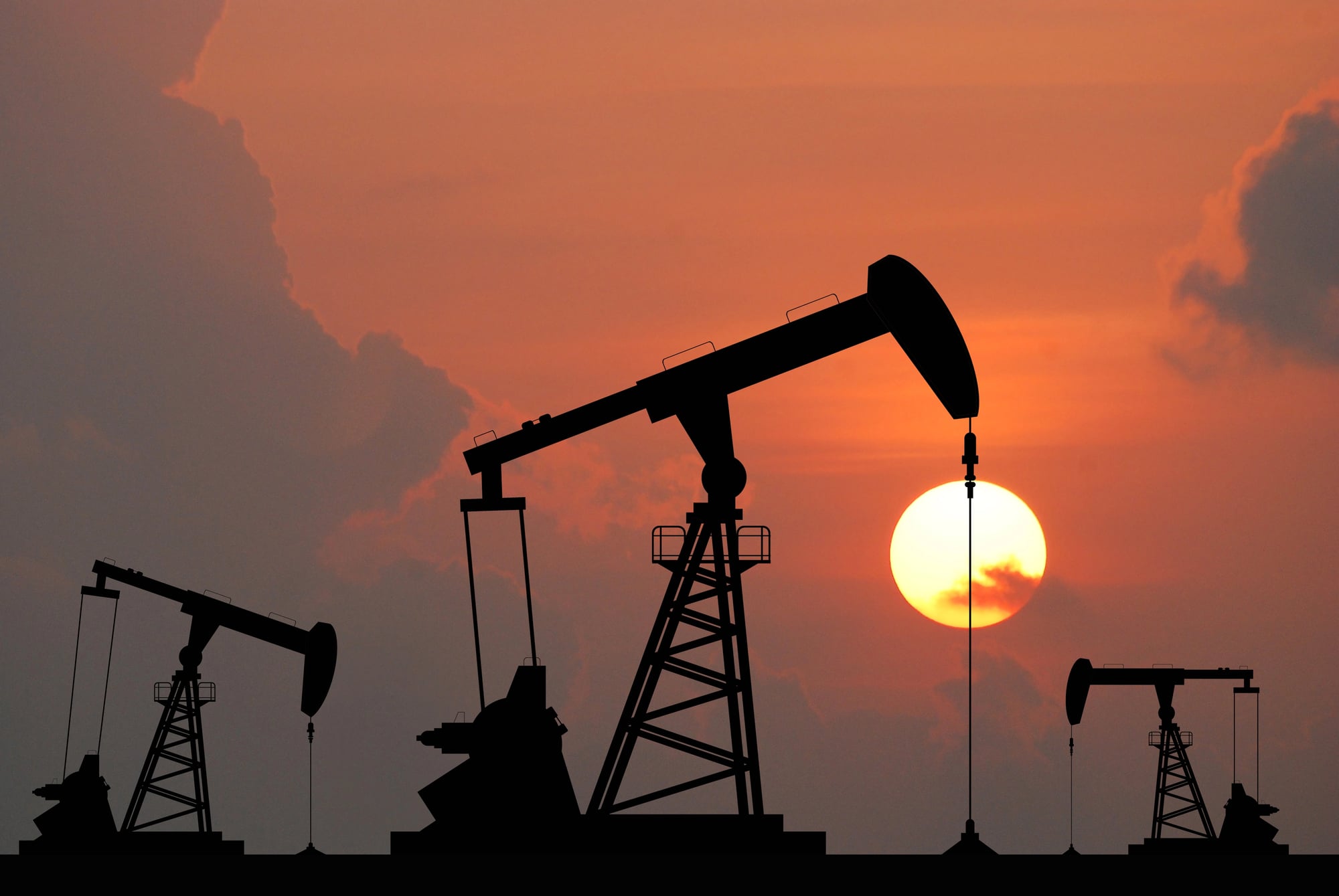
Oil sits under some lands more than others, so power leans where rock layers decide. Where thick pools hide below ground, governments found chances to grow strong – sometimes they used them well.
Machines dig deeper now, pulling fuel from spots once too tough to reach. Still, sunlight and wind start taking space once held by crude black flows.
Those who hold barrels today will steer trade far into years ahead. Yet what lies beneath might matter less when new ways to run cities rise.
More from Go2Tutors!

- The Romanov Crown Jewels and Their Tragic Fate
- 13 Historical Mysteries That Science Still Can’t Solve
- Famous Hoaxes That Fooled the World for Years
- 15 Child Stars with Tragic Adult Lives
- 16 Famous Jewelry Pieces in History
Like Go2Tutors’s content? Follow us on MSN.