Buildings Which Were Ahead of Their Time When Built
Typically, architecture develops gradually, with each generation building on the previous one.
Everybody is forced to reevaluate what buildings can be when someone builds something so radical, technically ambitious, or conceptually unique.
By introducing materials, techniques, or concepts that won’t be accepted as standard practice for decades, these structures not only push boundaries but completely destroy them.
When they first opened, some were derided as being ugly or unusable.
Others received accolades right away, but it took years for the rest of the world to catch up to their innovations.
They all altered our perspective on the built environment.
It’s not just novelty in and of itself that makes a building genuinely innovative.
It’s the ability to combine vision and execution, the courage to create something that is completely different from its neighbors, and the willingness to solve problems that don’t yet exist.
Here’s a closer look at buildings that arrived before the world was ready for them and why they mattered.
The Crystal Palace

Joseph Paxton designed the Crystal Palace for London’s Great Exhibition of 1851, and it represented a manufacturing revolution disguised as a building.
Constructed almost entirely of prefabricated cast iron and plate glass, the structure covered 990,000 square feet and stood 108 feet tall at its highest point.
Paxton based his design on the ribbed structure of the giant water lily Victoria amazonica, translating natural engineering into an industrial system.
Workers assembled the entire building in just nine months using standardized, interchangeable components manufactured off-site—a concept that wouldn’t become common practice until well into the 20th century.
The building contained approximately 293,000 panes of glass, more than had ever been used in a single structure.
The modular design meant damaged sections could be replaced without affecting the whole, and the entire building could theoretically be disassembled and rebuilt elsewhere—which actually happened when it was relocated to Sydenham Hill in 1854.
Critics called it a monstrous greenhouse, but the Crystal Palace proved that iron and glass construction could span enormous distances without internal support.
It influenced train stations, market halls, and eventually the glass curtain walls that define modern skyscrapers.
The building itself was destroyed by fire in 1936, but its legacy lives in every prefabricated structure and modular building system we use today.
The Home Insurance Building
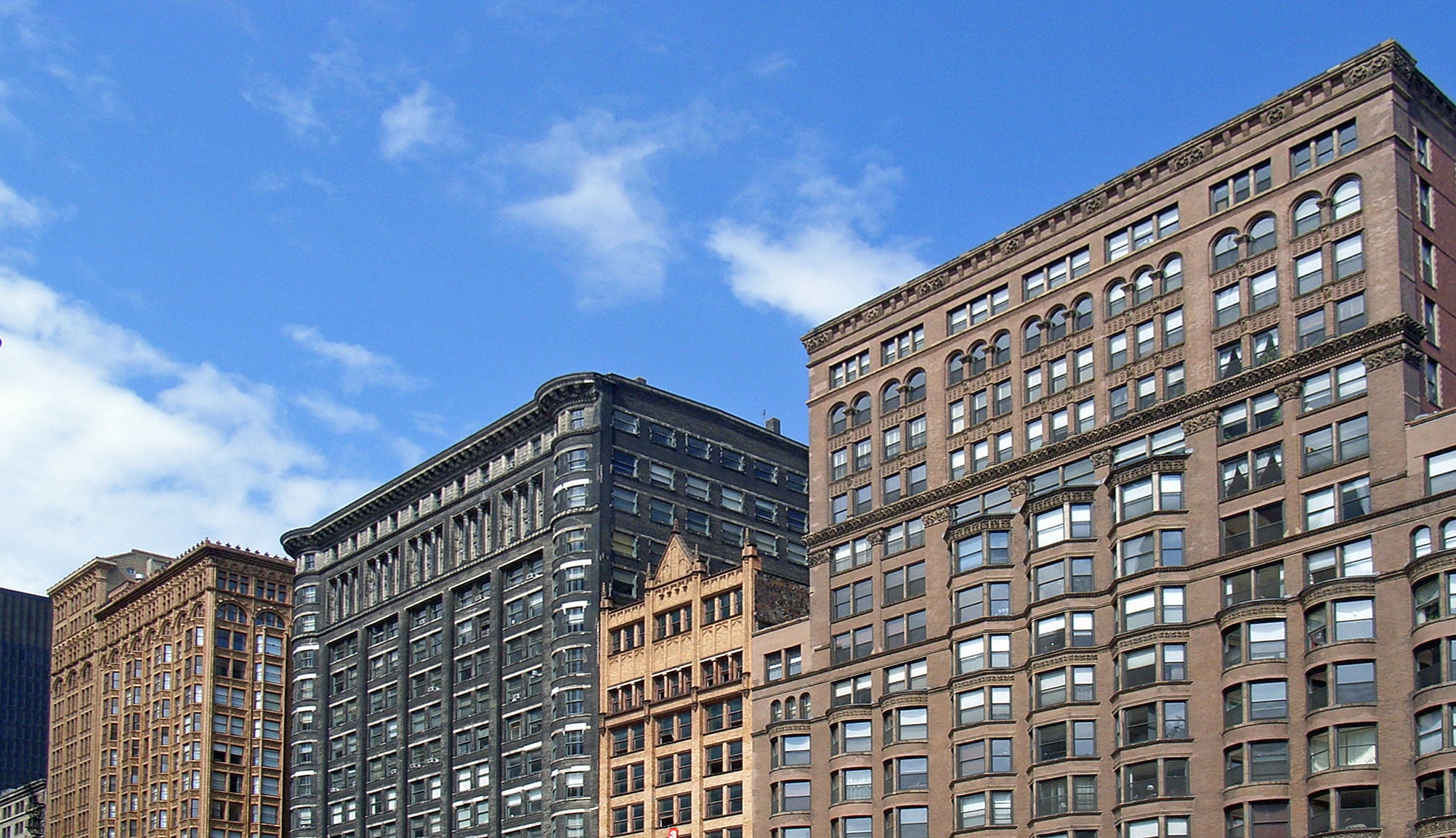
William Le Baron Jenney’s Home Insurance Building in Chicago, completed in 1885, is widely considered the world’s first skyscraper despite standing only ten stories tall.
The revolutionary aspect wasn’t height but structure—Jenney used a steel-and-wrought-iron frame to carry the building’s weight rather than relying on thick masonry walls.
This meant the exterior walls became a curtain hanging from the frame rather than load-bearing elements, freeing architects from the limitations that had governed building design for millennia.
The entire frame was fireproofed with terra-cotta tiles, addressing one of the critical concerns about metal construction.
Previous tall buildings required massive walls at ground level to support upper floors, limiting usable interior space and restricting how high structures could rise.
The Home Insurance Building’s skeleton changed everything.
Each floor rested independently on the frame, and exterior walls could be as thin as needed for weather protection.
The building reached 138 feet initially, then was expanded to 180 feet in 1891.
Engineers and architects visited from around the world to study Jenney’s techniques, which quickly spread throughout Chicago and then globally.
The building was demolished in 1931, but its structural principles became the foundation for every skyscraper built since, from the Empire State Building to modern supertall towers exceeding 1,000 feet.
Fallingwater
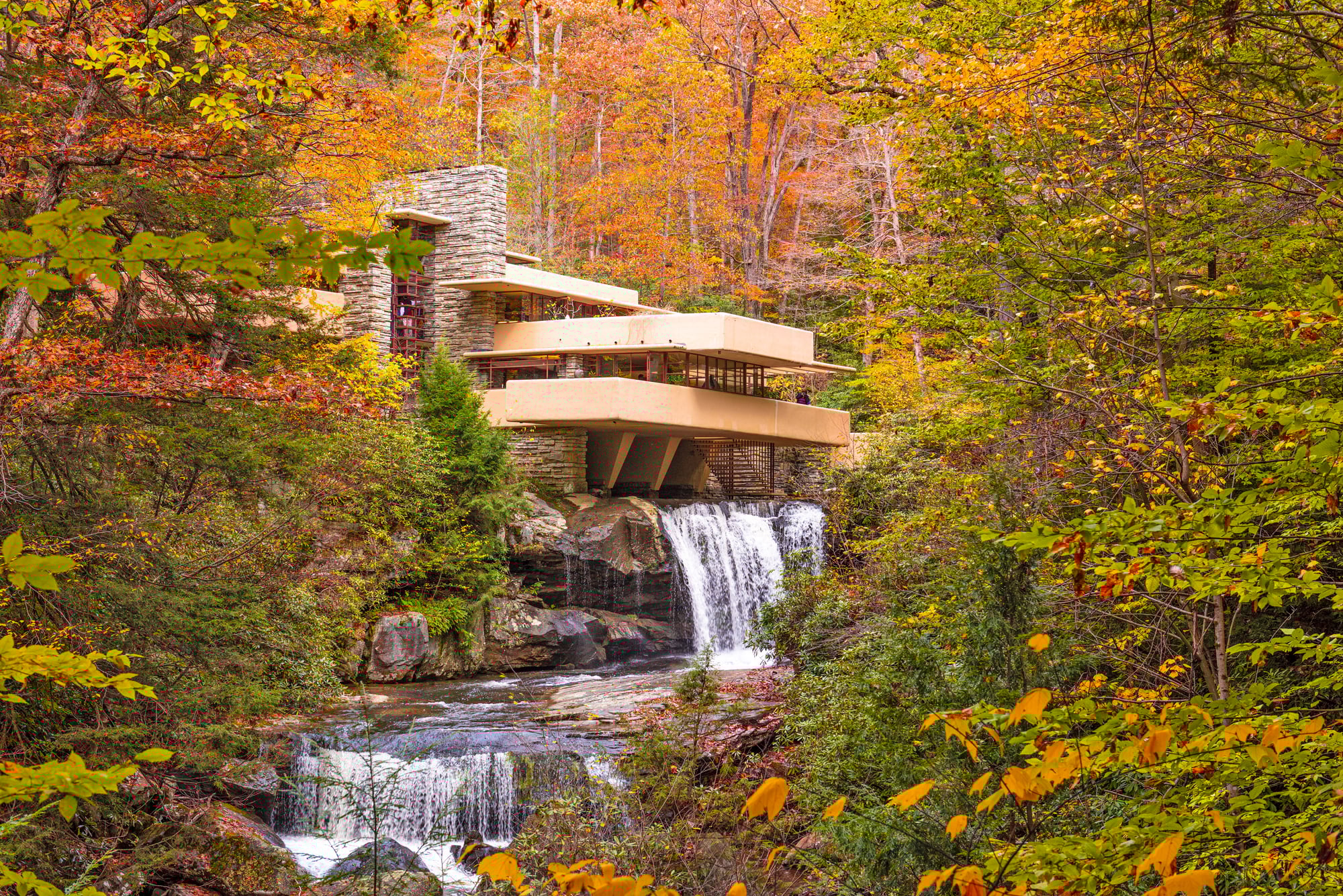
Frank Lloyd Wright designed and completed Fallingwater between 1935 and 1937 for the Kaufmann family, and the house remains one of architecture’s most daring structural achievements.
Built directly over a waterfall in rural Pennsylvania, the house features massive concrete terraces that cantilever 15 feet beyond their support columns with no visible means of staying aloft.
Wright anchored these terraces to the natural rock outcropping, making the house appear to grow from the landscape rather than sit on top of it.
The engineering required calculations that pushed concrete technology to its absolute limits.
Wright’s vision demanded terraces that seemed to float, which meant keeping them as thin as possible while spanning unprecedented distances.
Structural engineers warned the cantilevers would fail, but Wright insisted on his design.
The terraces did require significant reinforcement in 2002 using post-tensioning techniques to stabilize the structure and prevent further sagging.
Despite these interventions, the house has stood for nearly 90 years.
Fallingwater demonstrated that buildings could integrate with nature rather than dominate it, a concept that influenced organic architecture and sustainable design movements decades before sustainability entered architectural discourse.
The house receives over 180,000 visitors annually, testament to how a private residence became one of architecture’s most studied works.
The Seagram Building
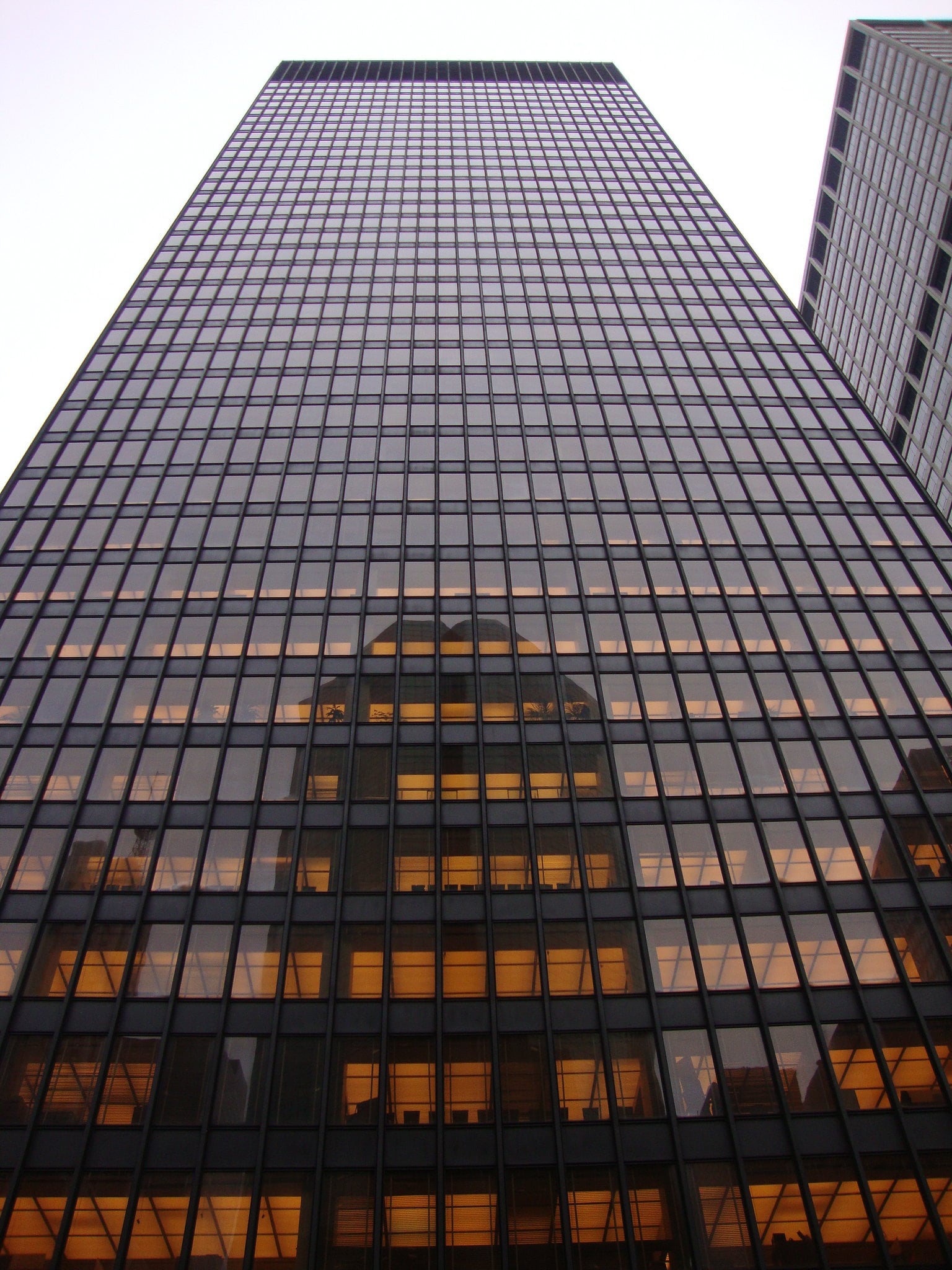
Ludwig Mies van der Rohe and Philip Johnson’s Seagram Building, completed in 1958 in New York City, perfected the glass curtain wall skyscraper and established the aesthetic vocabulary of corporate modernism.
The 38-story tower sits back from Park Avenue, creating an open plaza that was revolutionary in Manhattan’s dense urban fabric—developers typically built to the property line to maximize rentable space.
Mies sacrificed ground-floor area to create public space, a concept that proved so successful it influenced New York City’s 1961 zoning code, which offered height bonuses to developers who included public plazas.
The building’s bronze and glass façade used expensive materials in ways that prioritized aesthetics over pure economy.
Mies designed custom bronze T-shaped mullions that extended beyond the glass curtain wall, visually emphasizing the building’s structural logic even though they served no structural purpose.
Every detail was refined to mathematical precision, from the spacing of mullions to the proportion of glass panels.
The interiors featured open floor plans with minimal columns, giving tenants unprecedented flexibility.
Critics initially dismissed the stark design as cold and corporate, but the Seagram Building became the template for quality office towers worldwide.
Its influence extends beyond architecture into urban planning, proving that developers could profit while contributing positively to the public realm.
The Sydney Opera House
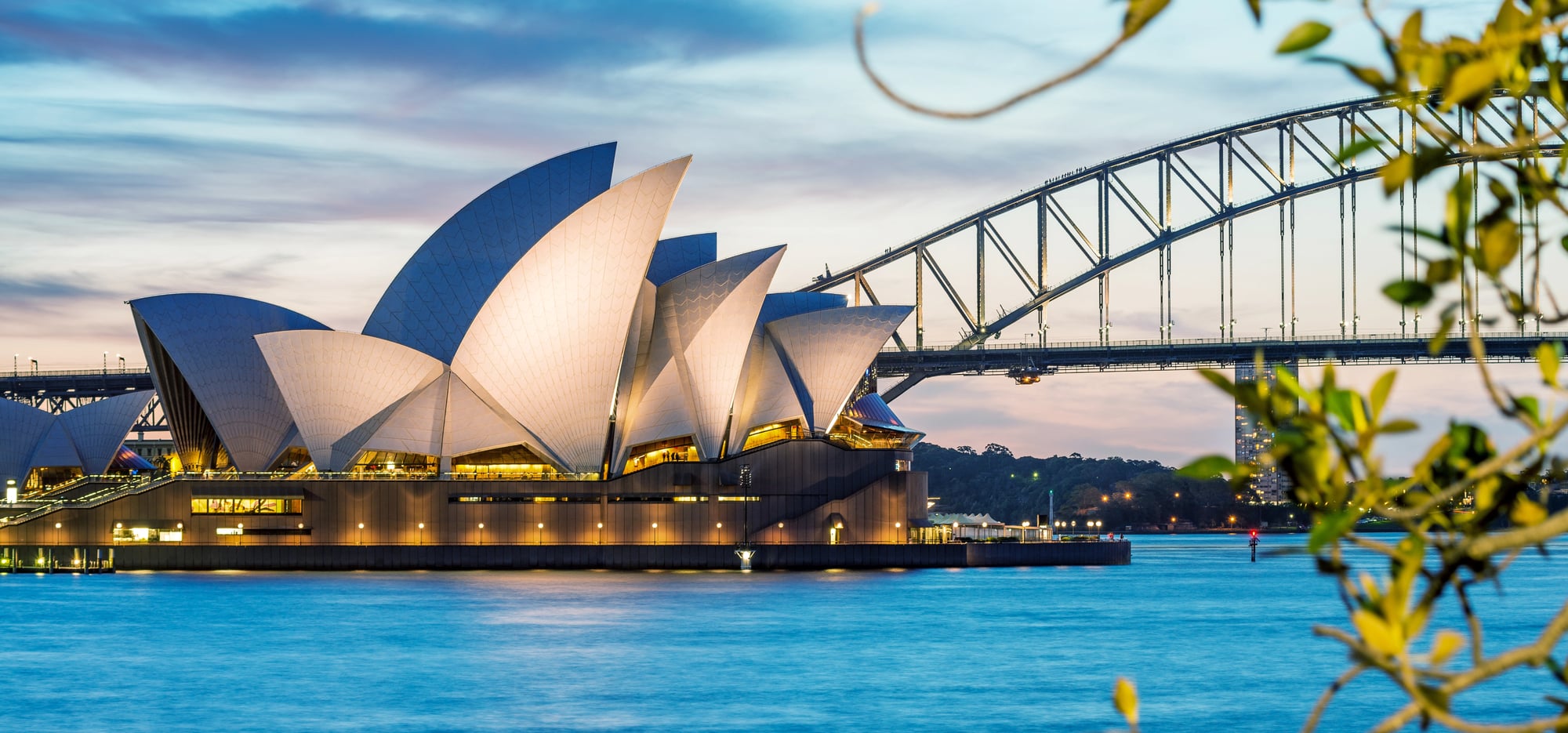
Jørn Utzon won the design competition for the Sydney Opera House in 1957 with sketches of sail-like shells, but turning those sketches into reality required inventing new construction techniques.
The building’s iconic roof consists of precast concrete panels forming spherical sections derived from a single sphere with a 246-foot radius—a geometric breakthrough that made the complex shapes buildable.
The shells rose 220 feet above the harbor, and no comparable structure existed.
Engineers spent years developing methods to build the complex geometry.
The project pioneered computer-aided design and structural analysis years before such technology became standard in architecture.
Construction began in 1959 and wasn’t completed until 1973, with Utzon resigning in 1966 after disputes over budget and design changes.
The project cost 14 times the original estimate, causing public outcry and political controversy.
Yet the finished building became instantly iconic, defining Sydney’s identity and demonstrating that architecture could function as a cultural symbol and civic sculpture.
The roof features 1,056,006 ceramic tiles covering the surface, manufactured using techniques developed specifically for this project.
The building’s acoustic requirements drove innovations in performance space design that influenced concert halls worldwide.
Despite the troubled construction, Utzon received the Pritzker Prize in 2003, finally recognizing his achievement.
The Sydney Opera House proved that seemingly impossible designs could be built with sufficient determination and innovation.
The Pompidou Centre

Renzo Piano and Richard Rogers turned architectural convention inside-out with the Pompidou Centre, which opened on January 31, 1977, in Paris.
They exposed everything typically hidden—structural elements, mechanical systems, circulation—on the building’s exterior, freeing interior space for maximum flexibility.
Color-coded pipes and ducts wrap the façade: blue for air, green for water, yellow for electricity, red for elevators and escalators.
The design shocked Parisians accustomed to classical architecture, with critics calling it an oil refinery dropped into the historic Marais district.
The radical approach served practical purposes beyond provocation.
Moving infrastructure outside created vast column-free interior spaces within the building’s 166,000 square meters, allowing the museum to reconfigure galleries easily.
The transparent escalators climbing the building’s exterior transformed circulation into public spectacle, giving visitors continuously changing views of the city.
The building democratized culture by making art accessible and emphasizing process over finished perfection.
Initial public opposition transformed into embrace—the Pompidou Centre now attracts over three million visitors annually, more than the Louvre had when it opened.
The design influenced high-tech architecture and demonstrated that cultural buildings could be playful, accessible, and technically innovative simultaneously.
Geodesic Domes
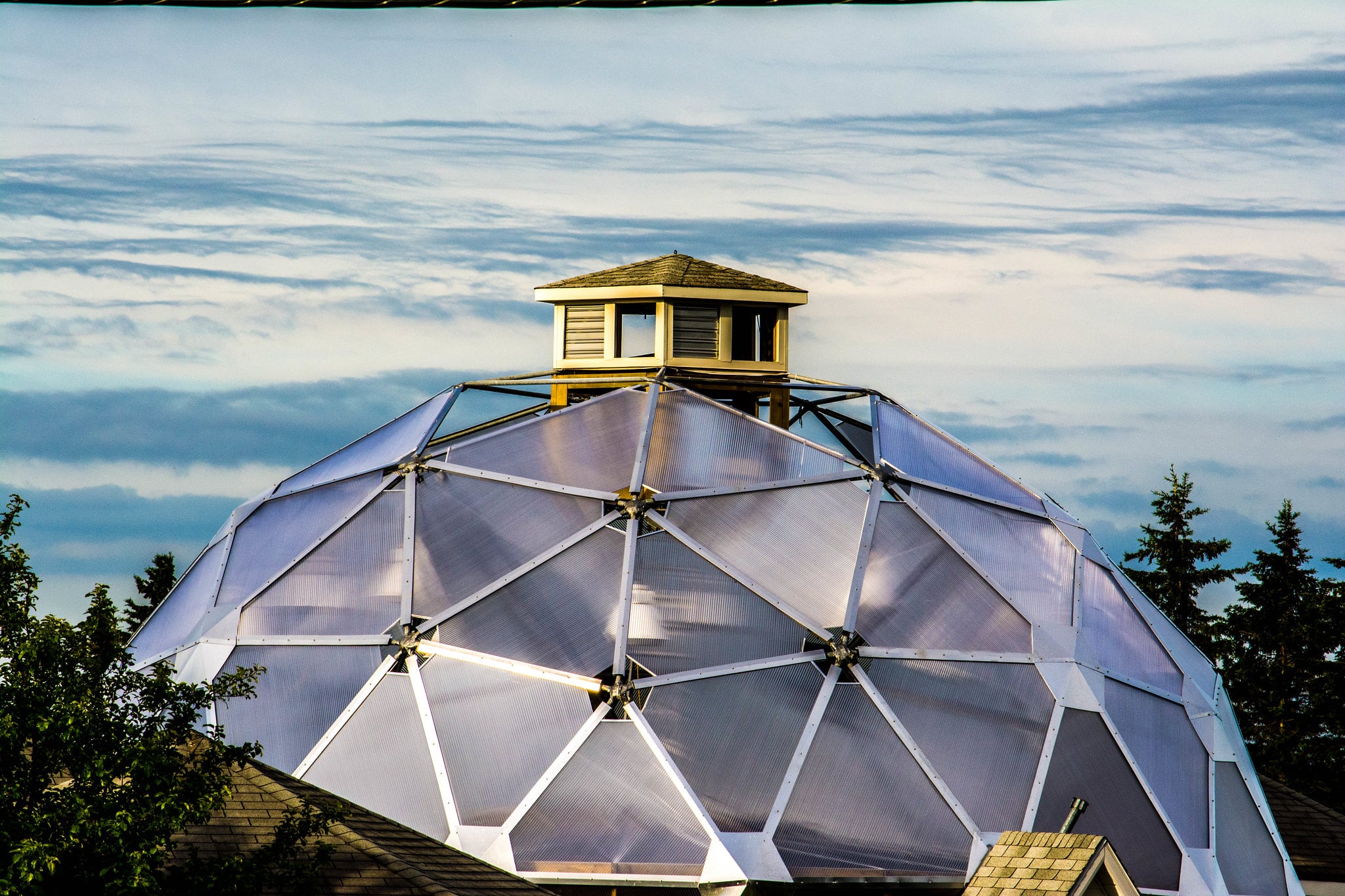
Buckminster Fuller patented the geodesic dome in 1954, revolutionizing structural efficiency through geometry.
Fuller’s domes distribute stress evenly across their surface using triangulated frameworks, creating structures that grow stronger as they grow larger—the opposite of conventional buildings.
A geodesic dome uses about 20 percent of the material required for a conventional building enclosing the same space, and requires no internal supports regardless of diameter.
Fuller’s largest dome, built for the 1967 Montreal Expo, spanned 250 feet and stood 200 feet tall, enclosing over 6.7 million cubic feet with a structure weighing just 600 tons.
The design eliminated the need for heavy beams and columns, using instead a network of lightweight struts assembled into a self-supporting sphere.
Fuller envisioned geodesic domes solving housing crises and creating climate-controlled cities under enormous enclosures.
While his grandest visions never materialized, geodesic domes influenced space frame construction, temporary structures, and sustainable architecture.
They demonstrated that radical efficiency was possible through geometric principles rather than brute force, a concept that resonates strongly in contemporary sustainable design seeking to minimize material use and environmental impact.
Where Vision Becomes Reality
These structures were successful not only because of their audacious plans but also because of their unwavering resolve to overcome difficult technical obstacles.
Engineers, builders, and artisans who were willing to try something new were needed for each.
Some nearly bankrupted their clients, others were despised by critics, but all expanded architecture’s possibilities.
They demonstrated that structures could serve as more than just places to live; they could also serve as statements about culture, technology, and human aspirations.
Eventually, the radical concepts these structures introduced were assimilated into standard practice, and the innovations they brought about became routine.
Watching the world catch up and wondering what all the fuss was about is the ultimate test of being ahead of your time.
Every glass skyscraper, prefabricated building, and exposed-structure design traces its lineage back to these pioneering works that dared to imagine buildings could be different.
More from Go2Tutors!

- The Romanov Crown Jewels and Their Tragic Fate
- 17 Halloween Costumes Once Considered Taboo
- Famous Hoaxes That Fooled the World for Years
- 15 Child Stars with Tragic Adult Lives
- 16 Famous Jewelry Pieces in History
Like Go2Tutors’s content? Follow us on MSN.