Rarest Colors Found in Nature
Most people think of nature as green forests and blue skies. But hidden in remote corners of the world are colors so unusual that scientists have spent decades trying to understand how they exist.
These shades appear in places you’d never expect, created through chemical processes and evolutionary tricks that seem almost impossible.
True Blue Remains Nature’s Challenge

Plants produce almost every color except one—true blue. The pigment simply doesn’t exist in the plant kingdom the way red and yellow do.
When you see a blue flower, you’re actually looking at red pigment viewed through a specific cellular structure that bends light. Delphiniums pull off this trick.
Hydrangeas change color based on soil pH, but they’re really just manipulating their red pigments to look blue. The process takes so much energy that only about 10 percent of flowering plants even attempt it.
The Pink Lake That Shouldn’t Be Pink

Lake Hillier in Australia glows bubble-gum pink from shore to shore. Scientists puzzled over it for years.
The color comes from a specific combination of salt-loving bacteria and algae that produce a red pigment when stressed by high salinity. But here’s the strange part—the lake stays pink even when you scoop water into a glass.
Most colored lakes lose their tint once removed from their environment. This one holds onto it.
Black Absorbs Everything

True black in nature is rare because creating a surface that absorbs all light requires precise structures at a microscopic level. The peacock spider Maratus nigromaculatus shows the blackest black ever measured in nature—99.5 percent light absorption.
The spider evolved these super-black patches next to brilliant colors to make those colors appear even brighter during courtship displays. Your eye sees the contrast and the bright colors practically glow.
Bright Red Feathers Need Help

Cardinals look red because they eat red. Birds can’t produce red pigments on their own, so they must consume carotenoids from berries and seeds.
Without the right diet, cardinals fade to brown or orange. This makes vibrant red feathers incredibly rare in the bird world—any species sporting them has to maintain a specialized diet throughout their lives.
The Scarlet Ibis goes further, eating so many red crustaceans that even its skin turns pink.
Purple Mountains’ Mystery

Seeing a purple mountain isn’t just poetic language. Under specific atmospheric conditions, mountains can appear deep purple or violet, especially at sunset.
The color comes from a combination of Rayleigh scattering and ozone absorption in the atmosphere, plus the specific minerals in the rock face. Mount Fuji sometimes displays this effect.
The Colorado Rockies do too. But you need the right weather, the right time of day, and the right viewing distance—usually 20 to 30 miles away.
Green Mammals Break the Rules

Almost no mammals are green. The two-toed sloth is one exception, but it cheats—algae grows in grooves on its fur.
Real green pigment in mammalian fur doesn’t exist because the genetic pathway to produce it apparently never evolved. Some bats have greenish tints, but it’s from yellow pigment overlaying dark skin, not true green.
This makes the sloth’s bright green appearance, even if grown rather than produced, one of the rarest sights in the mammal world.
Gold Doesn’t Grow

You won’t find metallic gold coloring in living things. The handful of animals that look gold—certain beetles, certain fish scales—achieve the effect through microscopic structures that reflect light, not through pigment.
The Golden Tortoise Beetle looks like a drop of molten gold crawling across a leaf, but it’s all structural color. When the beetle dies, the gold vanishes within hours because the structures collapse.
Living gold is temporary.
White as Absence

Pure white animals face challenges that go beyond color. True white requires the complete absence of pigment, which often comes with genetic conditions that affect vision and health.
White peacocks, white deer, white tigers—they’re all dealing with genetic mutations. Leucism causes partial loss of pigmentation, creating pale animals that retain normal eye color.
Albinism removes all pigment, leaving pink or red eyes. Both conditions make survival harder, so pure white remains exceptionally rare.
Orange Stands Out Too Much
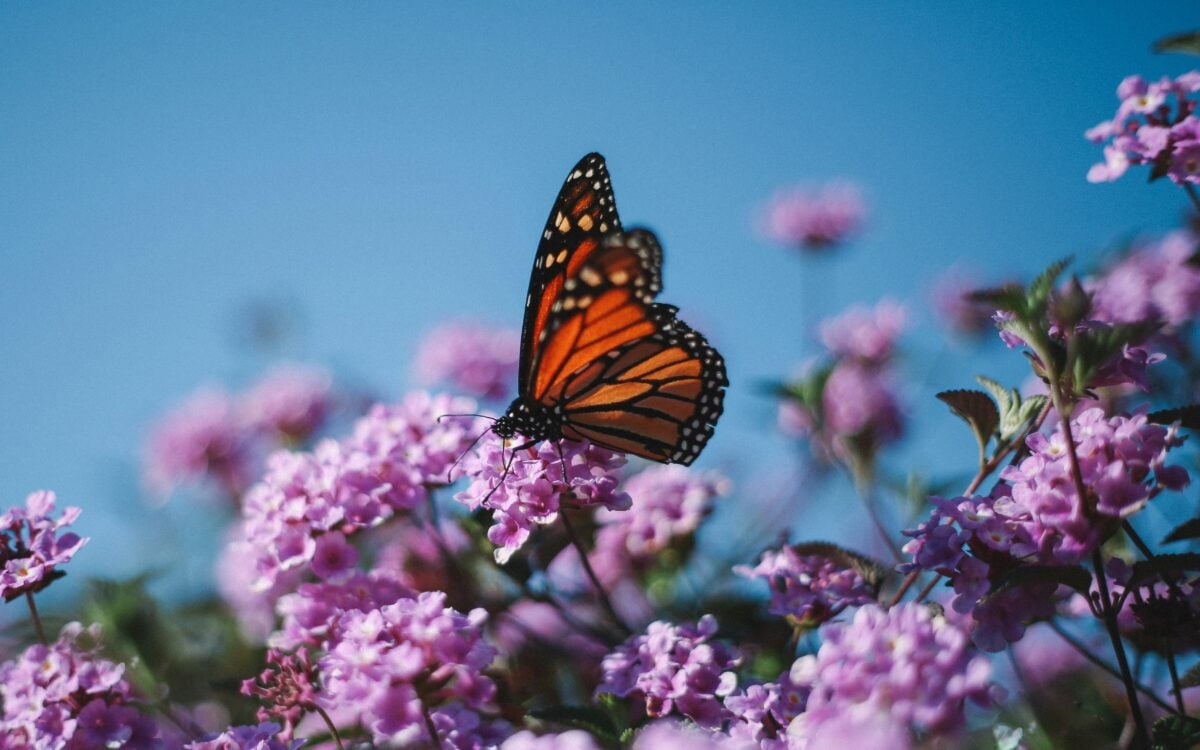
Bright orange in nature usually means danger or poison. That’s why you see it on monarch butterflies, poison dart frogs, and certain species of newts.
But orange mammals are virtually nonexistent. Red foxes appear orange but they’re technically red.
Golden retrievers look orange-gold but it’s really just a shade of yellow. True orange fur would make most mammals too visible to predators or prey, so evolution avoided it.
The color exists, but only in animals that benefit from being seen.
Iridescent Surfaces Need Precision

Iridescence—color that changes as you move—requires structures measured in nanometers. Hummingbird throats, butterfly wings, and beetle shells achieve this through layers of material that interfere with light waves.
Each layer must be precisely spaced or the effect fails. This makes iridescent colors some of the rarest in nature because they demand exact construction at a microscopic level.
One mutation in the growth pattern and the shimmer disappears.
Brown Gets No Respect
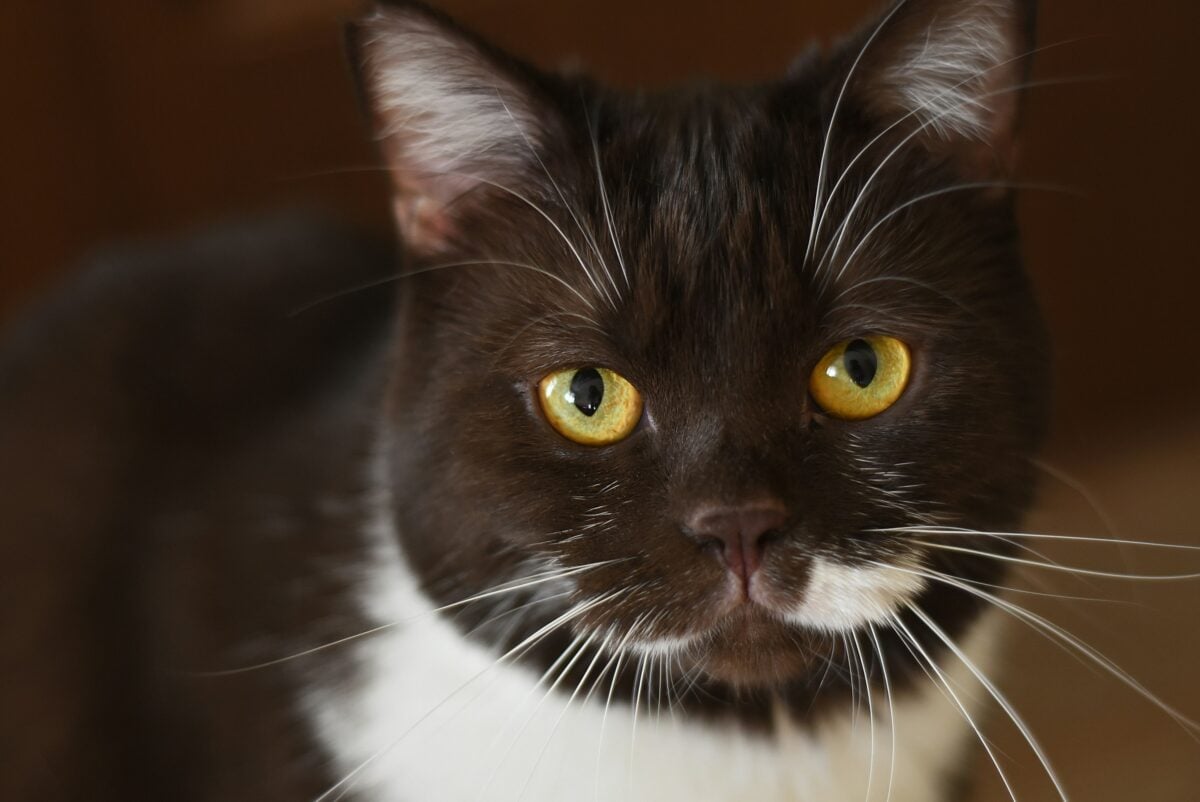
Brown dominates nature, but deep chocolate brown is surprisingly uncommon. Most “brown” animals are actually very dark versions of other colors—black, red, or orange.
True brown pigment, called eumelanin, produces colors ranging from tan to black depending on concentration. Getting that perfect milk chocolate shade requires just the right amount.
Too little and the animal looks tan. Too much and it goes black.
That sweet spot is rare.
Turquoise Water, Turquoise Life

Turquoise appears in tropical waters because of the way light scatters off white sand and algae. But turquoise animals are far less common.
The Blue Morpho butterfly wings aren’t actually blue—they’re covered in microscopic scales that reflect only blue and green light. The Blue-ringed Octopus flashes turquoise warnings when threatened, using specialized cells that contract to reveal blue rings.
But standing, constant turquoise coloring in animals is exceptionally rare. It takes energy to maintain and makes camouflage difficult.
Ultraviolet Hides in Plain Sight

Many animals see ultraviolet light, but humans can’t. This makes UV patterns on flowers, birds, and insects invisible to you unless you use special cameras.
Reindeer see in UV, which helps them spot lichen against snow. Many flowers have UV nectar guides that direct pollinators to their center.
From your perspective, these patterns don’t exist. From a bee’s perspective, they’re everywhere.
The color is common in nature but rare in human experience.
Gray Matters More Than You Think

A shade that’s truly neutral, without warmth or chill, almost never shows up outdoors. What looks like gray on creatures usually carries hints of brown, green, or blue beneath.
Take the so-called gray wolf – its fur blends dark and earthy strands, not pure gray. Even birds named for their color, such as parrots labeled gray, carry a touch of sky-like tint underneath.
Out of every shade, only a few bounce light just right – most fall short. Our eyes mix up signals, calling things gray even when they’re not close.
Spotting one that truly reflects everything? That’s rare. Not impossible, just hidden in plain sight.
When Colors Disappear

A flash of hue vanishes before you blink. A flower opens at dawn, brilliant, then dulls as light fades.
Sea creatures spark electric shades when pairing up. These brief displays slip through fingers – no camera catches them.
Out of nowhere, gone before you blink. Fleeting shades – purple that dips in fast, green snapping into view, red sparking then fading – are maybe the hardest to catch, simply refusing to stick around long enough for someone to take a proper look.
More from Go2Tutors!

- The Romanov Crown Jewels and Their Tragic Fate
- 13 Historical Mysteries That Science Still Can’t Solve
- Famous Hoaxes That Fooled the World for Years
- 15 Child Stars with Tragic Adult Lives
- 16 Famous Jewelry Pieces in History
Like Go2Tutors’s content? Follow us on MSN.



