Photos Of Innovations That Changed Transport Forever
Transportation has always been a defining feature of the way societies develop, trade, and connect. Every major leap forward in transportation technology has been about more than simply moving people from one place to another.
It has been about changing the way we design our cities, the way we conduct our economies, and the way we engage our cultures. It has been about changing the way we think about the seemingly impossible.
A brief look back at the major milestones in transportation technology shows the way in which a single idea can have the potential to ripple forward through the ages. Many of the technologies that people use every day were first envisioned as daring ideas that challenged the limits of technology and the mind.
Here is a look at fifteen of the most significant innovations that have permanently changed the way the world moves.
The Steam Locomotive
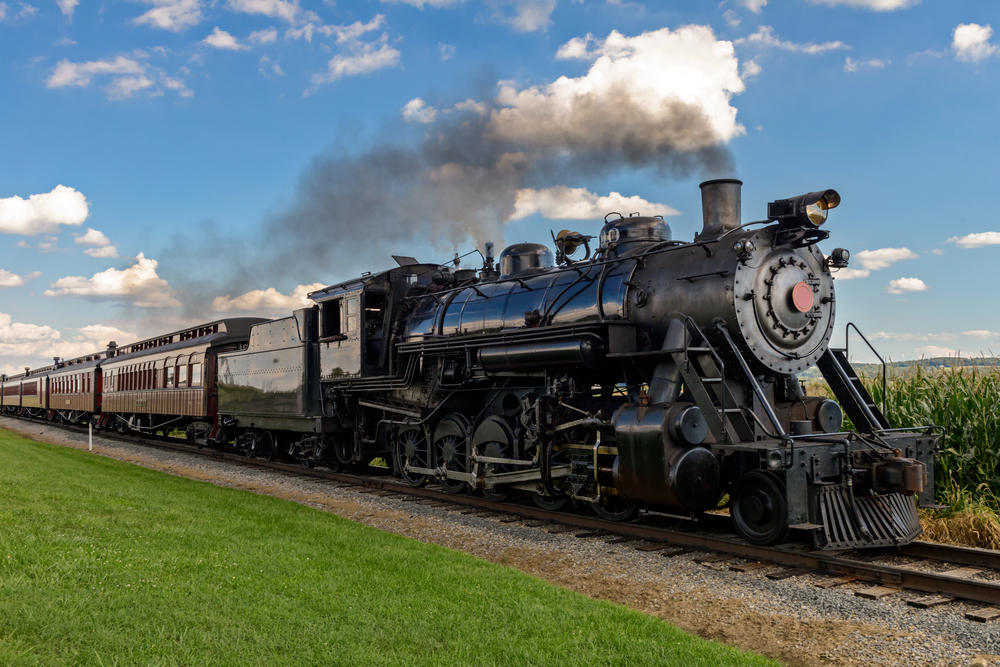
The steam locomotive marked one of the first major revolutions in land transportation. Developed in the early 19th century, these powerful machines allowed trains to move goods and passengers far faster than horse-drawn vehicles ever could.
Railways quickly expanded across Europe and North America, linking cities that had previously been separated by long and difficult journeys. The ability to transport materials and people efficiently helped fuel the Industrial Revolution and permanently altered global trade patterns.
The Internal Combustion Automobile
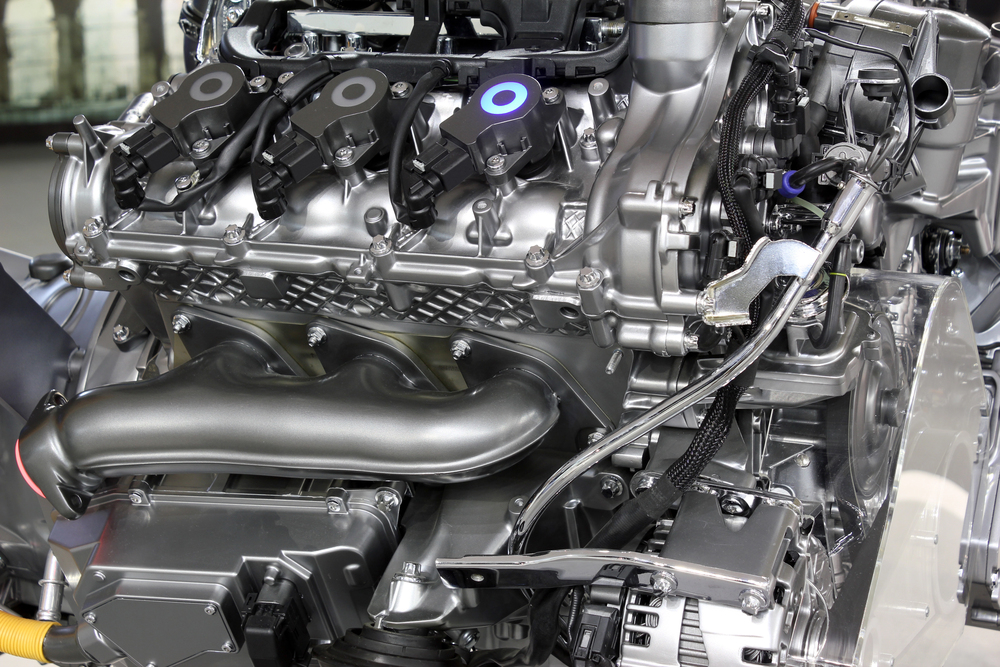
The invention of the gasoline-powered automobile changed personal mobility forever. Early models appeared in the late 1800s, but widespread adoption began in the early 20th century when mass production made cars more affordable.
Automobiles reshaped city planning, encouraging the growth of suburbs and highway networks. The car became a symbol of independence and convenience, allowing individuals to travel on their own schedules rather than relying on fixed routes.
The Jet Engine
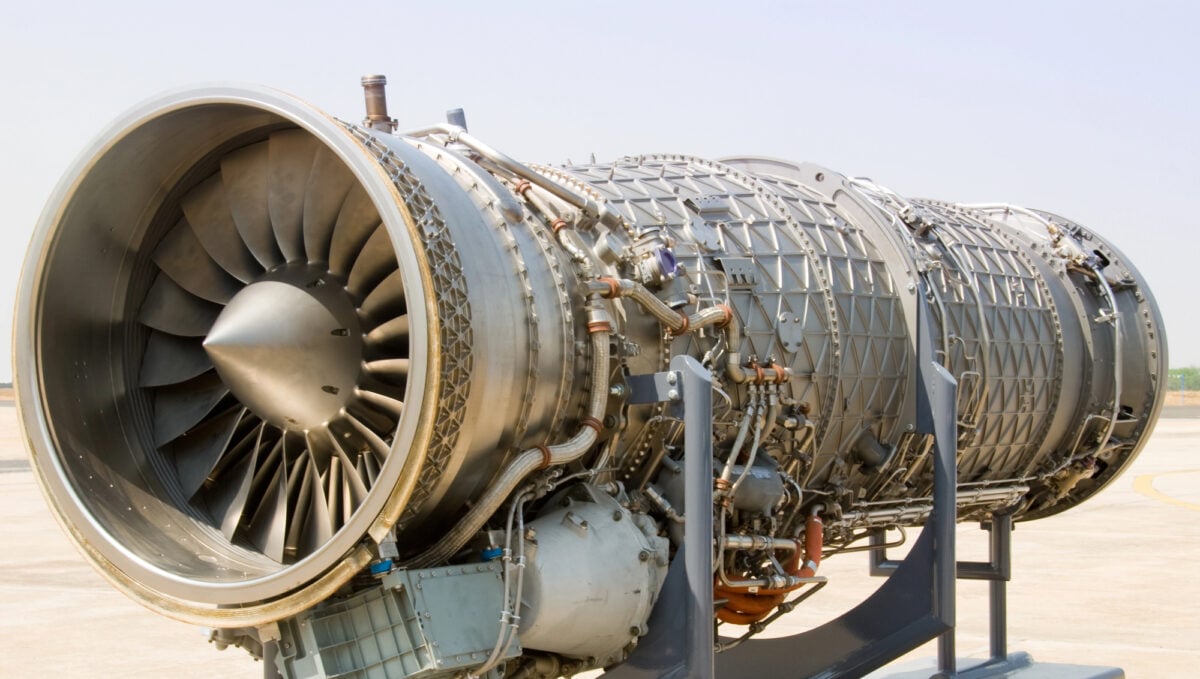
The jet engine dramatically reduced travel times between continents. Introduced into commercial aviation during the mid-20th century, jet-powered aircraft could fly faster and higher than earlier propeller-driven planes.
This innovation transformed international travel from a lengthy journey into something that could be accomplished within hours. Global tourism expanded rapidly, and businesses gained the ability to operate across continents with unprecedented ease.
Container Shipping
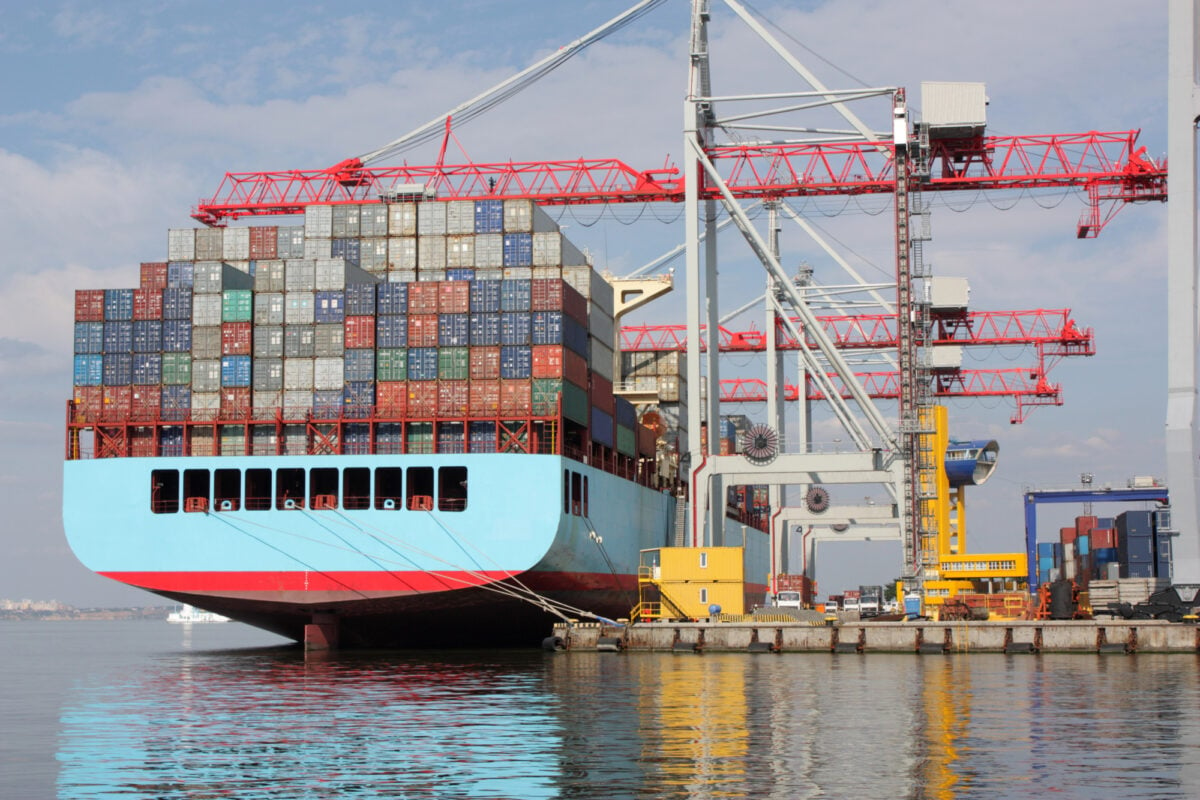
Standardized shipping containers may look simple, yet they revolutionized global trade. Introduced widely during the 1950s, these metal boxes allowed goods to be transferred seamlessly between ships, trucks, and trains.
Before containerization, cargo had to be loaded and unloaded piece by piece, which slowed transport dramatically. With containers, ports could move massive quantities of goods quickly, reducing costs and enabling the modern global supply chain.
The Bicycle

The bicycle provided an affordable and efficient form of personal transportation long before cars dominated the roads. First gaining popularity in the late 19th century, bicycles allowed people to travel farther than walking while remaining accessible to many households.
Beyond transportation, bicycles influenced road development and even early automotive engineering. Today they remain one of the most environmentally friendly ways to move through cities.
The Subway System
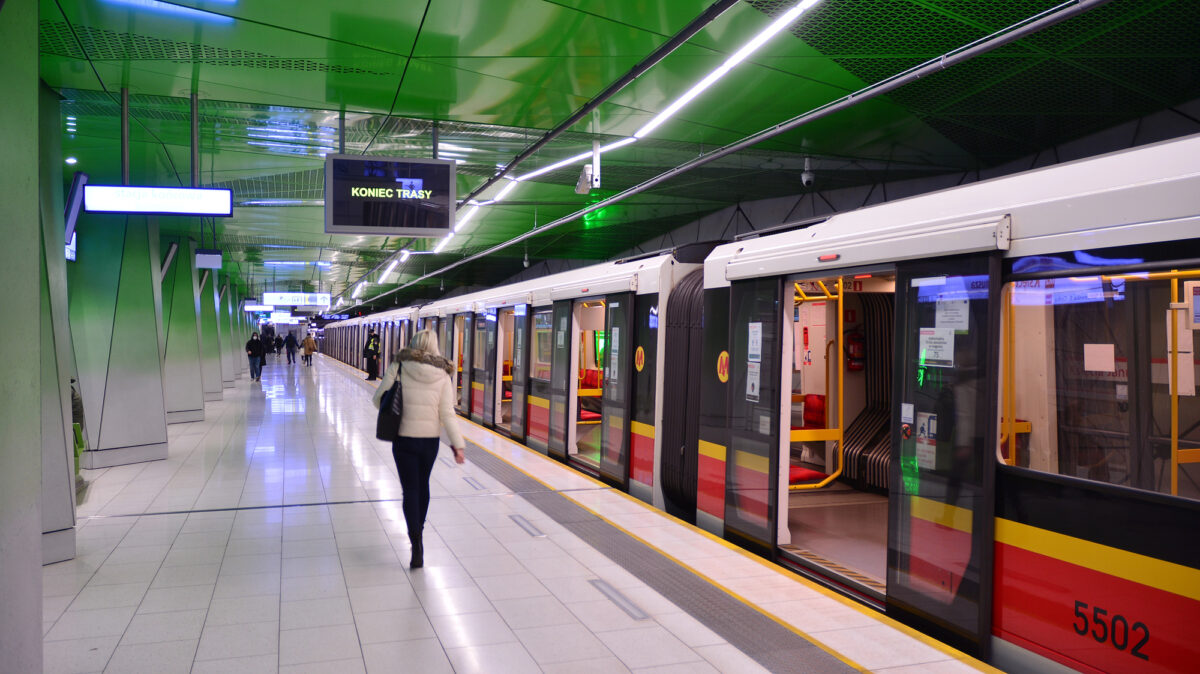
Urban subway systems allowed cities to expand without overwhelming their streets with traffic. London opened the world’s first underground railway in 1863, using steam-powered trains beneath the city.
Over time, electric systems replaced steam and subway networks spread to major cities worldwide. These underground lines enabled millions of commuters to travel quickly beneath crowded urban landscapes.
The Commercial Airliner
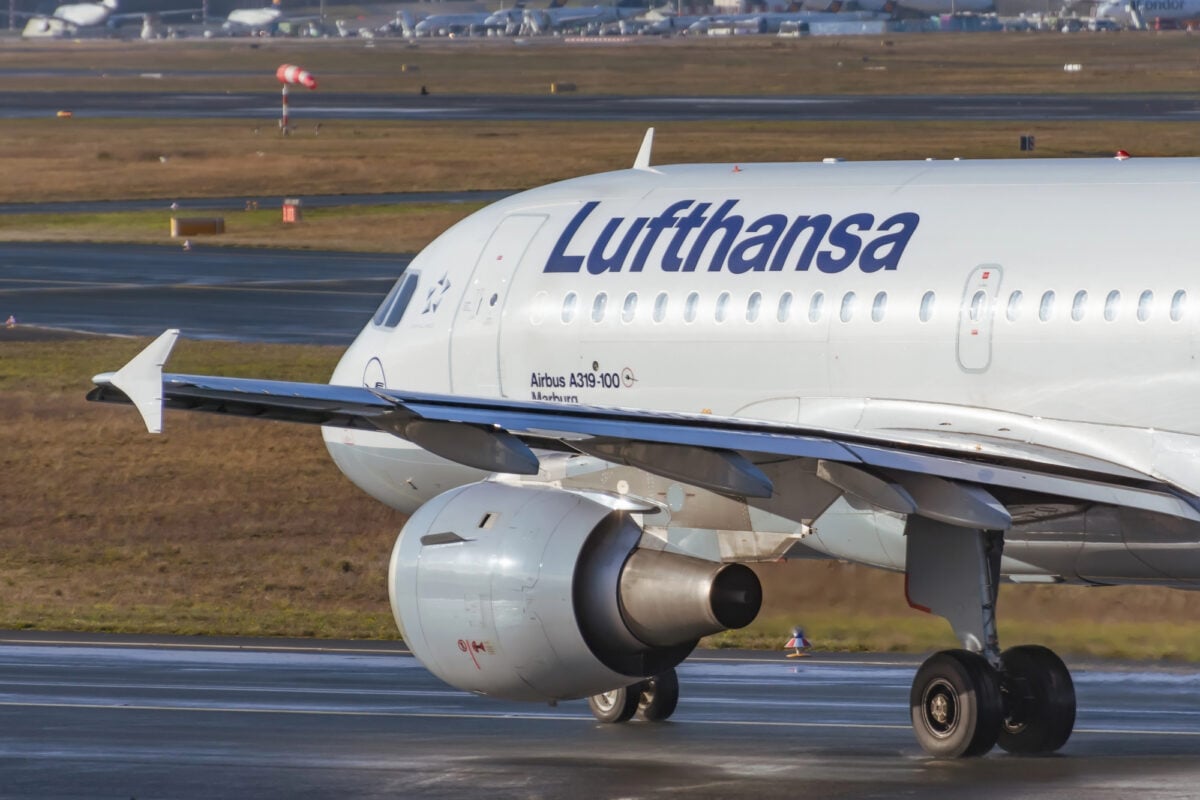
The development of large commercial airliners turned aviation into a global transportation system. Aircraft such as the Boeing 707 and later wide-body jets made long-distance travel more efficient and accessible.
Passengers who once spent days crossing oceans by ship could suddenly reach distant countries in a matter of hours. Air travel quickly became a central pillar of international commerce and tourism.
The High-Speed Train
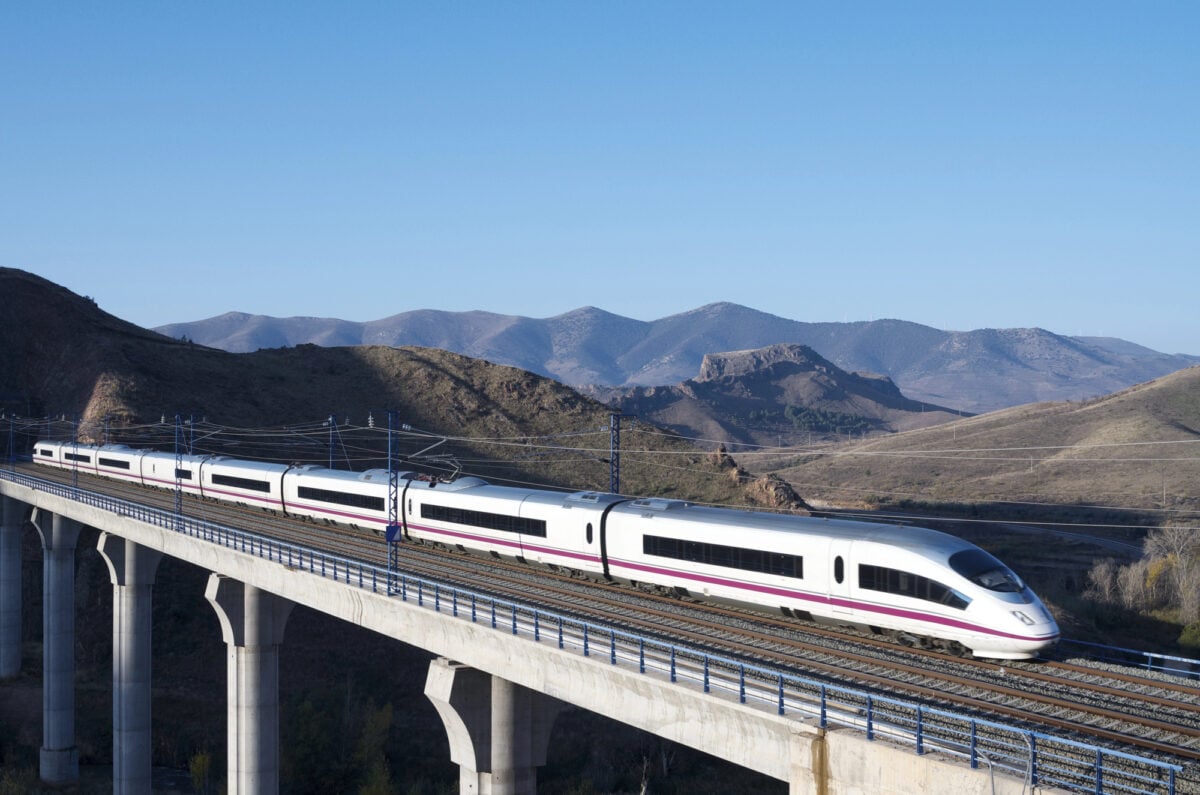
High-speed rail demonstrated that trains could compete with airplanes on certain routes. Japan introduced the first modern high-speed system in 1964 with the Shinkansen, capable of traveling at remarkable speeds.
These trains connect major cities quickly while maintaining impressive safety records. High-speed rail has since expanded across parts of Europe and Asia, offering a fast and energy-efficient alternative to short-haul flights.
The Suspension Bridge

Suspension bridges made it possible to span wide rivers and bays that had previously been difficult to cross. By using cables to support the roadway, engineers could build longer and more flexible bridges than earlier designs allowed.
Structures such as the Golden Gate Bridge demonstrated the potential of this engineering approach. These bridges dramatically improved regional connectivity and reduced travel times between once-isolated areas.
The Electric Tram
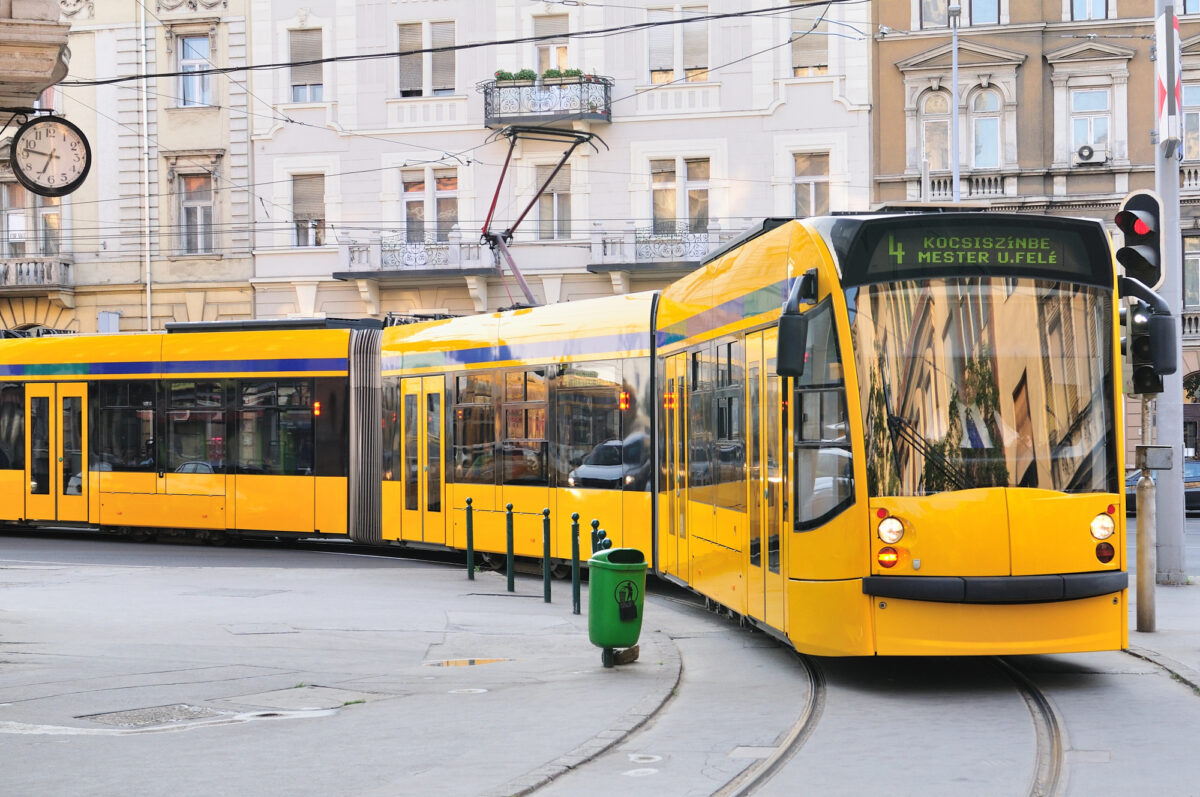
Electric trams transformed urban transportation during the late 19th and early 20th centuries. Unlike horse-drawn streetcars, electric systems could move more passengers efficiently through growing cities.
Trams became the backbone of many urban transit networks, helping residents travel between neighborhoods and commercial districts. In many cities today, modern light rail systems trace their origins back to these early electric lines.
The Helicopter
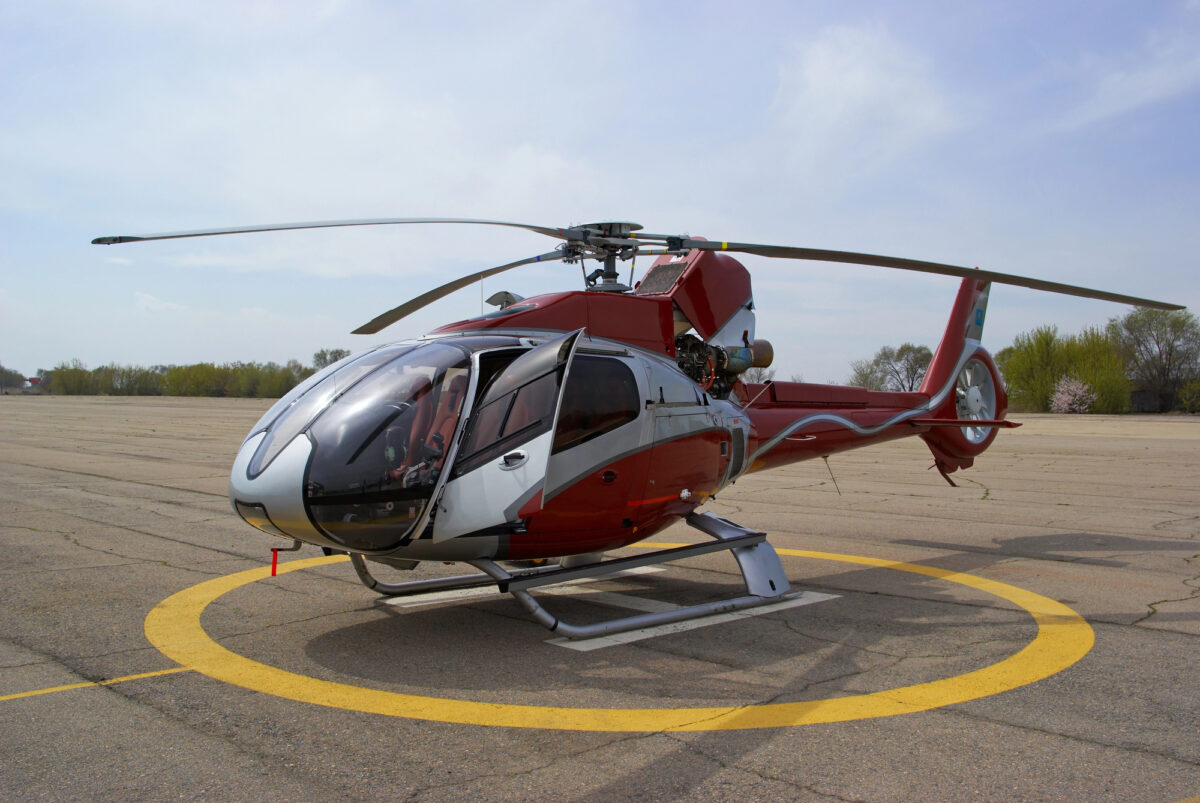
The helicopter introduced a new form of vertical flight that allowed aircraft to hover and land in tight spaces. This capability made helicopters invaluable for rescue missions, medical transport, and construction work.
Unlike traditional airplanes that require long runways, helicopters can reach locations that would otherwise remain inaccessible. Their versatility continues to make them essential in many industries.
The Ride-Sharing Platform

Digital ride-sharing platforms introduced a new model of urban transportation during the early 21st century. By connecting drivers and passengers through mobile apps, these services offered a flexible alternative to traditional taxi systems.
The model reshaped how people think about car ownership and short-distance travel within cities. It also demonstrated how digital technology can transform long-established industries.
The Electric Car
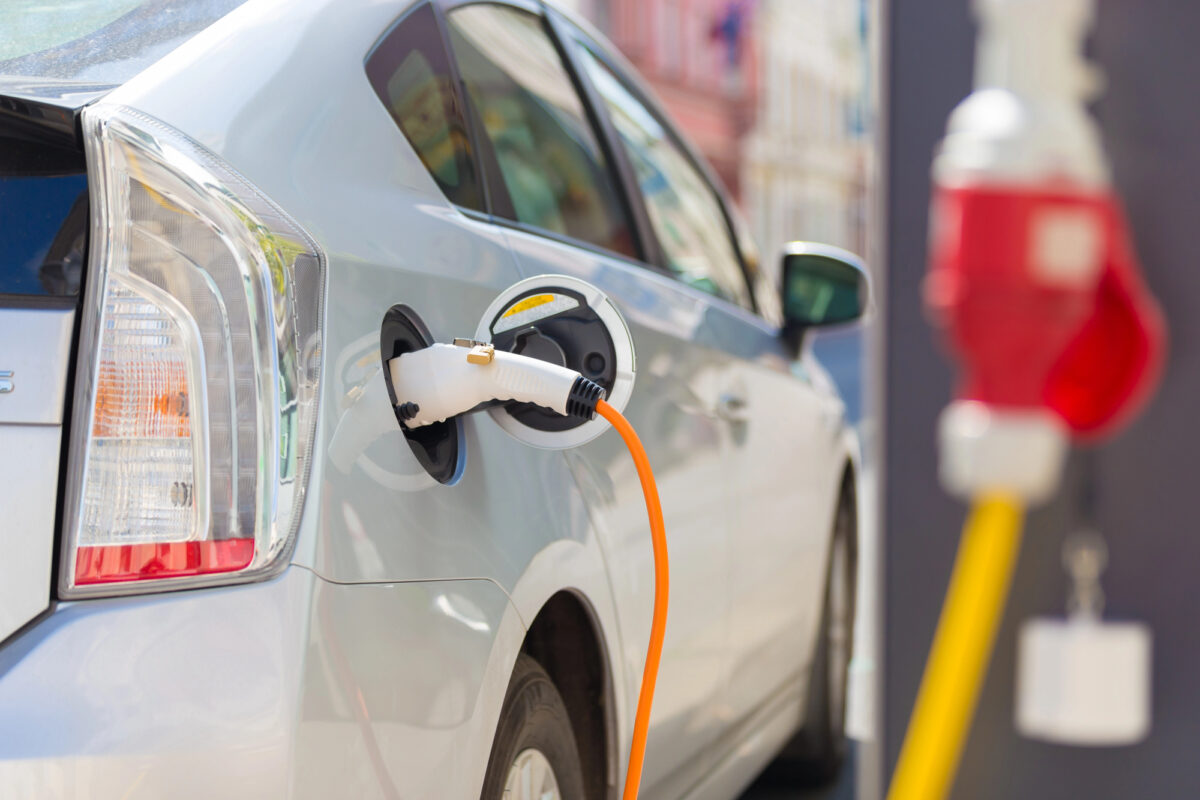
Electric vehicles represent a major shift in modern transportation technology. Although electric cars existed in early forms more than a century ago, advances in battery technology have recently made them far more practical.
Many governments and manufacturers now view electric vehicles as a central part of future transport systems. They offer a cleaner alternative to traditional engines while continuing to evolve rapidly.
The GPS Navigation System
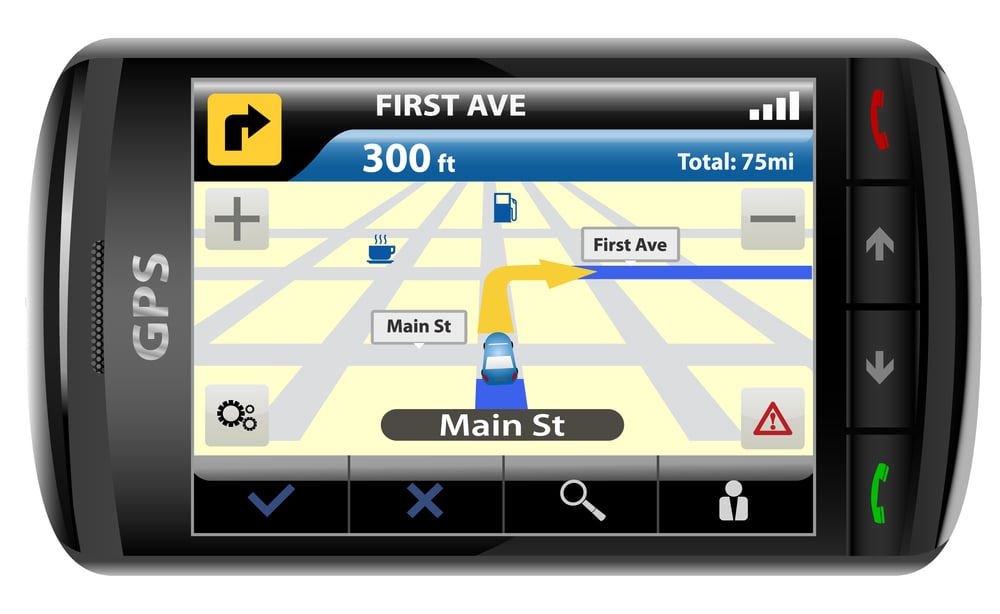
Global Positioning System technology revolutionized navigation for drivers, pilots, and sailors alike. With satellite-based positioning, travelers can determine their location and route with remarkable accuracy.
GPS replaced paper maps for many people and enabled a wide range of modern services, from delivery logistics to navigation apps. Its influence extends far beyond transportation, shaping everyday technology.
The Cargo Aircraft
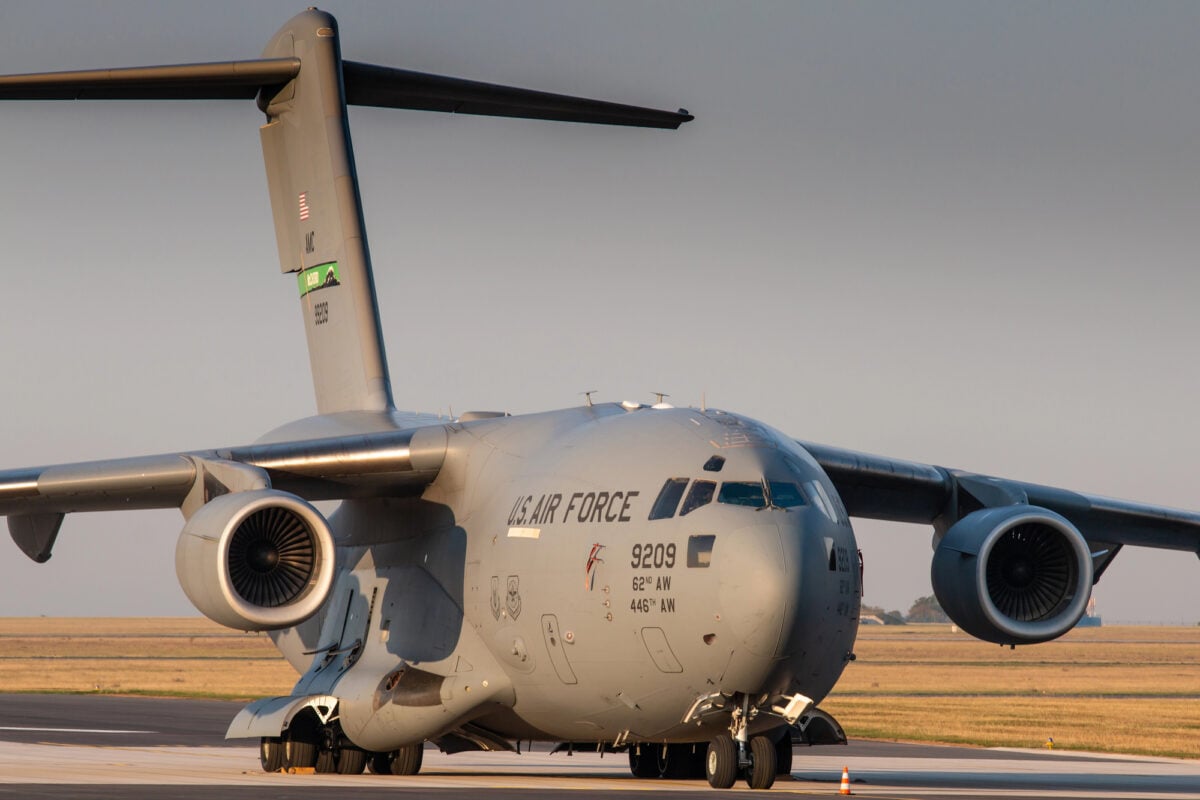
Large cargo aircraft made it possible to move goods rapidly across the globe. Specialized planes designed for freight can carry massive loads across thousands of miles in a single journey.
This capability allows businesses to transport valuable or time-sensitive products quickly. Modern logistics networks rely heavily on air cargo to keep global trade moving efficiently.
The Road Ahead

Transportation innovations are seldom complete and perfect from the start. Instead, they often begin as daring experiments, gradually refining themselves over time until they revolutionize the way people and goods are moved around the globe.
Each breakthrough is based upon the ones that came before it. A look at these milestones shows how transportation continues to evolve.
The vehicles and systems of the future will likely be the result of the same inquisitiveness, ingenuity, and resolve that produced the innovations that are still with us today.
More from Go2Tutors!

- The Romanov Crown Jewels and Their Tragic Fate
- 13 Historical Mysteries That Science Still Can’t Solve
- Famous Hoaxes That Fooled the World for Years
- 15 Child Stars with Tragic Adult Lives
- 16 Famous Jewelry Pieces in History
Like Go2Tutors’s content? Follow us on MSN.