Brands That Are Actually Acronyms
Walk into any store, scroll through your phone, or glance at your kitchen counter, and you’ll see dozens of brand names that feel so familiar they almost seem like real words. But many of them aren’t words at all.
They’re clever combinations of letters that hide interesting stories, founder names, or business strategies behind their simple facades. Let’s pull back the curtain on some of the most recognizable brands whose names are actually acronyms in disguise.
IKEA

The Swedish furniture giant that makes everyone feel like an interior designer has a name built from its founder’s identity. Ingvar Kamprad started the company as a teenager, and he combined his initials with Elmtaryd, the farm where he grew up, and Agunnaryd, his nearby village.
The result sounds exotic and memorable, but it’s really just a personal map of where this empire began. Most people have no idea they’re saying a compressed version of a Swedish address every time they plan a shopping trip.
LEGO

Those colorful plastic bricks that have tortured bare feet for generations come from a Danish phrase that perfectly captures what they do. ‘Leg godt’ means ‘play well’ in Danish, and the founder shortened it into something that rolls off the tongue in any language.
The company started making wooden toys in the 1930s before switching to plastic, but the name stayed the same. It’s a rare case where an acronym actually describes the product’s purpose rather than just identifying its creator.
TASER
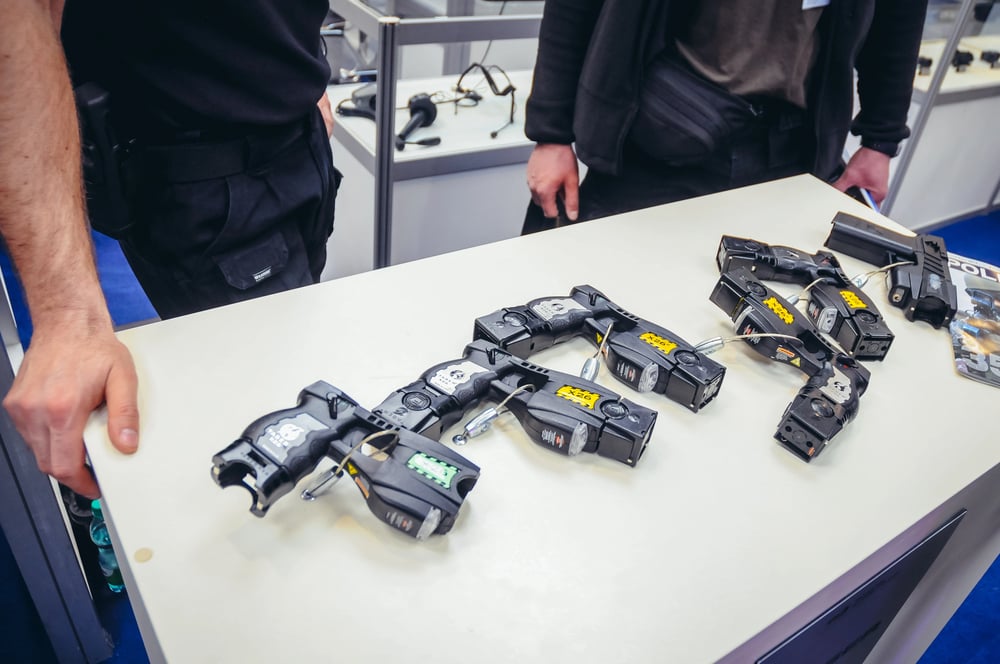
Police officers and security guards carry these devices without realizing the name comes from a classic adventure novel. Thomas A. Swift’s Electric Rifle was a fictional weapon in a young adult book series, and the inventor thought it sounded perfect for his new stun gun technology.
He added an ‘A’ to make it catchier and easier to trademark. The connection to a fictional teenage inventor seems almost too perfect for a device that changed law enforcement forever.
NABISCO
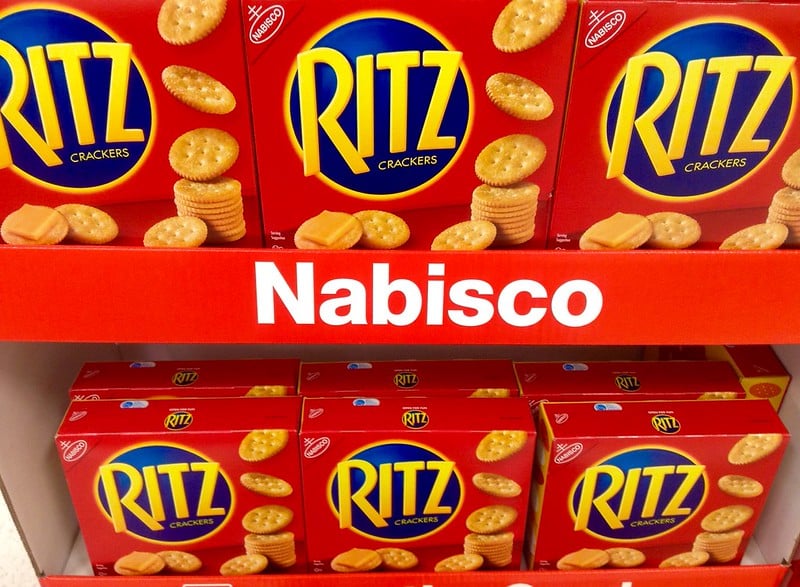
The snack aisle staple that brings us Oreos and Ritz crackers has a name rooted in boring corporate history. The National Biscuit Company needed something shorter for packaging and advertising, so they grabbed the first letters and created a word that sounds vaguely Italian or exotic.
The original name tells you exactly what they do, but NABISCO feels more like a brand than a description. It’s the kind of transformation that made early 20th century marketing teams feel like geniuses.
CISCO
The tech company that powers much of the internet’s backbone didn’t get creative with its name at all. San Francisco needed a shorter version for the founders to use, so they just chopped off the first part and capitalized the rest.
The logo even features the Golden Gate Bridge as a not-so-subtle reminder of where it all started. Sometimes the simplest approach works best, especially when your technology becomes so essential that people stop questioning where the name came from.
ADIDAS
Sports fans have debated this one for years, with some thinking it stands for ‘All Day I Dream About Sports.’ The truth is much simpler and less poetic.
Adolf Dassler founded the company and used his nickname Adi plus the first three letters of his last name. His brother Rudolf started PUMA after they had a falling out, which means a family argument gave us two of the world’s biggest athletic brands.
GIF
Every social media user shares these animated images without thinking about what the letters mean. Graphics Interchange Format describes the technical structure of how these files compress and display images.
The creator insisted it’s pronounced with a soft ‘G’ like the peanut butter brand, but the internet still fights about it decades later. Either way, three letters changed how people communicate online.
CAPTCHA
Those annoying boxes that make you prove you’re human before logging in have a name that’s actually pretty clever. Completely Automated Public Turing test to tell Computers and Humans Apart describes exactly what’s happening, even if it’s a mouthful.
The acronym includes a reference to Alan Turing, the computer science pioneer who created tests for machine intelligence. It’s the rare security feature that tips its hat to the history it’s built on.
BMW
The German luxury car maker has a name that sounds sophisticated in any language, but it’s really just a straightforward description. Bayerische Motoren Werke translates to Bavarian Motor Works, which tells you where they’re from and what they make.
The company started building aircraft engines before switching to motorcycles and then cars. Those three letters carry more than a century of engineering pride from one region of Germany.
SCUBA

Divers use this word so casually that most people forget it wasn’t always in the dictionary. Self-Contained Underwater Breathing Apparatus perfectly describes the equipment that lets people explore beneath the waves.
The military invented it during World War II, and the acronym stuck because saying the full phrase every time would waste precious oxygen. Now it’s used as a verb, a noun, and an adjective without anyone stopping to think about the individual words.
AMSTRAD
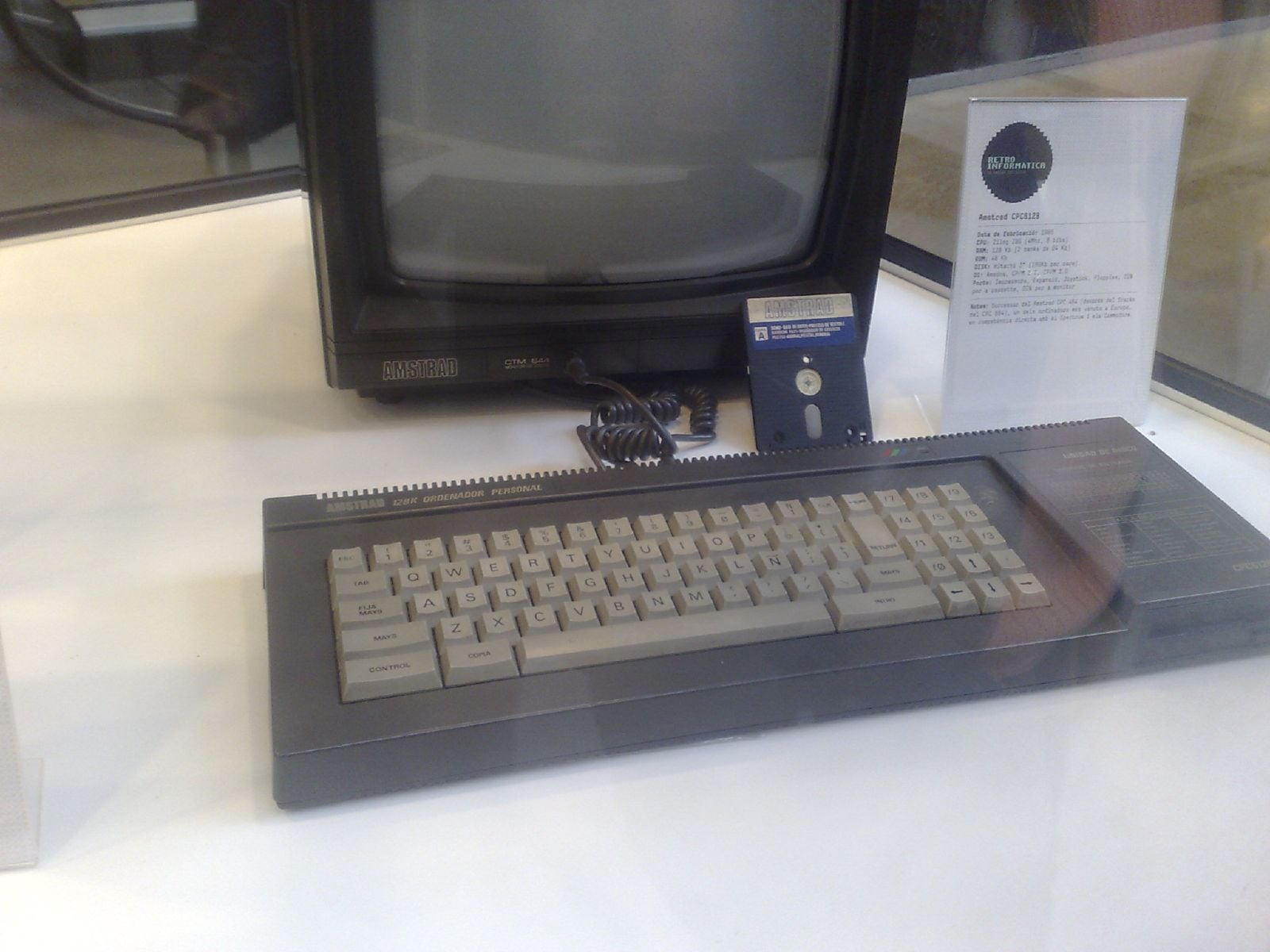
The British computer company that dominated European homes in the 1980s built its name from its founder’s identity. Alan Michael Sugar Trading sounds like a generic business description, but Sugar turned it into a tech empire that brought affordable computers to regular families.
The company’s machines weren’t as powerful as competitors, but they were cheap enough that people didn’t care. Sugar later became famous as a business TV personality, but the acronym remains as a reminder of his early ambitions.
ACURA
Honda’s luxury division needed a name that sounded premium without straying too far from its roots. Accuracy pulled from the company’s commitment to precision engineering, and they shortened it into something that rolls off the tongue easily.
The brand launched in America first because Honda wanted to charge more for upscale features without confusing their main customer base. It’s a corporate strategy disguised as a fancy-sounding word.
NECCO
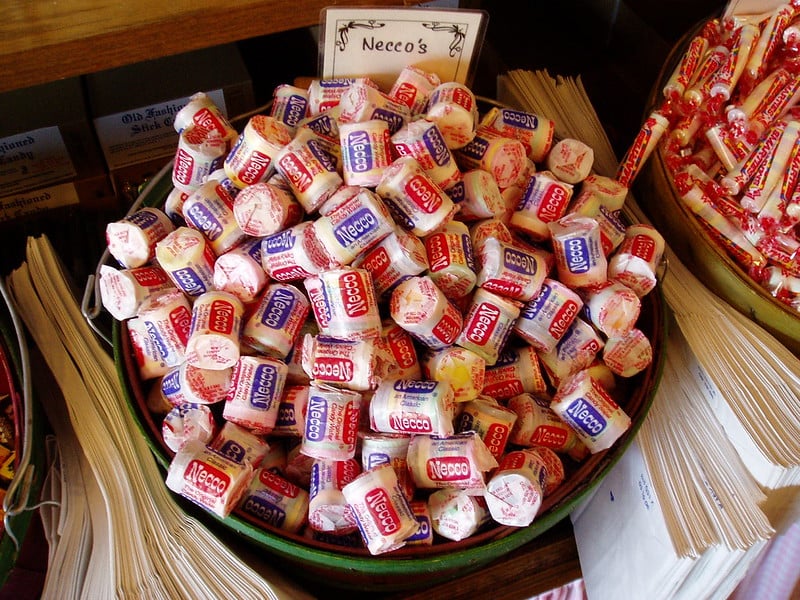
The candy company behind those chalky wafers your grandparents loved has a name built from geography and business structure. The New England Confectionery Company described exactly what they were and where they operated.
The acronym made it easier to fit on packaging and storefronts in the early 1900s. The company went bankrupt in 2018, but the name survives as a reminder of American candy history.
LG
The Korean electronics giant went through several name changes before landing on two simple letters. Lucky Goldstar was the original name when two companies merged, combining their individual brands.
As they expanded globally, the full name felt too quirky and culturally specific, so they shortened it to something neutral. Now those two letters appear on everything from phones to refrigerators, and hardly anyone remembers what they originally stood for.
ASOS
The online fashion retailer built its entire business model into four letters that explain exactly what they do. As Seen On Screen promises clothes inspired by celebrity style and TV shows.
The company started by selling imitation outfits from popular programs before expanding into their own designs. The acronym worked so well that they kept it even after shifting their business strategy away from direct celebrity copying.
SAP
The enterprise software company has a name that sounds like tree sap or energy, but it’s actually a German phrase about data. Systeme, Anwendungen und Produkte in der Datenverarbeitung means systems, applications, and products in data processing.
Try saying that every time you describe what the company does, and you’ll understand why they shortened it. The acronym sounds sharp and modern in any language, which helped them become a global tech leader.
CVS
A single drugstore on a quiet street held a plan most never noticed. Back then, it went by words spelling out thrift and choice – clear enough for anyone walking past.
When medicine bottles began filling shelves, the old title stuck around like an echo. Those initials stayed sharp and bold above doors nationwide.
Today, saying you’re heading to CVS feels natural, as if the act invented itself long ago.
YAHOO
A burst of energy shaped the name, one where joy met purpose without saying it outright. What started as a grin became a label: each letter danced with meaning, forming a phrase that winked at its own cleverness.
Not stiff, never dull – the creators leaned into whimsy like a shared joke among believers. Punctuation did more than pause; that little dot with wings screamed delight right from the signpost.
Old rules felt heavy next door, so they skipped them, leaving spark instead.
Became who you were through shorthand names
What began as shortcuts slowly took on a life of their own. Soon, those quick labels replaced full titles entirely.
Folks say them every day, never thinking about where they came from. That shift happens when naming clicks just right.
Meaning fades while sound sticks around. Letters once tied to words now float free in common speech.
Original phrases? Rarely remembered. Efficiency shaped identity without anyone noticing.
More from Go2Tutors!

- The Romanov Crown Jewels and Their Tragic Fate
- 13 Historical Mysteries That Science Still Can’t Solve
- Famous Hoaxes That Fooled the World for Years
- 15 Child Stars with Tragic Adult Lives
- 16 Famous Jewelry Pieces in History
Like Go2Tutors’s content? Follow us on MSN.



