15 Times the Public Invented a Better Use for a Product Than Its Creator Did
Sometimes, the most brilliant product innovations come not from research and development teams but from regular people finding creative solutions to everyday problems. Many of today’s most popular products weren’t originally designed for their current use—they found new life thanks to resourceful consumers who saw potential where even inventors didn’t.
Here is a list of 15 remarkable examples where the public discovered better uses for products than their creators ever intended.
Bubble Wrap

Originally designed by engineers Alfred Fielding and Marc Chavannes as a new type of textured wallpaper, this unlikely home decoration never caught on. The inventors then marketed it as greenhouse insulation, another commercial failure.
It wasn’t until IBM used the material to protect computer shipments that bubble wrap found its true calling as protective packaging. Today, people also use it as a stress reliever, with the satisfying pop becoming almost therapeutic for many.
Play-Doh

This colorful modeling compound began its life as a mundane wallpaper cleaner created by Noah McVicker. When heating systems transitioned from coal to natural gas, leaving walls cleaner, the product faced extinction.
Salvation came when McVicker’s nephew discovered that schoolchildren were using the non-toxic putty for art projects. The formula was tweaked, vibrant colors were added, and Play-Doh became one of the world’s most beloved children’s toys, selling over millions of pounds since its reinvention.
Listerine
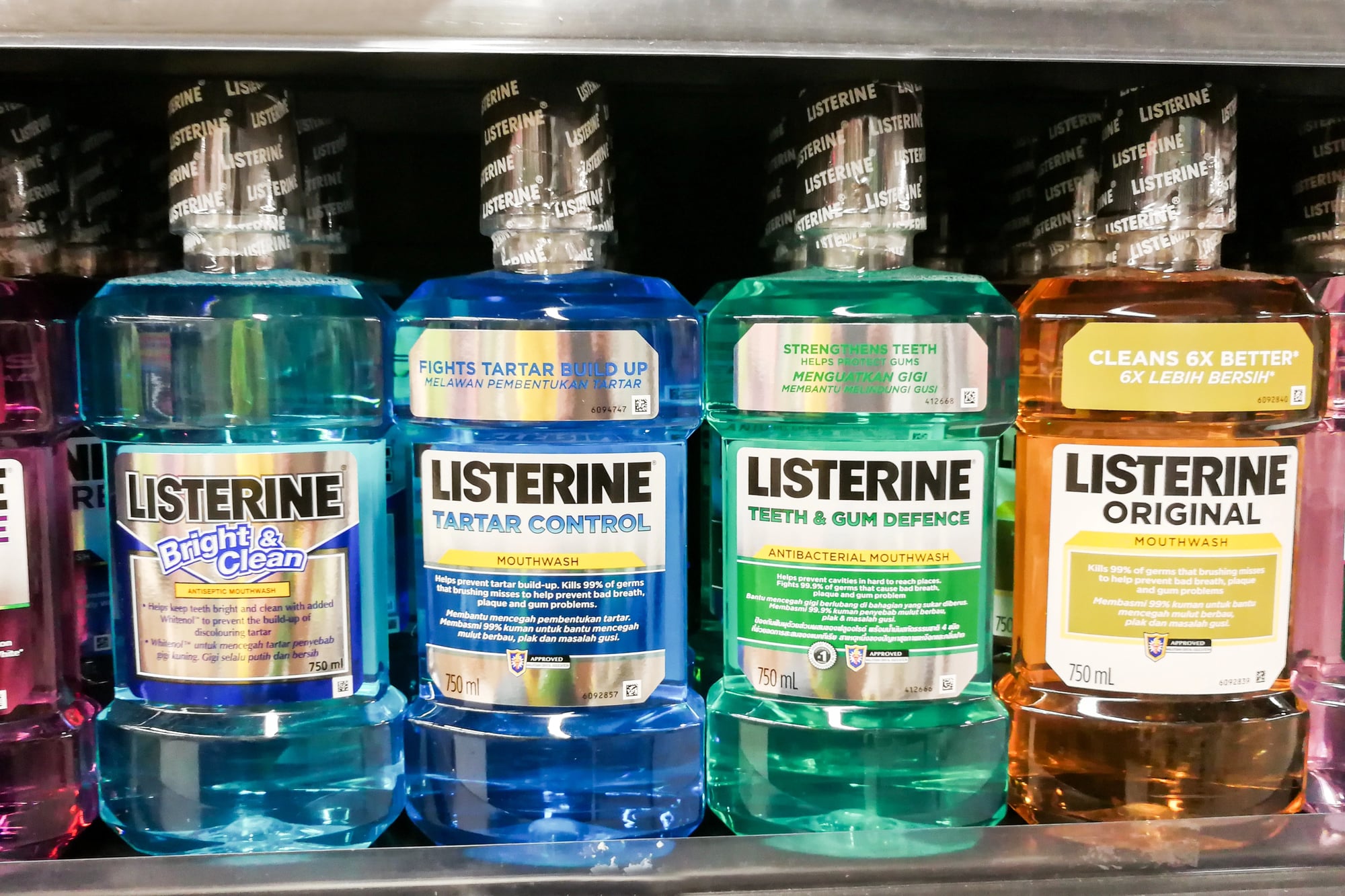
When Joseph Lawrence created this powerful antiseptic, he intended it exclusively as a surgical disinfectant and general germicide. For years, it was marketed for everything from cleaning floors to curing gonorrhea.
The product languished until the company brilliantly rebranded it as a solution for ‘chronic halitosis’—effectively creating the modern mouthwash market. This consumer discovery turned a mediocre medical product into a daily hygiene essential found in bathrooms worldwide.
Coca-Cola
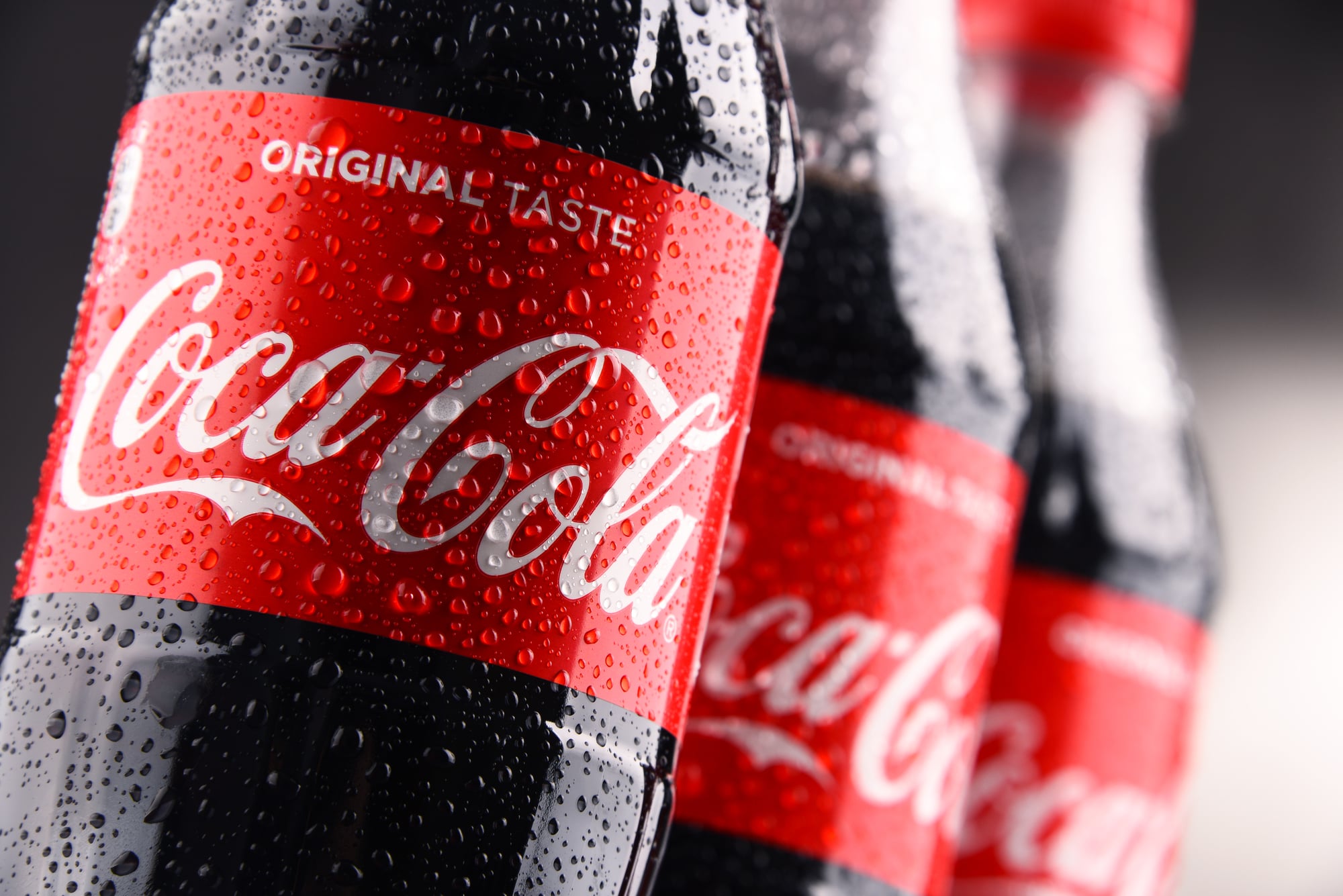
Pharmacist John Stith Pemberton developed Coca-Cola as a medicinal syrup designed to relieve headaches and fatigue. His original formula included coca leaves (yes, the plant cocaine comes from) and kola nuts.
Pemberton’s assistant accidentally mixed the syrup with carbonated water instead of regular water, creating the fizzy drink people loved. The public preferred consuming it for pleasure rather than medication, transforming a pharmacy concoction into the world’s most recognized beverage brand.
WD-40
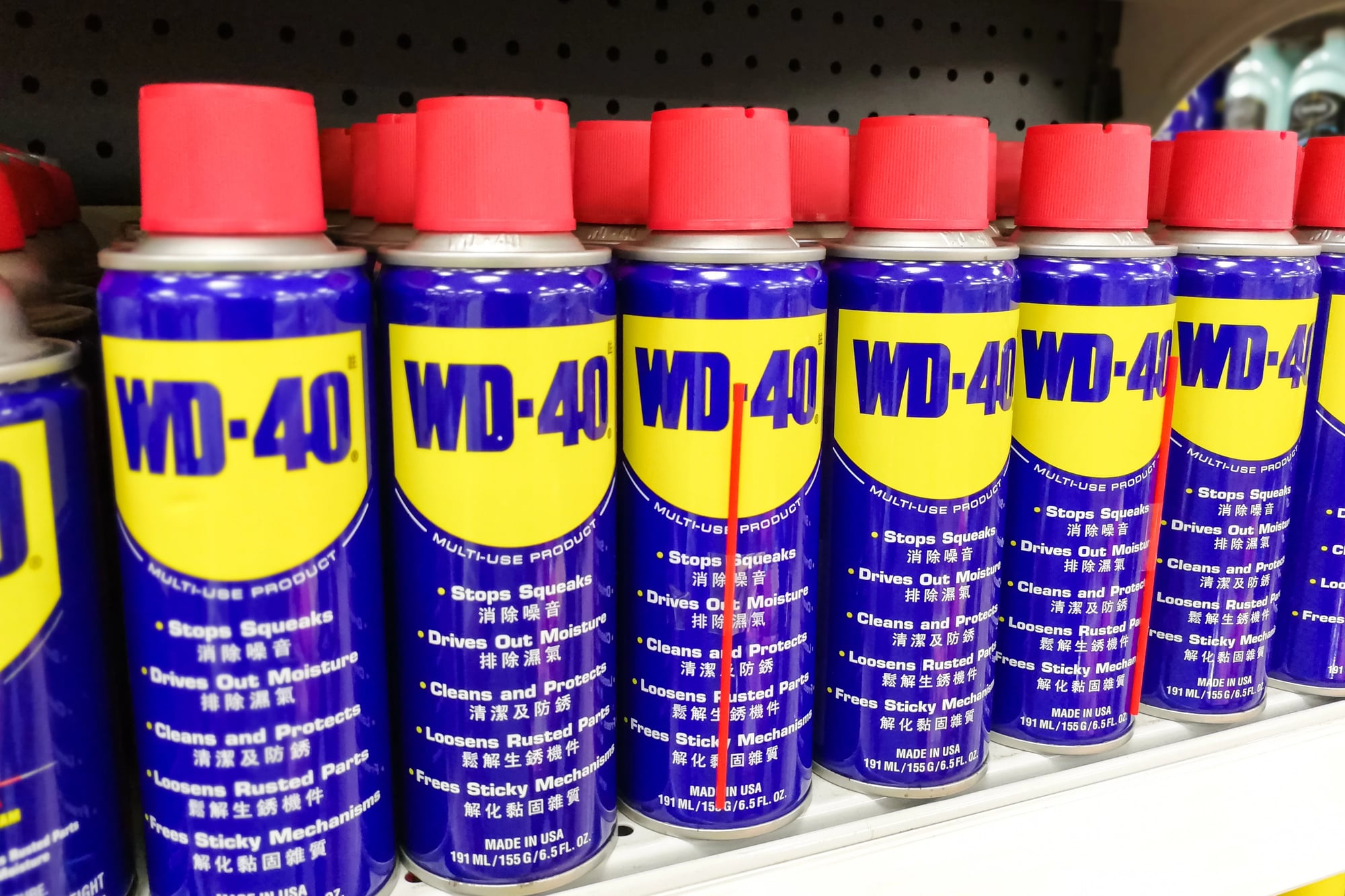
The Rocket Chemical Company created this miracle lubricant specifically for the aerospace industry to prevent rust and corrosion on Atlas missile parts. Named for the 40th attempt at a ‘Water Displacement’ formula, WD-40 remained an industrial product until employees began sneaking cans home for personal projects.
Today, this accidental household staple has countless applications—from silencing squeaky hinges to removing crayon from walls—with some enthusiasts claiming over thousands of different uses.
Kleenex

Kimberly-Clark introduced Kleenex as specialized cold cream remover tissues for women’s makeup routines. The company was surprised when consumer research revealed that most purchases were actually for blowing noses.
Rather than fight consumer behavior, Kimberly-Clark embraced it, rebranding Kleenex as disposable handkerchiefs. This pivot turned a niche beauty product into a household essential, with the brand name becoming synonymous with facial tissues in many countries.
Viagra

Perhaps the most famous pharmaceutical repurposing, sildenafil (Viagra) was originally developed by Pfizer researchers as a treatment for hypertension and angina pectoris. During clinical trials, male participants reported an unexpected side effect—improved erections.
This ‘side effect’ proved more valuable than the intended cardiovascular benefits, leading Pfizer to reposition the drug entirely. What began as a disappointing heart medication became one of the most successful lifestyle drugs in pharmaceutical history.
Frisbee

The flying disc beloved in parks worldwide began as pie plates from the Frisbie Baking Company of Connecticut. Yale University students discovered the empty tins sailed impressively when thrown, yelling ‘Frisbie!’ as a warning to catch the approaching projectile.
Entrepreneur Walter Morrison refined the concept into a plastic disc, selling the rights to Wham-O. The company renamed it ‘Frisbee,’ inspired by the students’ original terminology, transforming discarded packaging into an iconic recreational activity.
Super Glue
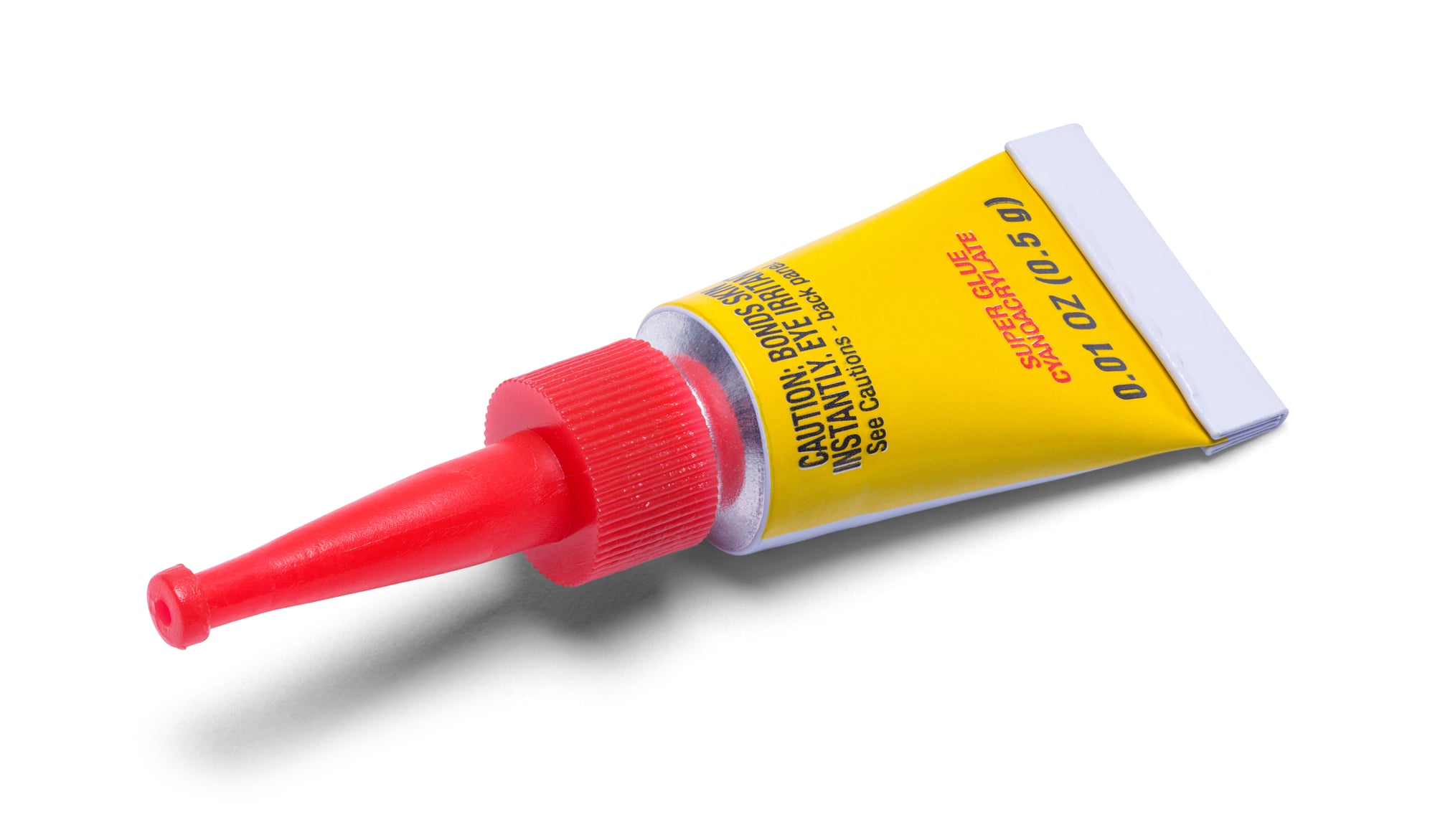
During World War II, scientist Harry Coover was attempting to create clear plastic gun sights when he accidentally produced cyanoacrylate—a substance so sticky it ruined his equipment. Deemed a failure, the formula was shelved until Coover rediscovered it while working on heat-resistant jet canopies.
Consumer ingenuity quickly surpassed industrial applications, with the public finding endless household and craft uses for the adhesive, including emergency wound closure during wartime.
Post-it Notes

Scientist Spencer Silver at 3M accidentally created an adhesive that was strong enough to stick to surfaces but weak enough to be easily removed without leaving a residue. For years, the company couldn’t find a practical application.
The breakthrough came when colleague Art Fry needed bookmarks that wouldn’t fall out of his hymnal during choir practice. The public quickly discovered hundreds of organizational and communication uses, transforming an adhesive ‘failure’ into an office essential.
Vaseline
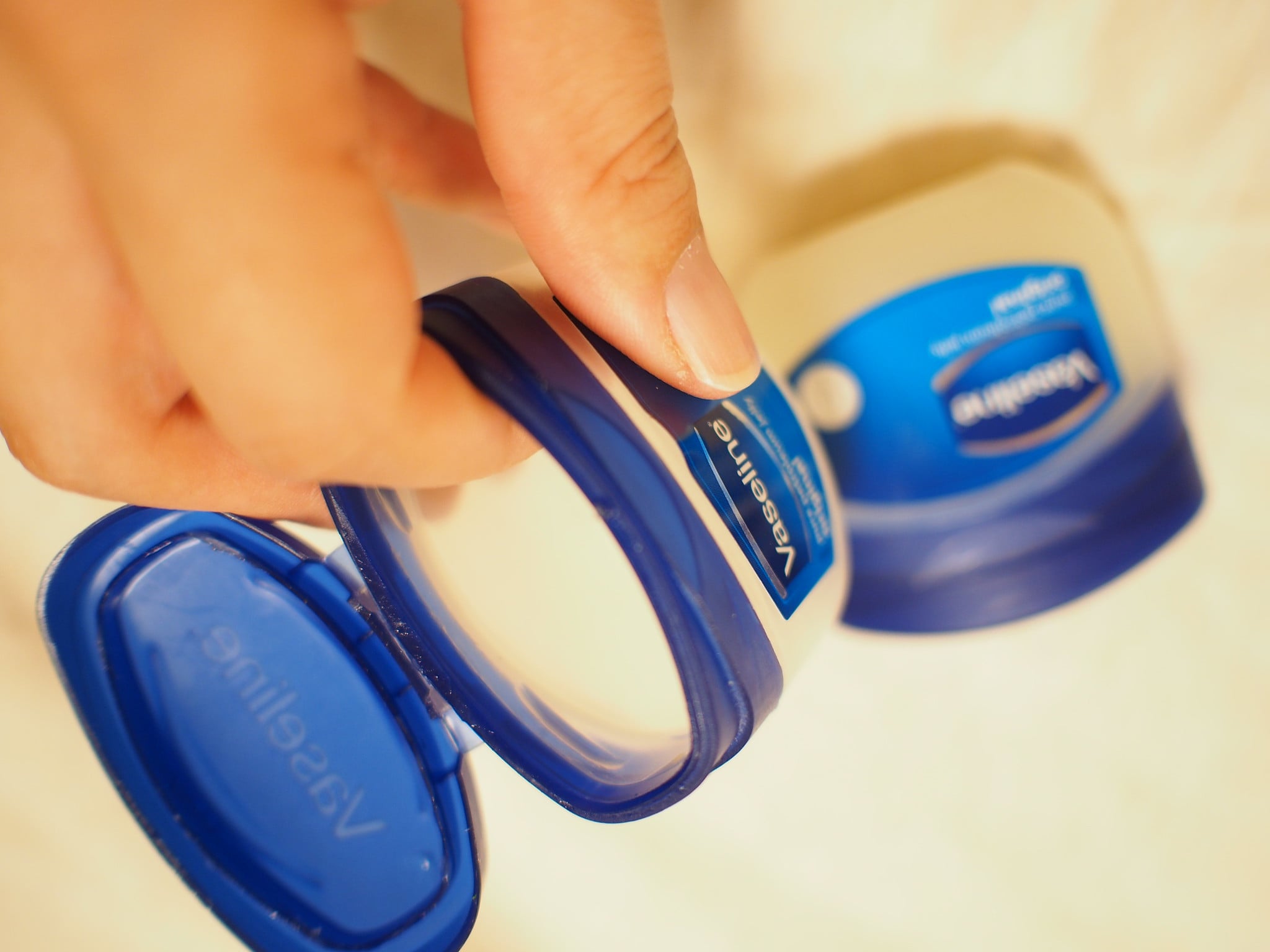
Robert Chesebrough created petroleum jelly after noticing oil workers using rod wax, a byproduct of oil drilling, to heal cuts and burns. He refined the substance into what he called ‘Vaseline’ and marketed it primarily as a healing ointment for cuts.
However, consumers soon discovered its versatility, using it for everything from moisturizing dry skin to preventing diaper rash. Today, Vaseline has hundreds of applications, from makeup removal to leather preservation, far exceeding its creator’s initial vision.
Silly Putty

Engineer James Wright was attempting to create a synthetic rubber substitute during World War II when he combined boric acid and silicone oil, producing a bouncy, stretchy substance. Considered a failure for industrial purposes, the substance languished until toy store owner Ruth Fallgatter saw its potential as a novelty item.
Marketed as Silly Putty, children discovered its ability to lift newspaper images and bounce like a ball. This ‘failed’ wartime research became one of the most popular toys of the century.
ChapStick

Dr. Charles Browne Fleet created the first version of ChapStick as a medicated lip balm wrapped in foil. The product struggled until John Morton purchased the recipe, improved the formula, and created the now-familiar tube packaging.
While Fleet envisioned a medicinal product, consumers embraced it as an everyday preventative care item. Today, ChapStick is applied proactively rather than reactively, with many people considering it a daily essential regardless of whether their lips are actually chapped.
Lysol

When Lysol disinfectant hit the market, it was promoted primarily for hospital use to fight cholera and other epidemics. The product’s early marketing specifically targeted professional sanitization.
However, homemakers quickly adopted it for general household cleaning, discovering its effectiveness against everyday germs. This consumer-driven shift from specialized medical equipment to household necessity expanded the product’s market exponentially.
Duct Tape

During World War II, the U.S. military needed a waterproof tape to keep ammunition cases dry. Johnson & Johnson developed a cloth-backed, rubber-based adhesive tape coated in polyethylene that soldiers nicknamed ‘duck tape’ for its water-resistant properties.
After the war, the construction industry adopted it for connecting heating and air conditioning ducts. However, everyday consumers soon discovered its remarkable versatility for everything from emergency repairs to crafting, far exceeding its military and construction origins.
The Final Tape

These remarkable product pivots reveal something profound about innovation—sometimes the most valuable feedback comes from observing what people actually do, not what companies think they should do. The greatest product adaptations often happen organically when creators remain humble enough to recognize that consumer wisdom collectively outshines even the brightest individual vision.
Perhaps the real genius lies not in creating the perfect product from day one, but in staying attentive enough to recognize when your creation has found its true purpose in unexpected places.
More from Go2Tutors!

- The Romanov Crown Jewels and Their Tragic Fate
- 13 Historical Mysteries That Science Still Can’t Solve
- Famous Hoaxes That Fooled the World for Years
- 15 Child Stars with Tragic Adult Lives
- 16 Famous Jewelry Pieces in History
Like Go2Tutors’s content? Follow us on MSN.