Mysterious Creatures And Places Found In Earth’s Oceans
Most of Earth is water, though we’ve seen little of what’s down there. Down below, things feel far away – not only because of depth, but how it sounds, looks, light moves.
Darkness rules here. Silence sits heavy. Pressure builds where sunlight fades fast.
It’s strange how much of the ocean stays unknown. Even now, scientists spot creatures never seen before while large stretches stay barely charted.
What turns up sometimes seems impossible – not made up, just hidden deep where normal life doesn’t reach. The deeper parts hold things that feel like dreams, though they’re very real.
Peering into the deep reveals odd beings plus secret spots tucked beneath ocean waves.
The Mariana Trench
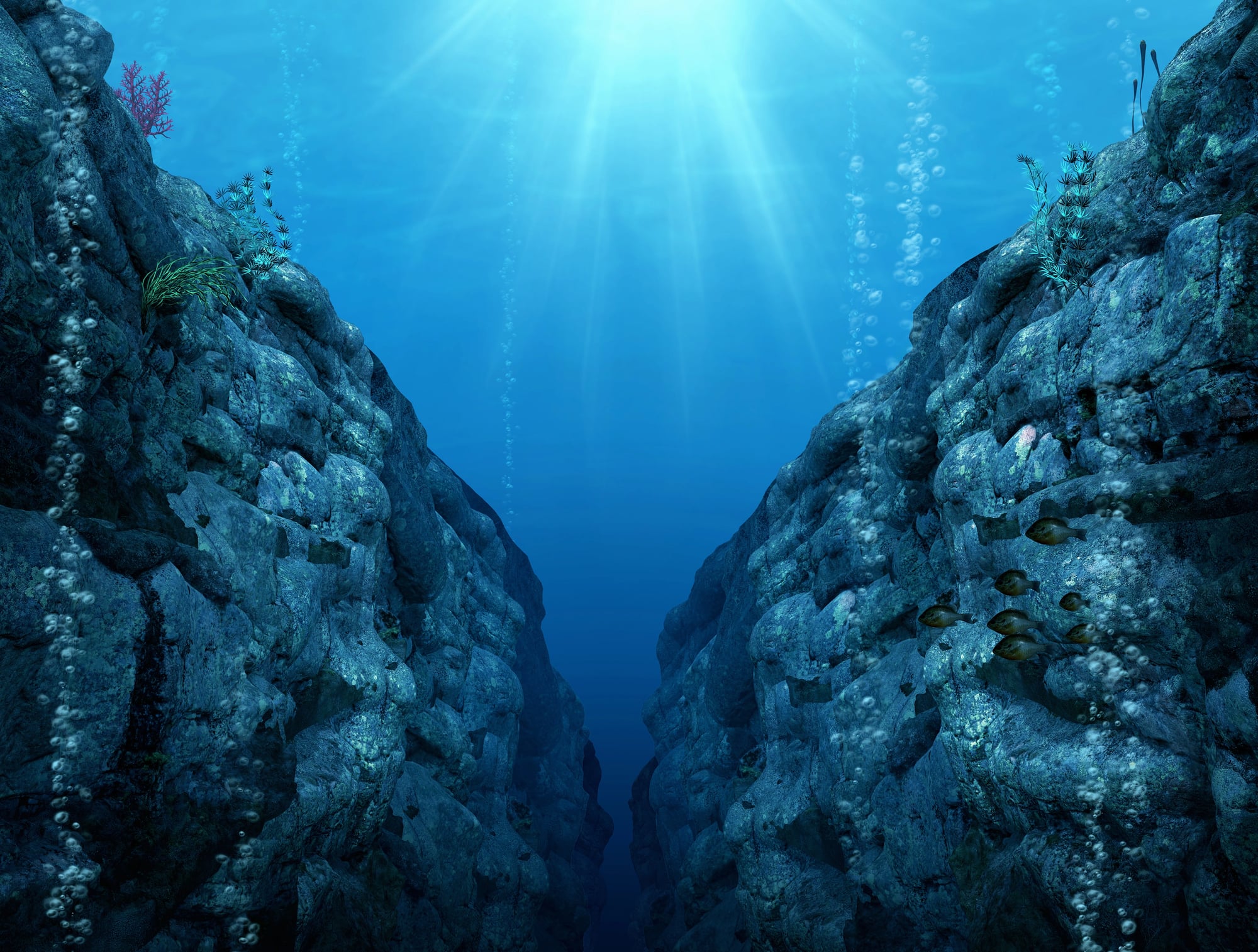
Down deep below the waves sits a place called the Mariana Trench – over thirty-six thousand feet under. Light from above cannot reach so far, while crushing force presses down without pause.
Still, creatures live there, shaped by darkness into odd shapes unseen up top. Though machines dive now and then, bringing back clues, most of this world stays hidden.
Only glimpses appear through rare visits, yet huge parts stay blank on our maps.
Giant Squid
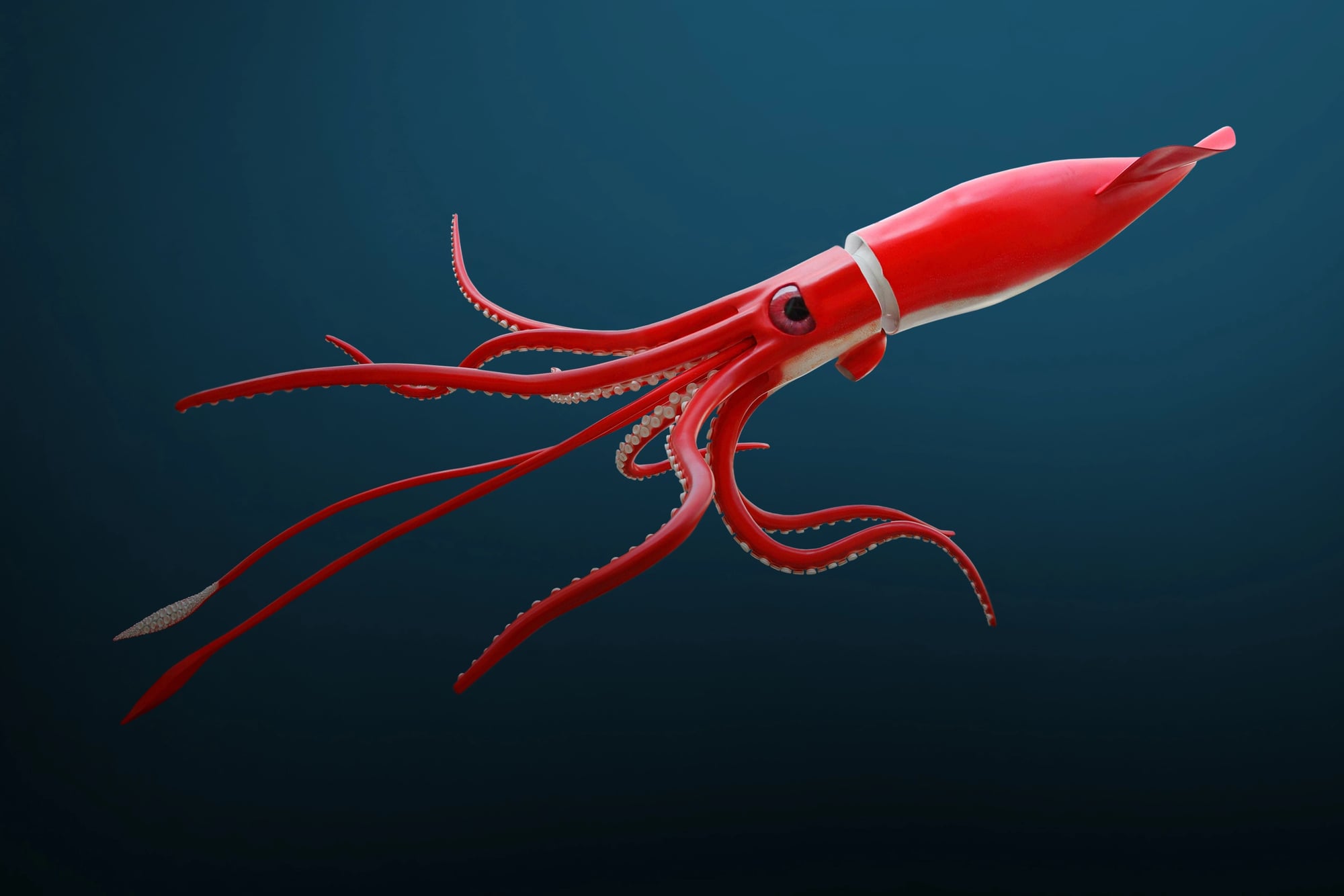
The giant squid has long been part of maritime legend, yet it is very real. Growing up to 40 feet in length, it lives in deep ocean waters where sightings are rare.
For years, most knowledge came from remains washed ashore or found in the stomachs of whales. Only recently have live specimens been captured on camera, offering a glimpse into its behavior.
Its elusive nature has made it one of the most fascinating deep-sea creatures ever studied.
The Bermuda Triangle
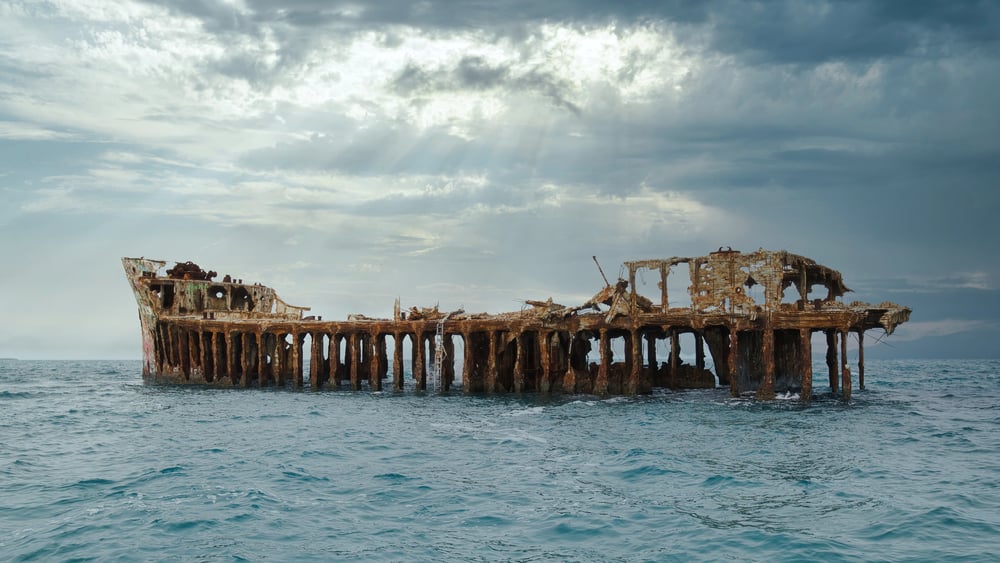
The Bermuda Triangle is often associated with unexplained disappearances of ships and aircraft. While many incidents have been attributed to natural causes, the area continues to carry a reputation for mystery.
Its location between Florida, Bermuda, and Puerto Rico makes it a heavily traveled region. The combination of history and speculation keeps it in public imagination.
Sudden weather shifts and complex ocean currents in the region have also contributed to its long-standing intrigue.
Anglerfish
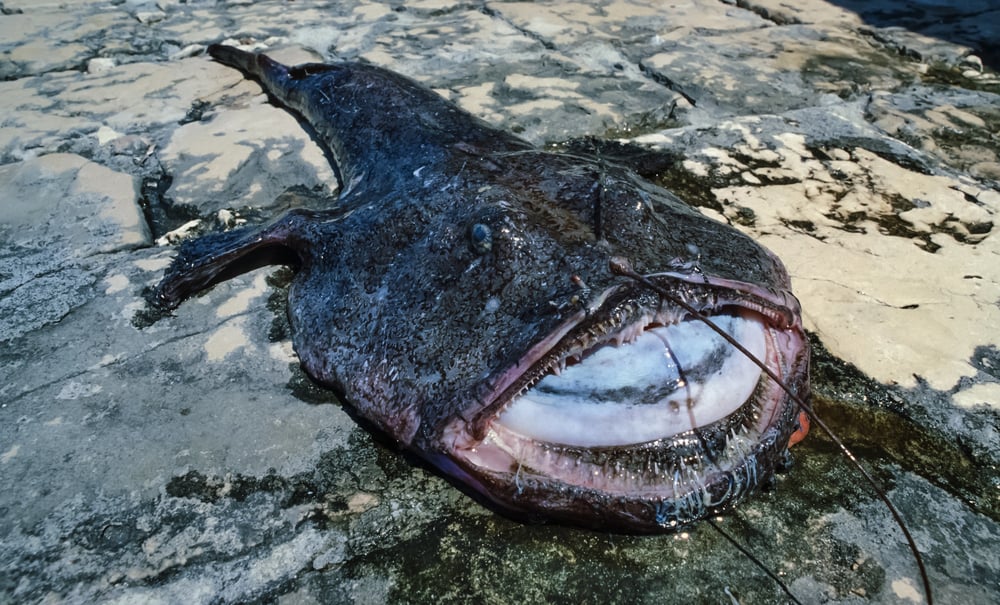
Deep in the ocean, the anglerfish uses a glowing appendage to attract prey. This adaptation allows it to survive in complete darkness.
Its appearance, with sharp teeth and a wide mouth, can seem almost exaggerated. Yet it reflects the realities of life in extreme environments.
The deeper one goes, the more unusual these adaptations become. Some species even rely on symbiotic relationships to survive, adding another layer of complexity.
Vampire Squid
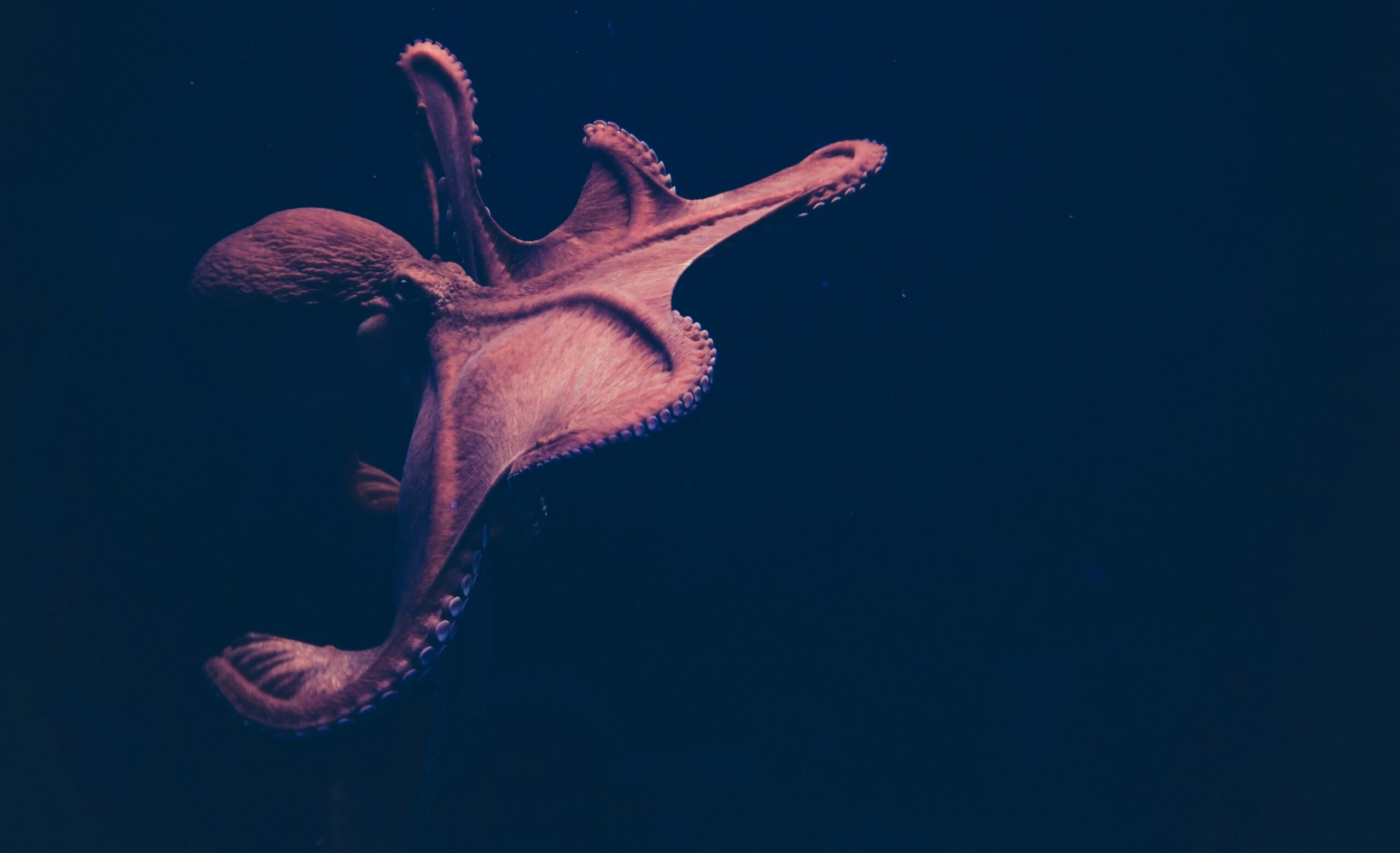
Despite its name, the vampire squid is not a squid in the traditional sense. It inhabits oxygen-poor zones where few other creatures can survive.
Its dark coloration and webbed arms give it a distinctive appearance. Instead of hunting actively, it feeds on drifting organic material.
Its survival strategy reflects the scarcity of resources in its environment. Its ability to conserve energy is key to enduring such extreme conditions.
The Mid-Atlantic Ridge
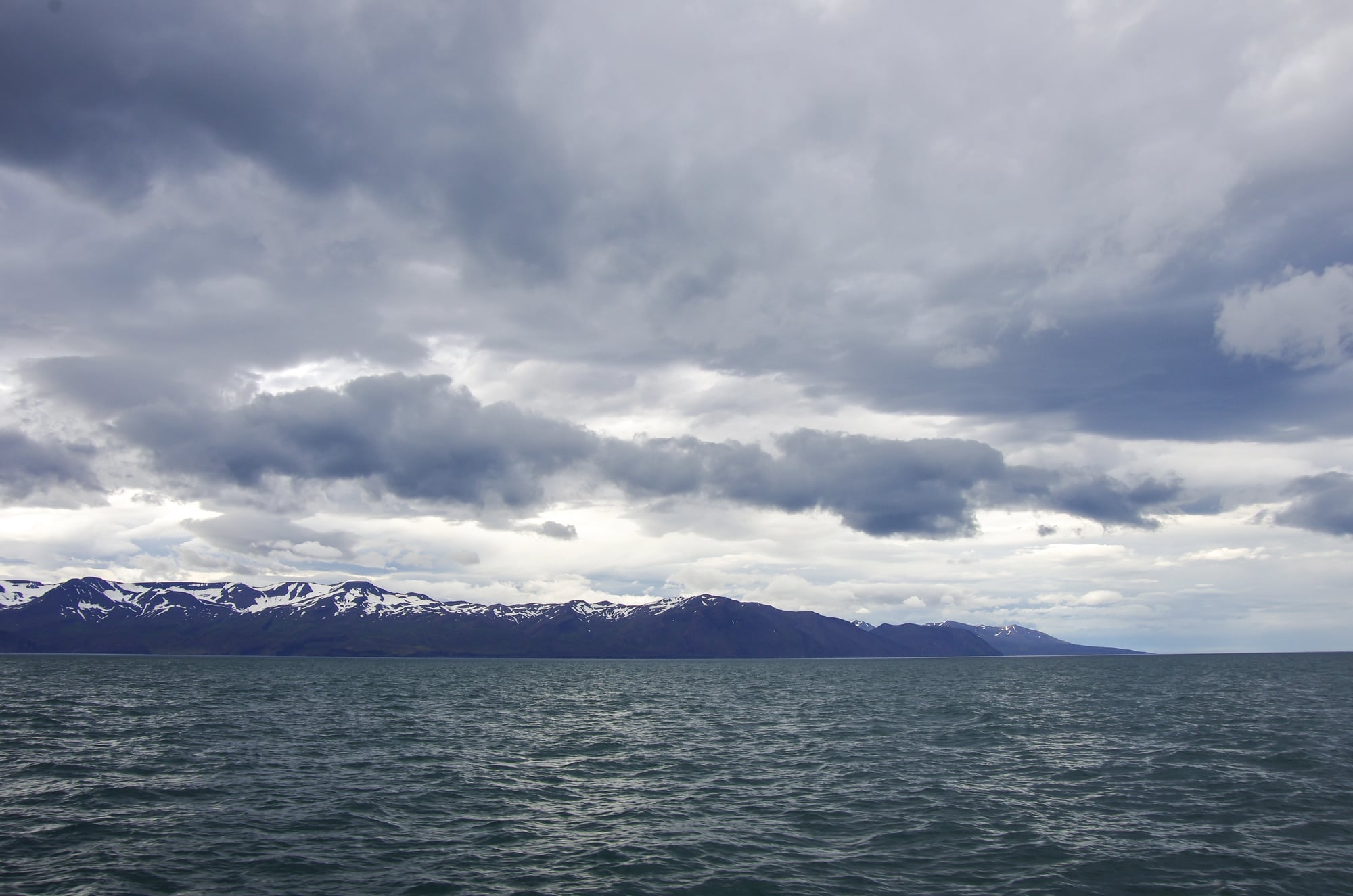
Stretching for thousands of miles, the Mid-Atlantic Ridge is a vast underwater mountain system. It marks the boundary between tectonic plates, where a new ocean floor is continuously formed.
Hydrothermal vents along the ridge support ecosystems that rely on chemical energy rather than sunlight. These environments challenge traditional ideas about where life can exist.
Entire communities thrive in isolation, disconnected from surface ecosystems.
Colossal Squid
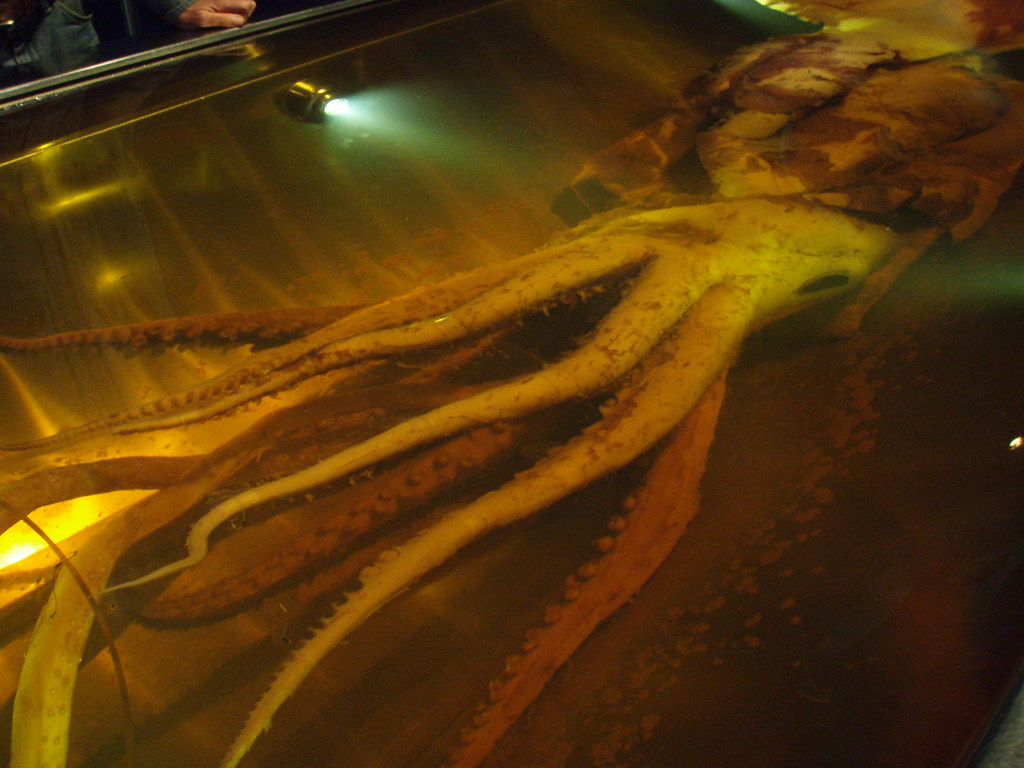
Even larger than its giant relative, the colossal squid remains one of the least understood large marine animals. Its size and deep habitat make it difficult to study.
Most information comes from specimens found in fishing nets or examined posthumously. Its elusive nature adds to its reputation.
Its massive eyes are believed to be among the largest in the animal kingdom, adapted for low-light conditions.
The Lost City Hydrothermal Field
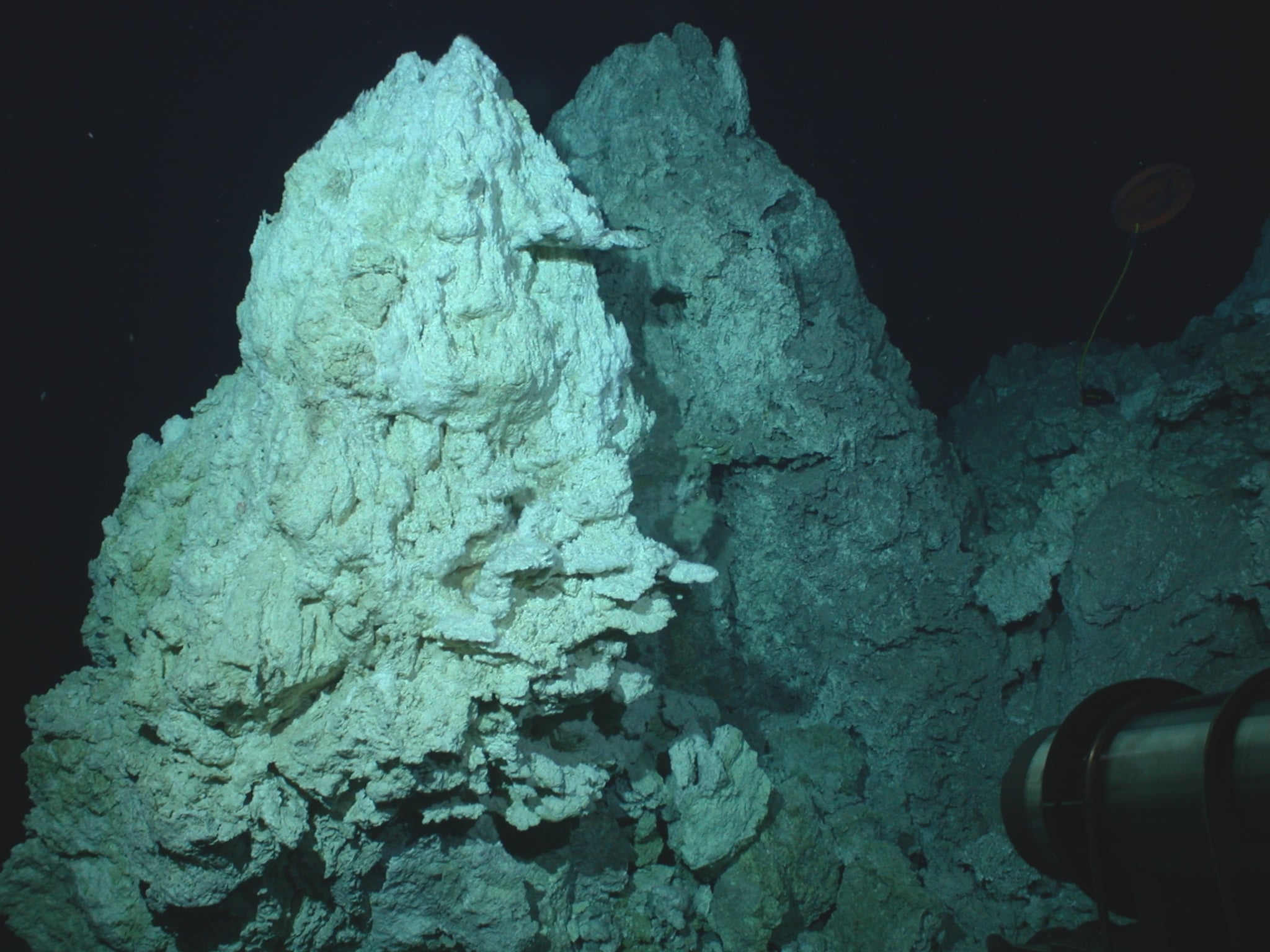
Located in the Atlantic Ocean, the Lost City Hydrothermal Field features towering mineral formations that resemble structures rising from the seafloor. These formations are created through chemical reactions rather than volcanic activity.
The area supports unique forms of life adapted to these conditions. Its discovery expanded understanding of how ecosystems can form.
The structures can reach heights of over 100 feet, creating a landscape unlike anything else underwater.
Barreleye Fish
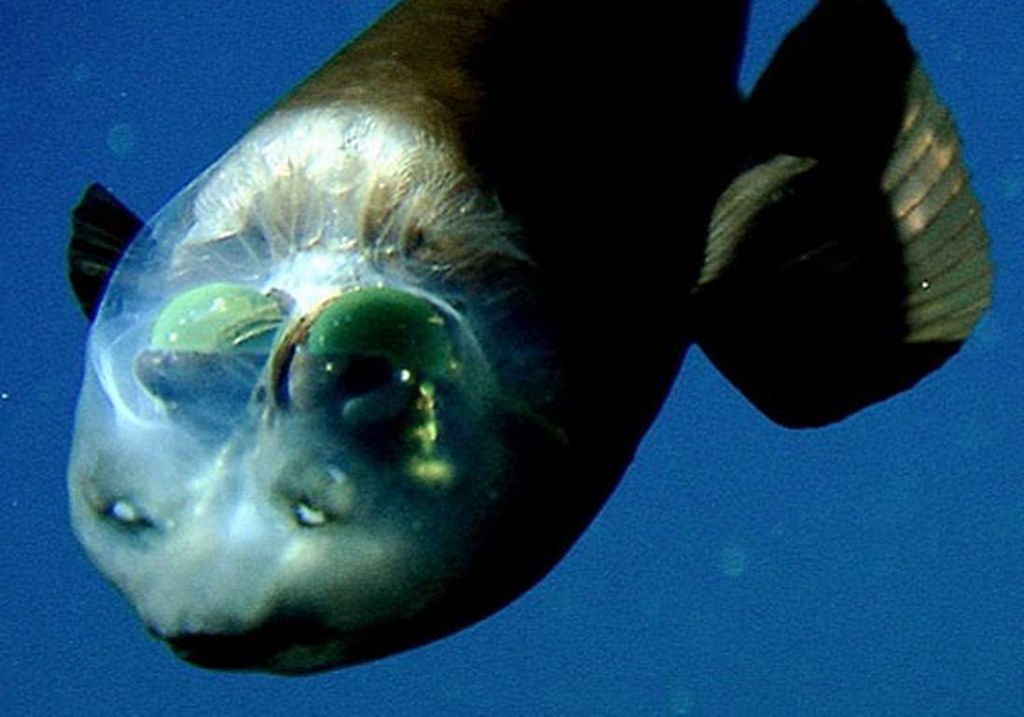
The barreleye fish is known for its transparent head, through which its eyes are visible. This unusual feature allows it to look upward while remaining mostly still.
Its design seems almost engineered for its environment. Encounters with this species are rare, making each observation valuable.
Its ability to rotate its eyes adds to its already unusual anatomy.
The Devil’s Sea
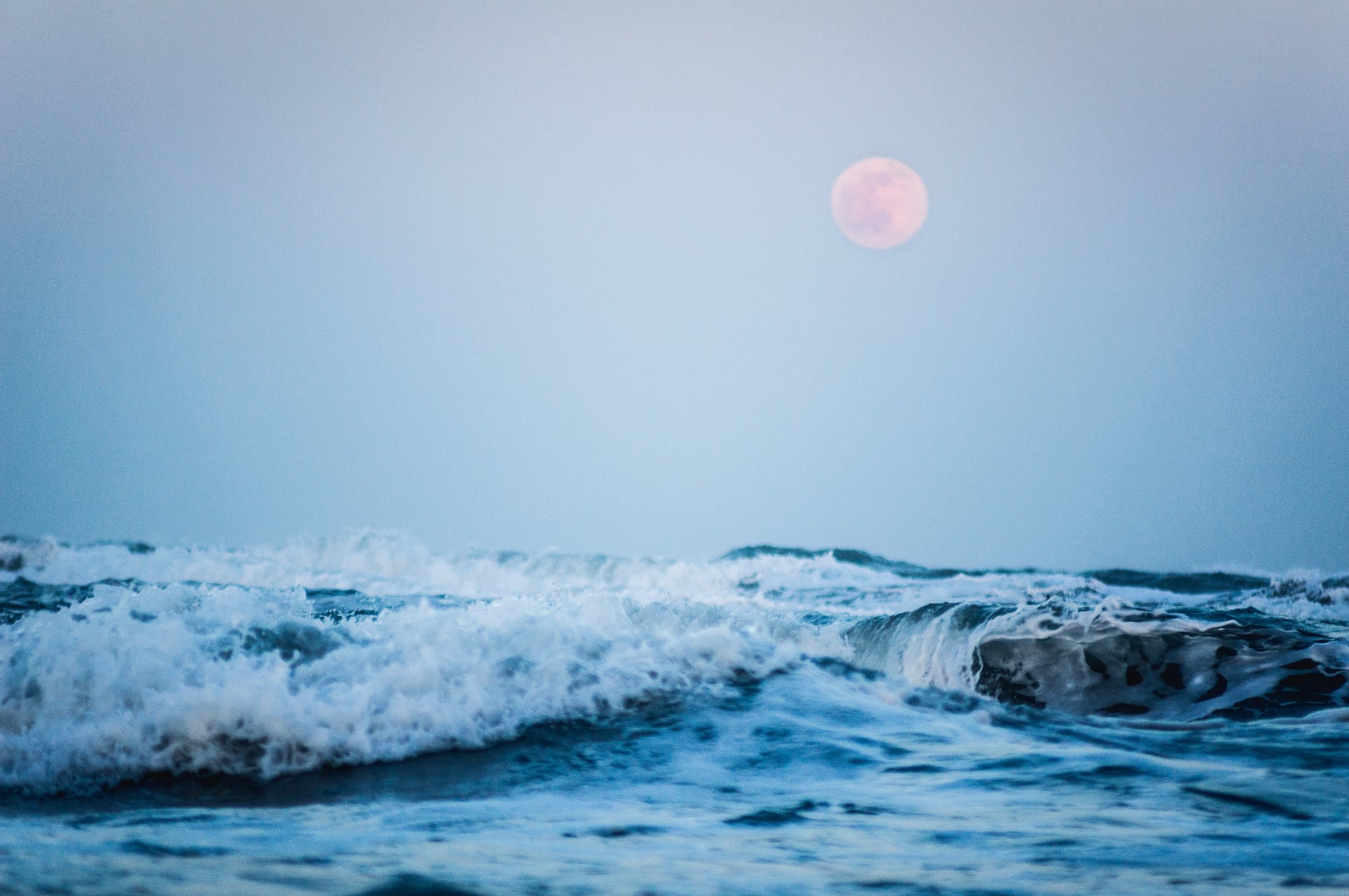
Often compared to the Bermuda Triangle, the Devil’s Sea has been associated with unusual maritime incidents. While explanations often involve natural phenomena, the area’s reputation persists.
Its location near tectonic activity may contribute to unpredictable conditions. The name alone reflects its long-standing association with mystery.
Reports of strange occurrences have been recorded for decades.
Deep Sea Vents
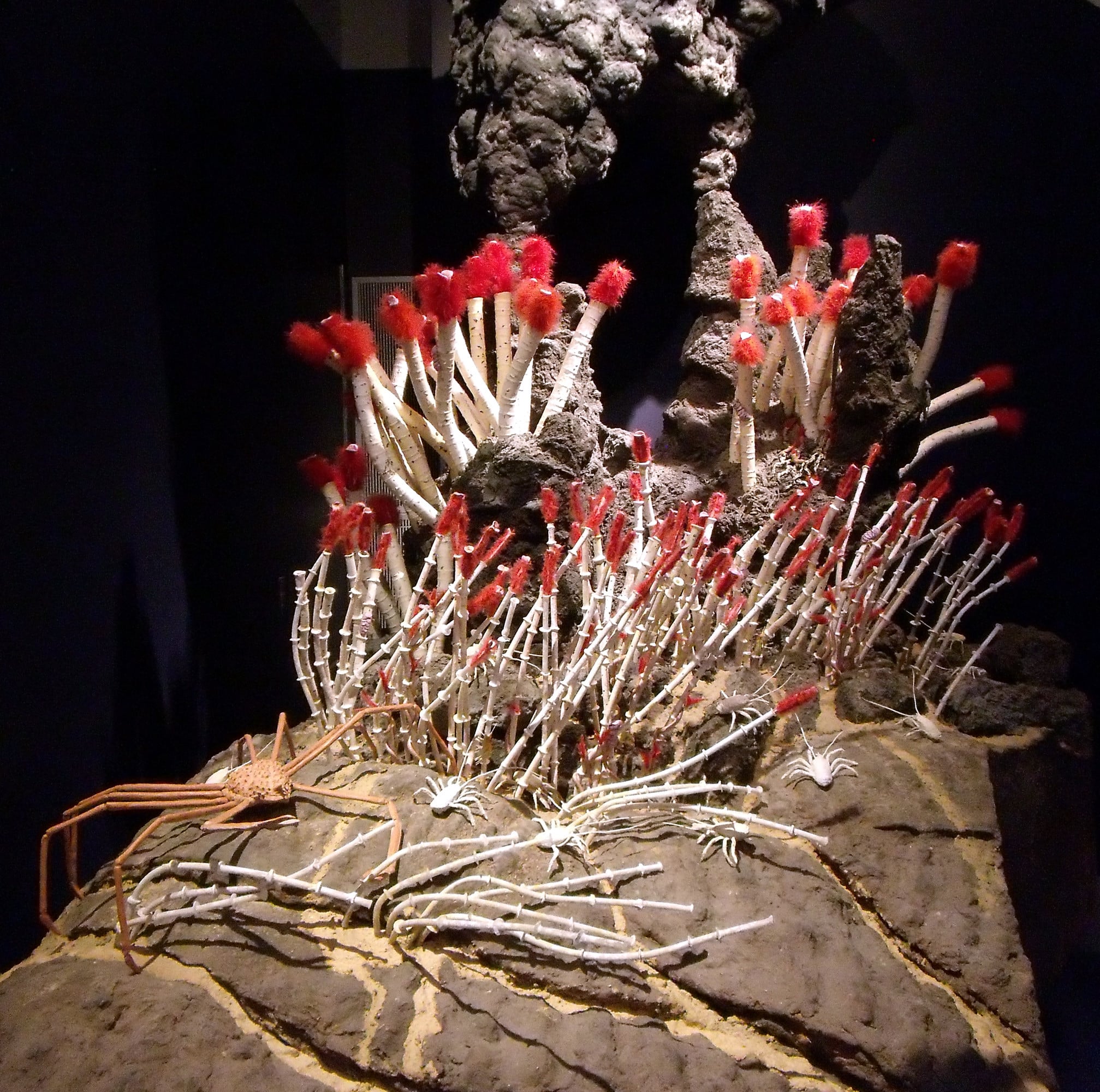
Hydrothermal vents scattered across the ocean floor release mineral-rich water heated by the Earth’s interior. These vents create ecosystems that function independently of sunlight.
Organisms here rely on chemical processes for energy, forming communities unlike those found elsewhere. The discovery of these systems changed how scientists think about life’s possibilities.
Some researchers even consider them clues to how life may have first developed on Earth.
Goblin Shark
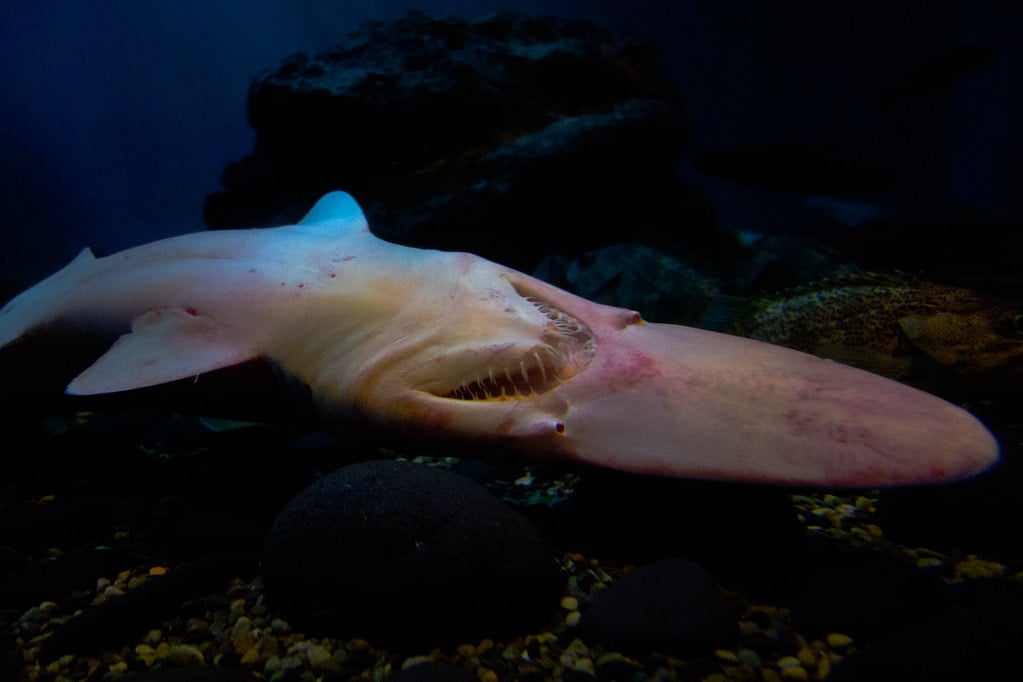
The goblin shark is often described as a ‘living fossil’ due to its ancient lineage. Its elongated snout and extendable jaw give it a distinctive appearance.
Found in deep waters, it is rarely seen by humans. Its features reflect adaptations that have remained effective over millions of years.
Its feeding mechanism is both fast and highly specialized.
The Sargasso Sea
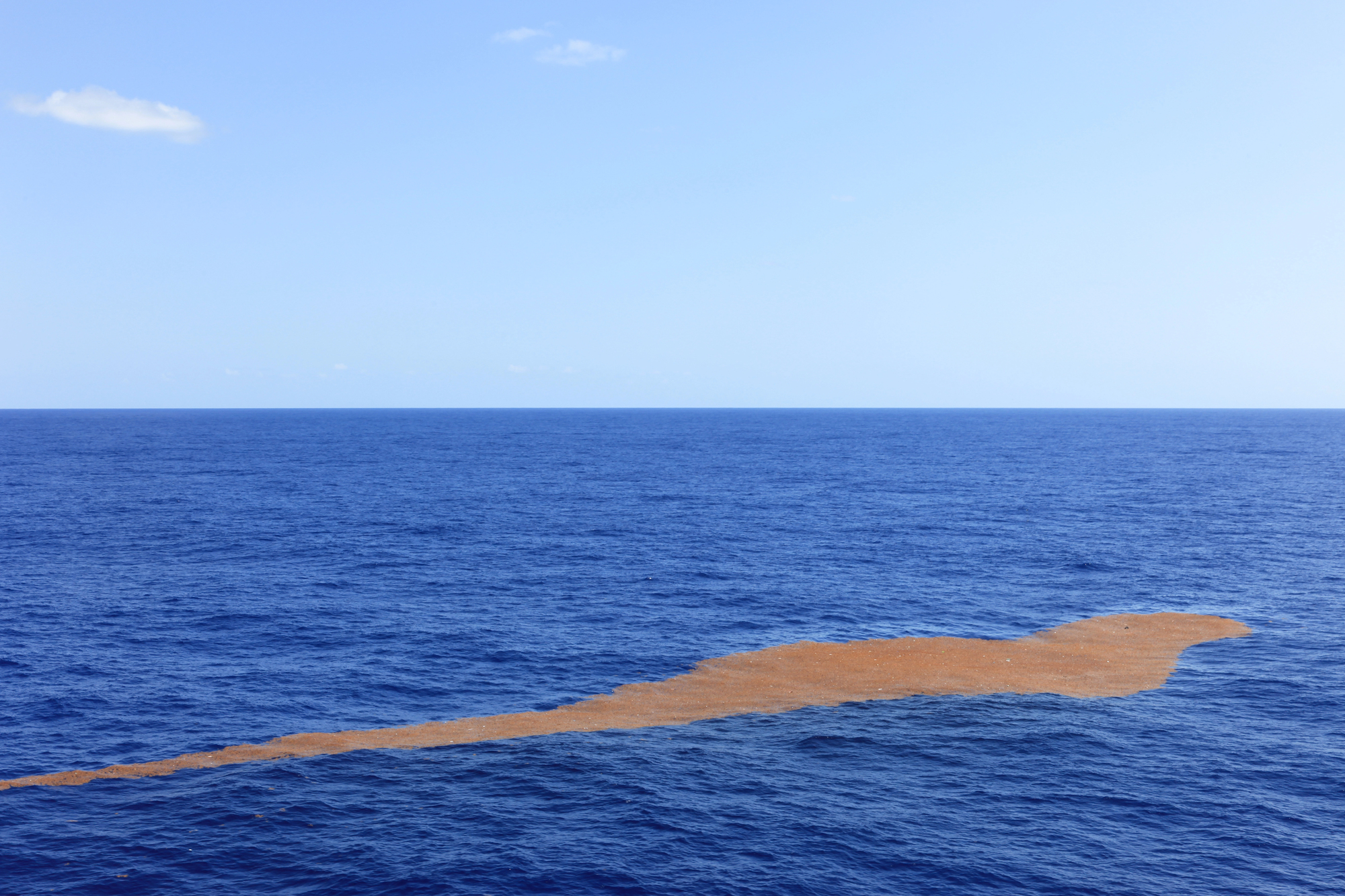
Unlike most seas, the Sargasso Sea is defined by ocean currents rather than land boundaries. It is known for floating mats of seaweed that create a unique habitat.
The stillness of its waters contrasts with the movement of surrounding currents. This unusual structure gives it a distinct identity within the ocean.
It also serves as a critical breeding ground for certain marine species.
Bioluminescent Plankton
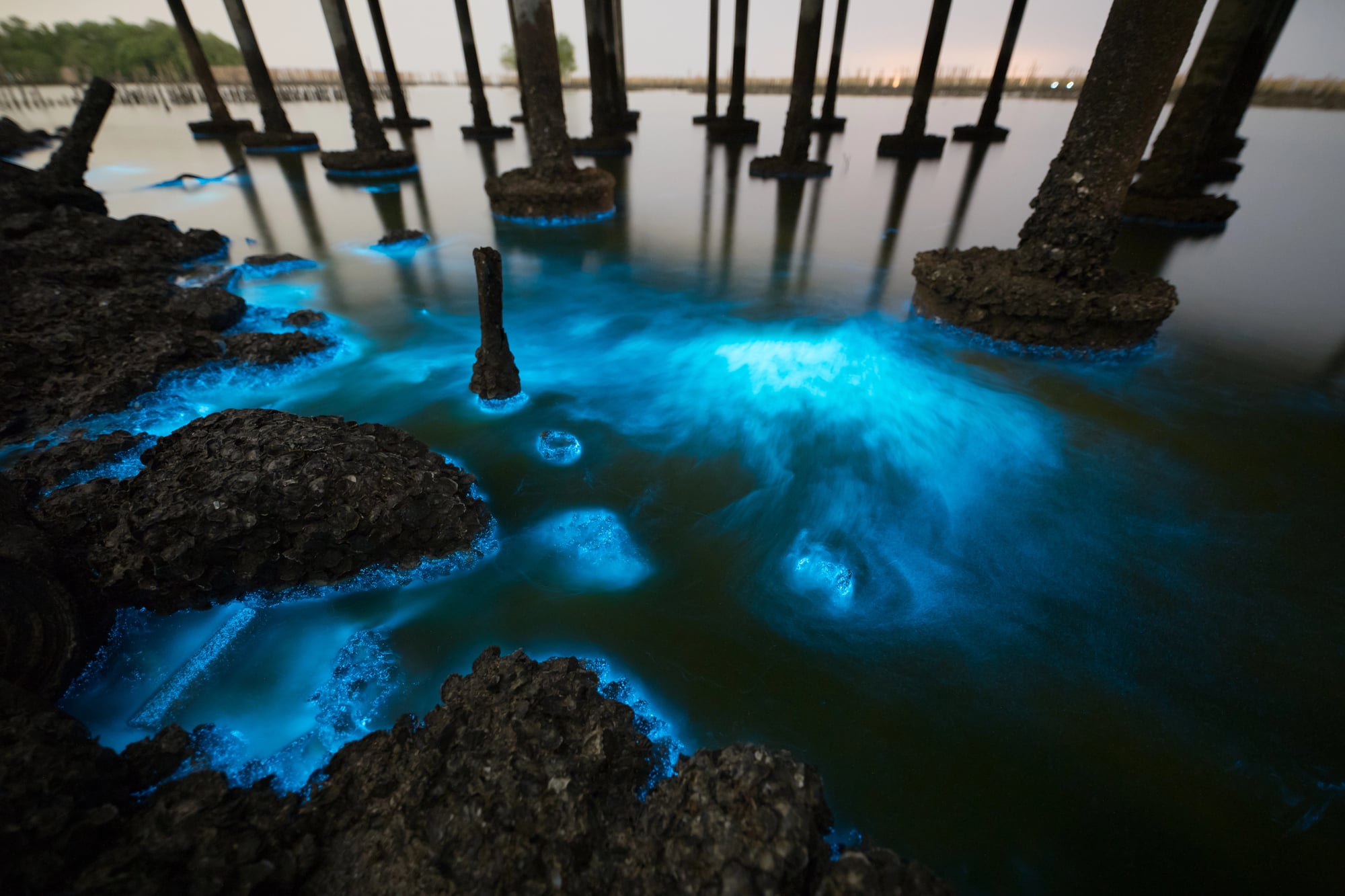
When the sea moves just right, tiny glowing creatures stir it to life after dark. Motion wakes their light, sending ripples of brightness through disturbed waters.
Beautiful to see, yes – but crucial too, for those making it happen. Like magic? Maybe. But real.
Along some coasts, whole edges shine when everything lines up.
The Endless Unknown Below
Something links these beings and locations – more than oddness, it’s where they’re found. Far off, untouched, ruled by forces that block close study.
Every find builds the scene a little more, though spaces stay blank. What holds them together isn’t rarity alone, but hidden settings few can touch.
Something missing draws people toward the sea. In a world we think we know, wide stretches stay uncharted, not just mysterious ideas but actual truth.
More from Go2Tutors!

- The Romanov Crown Jewels and Their Tragic Fate
- 13 Historical Mysteries That Science Still Can’t Solve
- Famous Hoaxes That Fooled the World for Years
- 15 Child Stars with Tragic Adult Lives
- 16 Famous Jewelry Pieces in History
Like Go2Tutors’s content? Follow us on MSN.