Everyday Foods That Were Discovered By Accident
Some of the world’s most beloved foods exist because someone made a mistake in the kitchen. A forgotten ingredient, a clumsy drop, or an unexpected reaction turned disasters into delicious discoveries that changed how we eat.
These accidental inventions prove that the best recipes sometimes come from happy mishaps rather than careful planning. Here is a list of 14 everyday foods that were discovered by accident.
Potato Chips
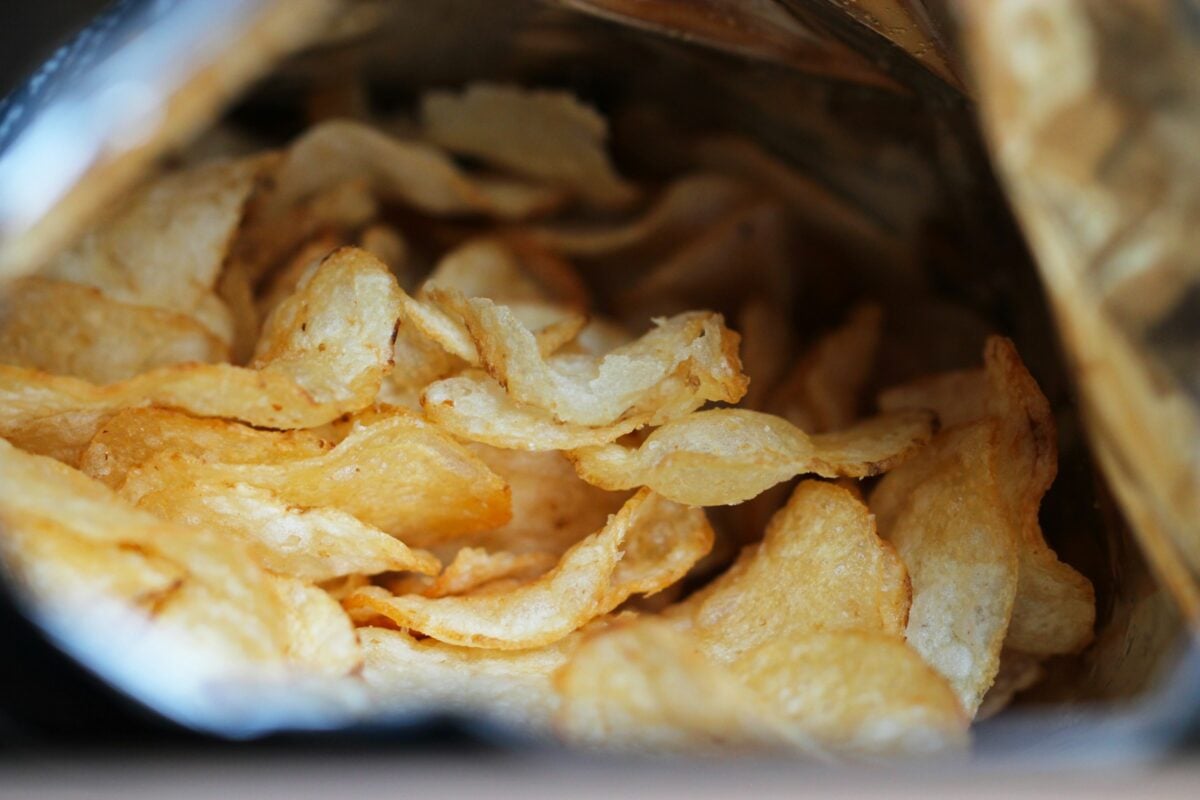
Back in 1853, a chef named George Crum was having a rough night at Moon’s Lake House in Saratoga Springs, New York. A customer kept sending back his fried potatoes, complaining they weren’t crispy enough.
Fed up with the complaints, Crum sliced the potatoes paper-thin, fried them until they were impossibly crispy, and dumped salt all over them as an act of culinary revenge. The customer loved them, and the Saratoga Chip was born, eventually becoming the potato chip we can’t stop eating today.
Chocolate Chip Cookies
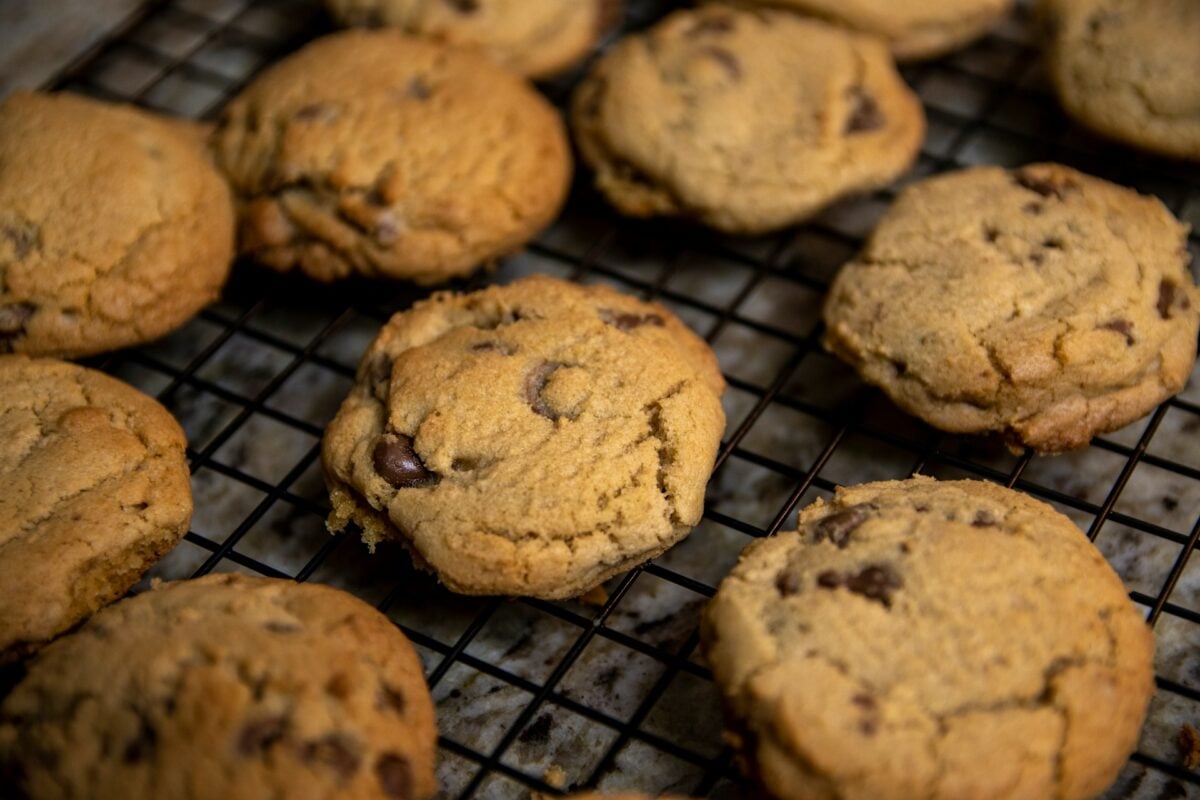
Ruth Wakefield owned the Toll House Inn in Massachusetts during the 1930s, and she was known for her excellent desserts. One day while making butter cookies, she chopped up a bar of Nestlé chocolate and mixed it into her dough, expecting the chocolate to melt and blend throughout.
Instead, the chunks held their shape and created pockets of gooey chocolate. Her guests went crazy for them, and soon Nestlé was printing her recipe on their chocolate bars, where it remains to this day.
Like Go2Tutors’s content? Follow us on MSN.
Popsicles
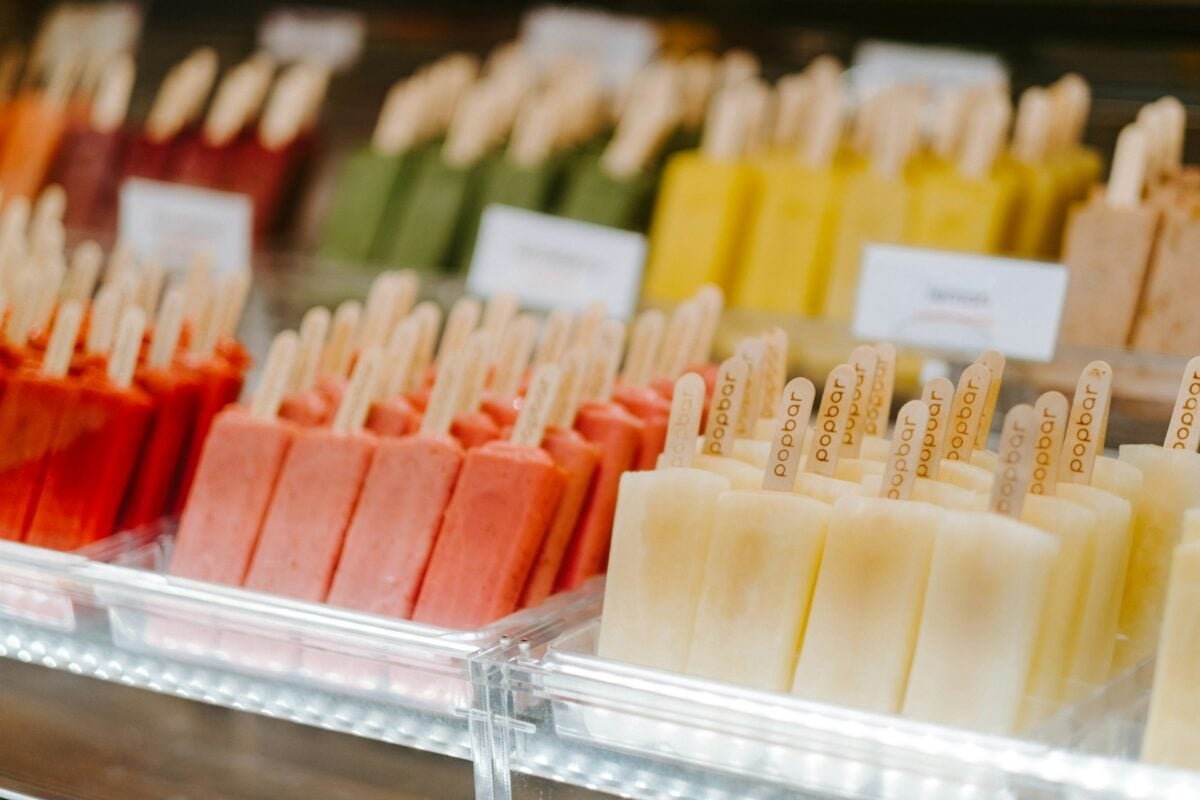
An 11-year-old kid named Frank Epperson left a cup of powdered soda mix and water on his porch one cold night in 1905, with the stirring stick still in it. When he found it the next morning, the mixture had frozen solid around the stick.
He called it an Epsicle at first, but his own kids eventually renamed it Pop’s ‘sicle, which got shortened to Popsicle. Today, the company sells about 2 billion of these frozen treats every year, with cherry being the most popular flavor.
Corn Flakes

The Kellogg brothers were running a sanitarium in Battle Creek, Michigan in 1898, trying to create healthy vegetarian meals for their patients. They were attempting to make granola when they accidentally left a batch of cooked wheat sitting out too long.
When they ran the stale wheat through rollers, it broke into flakes instead of forming dough. After toasting the flakes, they discovered a crispy, delicious breakfast food that patients actually enjoyed eating.
Champagne

French winemakers in the Champagne region didn’t want bubbles in their wine during the 17th century. The cold winters would halt fermentation, and when spring arrived, the process would restart inside sealed bottles, creating unwanted carbonation that made bottles explode.
They called it the devil’s wine because of all those bursting bottles. Eventually, winemakers stopped fighting the bubbles and started embracing them, creating the sparkling wine that became a symbol of celebration worldwide.
Like Go2Tutors’s content? Follow us on MSN.
Worcestershire Sauce
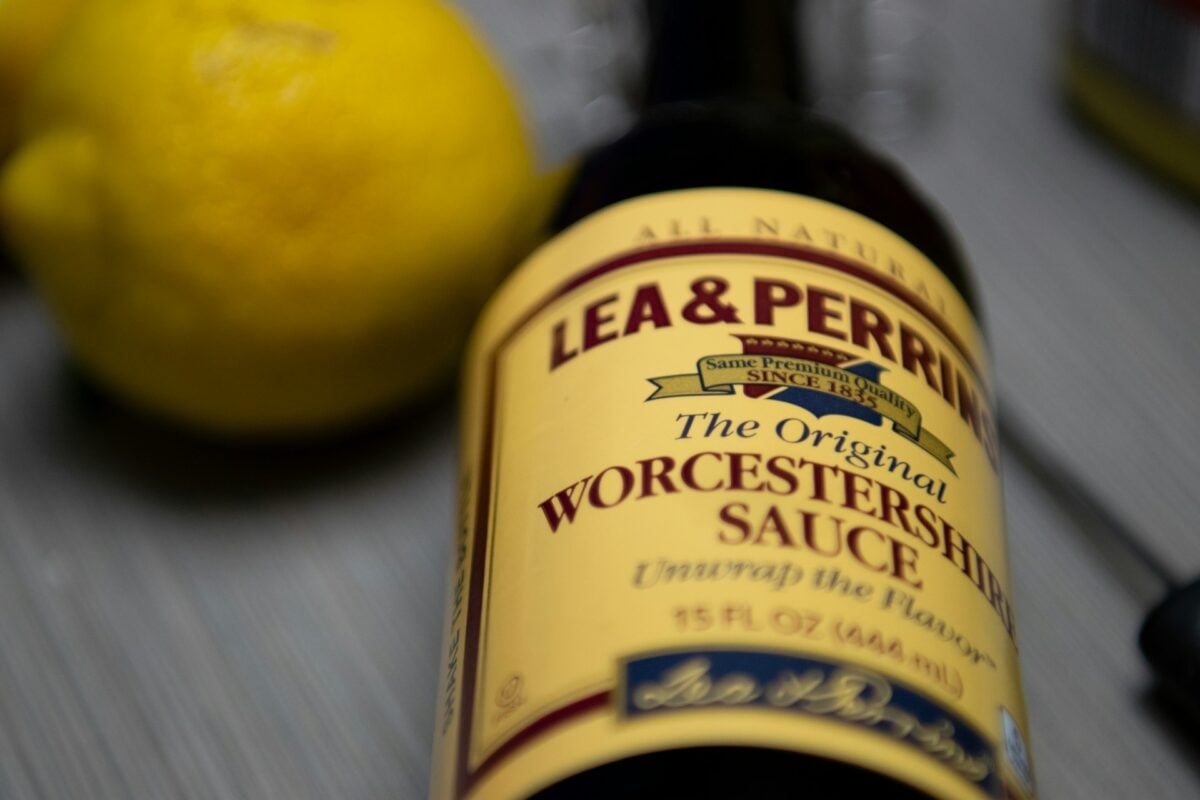
Two chemists in England, John Lea and William Perrins, were asked in 1835 to recreate an Indian sauce for a nobleman who’d recently returned from Bengal. Their first attempt smelled so bad they stuck it in the cellar and forgot about it.
Two years later, they rediscovered the mixture while cleaning and found that aging had transformed it into a tangy, flavorful sauce with a complex taste that nobody could quite replicate.
Ice Cream Cones

At the 1904 World’s Fair in St. Louis, an ice cream vendor ran out of dishes to serve his product. A nearby waffle maker named Ernest Hamwi saw the problem and rolled one of his warm waffles into a cone shape.
The ice cream fit perfectly inside, creating an edible container that kept hands clean and added a sweet crunch. What started as a quick solution became the standard way to serve ice cream at fairs and shops everywhere.
Nachos
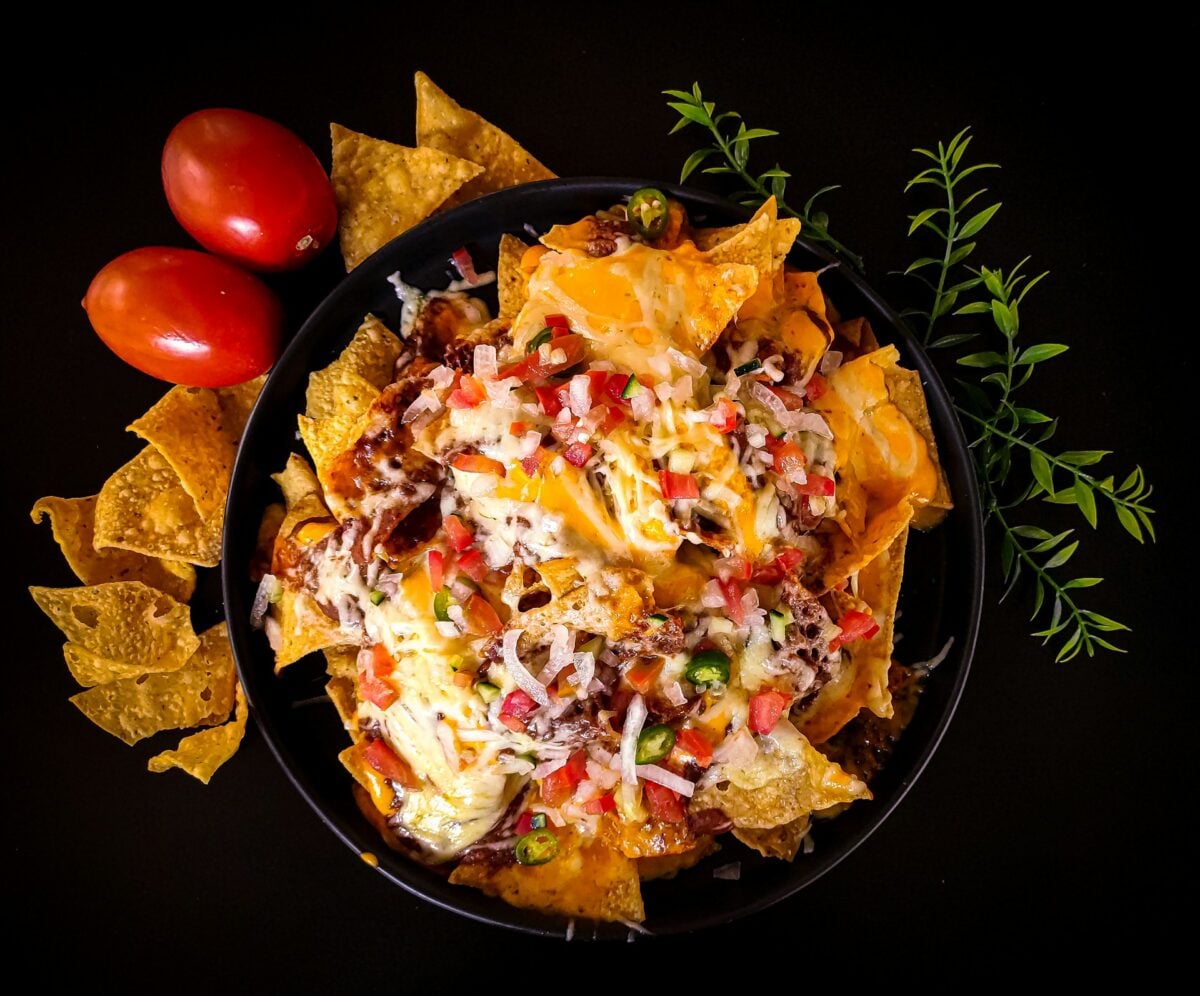
In 1943, a group of hungry American military wives crossed the border from Texas into Mexico and showed up at the Victory Club in Piedras Negras after the kitchen had closed. The maître d’, Ignacio ‘Nacho’ Anaya, couldn’t find the chef, so he improvised by grabbing tortilla chips, covering them with shredded cheese, melting everything under a broiler, and topping it with sliced jalapeños.
The women loved the snack, and it spread across Texas before becoming a staple at sporting events nationwide.
Like Go2Tutors’s content? Follow us on MSN.
Buffalo Wings

Teresa Bellissimo owned the Anchor Bar in Buffalo, New York, and in 1964 she received a shipment of chicken wings instead of the necks she’d ordered for making stock. Rather than waste them, she deep-fried the wings, tossed them in hot sauce, and served them with celery and blue cheese dressing.
The combination turned out to be perfect for late-night bar food, and buffalo wings became one of America’s most popular appetizers.
Chimichanga
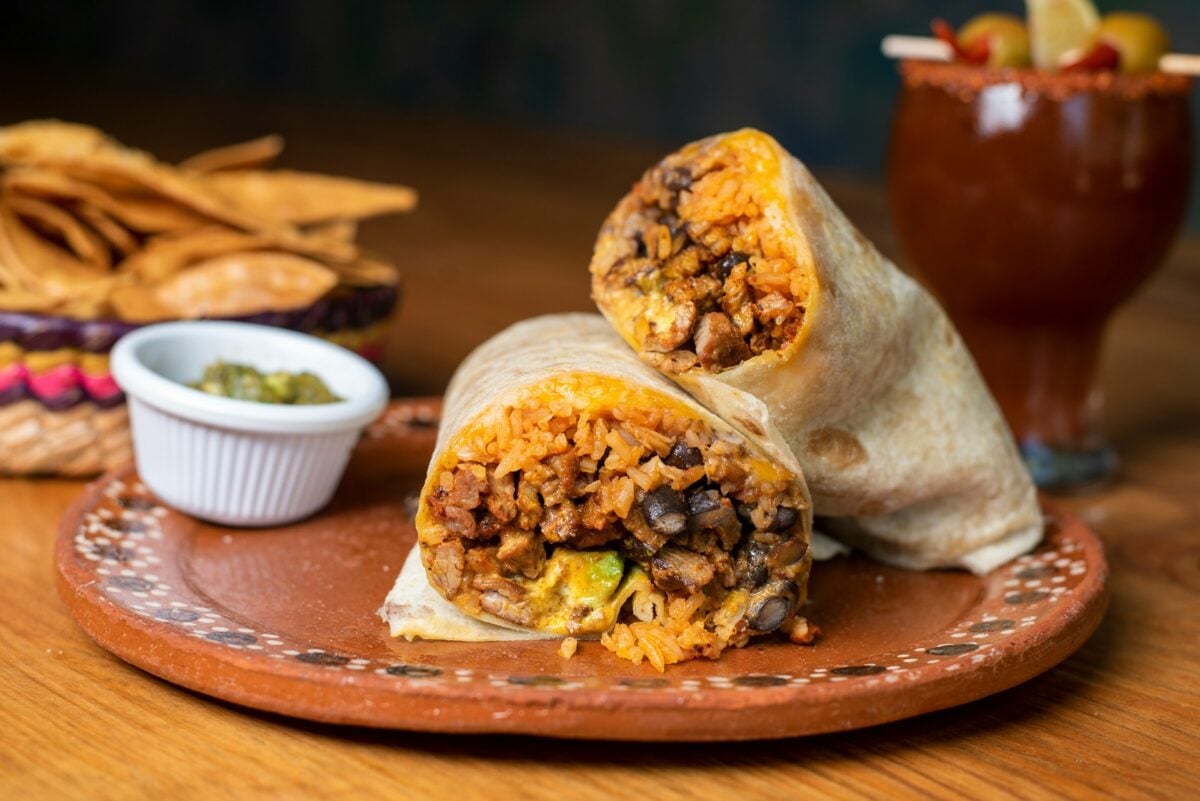
Monica Flin was cooking at her restaurant, El Charro Café in Tucson, Arizona, sometime in the 1920s when she accidentally dropped a burrito into hot oil. As the oil splashed up, she started to yell a Spanish curse word but stopped herself because children were nearby, shouting ‘chimichanga’ instead.
The deep-fried burrito that came out of that oil turned golden and crispy, and she topped it with sauce and cheese before serving it to customers who couldn’t get enough.
Beer
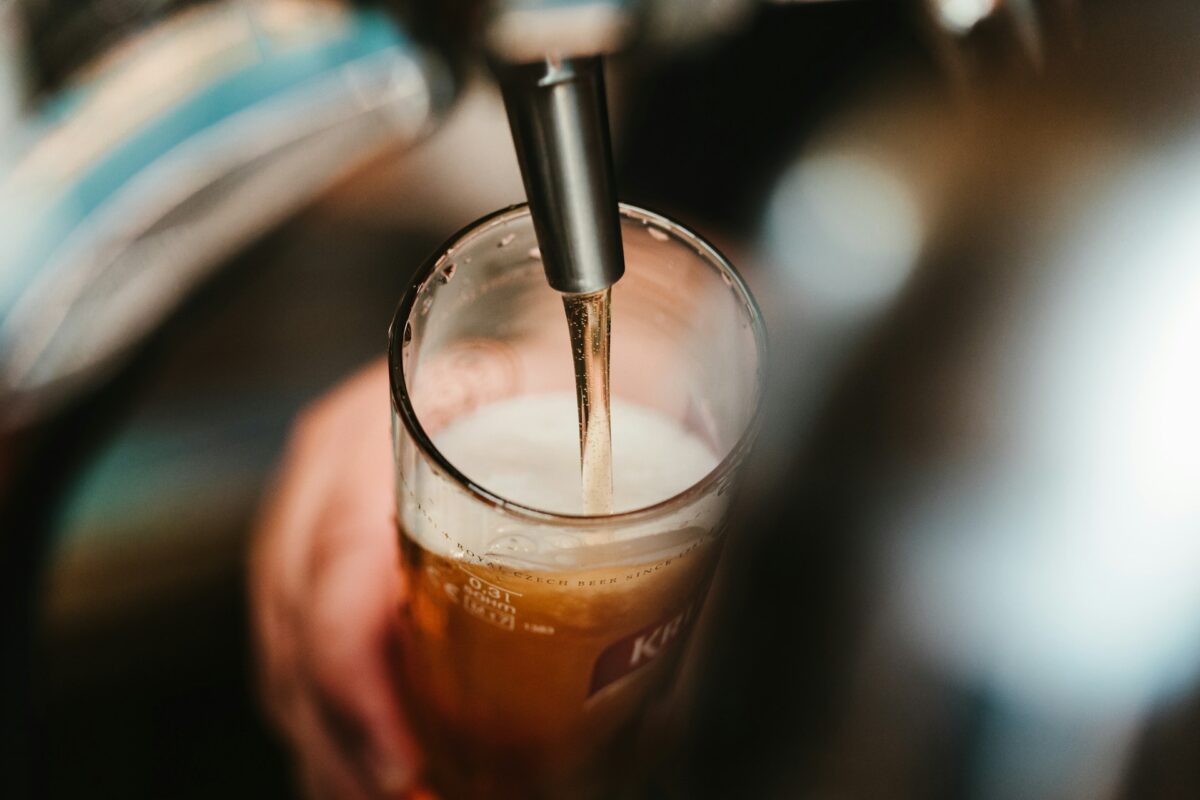
Nobody knows exactly who invented beer, but historians believe it happened accidentally during ancient bread-making, possibly as far back as 6000 BC. Someone was likely baking bread outdoors when rain interrupted the process, and they left wet dough sitting out for a day or two.
When they returned, they found fermented liquid instead of bread dough. That accidental fermentation process eventually became one of humanity’s oldest and most beloved beverages.
Like Go2Tutors’s content? Follow us on MSN.
Tarte Tatin
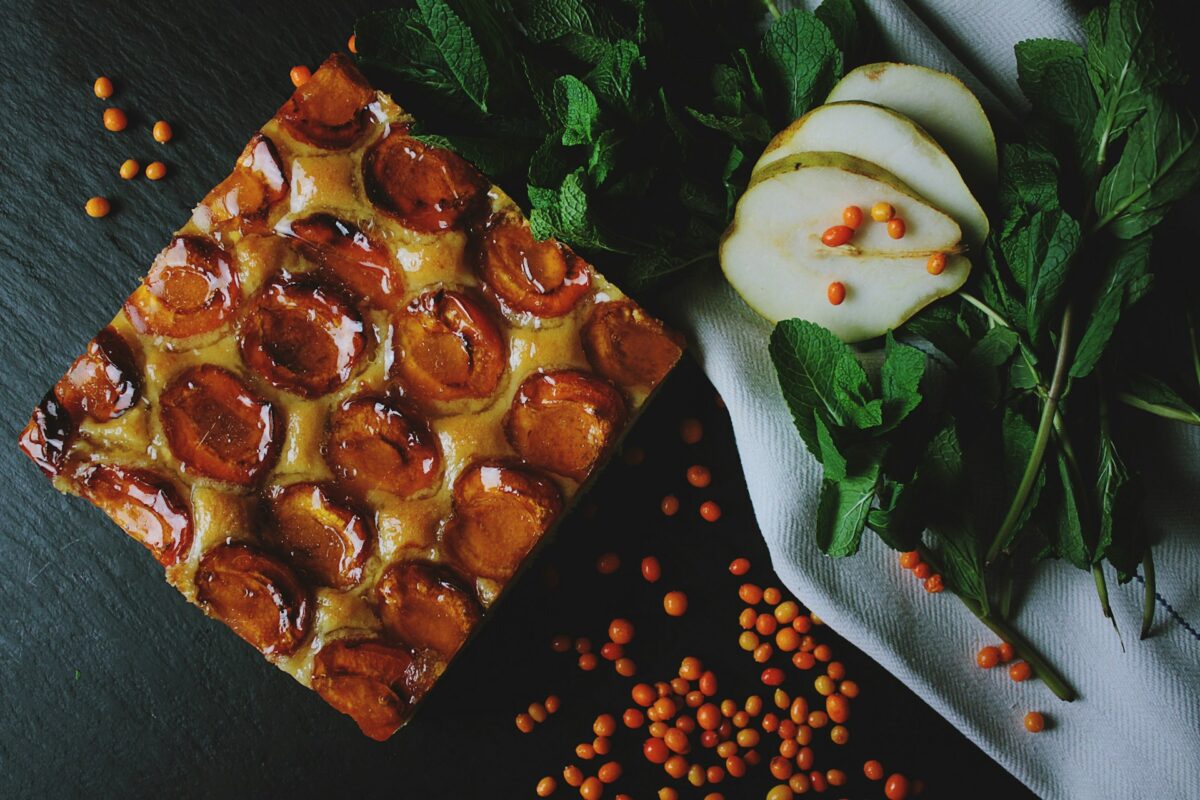
Stéphanie Tatin was rushing to prepare lunch at her family’s hotel in France during the 1880s when she realized she’d forgotten to put pastry at the bottom of her apple pastry. The apples were already cooking in butter and sugar, so she threw the pastry on top and shoved everything into the oven.
When it came out, she flipped the whole thing upside down onto a plate, creating a caramelized apple pastry that became so famous, the owner of Maxim’s in Paris allegedly hired a spy to steal the recipe.
Pink Lemonade

The origin of pink lemonade involves traveling circuses in the mid-1800s, though the exact story is debated. One version claims that a vendor named Henry Allott accidentally dropped red cinnamon candies into his lemonade vat, turning the whole batch pink.
Another story involves someone desperately grabbing water that had been used to wash pink tights. Either way, the colorful mistake became more popular than regular lemonade at circus stands across America.
Cream Cheese
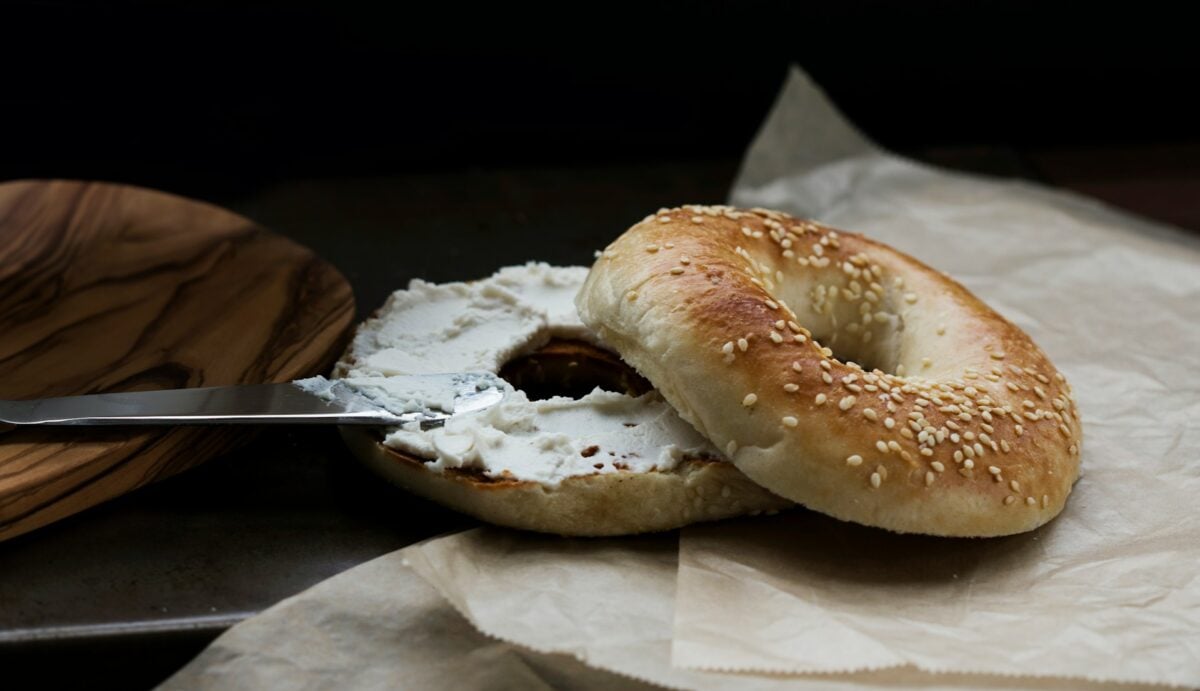
William Lawrence was a dairyman in Chester, New York, who was trying to recreate French Neufchâtel cheese in 1872. His experiments went wrong, but the result was even better than what he’d been aiming for—a richer, creamier, smoother cheese that didn’t need aging.
This accidental invention became the foundation for Philadelphia cream cheese and eventually led to New York-style cheesecake, which uses cream cheese instead of the cottage cheese that earlier recipes called for.
Like Go2Tutors’s content? Follow us on MSN.
From Kitchen Disasters to Kitchen Staples
These accidental discoveries changed the way people eat around the world, proving that some of the best innovations happen when plans go sideways. The potato chip started as an act of spite, the Popsicle came from a forgetful kid, and champagne bubbles were once considered a defect worth fixing.
What connects all these stories is someone who decided to taste their mistake instead of throwing it away, turning kitchen failures into foods that millions of people now enjoy every single day.
More from Go2Tutors!

- 16 Historical Figures Who Were Nothing Like You Think
- 12 Things Sold in the 80s That Are Now Illegal
- 15 VHS Tapes That Could Be Worth Thousands
- 17 Historical “What Ifs” That Would Have Changed Everything
- 18 TV Shows That Vanished Without a Finale
Like Go2Tutors’s content? Follow us on MSN.



