18 Most Famous Nobel Peace Prize Winners
Awarded since 1901, the Nobel Peace Prize stands among the globe’s best-known honors. Across years, individuals and groups have earned it by easing wars, defending basic freedoms, yet building visions of equality.
Entire countries shifted under some recipients’ efforts. Thought itself bent differently because of others.
Some missed the mark, while others stirred debate. Yet each still carved a space you can’t easily forget.
Nelson Mandela
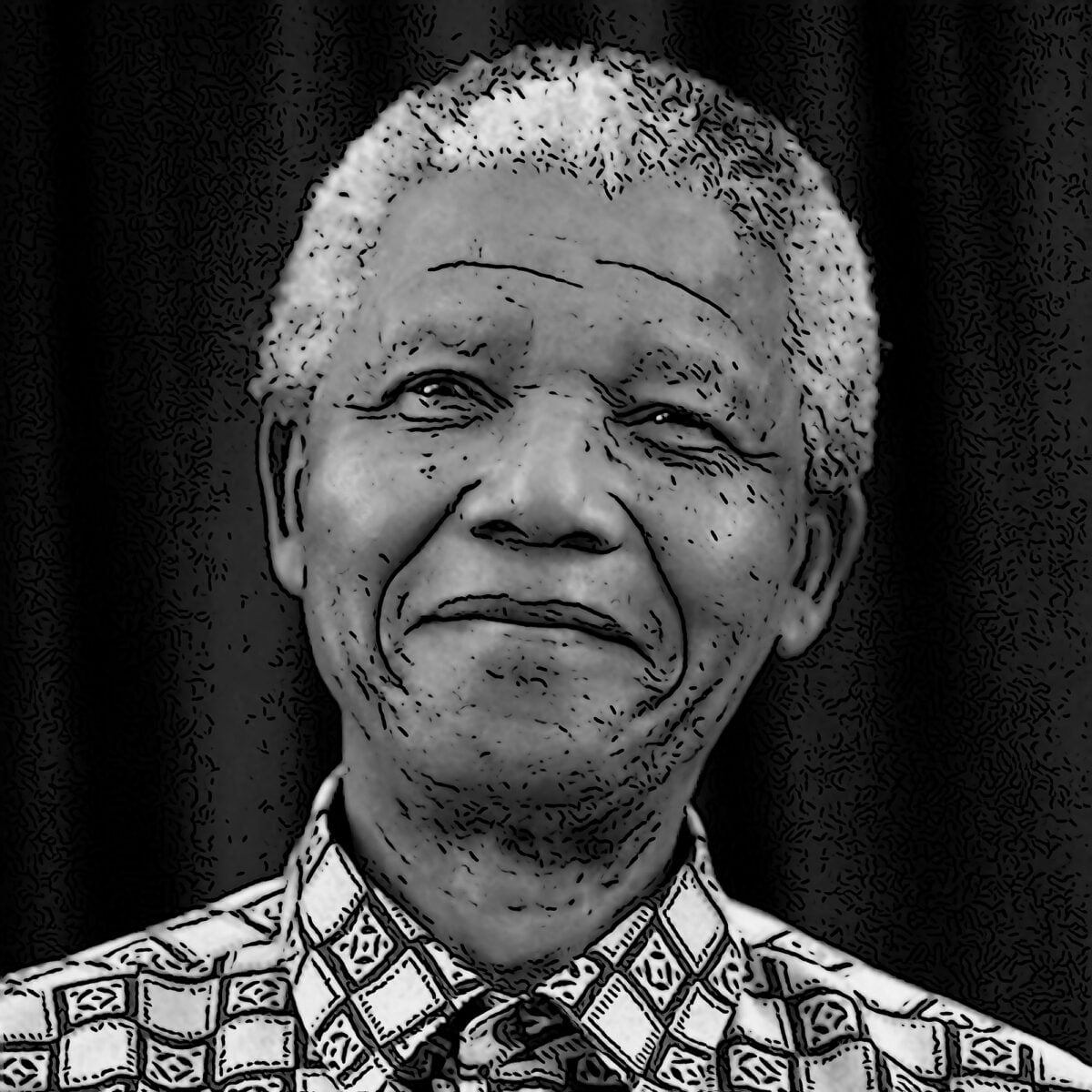
Morning light touched his face after nearly three decades behind bars, locked away just for standing up to a law-built wall dividing black and white lives in South Africa. Freedom came in 1990 – no anger carried forward, only steps toward something different.
By 1994, he stood at the head of a vote where everyone could take part, regardless of skin color. A year earlier, recognition arrived alongside F.W. de Klerk through a shared peace prize for tearing down hate-filled systems without war.
Onlookers across continents saw forgiveness win over fury – and suddenly old ideas about power began cracking.
Martin Luther King Jr.
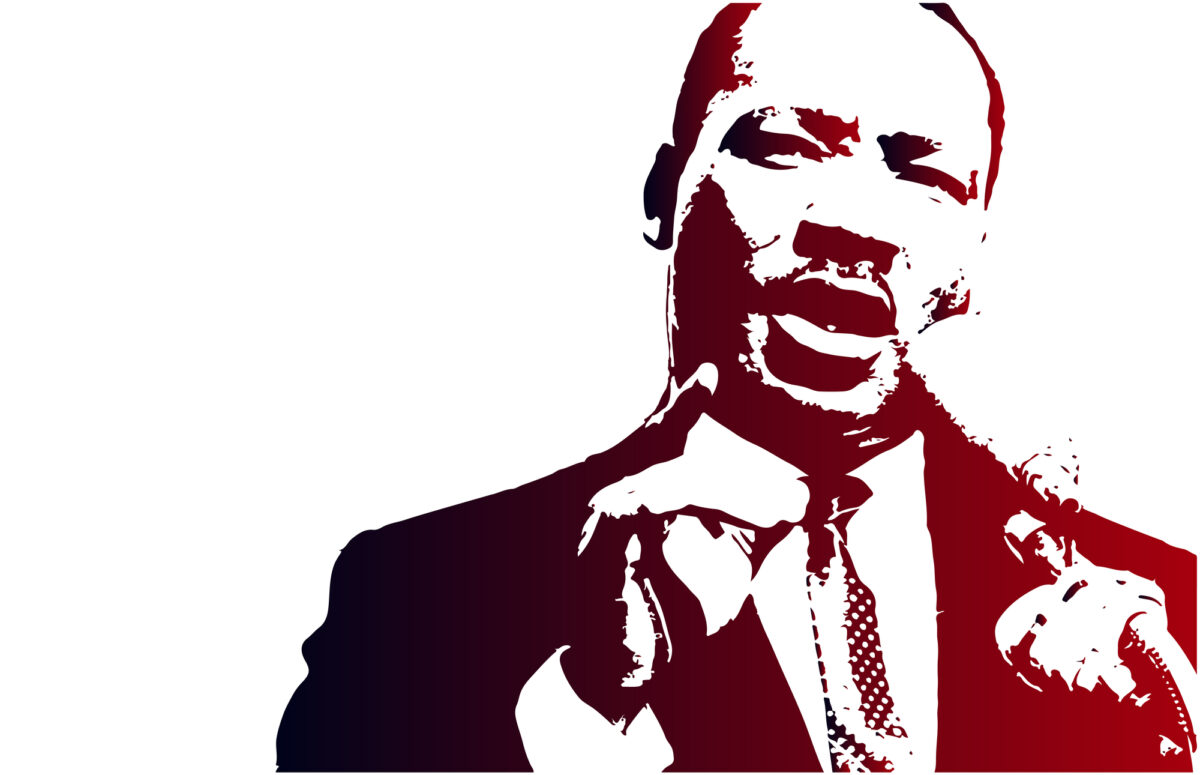
At age thirty-five, Martin Luther King Jr. became the youngest person ever to receive the Nobel Peace Prize back in 1964. Peaceful marches, strong words spoken aloud, along with careful group efforts defined how he shaped the U.S. civil rights struggle.
One moment stood out – the day he spoke of dreams, a talk now repeated more than nearly any other in recent times. That award came with cash – about fifty-four thousand dollars – but every dollar went straight into movement work.
Mother Teresa
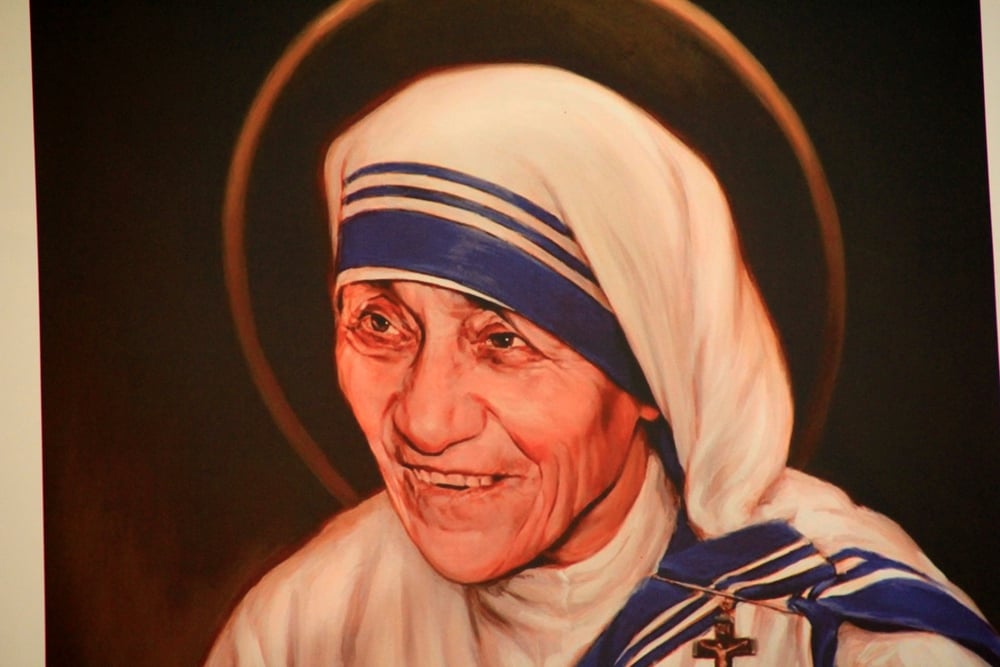
A quiet woman took a stage in 1979, honored not with speeches but silence filled by hands worn from years beside the ignored in Kolkata. Started alone back then – fifty years prior – with just one rule: stay close to those others walked past.
Now her name ties to hundreds of outposts worldwide where help shows up without fanfare. Some questioned how clean the rooms were, if medicine was enough, whether pain was eased right.
Still, she stayed. Always there. Not perfect. Never claiming that. Just present. A figure kneeling more than standing.
Malala Yousafzai
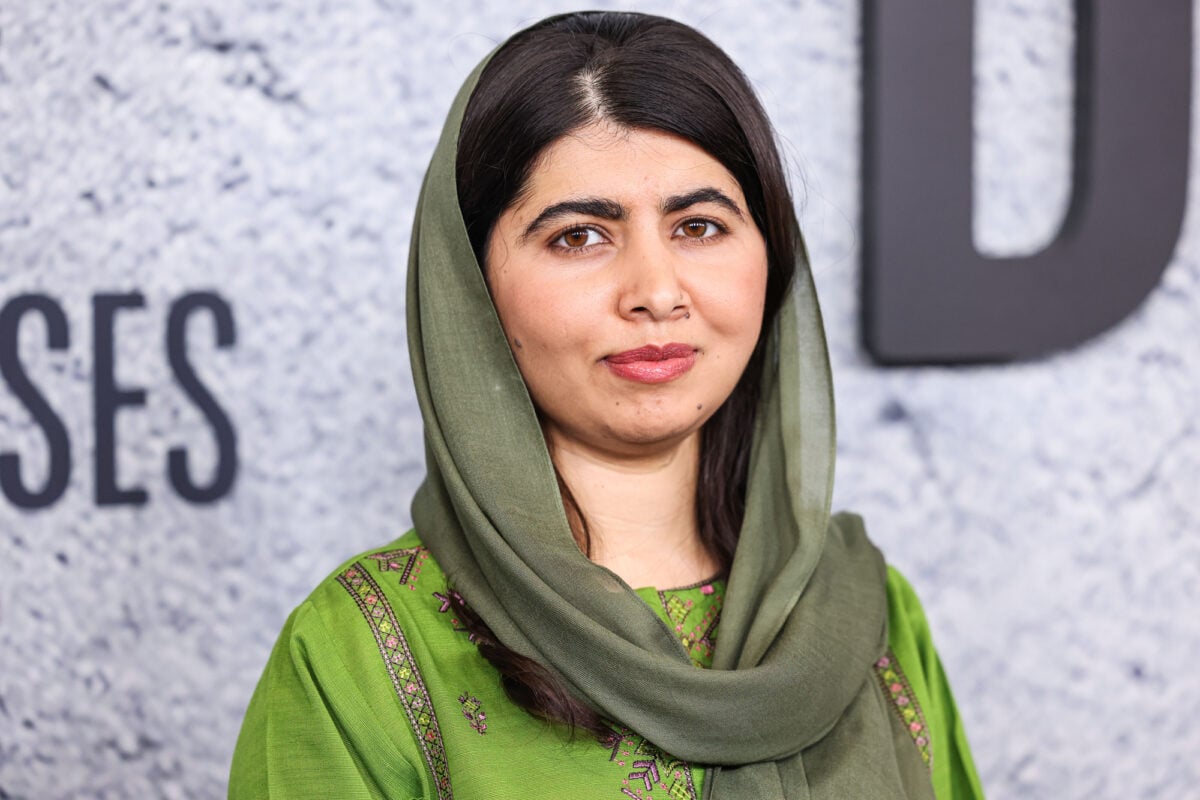
Awarded the Nobel Peace Prize at just seventeen, Malala Yousafzai made history as its youngest recipient in 2014. Back in 2012, gunfire from Taliban attackers followed her advocacy for girls’ schooling in Pakistan – she lived through it.
Instead of stepping back, she raised her voice even more. Across global regions now, twelve years of safe, tuition-free learning is what the Malala Fund pushes for.
Barack Obama
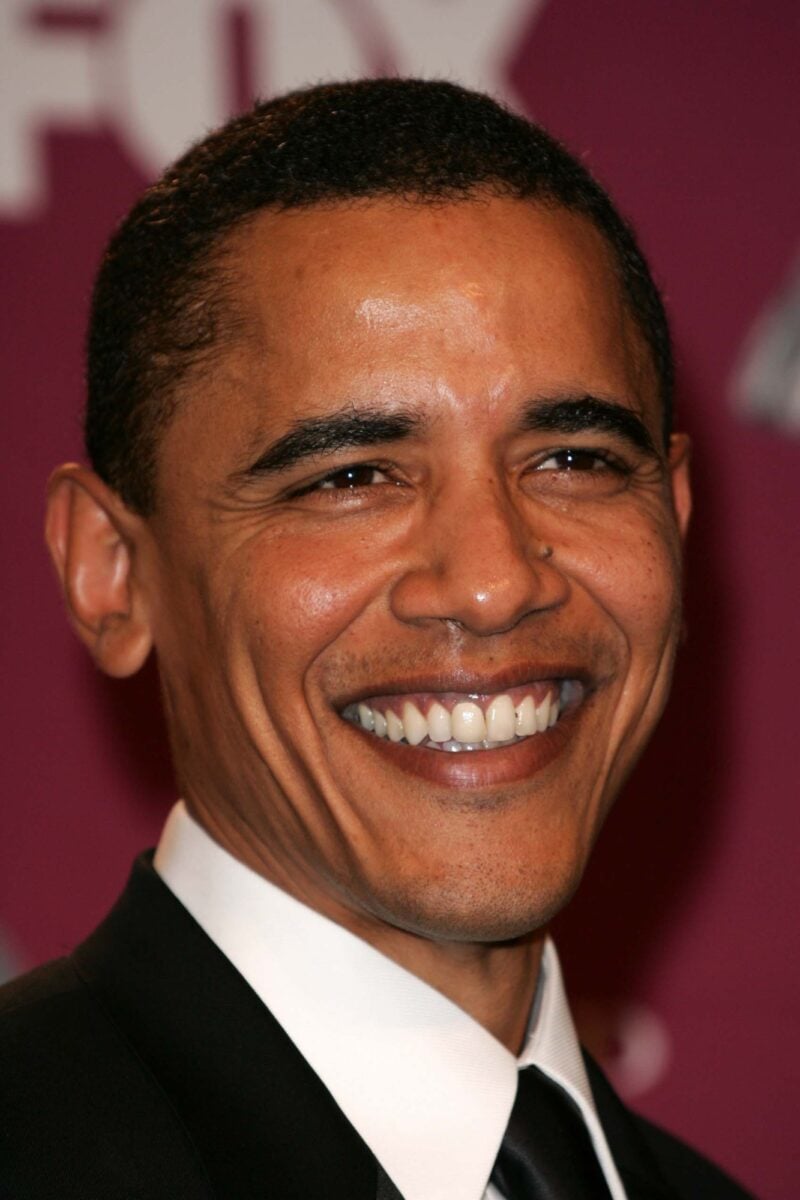
Nine months after stepping into office, Barack Obama took home the Nobel Peace Prize – an outcome that caught everyone off guard, including him. International diplomacy got a boost under his watch; besides, he made reducing nuclear arms a clear priority.
Some questioned if the honor arrived ahead of schedule – Obama described it less as praise and more as a challenge moving forward. To this day, few laureates stir discussion like he does.
Aung San Suu Kyi
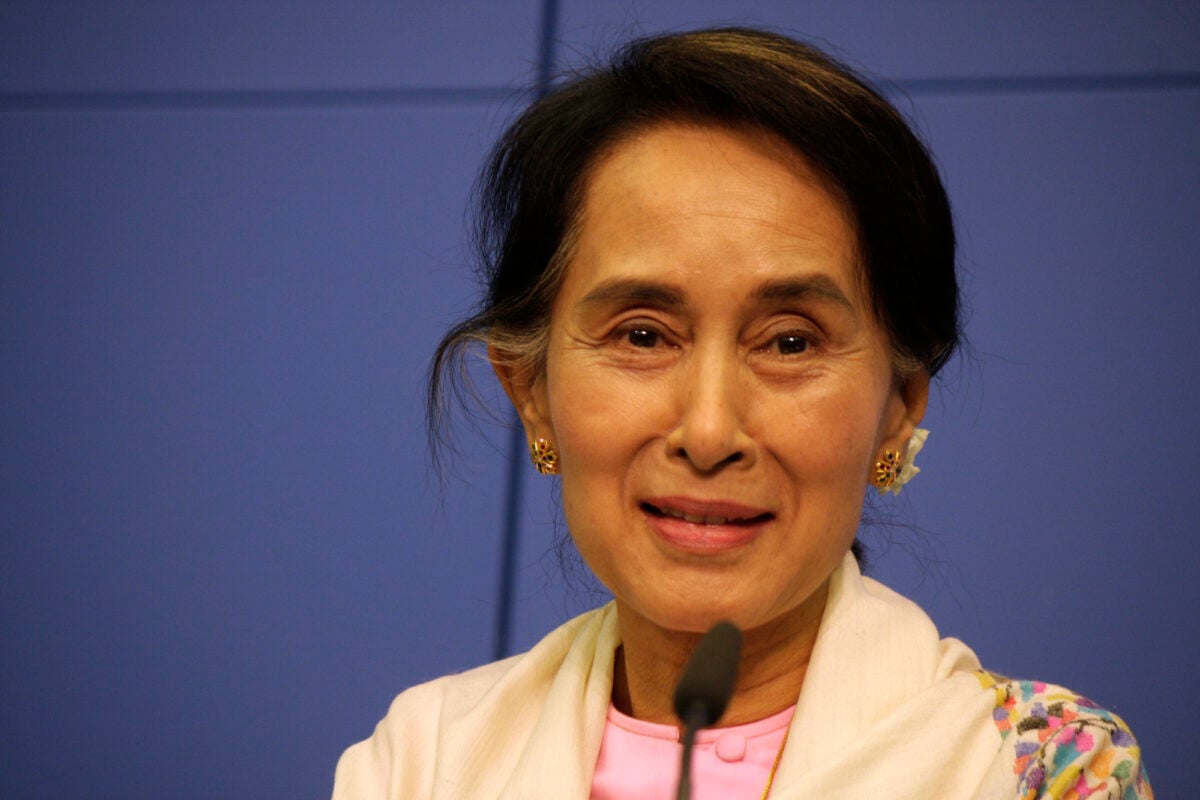
Locked inside her Yangon home, Aung San Suu Kyi received the Nobel Peace Prize in 1991 after leading peaceful efforts for democratic change. For close to fifteen years out of twenty-one – from 1989 onward – she remained behind bars or trapped within four walls.
That honor stood like a quiet light during dark days for many across Myanmar. Still, time rewrote that image when silence followed violence aimed at the Rohingya by armed forces.
Her legacy cracked under the weight of what she did not say.
The Dalai Lama
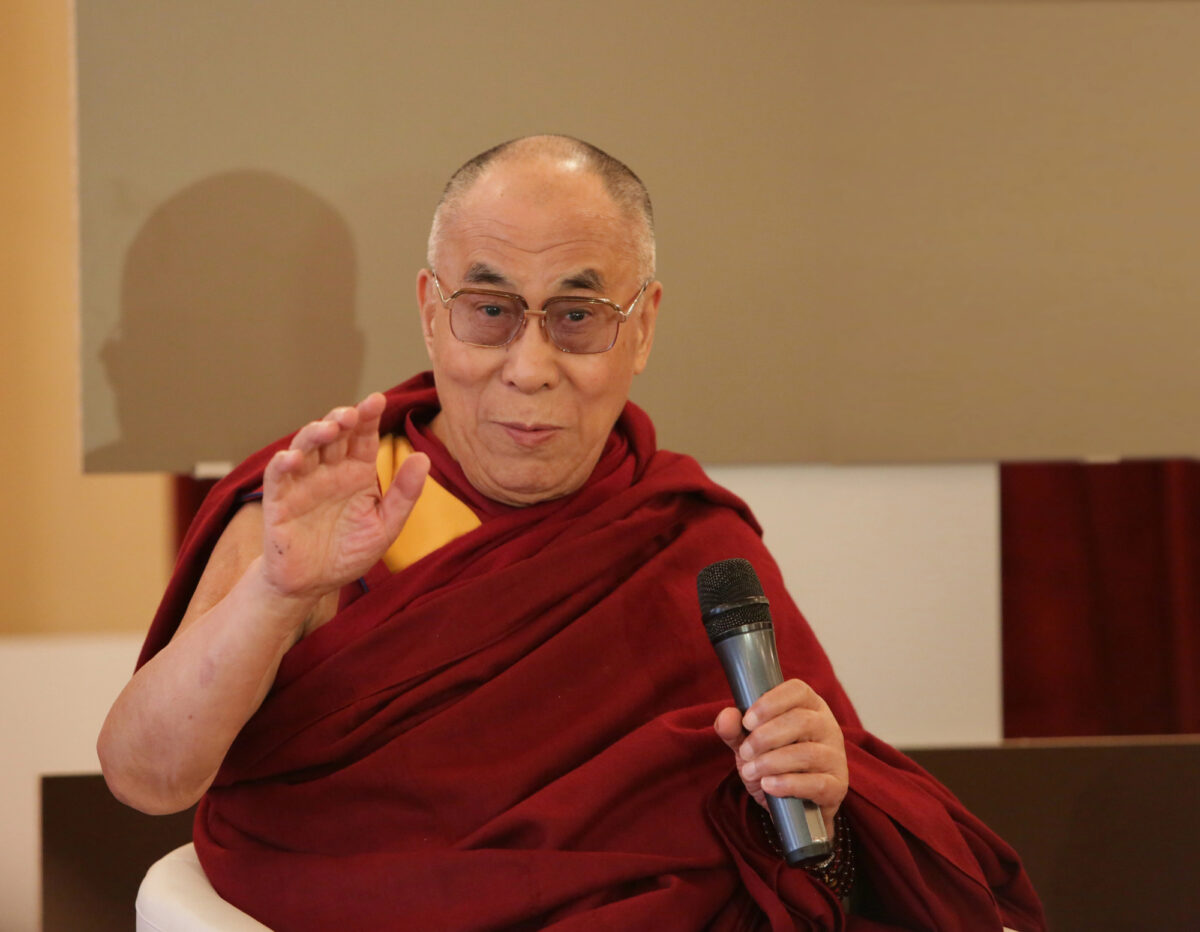
Awarded the Nobel Peace Prize in 1989, the 14th Dalai Lama, Tenzin Gyatso, gained recognition due to his steady commitment to nonviolence amid China’s control over Tibet. Forced out by a military response in his homeland, he settled in Dharamshala, India, beginning in 1959.
Across many years, visits around the globe have marked his mission – urging conversation, empathy, along with ways to settle disputes without violence. Though age now is eighty-nine, presence remains strong; few figures match his visibility when it comes to global spirituality and efforts for peace.
Wangari Maathai
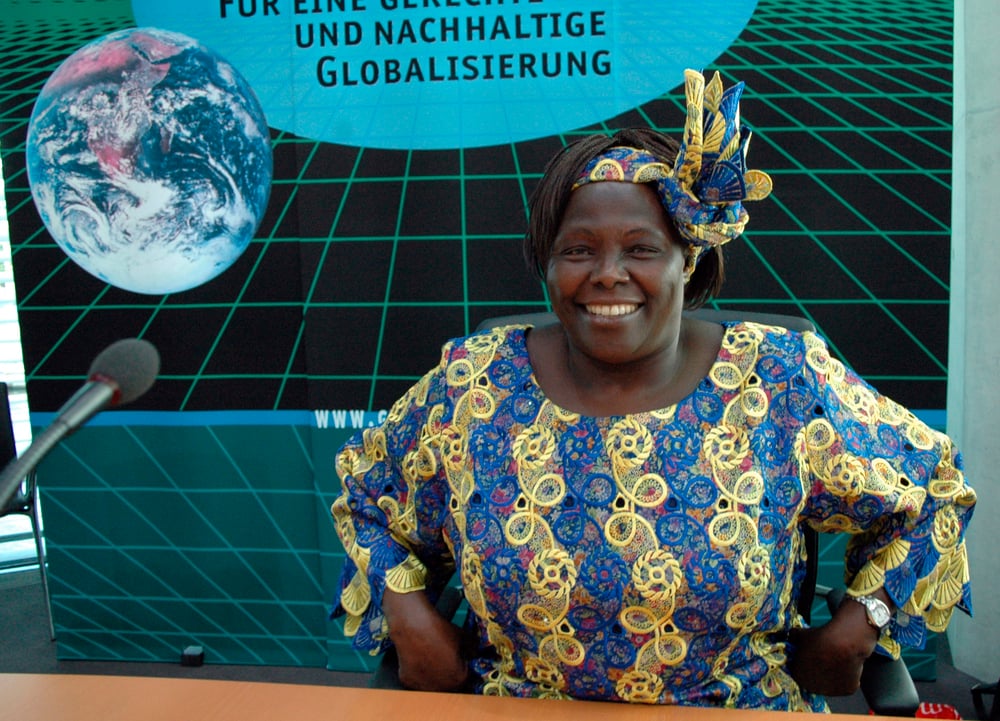
One day in 2004, Wangari Maathai made history – first African woman ever awarded the Nobel Peace Prize. Started back in 1977, her Green Belt Movement took root in Kenya as a quiet uprising led by women planting trees.
Because caring for nature meant standing up for people too, she linked clean forests with fair communities early on. Over years, what began small swelled into something massive without fanfare or slogans.
When she died in 2011, more than 51 million new trees stood tall because of her work.
Mikhail Gorbachev
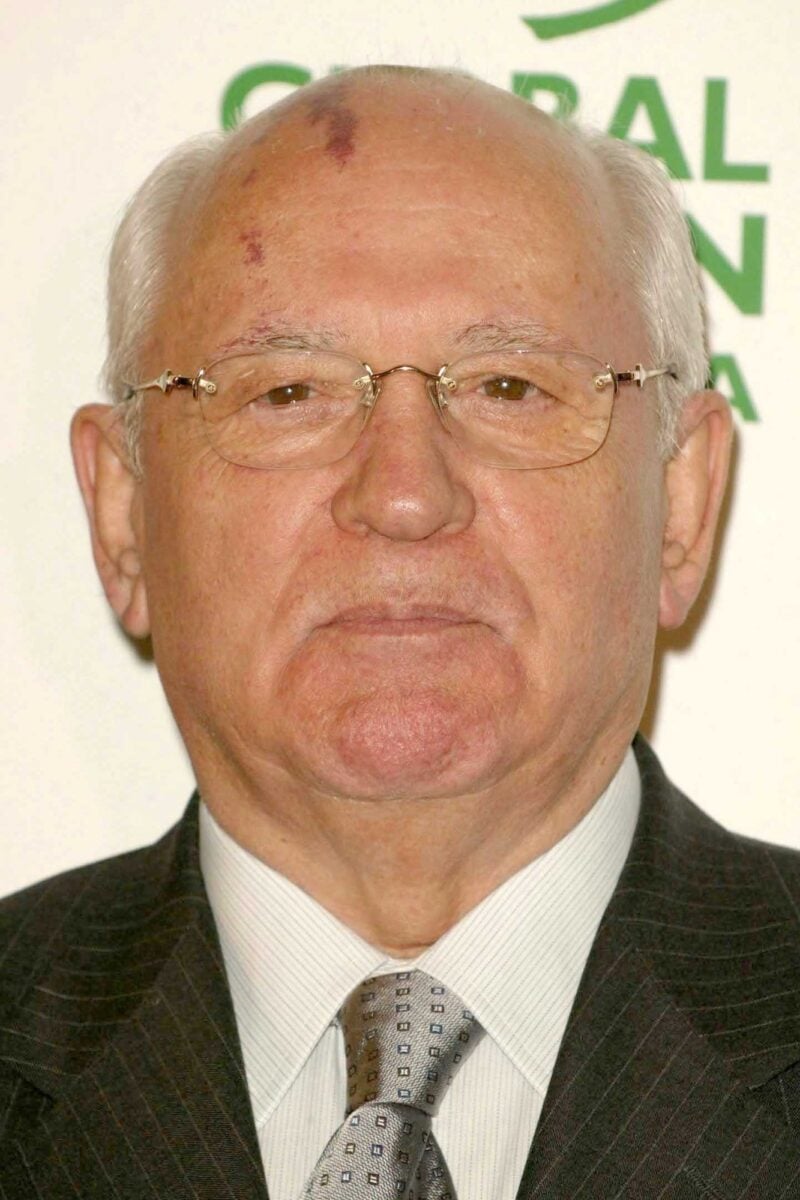
Mikhail Gorbachev received the Nobel Peace Prize in 1990 for his role in ending the Cold War and reducing nuclear tensions between the Soviet Union and the West. His policies of ‘glasnost’ (openness) and ‘perestroika’ (restructuring) fundamentally reshaped Soviet society and set the stage for the fall of the Berlin Wall in 1989.
Inside Russia, opinions of him were deeply divided, with many blaming him for the collapse of the Soviet Union. Outside Russia, he was widely seen as the man who helped the world step back from the edge.
Elie Wiesel
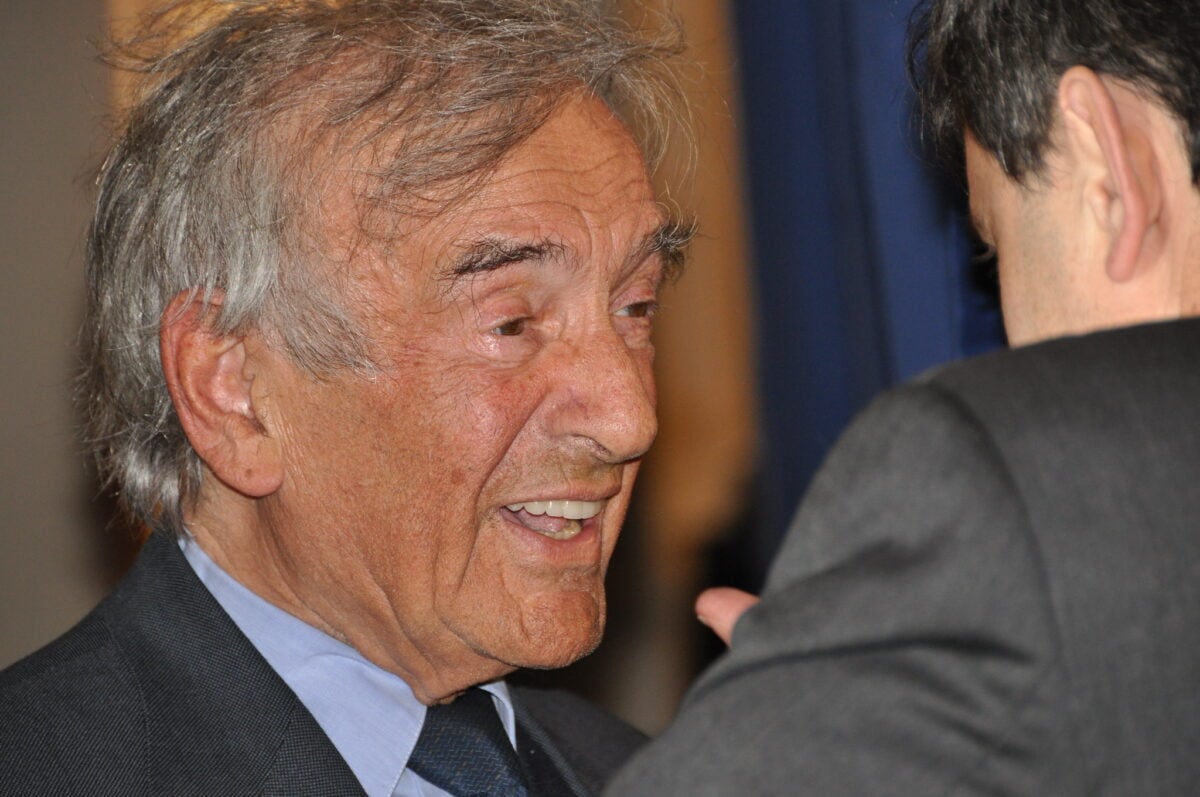
Elie Wiesel won the Nobel Peace Prize in 1986, more than four decades after surviving the Nazi concentration camps of Auschwitz and Buchenwald as a teenager. His memoir ‘Night,’ written in 1960, became one of the most important accounts of the Holocaust ever published.
The Nobel Committee described him as a ‘messenger to mankind.’ He spent the rest of his life ensuring the world never forgot what happened, and using that memory to speak out against injustice in all its forms.
Jimmy Carter
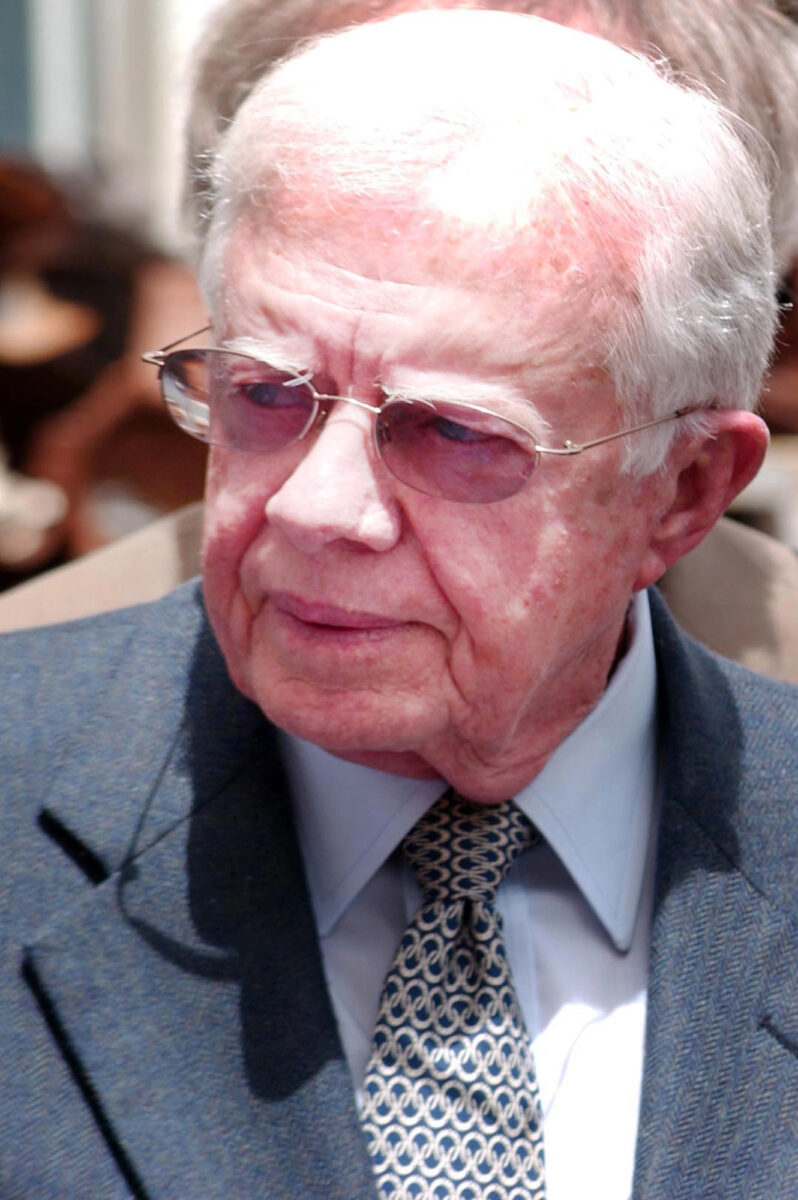
Jimmy Carter won the Nobel Peace Prize in 2002, more than two decades after leaving the U.S. presidency. The Nobel Committee specifically recognized his post-presidential work, including his role in international peace negotiations, election monitoring, and his hands-on work with Habitat for Humanity.
Carter personally helped build homes well into his 90s. He is widely regarded as one of the most active and impactful former U.S. presidents in history.
Al Gore
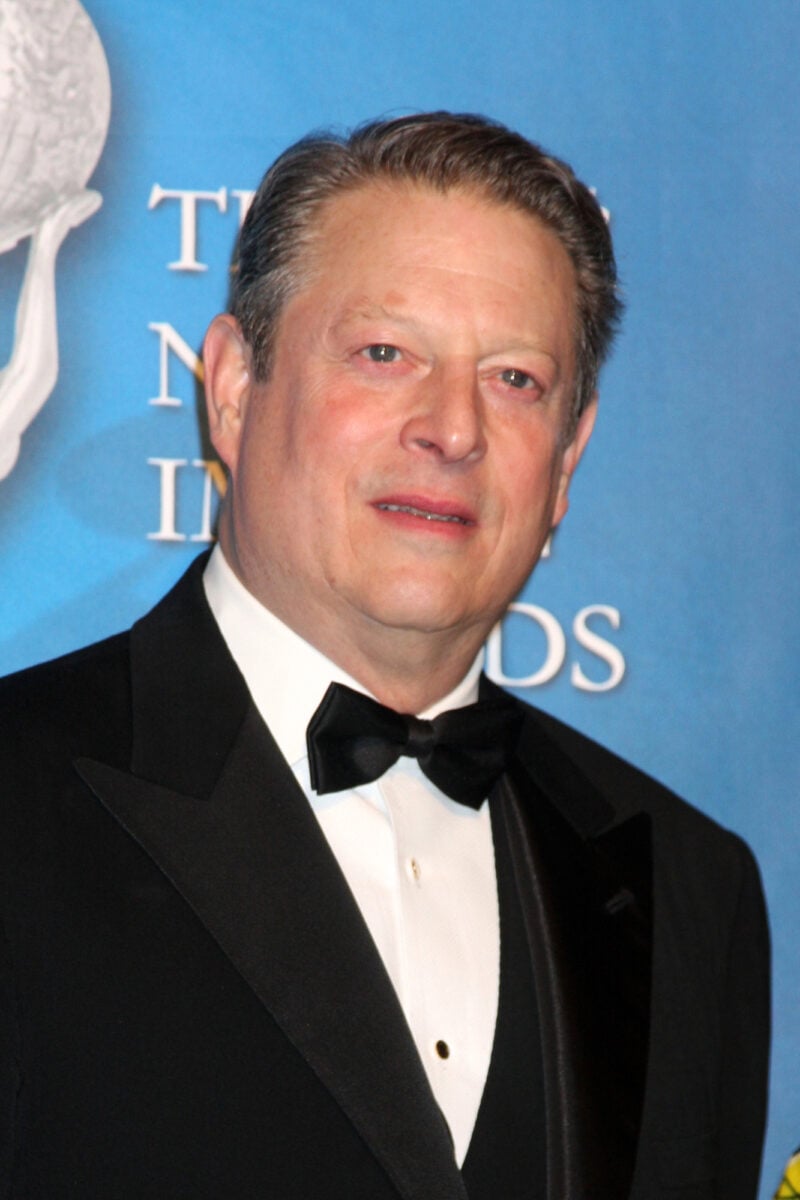
Al Gore shared the 2007 Nobel Peace Prize with the Intergovernmental Panel on Climate Change for spreading awareness about the dangers of global climate change. His documentary ‘An Inconvenient Truth,’ released in 2006, brought climate science to mainstream audiences in a way that textbooks never could.
Some critics argued the film overstated certain projections, but its role in shifting public conversation was significant. Gore helped make climate change a topic that regular people, not just scientists, felt they needed to care about.
Kofi Annan
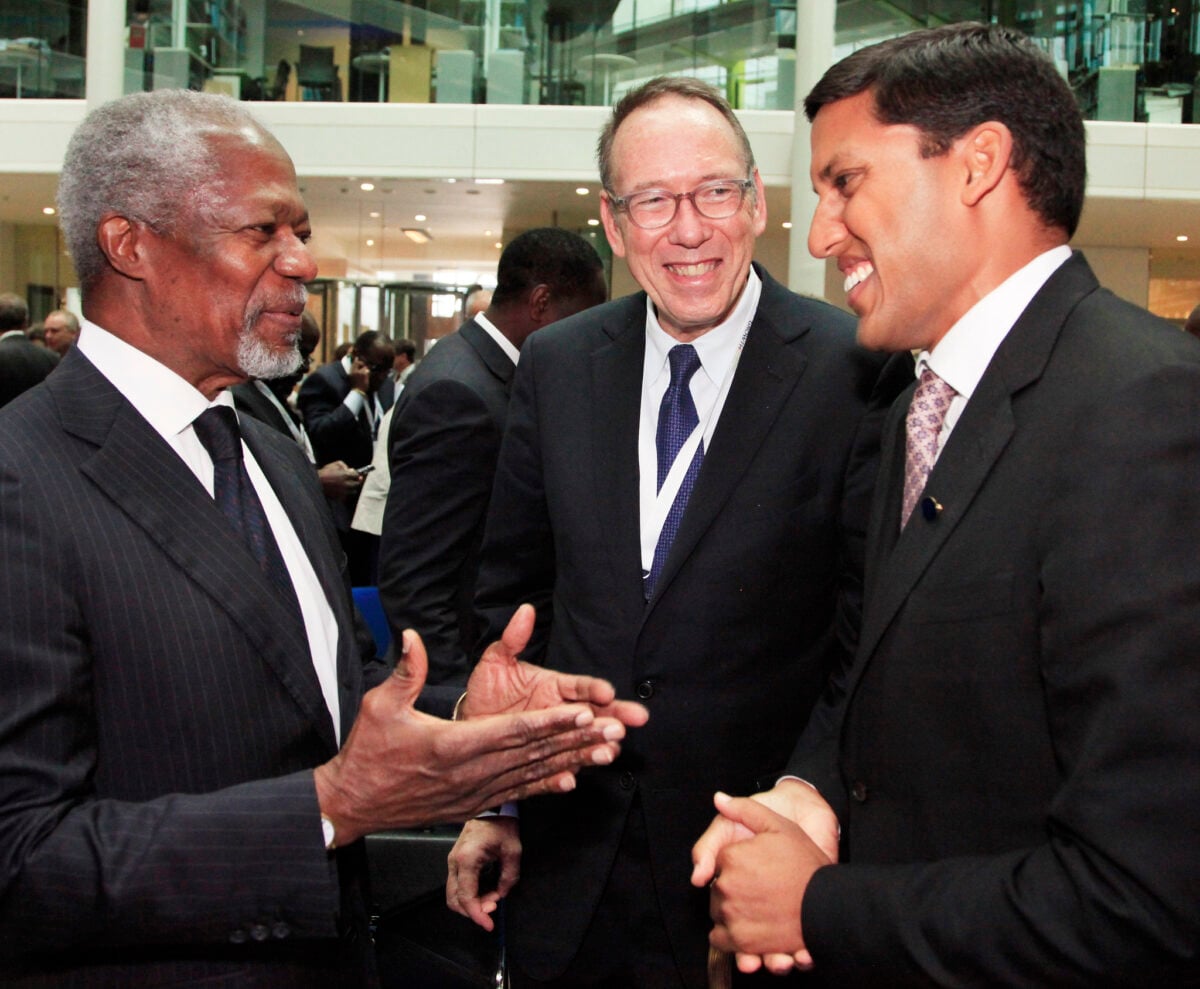
Kofi Annan shared the Nobel Peace Prize in 2001 with the United Nations, which he served as Secretary-General from 1997 to 2006. He was the first person from Sub-Saharan Africa to lead the United Nations, and he pushed hard for humanitarian intervention and the idea that national borders should not protect governments from accountability when they harm their own people.
He launched the Global AIDS Fund and led early efforts on the Millennium Development Goals. Annan was a diplomat’s diplomat, steady and principled in rooms where very little was either.
International Committee of the Red Cross
The International Committee of the Red Cross is the only organization to have won the Nobel Peace Prize three times: in 1917, 1944, and 1963. Founded in 1863 by Henry Dunant, it operates in conflict zones across the world, providing aid to wounded soldiers, prisoners of war, and civilians caught in fighting.
It runs on the principle of neutrality, meaning it helps people regardless of which side they are on. That principle has allowed it to operate in some of the most dangerous places on earth for over 160 years.
Amnesty International
Amnesty International received the Nobel Peace Prize in 1977 for its work defending human rights and speaking out for political prisoners worldwide. Founded in London in 1961 by lawyer Peter Benenson, it grew from a single newspaper article into a global organization with millions of members.
It has campaigned against torture, wrongful imprisonment, and the death penalty in countries across every continent. Its model of public pressure through letter-writing and awareness campaigns proved that ordinary people could move governments.
Liu Xiaobo
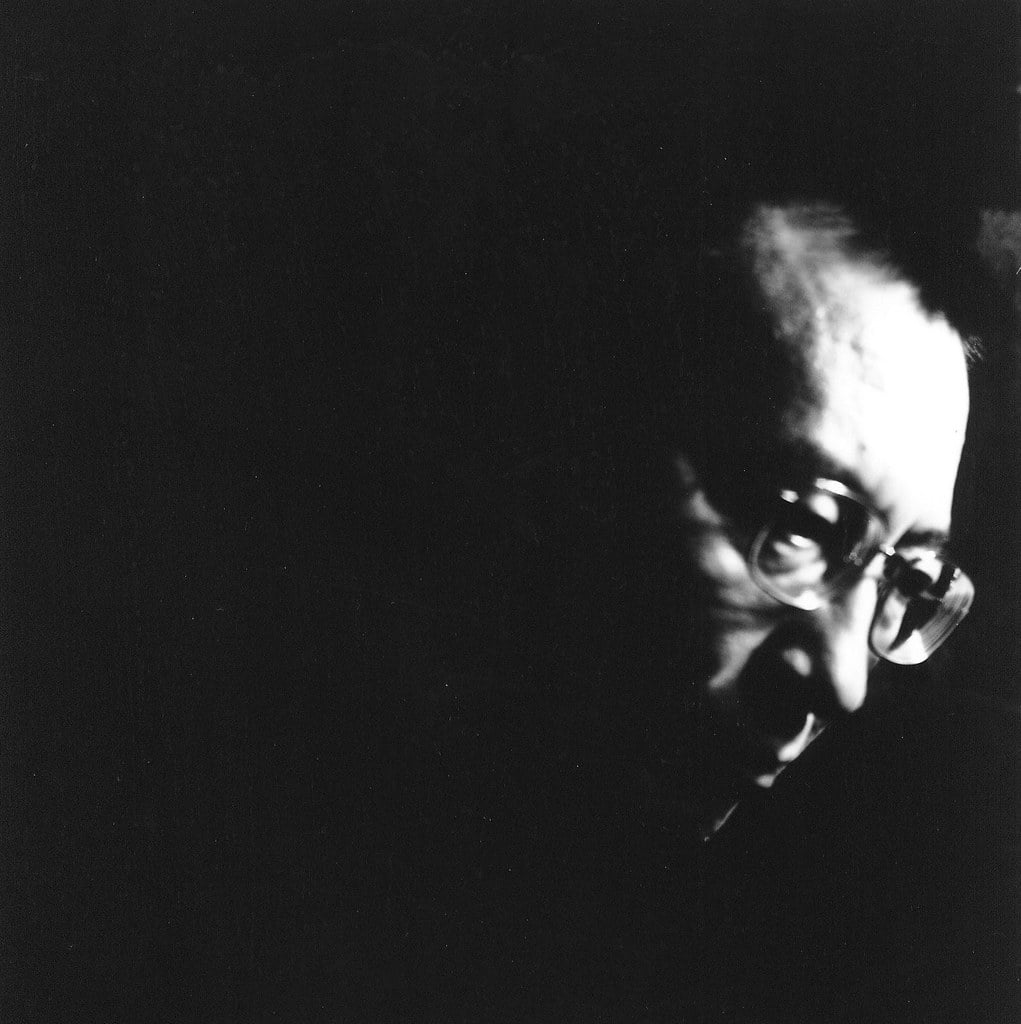
Liu Xiaobo won the Nobel Peace Prize in 2010 for his long nonviolent campaign for basic human rights in China. He was a writer and activist who co-authored ‘Charter 08,’ a document calling for political reform and freedom of expression in China.
When the prize was announced, he was in a Chinese prison serving an 11-year sentence for ‘inciting subversion of state power.’ His chair sat empty at the Oslo ceremony, a moment that became one of the most powerful images in the history of the award.
Rigoberta Menchú
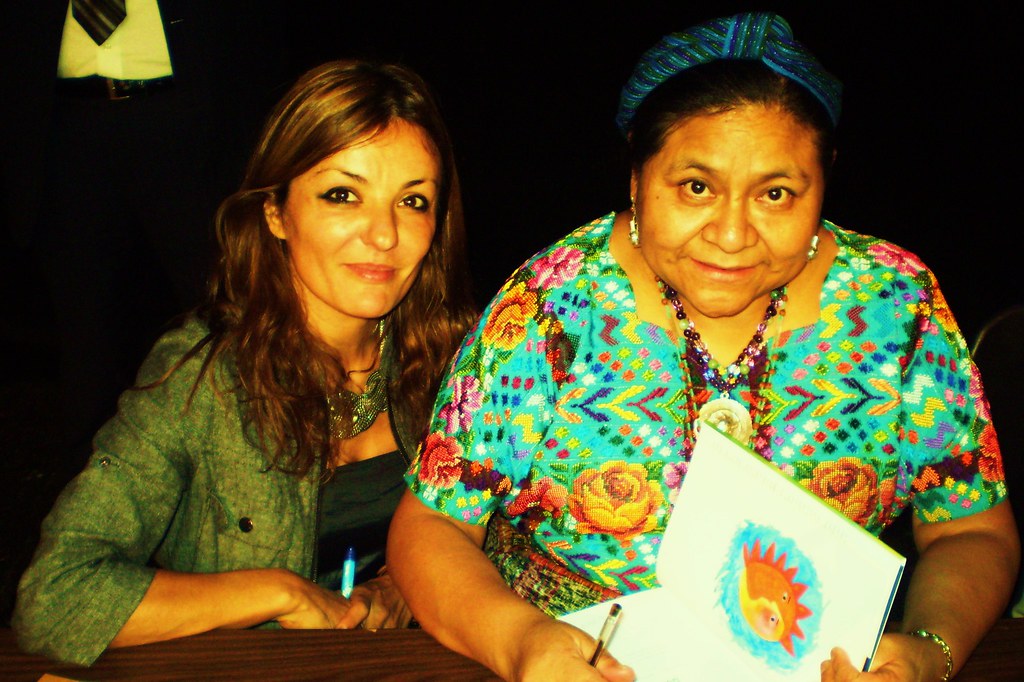
Rigoberta Menchú won the Nobel Peace Prize in 1992, the 500th anniversary of Christopher Columbus’s arrival in the Americas. She was a Guatemalan indigenous rights activist who lost her father, mother, and brother to violence during Guatemala’s brutal civil war.
Her autobiography, published in 1983, brought international attention to the suffering of indigenous communities in Latin America. She was 33 years old when she won the prize, and she used the platform to push for indigenous rights across the entire continent.
UNICEF
UNICEF won the Nobel Peace Prize in 1965 for its global work protecting and improving the lives of children in need. Founded in 1946 to help children left devastated by World War II, it quickly expanded into a permanent organization serving children in developing countries.
UNICEF has led vaccination drives, nutrition programs, clean water projects, and education initiatives in some of the world’s poorest regions. Decades after its founding, it remains one of the most trusted and far-reaching children’s organizations on the planet.
What Peace Really Costs
The people and organizations on this list did not win their awards by sitting still. They went to prisons, conflict zones, melting glaciers, and mass graves, and they kept going anyway.
Some of them paid enormous personal prices, from years of imprisonment to exile to their own safety. The Nobel Peace Prize, at its best, is not just a trophy.
It is a reminder that peace is active work, and that ordinary people who refuse to stop pushing have, more than once, actually changed the world.
More from Go2Tutors!

- The Romanov Crown Jewels and Their Tragic Fate
- 13 Historical Mysteries That Science Still Can’t Solve
- Famous Hoaxes That Fooled the World for Years
- 15 Child Stars with Tragic Adult Lives
- 16 Famous Jewelry Pieces in History
Like Go2Tutors’s content? Follow us on MSN.