Bizarre Gadgets From the 50s That Worked
Something about the 1950s made people think there was a gadget for everything. And honestly, for a lot of things, there was.
Some of these inventions look ridiculous by today’s standards—a hat with a radio baked into it, a spoon that doubles as a scale, a spider-like cage to guard your butter dish. But here’s the thing: most of them actually did what they were supposed to do.
They solved real problems, even if those problems seem absurd now. Take a look at some of the strangest gadgets from the decade and the surprisingly sensible reasons people bought them.
A Hat You Could Listen To
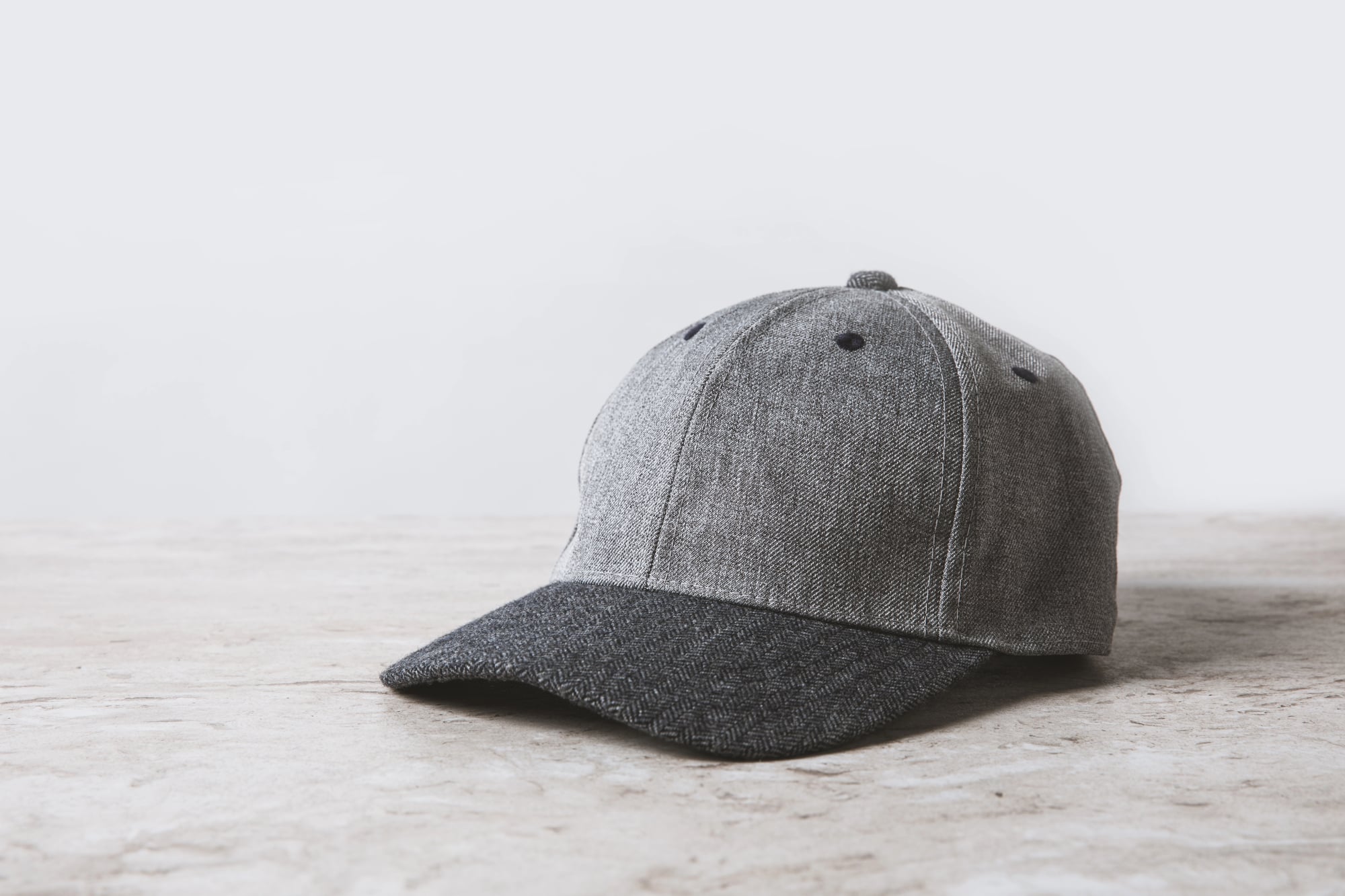
The radio hat was exactly what it sounds like. A pith helmet with a transistor radio built right into the brim.
One earpiece, a simple tuning dial, and battery power. It let you listen to broadcasts hands-free while keeping the sun off your head.
The audio quality was poor, the thing was bulky, and the battery died fast. But for a brief window of time, it was the closest thing to earbuds that most people had ever seen.
It foreshadowed portable audio in a way that nobody took seriously until decades later.
The Brush for Men Who Had Lost Theirs

Baldness wasn’t something men in the 1950s talked much about. So instead of talking, some of them bought a grooming brush designed specifically for the job.
One side had bristles for whatever hair remained on the sides. The other side was a felt pad meant to give the scalp a massage.
The handle was ergonomic, the marketing pitched it as “therapeutic,” and a small number of men actually used it regularly. It didn’t cure anything, of course.
But it worked as a brush, and it gave men something practical to do about a problem they’d rather not admit they had.
The Machine That Squeezed Your Clothes

Before fully automatic washing machines became affordable, the wringer washer was the standard. You filled the tub, washed your clothes, and then fed them through a pair of rollers that squeezed out most of the water.
The rollers had adjustable pressure. The machines were loud, manual, and genuinely dangerous—fingers and loose fabric could get pulled in without warning.
But they worked. They cut laundry time by hours compared to hand washing, and rural families relied on them well into the late 1950s.
The wringer washer bridged the gap between the washboard and the automatic machine, and it did it without breaking.
A Dime for Sun Protection

On boardwalks and around swimming pools, coin-operated vending machines dispensed suntan lotion for ten cents a pop. You’d drop in a dime, get a 30-second spray, and walk off.
The machines were weather-resistant metal, built to handle damp air and salt spray. It was a convenience product through and through—nobody wanted to carry a bottle of lotion to the beach if they didn’t have to.
The machines solved that problem cleanly. They weren’t a piece of futuristic engineering.
They were just vending machines with a nozzle, and they did the job.
The TV That Could Face Any Direction

Philco released the Predicta in 1958 and marketed it as the television of the future. The screen sat on a swivel mount, separated from the rest of the set by a cable.
You could point it in any direction you wanted. One version, called the Tandem, had a 25-foot cable so you could carry the screen into another room entirely.
The design looked like something out of a science fiction film. RCA’s president reportedly said Philco had made television exciting again.
It was also black and white in a world moving toward color, and Philco shelved it after two years. The last units were sold off to motel chains in bulk.
But while it existed, the thing actually worked. The swivel was smooth, the picture was clear, and the design remains one of the most striking in television history.
Collectors still pay thousands for a working one today.
The Gun That Shot Cookies
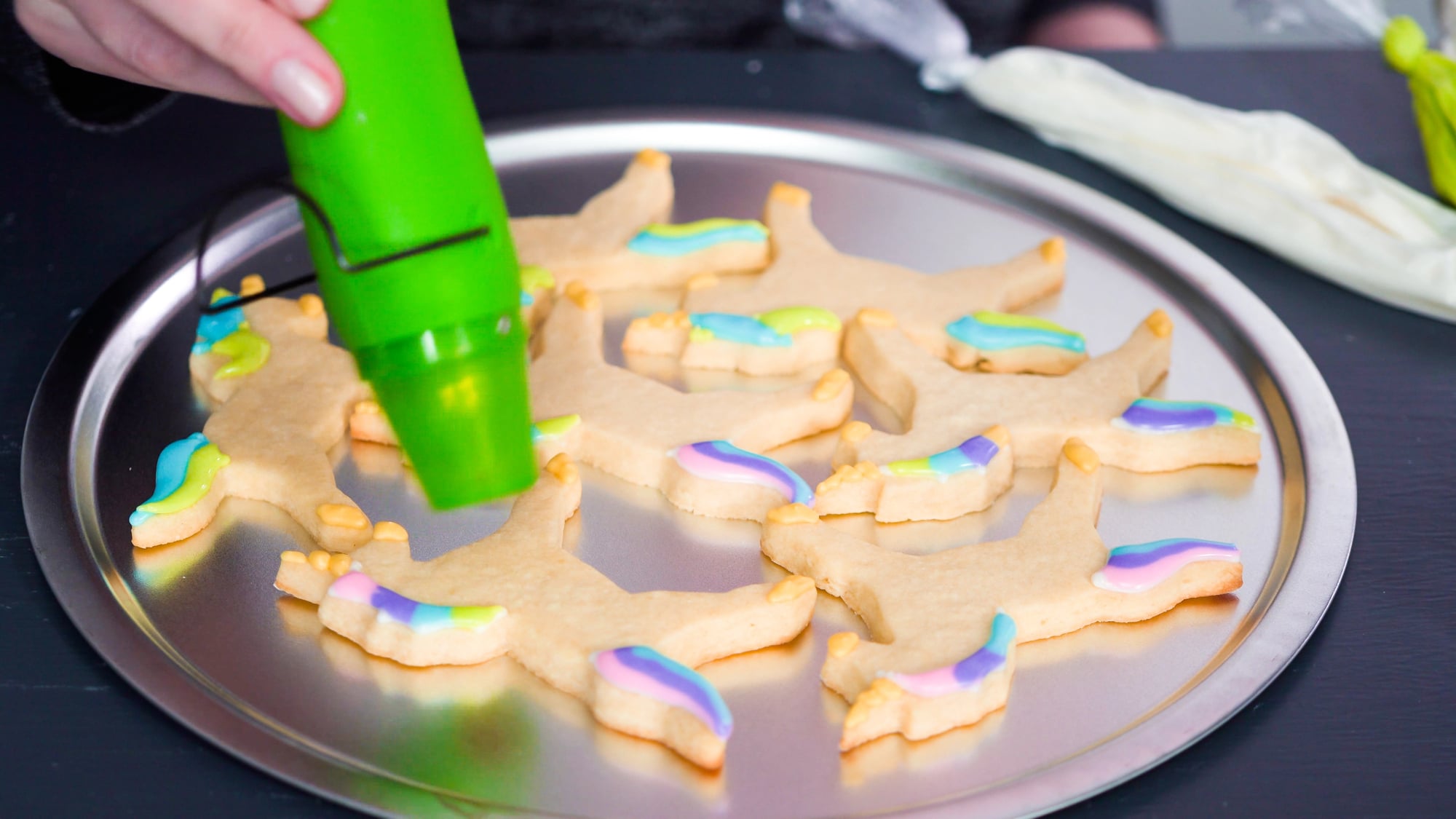
Cookie presses looked and felt like small firearms. You loaded dough into a tube, selected a shape from an interchangeable set of disks, and squeezed the trigger.
Stars, flowers, trees—whatever you needed for your holiday spread came out in seconds. Brands like Wear Ever and Mirro made popular versions in metal and plastic.
The gadget was simple, mechanical, and fast. It turned a tedious baking task into something that took a fraction of the time.
Cookie presses are still manufactured today, which says something about how well the basic design worked from the start.
Opening the Garage Without Getting Out of the Car

In 1954, radio-controlled garage door openers became a real thing. They used basic radio transmitters—the same kind of technology that had been used to remotely detonate bombs during wartime.
Now that same signal tech was pulling up garage doors for suburban homeowners. The devices were bulky and the range was short.
But the idea worked immediately. People loved not having to step out into the rain to manually lift a heavy door.
By the end of the decade, several companies were producing their own versions, and the concept never looked back.
Plastic Bowls That Changed How People Ate

Tupperware existed before the 1950s, but it didn’t become a name everyone recognized until the decade hit its stride. The plastic itself was genuinely new—a byproduct of wartime chemical research that kept food fresh far longer than anything else on the market.
But the real trick was how people bought it. Tupperware parties became a social event.
Women hosted gatherings in their living rooms, demonstrated the products, and sold them directly to their neighbors.
It was an odd sales model on paper. It also worked brilliantly.
Tupperware turned into one of the most successful direct-sales brands in American history, and the airtight seal that made the whole thing possible is still the standard you’re comparing other food containers against.
A Spoon With a Built-In Scale

In the 1950s, a plastic measuring spoon with a tiny scale built into its handle was a genuine kitchen tool. You scooped your flour or sugar and read the weight right there on the spoon.
No separate measuring cups, no guessing. The Duplex Hand-Scale was simple and surprisingly accurate for the time.
It didn’t last long—measuring cups were cheaper and more intuitive—but while it was around, it handled the job.
And it saved a few drawers of cluttered kitchen space in the process.
Guarding the Butter Dish

Russell E. Oakes invented the Butter Sleeve Protector in the 1950s to solve a very specific embarrassment: reaching across the dinner table and dragging your sleeve straight through a stick of butter.
His solution was a tiny metal cage that sat over the butter dish, keeping sleeves clear. It looked like a miniature spider guarding its prey.
It never became common. People eventually just started asking someone to pass the butter instead.
But the cage did its one job—it kept the butter clean—and it kept doing it for everyone who actually bought one.
Copying Without a Copier
The mimeograph machine had been around before the 1950s, but the decade was when it truly became indispensable. Schools used them. Churches used them.
Small businesses and activists relied on them. You cut a stencil, ran it through the machine, and out came copies—dozens, sometimes hundreds.
The ink was purple, the text came out slightly blurry, and the machine left your hands smelling like a chemistry lab.
None of that mattered. In an era before photocopiers, the mimeograph was the only way for ordinary people to print and distribute written information at any real scale.
It worked, and it worked well enough to shape how ideas actually spread through communities.
Capturing Sound on a Ribbon of Tape

Reel-to-reel tape recorders hit their stride in the 1950s. They recorded and played back audio at speeds ranging from 3¾ to 15 inches per second, depending on the quality you needed.
Radio stations used them. Music studios built their recordings around them.
Home enthusiasts bought them for the sheer novelty of capturing their own lives on tape. The sound quality was remarkable for the time—far cleaner and richer than anything else available to the average person.
They were expensive and took some learning to operate. But the technology worked, and it laid the foundation for every audio format that came after it.
Bringing Heat Into the House
Portable kerosene heaters were a staple in homes without central heating, which was still most homes in rural areas during the 1950s. A wick-based combustion system produced between 10,000 and 25,000 BTU of warmth per unit.
You could carry one from room to room. They were cheap to run and required no electricity.
They were also a fire risk if you neglected them, and they produced fumes that needed ventilation—an open window, at minimum.
People used them anyway, because they worked, and because in a freezing winter, the alternative was simply doing without.
Sorting Eggs Before You Baked
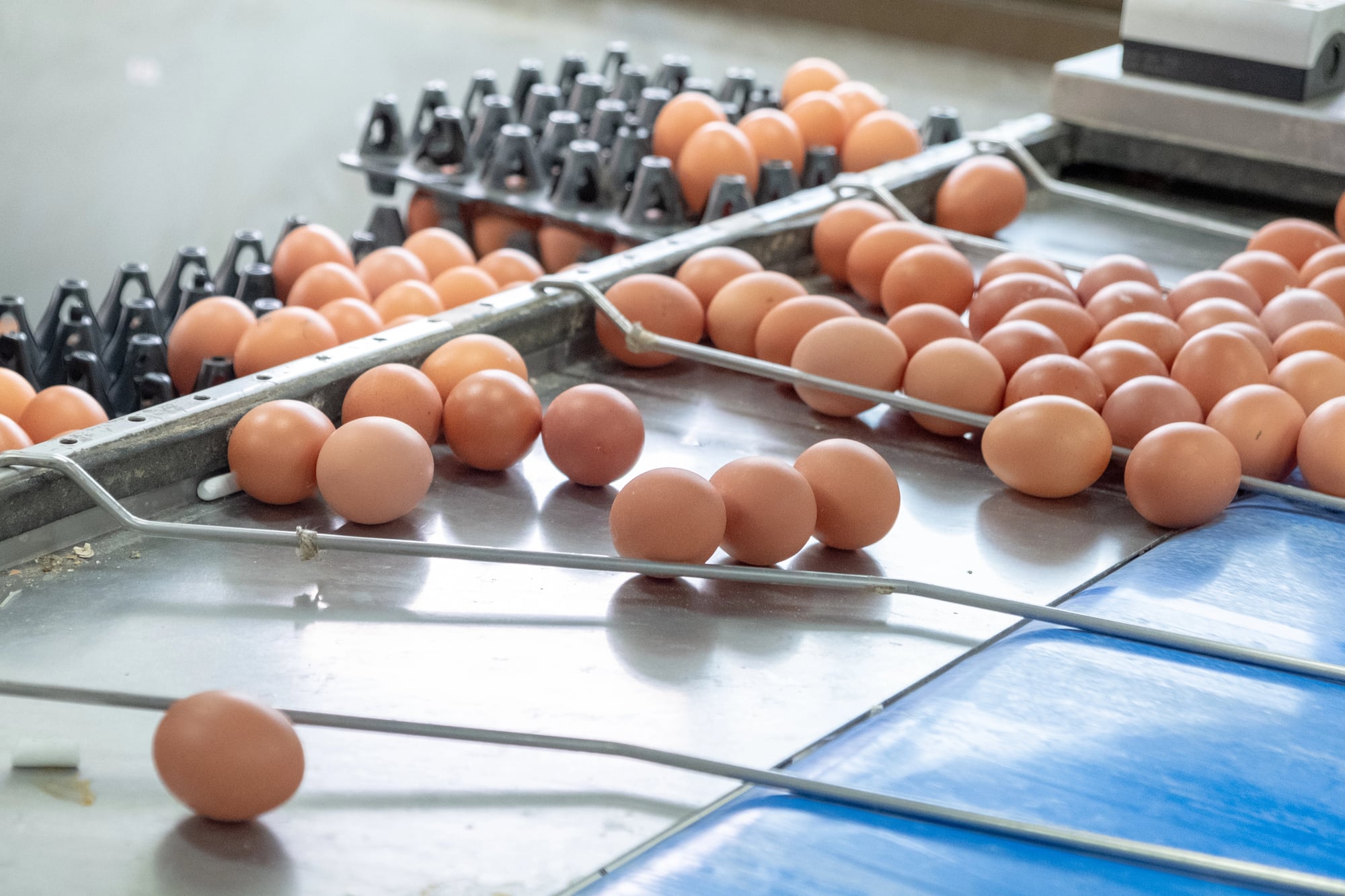
Grocery stores as you know them today didn’t really exist in the early 1950s. Eggs came in a dozen, and nobody sorted them by size before you got them home.
If your recipe called for large eggs and you had a mix of small and medium, your cake came out wrong. The egg scale solved this.
It was a simple metal tool, perfectly calibrated to classify each egg by size with one gentle placement. Bakers used them every week without thinking twice.
They disappeared once stores started doing the sorting, but while they were needed, they did the job with precision.
Cooking in a Fraction of the Time
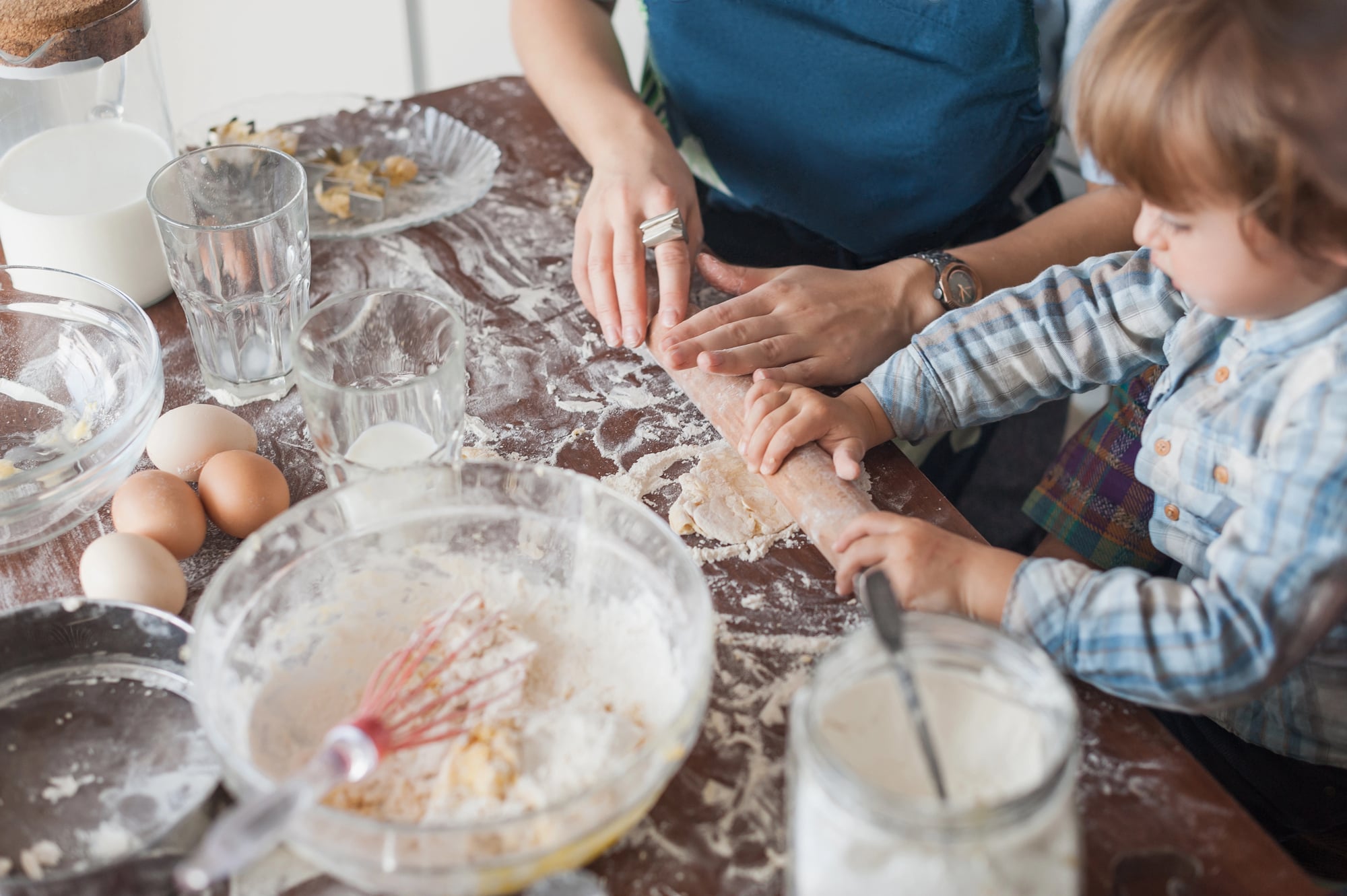
Back then, the pressure cooker already had history – its core idea dated way back. Still, what hit kitchens in the 1950s felt like a real step forward.
With a firm seal locking in heat, these pots sped through meals fast. Veggies, broths, thick dishes – they finished in about one-third the usual cooking period.
Because it saved so much time, households held onto them. This was not some passing gadget; people counted on it daily.
Something about them made your spine tingle – no ignoring the hiss of steam, that sharp reminder there was power trapped beneath. Yet they got things done, quick, almost too quick, and after tasting dinner from one, regular pots seemed dull, slower, somehow less real.
Quiet truth sat in every meal: change sticks when it shows up with results.
The Gadgets That Never Faded Away

Somehow, a few oddities slipped through time. While most 1950s inventions vanished fast, one or two stuck around quietly.
Take the radio hat – it blinked out quickly. So did that weird butter cage thing.
Once stores started selling pre-packaged food, the egg scale just sat unused. Yet beneath the noise of failure, tiny sparks remained – odd little machines once laughed at now live inside your phone, your car, even how you cook.
Even now, you’ll find a cookie press tucked away in some kitchen drawer. Sitting right there in the car, the garage door remote waits quietly.
Once upon a time, tapes gave way to shiny discs, those later fading into endless digital queues. Back then, ideas seemed silly until they just… worked.
It wasn’t luck – those odd little tools proved their worth every day. That stubborn usefulness? That’s why the fifties kept turning out inventions nobody saw coming.
More from Go2Tutors!

- The Romanov Crown Jewels and Their Tragic Fate
- 13 Historical Mysteries That Science Still Can’t Solve
- Famous Hoaxes That Fooled the World for Years
- 15 Child Stars with Tragic Adult Lives
- 16 Famous Jewelry Pieces in History
Like Go2Tutors’s content? Follow us on MSN.



