18 Scientific “Facts” That Were Later Proven Wrong
Truth comes slow. Science tries hard to get it right by testing ideas again and again.
Because of this, old answers can shift when new proof shows up. What looked solid might later crumble under closer look.
Mistakes happen even in strict systems. That does not break science – it fuels it.
Being wrong leads to better questions. Progress hides in those moments.
Not every finding lasts forever. Some fall apart fast.
For years, certain errors stayed hidden inside school books. What follows reveals 18 moments when science stumbled – alongside today’s clearer picture.
The Sun Moves Around Earth
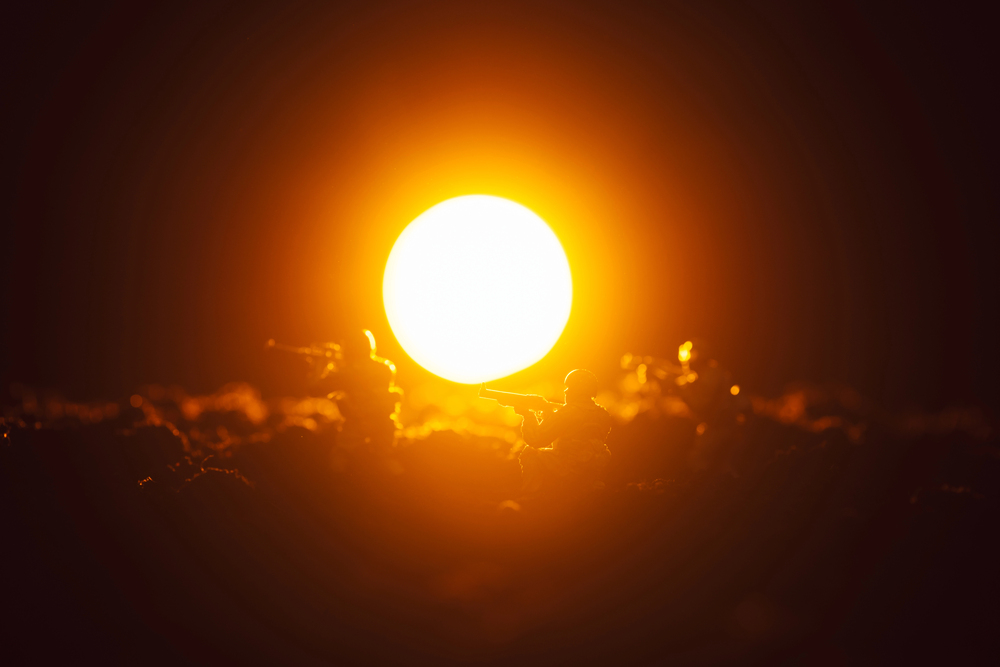
Most folks through time saw the sunrise and figured the answer was obvious. Up it climbed, crossed above, then sank out of view – clearly circling our world, didn’t it seem?
Greek thinkers long ago shaped models on that belief, scholars in old Europe kept refining them too. Rome’s church stood behind the concept like law.
Only when Copernicus stepped forward centuries later did things shift, his math suggesting otherwise. Then came Galileo peering through glass lenses, showing skies never moved quite how anyone assumed.
Stomach Ulcers Are Caused By Stress
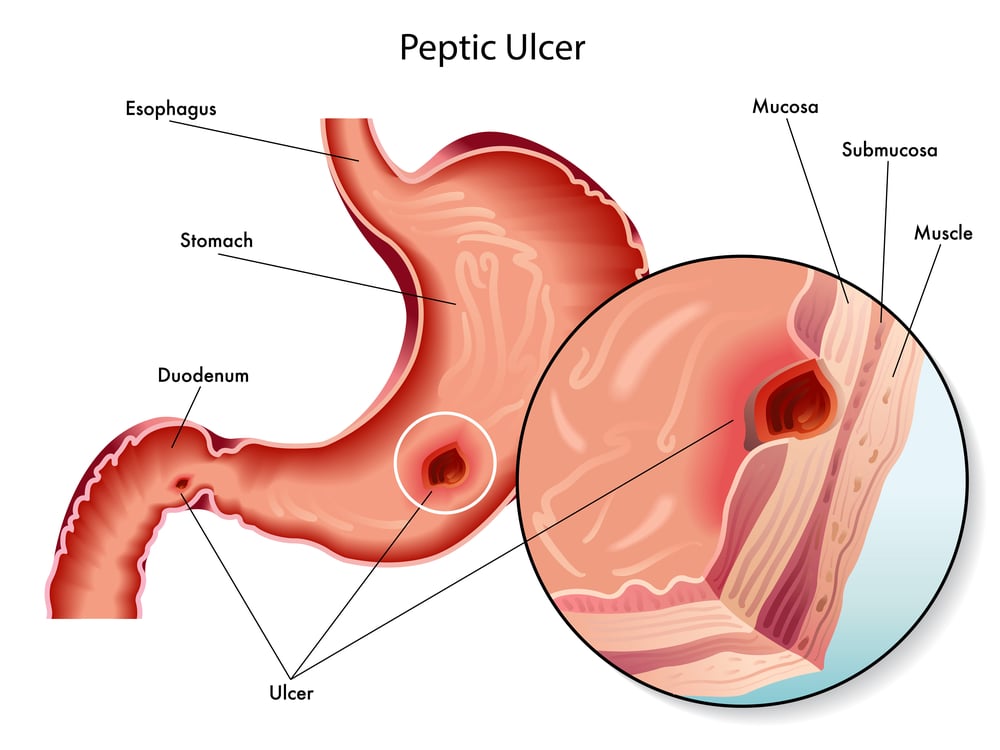
For much of the 1900s, medical experts blamed stress and hot spices for burning sores in the gut. That idea made sense at the time, leading countless individuals to try calming down and eating bland meals instead.
Yet everything shifted when two researchers from Australia – Barry Marshall and Robin Warren – found a different cause hiding in plain sight: a germ named Helicobacter pylori. To show he meant business, Marshall swallowed a vial full of the bug himself.
Their stubborn work paid off years later with science’s highest honor – the Nobel Prize.
The Appendix Is Useless

Quietly, the appendix lingered in medical books, long dismissed as useless baggage from our evolutionary past. Not needed, but not removed – just sitting there, forgotten.
Lately, though, new findings have shifted how experts see it. Instead of junk, it might act like a hidden shelter where helpful gut microbes wait out tough times.
When sickness clears, these stored bacteria could help restart digestion.
Humans Only Use 10% Of Their Brains
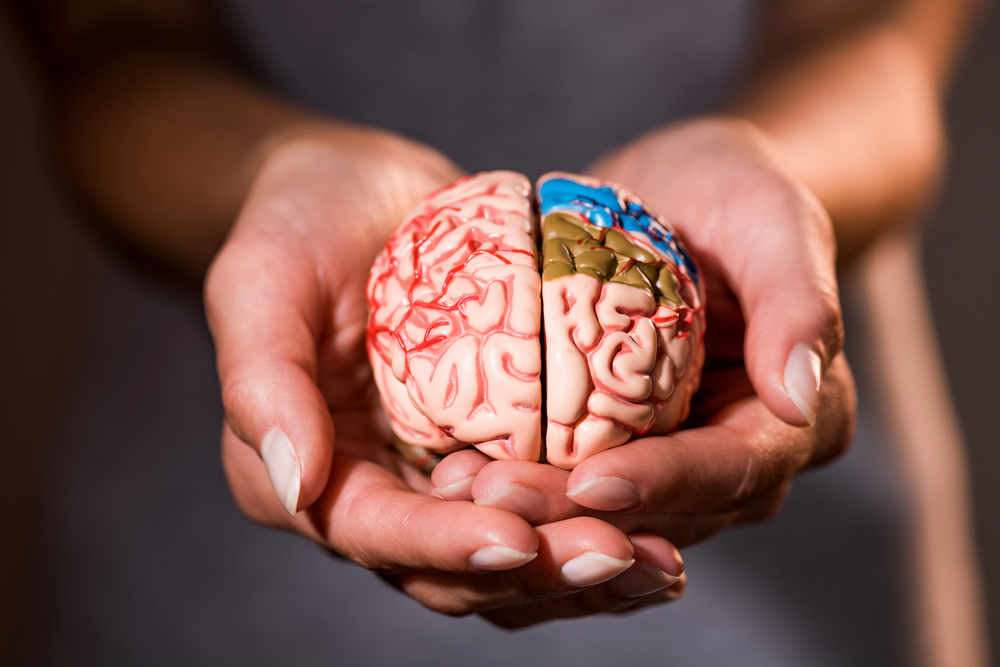
It went viral before anyone knew what that meant, popping up in films and talks meant to fire people up. Supposedly tapping into the unused 90% would turn you into Einstein overnight.
Scans of living brains paint another picture entirely. Nearly every area lights up now and then, depending on the task at hand.
Break even a tiny section? Chances are something stops working right – clear proof nothing lies dormant without reason.
Pluto Is A Planet
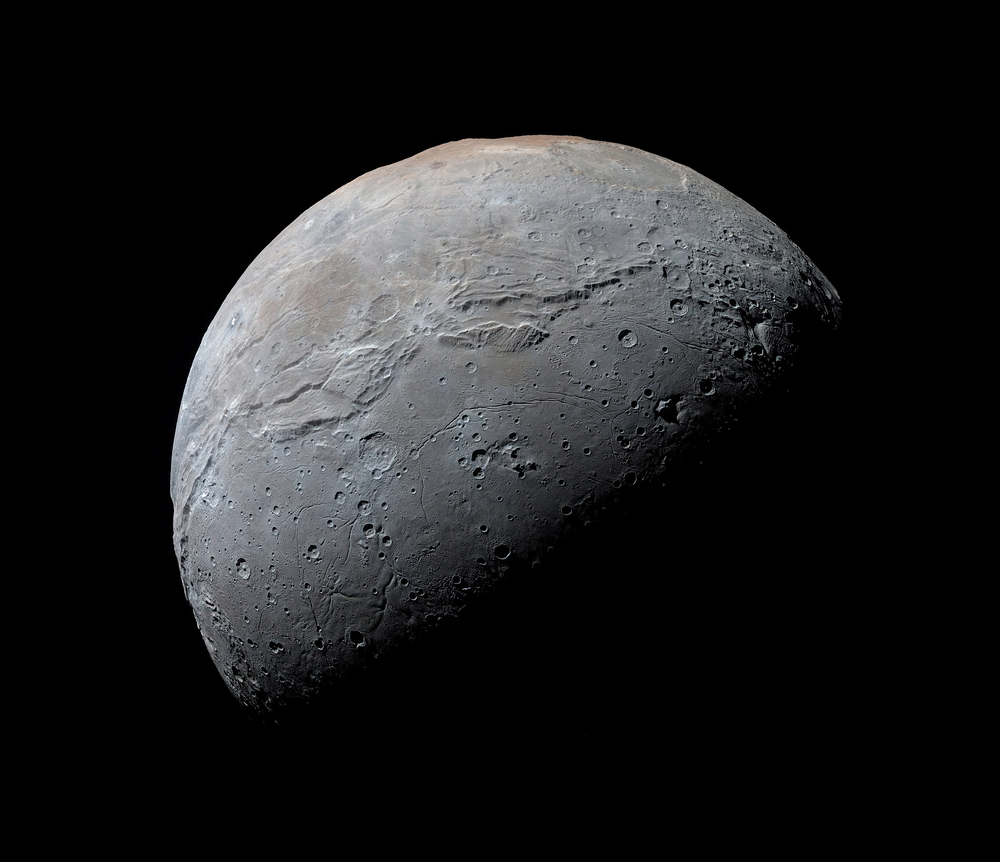
Seventy six years passed with kids learning Pluto as number nine among planets. Found in 1930, it earned that title fast, almost without question.
Yet better scopes brought new sights – more bodies like Pluto past Neptune started showing up. Because of those finds, experts faced a choice by 2006.
The official group guiding star names changed the rules for being called a planet; Pluto missed meeting them, so now it holds a lesser label.
Lightning Never Strikes The Same Place Twice
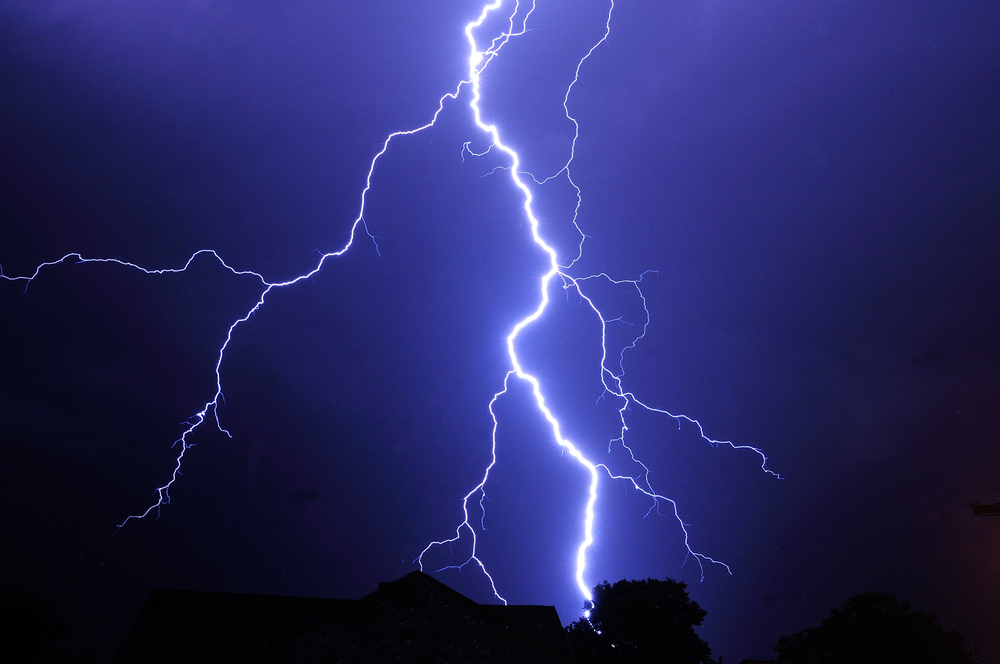
This saying caught on quickly, yet folks began twisting its meaning – claiming misfortune won’t hit twice. Truth is, lightning hits identical spots again and again, sometimes on purpose.
Year after year, the Empire State Building takes a strike twenty to twenty-five times. Height pulls voltage down; skyscrapers, trees, masts – they’re magnets due to charge shifts between sky and earth.
The Great Wall Of China Can Be Seen From Space

People heard it again and again – guides said it, schools passed it on, even quiz books listed it like fact. It seemed believable: one human-built thing visible from the moon just by looking.
Yet those who’ve actually been there say it simply isn’t so. Stretching far, yes – but also thin, only about 15 to 30 feet across – it fades when viewed from orbit without aid.
Bloodletting Cures Illness

Since long before modern medicine, physicians thought pulling blood from someone could wash illness away while bringing harmony back inside. Rooted in old Greek teachings, they held that four fluids within ruled health, their mix vital.
Cuts made with blades or hungry leeches pulled out pints – sometimes pushing sick people closer to death. Take America’s first president: too much blood likely sped up his final hours after falling ill.
Dinosaurs Were Slow, Cold-Blooded Reptiles
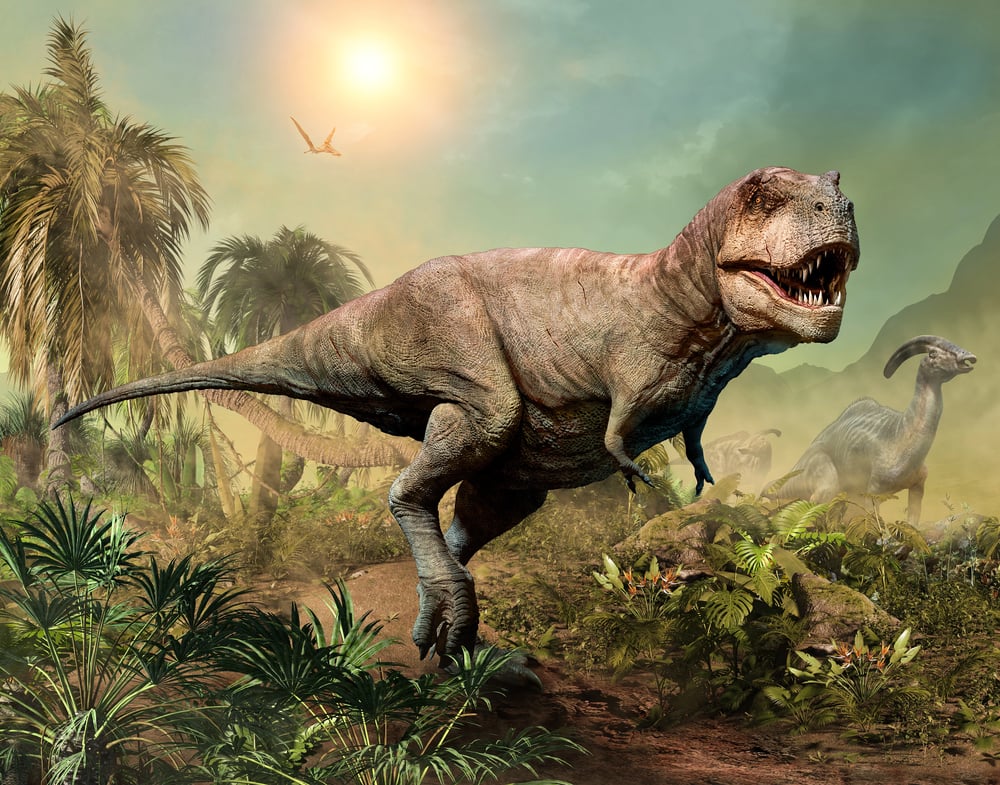
Old illustrations showed dinosaurs dragging their tails on the ground, moving slowly like giant lizards in the sun. Science classrooms ran with this image for decades, treating dinosaurs as oversized, sluggish reptiles.
Fossil evidence and bone analysis have since revealed that many dinosaurs were warm-blooded, fast, and far more active than anyone imagined. Many species also had feathers, which completely changed how scientists and artists now picture them.
The Tongue Has Separate Taste Zones

Most people who went through school in the 20th century saw a diagram of the tongue divided into neat sections, one for sweet, one for salty, one for sour, and one for bitter. It came from a mistranslation of a German scientific paper published in 1901.
The truth is that taste receptors for all flavors are spread across the entire tongue, not locked into specific zones. Scientists have also since added a fifth taste, called umami, which was not even part of the original map.
Space Is Completely Silent
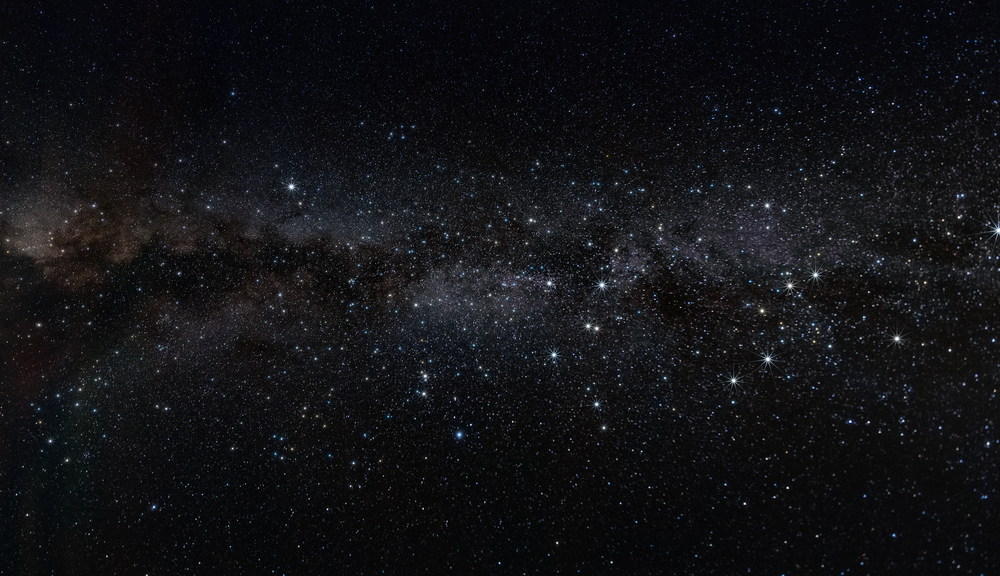
The idea that space is total silence became a firm scientific statement and later a famous movie tagline. It is true that sound waves cannot travel through the vacuum of space the way they do through air.
However, scientists have detected pressure waves in space, particularly in gas clouds and around the great abyss. NASA even converted some of these waves into audio frequencies, and what came out was genuinely unsettling.
Atoms Are The Smallest Things In Existence
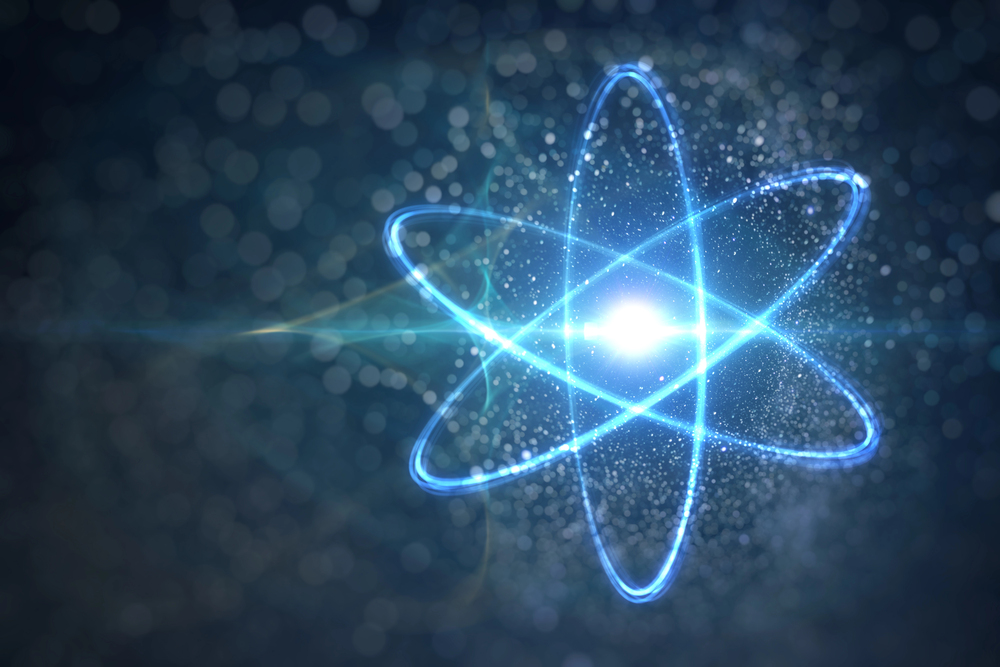
When atoms were first described in the early 1800s, the concept was that everything in the universe was made of these tiny, indivisible building blocks. For a while, that held up.
Then came the discovery of electrons in 1897, followed by protons and neutrons, and eventually quarks and neutrinos. Today, physicists know that atoms are made of many smaller particles, and the search for the truly smallest unit of matter is still ongoing.
People In The Middle Ages Thought The Earth Was Flat

This is a scientific myth about a historical myth. Modern people assumed that medieval Europeans must have believed in a flat Earth, and this idea got repeated so often that it felt like history.
In fact, educated people in the Middle Ages knew perfectly well that the Earth was round. Greek scholars had calculated the Earth’s circumference centuries earlier, and that knowledge was widely available in medieval universities.
Vitamin C Cures The Common Cold

This belief exploded in popularity after Nobel Prize-winning chemist Linus Pauling promoted it heavily in the 1970s. His reputation carried so much weight that people stocked up on vitamin C supplements at the first sign of a sneezing spell.
Large-scale studies conducted since then show that vitamin C does not prevent colds in most people. It might slightly shorten the duration for some, but it is not the cure it was once claimed to be.
The Brontosaurus Existed
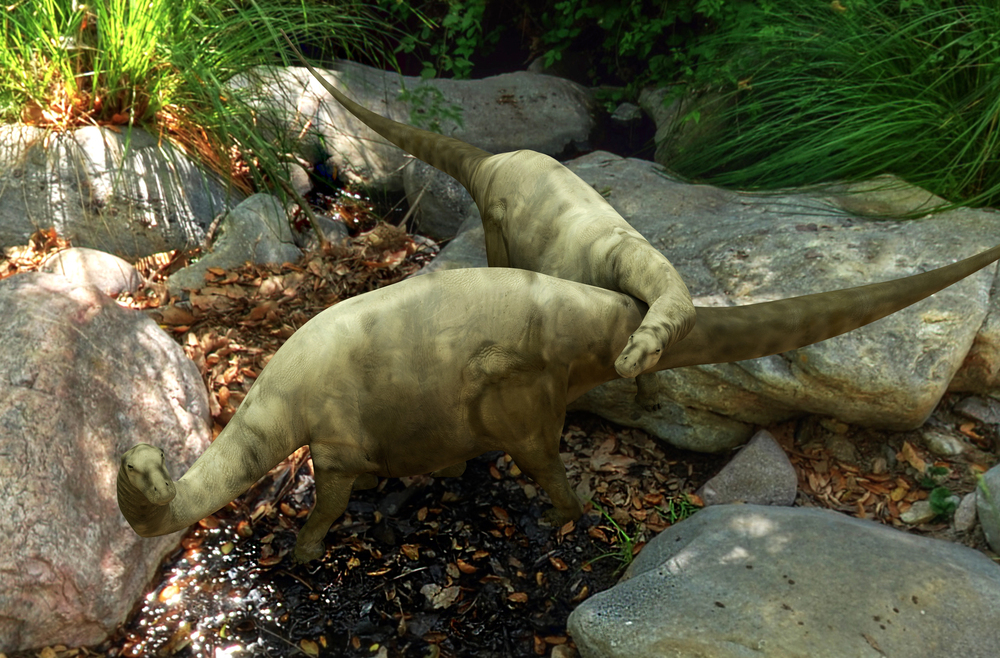
The brontosaurus was one of the most recognized dinosaurs in the world, featured in museum displays, cartoons, and even on a U.S. postage stamp. The problem is that in 1903, scientists discovered the original fossil was actually a mix-up, combining the body of one dinosaur species with the head of another.
It was reclassified and the name was officially dropped. In a plot twist worthy of a courtroom drama, a 2015 study re-examined the fossils and concluded that the brontosaurus might actually deserve its own species category after all.
Carrots Improve Your Eyesight

Eating carrots will not give anyone superhuman night vision, no matter how many they finish at dinner. This ‘fact’ traces back to a British propaganda campaign during World War II, designed to hide the fact that the Royal Air Force was using radar technology to intercept enemy planes at night.
Officials credited their pilots’ success to a carrot-heavy diet to keep the radar secret. Carrots do contain vitamin A, which supports normal eye function, but they cannot fix poor eyesight or improve vision beyond what is already healthy.
Humans Evolved From Chimpanzees
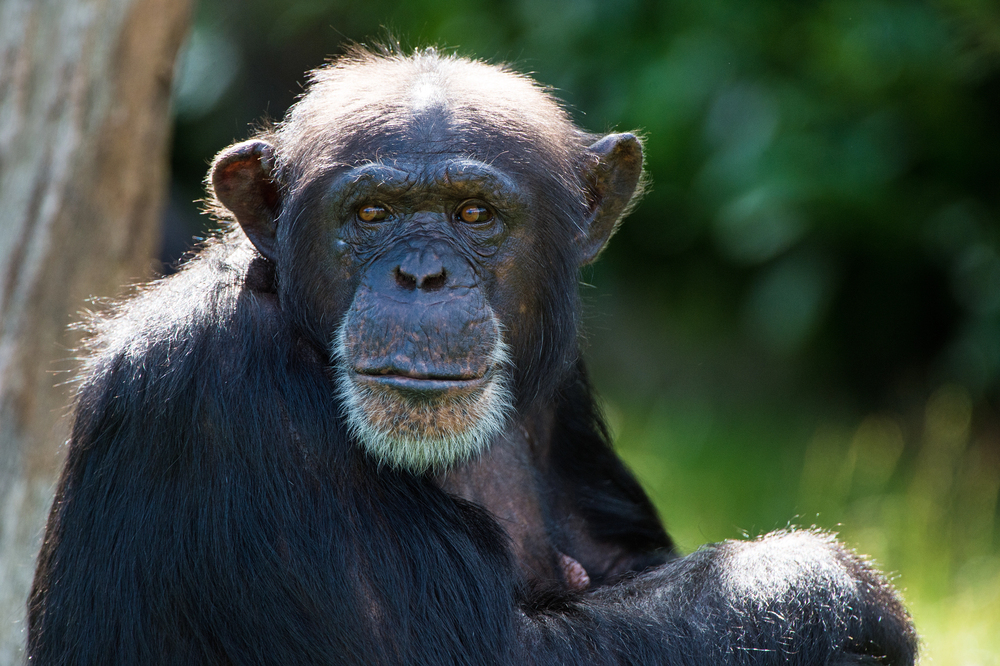
This misunderstanding has frustrated biologists for a long time. Many people heard ‘humans and chimps share a common ancestor’ and simplified it into ‘humans came from chimps.’
Those are two very different statements. Modern chimpanzees did not turn into humans.
Instead, both species descended from a shared ancestor that lived millions of years ago, a creature that looked like neither of today’s species.
The Universe Is Static And Unchanging
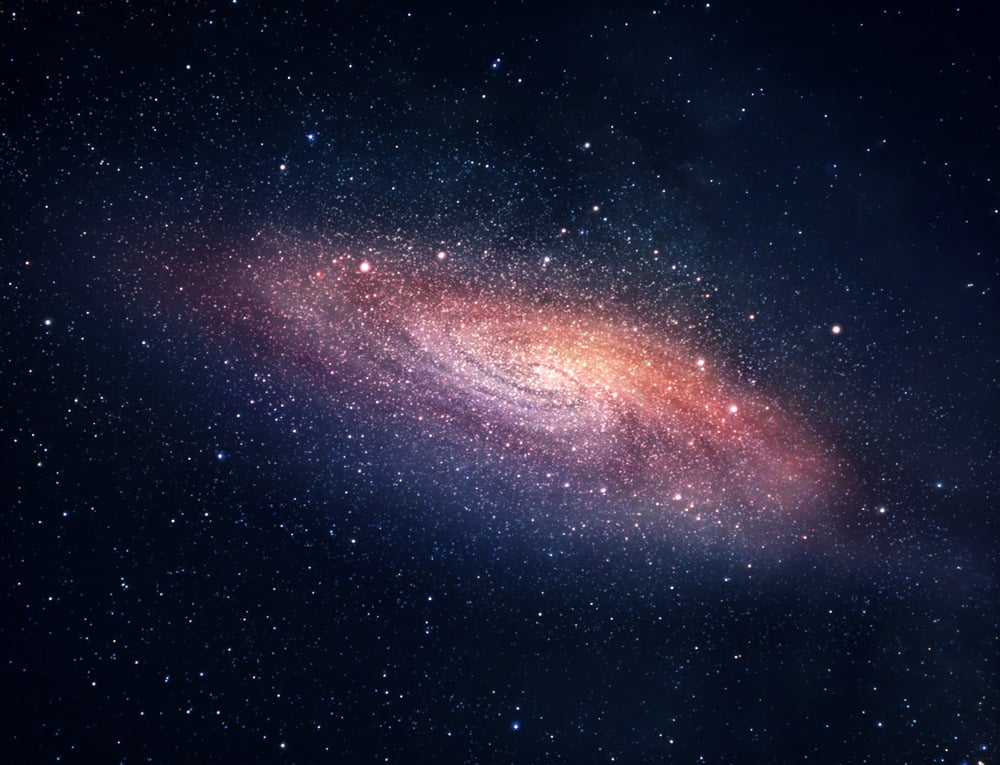
Albert Einstein himself believed this for a time, and he even added a term to his equations just to make his math support a static universe. When Edwin Hubble observed in 1929 that galaxies were moving away from Earth in every direction, it became clear that the universe was expanding.
Einstein later called his adjustment ‘the biggest mistake’ of his career. Today, scientists know not only that the universe is expanding but that the expansion is actually speeding up.
What Wrong Facts Teach Us
Science does not fail when it gets something wrong. It fails only when it refuses to change.
Every correction on this list came from someone who looked at the accepted answer and decided to question it anyway. That kind of stubborn curiosity is what makes science worth trusting, not because it is always right, but because it keeps working to get there.
The next batch of ‘facts’ being taught today will probably look just as outdated to people reading about them a century from now.
More from Go2Tutors!

- The Romanov Crown Jewels and Their Tragic Fate
- 13 Historical Mysteries That Science Still Can’t Solve
- Famous Hoaxes That Fooled the World for Years
- 15 Child Stars with Tragic Adult Lives
- 16 Famous Jewelry Pieces in History
Like Go2Tutors’s content? Follow us on MSN.