Legendary Voices Behind Your Favorite Cartoons
There’s a moment every kid has — sitting cross-legged in front of the TV, completely absorbed in a cartoon, when the characters feel as real as anyone in the room. The animation does some of that work, sure.
But the voice does most of it. A great voice actor can make you believe in a talking rabbit, a sponge who flips burgers, or a pig who stutters his way through every sentence.
These are the people who made that happen.
Mel Blanc: The Man of a Thousand Voices
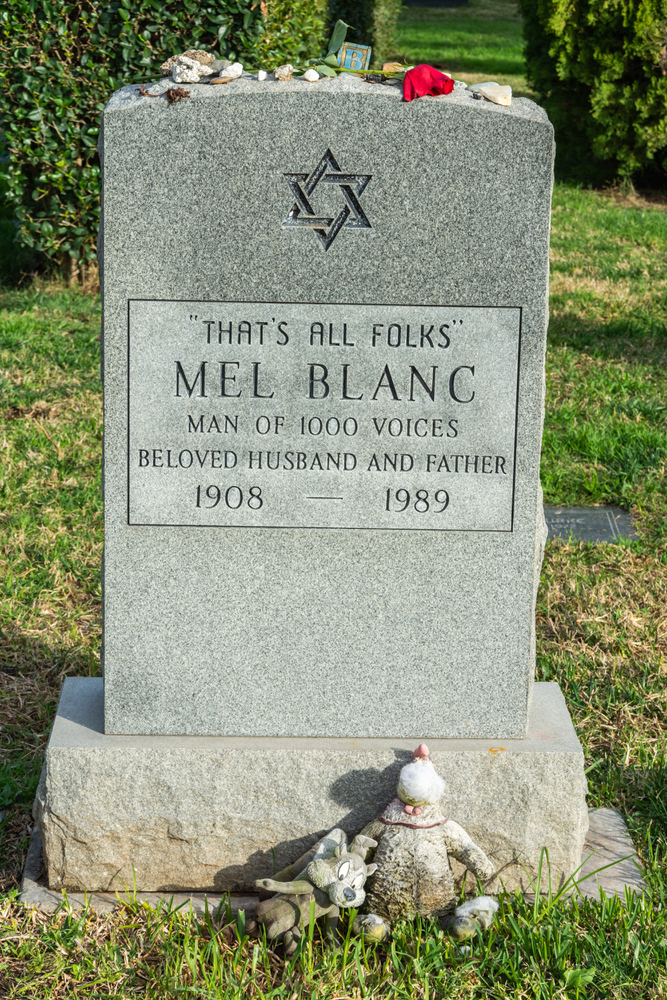
Before anyone else, there was Mel Blanc. He voiced Bugs Bunny, Daffy Duck, Porky Pig, Tweety Bird, Sylvester the Cat, Yosemite Sam, and dozens of other Looney Tunes characters — often in the same short, often in scenes where those characters argued with each other.
He did it for decades, and almost all of it live, without the kind of editing tools that exist today.
When Blanc was in a serious car accident in 1961 and fell into a coma, doctors struggled to reach him. A neurologist reportedly tried talking to Bugs Bunny instead, and Blanc responded in character.
The story sounds almost too good to be true, but it stuck because it captures something real about how completely he inhabited those voices. He kept working until nearly the end of his life.
His gravestone reads: “That’s all, folks.”
Nancy Cartwright and the Boy Who Never Ages
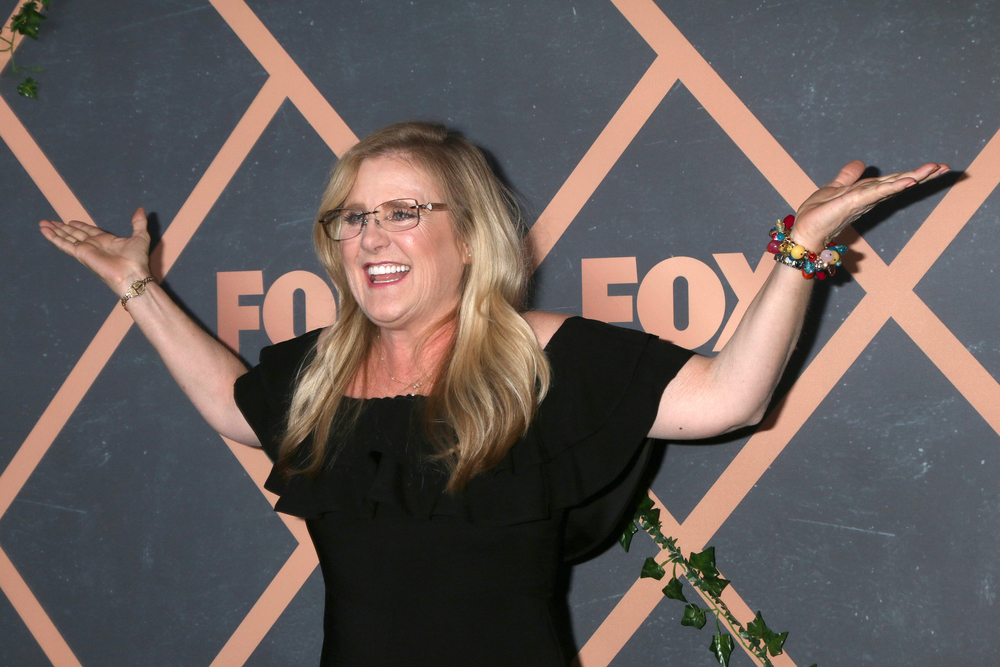
Bart Simpson first aired in 1989. Nancy Cartwright has voiced him ever since.
That’s over three decades of “Eat my shorts” and “Don’t have a cow, man” coming from the same person — a woman in her sixties playing a ten-year-old boy who has never once had a birthday.
Cartwright also voices several other Springfield residents, including Nelson, Todd Flanders, and Ralph Wiggum. She’s said that she originally auditioned for Lisa Simpson, but after reading the Bart sides, she knew that was her character.
The casting director reportedly felt the same way the moment she opened her mouth.
Dan Castellaneta: Homer’s Voice Has a Voice
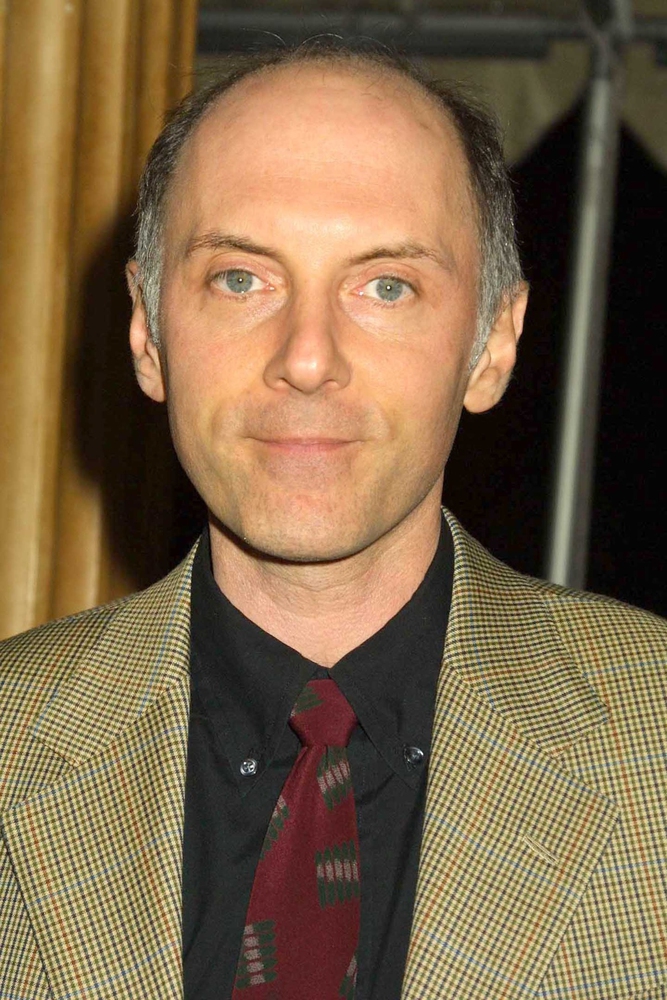
Dan Castellaneta is Homer Simpson. That’s the whole sentence.
But before Homer became one of the most recognized cartoon voices in history, Castellaneta was a stage actor doing improv in Chicago. He’s said that Homer’s voice started as an impression of Walter Matthau and evolved from there into something entirely its own.
Beyond Homer, Castellaneta also voices Grandpa Abe Simpson, Krusty the Clown, Sideshow Bob’s sidekick Bob, and a rotating cast of Springfield background characters. His range within a single show is remarkable, but Homer is the one people call out to him on the street.
Tara Strong: Everywhere, All at Once
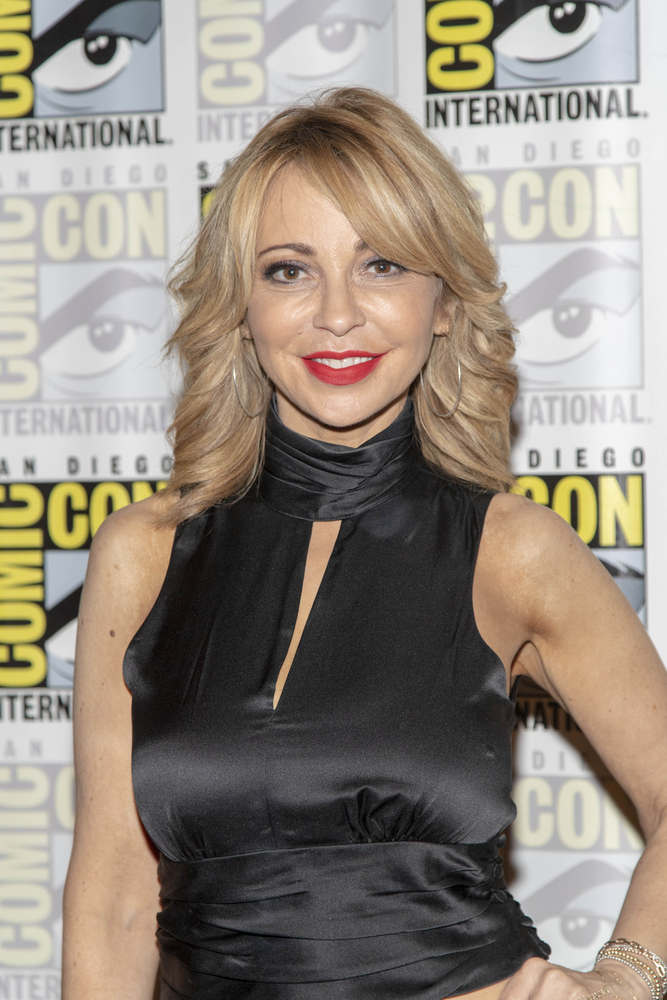
If you watched cartoons in the 1990s and 2000s, you heard Tara Strong constantly — even if you didn’t know it. She voiced Timmy Turner on The Fairly OddParents, Bubbles on The Powerpuff Girls, Dil Pickles on Rugrats, Raven on Teen Titans, and Twilight Sparkle on My Little Pony: Friendship Is Magic, among dozens of others.
Strong’s ability to shift from bright and bubbly to flat and deadpan to quietly emotional — sometimes within the same episode — made her one of the most in-demand actors in the industry. She’s still going.
Her credits list is long enough to be disorienting.
Tom Kenny and a Sponge Who Lives Under the Sea
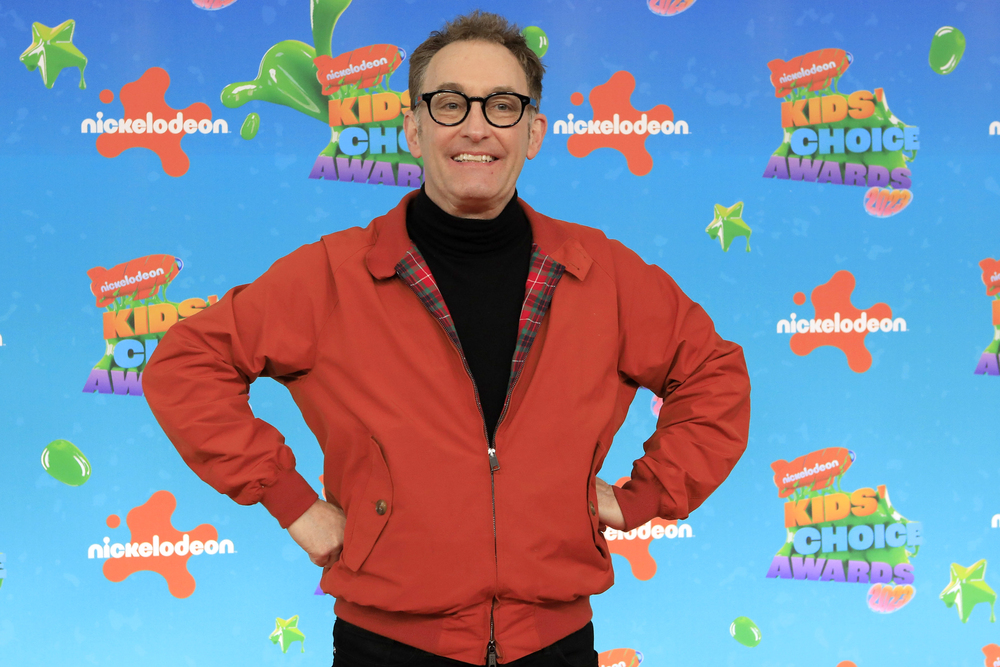
SpongeBob SquarePants premiered in 1999, and Tom Kenny has voiced the character in every episode, every movie, and every spin-off since. The voice — that high, eager, slightly unhinged optimism — is so specific that it’s hard to imagine anyone else doing it.
Kenny also voices the Narrator, Gary the snail’s meows, and Ice King from Adventure Time, which uses a completely different register. The contrast between SpongeBob and Ice King alone shows how much range hides inside a single actor.
He’s described SpongeBob’s voice as coming from a mental image of a young J. Lewis crossed with a used car salesman who loves his job too much.
Jim Cummings: The Voice in the Hundred Acre Wood
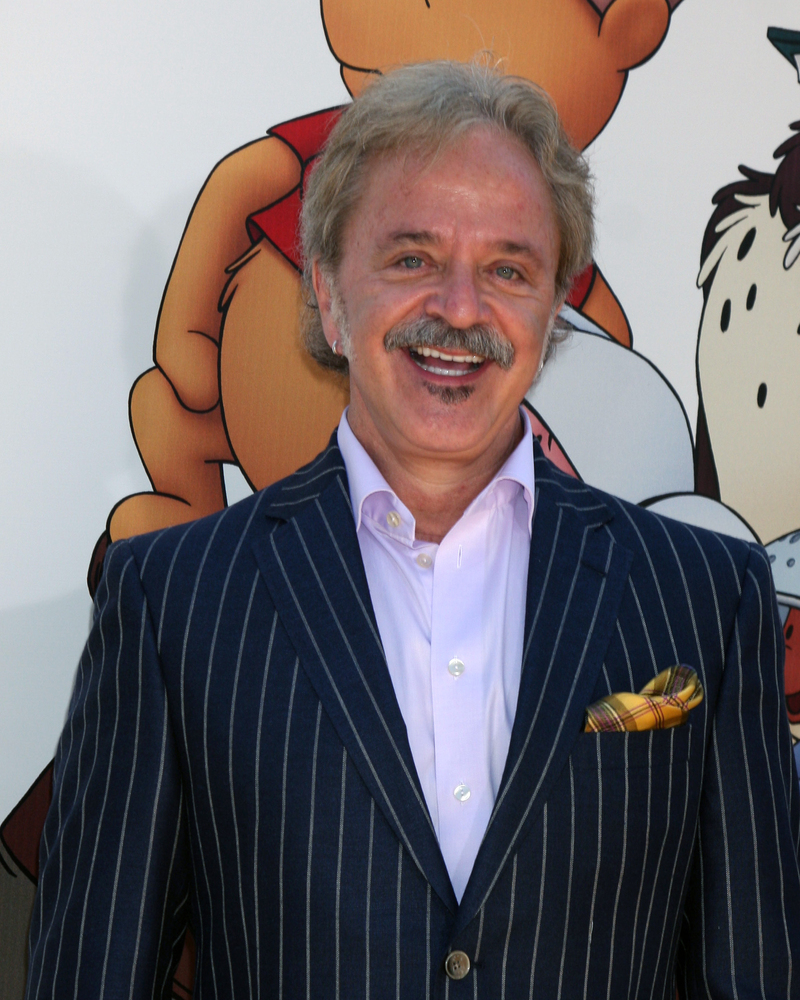
Jim Cummings has voiced Winnie the Pooh since 1988 and Tigger since the early 1990s, stepping into roles originally created by Sterling Holloway and Paul Winchell. He’s kept both voices warm and true through decades of projects, including the 2018 live-action film Christopher Robin where he provided Pooh and Tigger’s voices opposite real actors on screen.
Cummings also voices Pete in Disney shorts, Darkwing Duck, Tasmanian Devil in various Looney Tunes revivals, and a substantial portion of DuckTales. He’s reportedly done voice work for over 400 productions.
What stands out is that despite the volume, the performances rarely feel like they’re phoning it in.
Frank Welker: The Record Nobody’s Broken
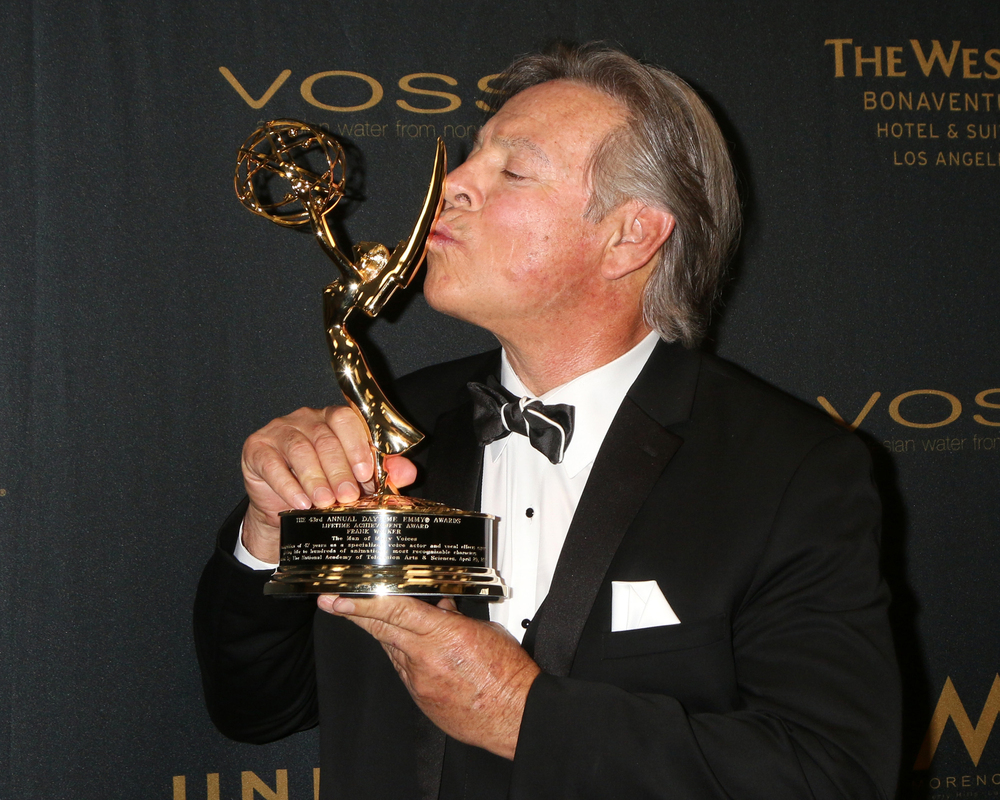
Frank Welker holds the record for the highest-grossing voice actor in history, a title made possible by decades of appearing in basically everything. He originally voiced Fred Jones on Scooby-Doo in 1969.
He later took over the role of Scooby-Doo himself after Don Messick’s passing, voicing both Fred and the dog in the same show.
Welker also originated the voice of Megatron in the original Transformers cartoon, then came back to voice him again in Michael Bay’s live-action films when Frank Welker replaced Hugo Weaving in the role. He’s voiced animals, robots, aliens, monsters, and supporting humans across almost every major animated franchise of the last fifty years.
June Foray: Before Anyone Called It an Art Form
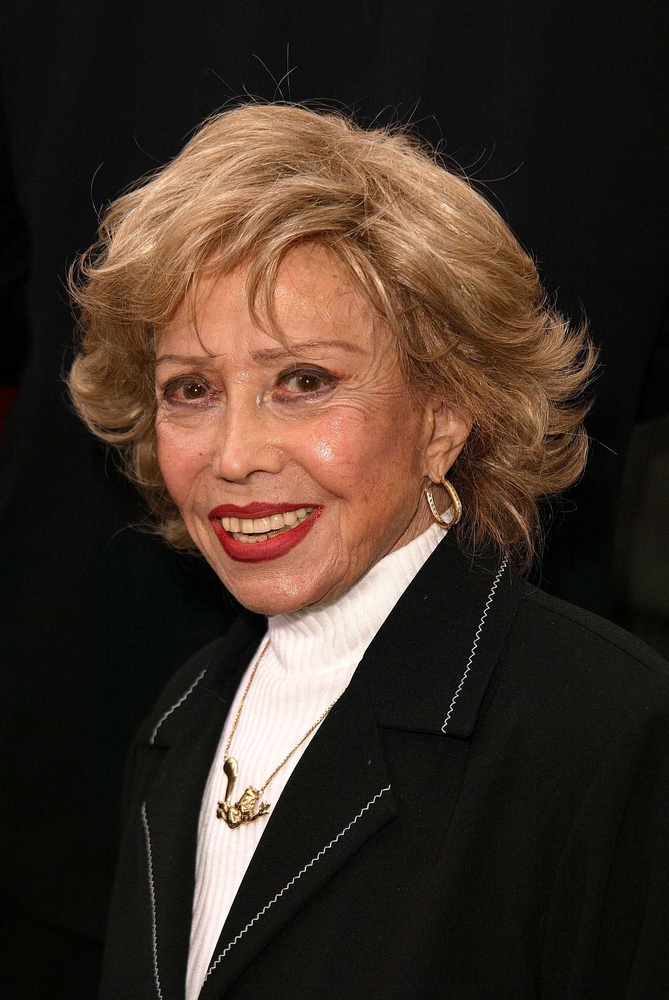
June Foray was doing this work before most people considered it a craft worth taking seriously. She voiced Rocky the Flying Squirrel in The Rocky and Bullwinkle Show, Witch Hazel in Looney Tunes and Disney shorts, Cinderella’s stepsisters, Granny in early Looney Tunes productions, and Jokey Smurf, among countless others.
She kept working into her nineties and passed away in 2017 at 99. She was instrumental in establishing the Annie Awards, which recognize achievement in animation.
For a long time, voice actors weren’t eligible for the Emmys — Foray fought that, too. She’s often called the “first lady of voice acting,” which undersells her influence on the industry itself.
Billy West: Two Heads, One Actor
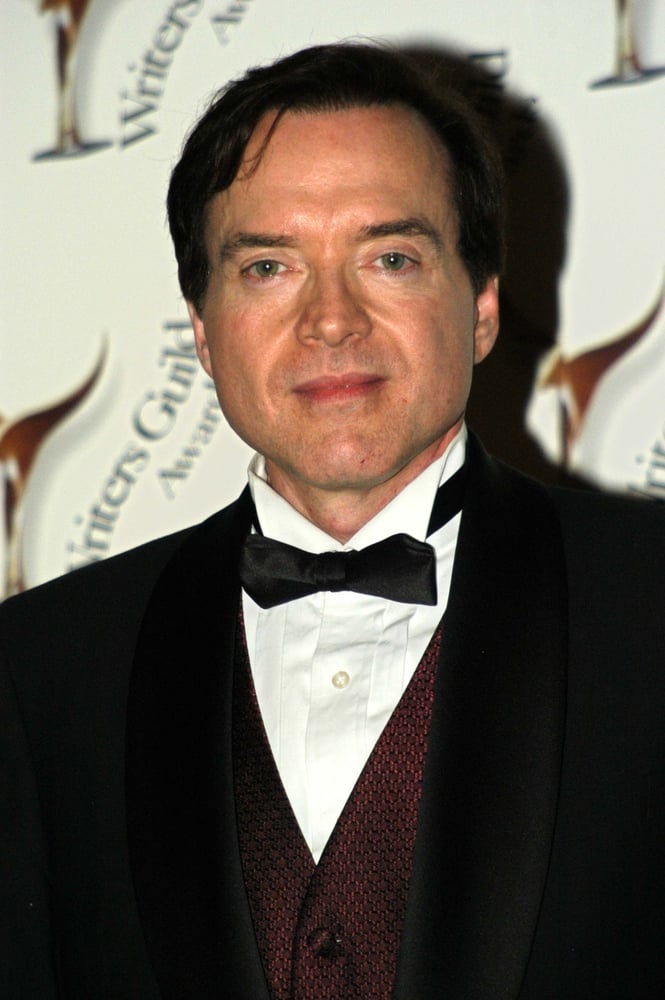
Futurama gave Billy West one of voice acting’s great challenges: playing both Philip J. Fry, the show’s lovable slacker protagonist, and Professor Farnsworth, his ancient, half-confused ancestor. West also voiced Zapp Brannigan and Kif Kroker in the same show, making him responsible for a substantial portion of the dialogue in almost every episode.
Before Futurama, West voiced Stimpy on Ren & Stimpy, Bugs Bunny in various 1990s productions, and the Red M&M in commercials that ran for years. His background was in radio, and it shows — he understands timing the way actors who came up on stage sometimes don’t.
Rob Paulsen: Pinky and Almost Everyone Else
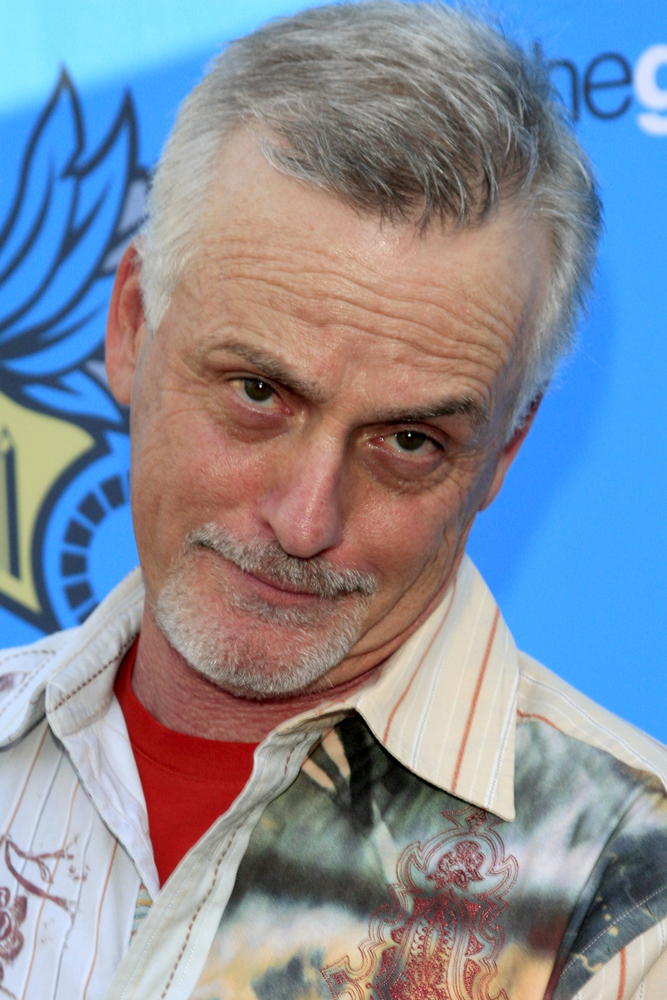
Rob Paulsen voiced Raphael in the original Teenage Mutant Ninja Turtles cartoon, then came back decades later to voice Donatello in the 2012 reboot — a rare case of an actor returning to a franchise in a completely different role. In between, he played Pinky in Pinky and the Brain, Yakko Warner in Animaniacs, and Numbuh 86 in Codename: Kids Next Door, among many others.
His podcast, Talkin’ Toons, brought him into direct conversation with fans and fellow voice actors, and it helped a generation of listeners understand what actually goes into the work.
He’s talked openly about a cancer diagnosis he received and recovered from, and his career kept going without interruption.
Grey Griffin: From Daphne to Azula
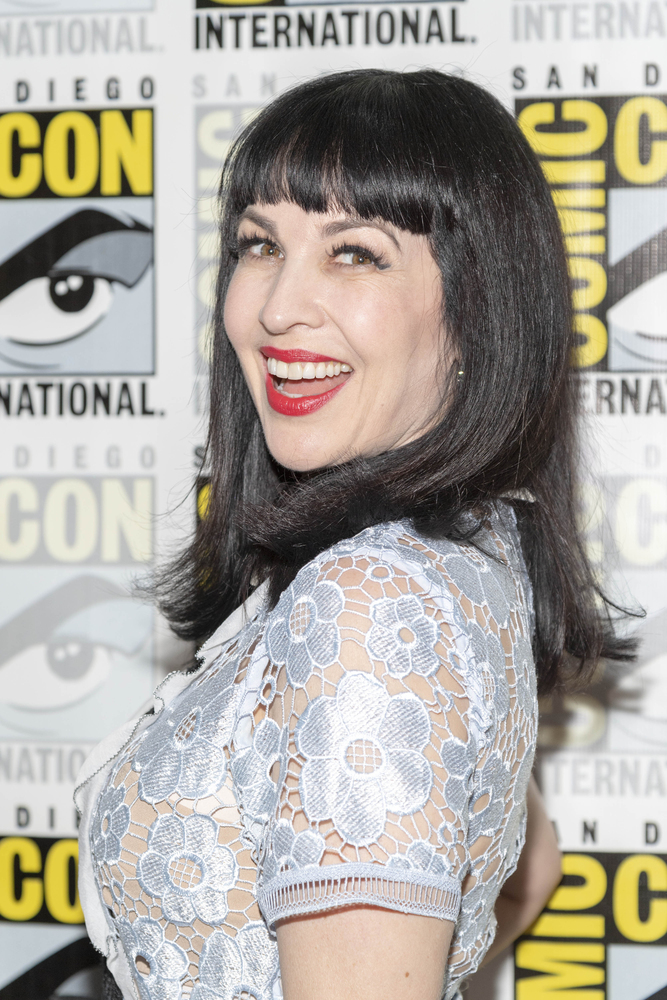
Grey Griffin, who sometimes performs under the name Grey DeLisle, has one of the widest ranges in the business. She voices Daphne on Scooby-Doo (taking over the role from Heather North), Azula on Avatar: The Last Airbender, Vicky on The Fairly OddParents, and a long list of video game characters.
The gap between Daphne’s cheerful adventurousness and Azula’s controlled menace gives you a sense of what she can do.
She’s also a singer-songwriter, which isn’t uncommon among voice actors — musicians often develop the breath control and pitch awareness that voice work demands.
Cree Summer: Cartoon Royalty

Cree Summer’s voice is unmistakable once you’ve heard it — a specific kind of warm authority that can shift from playful to serious without losing its core. She voiced Susie Carmichael on Rugrats, Elmyra Duff on Tiny Toon Adventures, Penny on Inspector Gadget, and Hyena on The Lion King series, among many others.
She grew up partly on the set of A Different World, where she played Freddie Brooks as a live-action actress, but voice work became her primary craft.
She’s said that cartoon characters require the same emotional truth as any other performance — just without the safety net of a face.
Don Messick and the Dog Who Made Everything Work
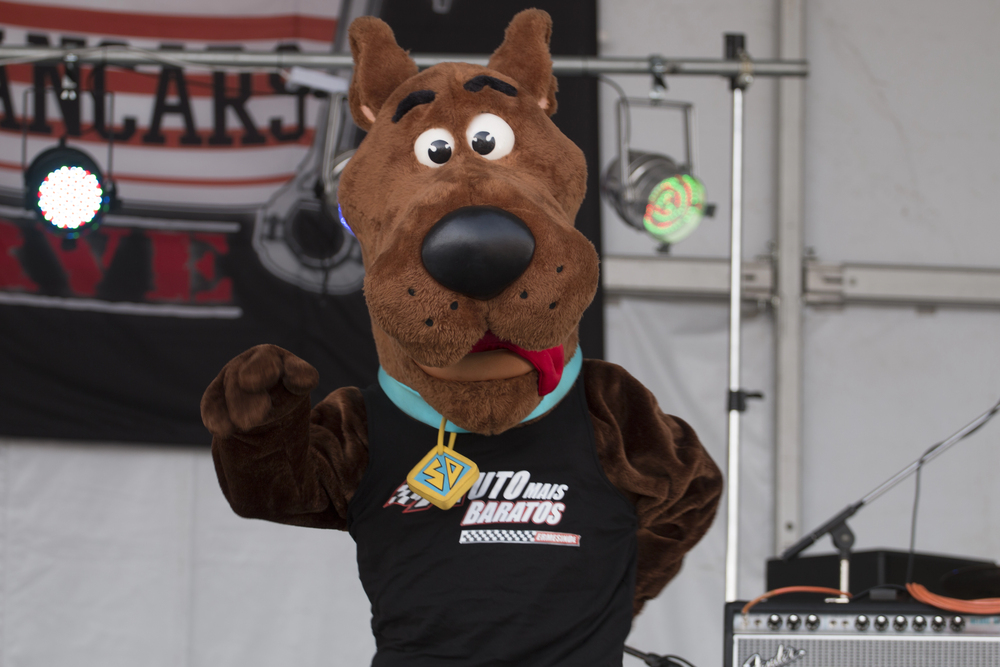
Don Messick created the voice of Scooby-Doo from scratch in 1969, building something that felt completely original — a Great Dane who spoke in a garbled, enthusiastic approximation of English, always slightly ahead of his own panic. The voice was technically complex: Messick added a kind of rolling R to the beginning of many words, giving Scooby a speech pattern that was both funny and weirdly endearing.
Messick also voiced Bamm-Bamm on The Flintstones, Boo-Boo Bear, Astro on The Jetsons, and Papa Smurf. He worked consistently for decades before health issues forced his retirement in the mid-1990s.
Scooby-Doo has continued without him, but every actor who’s taken the role since has worked within the template Messick built.
Phil LaMarr: The Working Actor’s Working Actor
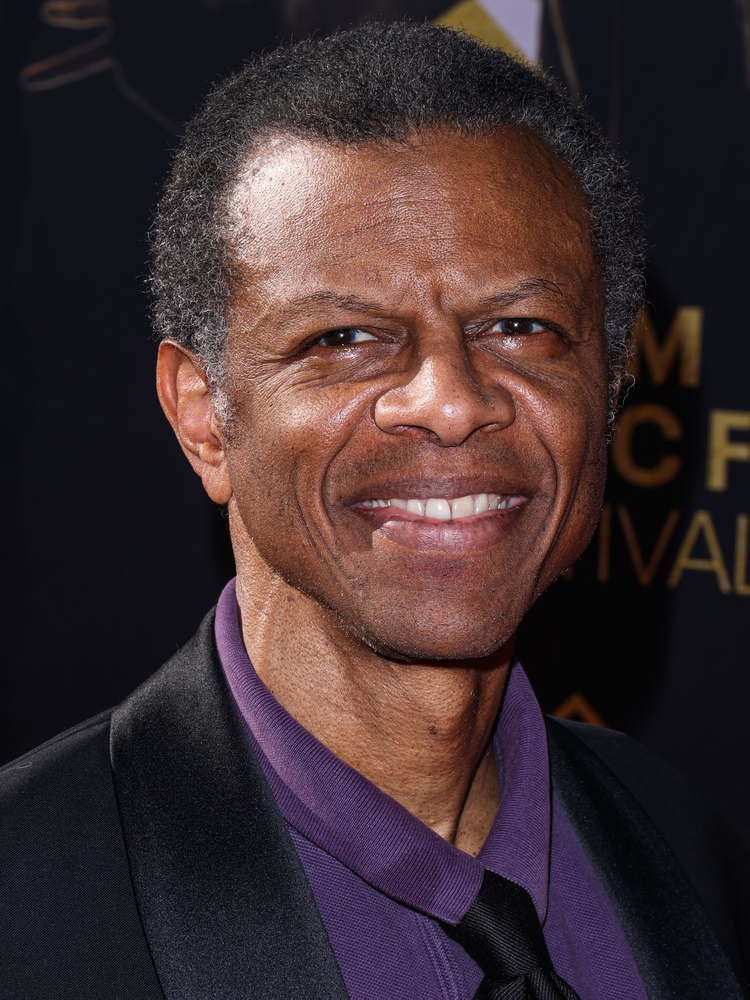
Phil LaMarr might be the most versatile actor on this list who gets the least amount of credit for it. He voiced Samurai Jack in the Genndy Tartakovsky series of the same name, John Stewart (Green Lantern) in Justice League, Hermes Conrad in Futurama, Marvin from Pulp Fiction in the video game Pulp Fiction: The Game, and a long list of video game characters including Vamp in Metal Gear Solid 2.
He’s also a live-action actor and one of the original cast members of MADtv. His range in voice work — hero, villain, comic relief, straight man — reflects someone who approaches every character as its own project rather than a variation on a default.
The Voice You Didn’t Know You Knew

Most people grow up with these voices in their ears without ever knowing who they are. You knew exactly who Bugs Bunny was.
You knew SpongeBob before you could spell your own last name. But the people who made those characters live and breathe — Mel Blanc recording Looney Tunes through a broken jaw wired shut after a car crash, Tom Kenny perfecting an eager sponge in a recording booth, June Foray fighting for her industry to be taken seriously — most of them worked in relative obscurity for most of their careers.
That’s changing slowly. Fans seek them out, podcasts interview them, and social media lets them speak directly to the people who grew up on their voices.
The work was always there. Now, finally, so are the names.
More from Go2Tutors!

- The Romanov Crown Jewels and Their Tragic Fate
- 13 Historical Mysteries That Science Still Can’t Solve
- Famous Hoaxes That Fooled the World for Years
- 15 Child Stars with Tragic Adult Lives
- 16 Famous Jewelry Pieces in History
Like Go2Tutors’s content? Follow us on MSN.