15 Animals That Survive Entirely Without Oxygen for Part of Their Life Cycle
For the majority of life on Earth, oxygen appears to be a necessity. For fundamental survival, almost all living things rely on this invisible gas, which is transformed into useful energy through cellular respiration, together with nutrients. However, doesn’t nature adore exceptions?
Some amazing animals have evolved the capacity to live entirely without oxygen at particular stages of their lives during the course of evolution. Let’s examine 15 remarkable animals that go against what we think is the basis for animal life.
Loriciferans
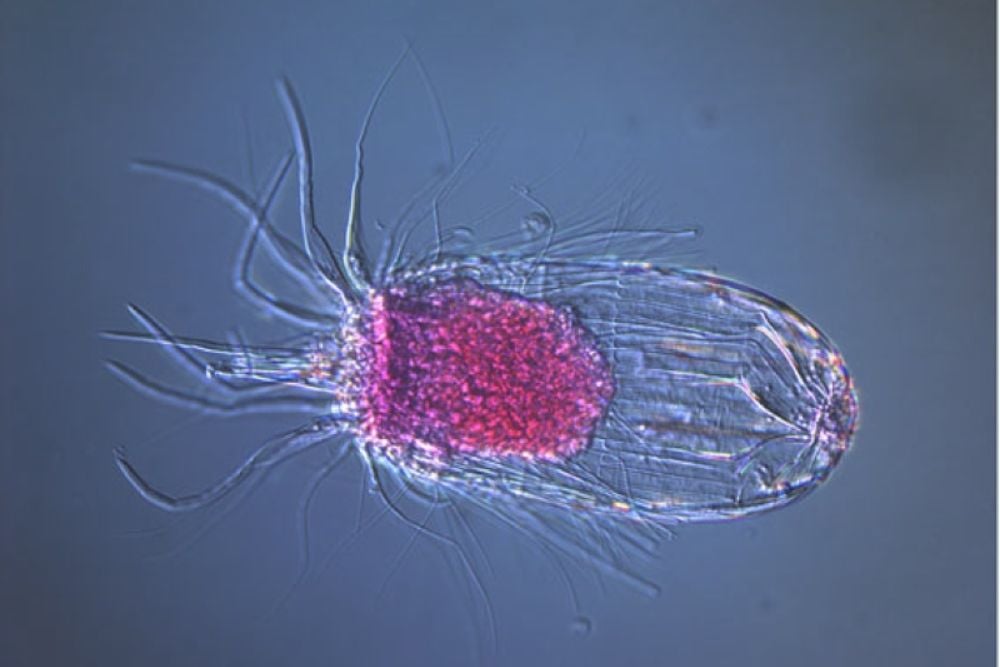
These tiny marine animals make their home in the Mediterranean Sea’s L’Atalante Basin – a place utterly devoid of oxygen that would kill most creatures instantly. Loriciferans somehow use hydrogen sulfide in place of oxygen within their cellular machinery.
Their mitochondria have undergone impressive modifications, functioning in this harsh environment much like an old vehicle converted to run on something other than conventional fuel.
Goldfish
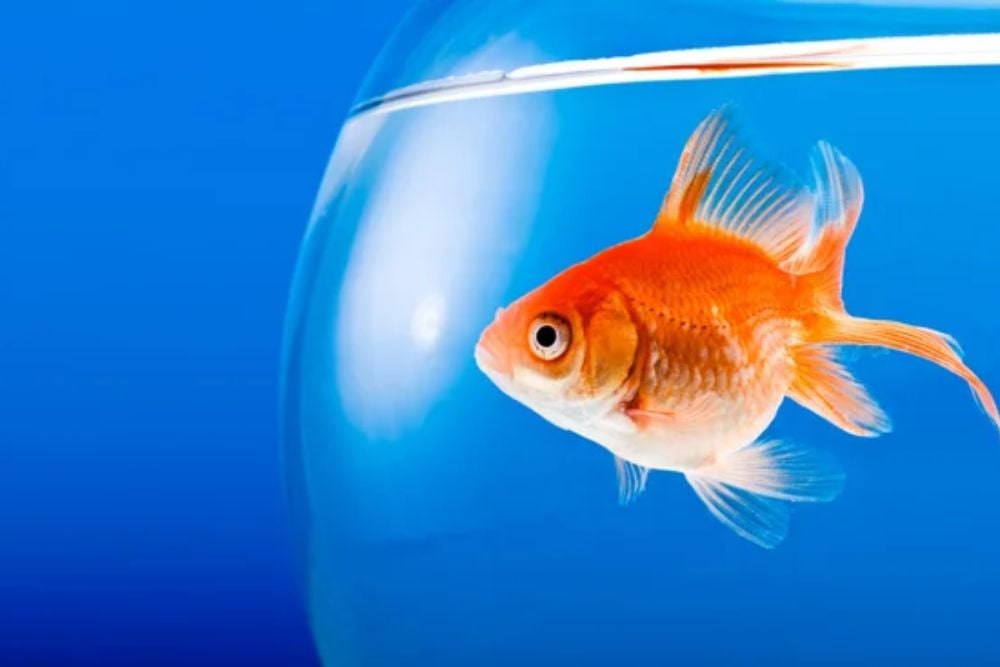
You might think of them as fragile pets, yet goldfish possess remarkable toughness regarding oxygen scarcity. When winter ice seals off their ponds from atmospheric oxygen, these common aquarium dwellers switch to producing alcohol instead of lactic acid during metabolism.
They’ll happily survive months in oxygen-poor conditions, essentially transforming themselves into living breweries throughout the coldest months.
Bar-headed Geese
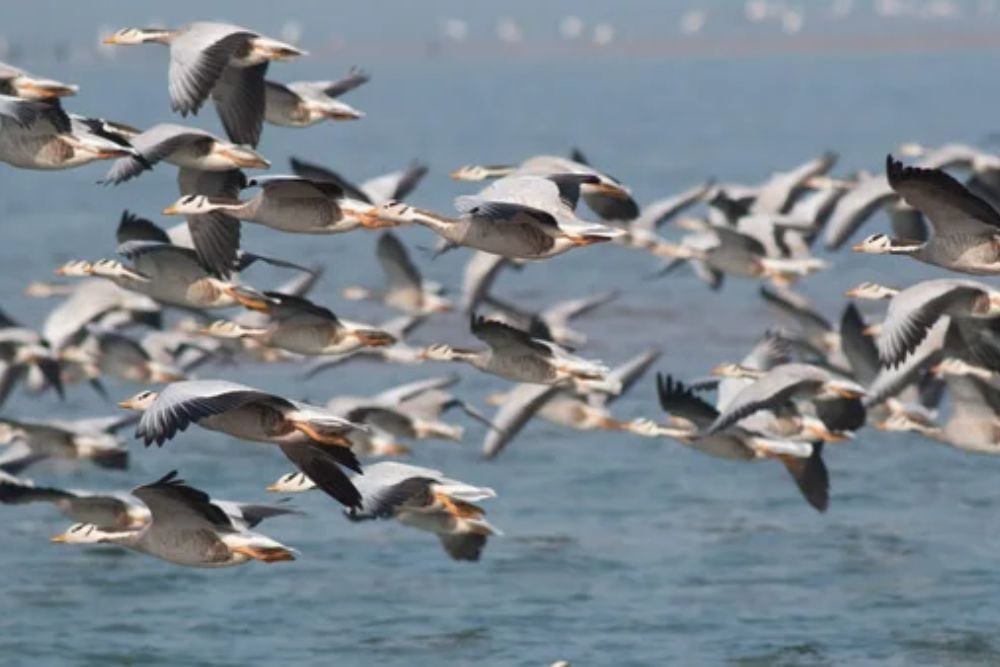
Flying across the Himalayas, these birds come across heights where oxygen levels fall to only one-third of sea-level concentrations. Over the course of these amazing travels, they enter regulated metabolic depression and momentarily power down some bodily processes.
Their hemoglobin operates with remarkable efficiency, almost like having an industrial-strength vacuum cleaner for collecting any leftover oxygen molecules in the thin air.
Crucian Carp
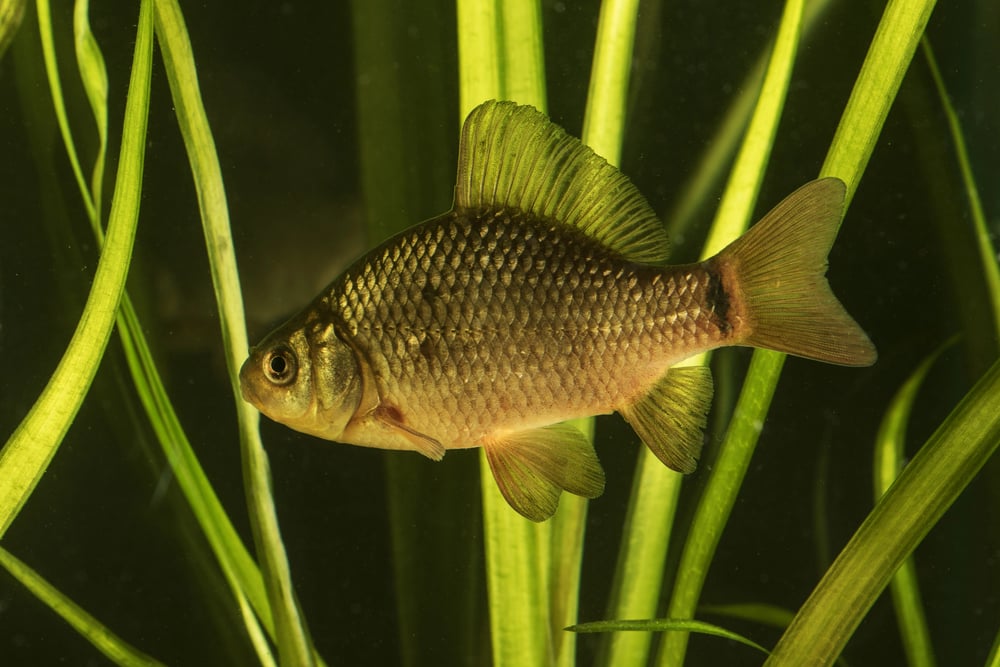
Related to goldfish though less famous, crucian carp tolerate months without oxygen in frozen-over waters. They’ll dramatically decrease physical movement while restructuring their gills to prevent losing precious ions.
Come springtime when ice recedes, they’ll switch back to normal oxygen processing as though nothing unusual happened during those oxygen-free months.
Naked Mole Rats
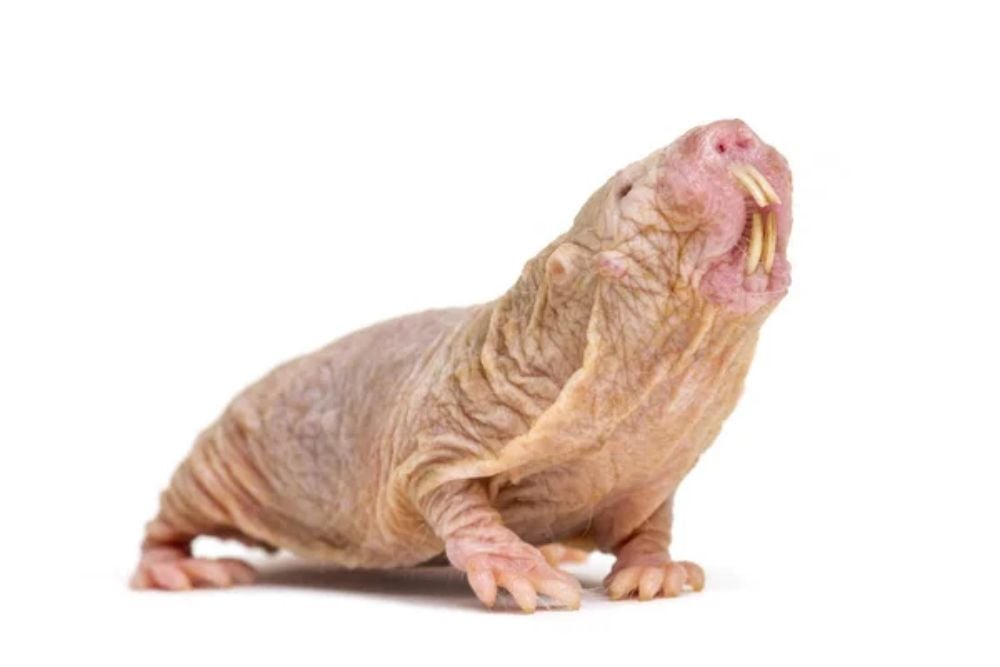
Living deep underground in poorly ventilated tunnels, these strange rodents survive zero-oxygen conditions for hours by metabolizing fructose rather than glucose. Their brain cells contain special protections against oxygen deprivation that would rapidly kill other mammals.
It’s comparable to having an emergency power system that kicks in automatically whenever the main supply fails
Red-eared Slider Turtles
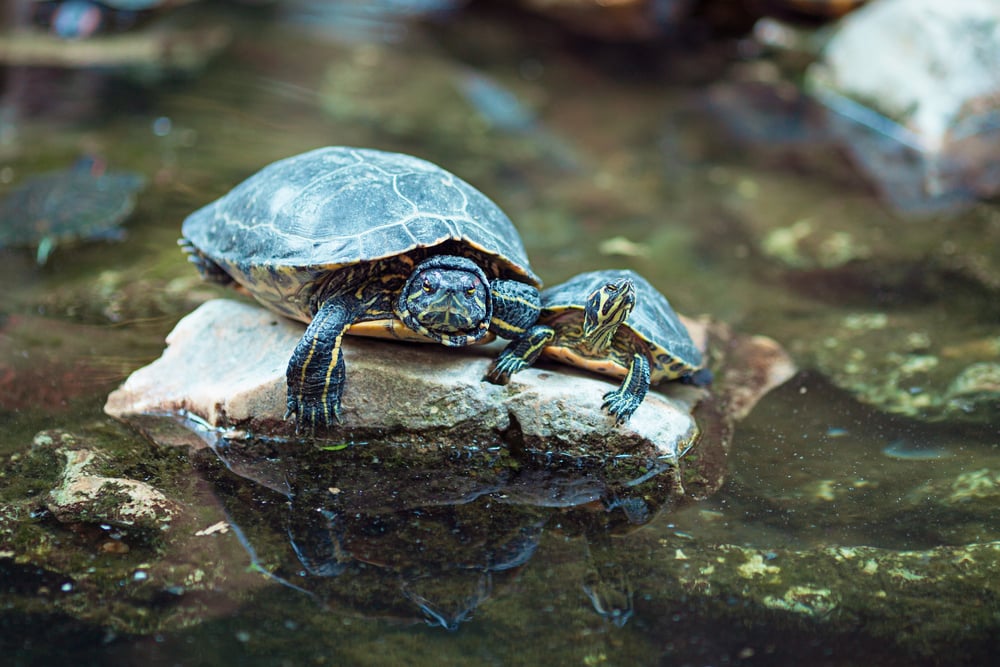
Popular as pets, these turtles demonstrate truly impressive adaptation to oxygen-free environments. During winter hibernation underwater, they’ll absorb trace amounts of oxygen through skin and cloaca while dramatically slowing metabolism.
They’ll even utilize calcium from their shells to neutralize acid buildup, essentially turning their own skeleton into a natural antacid tablet.
Brine Shrimp
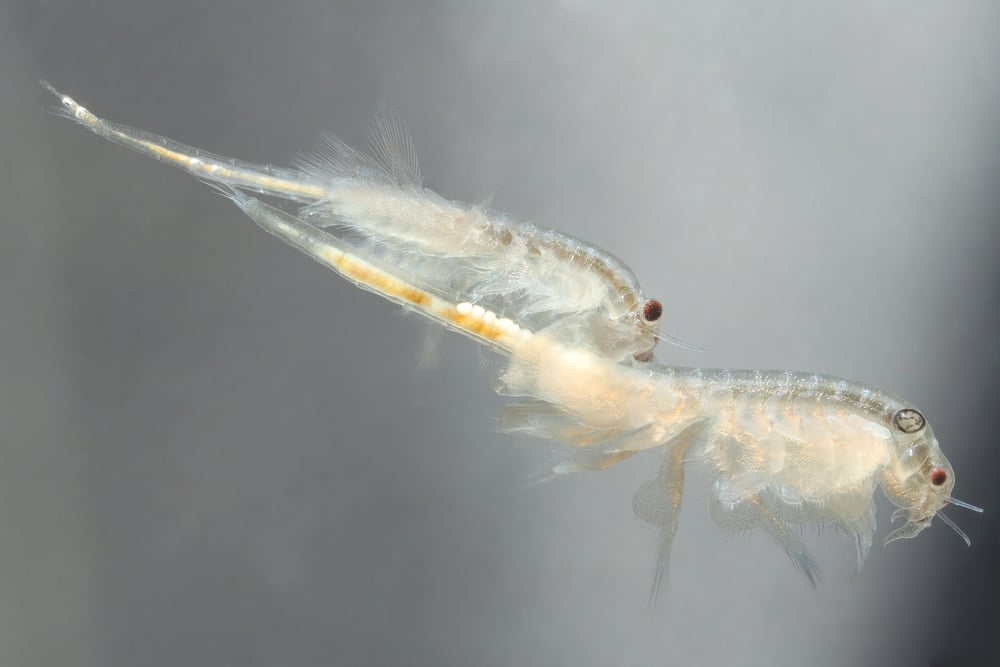
Brine shrimp eggs, which are frequently sold as “sea monkeys,” can survive for decades in the absence of oxygen. They won’t appear to be harmed by their prolonged hiatus and will resume development when circumstances inevitably improve.
Like pressing the ideal pause button on their entire developmental process, their embryos go into diapause, a state in which metabolic activity essentially pauses.
Nematodes
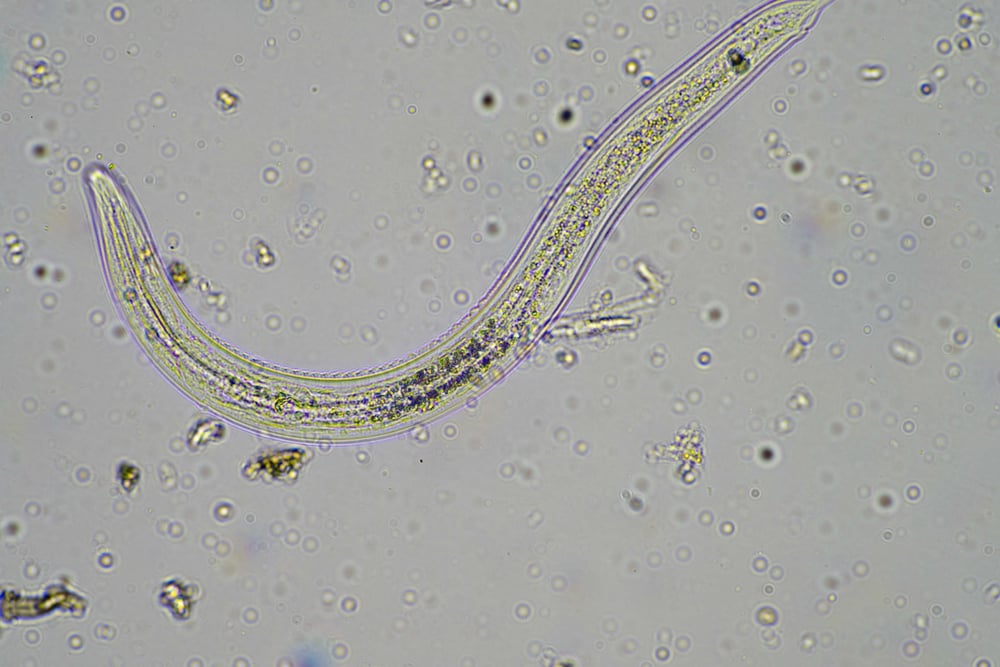
Several species of these microscopic roundworms survive in completely oxygen-free environments through suspended animation. The lab favorite C. elegans – widely studied by scientists – can drastically cut energy use and remain alive for days without oxygen.
Their cellular mechanisms shift to alternative metabolic pathways requiring zero oxygen input, showing remarkable biochemical flexibility.
Killifish Embryos
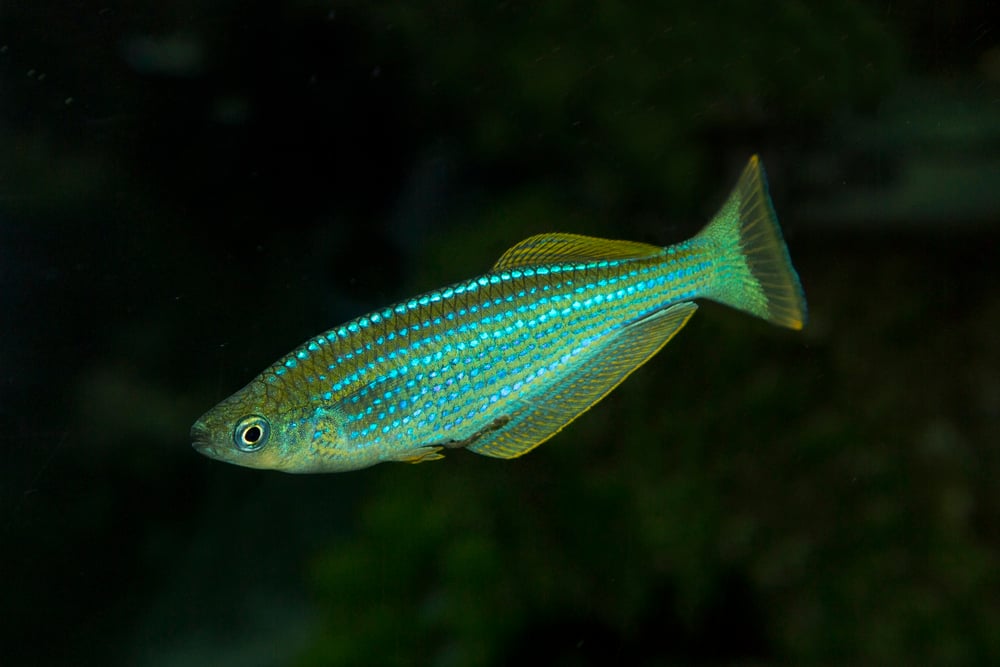
Certain killifish species produce embryos capable of surviving years in dried, oxygen-free mud. They enter anhydrobiosis – an extreme dormancy state where biological functions practically cease altogether.
Once rainfall returns, their development continues perfectly normally, displaying mastery of nature’s ultimate pause-and-resume survival strategy.
Tardigrades
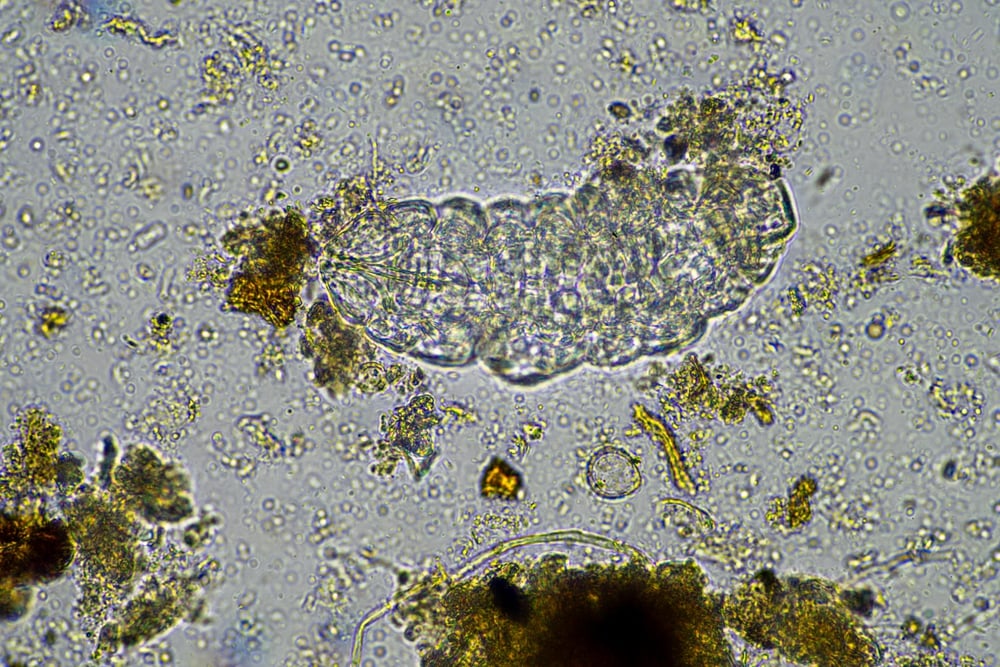
These microscopic “water bears” might well be Earth’s ultimate survivors. Facing oxygen deprivation – they enter cryptobiosis where metabolism slows to nearly undetectable levels.
They’ll persist in this state for decades before reviving when oxygen returns. Their cellular protection toolkit includes specialized proteins preventing damage during dormancy periods that would destroy most other organisms.
Painted Turtle Hatchlings
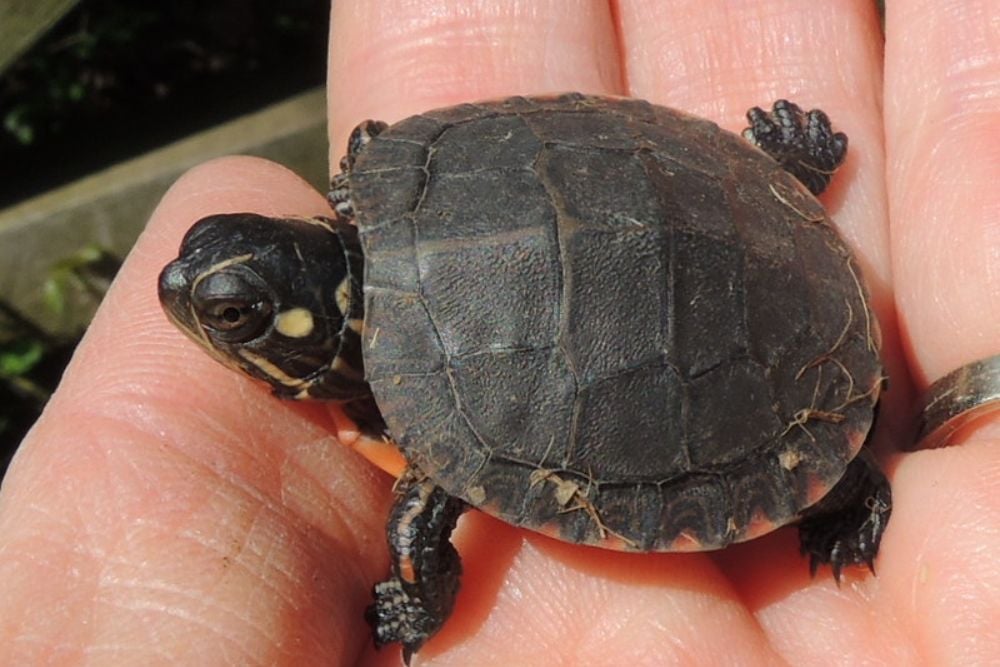
Newly emerged painted turtles survive winter in underground nests despite complete oxygen absence. They use stored energy reserves and specialized proteins that shield their brain tissues from damage.
Their hearts continue beating without oxygen while they tolerate acid levels that would kill most vertebrates almost instantly. These reptiles essentially come equipped with biological antifreeze and acid resistance from birth.
Spiny Water Fleas

These minuscule crustaceans lay eggs that remain dormant in oxygen-depleted lake sediments for decades without losing viability. The eggs contain remarkably high concentrations of protective compounds that prevent cellular deterioration during extended anoxia.
When environmental conditions finally improve, the eggs hatch and populations quickly recover, demonstrating nature’s patience and persistence against seemingly impossible odds.
Fairy Shrimp
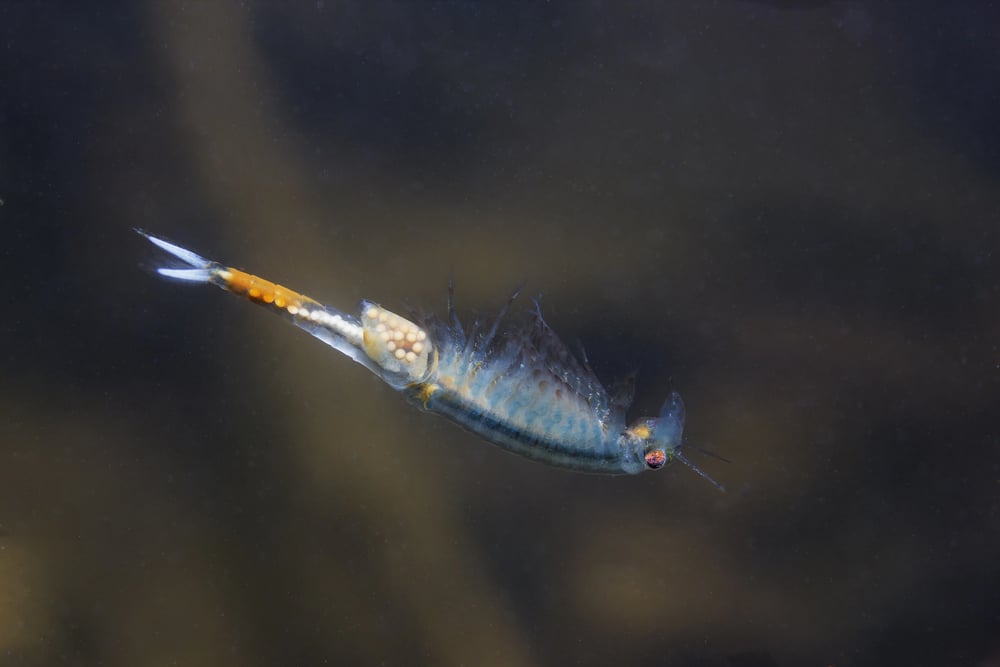
Related to brine shrimp, fairy shrimp inhabit temporary desert pools formed after rare rainfall events. Their eggs survive for years in completely dry, oxygen-free soil before hatching when water returns.
Inside each embryonic cell lie specialized organelles allowing minimal energy production without oxygen, functioning as self-contained survival capsules waiting for the precise moment to spring into action.
Certain Fish Embryos

Annual killifish and various minnow species produce embryos that pause development during oxygen-free periods without suffering harm. They enter diapause, where specialized cellular mechanisms protect against damage using antioxidant compounds and unique proteins.
When oxygen becomes available again, development resumes perfectly normally, showing no evidence of having endured oxygen-free interruption.
Parasitic Flatworms
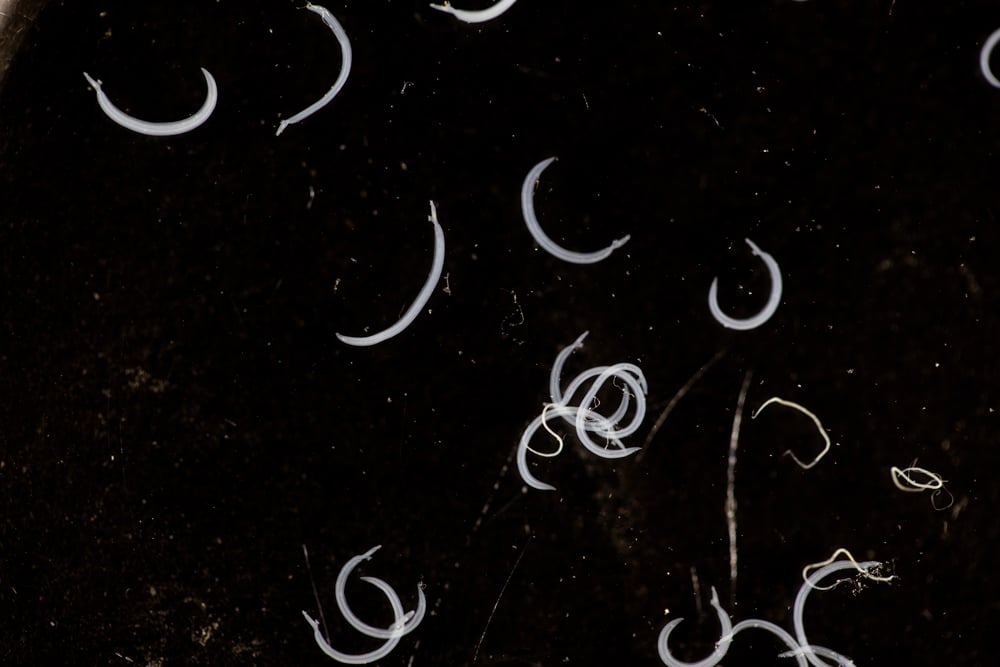
Many flatworm species, including common liver flukes, have complicated life cycles including phases thriving in totally oxygen-free settings like animal intestines. Using enzymes absent in oxygen-dependent creatures, they have developed anaerobic metabolic routes.
These different biochemical processes permit survival where normal oxygen-based metabolism would fail totally, much like backup power generators.
Nature’s Oxygen Rebels

These amazing animals demonstrate the amazing problem-solving skills of evolution. Animals, from microscopic invertebrates to popular aquarium fish, have continually evolved defense mechanisms to survive in environments that were previously thought to be unsuitable for animal life. Their tactics, which include protective cellular chemicals, alternative energy pathways, and metabolic hibernation, are some of biology’s most inventive adaptations.
These amazing animals show that life’s requirements aren’t nearly as strict as we formerly thought, but humans suffer after only a few minutes without oxygen. Their amazing adaptations not only broaden our grasp of biological possibilities, but they may also provide new information for medicinal advancements in the treatment of oxygen-deprivation injuries and the preservation of organs. These oxygen-defying survivors are constantly changing our perception of the basic needs of life.
More from Go2Tutors!

- The Romanov Crown Jewels and Their Tragic Fate
- 13 Historical Mysteries That Science Still Can’t Solve
- Famous Hoaxes That Fooled the World for Years
- 15 Child Stars with Tragic Adult Lives
- 16 Famous Jewelry Pieces in History
Like Go2Tutors’s content? Follow us on MSN.