Strangest Brain Quirks Across the Animal World
Think your brain has some weird habits? Wait until you learn about the mind-bending ways other creatures think, remember, and process the world around them. From animals with multiple brains to those who can literally smell emotions, nature has created some truly bizarre thinking machines that would make even the smartest computer jealous.
Ready to take a peek inside some of the wildest minds on Earth? These brain facts will completely change how you think about animal intelligence.
Octopuses carry nine separate brains
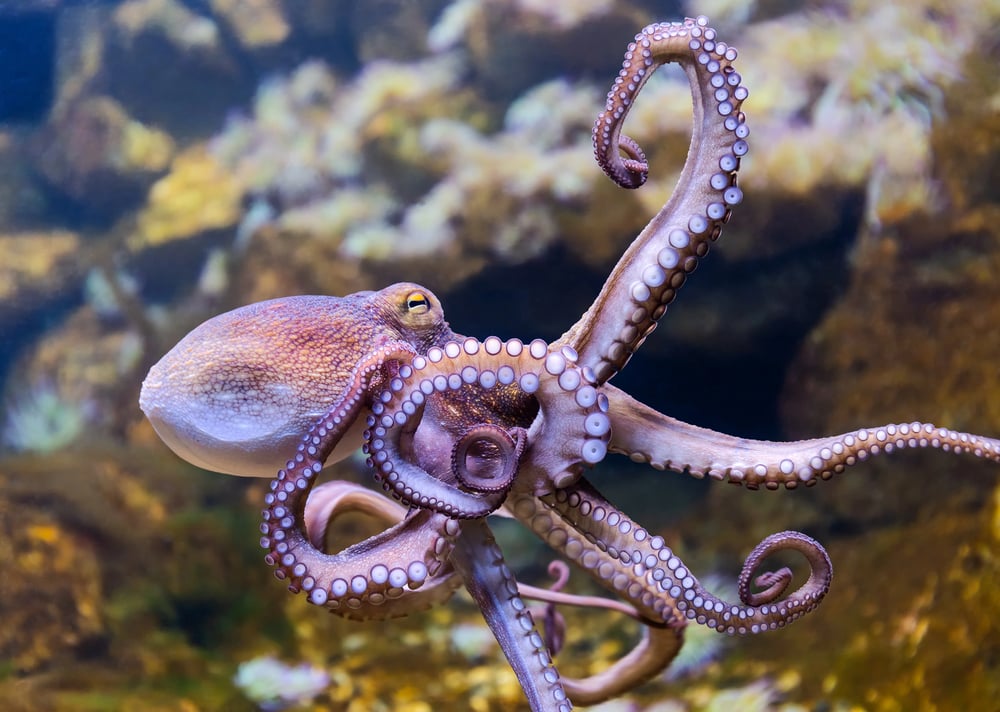
Octopuses have a central brain and a mini-brain in each of their eight arms, totaling nine. Each arm operates with its own mini-brain, moving independently with incredible precision.
This setup means each tentacle can taste, touch, and make decisions without asking permission from headquarters. When an octopus loses an arm, that limb keeps moving around and reacting to things for hours afterward because its brain is still running.
The octopus nervous system has about 500,000,000 neurons, with two-thirds of these neurons located in the arms of the octopus.
Elephants never forget because their brains keep growing

Its brain contains 257 billion neurons, which is also three times more than the average human brain. Elephants can recognize themselves in mirrors and show signs of grief over their dead relatives.
What makes this even stranger is that elephant brains continue developing throughout their entire lives, adding new connections and pathways until the day they die. The hippocampus of an elephant takes up about 0.7% of the central structures of the brain, comparable to 0.5% for humans and 0.1% in Risso’s dolphins and 0.05% in bottlenose dolphins.
Their memory center grows bigger as they age, which explains why the oldest elephants become the wisest leaders of their herds.
Dolphins name themselves with signature whistles
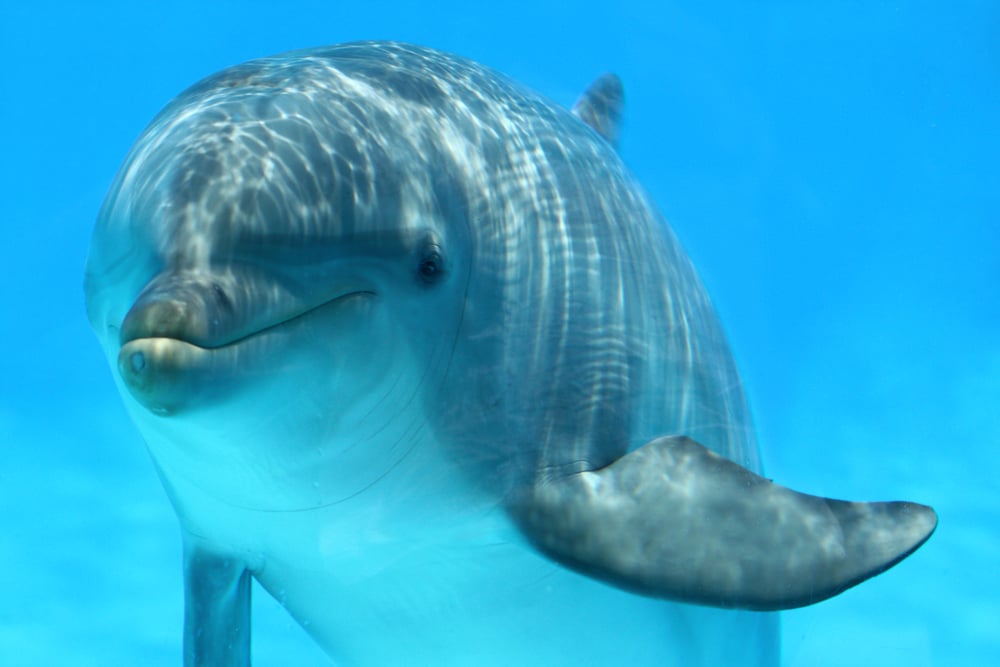
Dolphin brains have spindle neurons, which are specialized brain cells linked to recognition, memory, reasoning, communication, and more. Each dolphin creates its own unique whistle pattern that works like a name tag.
Other dolphins learn these sounds and call specific individuals by copying their personal whistle. Scientists have recorded dolphins introducing themselves to strangers and even calling out to friends they haven’t seen in decades.
The brain circuits that create these names are so sophisticated that dolphins can recognize family members by their whistles even in noisy, crowded waters.
Crows hold grudges and pass them down to their children
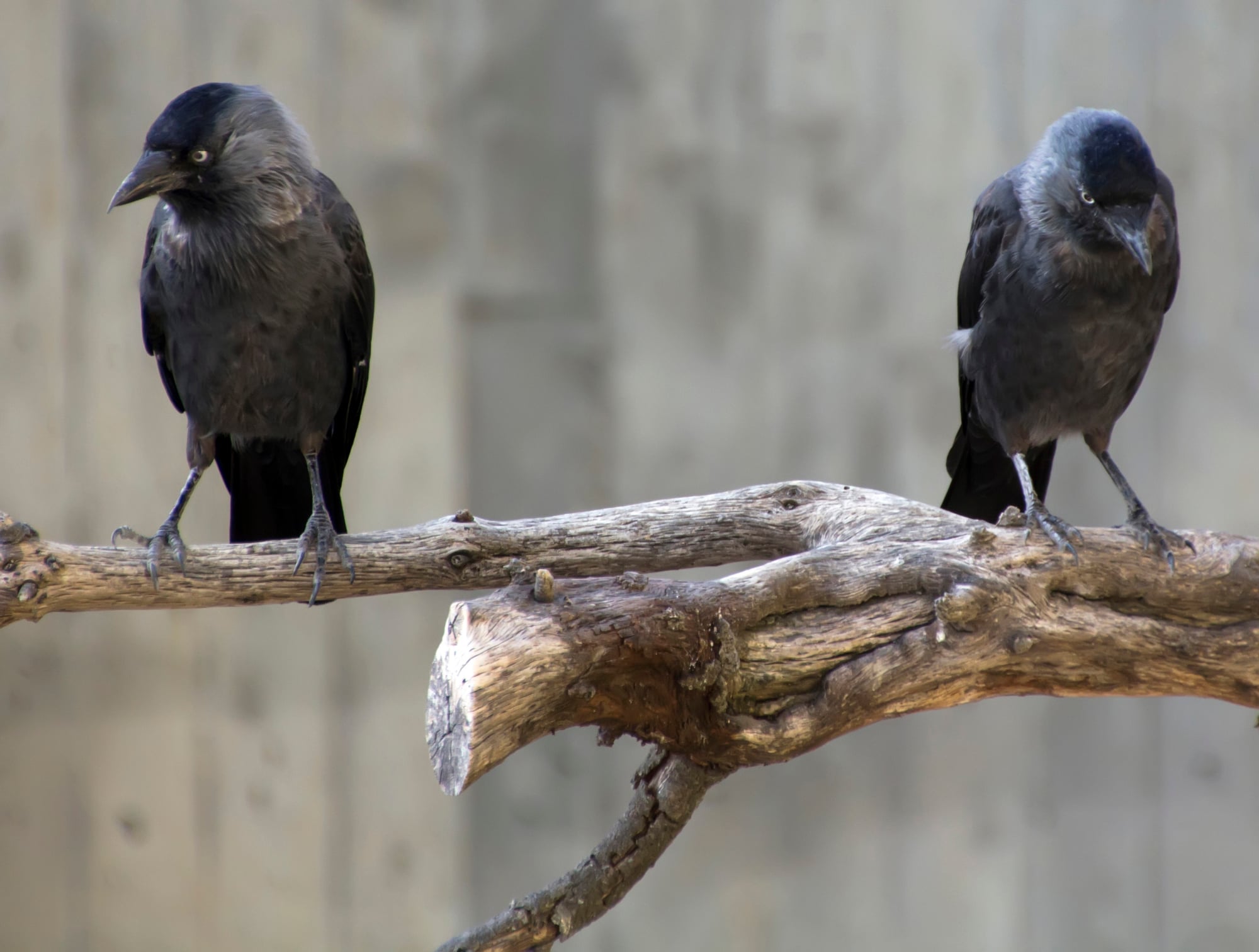
Crow brains work differently than most birds because they dedicate huge amounts of brain power to memory and problem-solving. When a crow decides you’re an enemy, it remembers your face forever and teaches its children to hate you too.
Researchers have found that crows can recognize thousands of individual human faces and remember exactly what each person did to earn their anger. Even more bizarre, baby crows inherit these grudges from their parents without ever meeting the person who caused the original problem.
Sharks can shut down half their brain while swimming
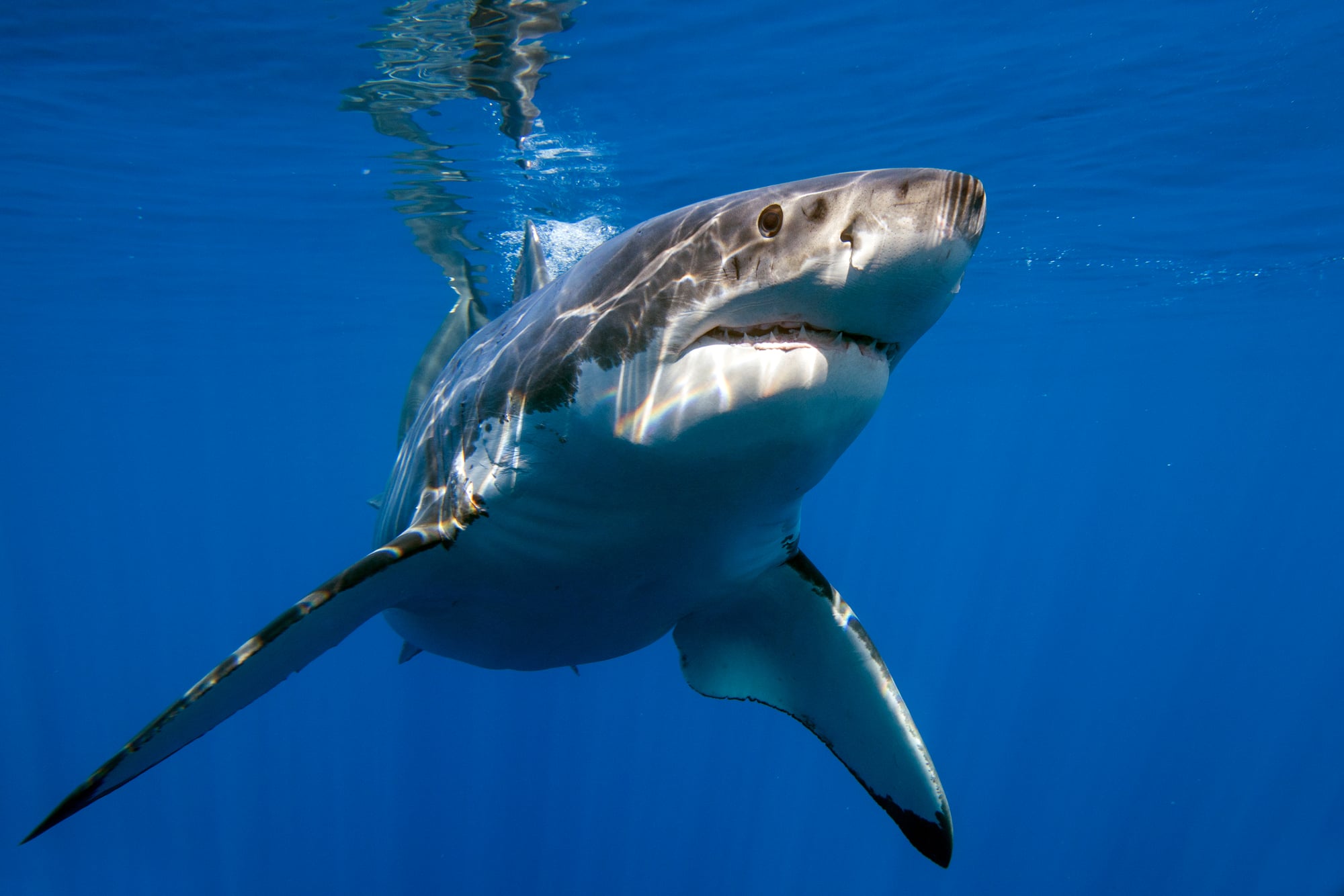
Most sharks never stop moving, but their brains have figured out a clever workaround for getting rest. They can put half their brain to sleep while the other half stays awake to keep swimming and breathing.
This means a shark is always half-asleep and half-awake at the same time. The sleeping side of the brain gets to recover while the awake side handles navigation and basic survival tasks.
Every few hours, the two halves switch roles so both sides get equal rest time.
Pigeons navigate using quantum physics in their eyes
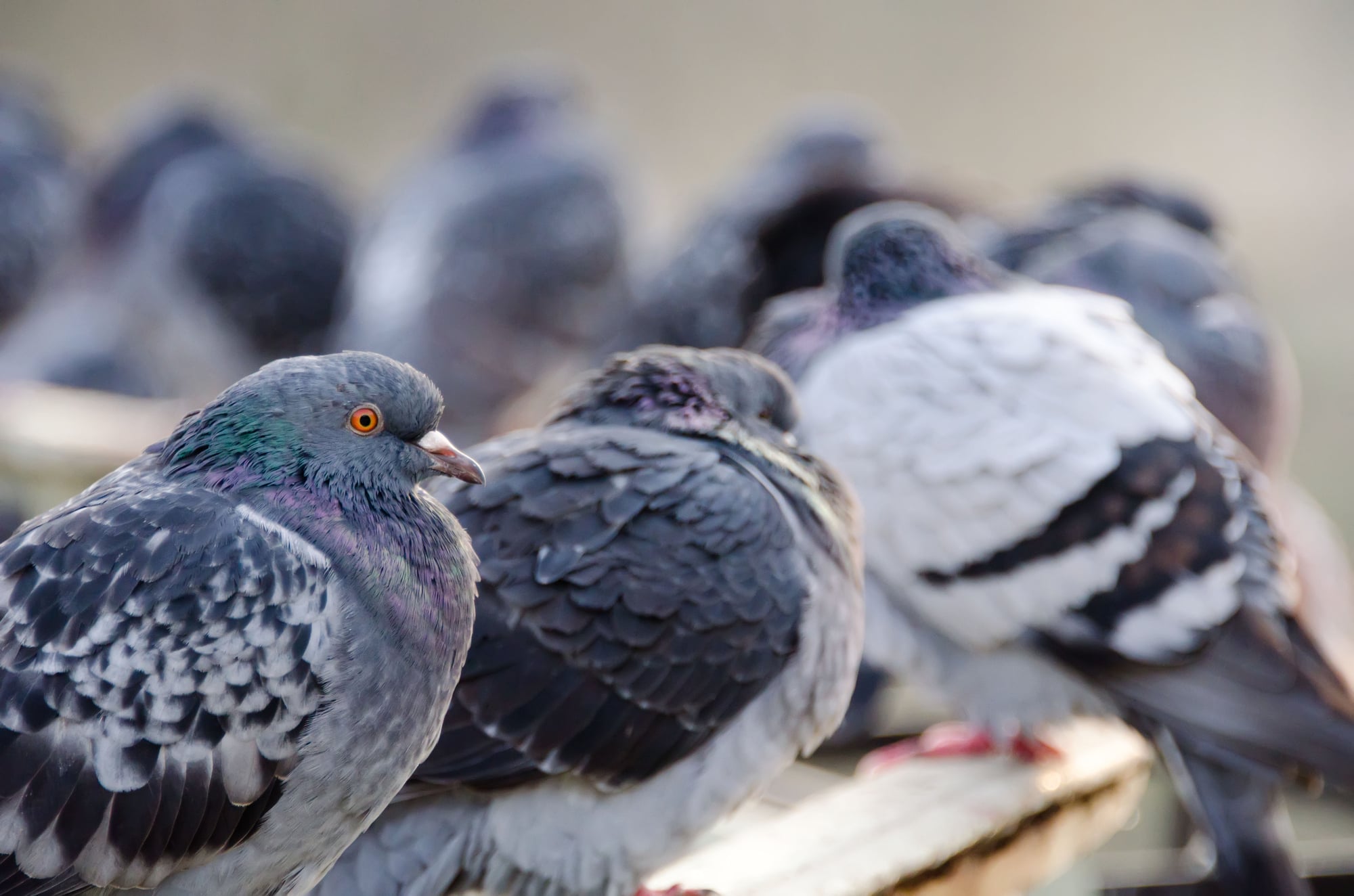
Pigeon brains can literally see magnetic fields thanks to special proteins in their eyes that react to Earth’s magnetic force. These proteins work like tiny compasses that send signals directly to the bird’s brain.
The really weird part is that this system only works when specific light wavelengths hit their eyes at exactly the right angle. Scientists think pigeons can see magnetic field lines as colored overlays on their normal vision, like having a GPS map permanently displayed in their field of view.
Bees calculate the most efficient routes better than computers

A bee’s brain is smaller than a sesame seed, but it can solve complex math problems that stump supercomputers. When bees visit multiple flowers, their brains automatically calculate the shortest possible route between all the stops.
This is called the “traveling salesman problem” and it’s one of the hardest puzzles in mathematics. Somehow, bees figure out the perfect solution in seconds using a brain with fewer neurons than a simple smartphone app.
Owls process sounds in 3D maps inside their heads

Owl brains create detailed three-dimensional sound maps of everything around them. Their ears are positioned at different heights on their head, so sounds reach each ear at slightly different times.
The owl’s brain uses these tiny timing differences to pinpoint exactly where every noise is coming from in complete darkness. They can track multiple sounds simultaneously and know the precise location, distance, and size of whatever made each noise.
Chimpanzees plan revenge weeks in advance
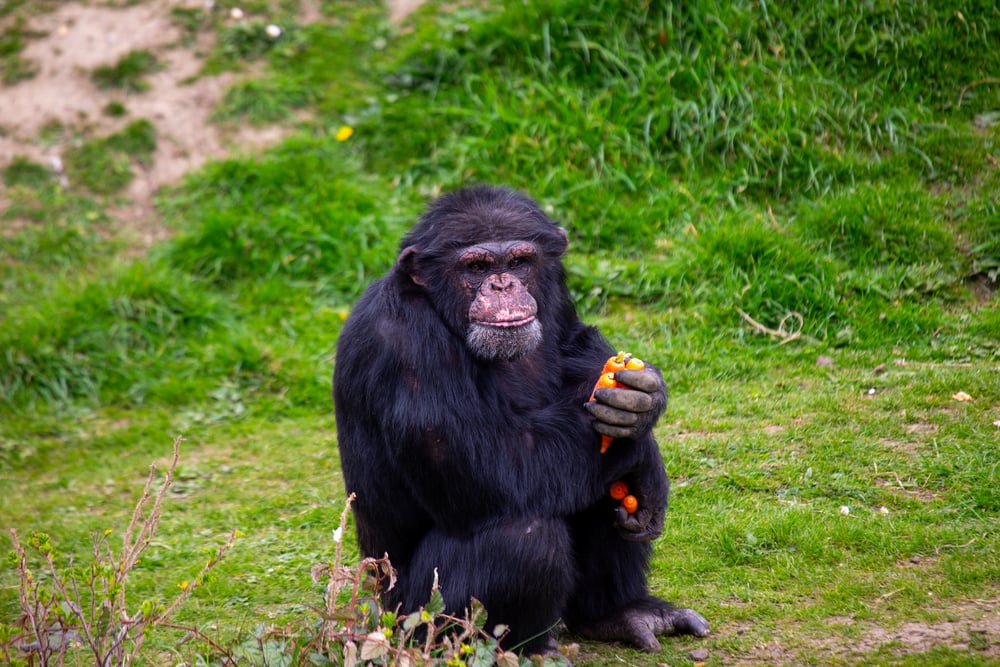
Chimp brains have special areas dedicated to long-term planning and emotional memory that work together in scary ways. When another chimp hurts them, they remember the incident and plot revenge for days or weeks.
Scientists have watched chimps collect stones and hide them near their enemy’s favorite sleeping spot, then wait for the perfect moment to attack. Their brains can hold onto anger and create detailed plans while acting completely normal around their target.
Electric fish create mental maps using electricity
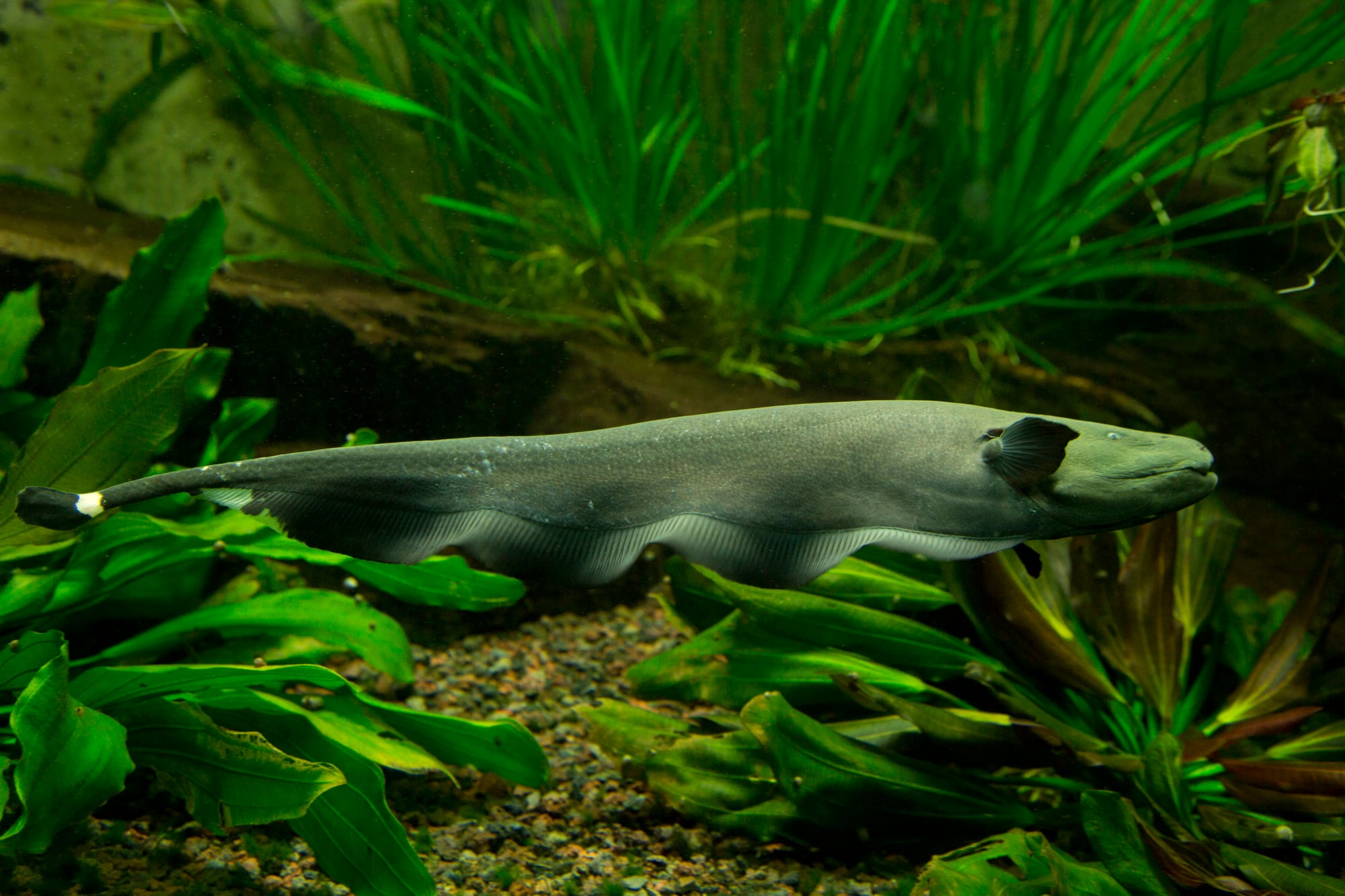
Electric fish send out electrical pulses and use the returning signals to build detailed mental pictures of their surroundings. Their brains process these electrical echoes to determine the size, shape, distance, and even material composition of nearby objects.
This works like biological radar, but instead of sound waves, they use electricity. The fish can tell the difference between living creatures, rocks, plants, and human-made objects just by analyzing how their electrical signals bounce back.
Archerfish calculate physics equations to hunt

Archerfish brains automatically solve complex physics problems every time they shoot water at insects. They have to account for light refraction, water drop trajectory, and target movement speed all at the same time.
Their brain calculates the perfect angle and water pressure needed to knock prey into the water from branches several feet above the surface. Young archerfish practice for months to train their brains to make these split-second calculations accurately.
Hummingbirds remember every flower they’ve visited

Hummingbird brains maintain detailed databases of thousands of individual flowers, including when each one was last visited and how long it takes to refill with nectar. They can remember the exact location, nectar quality, and refill schedule of flowers across territories spanning several miles.
Their spatial memory is so precise that they return to specific flowers at exactly the right time to find fresh nectar. This requires their brains to track hundreds of different countdown timers simultaneously.
Rats laugh when you tickle them, but only if they trust you
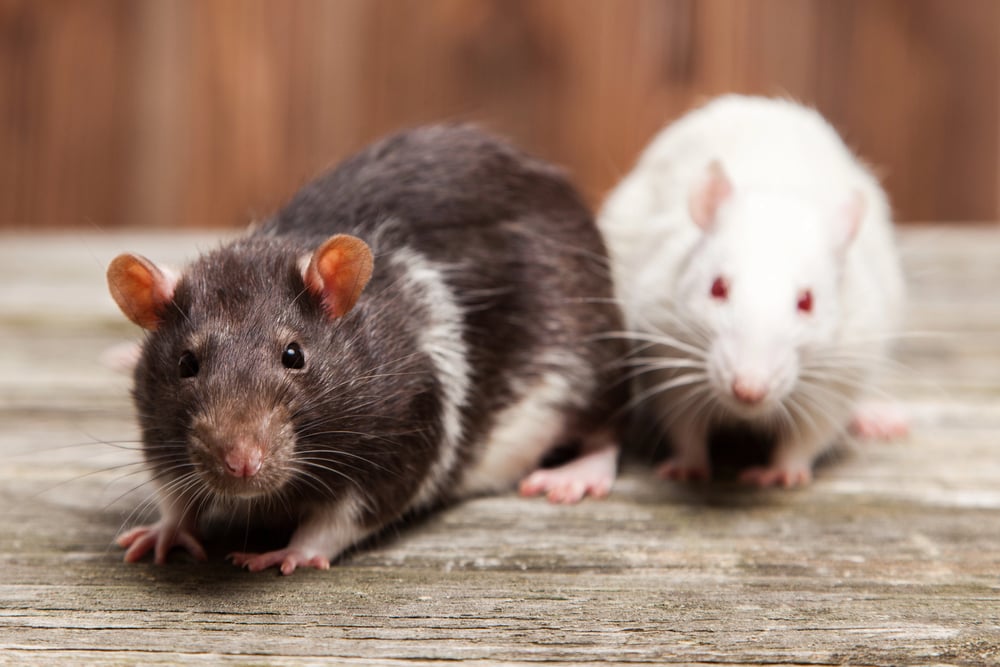
Rat brains produce ultrasonic laughter sounds when they’re tickled or playing, but only around people and other rats they consider friends. Their brains have complex social processing centers that evaluate relationships and decide whether it’s safe to show joy.
Scientists can tell how much a rat likes them by recording these happy squeaks during play sessions. Rats with brain damage in their social processing areas stop laughing entirely, even during fun activities.
Tarsiers have eyes bigger than their brains
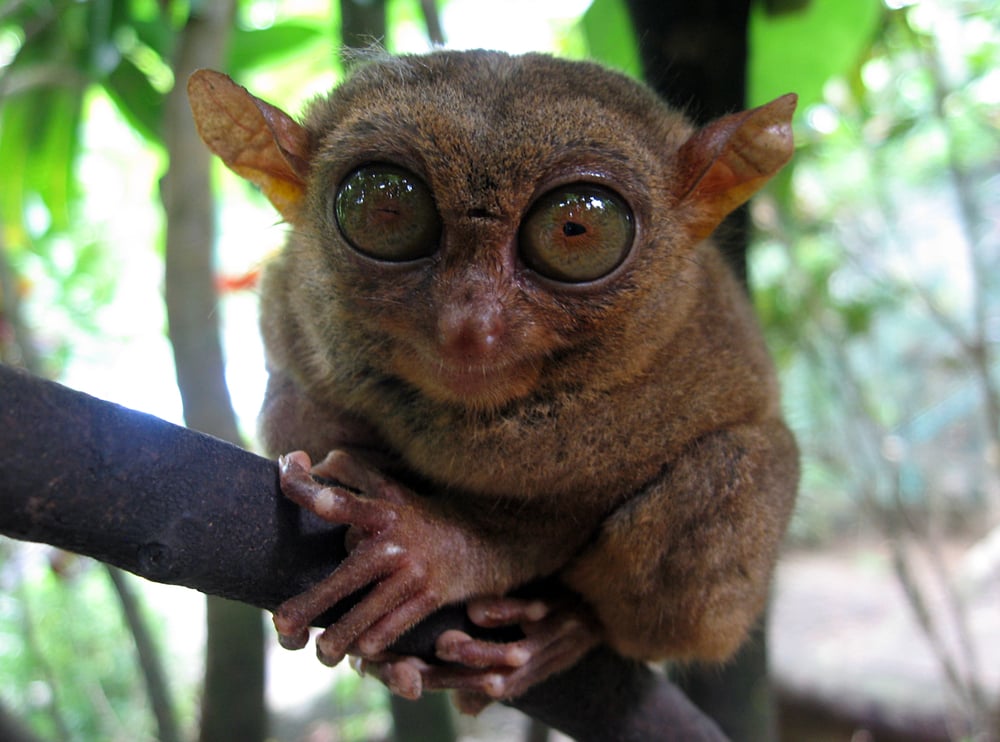
With each eye as big as its brain, the tarsier has the largest eyes in relation to the body size of any mammal. But with such huge eyes, they can’t move them like we can, instead swivelling their whole head 180° like an owl.
This creates a weird situation where their brain has to process enormous amounts of visual information from eyes that can’t move. Their brains dedicate almost all available processing power to analyzing what they see, leaving little room for other functions.
Tarsiers compensate by turning their entire heads to look around, which means their neck muscles are controlled by specialized brain circuits.
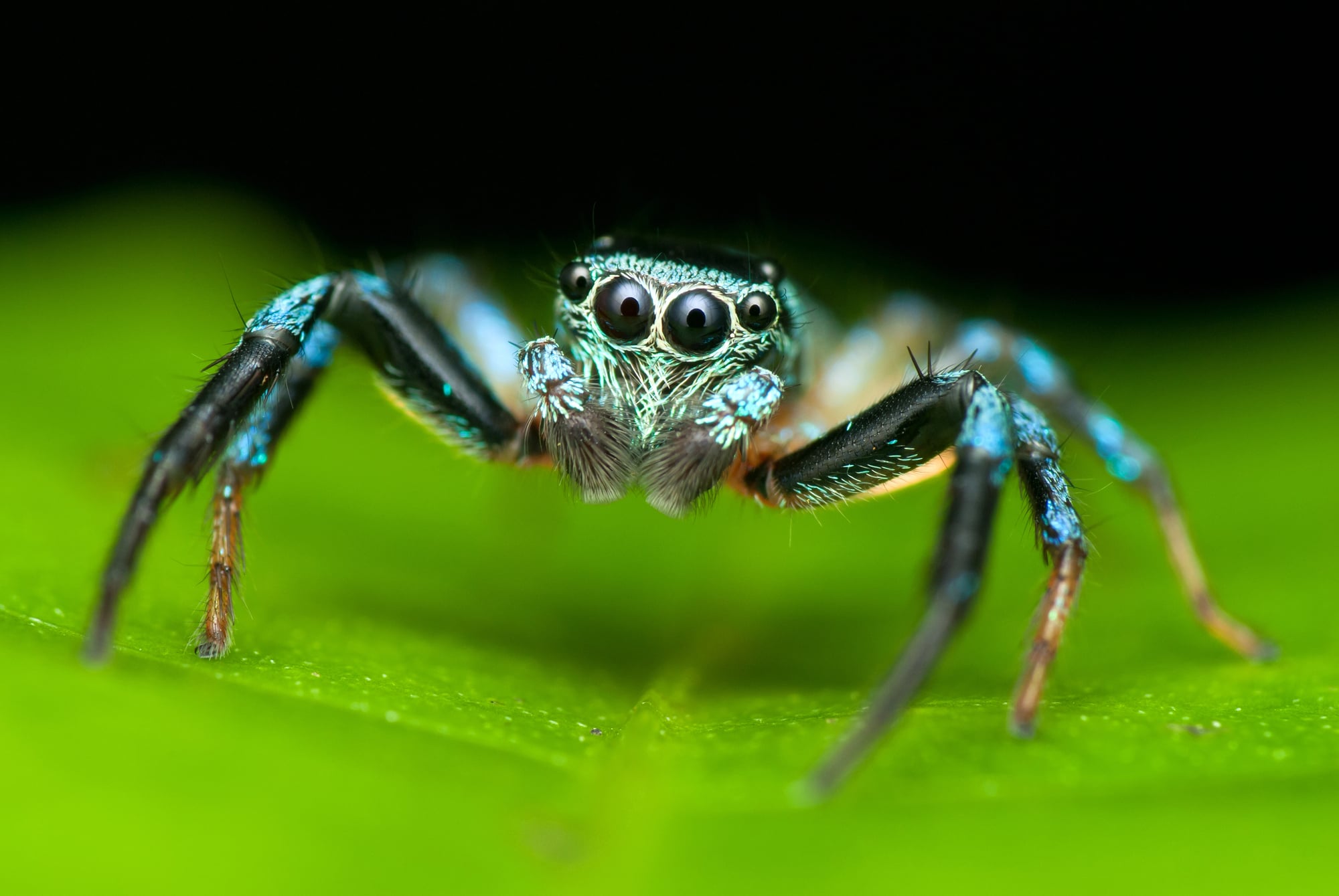
Jumping spiders have brains that spill into their legs
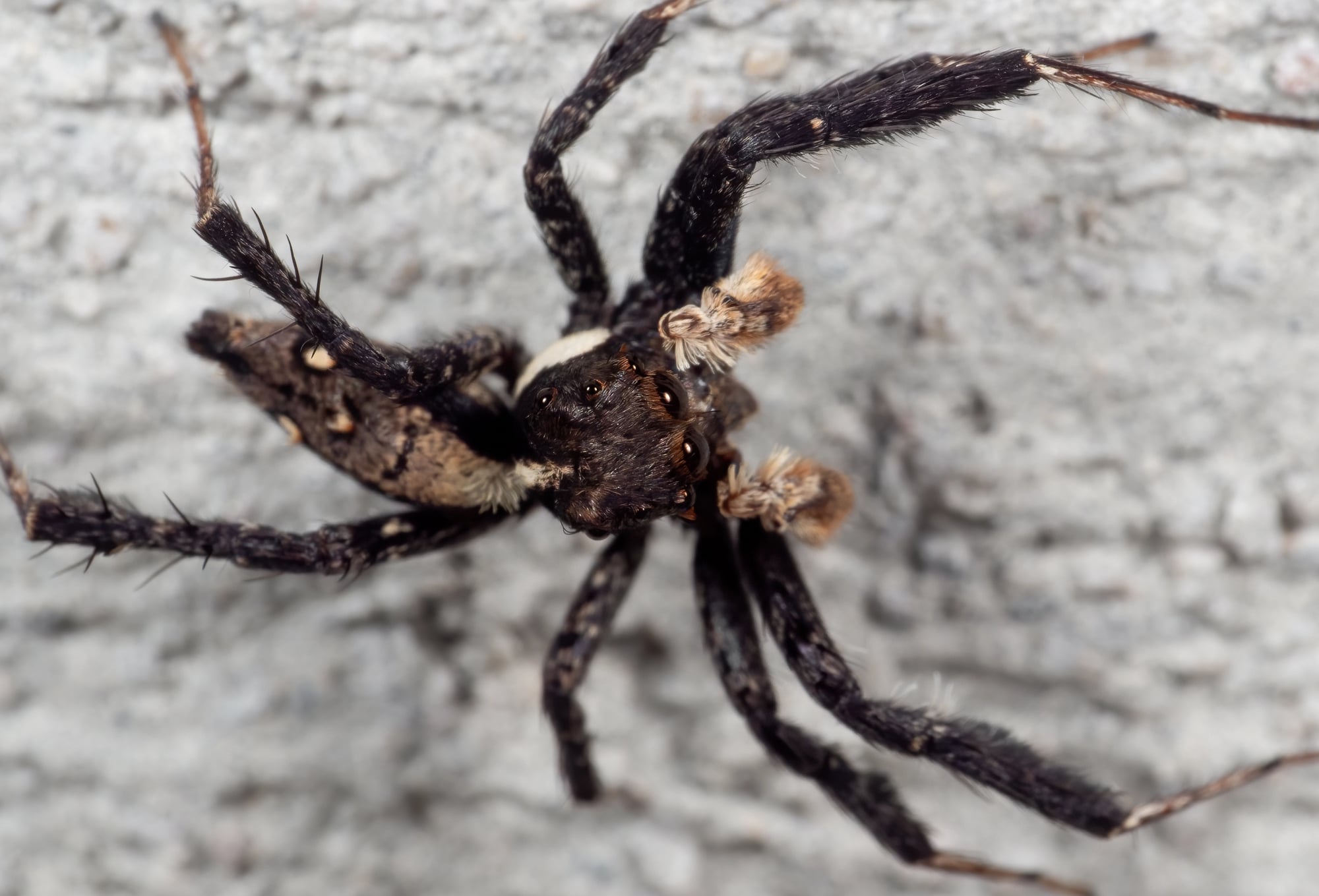
Jumping spider brains are so large relative to their body size that they can’t fit entirely inside their heads. Parts of their brain actually extend down into their legs and other body parts.
Despite this weird anatomy, they’re incredible problem solvers who can plan complex hunting strategies and recognize their own reflections in mirrors. Their distributed brain system allows them to process visual information and coordinate precise jumping movements faster than creatures with much larger, centralized brains.
Lyrebirds can perfectly copy any sound after hearing it once
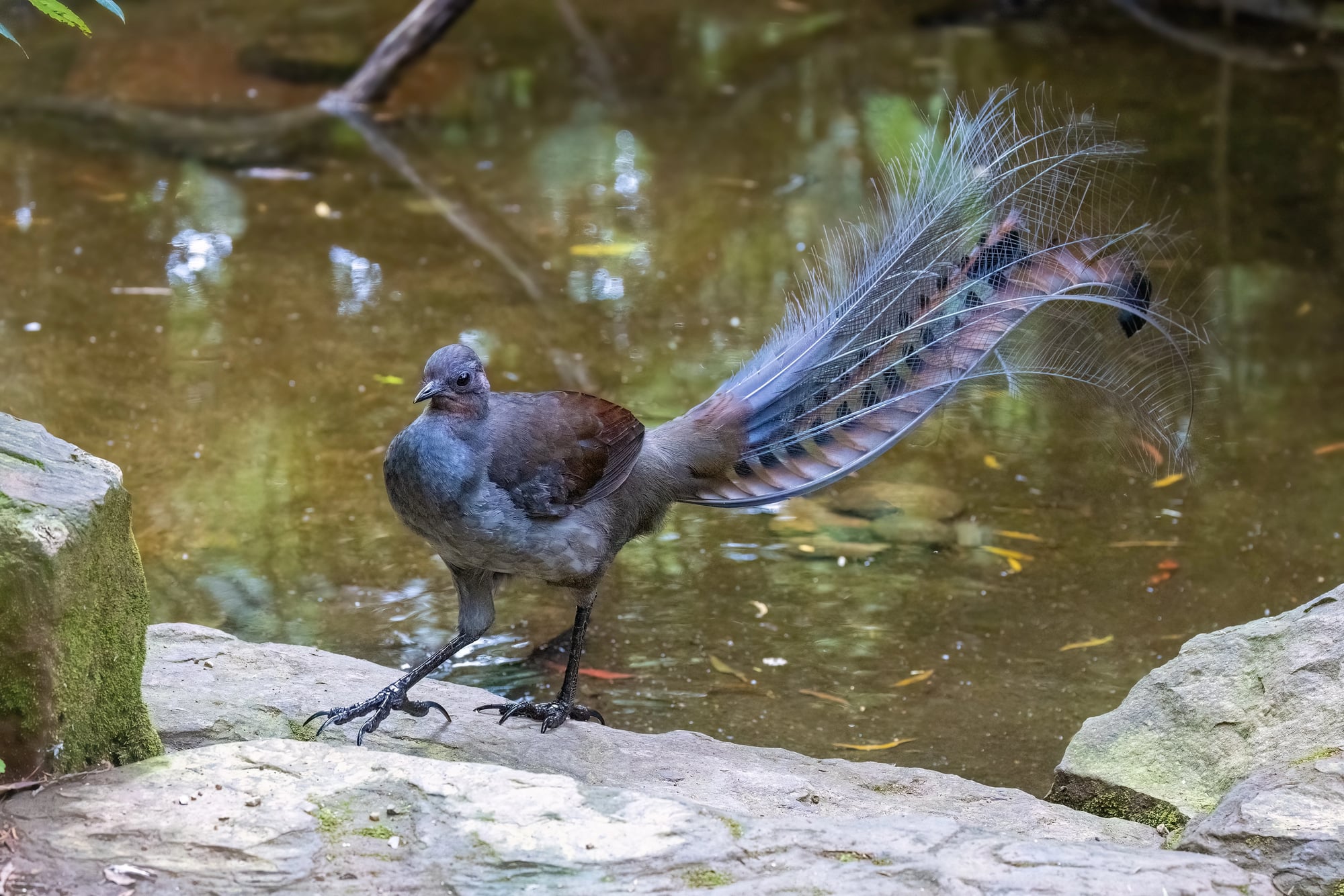
Lyrebird brains have extraordinarily developed audio processing and memory centers that can record and replay any sound with perfect accuracy. They can mimic chainsaws, car alarms, camera shutters, and even human speech after hearing these sounds just one time.
Their brain stores these audio files permanently and can mix different sounds together to create entirely new combinations. Some lyrebirds living near construction sites have started incorporating power tool noises into their mating songs.
Memory lanes that stretch across generations
The most fascinating aspect of animal brain quirks is how they connect the past with the present in ways we’re only beginning to understand. These strange mental abilities didn’t develop overnight but evolved over millions of years as species adapted to their environments.
What seems bizarre to us often represents perfect solutions to survival challenges that required incredible brain flexibility. Today’s scientists are studying these animal minds to inspire new technologies and better understand how intelligence itself works across different forms of life.
More from Go2Tutors!

- The Romanov Crown Jewels and Their Tragic Fate
- 13 Historical Mysteries That Science Still Can’t Solve
- Famous Hoaxes That Fooled the World for Years
- 15 Child Stars with Tragic Adult Lives
- 16 Famous Jewelry Pieces in History
Like Go2Tutors’s content? Follow us on MSN.