14 Iconic Movie Cars That Were Real
There’s something magical about seeing a car on screen that makes you lean forward and think, “Wait, that actually exists.” While Hollywood loves its computer-generated spectacles and purpose-built mockups, some of the most memorable vehicles in cinema history were real cars that you could theoretically walk into a dealership and drive home.
These weren’t just props or digital creations — they were actual machines with working engines, real weight, and authentic characters that translated perfectly to film. The line between fantasy and reality gets beautifully blurred when filmmakers choose existing vehicles to carry their stories.
These cars brought their own personalities to the screen, and in many cases, their real-world credibility made their on-screen adventures feel that much more believable and exciting.
Aston Martin DB5
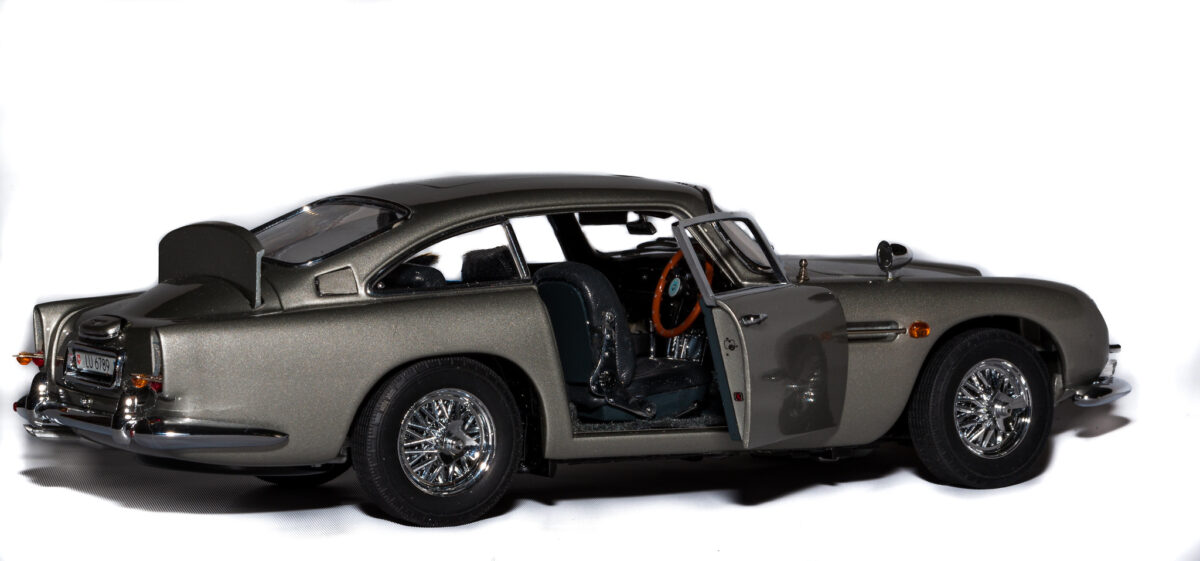
The DB5 didn’t just appear in Goldfinger — it became James Bond. This wasn’t some Hollywood fantasy car dreamed up in a studio; Aston Martin was producing these sleek grand tourers for actual customers who wanted to feel sophisticated while driving fast.
The ejector seat and machine guns were movie additions, obviously, but the underlying car was as real as they come. Bond’s choice elevated the DB5 from a luxury car to a cultural icon.
Even now, decades later, spotting one on the road triggers that immediate association with espionage and style.
DeLorean DMC-12
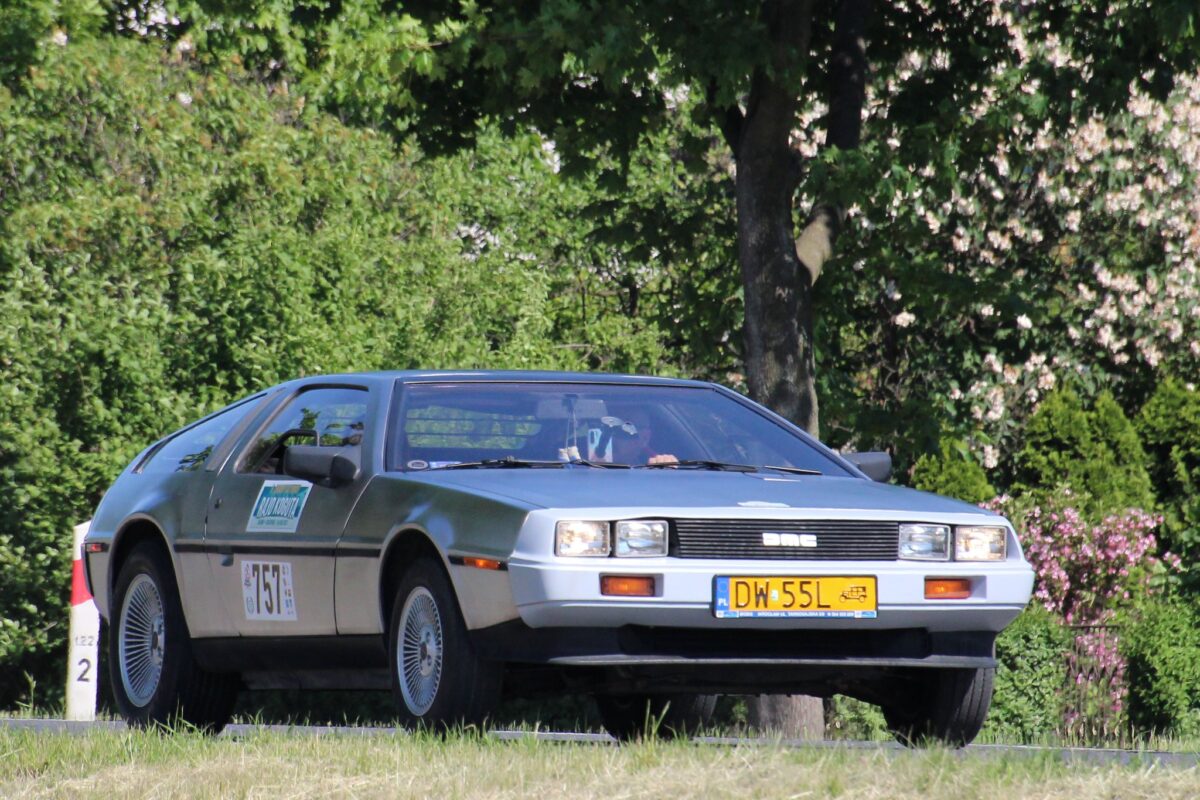
Here’s the thing about the DeLorean: it was already weird before Doc Brown got his hands on it (and that’s exactly why it worked so perfectly in Back to the Future, because who wouldn’t believe that this bizarre stainless steel creation with gull-wing doors could somehow bend the fabric of time and space). The car company was real, the cars were real — though admittedly, they were struggling in the marketplace when the movie came out — and John DeLorean was definitely real, even if his business practices were questionable.
But none of that mattered once Michael J. Fox climbed behind that wheel. The DMC-12 had already failed as a commercial venture by the time the film made it famous, which creates this strange irony where Hollywood success came after real-world failure.
So the car that couldn’t make it in reality became immortal in fiction.
Ford Mustang GT 390
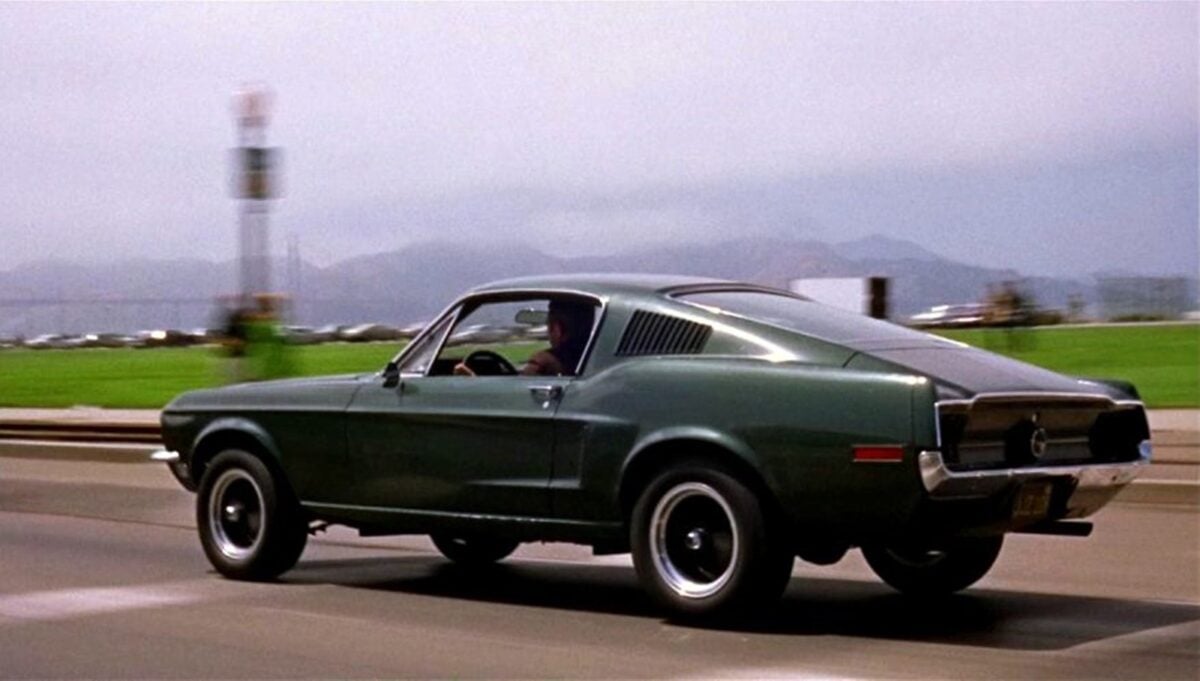
Speed lives in certain shapes, and the 1968 Mustang GT 390 from Bullitt carries it in every line. This wasn’t a movie car pretending to be fast — it was already fast, already proven, already respected by anyone who knew engines and horsepower. Steve McQueen simply gave it a stage worthy of its capabilities.
That chase through San Francisco didn’t need special effects or camera tricks to create excitement. The Mustang’s genuine performance, its actual weight hitting those hills, its real suspension working through those turns — all of that translated directly to the screen.
You could feel the machine’s authenticity in every frame, which made the whole sequence believable in a way that manufactured stunts rarely achieve.
Mini Cooper
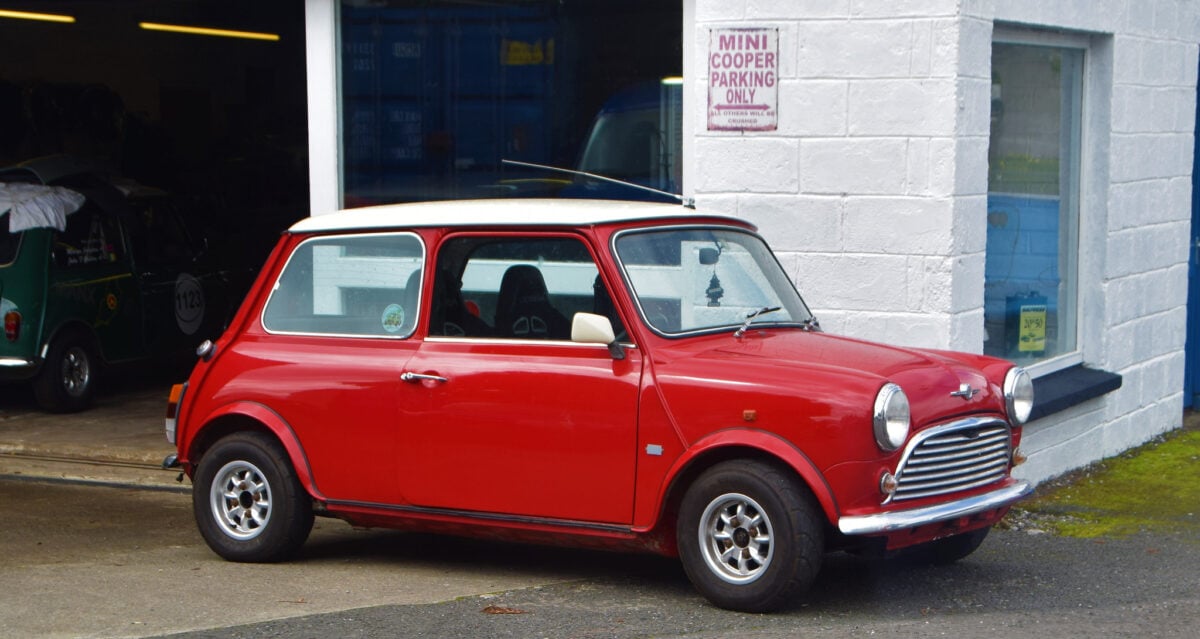
The original Italian Job turned the Mini Cooper into a getaway car, which should have been ridiculous but somehow wasn’t. These were genuine British economy cars — small, practical, designed for narrow European streets and modest budgets.
Not exactly what you’d picture when imagining a heist vehicle. But that’s precisely what made them perfect.
Their real-world agility and compact size translated into chase scenes that felt both thrilling and plausible. The Minis weren’t pretending to be something they weren’t; they were just being exceptionally good at what they already did well.
Pontiac Trans Am
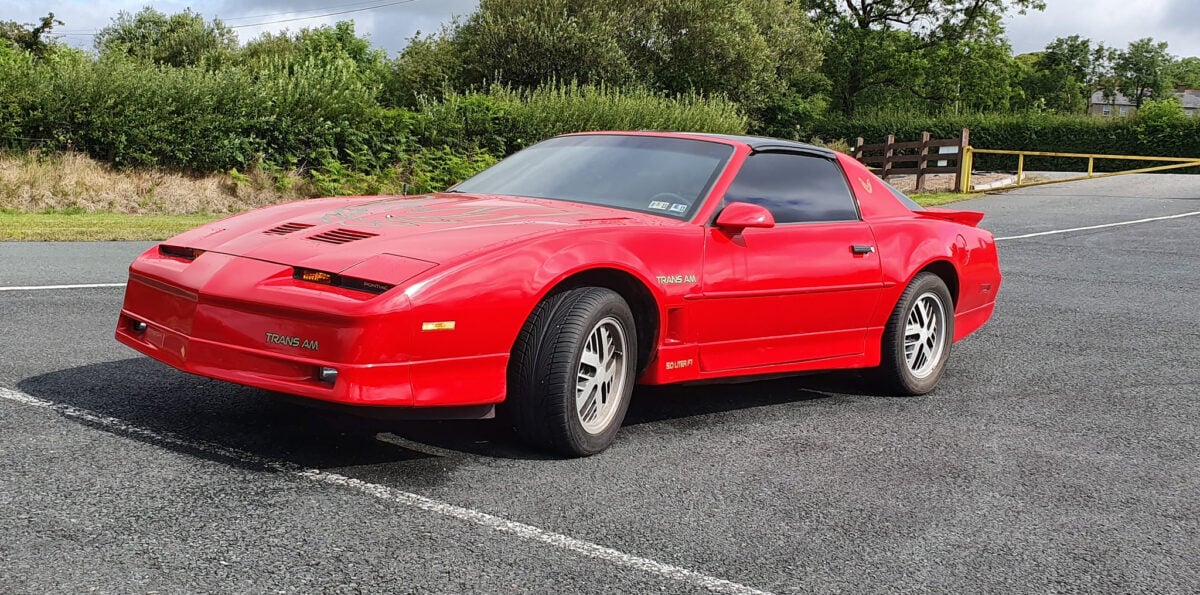
Smokey and the Bandit needed a car that could outrun the law while looking good doing it, and the Trans Am delivered both requirements without breaking a sweat (though it did break plenty of speed limits, as any Trans Am owner from that era could tell you, because Pontiac built these things to run hard and fast, with enough power under the hood to make trouble inevitable and enough style to make that trouble look appealing). The black and gold paint scheme wasn’t a movie creation — Pontiac offered it as a factory option, which meant anyone with enough cash and questionable judgment could drive home their own Bandit replica.
Burt Reynolds just happened to showcase what Trans Am owners already knew: these cars were built for exactly the kind of high-speed mischief the movie celebrated. And the fact that you could buy one made every highway feel like a potential movie set.
Dodge Charger
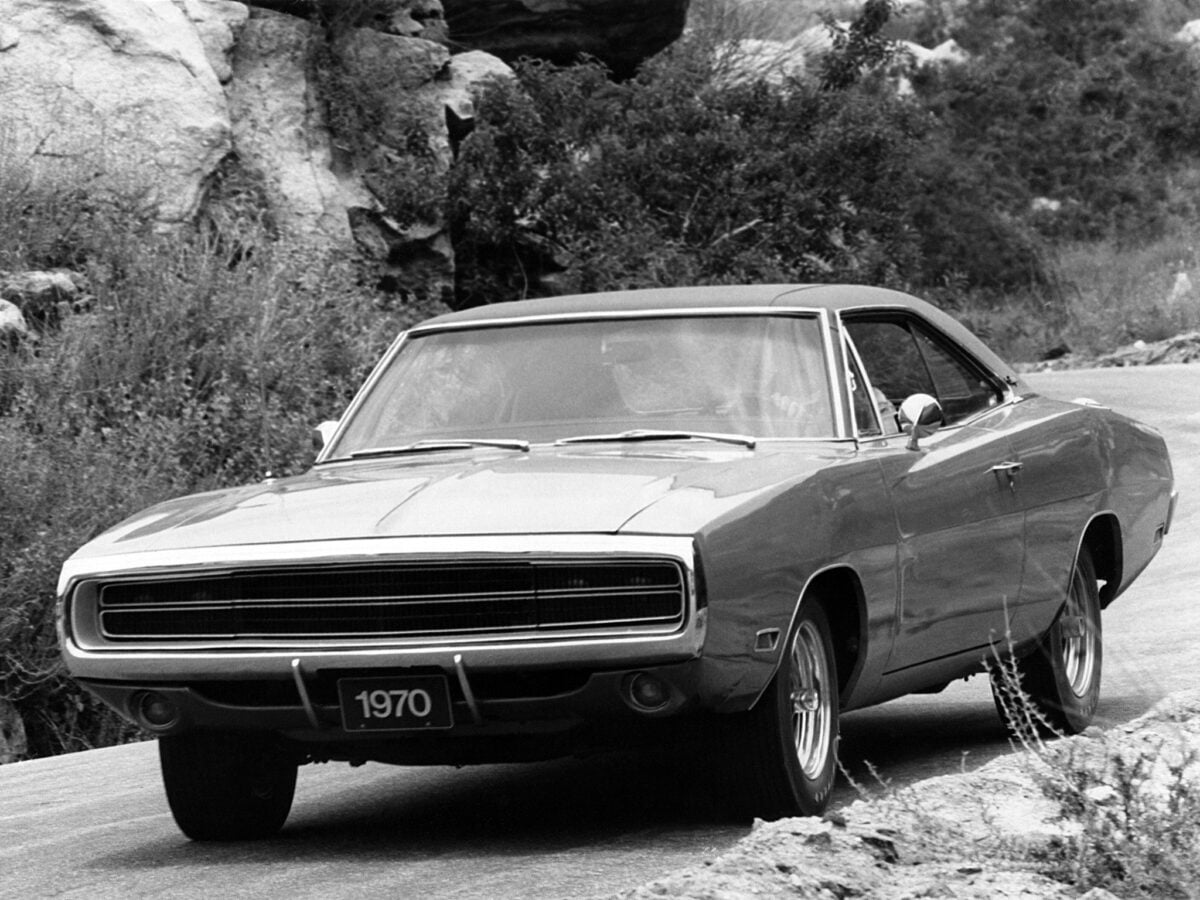
The Dom Toretto Charger from The Fast and the Furious carries weight that goes beyond horsepower. Dodge built these machines in the late sixties as serious performance cars — not showpieces or weekend toys, but genuine street fighters designed to win stoplight battles and prove points about American automotive engineering.
When the movie franchise chose the Charger as Dom’s signature ride, they tapped into decades of street credibility that no amount of special effects could manufacture. The car’s authentic muscle car pedigree gave emotional weight to every scene it appeared in.
This wasn’t just a prop; it was a piece of automotive history that happened to make perfect sense as a character’s extension of personality.
Lotus Esprit
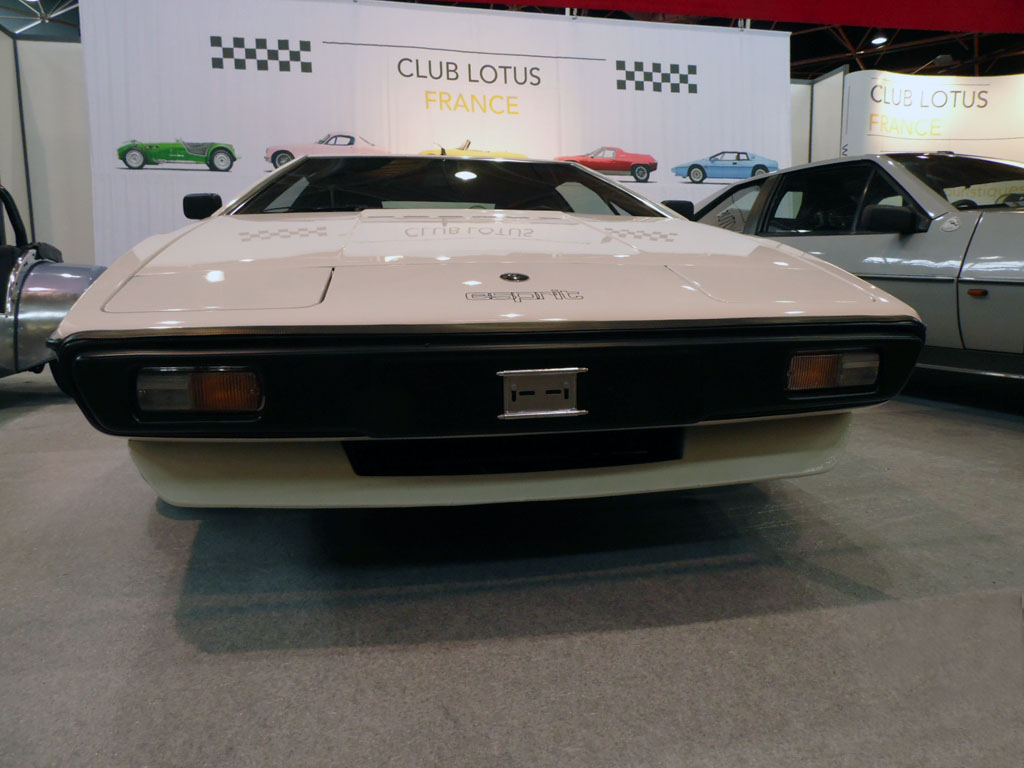
The Spy Who Loved Me featured a Lotus Esprit that transformed into a submarine, which sounds completely absurd until you remember that the Esprit was already the kind of car that seemed to defy conventional automotive logic. Lotus built these wedge-shaped supercars for customers who wanted something that looked like it belonged in a science fiction movie.
The submarine conversion was pure Hollywood fantasy, but the underlying car was a legitimate exotic that could hold its own against any European supercar. Its futuristic design made the aquatic transformation feel almost plausible.
Volkswagen Beetle
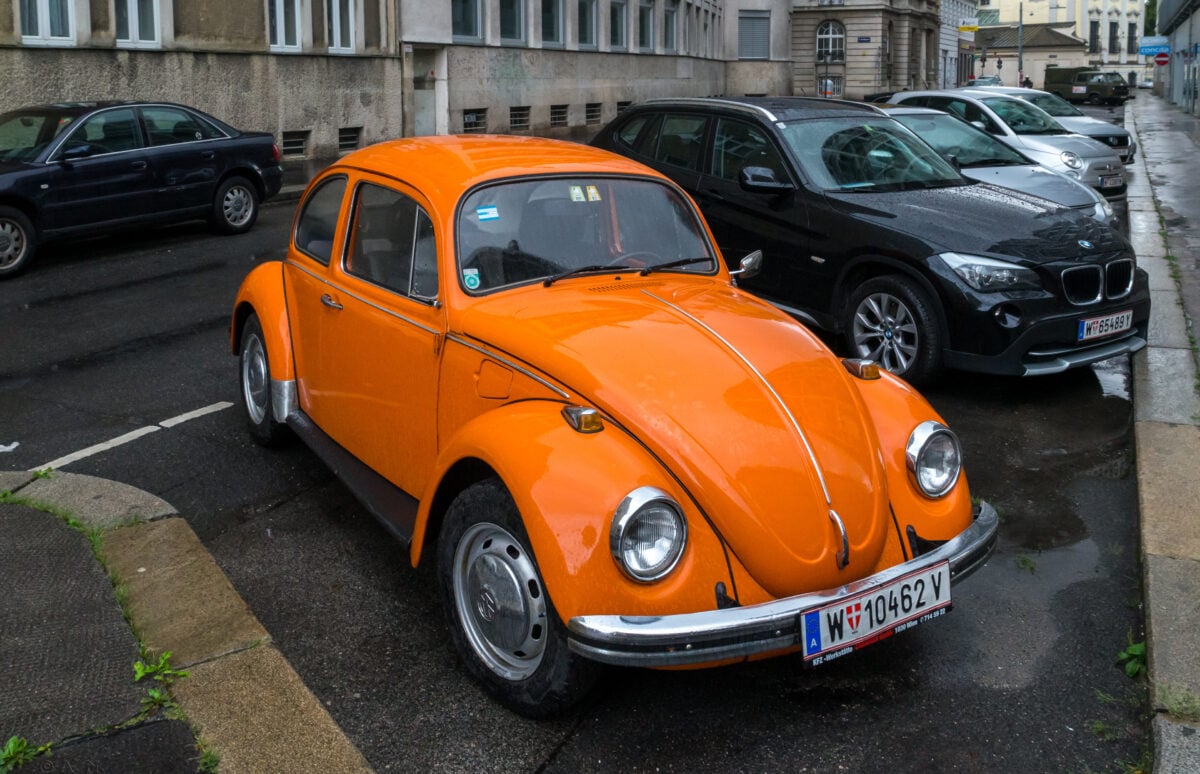
Herbie wasn’t just any car with a personality — he was a Beetle, and that choice mattered more than Disney probably realized at the time (because the Beetle represented this perfect combination of reliability and charm that made audiences instantly sympathetic to a car that could think and feel, since everyone either owned one or knew someone who did, and everyone had stories about their Beetle’s quirky personality even before Hollywood gave one an actual personality). The car’s real-world reputation for dependability and character made the fantasy elements feel grounded in something familiar and trustworthy.
Volkswagen had built millions of these cars, and their ubiquity meant that Herbie felt like he could be anyone’s car. That accessibility transformed a simple story about a sentient automobile into something that felt personally relatable to audiences worldwide.
Ford Gran Torino
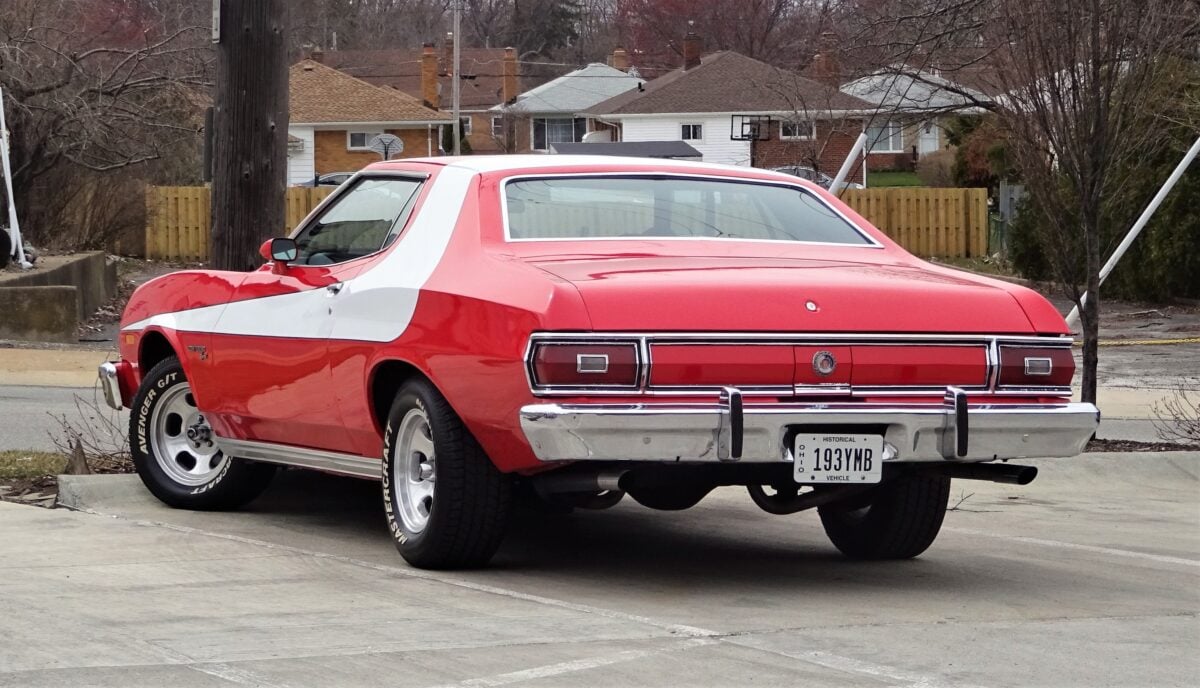
Starsky and Hutch drove a red Gran Torino with a white stripe, and Ford built thousands of them for customers who wanted a substantial American car with enough power to make things interesting. The TV show didn’t create this car; they simply recognized that it already had the right combination of style and substance for police work.
The Gran Torino’s authentic muscle car credentials gave the show’s action sequences a foundation of real automotive capability that supported the more dramatic storylines.
Chevrolet Camaro Z28
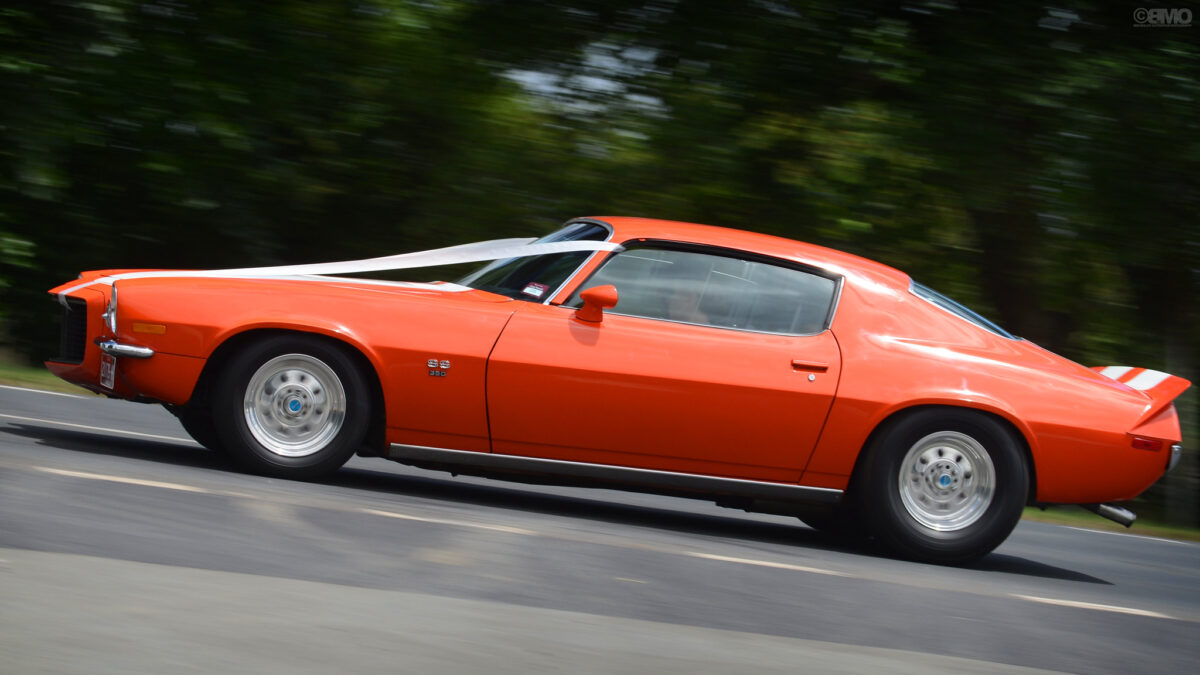
Better Off Dead featured a Camaro that became as central to the story as any human character, and Chevrolet had built these Z28s as legitimate performance machines designed for drivers who took their horsepower seriously. The car’s role in the film felt natural because Camaros already carried associations with youth, rebellion, and automotive excitement.
The Z28 package represented Chevrolet’s commitment to building cars that could deliver genuine performance, which gave the movie car instant credibility with audiences who understood the difference between real and pretend automotive capability.
Buick Grand National
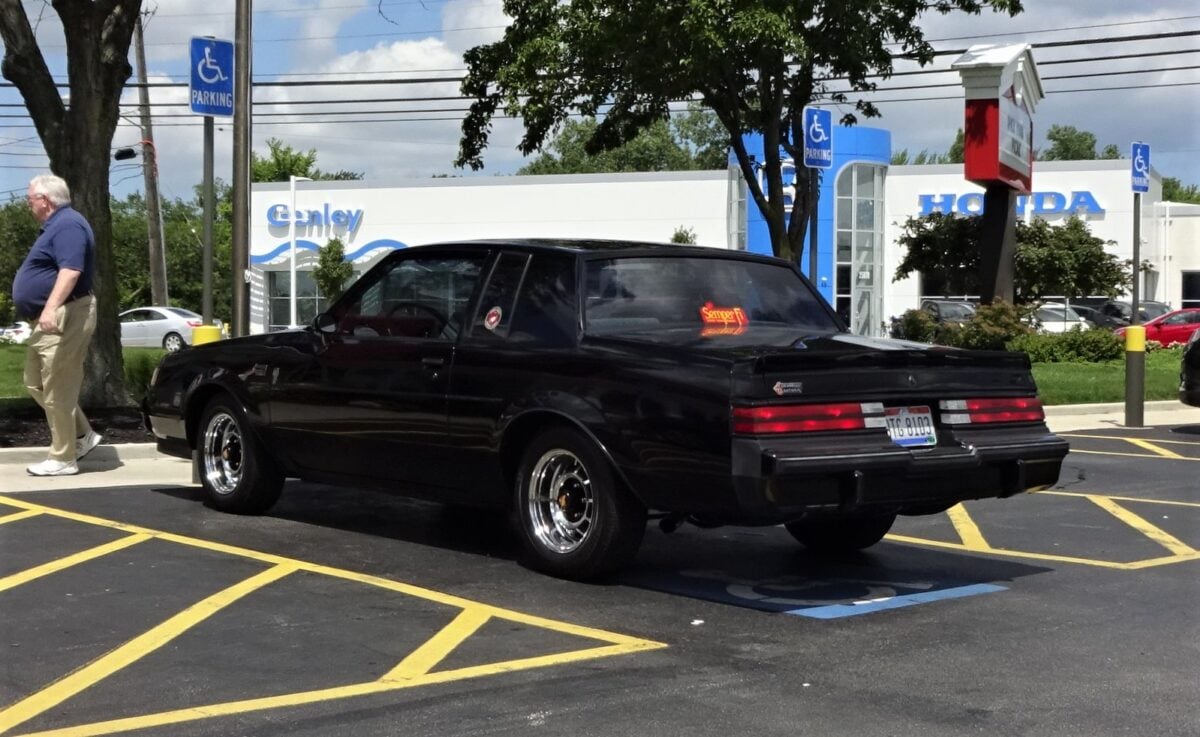
Fast & Furious 4 brought back the Grand National as a sleeper that could surprise more obvious performance cars, which perfectly matched the car’s real-world reputation. Buick built these turbocharged machines to compete with traditional V8 muscle cars while maintaining an understated appearance that didn’t advertise their capabilities.
The Grand National’s authentic performance pedigree made its movie role feel like perfect casting rather than Hollywood invention. These cars were already legends among enthusiasts who appreciated subtle but serious speed.
Dodge Challenger
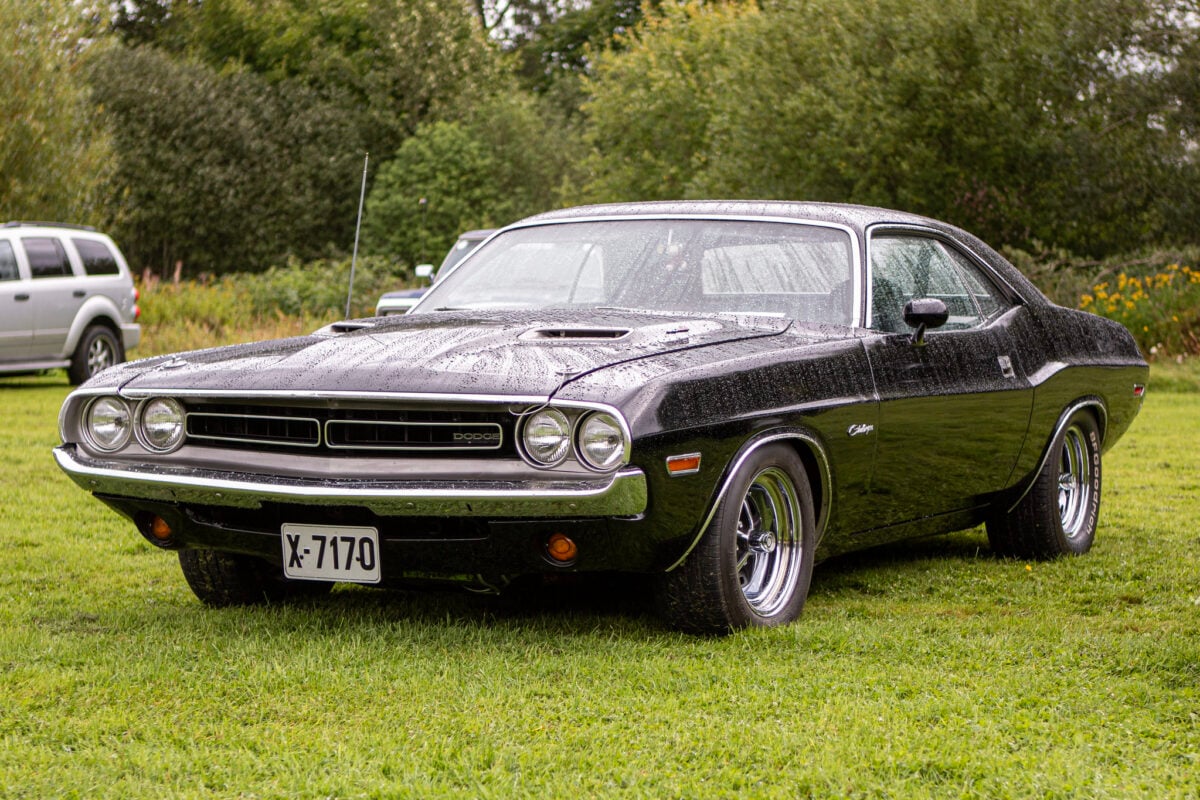
Vanishing Point turned the Challenger into a symbol of freedom and rebellion, but Dodge had already built it as a legitimate muscle car designed to compete with the best performance machines Detroit could produce. The car’s impressive capabilities supported the film’s themes without requiring any fictional enhancements.
The Challenger’s combination of power, style, and attitude made it a natural choice for a movie about pushing boundaries and refusing compromise.
Ford GT40
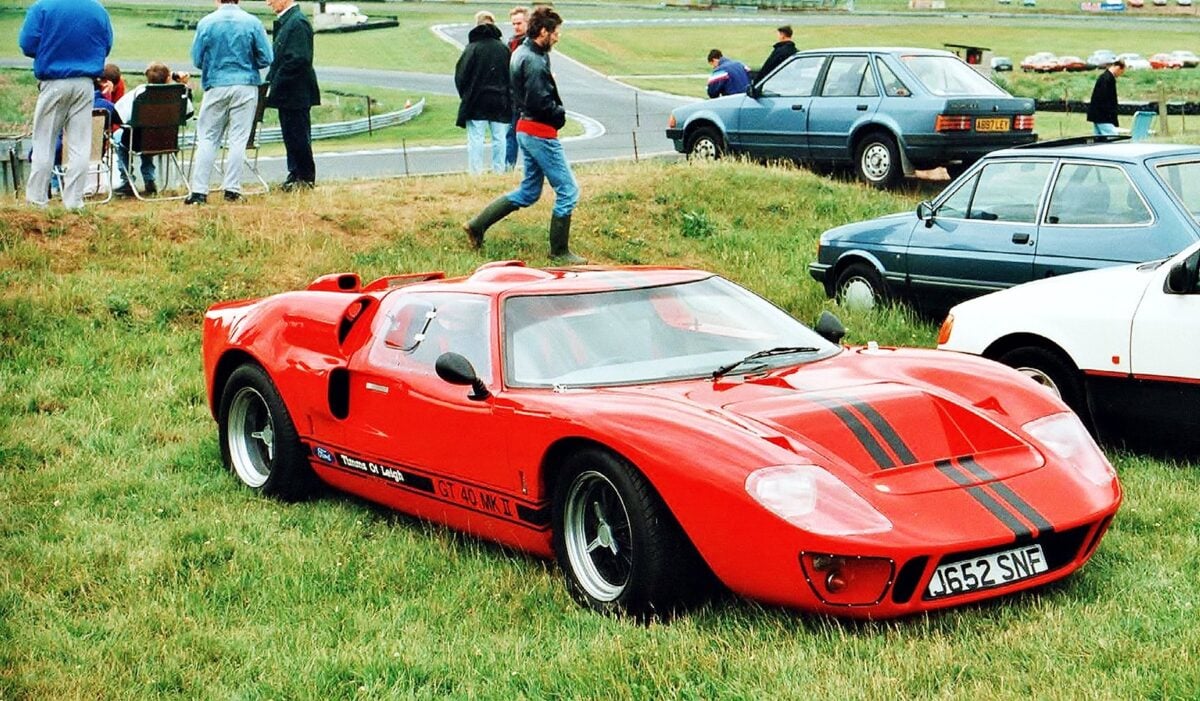
Ford v Ferrari showcased the GT40’s victory at Le Mans, and every aspect of that triumph was historically accurate. Ford developed these cars specifically to beat Ferrari at endurance racing, and they succeeded through genuine engineering excellence rather than movie magic.
The GT40’s real racing pedigree gave the film emotional weight that no amount of special effects could create. These were actual machines that won actual races through legitimate performance advantages.
BMW E30 M3
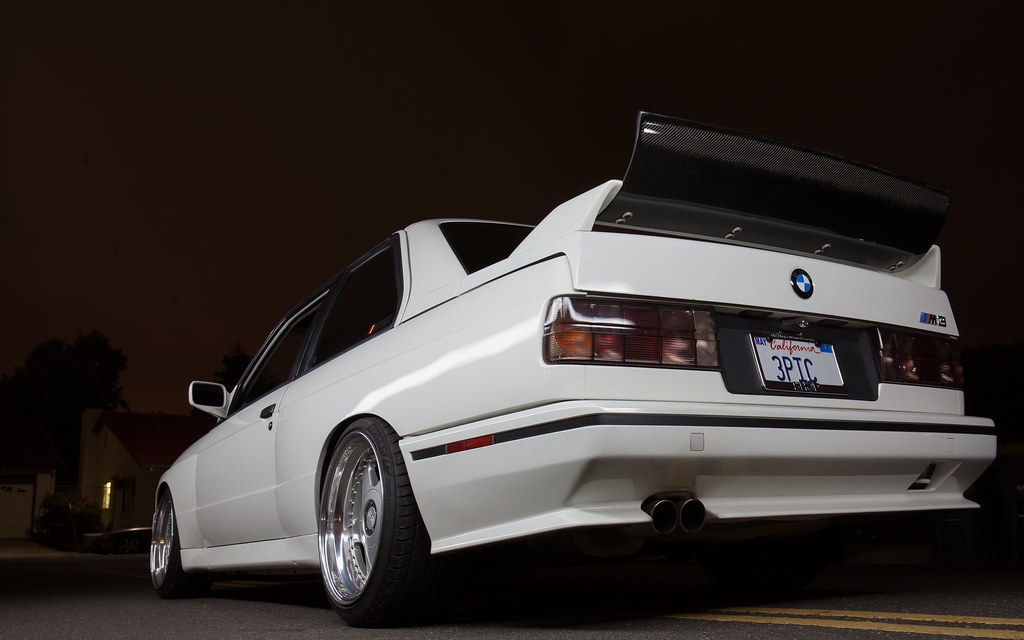
Ronin featured chase scenes that relied on real driving skill and authentic automotive capability, and the E30 M3 delivered both requirements without compromise. BMW built these cars as homologation specials for touring car racing, which meant they possessed genuine performance credentials that translated perfectly to film.
The M3’s racing pedigree and balanced handling characteristics made every chase scene feel grounded in actual automotive physics rather than Hollywood fantasy.
More Than Just Props
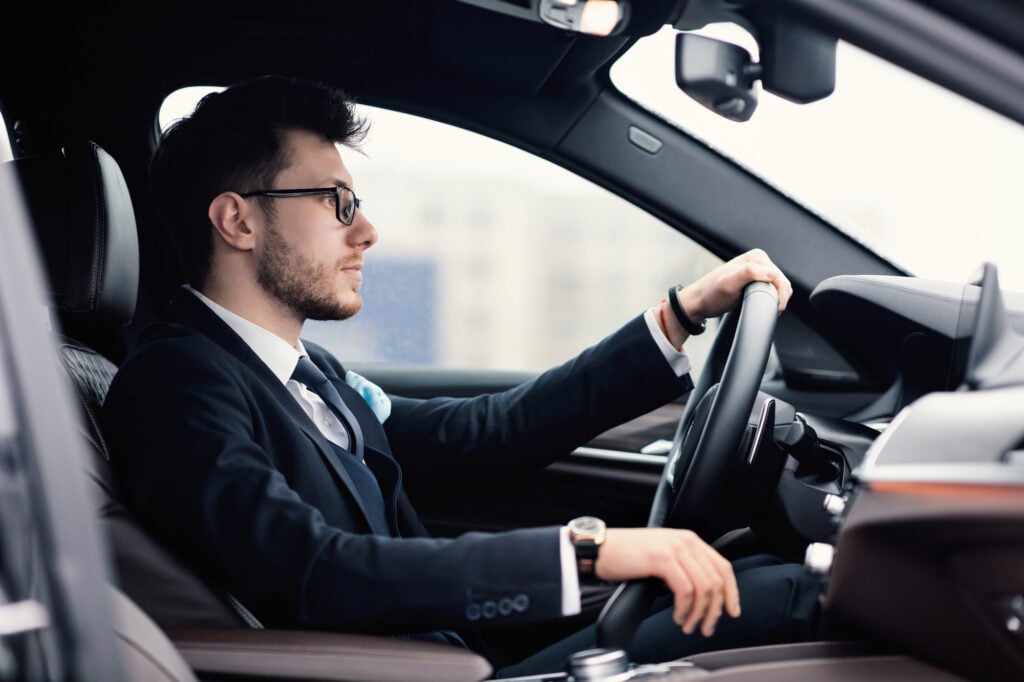
These cars prove that sometimes the best movie magic comes from reality itself. When filmmakers choose vehicles that already possess genuine character, performance, and credibility, they tap into something more powerful than special effects or computer-generated imagery.
They connect with audiences who recognize authenticity and respond to the real personality that only comes from actual metal, actual engines, and actual automotive heritage. The lasting appeal of these movie cars isn’t just about nostalgia or film history — it’s about the recognition that the best stories often come from celebrating things that were already remarkable before Hollywood discovered them.
More from Go2Tutors!

- The Romanov Crown Jewels and Their Tragic Fate
- 13 Historical Mysteries That Science Still Can’t Solve
- Famous Hoaxes That Fooled the World for Years
- 15 Child Stars with Tragic Adult Lives
- 16 Famous Jewelry Pieces in History
Like Go2Tutors’s content? Follow us on MSN.