15 Arcade Games That Ate All Our Quarters
The golden age of arcade gaming turned countless teenagers into financially depleted yet euphoric warriors, blowing entire allowances on digital adventures lasting only minutes. These machines weren’t simply games—they functioned as quarter-consuming beasts engineered to keep players continuously feeding coins into their insatiable mechanisms. From the mesmerizing simplicity of early classics to the intricate combo systems found in fighting games, certain titles achieved legendary status by proving absolutely impossible to abandon.
Every arcade veteran possesses tales about demolished budgets and empty wallets. Here is a list of 15 arcade games that ate all our quarters.
Pac-Man
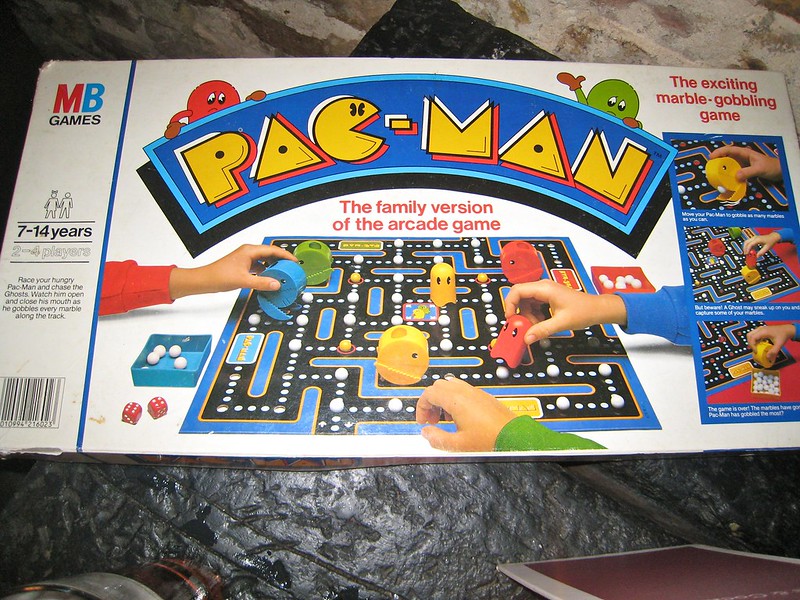
Pac-Man single-handedly ignited the arcade phenomenon when it appeared in 1980—transforming pizza joints and corner stores into gaming war zones. The straightforward concept proved devastatingly habit-forming, with each demise requiring just one additional quarter to conquer that maddening level.
Street Fighter II
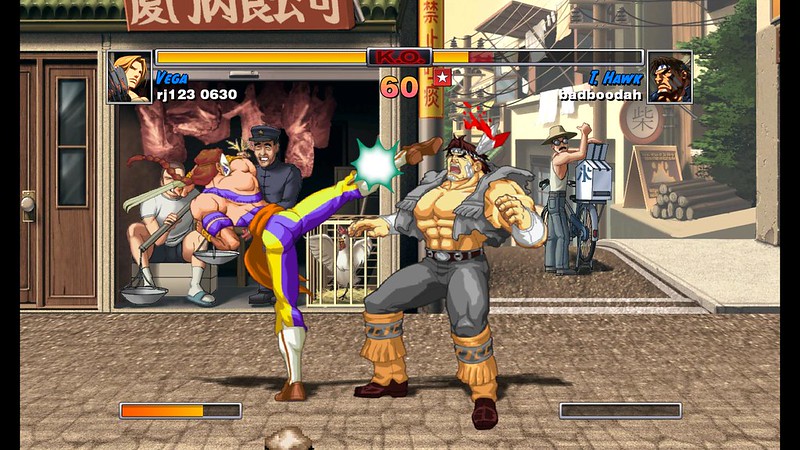
Street Fighter II transformed competitive gaming upon its 1991 arcade debut—establishing the blueprint for contemporary fighting games. Mastering each character’s special techniques demanded extensive practice, translating to countless quarters spent perfecting moves and combos.
Galaga
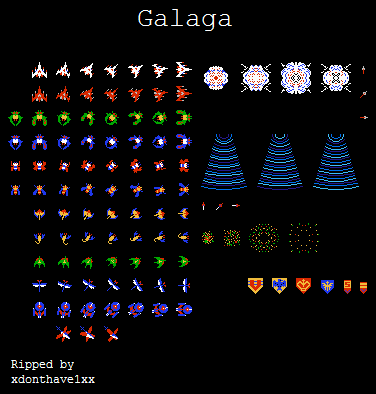
Galaga enhanced the Space Invaders formula through faster-paced action and strategic bonus stages that proved nearly impossible to resist. The double-ship enhancement became legendary among enthusiasts, though securing it required precise timing and frequently multiple attempts.
Donkey Kong
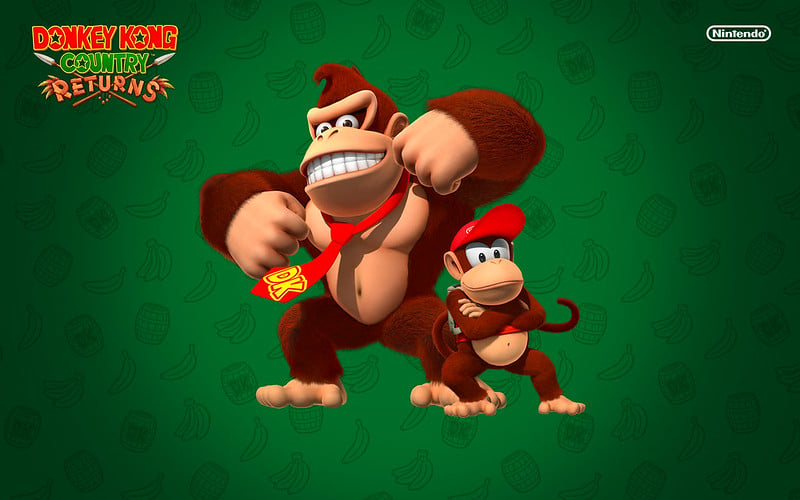
Donkey Kong introduced Mario to the world while pioneering the platformer genre through innovative level architecture. Each stage offered distinct challenges that demanded flawless timing and spatial comprehension, with escalating difficulty guaranteeing eventual failure.
Mortal Kombat
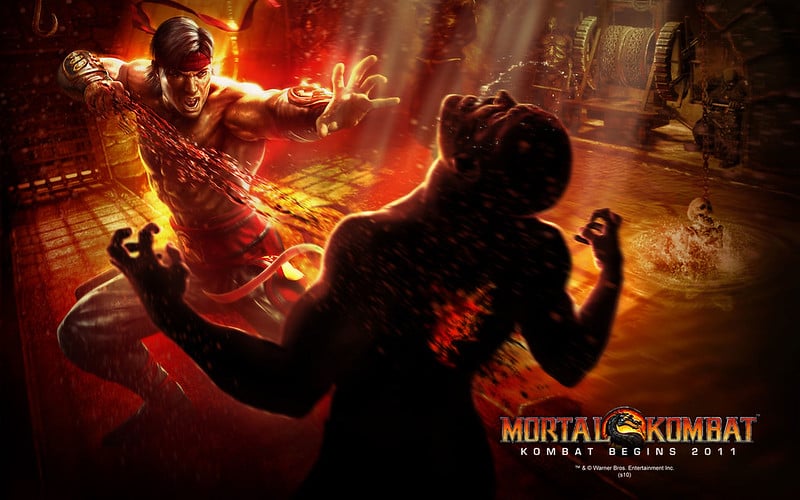
Mortal Kombat stunned the gaming community with its savage finishing moves and photorealistic digitized fighters. The sophisticated combat mechanics rewarded committed practice, motivating players to invest hours learning fatalities and uncovering secret characters.
Centipede
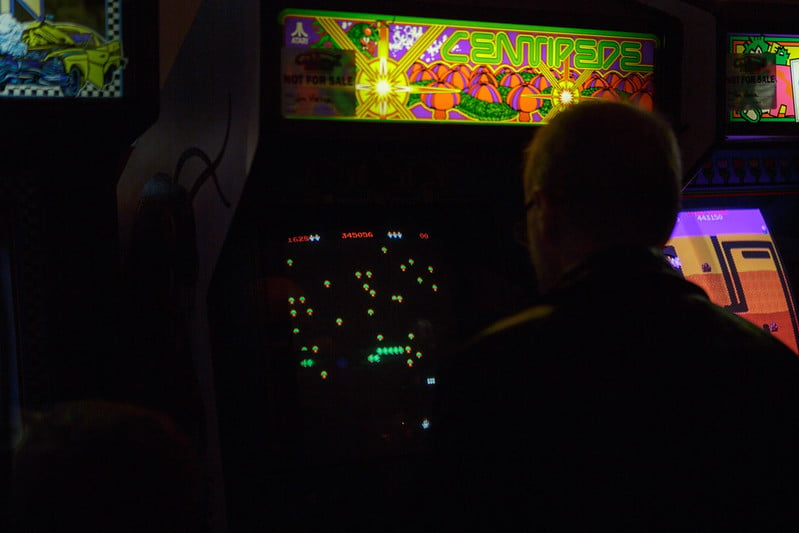
Centipede’s trackball controls delivered unmatched precision for arcade shooters—generating an almost zen-like experience as players eliminated mushroom fields. One careless moment would terminate everything, frequently inspiring immediate quarter insertion for vengeance.
Ms. Pac-Man
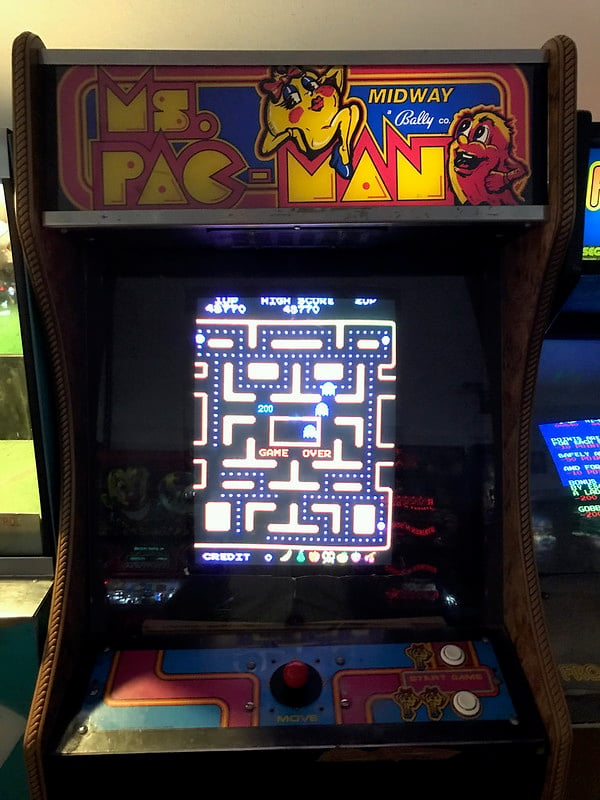
Ms. Pac-Man refined the original concept with superior maze layouts and more advanced ghost AI that eliminated predictable movement patterns. Each maze necessitated thoughtful planning, making every defeat feel like a valuable lesson worth another quarter.
Defender
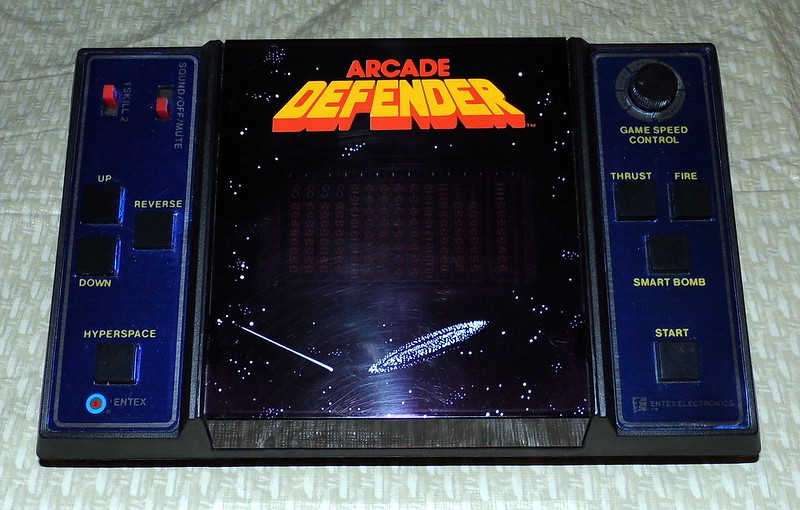
Defender overwhelmed players with its complicated control configuration and unforgiving action—featuring five buttons plus a joystick that terrified newcomers. The brutal learning curve meant most players needed numerous attempts before reaching basic competency.
Asteroids
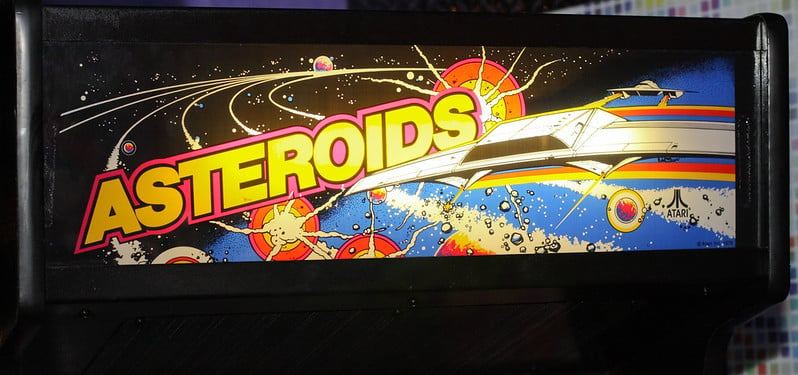
Asteroids merged simple visuals with physics-driven gameplay that seemed revolutionary in 1979—permitting players to drift through space while destroying rocky hazards. Each eliminated wave generated smaller, quicker asteroids that multiplied the challenge dramatically.
Double Dragon
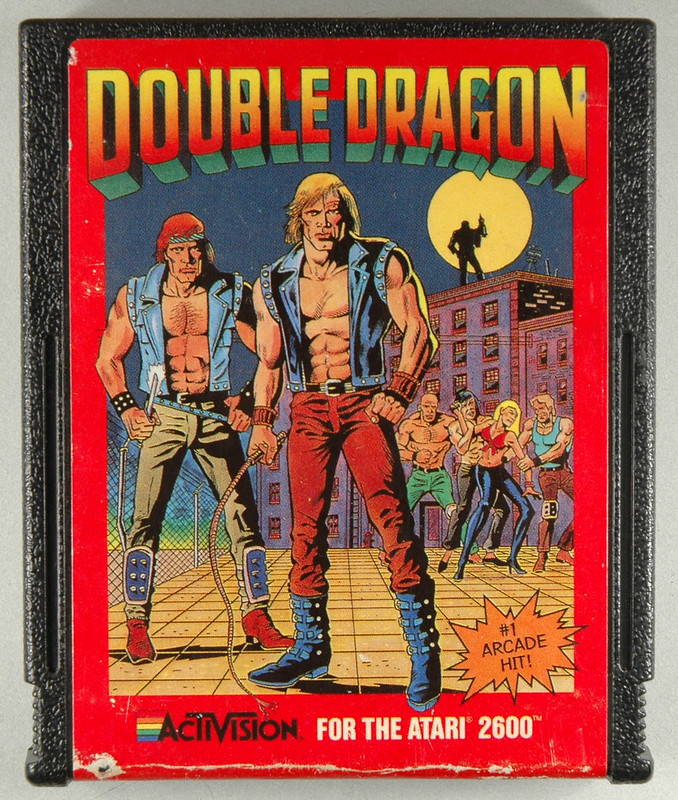
Double Dragon popularized the beat-’em-up category with cooperative gameplay that encouraged friends to unite against criminal organizations. Playing alongside a friend doubled quarter consumption while making the experience infinitely more entertaining.
Frogger
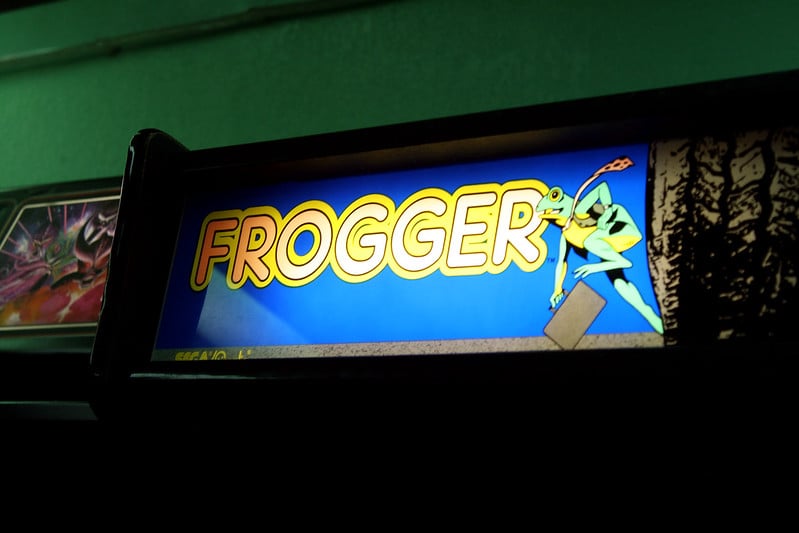
Frogger challenged players’ timing and spatial intelligence as they guided amphibious creatures across congested highways and dangerous rivers. Each attempt seemed achievable until that final log or racing vehicle terminated another hopeful run, necessitating immediate redemption.
Robotron 2084
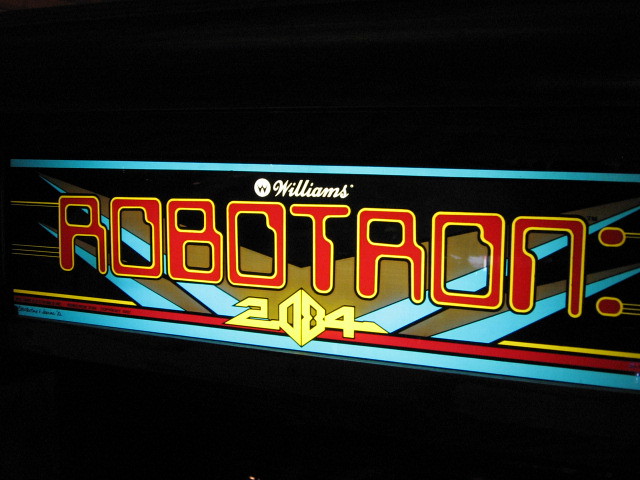
Robotron 2084 bombarded players with frenzied action requiring simultaneous movement and shooting via dual joysticks. Enemy waves created intense scenarios where survival depended on rapid reflexes and tactical positioning.
Q*bert
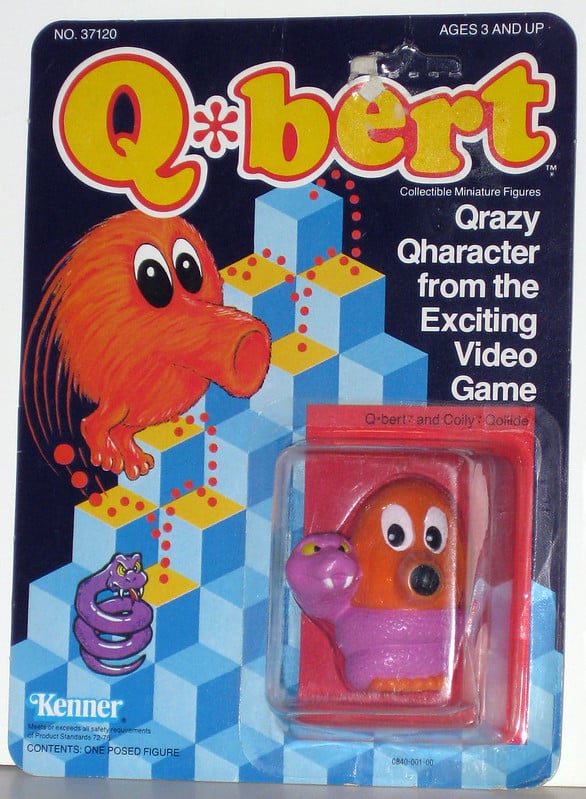
Q*bert merged puzzle components with platforming action through its creative isometric viewpoint and distinctive character design. Each level introduced fresh obstacles and adversaries that complicated the basic concept of altering cube colors.
Joust
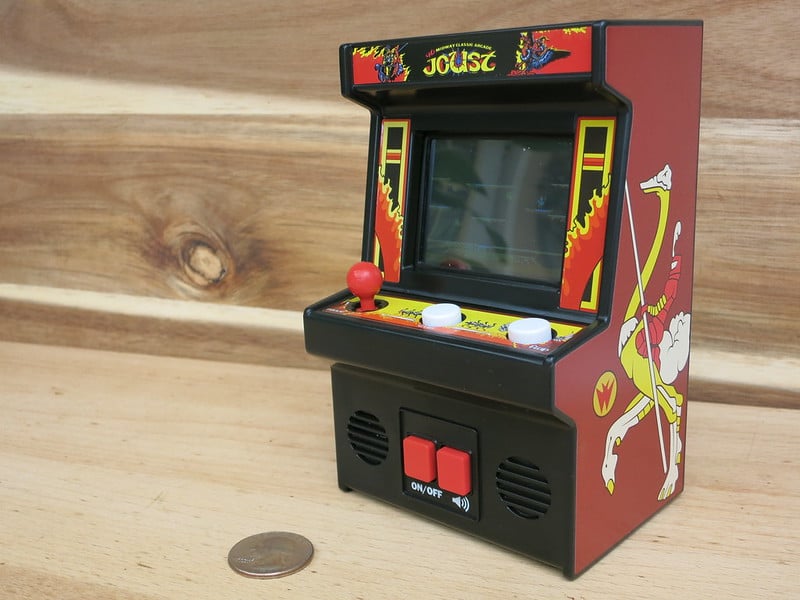
Joust provided competitive multiplayer action where players controlled knights riding airborne ostriches in aerial warfare. Cooperative play against computer opponents alternated with competitive matches between friends, doubling the entertainment value.
Dragon’s Lair
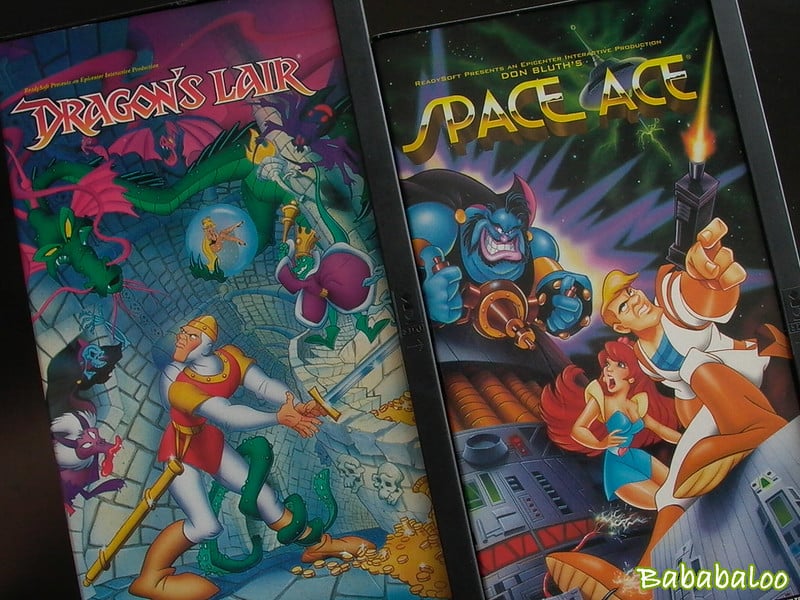
Dragon’s Lair revolutionized arcade gaming through laser disc technology delivering animation quality matching Disney productions. It’s expensive 50-cent cost per play made it especially harsh on budgets, although the spectacular visuals justified the premium pricing.
The Digital Money Pit
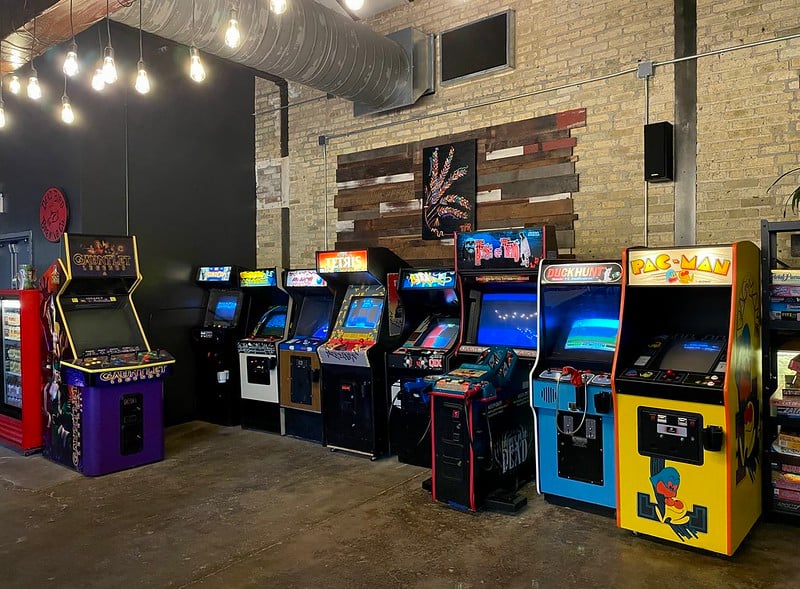
These games represent something beyond mere entertainment—they stand as monuments to an era when gaming demanded physical currency and genuine dedication. Each quarter symbolized a deliberate choice to prioritize enjoyment over financial prudence, forging memories that outlived any monetary remorse. The arcade experience taught patience, persistence, and the worth of earned accomplishments in ways that contemporary gaming seldom replicates. Although home consoles eventually reduced arcade dependency, nothing quite duplicated the social atmosphere and high-stakes thrill of feeding quarters into these digital legends.
More from Go2Tutors!

- 16 Historical Figures Who Were Nothing Like You Think
- 12 Things Sold in the 80s That Are Now Illegal
- 15 VHS Tapes That Could Be Worth Thousands
- 17 Historical “What Ifs” That Would Have Changed Everything
- 18 TV Shows That Vanished Without a Finale
Like Go2Tutors’s content? Follow us on MSN.