17 Computer Viruses That Terrified Us All
Computer viruses have haunted our digital lives for decades, turning our trusted machines into potential enemies overnight. From the early days of floppy disks to the modern internet age, these malicious programs have caused billions in damage while keeping IT professionals awake at night. Some viruses spread like wildfire across networks, others destroyed precious files, and a few even held entire systems hostage for ransom.
Here is a list of 17 computer viruses that struck fear into the hearts of users worldwide and changed how we think about digital security.
Creeper
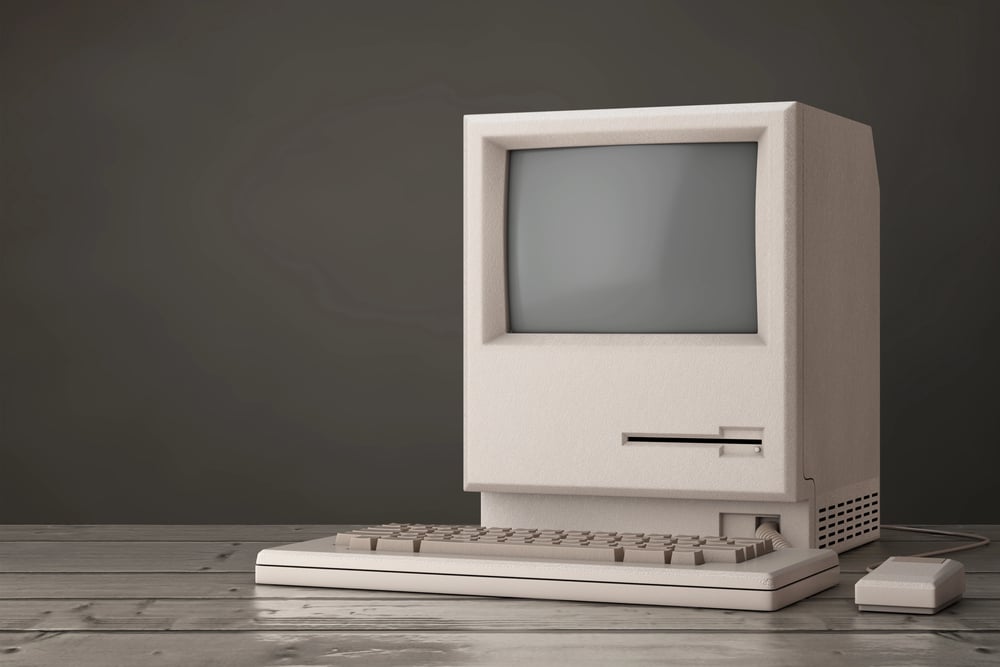
The Creeper virus holds the dubious honor of being one of the first computer viruses ever created back in 1971. It spread through ARPANET (the internet’s predecessor) and displayed the creepy message ‘I’m the creeper, catch me if you can!’ on infected computers.
While relatively harmless by today’s standards, Creeper proved that malicious code could move from one computer to another without human intervention. This little program basically invented the concept of self-replicating malware and showed everyone what the future might hold.
Morris Worm

Robert Tappan Morris unleashed his worm in 1988, accidentally bringing down about 10% of all computers connected to the internet at the time. The Morris Worm was supposed to be a harmless experiment to measure the size of the internet, but a programming error caused it to replicate aggressively.
Infected machines slowed to a crawl as the worm consumed system resources, effectively paralyzing universities, research institutions, and government facilities. Morris became the first person convicted under the Computer Fraud and Abuse Act, though he claimed the whole thing was just a mistake gone terribly wrong.
Michelangelo

Named after the famous Renaissance artist, the Michelangelo virus terrorized PC users in 1992 by threatening to destroy their hard drives on March 6th—Michelangelo’s birthday. Media hysteria reached fever pitch as news outlets warned of impending digital doom, causing panic buying of antivirus software and widespread fear.
While the actual damage turned out to be less catastrophic than predicted, Michelangelo taught the world that viruses could lie dormant for months before striking. The whole episode also demonstrated how media coverage could amplify fear and turn a moderately dangerous virus into a global panic.
CIH (Chernobyl)
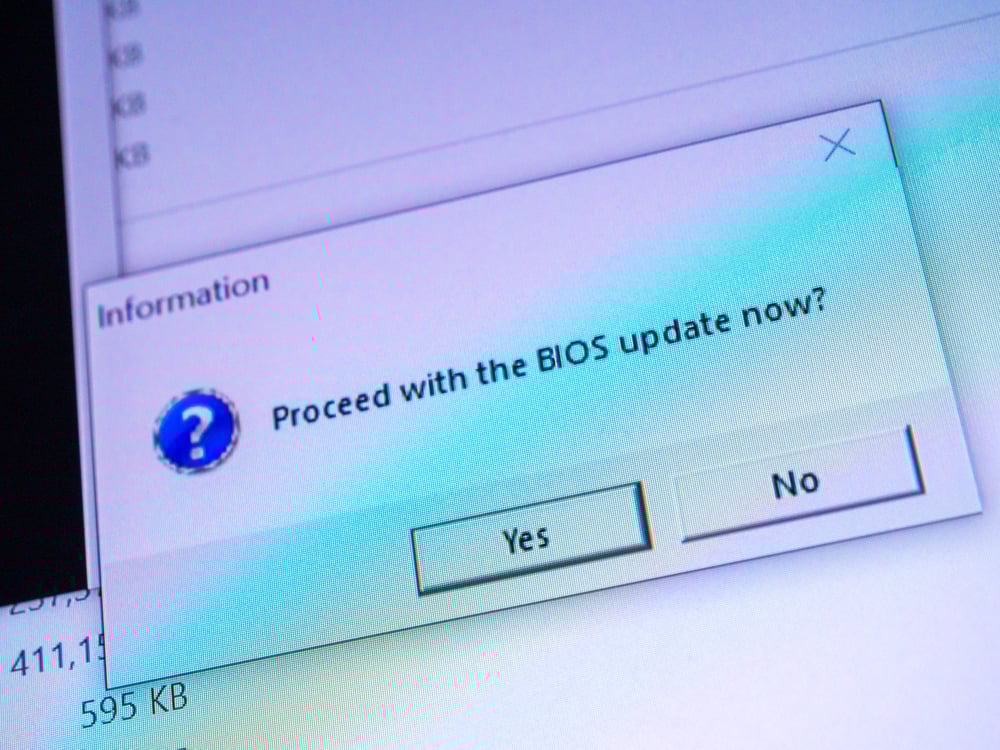
The CIH virus, also known as Chernobyl, was particularly nasty because it didn’t just corrupt files—it tried to destroy the computer’s BIOS, potentially making the machine completely unusable. Created by a Taiwanese student in 1998, CIH activated on April 26th (the anniversary of the Chernobyl nuclear disaster) and caused massive damage across Asia.
The virus infected millions of computers and cost an estimated $1 billion in repairs and lost productivity. What made CIH especially frightening was its ability to hide in empty spaces within executable files, making it incredibly difficult to detect.
Melissa

Melissa spread through Microsoft Outlook email in 1999, disguising itself as an important document from a trusted contact. Once opened, the virus would send itself to the first 50 people in the victim’s address book with a subject line that made it seem legitimate.
Melissa crashed email servers worldwide as millions of infected messages flooded corporate networks simultaneously. The virus was named after a topless dancer the creator had encountered, though its impact on business productivity was anything but entertaining.
ILOVEYOU
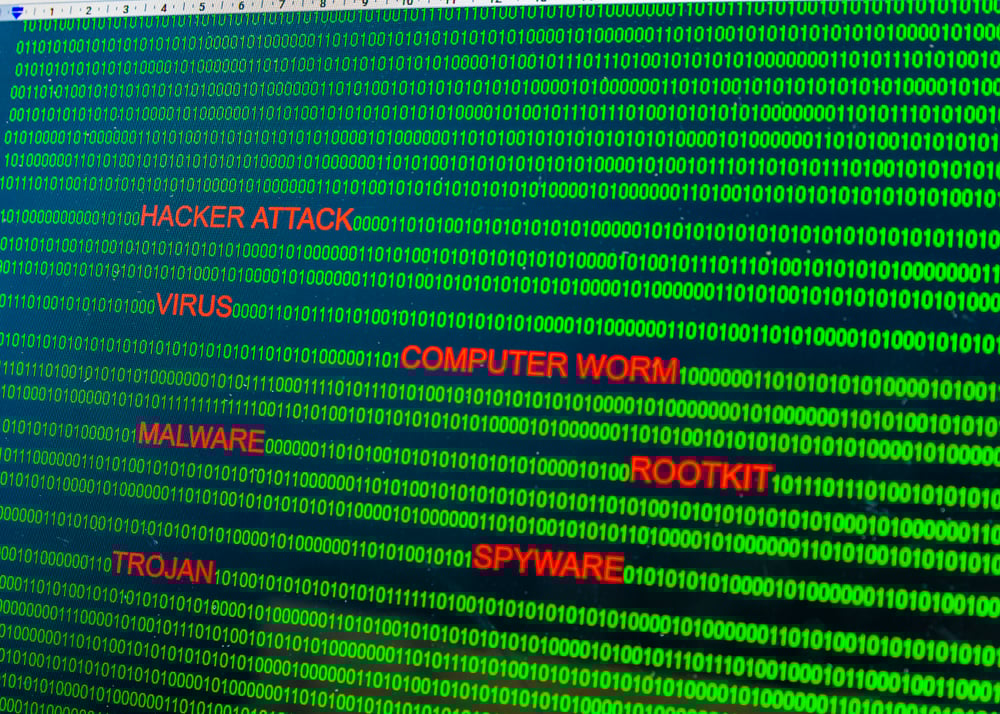
The ILOVEYOU virus proved that people will click on almost anything if it appeals to their emotions, spreading to over 50 million computers in just 10 days during May 2000. The malicious code arrived as an email attachment with the subject line ‘ILOVEYOU’ and filename ‘LOVE-LETTER-FOR-YOU.TXT.vbs,’ exploiting Windows’ default setting to hide file extensions.
Once activated, ILOVEYOU overwrote files, stole passwords, and sent copies of itself to everyone in the victim’s address book. The virus caused an estimated $10 billion in damages and forced major corporations like Ford and Microsoft to shut down their email systems temporarily.
Code Red
Code Red specifically targeted Microsoft’s IIS web servers in 2001, spreading without any human interaction required. The worm infected over 350,000 servers in less than 14 hours, defacing websites with the message ‘Hacked by Chinese!’ and launching distributed denial-of-service attacks.
Code Red demonstrated how quickly automated malware could spread across the internet infrastructure itself, rather than just individual computers. The worm’s ability to propagate without email or user intervention marked a new era in virus design and showed how vulnerable web servers could become weapons.
Nimda

Nimda (which is ‘admin’ spelled backwards) appeared just a week after the September 11 attacks in 2001, using multiple infection methods simultaneously. The virus spread through email attachments, network shares, infected websites, and even exploited vulnerabilities in Microsoft IIS servers.
Nimda could infect a computer within minutes of connecting to an infected network, making it nearly impossible to contain. The timing of its release, combined with its aggressive spreading techniques, created additional anxiety during an already tense period in American history.
SQL Slammer

SQL Slammer holds the record as the fastest-spreading computer worm in history, infecting 75,000 servers in just 10 minutes during January 2003. The worm targeted Microsoft SQL Server databases, generating so much network traffic that it effectively brought down large portions of the internet.
Bank ATMs went offline, airline reservation systems crashed, and emergency services in some areas couldn’t function properly. Despite causing massive disruption, SQL Slammer was only 376 bytes long—smaller than most text messages today.
Blaster

The Blaster worm terrorized Windows users in 2003 by displaying countdown timers warning of impending system shutdowns. Infected computers would automatically restart every few minutes while displaying the message ‘Your system is shutting down’ with a cryptic countdown.
Blaster spread through network connections without requiring any user action, targeting a vulnerability in Windows’ RPC service. The worm also contained a hidden message criticizing Microsoft founder Bill Gates, showing that some virus creators had personal vendettas against major tech companies.
Sasser
Sasser caused worldwide chaos in 2004 by forcing infected Windows computers to constantly restart, making them virtually unusable. Created by an 18-year-old German student, the worm spread through network connections and primarily targeted Windows XP and 2000 systems.
Sasser brought down critical systems at hospitals, banks, and government agencies, with some organizations having to shut down operations completely. The worm’s creator was eventually caught and convicted, but not before Sasser had infected millions of computers and caused hundreds of millions in damages.
Conficker
Conficker emerged in 2008 as one of the most sophisticated pieces of malware ever created, infecting between 9 and 15 million computers worldwide. The worm used multiple spreading techniques and constantly evolved to avoid detection, downloading updates and additional malicious software automatically.
Conficker created a massive botnet that could be used for various criminal activities, from sending spam to stealing personal information. Even today, security experts consider Conficker a masterpiece of malicious engineering that demonstrated how advanced modern malware had become.
Stuxnet

Stuxnet marked a new era in cyber warfare when it was discovered in 2010, specifically designed to target Iranian nuclear facilities. Unlike typical viruses that cause random destruction, Stuxnet was precision-engineered to sabotage industrial control systems while remaining completely invisible.
The worm could make centrifuges spin out of control while reporting normal operations to monitoring systems, essentially lying to human operators. Stuxnet proved that computer viruses could cause real-world physical damage and opened the door to a new type of international conflict.
Cryptolocker
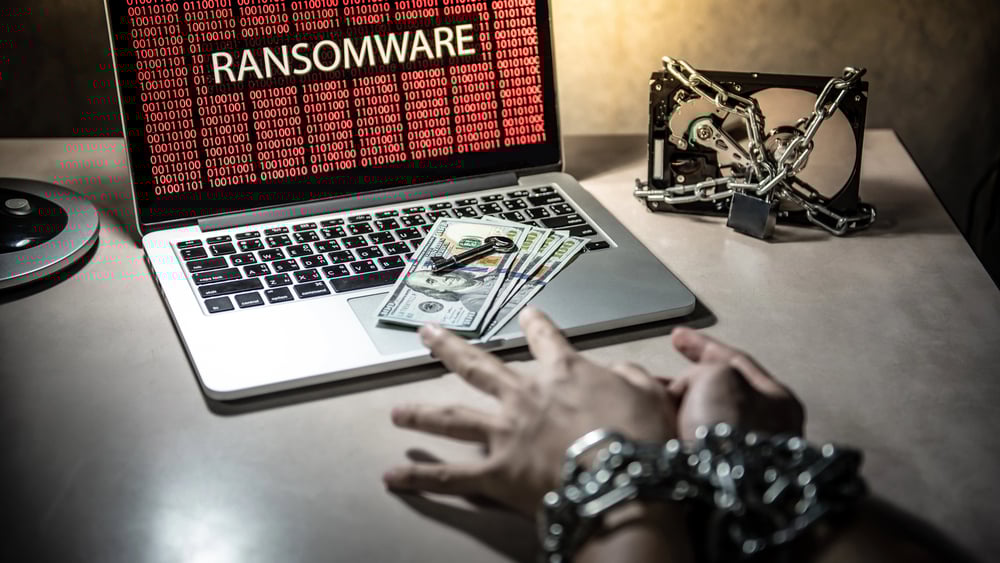
Cryptolocker introduced the terrifying concept of ransomware to mainstream consciousness in 2013, encrypting users’ files and demanding payment for the decryption key. Victims found their documents, photos, and important files completely inaccessible, with a countdown timer threatening permanent deletion if they didn’t pay up.
The virus primarily spread through email attachments and infected network drives, making it devastating for businesses with shared file systems. Cryptolocker spawned an entire industry of ransomware attacks that continues to plague organizations today.
WannaCry

WannaCry became a household name in 2017 when it infected over 300,000 computers across 150 countries in just four days. The ransomware exploited a Windows vulnerability that had been discovered by the NSA and later leaked by hackers.
WannaCry shut down hospitals, disrupted railway systems, and caused chaos at government agencies worldwide. The attack demonstrated how quickly modern malware could spread and how dependent society had become on computer systems for essential services.
NotPetya

NotPetya disguised itself as ransomware in 2017 but was actually designed to cause maximum destruction rather than make money. The malware spread primarily through Ukrainian tax software and then jumped to networks worldwide, causing over $10 billion in damages.
Unlike typical ransomware, NotPetya made file recovery nearly impossible even if victims paid the ransom. Security experts believe NotPetya was actually a state-sponsored cyberweapon designed to damage Ukrainian infrastructure that got out of control.
Emotet

Emotet started as banking malware in 2014 but evolved into one of the most dangerous and versatile threats on the internet. The trojan could steal personal information, download additional malware, and turn infected computers into spam-sending zombies.
Emotet was particularly sneaky because it could adapt its appearance to look like legitimate emails from banks, shipping companies, or government agencies. Law enforcement agencies around the world worked together for years to finally shut down Emotet’s infrastructure in 2021.
From Floppy Disks to Global Networks

These viruses shaped the digital world we live in today, forcing the development of sophisticated security measures and changing how we think about online safety. What started as simple pranks and experiments evolved into complex criminal enterprises and instruments of international warfare.
The evolution from Creeper’s playful message to WannaCry’s global disruption shows how our increasing dependence on technology has raised the stakes for cybersecurity. Today’s antivirus software, automatic updates, and security protocols exist because these digital plagues taught us that our connected world is only as secure as its weakest link.
More from Go2Tutors!

- The Romanov Crown Jewels and Their Tragic Fate
- 13 Historical Mysteries That Science Still Can’t Solve
- Famous Hoaxes That Fooled the World for Years
- 15 Child Stars with Tragic Adult Lives
- 16 Famous Jewelry Pieces in History
Like Go2Tutors’s content? Follow us on MSN.



