17 Photos Showing What It Felt Like to Party in the 1970s
The 1970s threw the wildest parties in American history. Sure, every generation thinks they invented fun, but something about that decade hit different.
Maybe it was the freedom spilling over from the ’60s finally landing somewhere it could actually party, or maybe it was the looming economic uncertainty making everyone want to dance a little harder before the music stopped. Either way, these photos capture what it actually felt like to be in those rooms when the night was young and anything felt possible.
Studio 54’s Velvet Rope
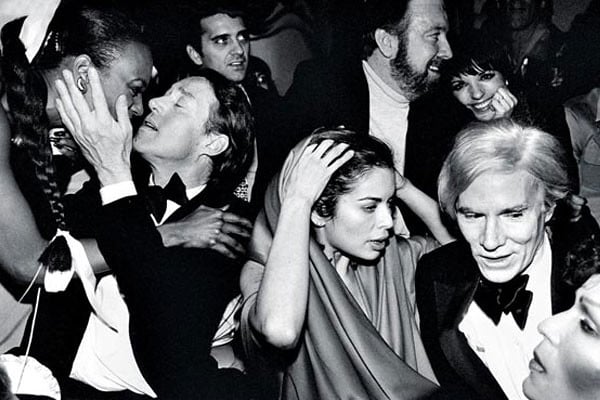
Studio 54 didn’t just set the bar for nightclub exclusivity. It became the bar.
Getting past that velvet rope meant you’d made it into the most famous party in the world, where celebrities, socialites, and regular people with the right look danced until dawn under lights that made everything feel like a fever dream.
Basement Parties In Suburban Homes
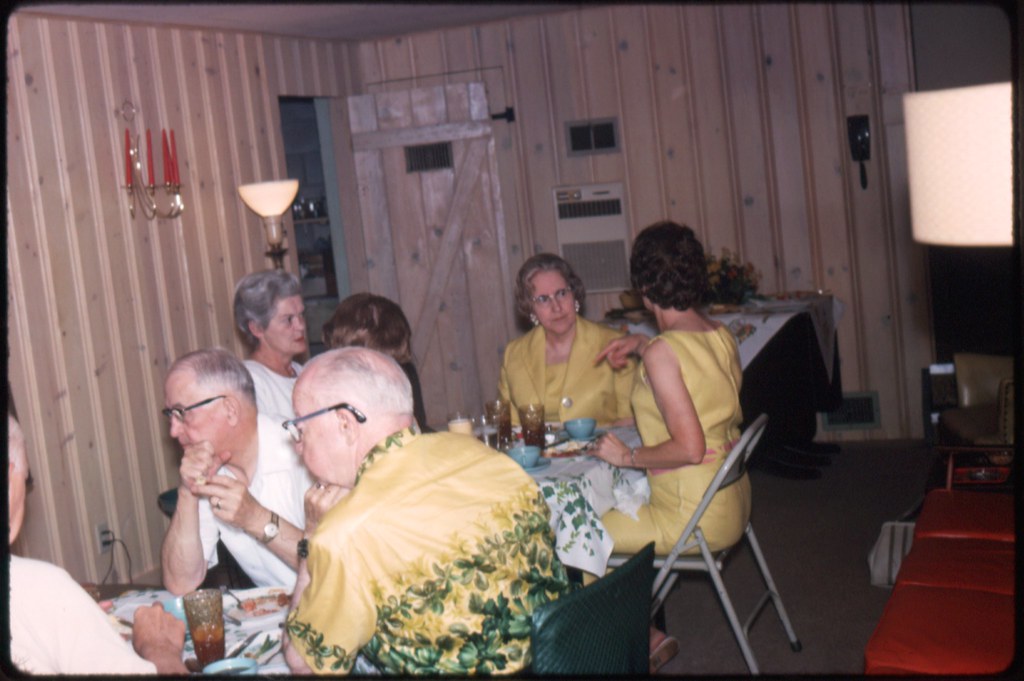
And yet the real magic often happened in places that would never make the society pages: finished basements with wood paneling where someone’s older brother had rigged up a decent sound system, and the only thing standing between you and the party was whether your parents were asleep upstairs.
The basement parties had something Studio 54 couldn’t manufacture. Intimacy.
The kind of closeness that happens when thirty people are crammed into a space meant for fifteen, when the music is loud enough to feel in your chest but not so loud that you can’t talk, when everyone knows they’re part of something that will never happen exactly this way again.
Drive-In Movie Double Features
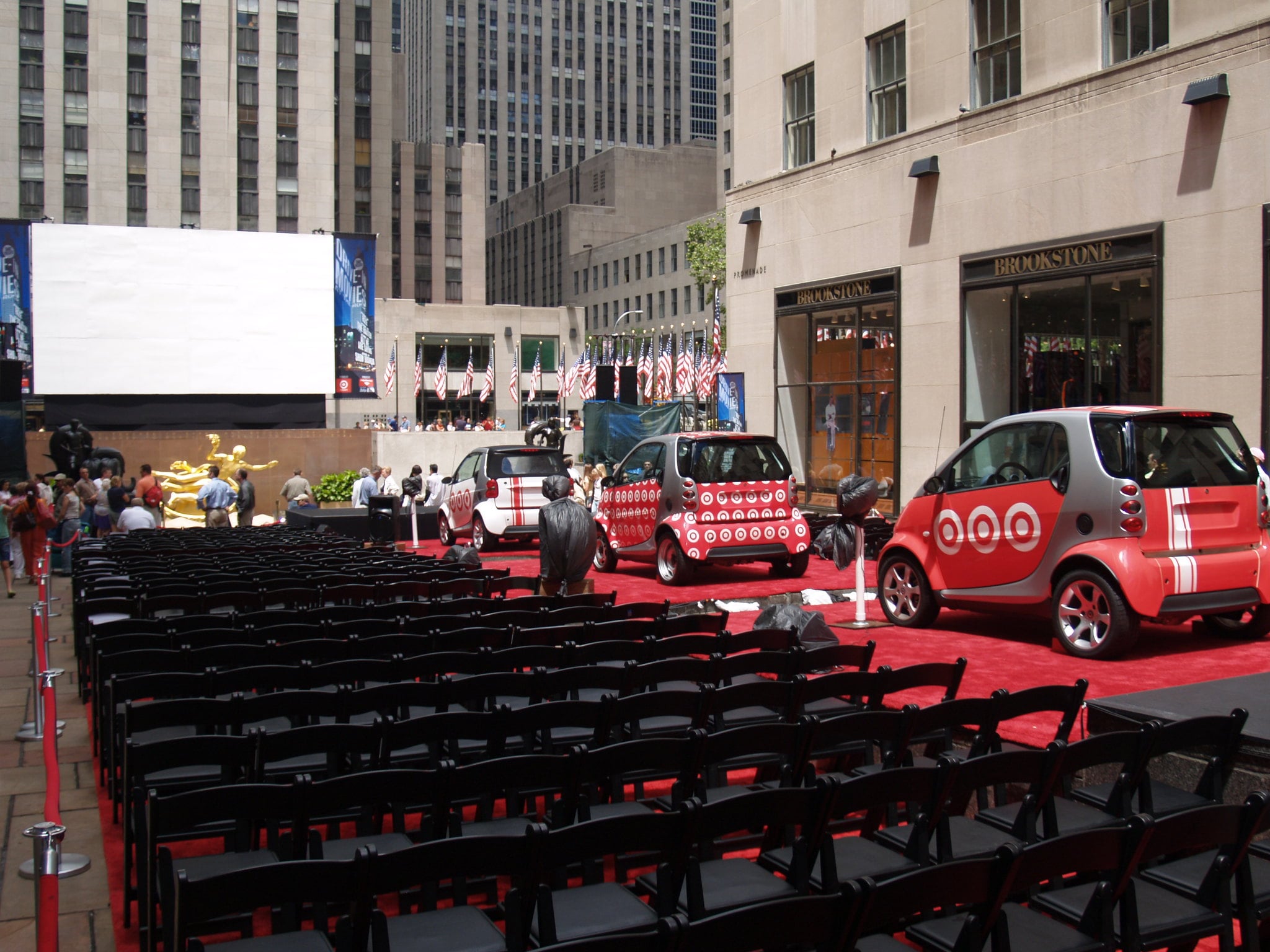
Drive-ins in the 1970s served as massive outdoor living rooms where teenagers could finally escape adult supervision for a few hours. Cars became private booths at the world’s most democratic social club.
Half the people there never actually watched the movies.
House Parties That Spilled Into Backyards

The best parties always outgrew their intended spaces. What started as a small gathering in someone’s living room would migrate through the kitchen, out the sliding glass doors, and into backyards where the real conversations happened under string lights that someone’s mom had hung for a barbecue months earlier.
Roller Disco Fever
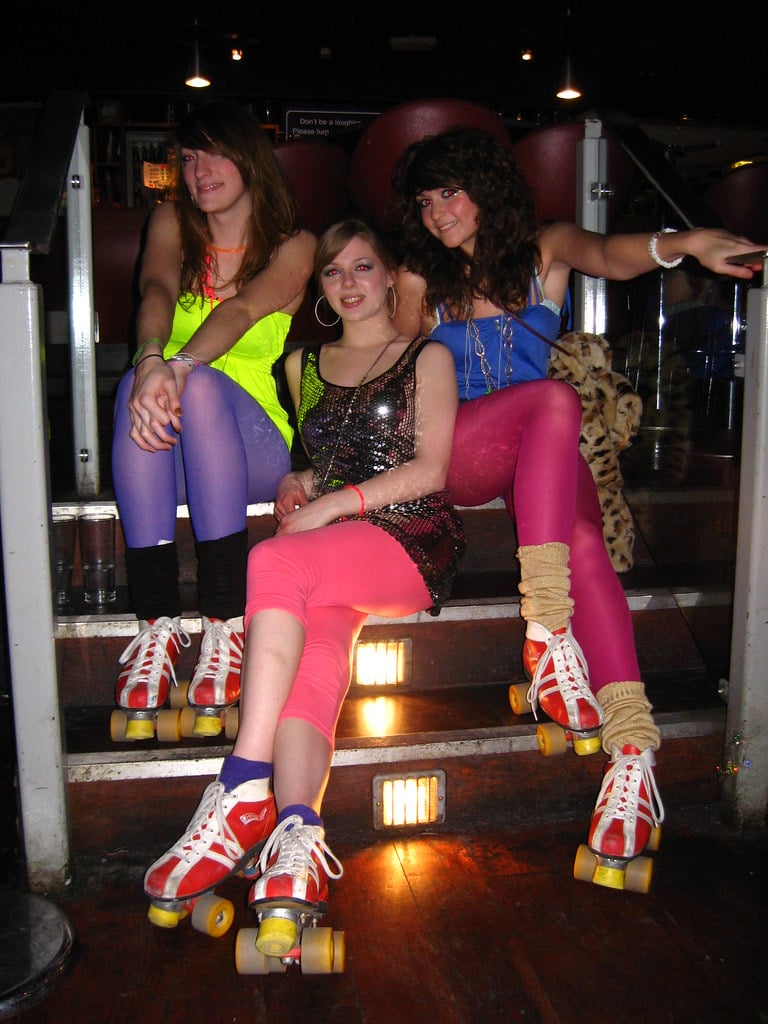
Roller disco represented everything the decade stood for: taking something simple (skating), adding music that made your whole body move, and turning it into a weekly ritual where regular people could feel like performers.
So people showed up every Friday night, laced up those rental skates that never quite fit right, and glided around that rink like they were auditioning for their own lives.
And for three hours, that’s exactly what they were doing.
College Dorm Common Rooms
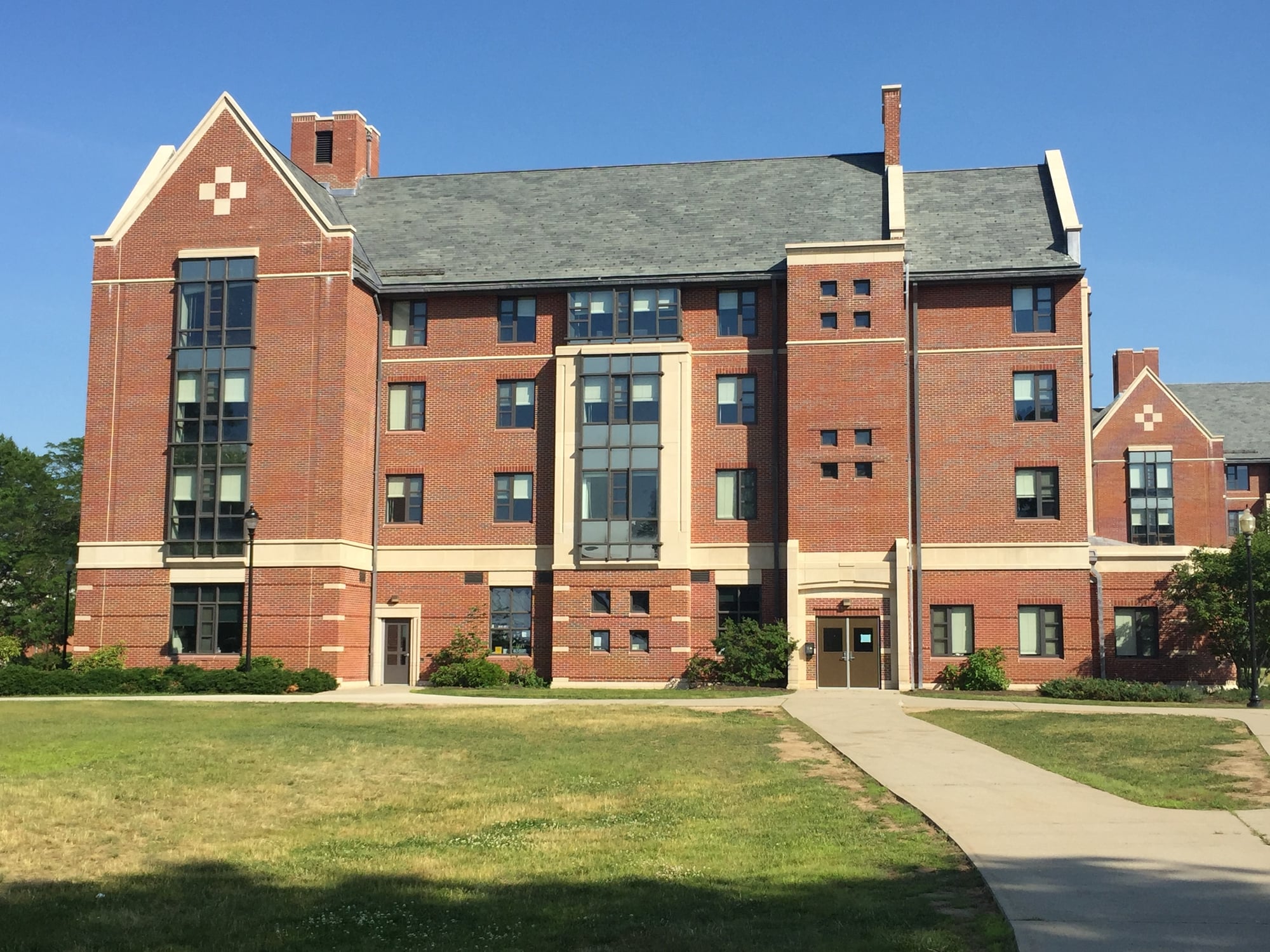
College parties in the ’70s happened in spaces that weren’t designed for parties but somehow made perfect sense anyway. Common rooms with furniture that had seen better decades, linoleum floors that were easy to clean, and acoustics that turned even quiet conversations into something that sounded like celebration.
Backyard Barbecues That Turned Into All-Nighters

Summer barbecues had a way of evolving beyond their original purpose. What started as burgers and beer at six would become something entirely different by midnight, when the grill had been abandoned, the kids had been sent inside, and the adults finally admitted they weren’t ready for the evening to end.
High School Gymnasium Dances

School dances occupied that strange space between official supervision and actual freedom, where teenagers in polyester suits and dresses that felt like costumes tried to figure out how to move their bodies to music that seemed designed to make movement both necessary and impossible.
The gymnasium always smelled like industrial cleaner and teenage anxiety, but once the lights dimmed and the music started, it transformed into something that felt almost sacred.
Almost.
Apartment Parties In Converted Lofts

Urban loft parties drew crowds that looked like they’d been cast by someone with an eye for interesting faces. Artists, musicians, people with day jobs they never talked about, all gathered in spaces that felt temporary but significant.
The kind of parties where someone always knew someone who knew someone worth meeting.
Nightclub Dance Floors

Nightclub dance floors in the ’70s operated by different rules than today. People didn’t dance for social media or to be seen from across the room.
They danced because the music demanded it, because their bodies had been waiting all week for permission to move this way, because the combination of lights and sound created something that felt like church for people who’d given up on traditional religion.
Wedding Receptions With Live Bands
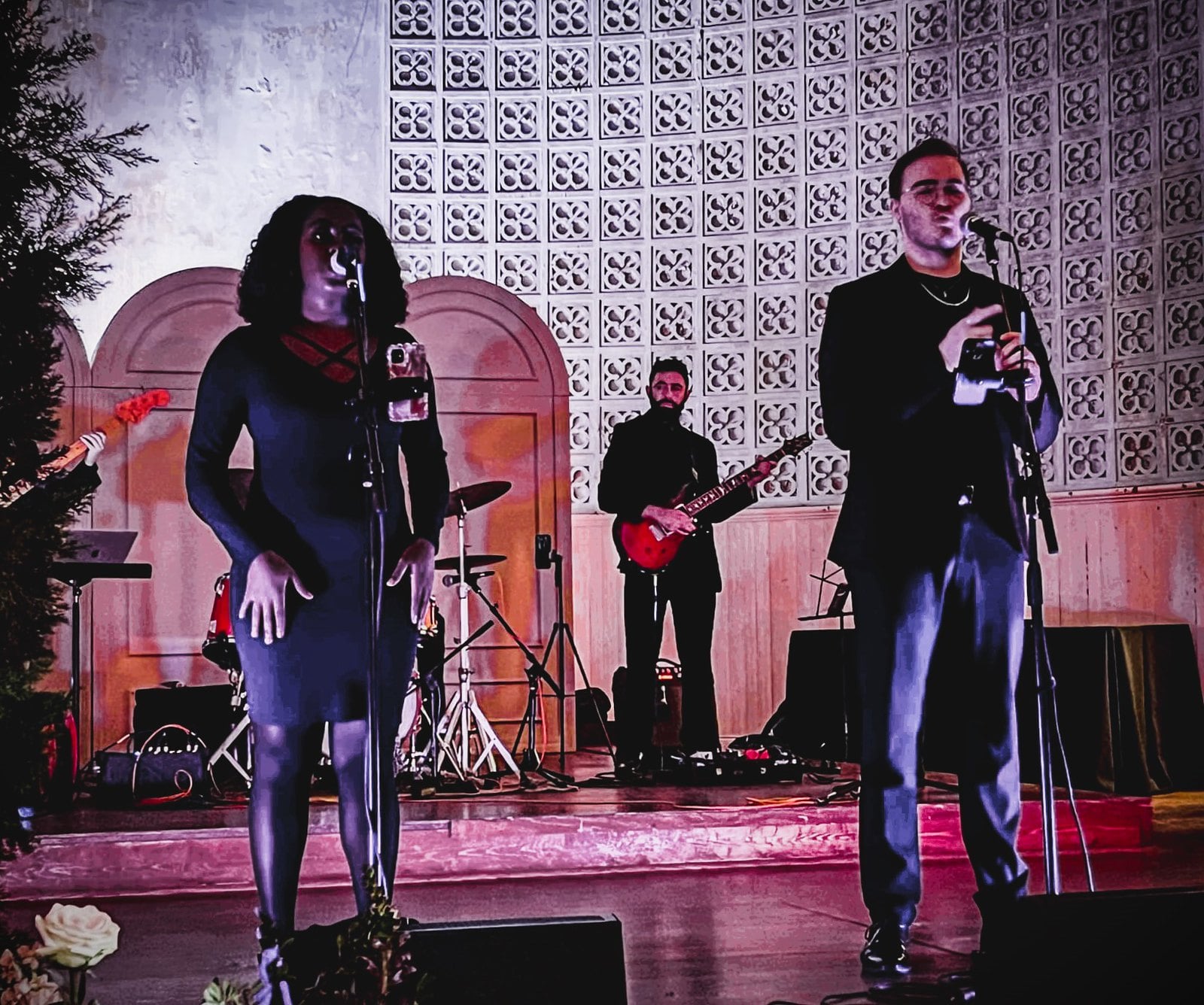
Wedding receptions back then featured live bands that understood their job was to keep people dancing, not to showcase original material or make artistic statements.
But the real magic happened during the slow songs, when couples who’d been married for decades still held each other like they were figuring out how their bodies fit together.
Like they had all the time in the world.
Holiday Office Parties

Office parties in the 1970s revealed secret sides of people you thought you knew. The quiet accountant who turned out to be an incredible dancer.
The stern supervisor who laughed at jokes that weren’t even that funny. Alcohol played a role, sure, but so did the simple relief of seeing your coworkers as actual human beings instead of just the roles they played during business hours.
Beach Bonfires
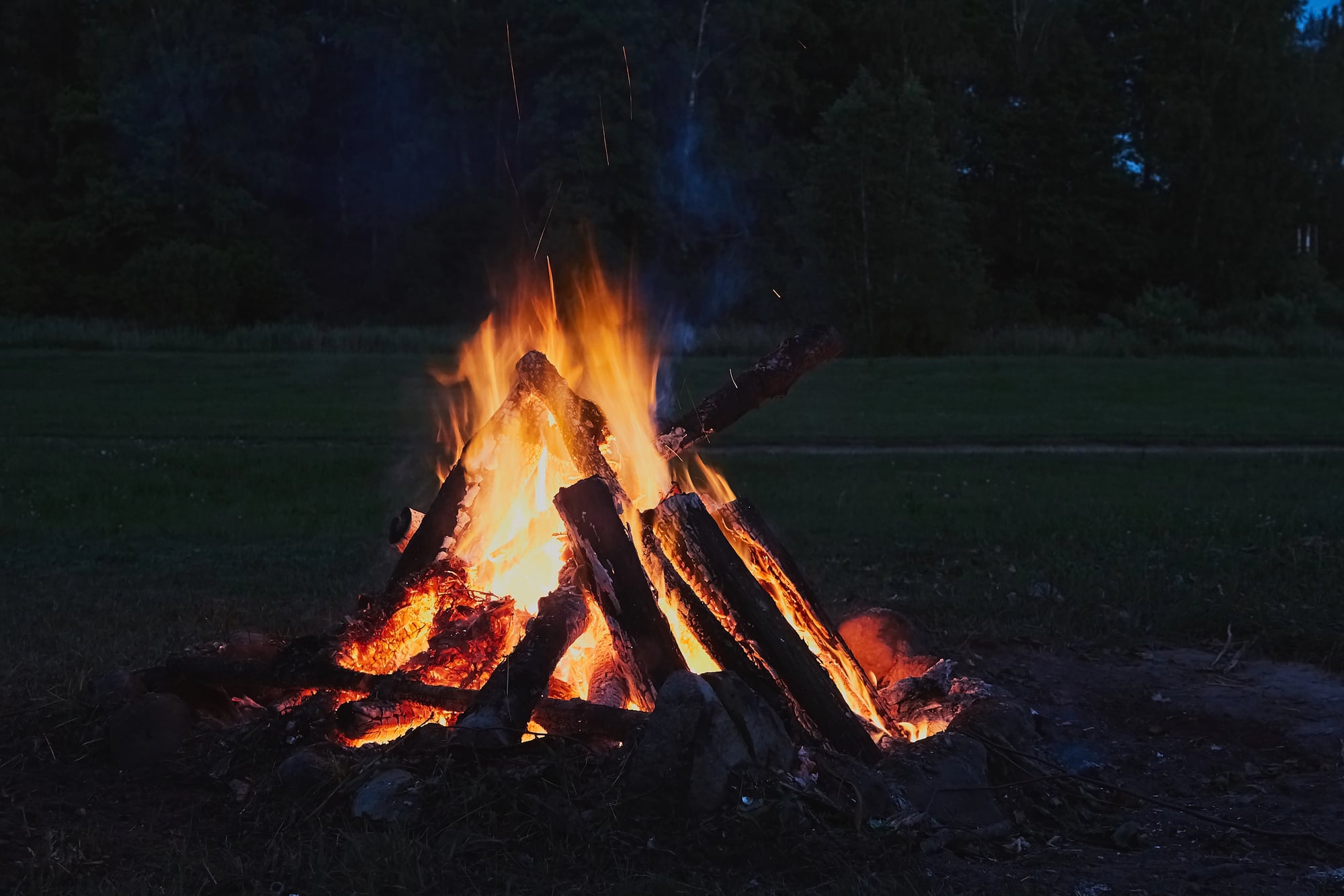
Beach parties happened in that perfect intersection of natural beauty and human celebration where the sound of waves provided the best possible soundtrack for conversations that felt more honest than usual.
Maybe because the ocean has a way of putting everything into perspective, or maybe because sand between your toes makes it harder to take yourself too seriously.
Fraternity Parties
Fraternity parties were loud, crowded, and often ridiculous, but they also created a specific kind of chaos that somehow worked.
A hundred people who barely knew each other pretending they were best friends, cheap beer that tasted better than it had any right to, and music turned up so loud that talking became impossible and dancing became the only form of communication that made sense.
Block Parties That Closed Down Streets
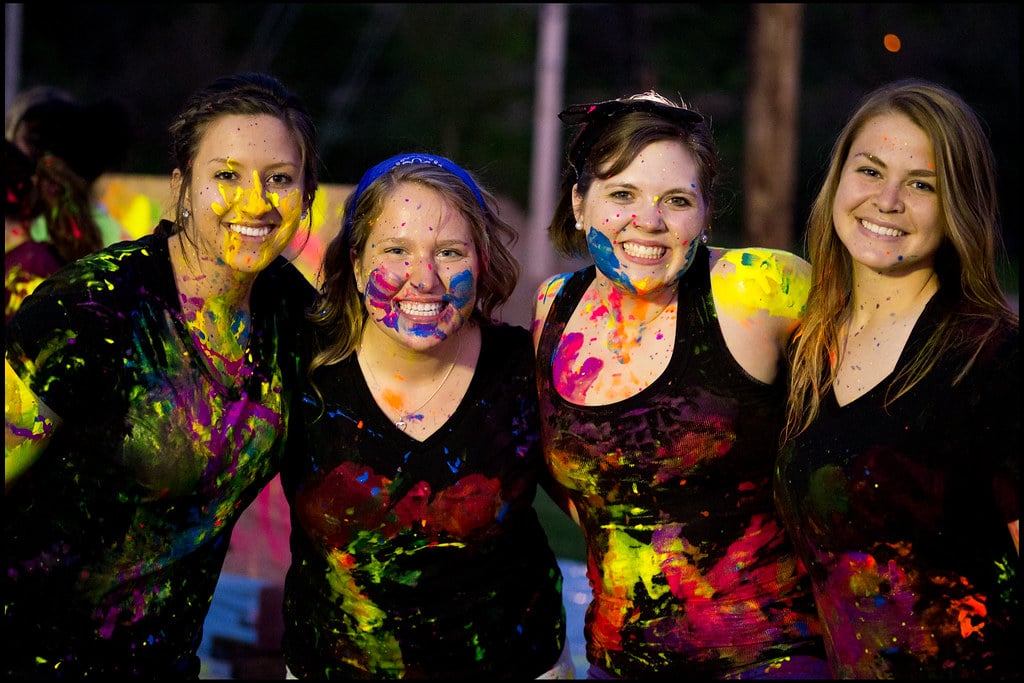
Neighborhood block parties required the kind of community coordination that seems impossible today. Someone had to get permits, someone else had to organize the potluck, and somehow it all came together into these sprawling street festivals where kids rode bikes between tables of adults who were just happy to have an excuse to meet the people they’d been waving to for years.
New Year’s Eve House Parties

New Year’s Eve in the ’70s meant house parties where everyone dressed up like they were going somewhere much fancier.
Midnight felt like a genuine milestone instead of just another social media moment, where people actually believed that the upcoming year might be completely different from the one they were leaving behind.
And maybe, just for one night, they were right.
Pool Parties In The Suburbs
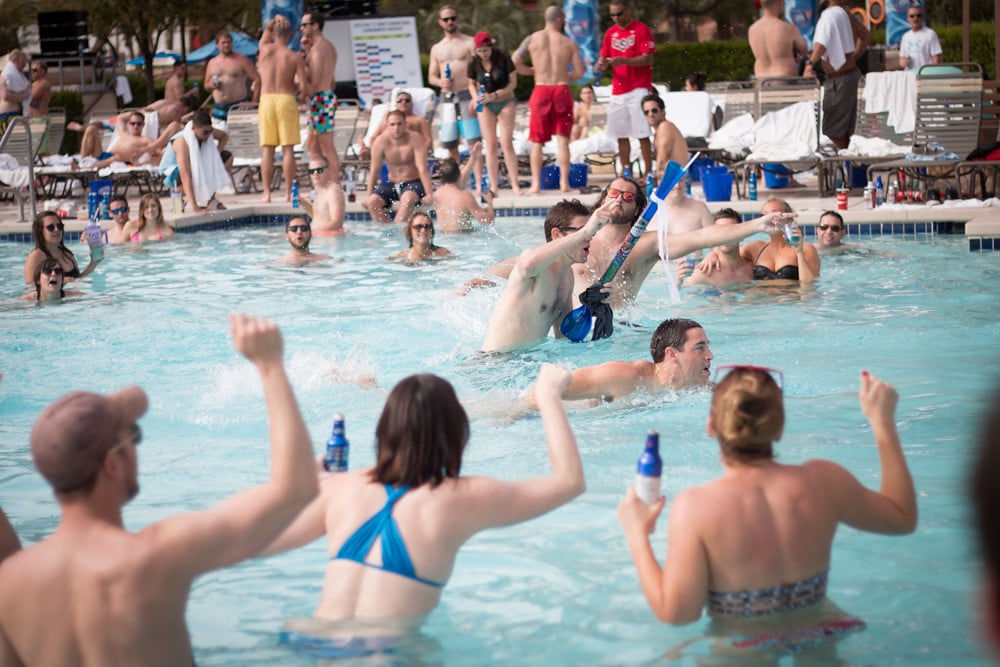
Suburban pool parties captured something essential about the decade’s relationship with leisure. These weren’t events designed to impress anyone.
They were simply celebrations of summer, of having a few friends over, of the luxury of clean water and enough space to float without thinking about anything more complicated than whether someone remembered to bring extra towels.
When The Music Stops But The Feeling Remains

Some decades leave behind fashion trends or technological advances. The 1970s left behind a feeling: that parties were supposed to be about connection, not performance.
That the best nights happened when people stopped trying to curate their experience and started living it. These photos don’t just show us what people wore or how they danced.
They show us what it looked like when an entire generation decided that joy was worth pursuing, even when everything else felt uncertain.
More from Go2Tutors!

- The Romanov Crown Jewels and Their Tragic Fate
- 13 Historical Mysteries That Science Still Can’t Solve
- Famous Hoaxes That Fooled the World for Years
- 15 Child Stars with Tragic Adult Lives
- 16 Famous Jewelry Pieces in History
Like Go2Tutors’s content? Follow us on MSN.