19 Highest Paid Actors from the 1990s
Hollywood’s money game shifted hard in the 1990s. Global reach grew as studios pushed into new markets.
Big films started costing more, yet one number stood out – $20 million paid to a single actor. Suddenly, leading roles weren’t only about fame.
A known face could launch a film across continents without explanation. Star power turned into box office fuel.
Now actors started earning far more before filming began. Still, it was the hidden cuts of future profits that truly boosted a few beyond what anyone realized.
A deep dive into 19 performers pulling in massive earnings during the past ten years.
Tom Cruise
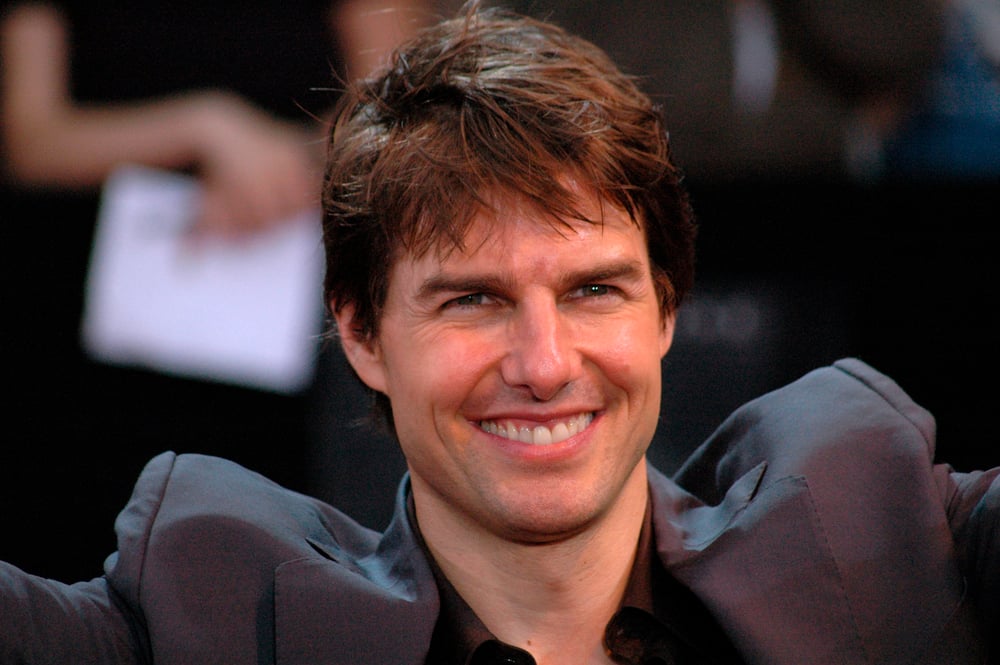
Tom Cruise became one of the first actors regularly earning $20 million per film during the 1990s. After the success of Mission: Impossible in 1996, his leverage grew significantly.
He also negotiated profit participation, meaning his earnings often extended well beyond his base salary. Even so, Cruise’s box office consistency made studios comfortable investing heavily.
His combination of action appeal and global draw placed him at the top tier throughout the decade.
Julia Roberts

Julia Roberts reportedly earned $20 million for Erin Brockovich in 2000, but her 1990s paydays had already placed her among the highest paid actresses in Hollywood. After Pretty Woman in 1990, she became a bankable romantic lead.
That said, female actors rarely received the same compensation as male counterparts during that era. Roberts’ salary milestones marked a significant shift in studio pay structure for women.
Jim Carrey
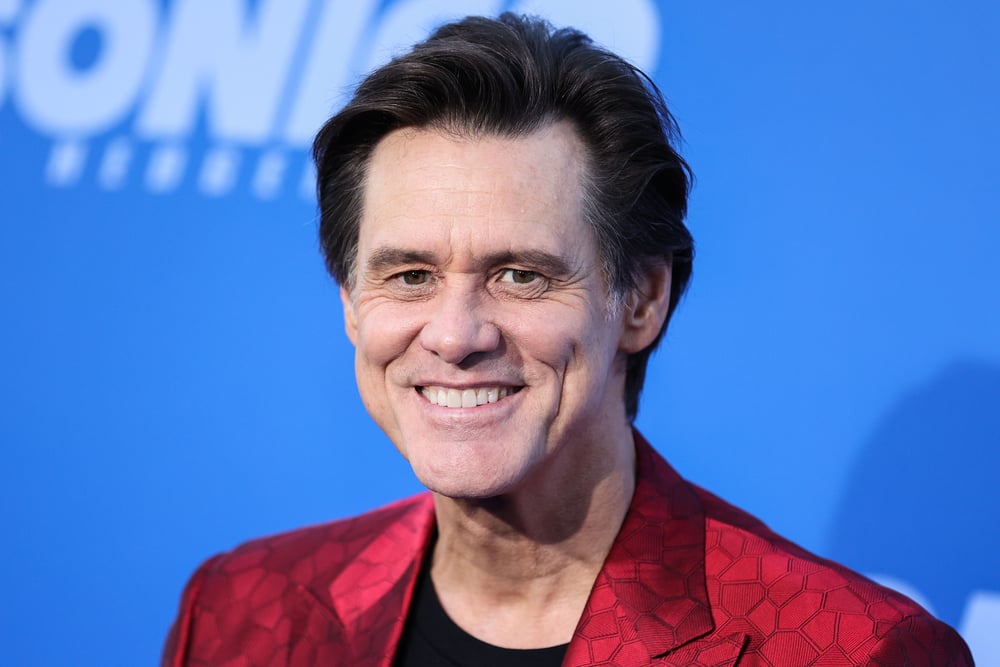
Jim Carrey’s rise was explosive. In 1996, he became the first actor to earn $20 million upfront for a comedy with The Cable Guy.
That deal stunned industry insiders and reset expectations for comedy stars. Still, his run of hits including Ace Ventura, The Mask, and Dumb and Dumber justified the risk.
His unique brand of physical humor translated into major box office returns.
Arnold Schwarzenegger
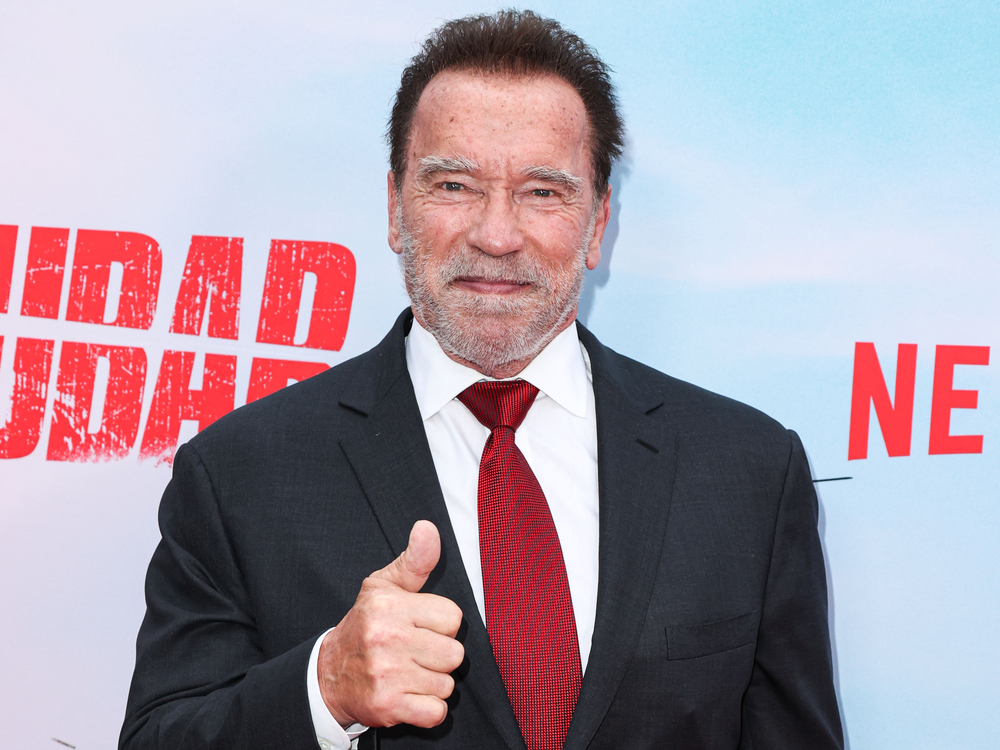
Arnold Schwarzenegger entered the 1990s already commanding enormous salaries. Reports suggest he earned around $20–25 million for films like Terminator 2: Judgment Day and later projects.
Even so, his contracts often included lucrative bonuses tied to performance. As one of the original global action icons, he represented the peak of blockbuster-era compensation.
Mel Gibson

Mel Gibson’s earning power surged in the 1990s. He reportedly earned about $20 million for Lethal Weapon 4.
His dual role as actor and director in films like Braveheart increased his financial stake. That said, backend profits and production involvement amplified his earnings beyond reported base salaries.
His versatility boosted his leverage in negotiations.
Harrison Ford
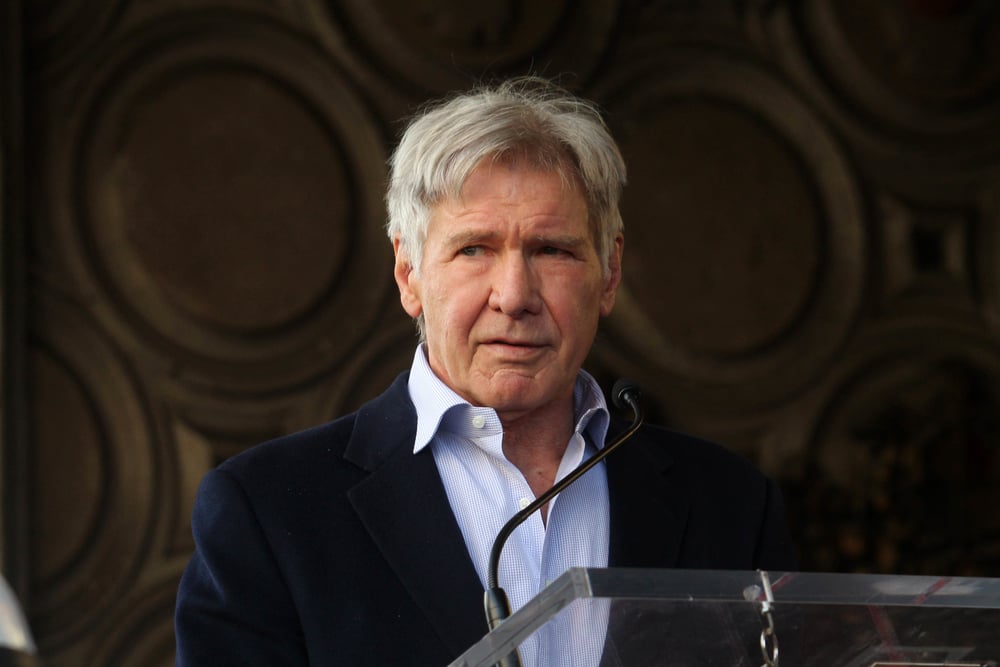
Harrison Ford was consistently among the highest paid actors of the decade. By the late 1990s, he was reportedly earning $20 million per film, including for Air Force One.
Still, Ford’s long-established franchise credibility from earlier decades strengthened his bargaining position. Studios trusted his ability to anchor large-scale productions.
Bruce Willis
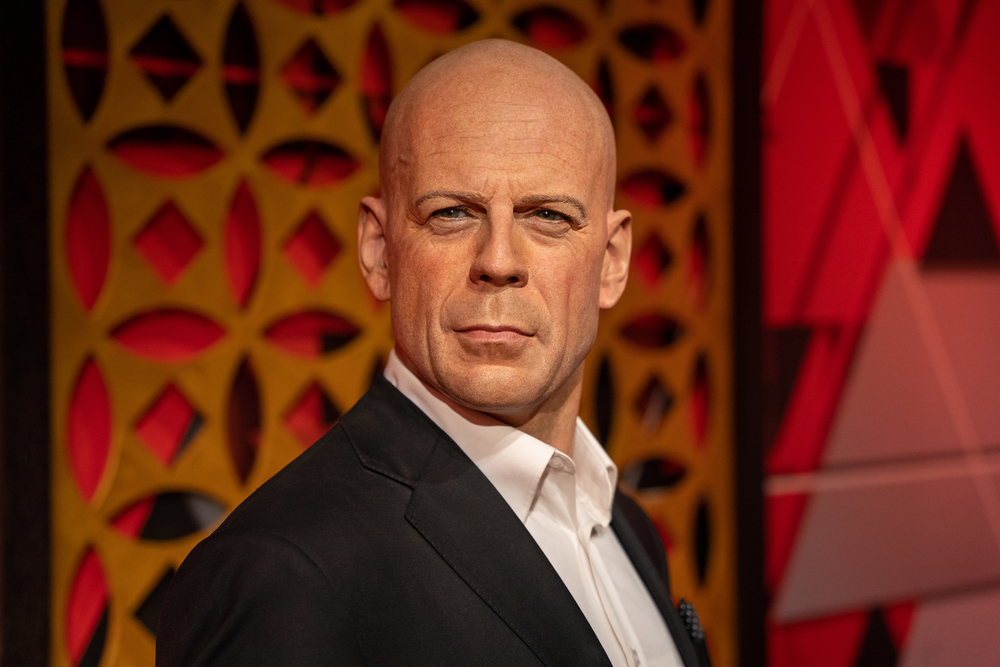
Bruce Willis transitioned from television fame into major action stardom with the Die Hard franchise. During the 1990s, his salary reportedly reached the $20 million mark for certain projects.
Even so, Willis also negotiated percentage-based deals that could significantly increase his final earnings. His mix of action and drama broadened his appeal.
Tom Hanks
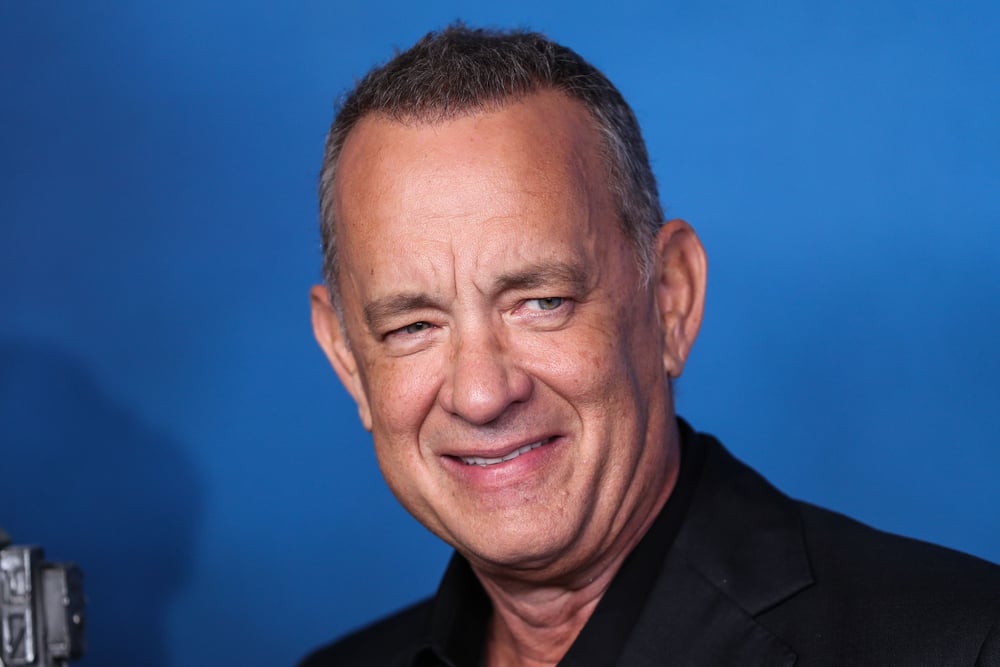
Tom Hanks became one of the decade’s most respected and financially secure actors. Following critical and commercial hits like Forrest Gump, he reportedly earned substantial backend profits that far exceeded his base salary.
That said, his consistent box office performance allowed him to command top-tier pay without relying solely on action spectacle.
Sylvester Stallone
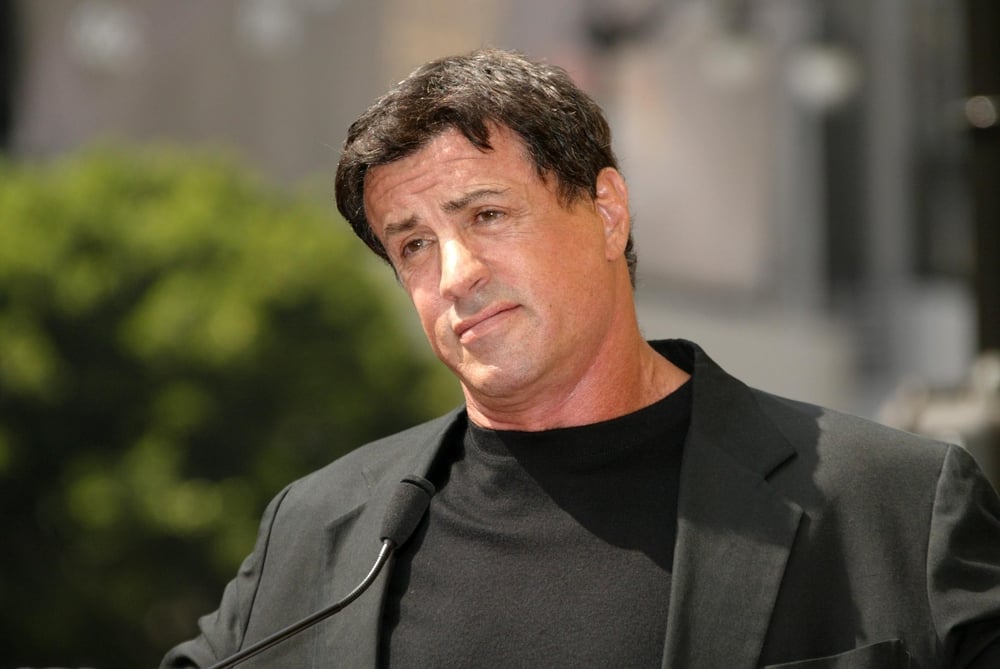
Sylvester Stallone remained a high earner in the early 1990s, reportedly earning around $15–20 million per film. Though some projects underperformed, his name still carried international weight.
Still, the action-heavy era that fueled his earlier dominance began shifting toward new stars. Even so, his compensation remained elite.
Demi Moore
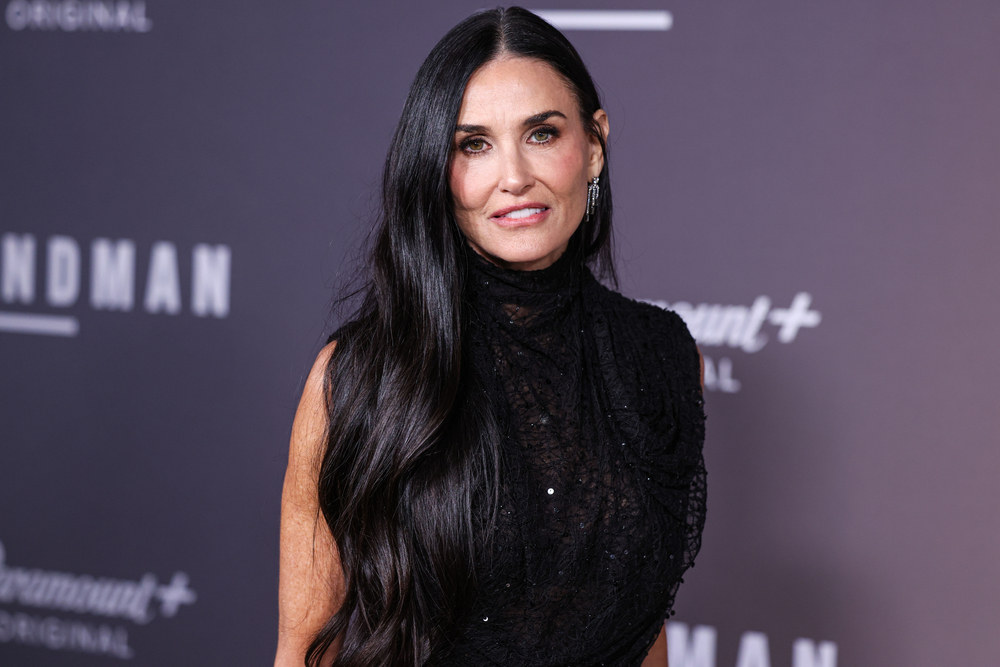
Demi Moore made headlines in 1996 when she reportedly earned $12.5 million for a film, making her one of the highest paid actresses at the time. That salary was widely publicized and debated.
Even so, the deal reflected her drawing power following films like Ghost and A Few Good Men. Her earnings symbolized rising female star leverage.
Kevin Costner
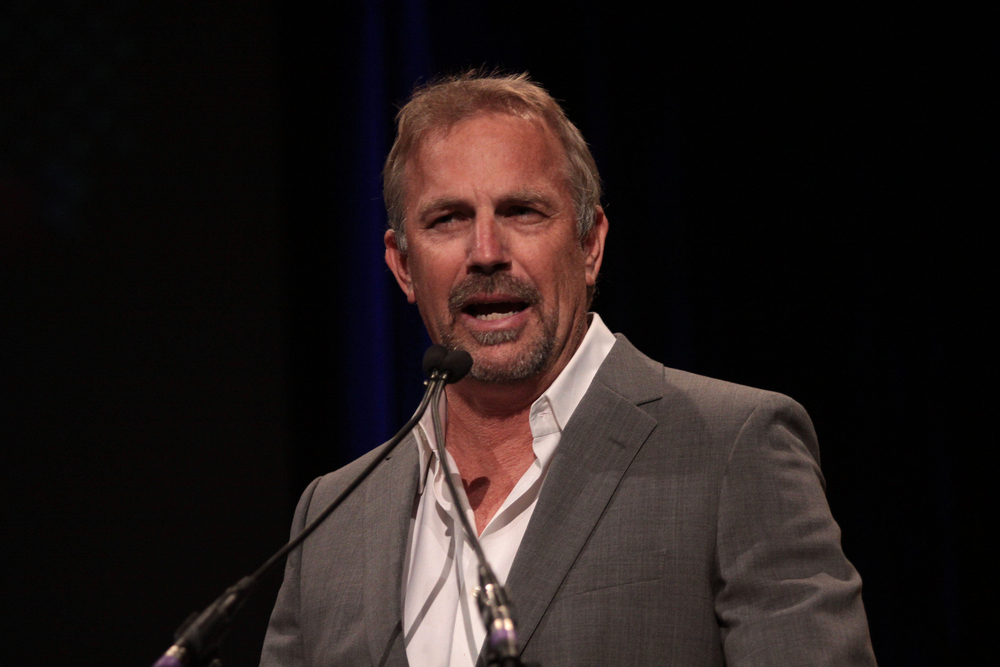
Kevin Costner entered the 1990s at peak power following Dances with Wolves. He reportedly commanded eight-figure salaries for subsequent projects.
That said, large-scale productions like Waterworld became financially risky. Even so, his early-decade dominance placed him among Hollywood’s top earners.
Eddie Murphy
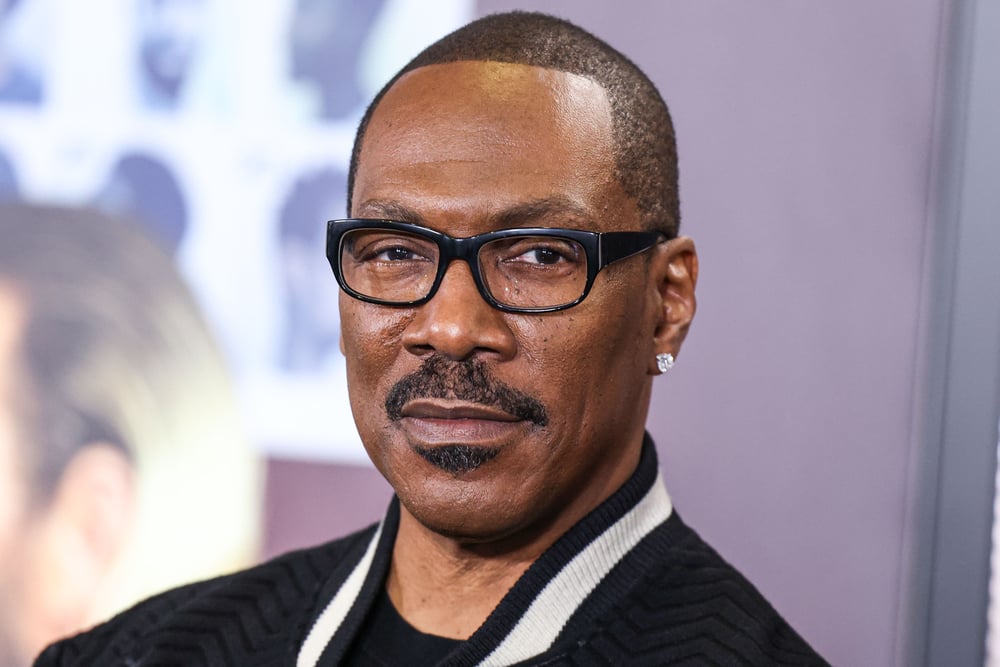
Eddie Murphy was one of the highest paid actors in the late 1980s and maintained that position into the 1990s. Reports indicate he earned substantial eight-figure sums per film.
Still, his appeal extended internationally, bolstering studio confidence. Comedy remained a major commercial driver.
Robin Williams
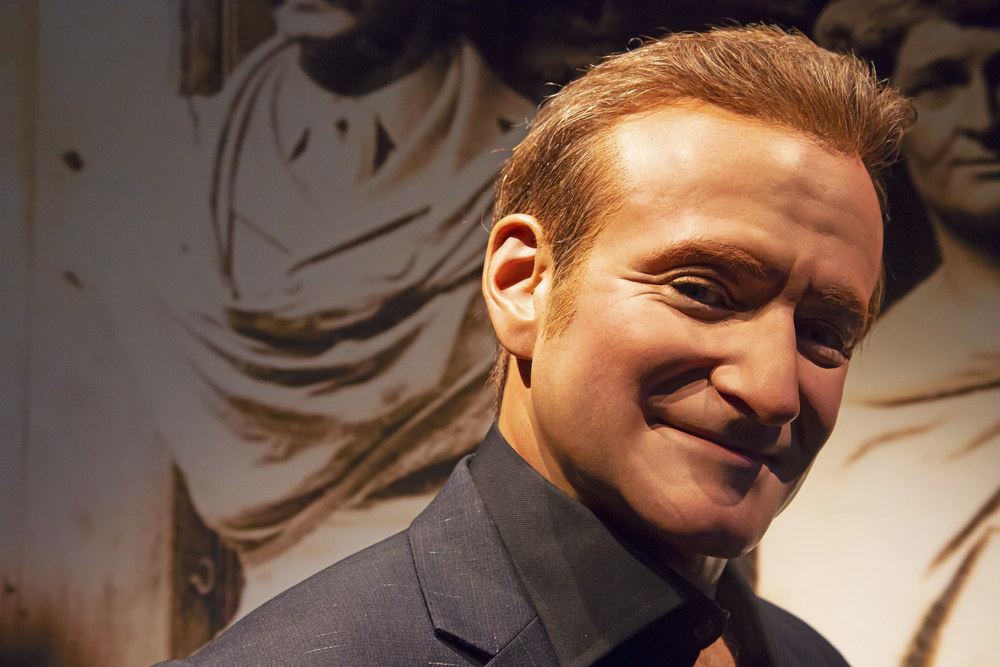
Robin Williams commanded significant salaries throughout the 1990s, particularly after box office successes like Mrs. Doubtfire. His blend of family films and dramatic roles increased his earning potential.
Even so, he was known for occasionally accepting lower pay for passion projects. His commercial peak, however, firmly placed him among top earners.
Will Smith
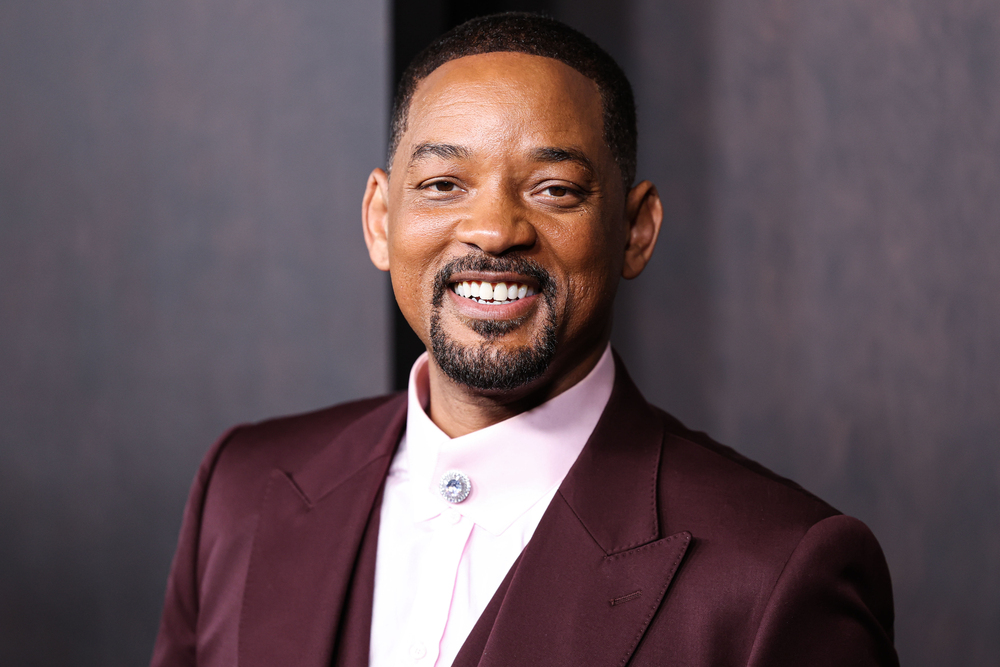
Will Smith transitioned from television to film and became a box office powerhouse with Independence Day and Men in Black. By the late 1990s, he was earning salaries approaching the $20 million range.
Still, his global appeal positioned him as a new-generation blockbuster star. Studios viewed him as a safe investment.
Denzel Washington
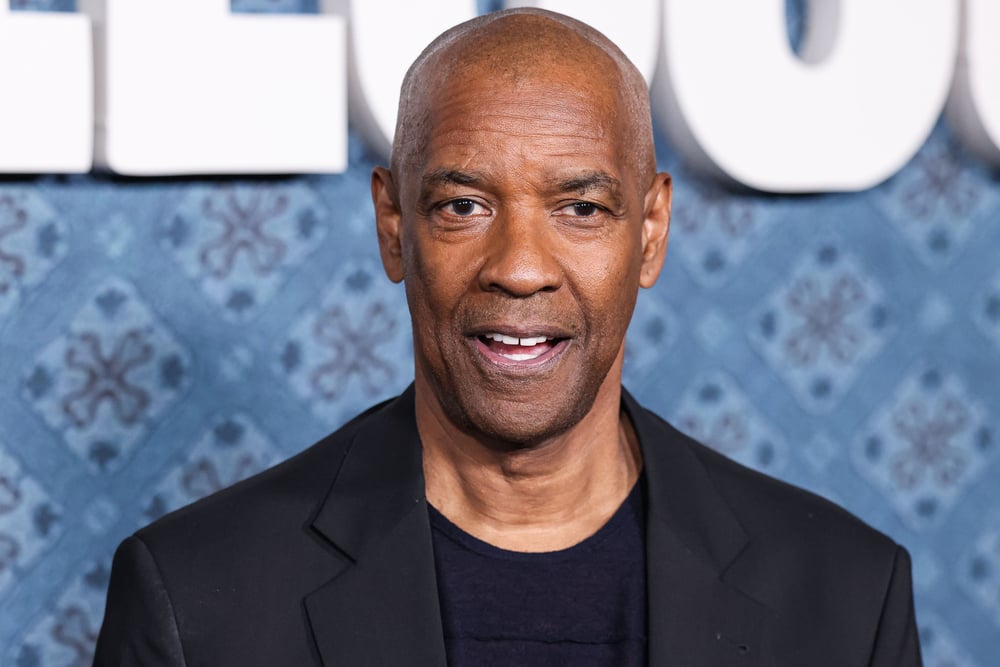
Denzel Washington commanded high salaries as one of the most respected actors of the era. While not always publicized at the $20 million level early on, his steady success elevated him into Hollywood’s upper pay tier.
Even so, his career trajectory emphasized longevity over flash. His earnings reflected consistent demand rather than single-project spikes.
Sandra Bullock

Sandra Bullock’s breakthrough with Speed in 1994 propelled her into leading-lady status. By the late 1990s, she was commanding substantial eight-figure salaries.
Still, romantic comedies and thrillers expanded her marketability. Her financial rise mirrored growing female-led box office success.
Sharon Stone

Following Basic Instinct, Sharon Stone became one of the highest paid actresses of the early 1990s. She reportedly secured multimillion-dollar contracts during her peak.
Even so, the volatility of Hollywood stardom meant sustaining those levels required consistent hits. Her paydays nonetheless reflected early-decade influence.
Michael Douglas

Michael Douglas continued earning high salaries into the 1990s following successes in the previous decade. Films like Basic Instinct reinforced his leading-man status.
That said, he often combined acting with production roles, increasing his financial return through multiple revenue streams.
Michelle Pfeiffer

Michelle Pfeiffer was among the most sought-after actresses of the early 1990s. Her roles in major studio films placed her in the upper echelon of pay brackets for actresses at the time.
Even so, salary disparities between male and female stars remained evident. Her compensation still reflected significant negotiating power within that landscape.
The $20 Million Era

Big payouts started changing studio math in the Nineties. Paying twenty million dollars became normal once overseas ticket sales began rising fast.
Huge opening bets found support through worldwide theater growth. One name up front once held enough pull to cover every dollar spent making a film.
Even so, money followed fame like clockwork back then, before online streams and endless sequels changed the game. The nineties stood apart – when being famous was currency itself.
Later shifts rewrote paychecks, yet that era never quite repeated.
More from Go2Tutors!

- The Romanov Crown Jewels and Their Tragic Fate
- 13 Historical Mysteries That Science Still Can’t Solve
- Famous Hoaxes That Fooled the World for Years
- 15 Child Stars with Tragic Adult Lives
- 16 Famous Jewelry Pieces in History
Like Go2Tutors’s content? Follow us on MSN.



