15 Poisonous Mushrooms You Must Avoid
Foraging for wild mushrooms has a long and genuinely wonderful history — but it comes with risks that deserve serious respect. Every year, people are poisoned by mushrooms they misidentified, picked confidently, and ate without hesitation.
Some recoveries are unpleasant. Others are permanent.
The mushrooms on this list range from mildly toxic to capable of killing an adult who consumes a single cap. Knowing what they look like, where they grow, and what makes them dangerous is not just interesting — it could, at some point, matter a great deal.
Death Cap (Amanita phalloides)

The Death Cap is responsible for more fatal mushroom poisonings worldwide than any other species. It grows across Europe, North America, and parts of Asia, often near oak, chestnut, and pine trees.
The cap is pale greenish-yellow to olive in colour, the gills are white, and the overall appearance is unremarkable — which is precisely the problem. It closely resembles several edible species, including the Straw mushroom common in Southeast Asian cooking, and has killed immigrants in multiple countries who assumed it matched something safe from home.
A lethal dose can come from eating just half a cap. The toxins — amatoxins — attack the liver and kidneys, and symptoms don’t begin until 6 to 24 hours after ingestion, by which time significant organ damage has already occurred.
Destroying Angel (Amanita bisporigera)

The Destroying Angel is closely related to the Death Cap and shares its lethal mechanism. It is pure white from cap to stem — an innocent, almost beautiful appearance that has contributed to its body count.
Found throughout North America in woodland settings, particularly near hardwood trees in summer and autumn, it is sometimes confused with edible white mushrooms or button mushrooms by inexperienced foragers. The same amatoxins present in the Death Cap are here in equal concentration.
There is no antidote. Treatment is supportive, and liver transplantation has saved some patients who received hospital care quickly.
The name is not an exaggeration.
Autumn Skullcap (Galerina marginata)

The Autumn Skullcap looks like something you might brush past without a second glance: a small, brown, ordinary-looking mushroom growing on rotting wood. It resembles edible species — particularly the Honey Fungus and some Psilocybe varieties — closely enough that misidentification happens regularly.
The toxin content is comparable to the Death Cap, and the small size of the mushroom means people sometimes consume a significant toxic dose without realising it. It grows across North America, Europe, and Asia, and the fact that it appears on decaying logs makes it particularly accessible to casual foragers who don’t expect serious danger from something so unassuming.
Webcap Mushrooms (Cortinarius species)

The Cortinarius genus contains over 400 species, and many of them are highly toxic. The most dangerous contain orellanine, a toxin with one particularly cruel property: it takes weeks to produce symptoms.
Someone who eats a toxic Webcap will feel fine for days or even weeks before kidney failure begins. By the time symptoms appear — thirst, fatigue, back pain — severe and often irreversible kidney damage has already occurred.
Several Cortinarius species resemble edible chanterelles and other popular foraged mushrooms closely enough to deceive experienced foragers. The delayed onset makes it especially dangerous because the connection between the mushroom and the illness is easy to miss.
Fool’s Funnel (Clitocybe rivulosa)

The Fool’s Funnel is a small, pale, funnel-shaped mushroom that grows in grass — in lawns, meadows, and parkland edges — in Europe and North America. It is fatally easy to confuse with the Fairy Ring Champignon, a common edible that grows in similar habitats.
The Fool’s Funnel contains muscarine, a toxin that overstimulates the nervous system, producing excessive sweating, salivation, reduced heart rate, and in serious cases, respiratory failure. Children are at particular risk because of their smaller body mass and because grassy areas where this mushroom grows are the same places children play.
It is not reliably distinguishable from edible lookalikes by any single visible feature — which is exactly why it keeps causing poisonings.
Panther Cap (Amanita pantherina)
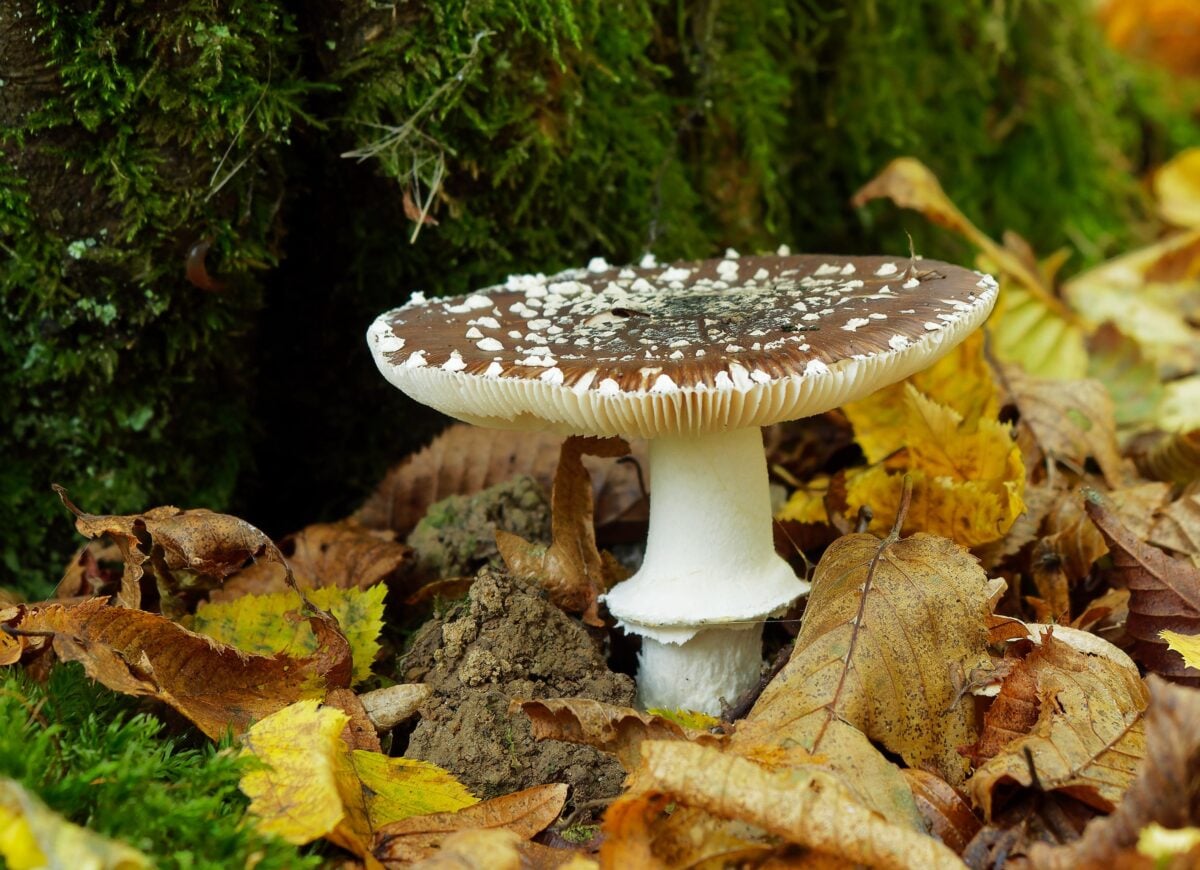
The Panther Cap contains the same psychoactive compounds as the Fly Agaric — ibotenic acid and muscimol — but in higher concentrations, making it substantially more dangerous. It grows across Europe and North America, typically in woodland, and has a brown cap with white spots that can wash off in rain, leaving it resembling other species more closely.
Accidental poisoning occurs when foragers mistake it for an edible Amanita species, and intentional ingestion by people seeking a psychedelic experience has produced serious harm and deaths. The effects include confusion, erratic behaviour, muscle spasms, and in severe cases, coma. Recovery without medical attention is not guaranteed.
Satan’s Bolete (Rubroboletus satanas)
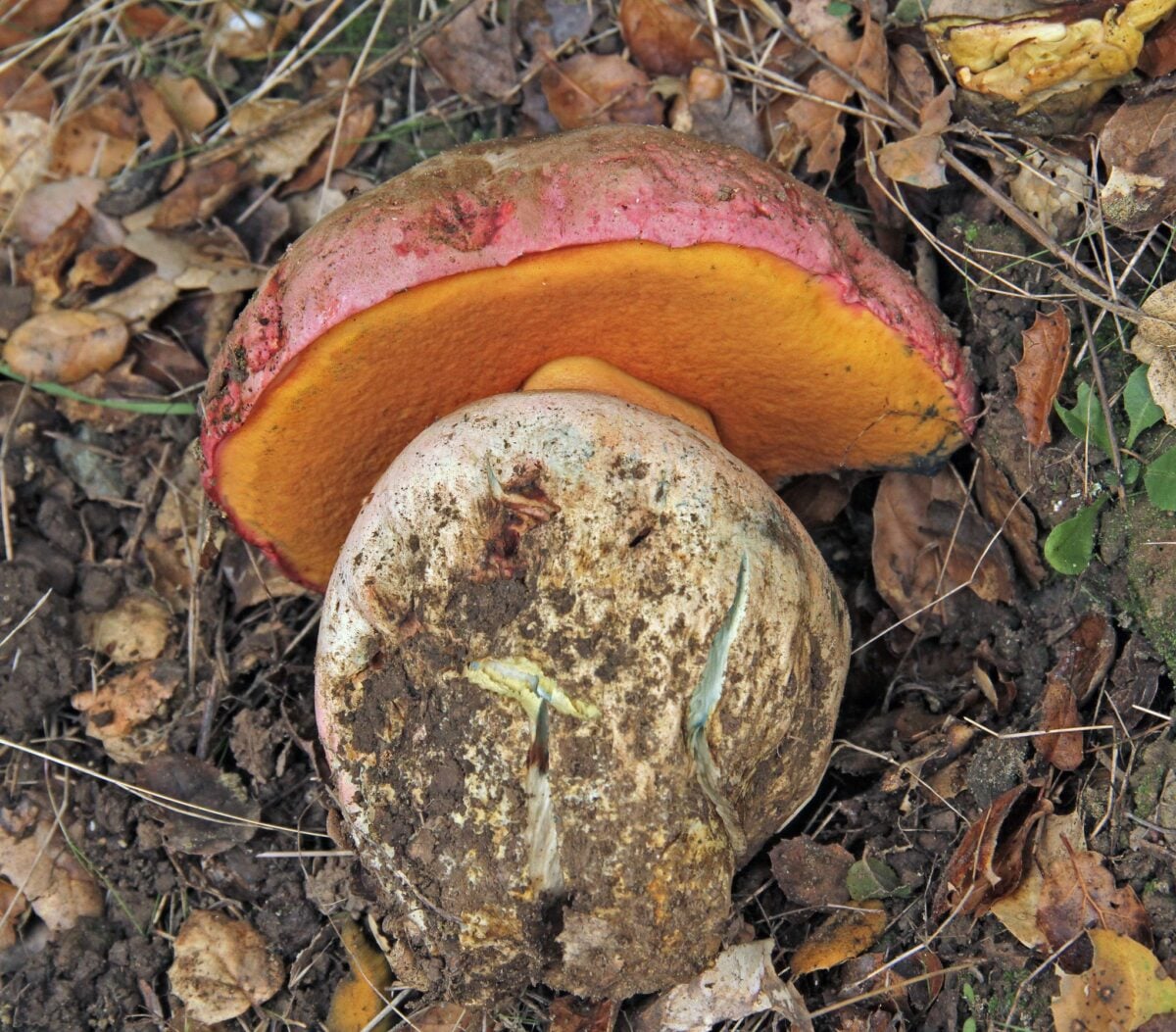
Most boletes — the pored mushrooms without gills, which include the prized Porcini — are considered safe, and this general reputation has contributed to Satan’s Bolete causing poisonings. It is a large, impressive mushroom with a pale cap and a red-and-orange stem that stains vivid blue immediately when cut.
It grows in chalky woodland soils across Europe and parts of North America. The toxins cause violent gastrointestinal symptoms including severe vomiting, cramps, and in larger doses, neurological effects.
Boiling reportedly reduces toxicity, and in some parts of Europe it has historically been eaten after preparation, but the risk involved makes this a classification exercise for experienced mycologists rather than a foraging target.
Deadly Dapperling (Lepiota brunneoincarnata)

The Deadly Dapperling is a small-to-medium brown-and-white mushroom found in gardens, parks, and grassy areas across Europe. It looks, to an untrained eye, like a harmless field mushroom or young button mushroom.
It contains the same amatoxins as the Death Cap in concentrations high enough to kill. Its domestic habitat — garden beds, lawns, roadside verges — means it turns up exactly where people are most likely to pick and eat without adequate identification.
Most fatalities from this species involve children who pick them in gardens, or adults who confuse them with common edible species in familiar settings where serious danger seems unlikely.
False Morel (Gyromitra esculenta)
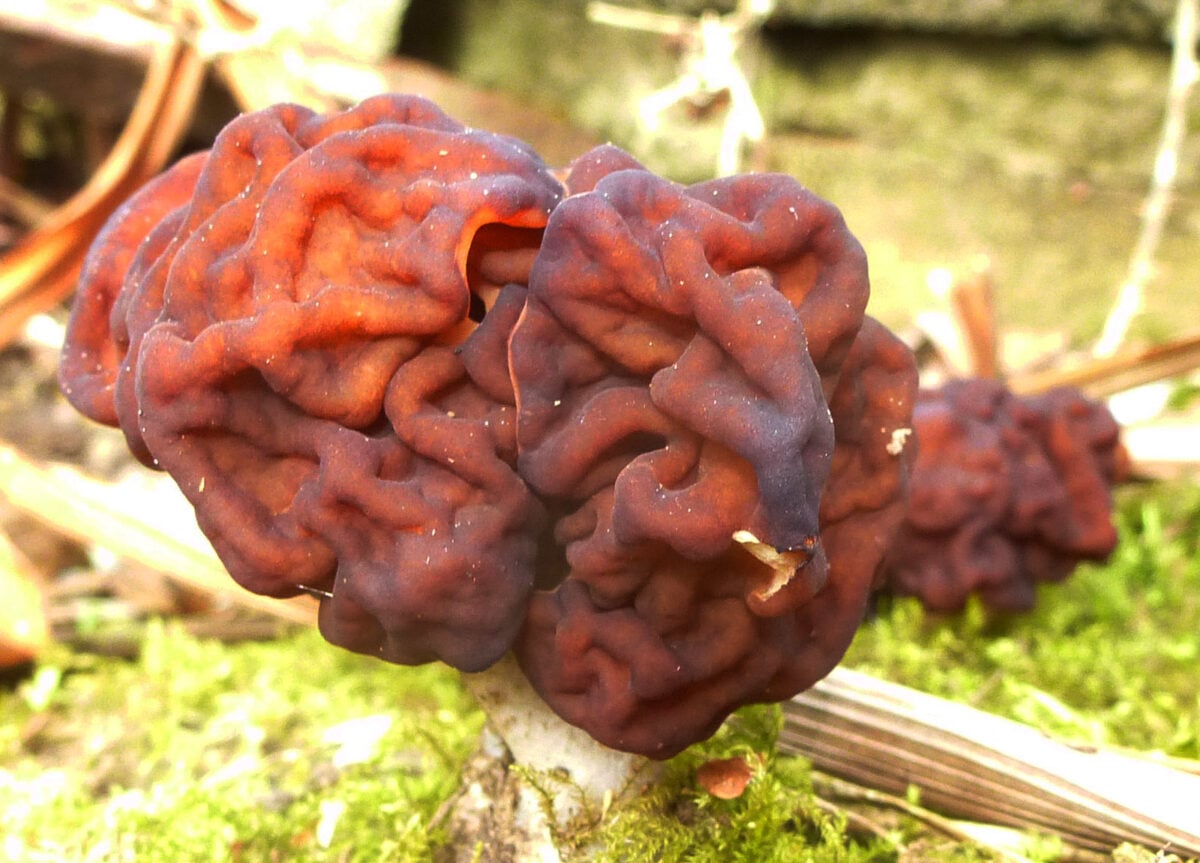
The name says a great deal about why this mushroom is dangerous. The False Morel resembles the true Morel — a highly prized edible — closely enough to be sold in markets in parts of Eastern Europe, and it has historically been consumed after thorough boiling and drying processes that reduce but do not eliminate its toxicity.
Raw or inadequately prepared, it contains gyromitrin, which metabolises in the body to a chemical related to rocket fuel. Symptoms include haemolytic anaemia, liver failure, and in serious cases, death.
Poisonings continue to occur because the edibility of the True Morel encourages assumptions about similar-looking fungi, and because traditional preparation methods do not provide reliable safety.
Livid Pinkgill (Entoloma sinuatum)
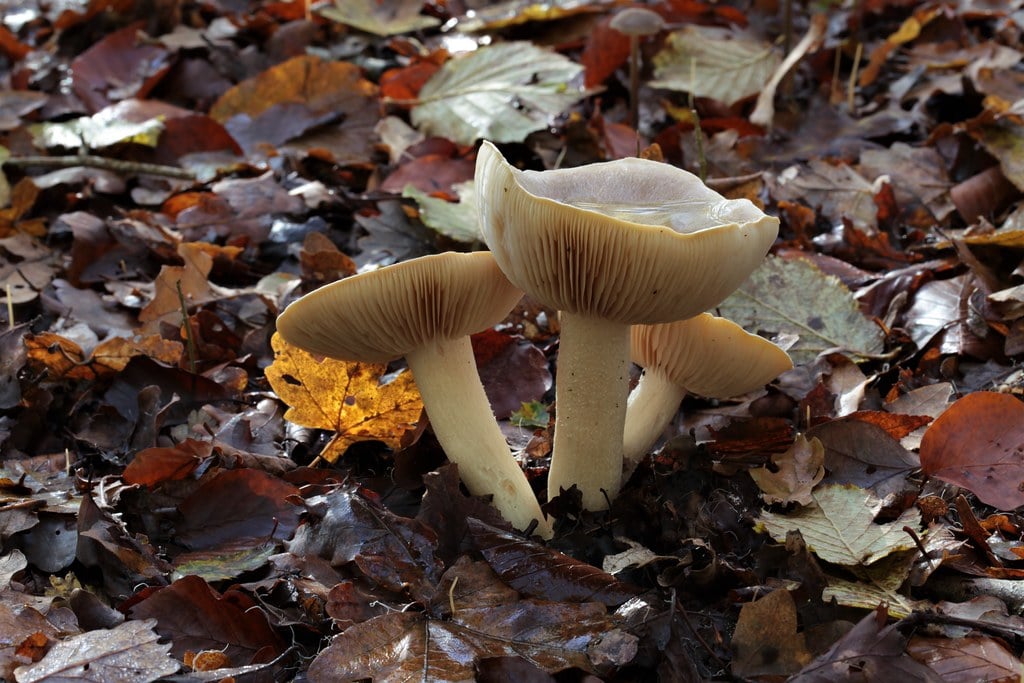
The Livid Pinkgill causes more mushroom poisonings in Europe than almost any other species — not because it kills, but because it is widespread, fleshy, and easily confused with edible species. It resembles the St George’s Mushroom and the Sweetbread Mushroom, both of which are popular foraging finds.
The poisoning it produces is serious: intense gastrointestinal distress, vomiting, and diarrhoea that can last for days and require hospitalisation. Identifying it reliably requires examining gill colour (they turn salmon-pink as the mushroom matures) and spore print.
It grows in deciduous woodland across Europe and North America, typically near oak and beech trees in late summer and autumn.
Ivory Funnel (Clitocybe dealbata)

The Ivory Funnel is another muscarine-containing mushroom that grows in grass. It is small, white, funnel-shaped, and visually similar to the Fairy Ring Champignon and some edible species of Clitocybe.
It grows in rings in lawns and meadows, which makes it particularly likely to be encountered by people who associate ring-forming fungi with the edible Fairy Ring. Muscarine poisoning from this species is rarely fatal in healthy adults, but the symptoms — excessive sweating, narrowed pupils, slowed heart rate, abdominal cramping — are severe enough to require medical attention.
The elderly and those with heart conditions face more serious risk.
Fly Agaric (Amanita muscaria)

The Fly Agaric is probably the most recognisable mushroom in the world: the red cap with white spots that appears on everything from fairy tale illustrations to garden ornaments. The recognition doesn’t make it safe. It contains ibotenic acid and muscimol, producing delirium, hallucinations, muscle spasms, and loss of coordination.
Serious poisonings and deaths occur, though the toxicity is variable — some specimens contain higher concentrations than others. The mushroom has a history of intentional ritual use in some cultures, but reports of safe consumption have led casual experimenters to underestimate the real risk.
It also has edible lookalikes that create opportunities for accidental consumption in the opposite direction.
Funeral Bell (Galerina marginata var.)
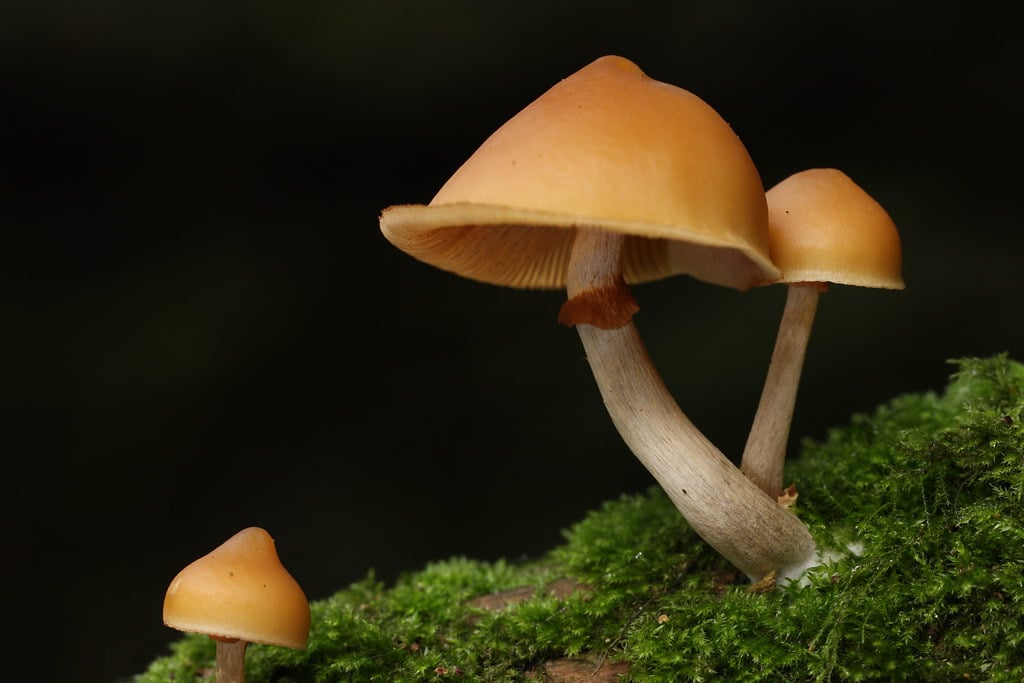
The Funeral Bell is essentially the Autumn Skullcap under another common name, but it deserves separate mention because it turns up in a specific and dangerous context. It grows on decaying wood — stumps, fallen logs, buried roots — and in this it closely resembles the edible Velvet Shank, which foragers often seek in winter when few other mushrooms are available.
It also grows alongside edible Honey Fungus. Both confusions have resulted in fatalities.
The cold season timing is significant: winter foraging, when food motivation is higher and fewer competing mushrooms are available for comparison, increases the risk of accepting a doubtful identification.
Conocybe filaris

Conocybe filaris is a small, brown, unremarkable-looking mushroom that grows in lawns and gardens across North America and Europe, often mistaken for nothing in particular. It is dangerously easy to overlook precisely because nothing about it demands attention.
It contains amatoxins in concentrations comparable to the Death Cap, making it potentially lethal despite its small size and domestic setting. Dogs are poisoned by it more commonly than humans — it grows where dogs roam, and dogs don’t distinguish between interesting things to eat and dangerous ones.
Human poisonings occur when gardeners or children pick it without recognising it as anything worth identifying.
Spring Skullcap (Galerina venenata)

The Spring Skullcap completes a trio of deadly Galerina species that foragers need to be aware of. It grows in grass and disturbed soil in spring and early summer in North America, at a time when edible species are beginning to appear and foraging enthusiasm is typically high.
It produces amatoxins and has caused fatalities. Its timing, habitat, and appearance make it particularly likely to be confused with edible small brown mushrooms that emerge in similar conditions.
Like its relatives, it demonstrates the core problem with identifying mushrooms by appearance alone: the species most likely to kill you are often the ones that look most like something benign.
The Rule That Doesn’t Have Exceptions

Not every combination of looks, sniffing old tales, or home tests can differentiate safe mushrooms from poisonous ones. Only one thing will keep you really safe: knowing the exact species of the mushroom and being confirmed by an expert that it is safe to eat before putting it into your mouth.
A few of the ones on the list here have killed people who were so convinced they made a correct decision. In cases when we lose that confidence, the only solution is: not picking the mushroom, leaving it to grow in the ground.
Searching for food in nature is very fun, and eating wild things is a totally different experience from shopping in a store, however, no time of pride can compare to the moment when you step back because you are not sure.
More from Go2Tutors!

- The Romanov Crown Jewels and Their Tragic Fate
- 13 Historical Mysteries That Science Still Can’t Solve
- Famous Hoaxes That Fooled the World for Years
- 15 Child Stars with Tragic Adult Lives
- 16 Famous Jewelry Pieces in History
Like Go2Tutors’s content? Follow us on MSN.



