15 Facts About Mosquitoes That Will Genuinely Surprise You
Summer evenings have a particular soundtrack — the distant hum of insects mixing with conversation and laughter. But that high-pitched whine cutting through the air changes everything.
Suddenly everyone’s swatting at invisible enemies and checking their ankles for welts. Mosquitoes have been crashing human gatherings for millennia, yet most people know surprisingly little about these persistent party crashers beyond their talent for ruining outdoor dinners.
Only Females Bite
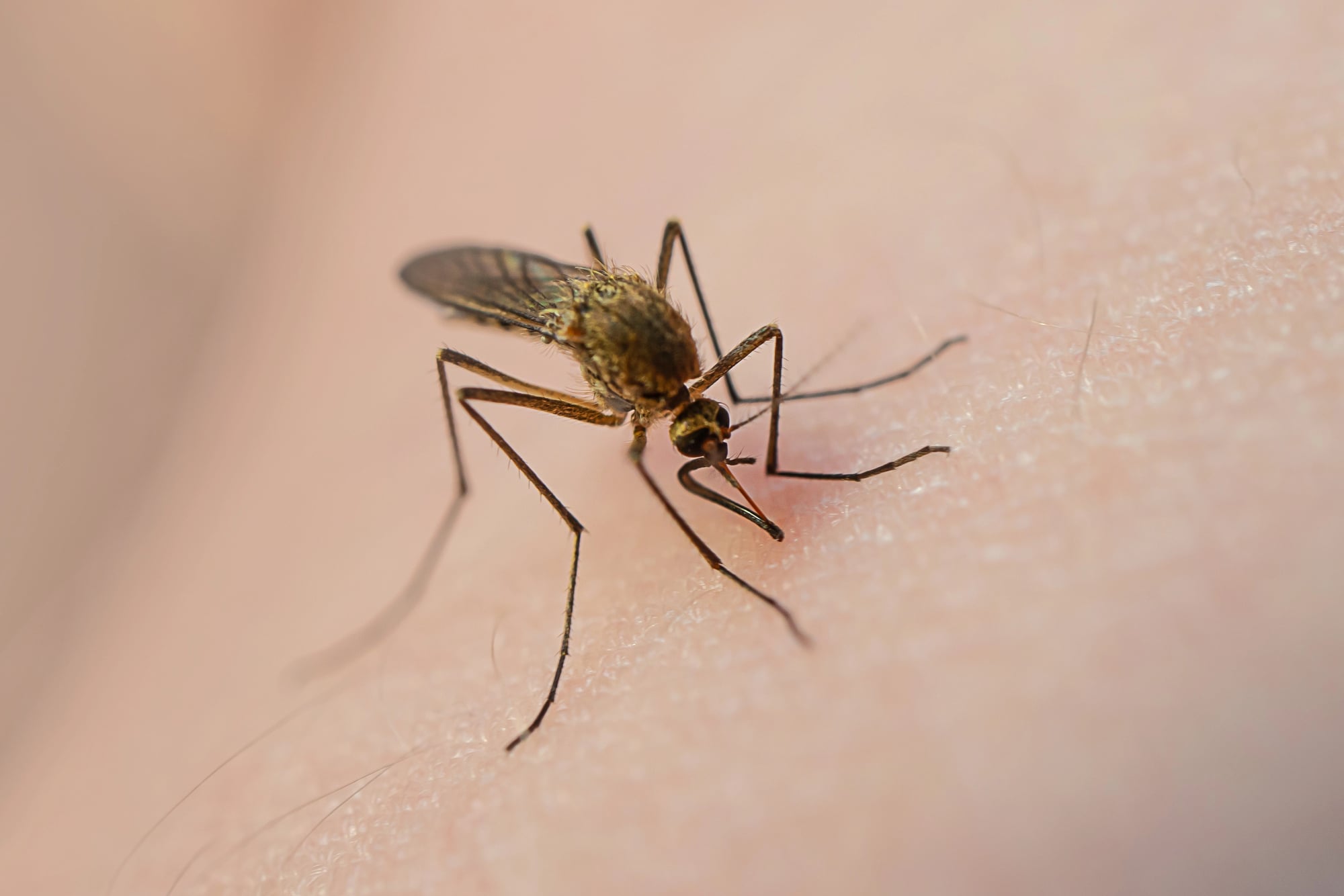
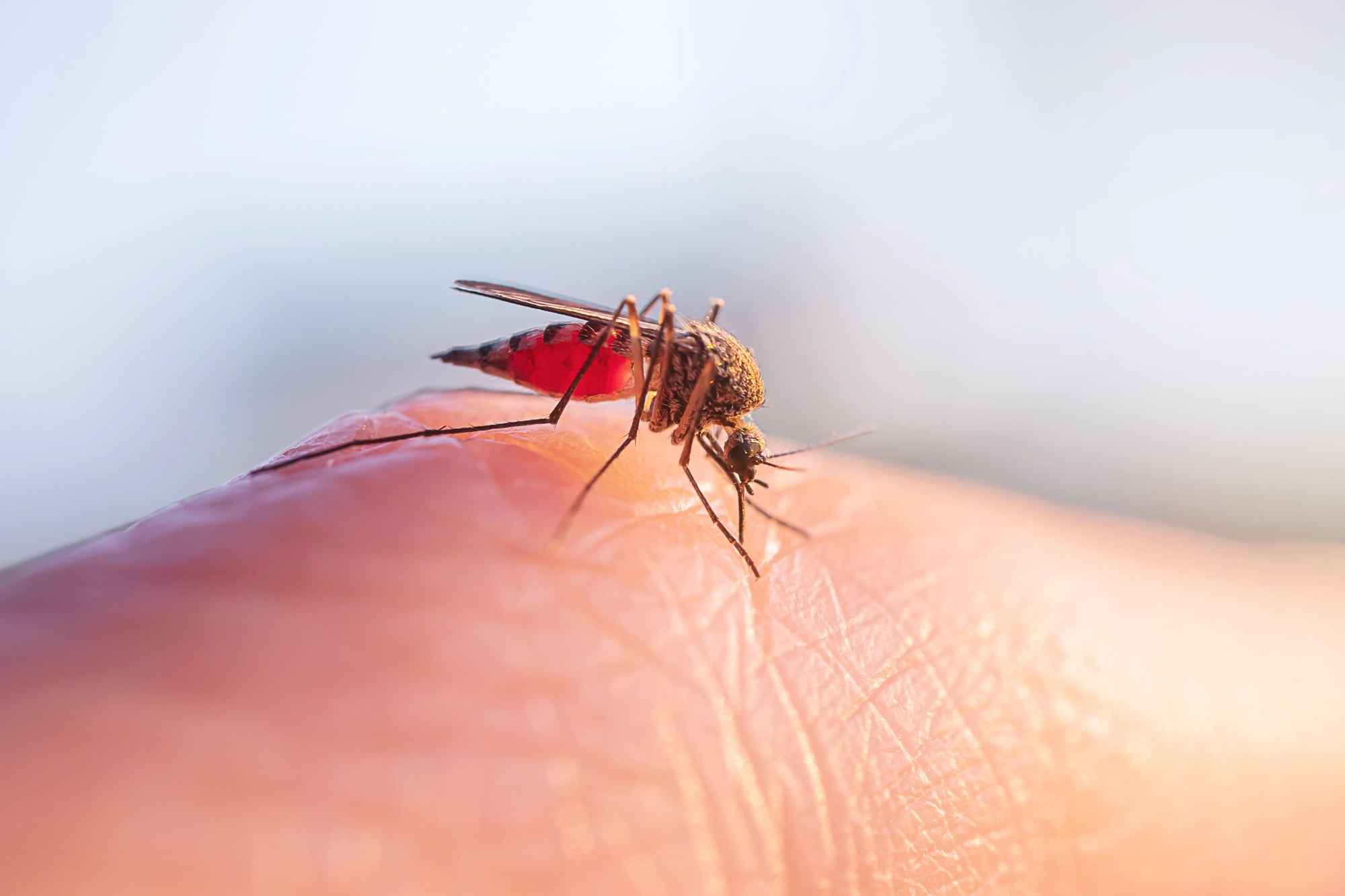
Female mosquitoes need blood to develop their eggs. Males stick to nectar and plant juices their entire lives.
The males you hear buzzing around your porch light pose zero threat to your skin.
They Can Smell You From 100 Feet Away
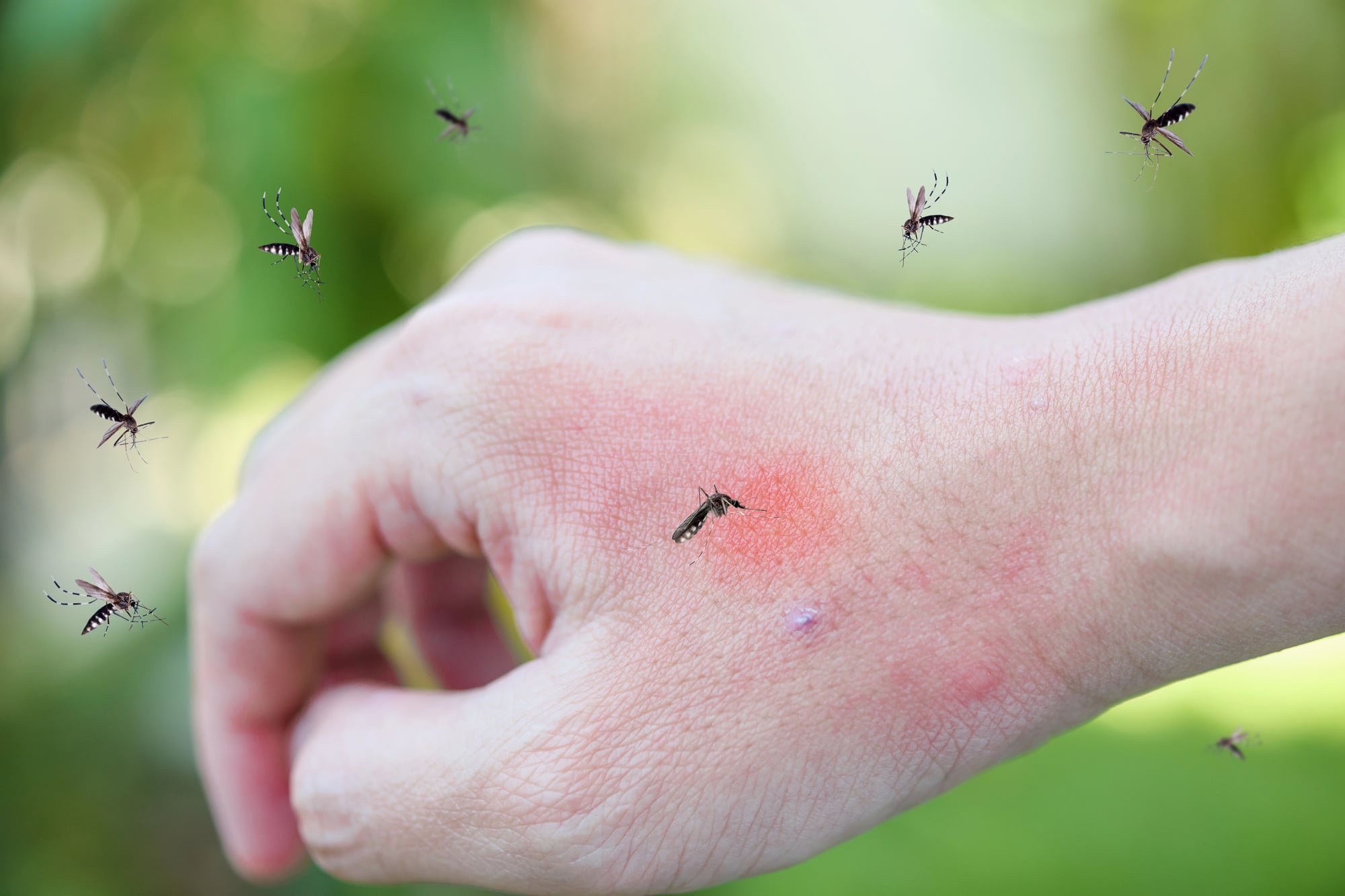
Your breath gives you away first. Mosquitoes detect the carbon dioxide you exhale from remarkable distances, then follow that invisible trail straight to you.
Body heat and certain skin chemicals seal the deal once they get close.
Mosquitoes Are Pollinators
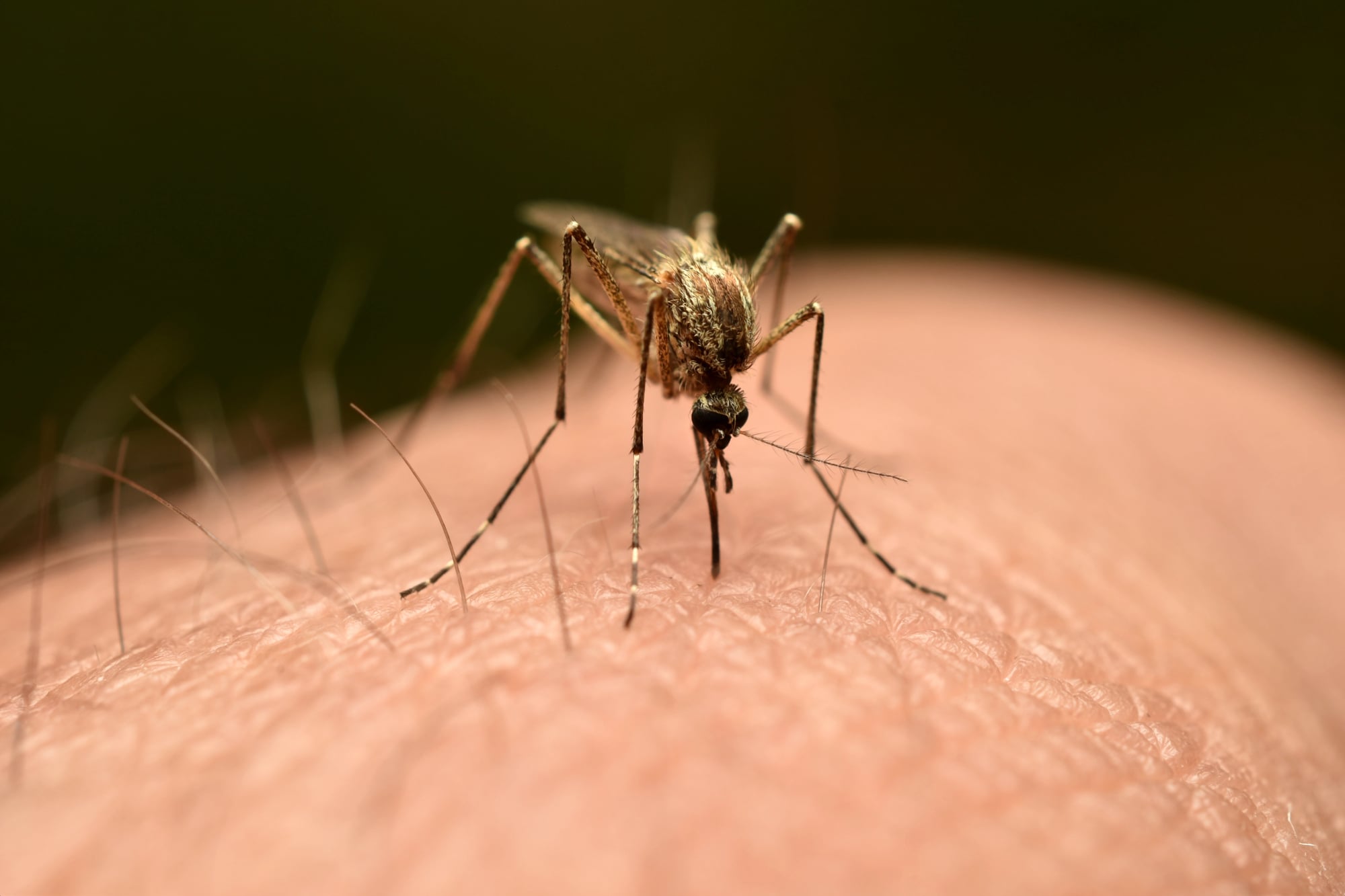
Here’s something that’ll twist your perspective: mosquitoes (particularly the males, who never bother humans) spend their days moving pollen between flowers, just like bees and butterflies. Some plants — including a few types of orchids — rely almost entirely on mosquitoes for reproduction.
And yet, when people imagine pollinators, they picture fuzzy bumblebees with tiny baskets of pollen, not the insects they spend summer evenings trying to eliminate. But mosquitoes have been quietly keeping certain ecosystems running for millions of years, carrying life from bloom to bloom while we remain focused entirely on their more irritating talents (which, to be fair, are genuinely irritating).
Type O Blood Attracts Them Most
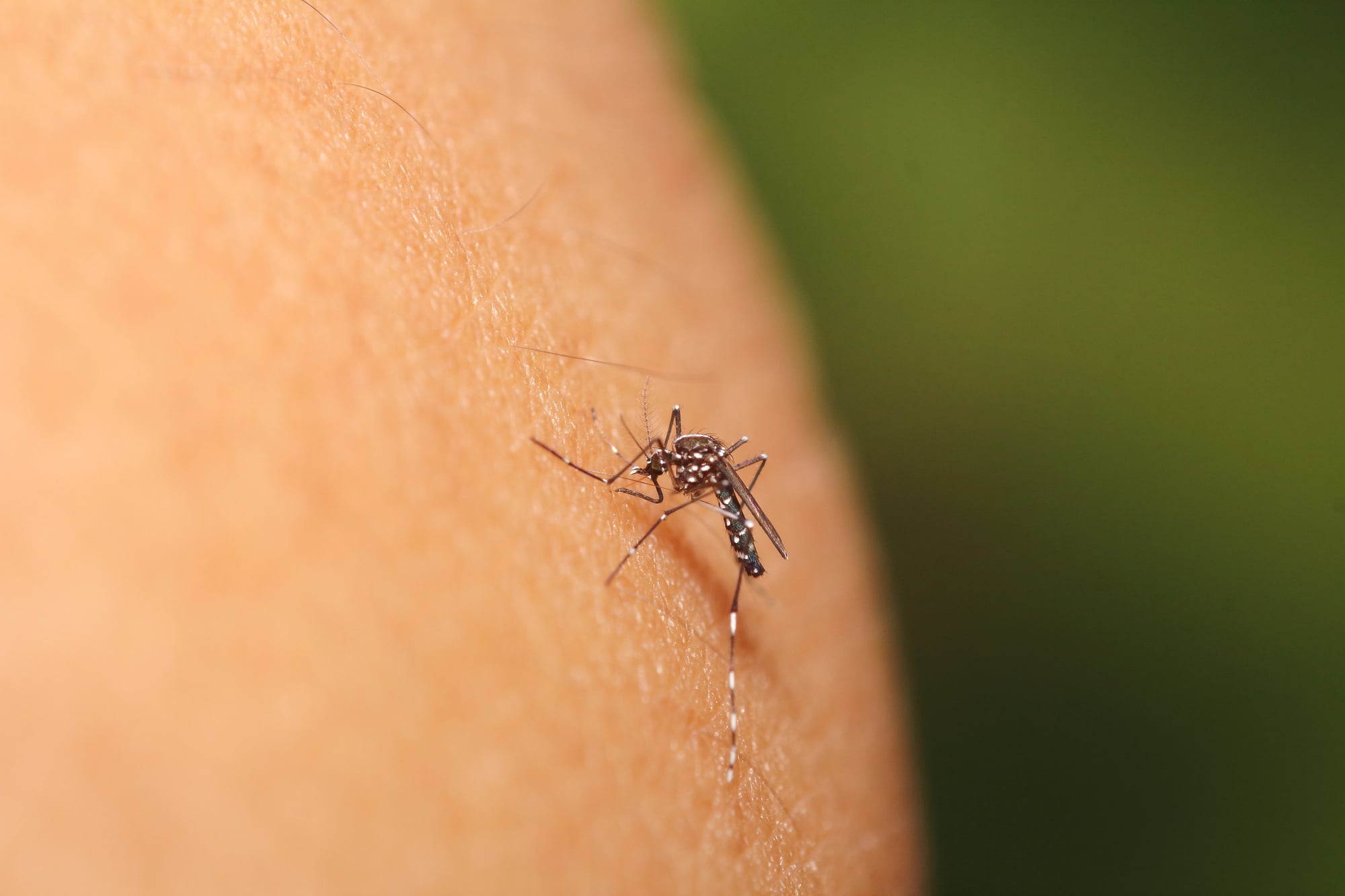
People with Type O blood get bitten roughly twice as often as those with Type A. Type B falls somewhere in the middle.
Mosquitoes can actually sense your blood type through chemical signals your skin releases.
They Hibernate In Your House
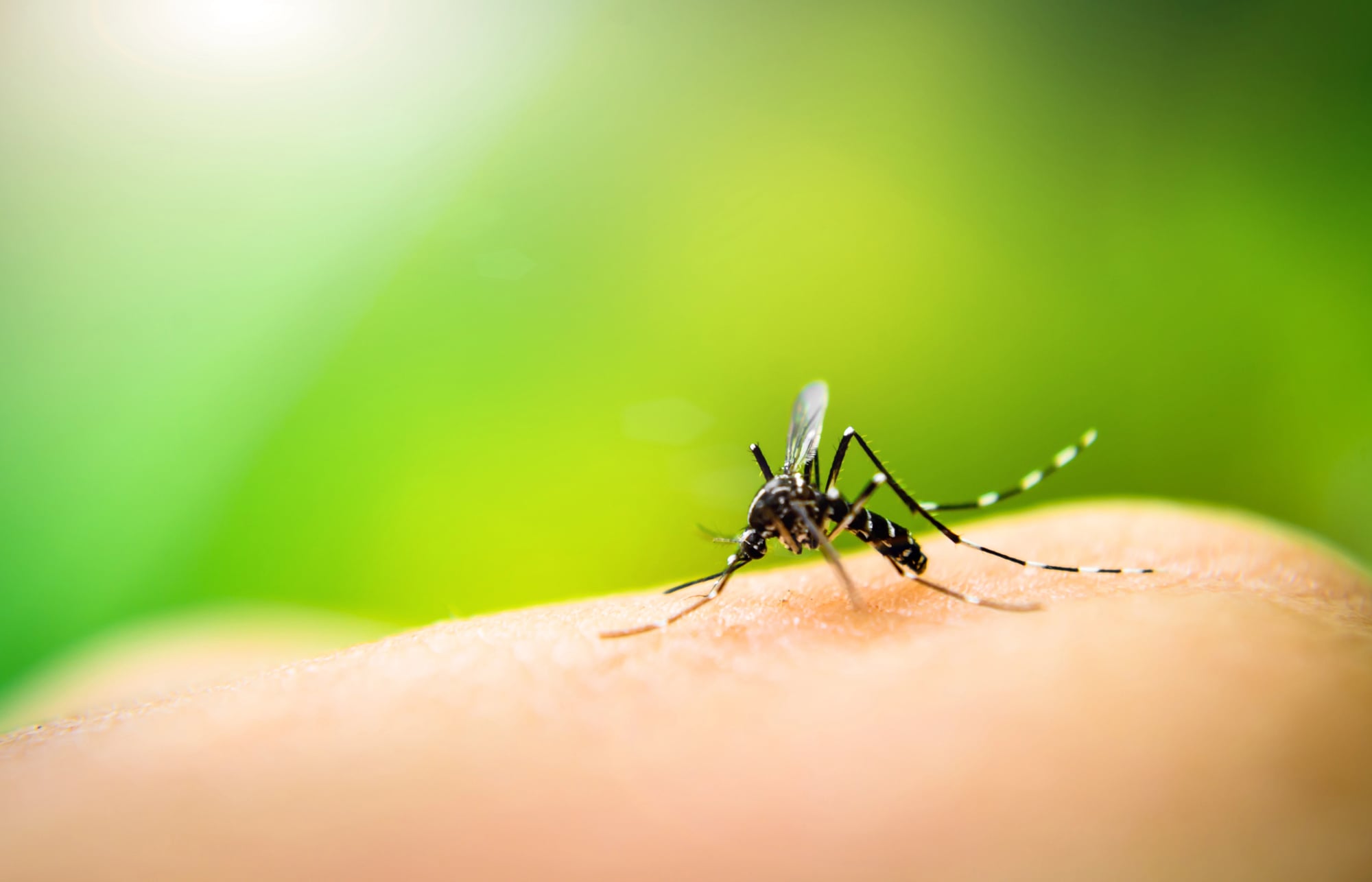
When temperatures drop, mosquitoes don’t just die off — many species find cozy spots indoors to wait out the winter.
Your basement, garage, or attic becomes their seasonal hotel. They emerge sluggish and hungry when spring returns.
Ancient Mosquitoes Were Around For Ages
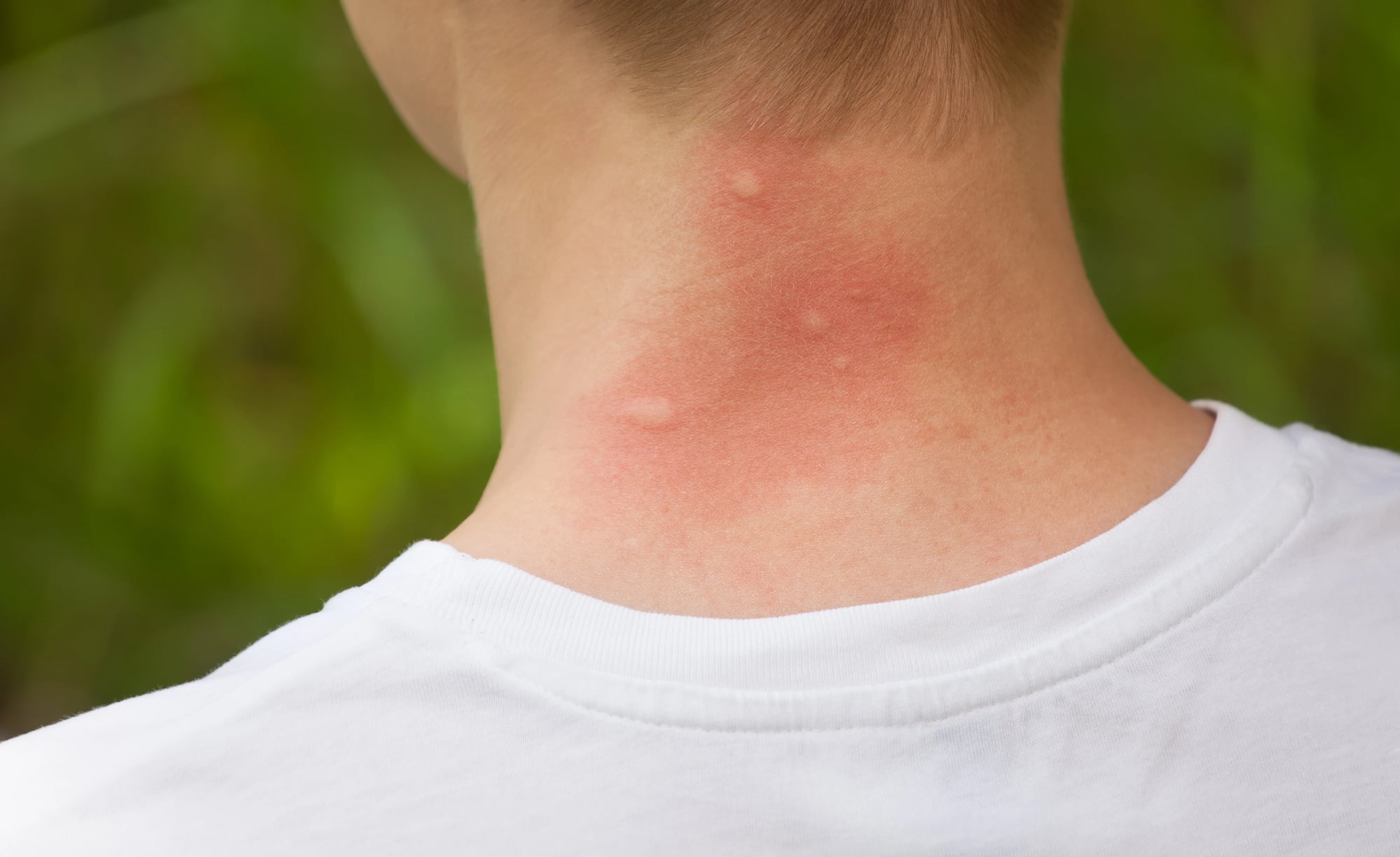
Fossil evidence shows mosquitoes buzzing around since at least the Cretaceous period, over 90 million years ago. Remarkably, fossil specimens preserved in amber and shale reveal that prehistoric mosquitoes were roughly the same size as the ones we deal with today — they’ve changed surprisingly little over tens of millions of years.
While other prehistoric insects like griffinflies grew enormous wingspans thanks to higher oxygen levels during the Carboniferous period, mosquitoes themselves have remained consistently small throughout their evolutionary history (which is probably our collective good fortune, because nobody wants to explain giant mosquito welts to their doctor).
Beer Makes You A Target
Drinking alcohol increases your attractiveness to mosquitoes. Even one beer raises your body temperature and changes the chemical compounds in your sweat.
Researchers haven’t pinpointed the exact mechanism, but the correlation holds across multiple studies.
They’re Terrible Fliers
Mosquitoes max out at about 1.5 miles per hour — slower than your casual walking pace. Strong winds ground them completely.
Their flying style looks more like controlled falling than actual flight mastery.
Antarctica Is The Only Continent Without Them
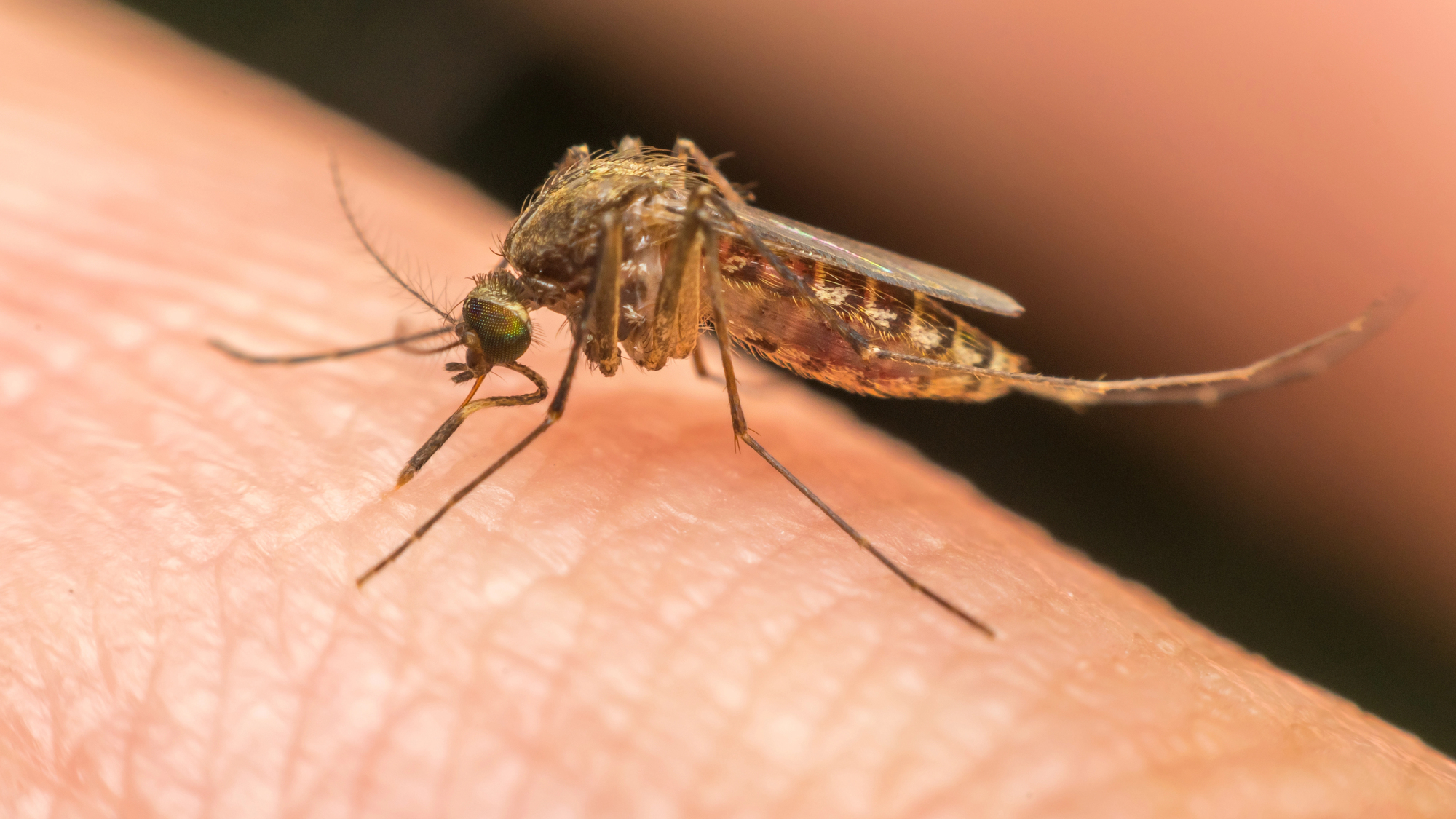
Every other landmass on Earth hosts mosquito populations, from tropical rainforests to Arctic tundra.
Antarctica’s extreme cold and lack of standing water keeps it mosquito-free.
Males Swarm To Find Mates
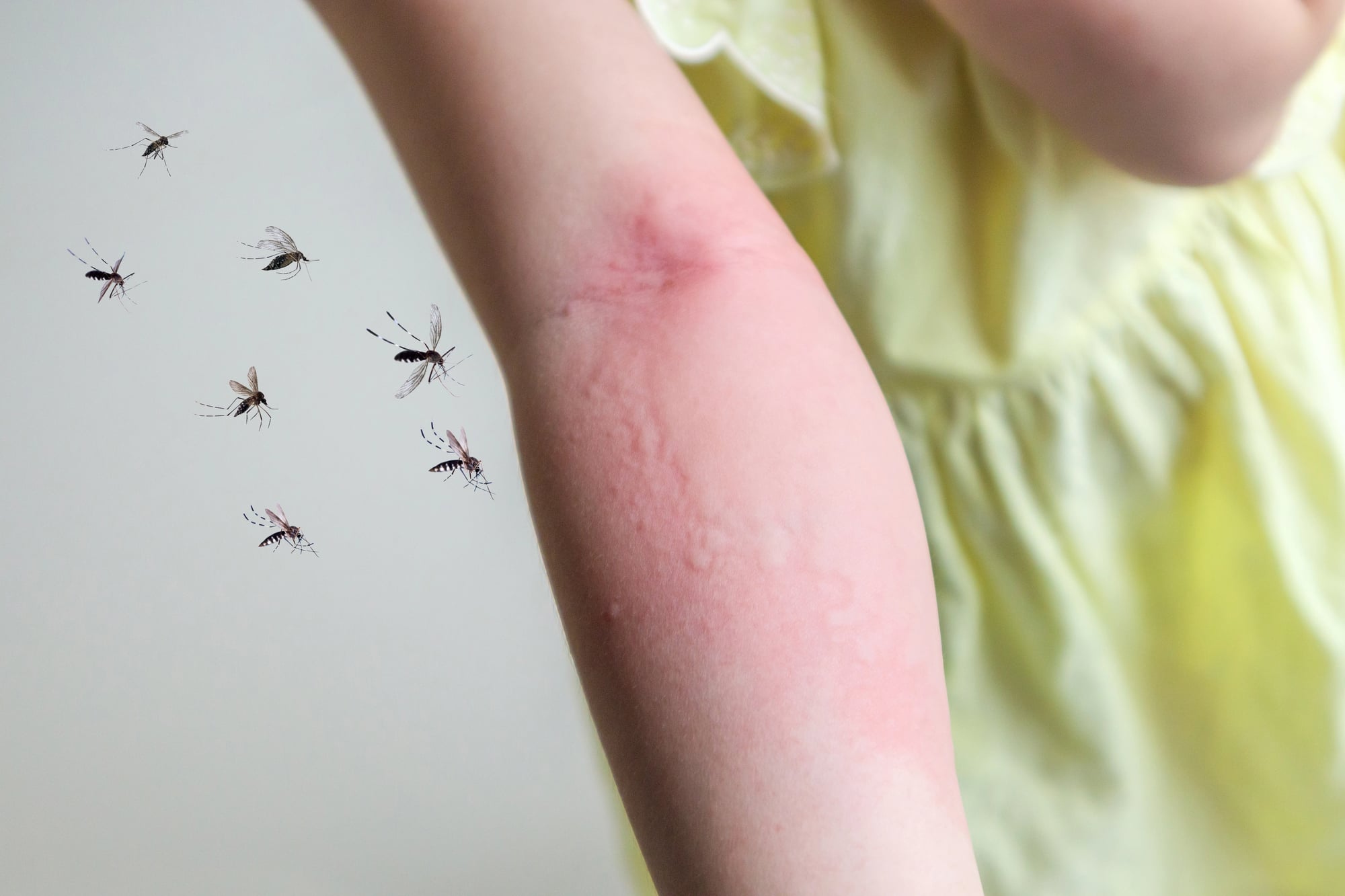
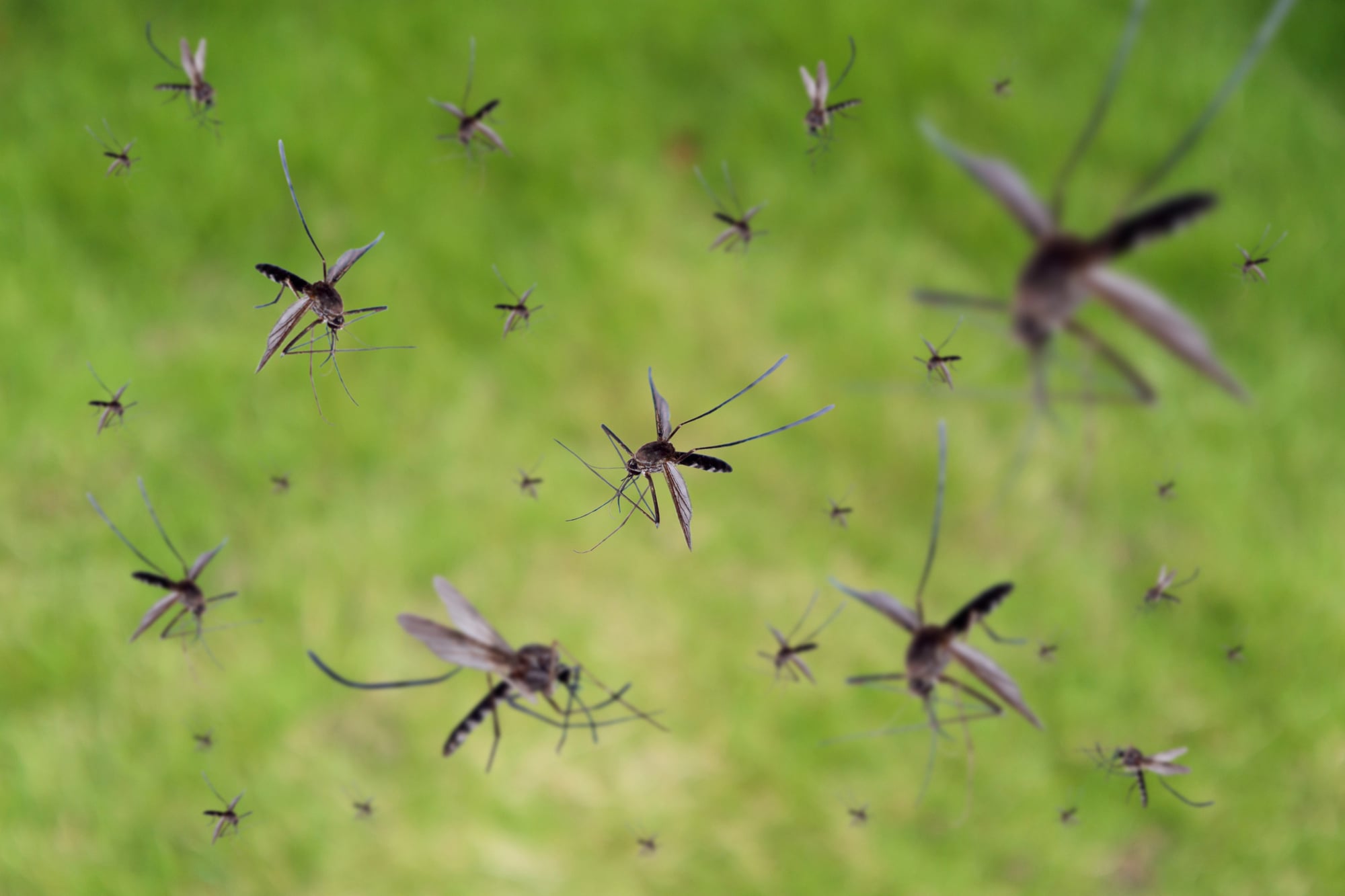
When conditions align perfectly — usually warm, humid evenings — thousands of male mosquitoes form dense mating swarms that look like living clouds. These swarms hover in the same locations year after year, sometimes for decades.
The males wait in these aerial gatherings for females to fly through, creating what entomologists call “ghost swarms” because they appear and disappear so suddenly. Local residents often mistake these swarms for smoke or weather phenomena until they get close enough to hear the collective buzzing (which sounds roughly like a small aircraft engine running at idle, except it’s actually thousands of tiny wings beating in loose synchronization).
They’ve Killed More Humans Than Wars
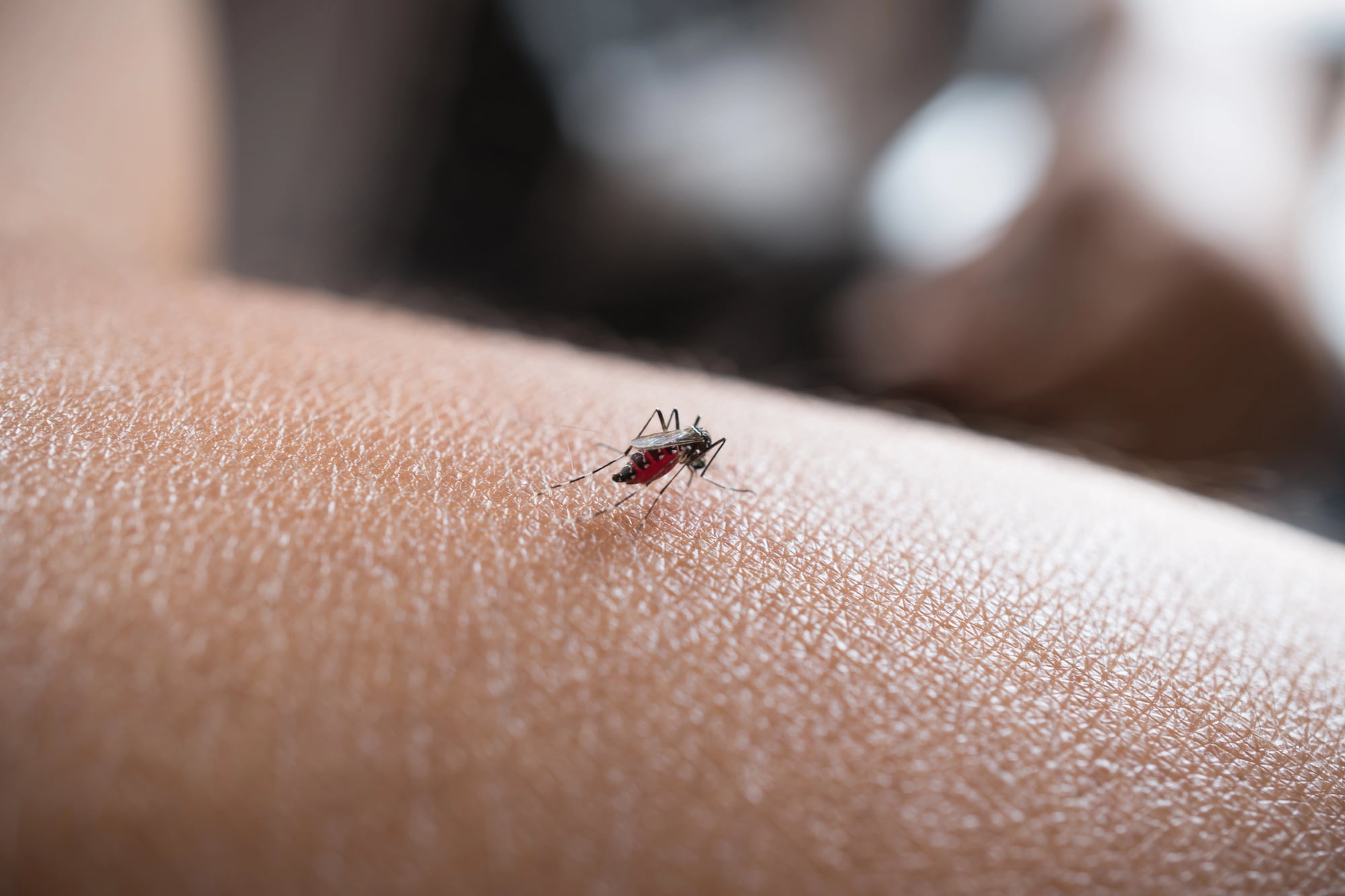
Malaria, yellow fever, dengue, and Zika have shaped human history more than most people realize.
Mosquito-borne diseases have influenced the outcomes of military campaigns, determined which regions humans could colonize, and continue killing over one million people annually.
Their Saliva Numbs Your Skin
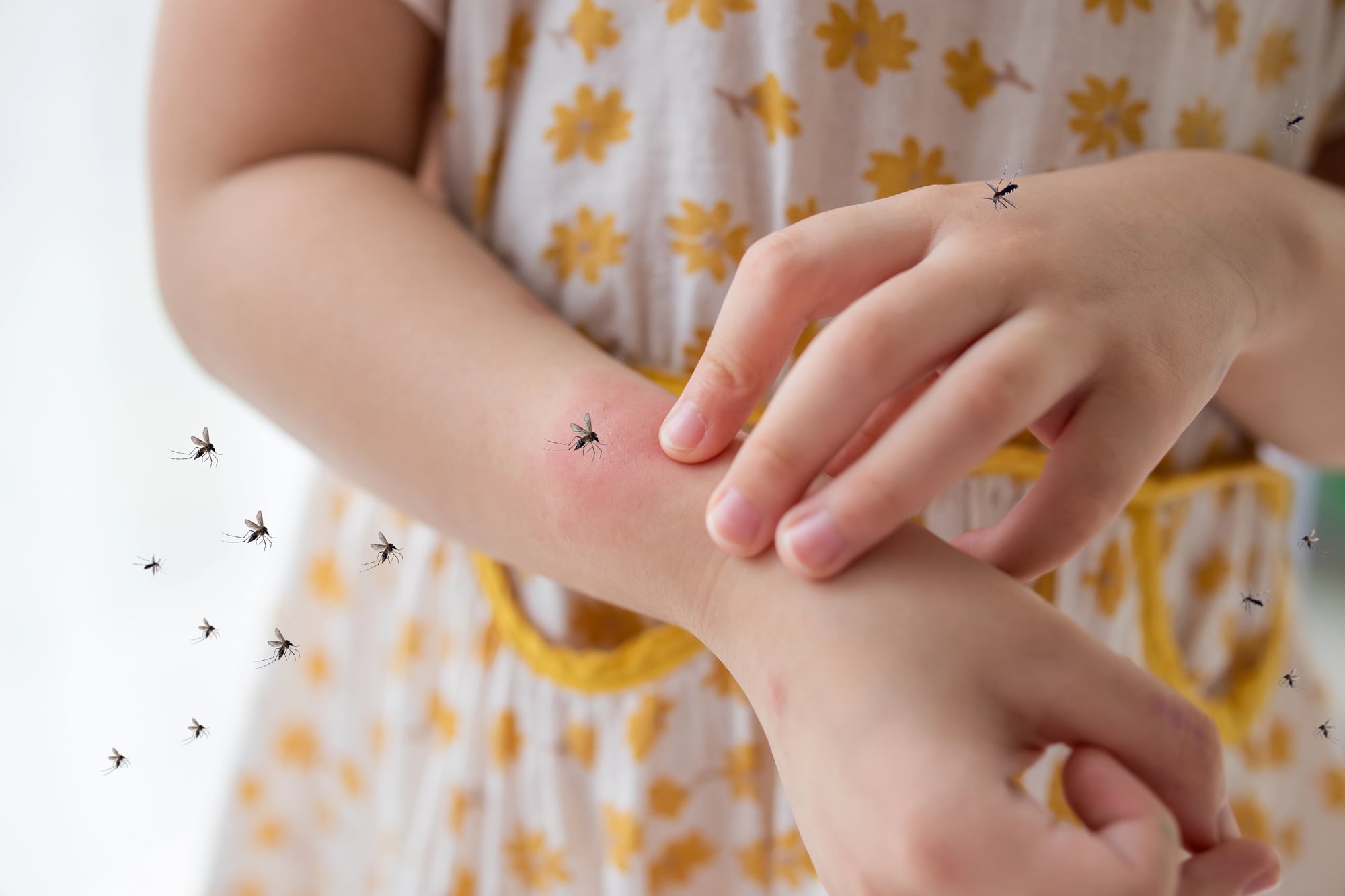
You don’t feel mosquito bites happening because their saliva contains natural anesthetics.
The itching starts later when your immune system reacts to the foreign proteins left behind.
They Can Lay Eggs In Tiny Puddles
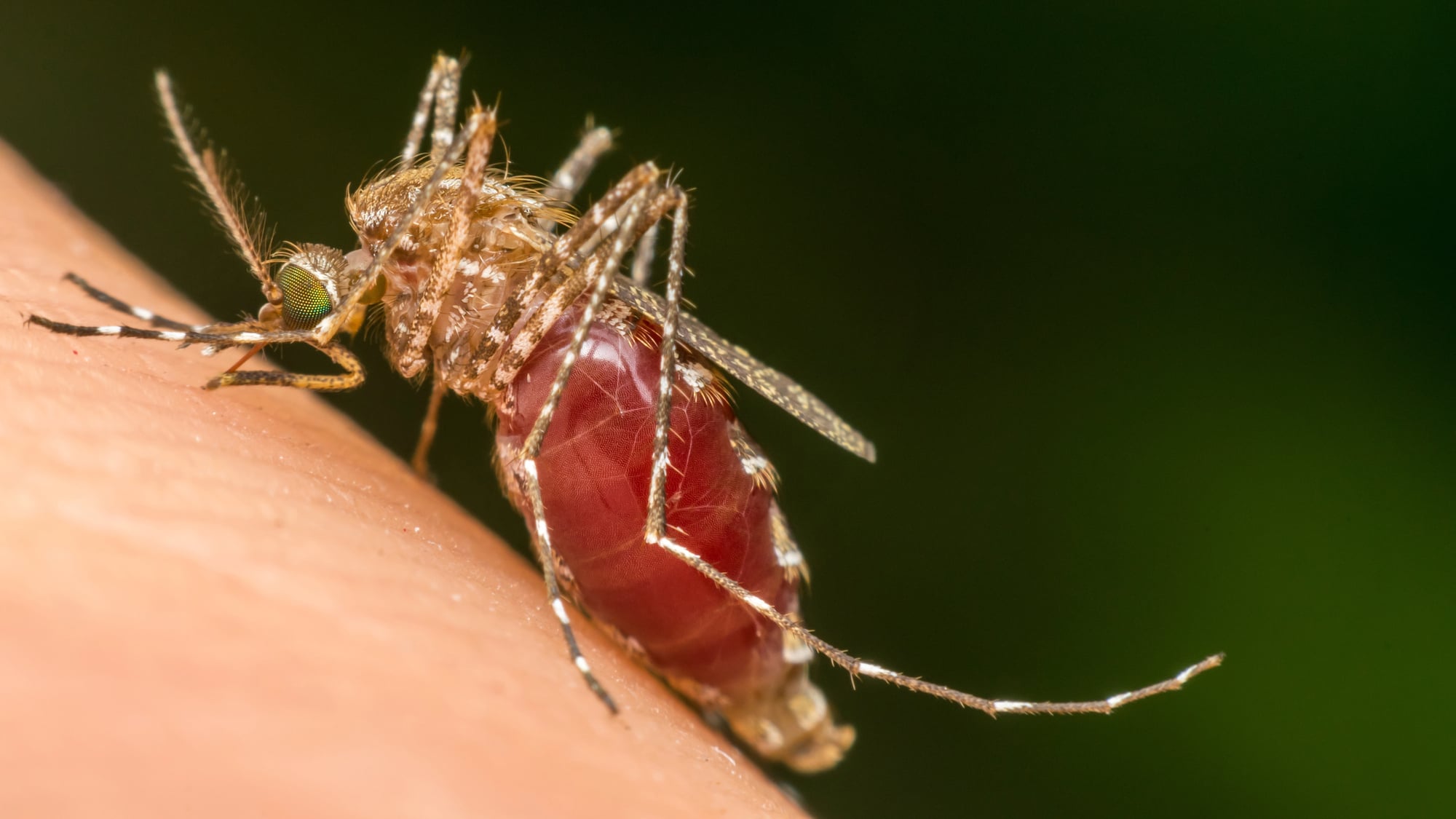
A bottle cap full of water provides enough space for mosquito reproduction.
Females can lay up to 300 eggs at once in containers as small as a teaspoon.
Mosquitoes Don’t Live Long
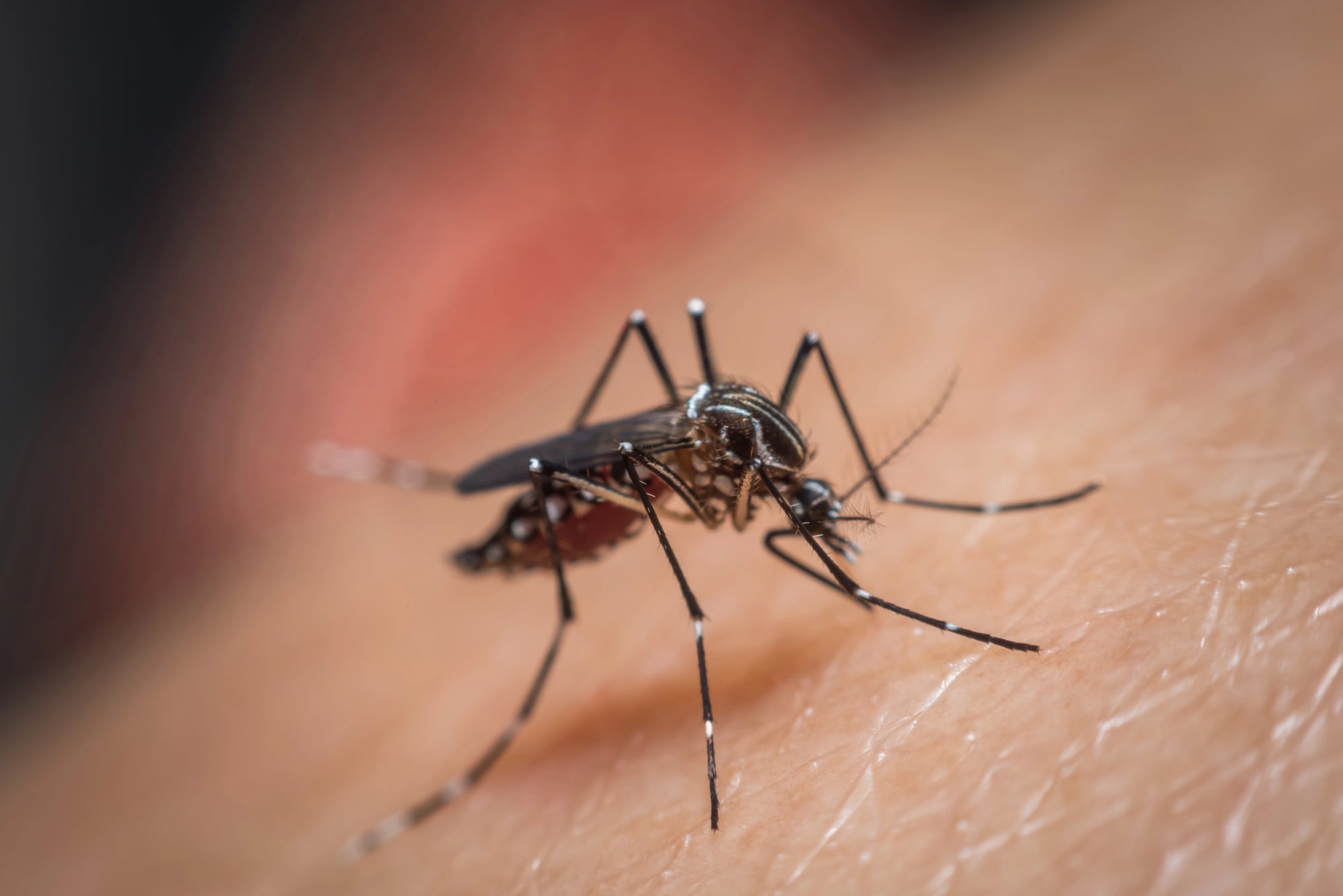
The average mosquito survives only two to three weeks during active season.
Females live slightly longer than males because they need time to find blood meals and lay multiple batches of eggs.
They’re Surprisingly Picky Eaters
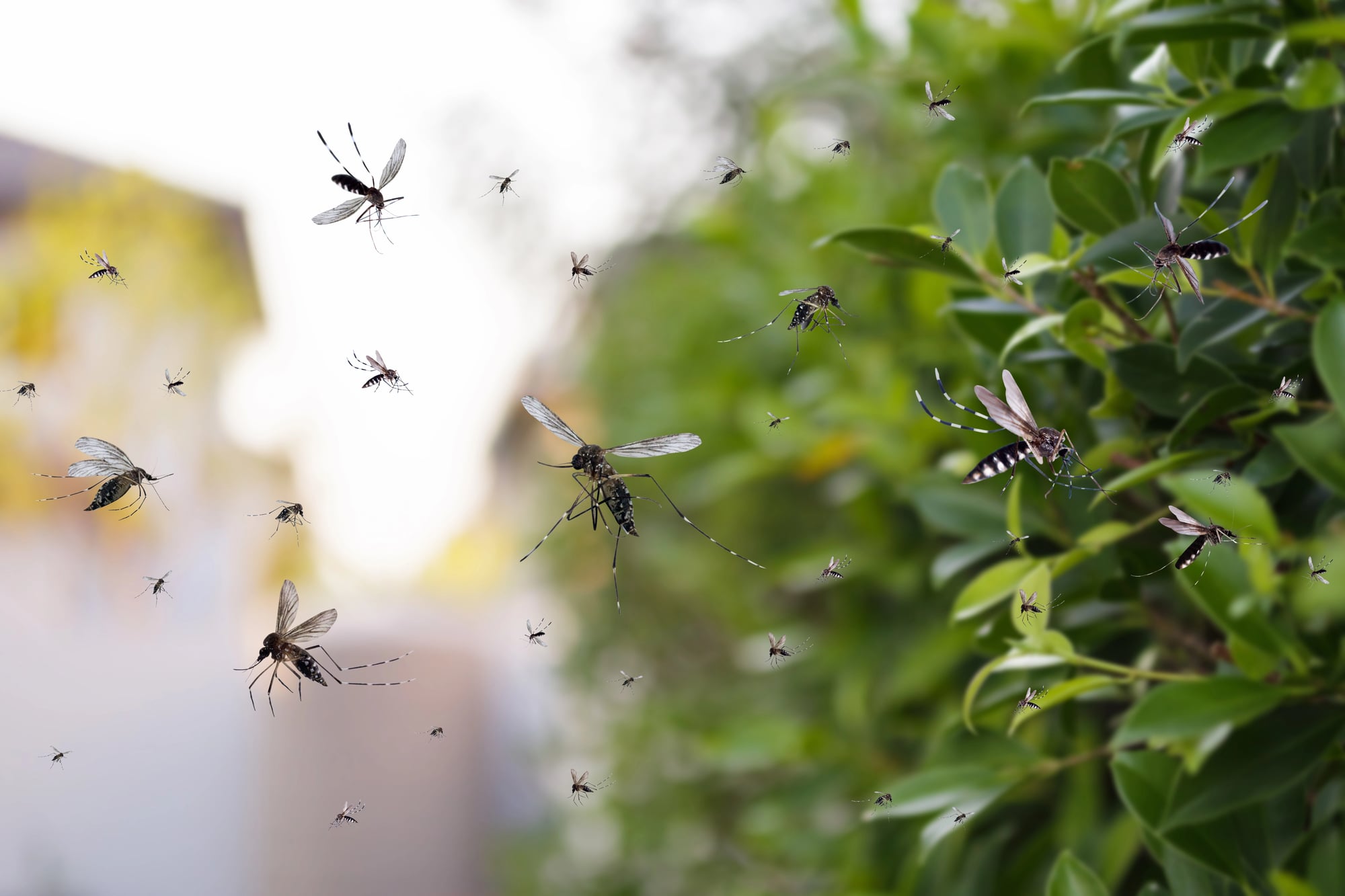
Different mosquito species prefer different hosts with startling specificity. Some target only birds, others focus exclusively on amphibians or reptiles.
The species that bother humans represent a small fraction of the roughly 3,500 mosquito species worldwide, though those particular species have certainly made their presence known.
The Eternal Buzz Continues
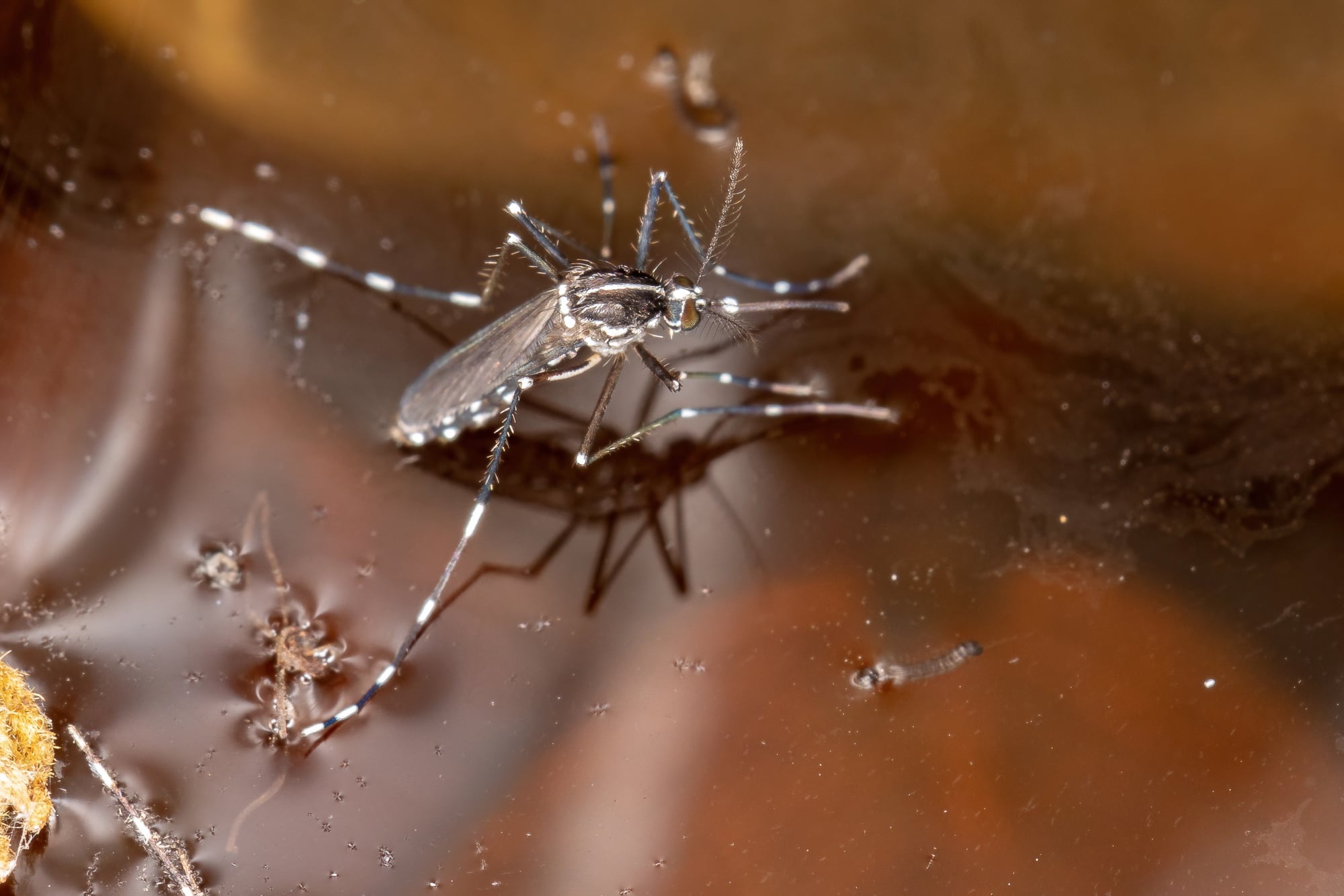
These facts won’t make mosquito bites itch any less or convince anyone to welcome them at outdoor gatherings. But understanding these creatures beyond their reputation as simple pests reveals something more complex — ancient survivors that have adapted to nearly every environment on Earth, playing roles in ecosystems that extend far beyond bothering humans on summer evenings.
The next time that familiar whine interrupts your backyard peace, at least you’ll know exactly what you’re dealing with.
More from Go2Tutors!

- The Romanov Crown Jewels and Their Tragic Fate
- 13 Historical Mysteries That Science Still Can’t Solve
- Famous Hoaxes That Fooled the World for Years
- 15 Child Stars with Tragic Adult Lives
- 16 Famous Jewelry Pieces in History
Like Go2Tutors’s content? Follow us on MSN.