Iconic Retro Kitchen Appliances
There’s something undeniably magnetic about walking into a kitchen and spotting a cherry-red refrigerator with chrome handles or a mint-green stand mixer perched on the counter. These aren’t just appliances—they’re time machines wrapped in enamel and stainless steel, capable of transporting you straight back to an era when design mattered as much as function.
Retro kitchen appliances have become more than nostalgic artifacts; they’re full-blown design statements that prove old-school charm and modern convenience can absolutely coexist.The resurgence of vintage-inspired kitchen gear isn’t just about aesthetics, though that’s certainly part of the appeal.
It’s about reclaiming a sense of craftsmanship and personality that got lost somewhere between the all-white minimalist wave and the stainless steel tsunami of the early 2000s. Today’s retro appliances combine the best of both worlds—those swoon-worthy curves and bold color palettes from decades past, paired with energy-efficient motors, digital controls, and features your grandmother could only dream about.
Here’s a closer look at the iconic appliances that defined mid-century kitchens and are making a serious comeback today.
The Sunbeam Mixmaster
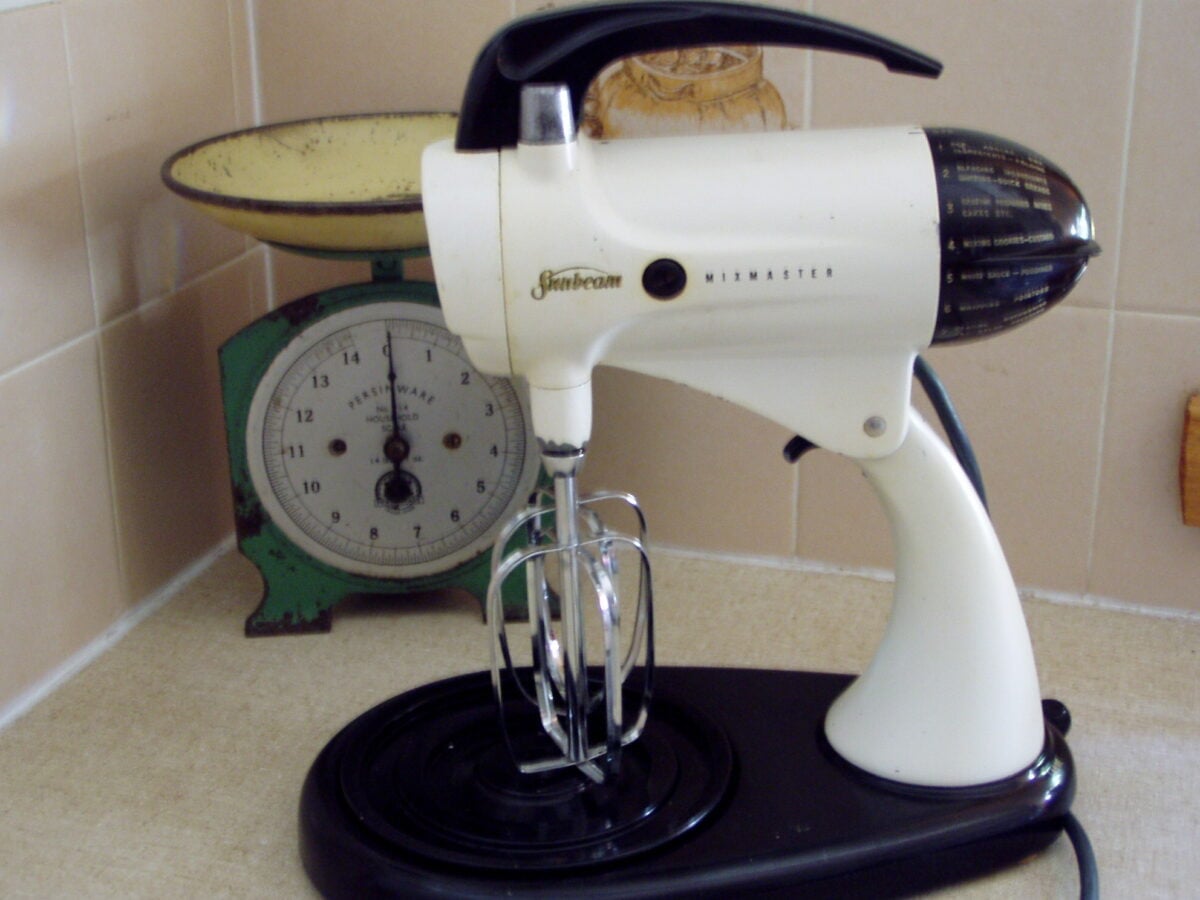
If there’s one appliance that symbolizes the golden age of American home cooking, it’s the Sunbeam Mixmaster. Production began around 1930 with the Model M4B, manufactured by the Chicago Flexible Shaft Company, which featured just 60 watts of power and a cast-iron construction that made it surprisingly heavy for its size.
Despite its modest beginnings, the Mixmaster quickly became the stand mixer every serious home baker wanted on their counter.The appliance featured Bowl-Fit beaters that mixed thoroughly and blended evenly, along with the famous Mix-Finder dial that eliminated guesswork across 12 mixing speeds.
What set these mixers apart from competitors wasn’t just clever engineering—it was their staying power. Many vintage Mixmasters from the 1950s and ’60s are still in active use today, churning out cakes and whipping cream with the same reliable hum they’ve maintained for half a century.
By the 1970s, Sunbeam had perfected its design to the point where the Mixmaster had become the most popular stand mixer on the Australian market, with models featuring distinctive brown ‘woodtone’ finishes that complemented the typical kitchen aesthetics of that era. The emotional attachment people have to these machines runs deep.
They’re often passed down through generations, carrying not just the capacity to mix batter but also the weight of family memories and Sunday afternoon baking sessions.
SMEG Refrigerators

When most people picture a retro refrigerator, they’re probably imagining a SMEG. These Italian-made appliances have become synonymous with vintage-inspired design, featuring rounded edges, vibrant colors, and eye-catching aesthetics that dominated the postwar era.
The brand’s FAB series—particularly the FAB28 model—has become something of a design icon, showing up in trendy lofts, design magazines, and Instagram feeds with impressive regularity.What makes SMEG fridges particularly compelling is how unapologetically bold they are.
Available in pastel shades like mint green, soft pink, and baby blue that were popular in the 1950s, plus bolder colors like avocado green, mustard yellow, and burnt orange from the 1960s and 1970s, these refrigerators refuse to fade into the background. They demand attention and they get it.
The trade-off for all that style comes with a price tag that might make your wallet wince. The FAB28 model costs around $1,999 and doesn’t even include a separate freezer compartment.
But for design enthusiasts who view their kitchen as a curated space rather than just a functional room, that premium feels justified. These aren’t appliances you hide—they’re conversation starters that anchor the entire room’s aesthetic.
Vintage Toasters
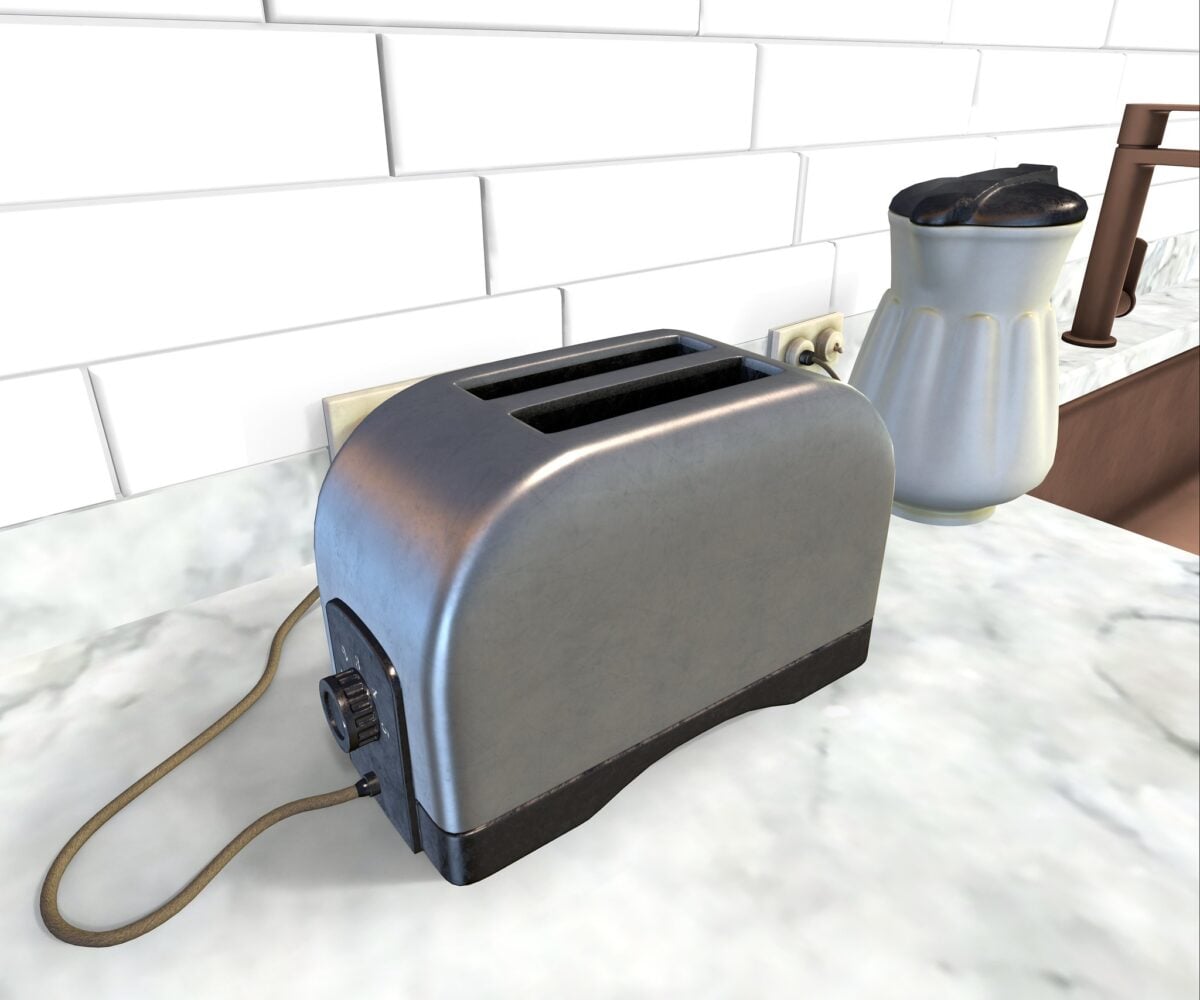
The humble toaster has one of the most fascinating evolution stories in kitchen appliance history. The first commercially successful electric toaster was introduced by General Electric in 1909 with the GE Model D-12, but the game-changing ‘pop-up’ design wasn’t patented until 1919.
Before automatic toasters became standard, families actually had to flip their bread manually using spring-loaded doors on both sides.During the 1920s, Americans purchased more than a million electric toasters, typically using them right at the breakfast table where someone would need to monitor the toasting process constantly.
The Toastmaster brand became particularly well-known for models that featured heating elements on both sides of each bread slice, ensuring even browning—an innovation that seems basic now but was genuinely revolutionary at the time.Toastmaster designs from the 1920s and ’30s have become highly collectible pieces of toast-making history, with their Art Deco lines and chrome finishes embodying the optimistic machine-age aesthetic of the era.
Modern retro-styled toasters from brands like SMEG and Russell Hobbs capture that same visual appeal while incorporating contemporary features like electronic browning controls, bagel settings, and defrost functions that would have seemed like science fiction to early 20th-century breakfast enthusiasts.
Electric Percolators
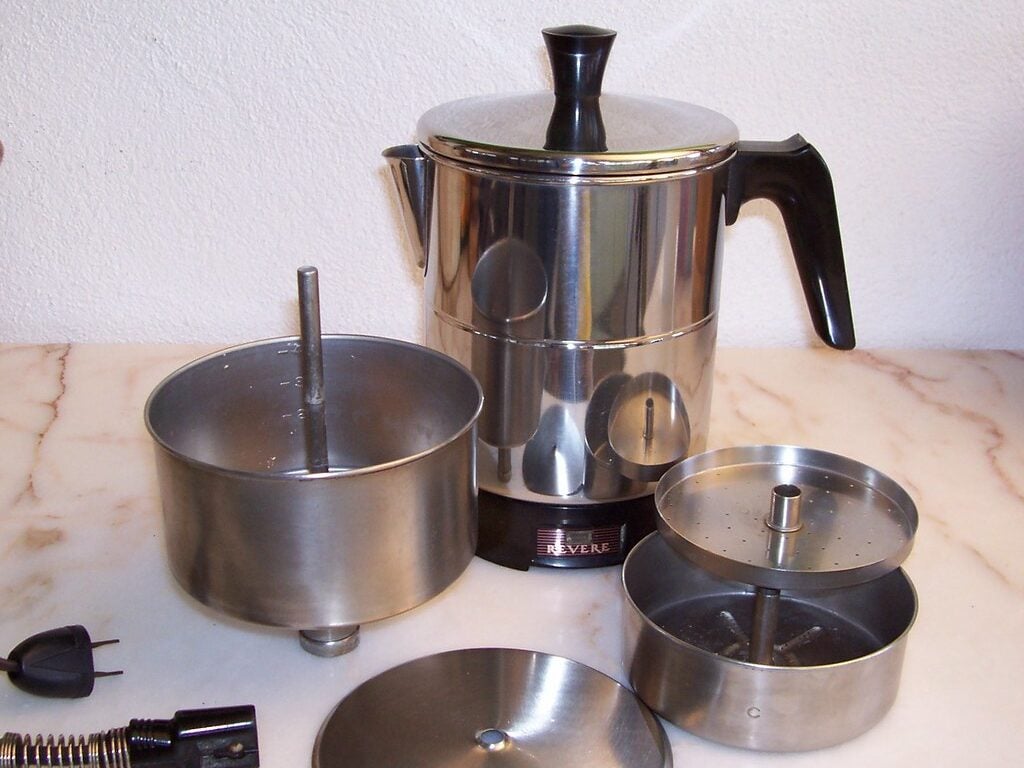
Long before pod-based coffee makers and pour-over setups became the standard, the electric percolator reigned supreme in American kitchens. These convenient machines provided a quick and tasty way to brew coffee, with many enthusiasts arguing that percolators make the best brew because the bubbling water repeatedly cycles over the grounds, creating a smooth yet strong pot.
The percolator’s appeal went beyond just functionality. There was something almost theatrical about watching the coffee bubble up through the glass dome on top, signaling that your morning fuel was nearly ready.
Companies like Swan pioneered developments in electric heating elements during the 1920s, creating products like tea urns, kettles, steamers and coffee percolators based around their immersion element technology.The ritual of percolator coffee became deeply embedded in mid-century domestic life—the distinctive sound, the rich aroma filling the kitchen, the satisfying weight of the pot as you poured that first cup.
While drip coffee makers and single-serve machines have largely displaced percolators in modern homes, vintage models remain sought-after finds at estate sales, and new retro-styled versions appeal to coffee lovers who want both the aesthetic and the authentic brewing experience.
Big Chill and Northstar Ranges
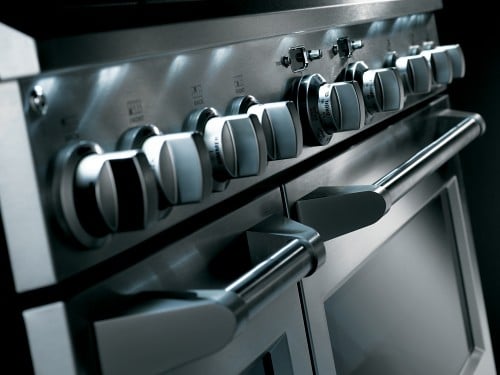
When it comes to full-size appliances that make a statement, few can compete with retro-styled ranges. Big Chill took the popular design aesthetic of 1950s refrigerators and applied it across multiple appliance categories, including microwaves, dishwashers, and ovens.
Their ranges often feature the smooth curves, prominent chrome details, and candy-colored finishes that defined the Eisenhower era.Northstar, made by Elmira Stove Works, offers ranges that combine the look and feel of the 1950s and ’60s with contemporary conveniences like self-cleaning true convection ovens, modern-power microwaves, and energy-efficient operation.
These aren’t reproduction antiques that sacrifice performance for appearance—they’re fully modern appliances wrapped in nostalgic packaging.The Bertazzoni Heritage Series features ranges with creamy ivory finishes, clean lines, and rounded edges that evoke classic 1950s styling, while incorporating modern construction techniques that ensure efficiency and durability.
The beauty of these contemporary retro ranges is that you can achieve that vintage diner aesthetic without dealing with the temperamental performance and inefficient energy consumption that plagued their historical counterparts.
Electric Kettles
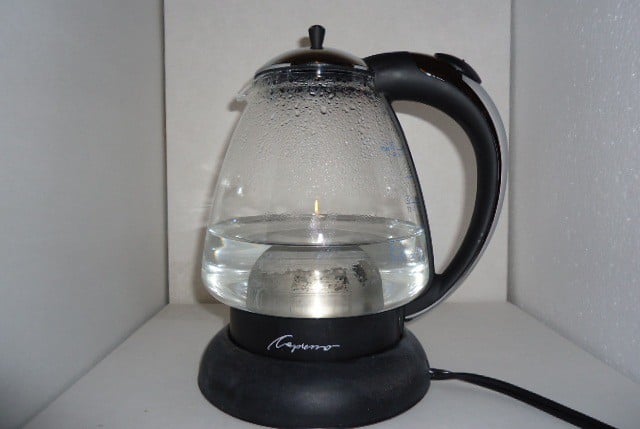
Electric kettles occupy an interesting position in kitchen appliance history, particularly when comparing American and British experiences. Bill Russell and Peter Hobbs teamed up in 1952 to create Russell Hobbs, initially making a toaster, an electric iron, and then the first coffee maker with a keep-warm function, before producing the world’s first automatic electric kettle in 1955.
Swan pioneered the first electric element that could be fully immersed in water during the 1920s—a crucial breakthrough that meant six pints of water could be boiled in just over nine minutes, leading to the development of an entire range of products including tea urns and steamers. The company also developed and patented a safety cut-out feature that automatically disconnected the connector if the heating element overheated.
Today’s retro-styled electric kettles from brands like SMEG and Russell Hobbs feature the same vintage-inspired curves and chrome accents as their larger appliance cousins, often coming in matching color schemes that let design-conscious consumers coordinate their entire countertop. These modern versions typically include features like temperature control, automatic shut-off, and rapid-boil technology—proving you can have your vintage aesthetic and your safety certifications too.
The Color Palette That Defined an Era
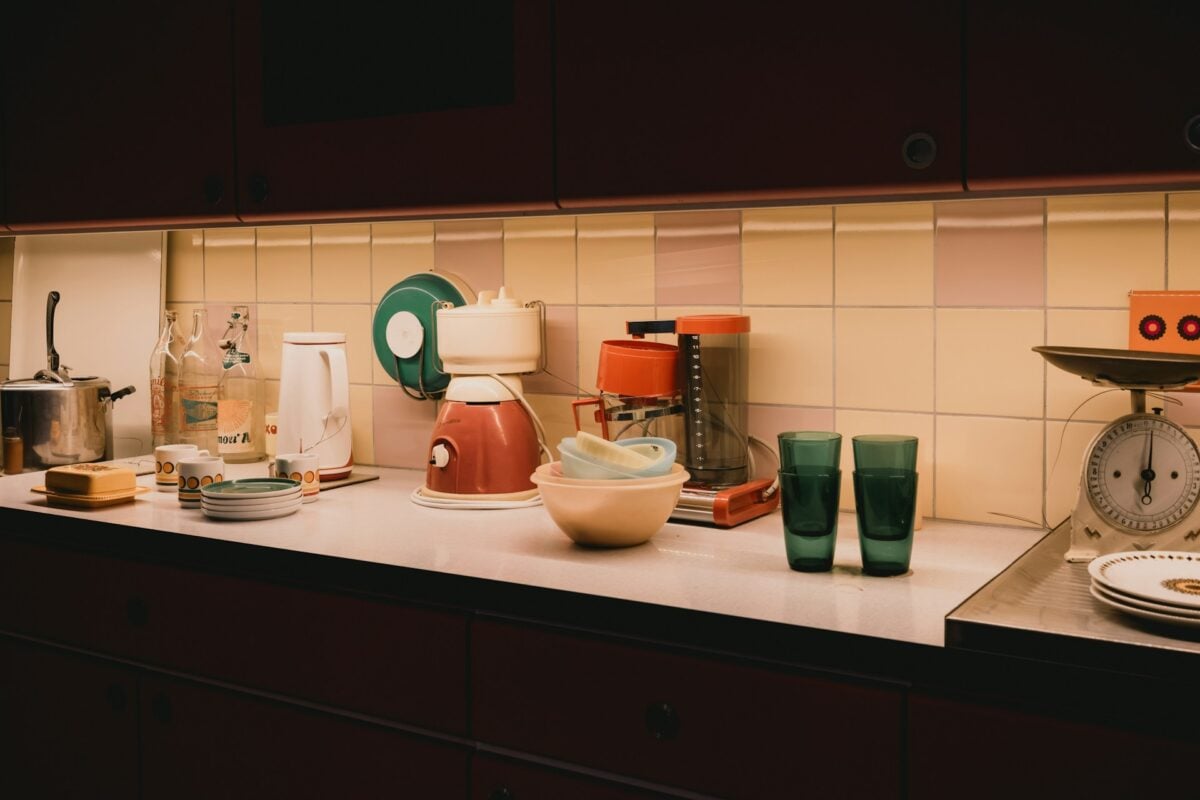
Understanding retro kitchen appliances means understanding the color revolution that swept through mid-century homes. Pastel shades like mint green, soft pink, and baby blue dominated the 1950s, while the 1960s and 1970s introduced bolder choices like avocado green, mustard yellow, and burnt orange that brought warmth and character to kitchen spaces.
These weren’t subtle accent colors—they were bold declarations that kitchens could be fun, vibrant spaces rather than sterile work zones.Modern manufacturers like Elmira Stove Works offer retro appliances in a wide range of colors, ensuring that homeowners can mix and match or coordinate their entire kitchen suite.
The availability extends beyond just the vintage-accurate shades to include more neutral options like flat black, white, and bisque, allowing these distinctively styled appliances to work in more contemporary or transitional kitchen designs.The psychology behind these color choices is fascinating.
Choosing a cherry-red refrigerator or a turquoise mixer isn’t just about nostalgia—it’s a statement about personality and priorities. In an era when most modern appliances default to brushed stainless steel or matte black, opting for a powder-blue dishwasher signals that you’re someone who values individuality and isn’t afraid to let your kitchen reflect actual joy rather than just resale considerations.
Why Retro Still Resonates
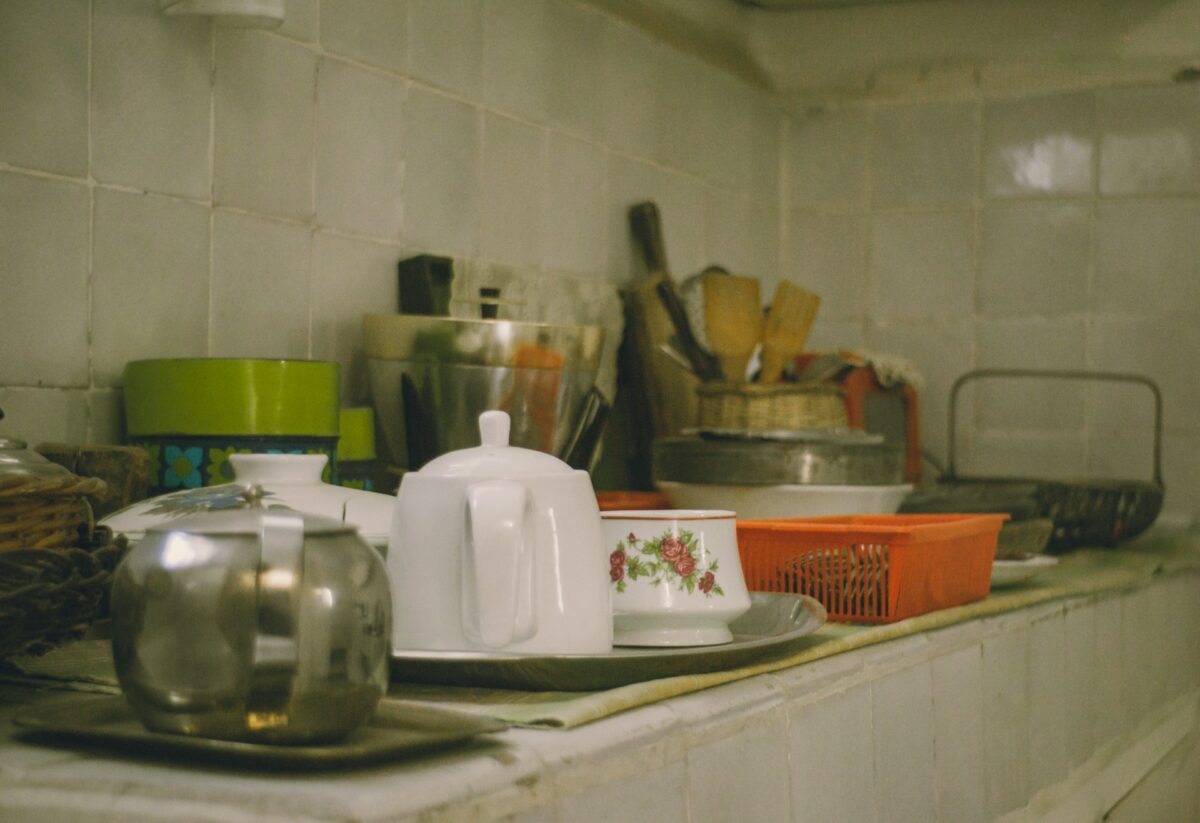
The current enthusiasm for retro kitchen appliances goes deeper than simple nostalgia or aesthetic preference. The 1950s and 1960s were iconic periods that shaped appliance design with bold colors, curvaceous forms, and distinctive styles, and choosing these designs today represents a lifestyle choice that reflects a desire for enduring designs that transcend fleeting trends.
There’s a practical element too. Many vintage appliances were genuinely built to last, manufactured during an era when planned obsolescence hadn’t yet become the dominant business model.
Stories abound of Sunbeam Mixmasters that served faithfully for close to 50 years, with some units from the post-World War II era still functioning perfectly after more than six decades. That durability creates an interesting contrast with many contemporary appliances that seem designed to be replaced every few years.
The retro appliance revival also coincides with broader cultural shifts. Since the COVID-19 pandemic, more people have embraced colorful, warm, and more expressive styles in their lives, moving away from the cold lines of stark modern design and all-white-and-stainless-steel rooms.
When you’ve spent enough time staring at minimalist gray walls, a bright yellow toaster starts looking less like a frivolous purchase and more like a small act of domestic rebellion.
How It Shapes Today’s Kitchens
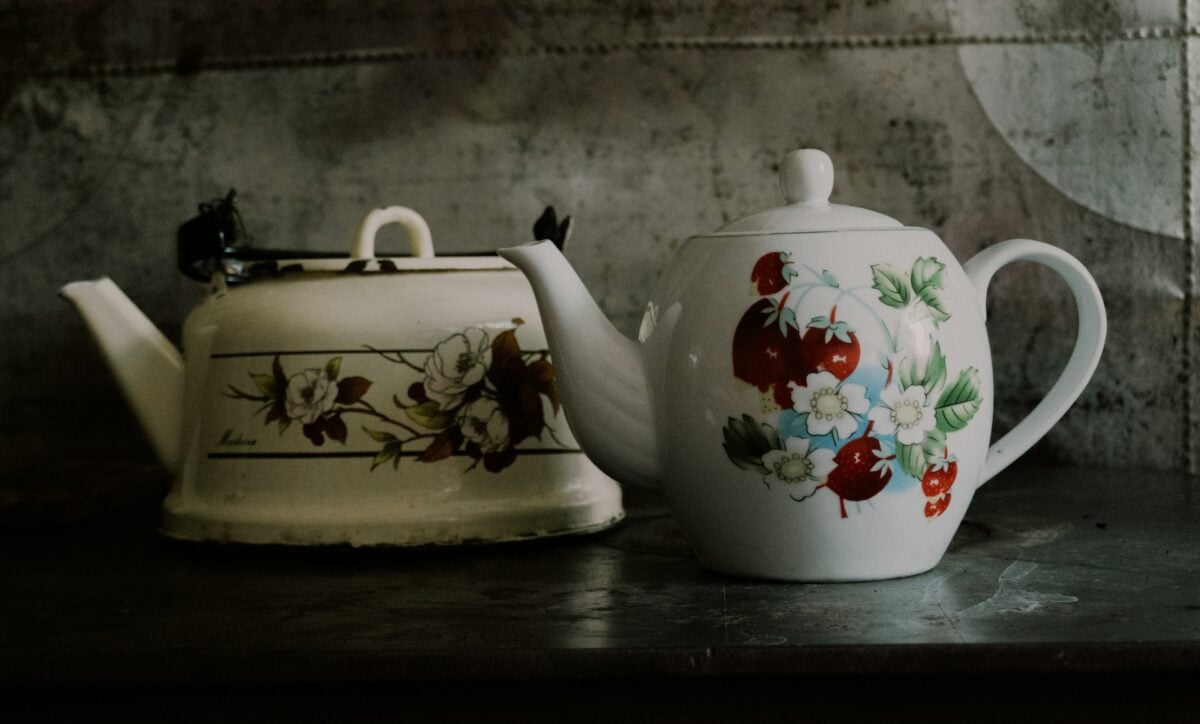
Walk into a kitchen showroom today and you’ll notice something that would have seemed impossible two decades ago—vintage-inspired appliances occupying premium shelf space alongside cutting-edge smart technology. Major brands from SMEG to GE have introduced retro-inspired lines, with GE’s Artistry Series specifically designed to blend vintage charm with modern innovation through sleek lines, classic finishes, and thoughtful details.
The integration of retro appliances into contemporary spaces requires some thoughtfulness, but the payoff can be spectacular. These pieces work best when they’re allowed to be focal points rather than forced to compete with too many other design elements.
A mint-green SMEG refrigerator can anchor an entire kitchen’s color scheme, while a chrome Northstar range can serve as the centerpiece that pulls together seemingly disparate vintage and modern elements.What makes this trend particularly interesting is its staying power.
Unlike some design fads that flame out after a season or two, retro appliances have maintained consistent popularity for over a decade now. That longevity suggests we’re not just dealing with a trend—we’re seeing a genuine shift in how people think about kitchen design and the role appliances play in creating spaces that feel personal and lived-in rather than showroom-sterile.
The beauty of iconic retro kitchen appliances lies in their refusal to disappear.They don’t hide behind cabinet panels or blend into neutral backgrounds. They announce themselves boldly, reminding us that kitchens can be spaces of joy, color, and personality.
Whether it’s a 1950s Sunbeam Mixmaster still whipping up birthday cakes or a brand-new SMEG refrigerator making a millennial’s apartment feel complete, these appliances connect us to a design philosophy that believed everyday objects deserved beauty, craftsmanship, and a little bit of pizzazz. In an age of increasingly forgettable design, that’s not just nostalgic—it’s downright revolutionary.
More from Go2Tutors!

- The Romanov Crown Jewels and Their Tragic Fate
- 13 Historical Mysteries That Science Still Can’t Solve
- Famous Hoaxes That Fooled the World for Years
- 15 Child Stars with Tragic Adult Lives
- 16 Famous Jewelry Pieces in History
Like Go2Tutors’s content? Follow us on MSN.



