16 Behind-the-Scene Moments From the Fall of the Soviet Union
One of the most important geopolitical developments of the 20th century was the fall of the Soviet Union in 1991. Many lesser-known events and private moments influenced this significant shift, even though history books document the key turning points.
These behind-the-scenes activities highlight the human aspect of this significant historical transition, from dire economic circumstances to surprising leadership choices. This selection of 16 intriguing behind-the-scenes occurrences offers a closer look into the disintegration of the Soviet powerhouse.
Gorbachev’s Missing Pen

Mikhail Gorbachev wasn’t present during the signing of the Belavezha Accords, which officially dissolved the USSR—but that wasn’t the only hitch. When Boris Yeltsin, Leonid Kravchuk, and Stanislav Shushkevich gathered to sign the documents on December 8, 1991, they realized no one had brought a proper pen for the historic occasion.
A frantic search ensued before an aide produced a simple ballpoint pen, which was used to sign away the existence of a superpower that had stood for nearly 70 years.
The McDonald’s Effect
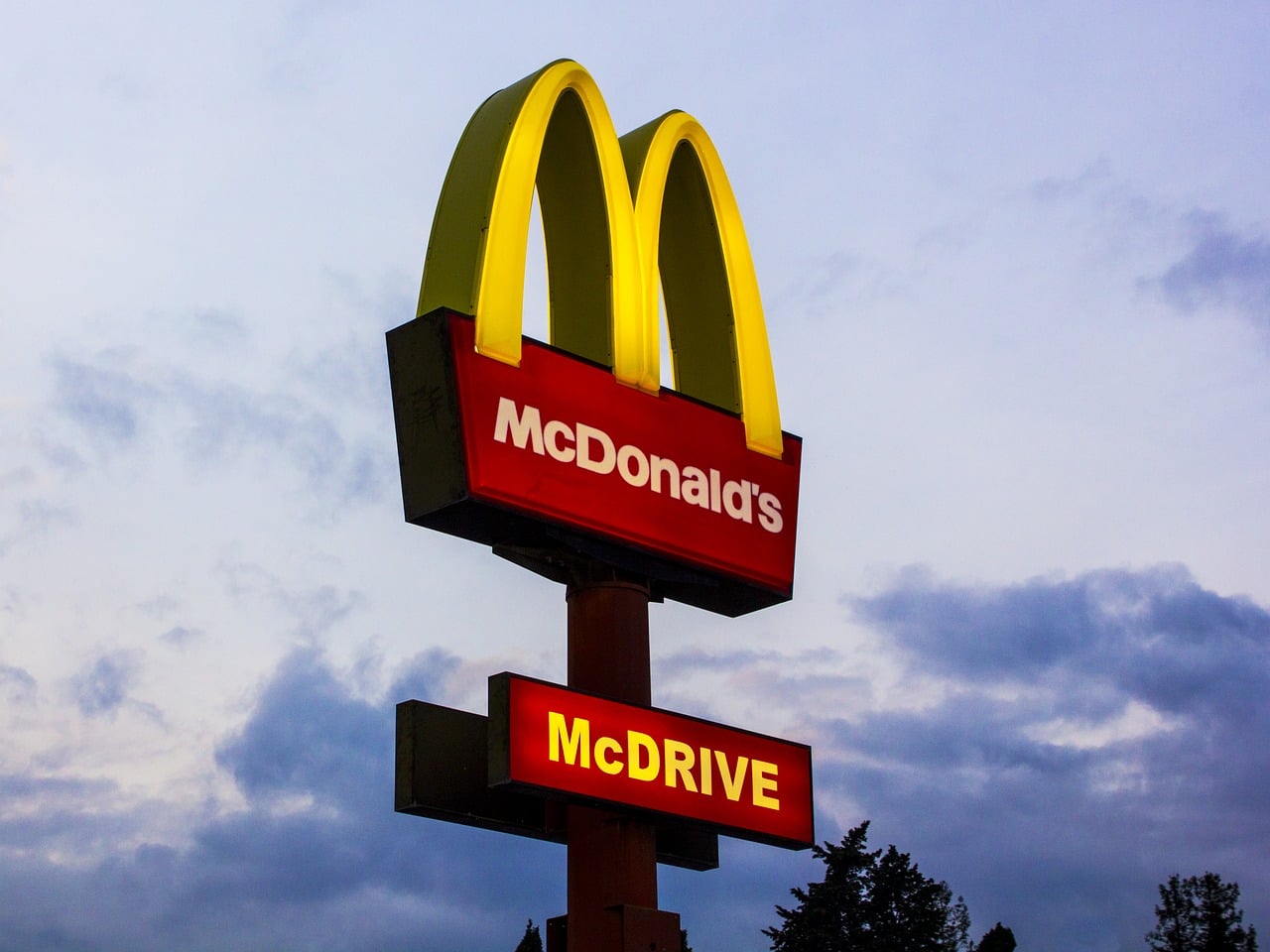
When the first McDonald’s opened in Moscow’s Pushkin Square in January 1990, it served 30,000 customers on its first day – with some waiting in line for over six hours. The effectiveness of the program astounded Soviet leaders, who saw it as concrete evidence of capitalism’s benefits.
A number of Politburo members privately admitted that this fast-food establishment showed a degree of reliability and service that the Soviet economy was unable to match, which had a profound psychological effect on the ruling class.
The Coup Plotters’ Vodka Night

Several of the conspirators met for drinks the night before the failed August 1991 coup attempt against Gorbachev, growing more and more inebriated as they worked out their plans. In his later testimony, former KGB officer Vladimir Kryuchkov claimed that on the crucial first day of their coup attempt, a number of coup leaders were quite inebriated.
This hampered their judgment and made them hesitant to arrest Boris Yeltsin, which was a critical mistake that ultimately contributed to the failure of their attempts.
Yeltsin’s Grocery Store Shock

Boris Yeltsin visited a Houston supermarket in 1989 while in the United States. He was profoundly shaken by the abundance of food and goods available to average Americans.
His security detail later reported that he was unusually quiet after the visit, and Yeltsin himself wrote that he was overwhelmed by the stark contrast with Soviet stores. This mundane grocery store visit had an outsized impact on Yeltsin’s thinking, reinforcing his growing disillusionment with the Soviet economic system.
The Moving Nuclear Briefcase

As Soviet authority crumbled, a little-known crisis involved the nuclear command codes and the ‘Cheget’ (nuclear briefcase). For several crucial hours during the transition of power, there was confusion about who controlled the Soviet nuclear arsenal.
Gorbachev initially refused to surrender the nuclear codes until personal appeals were made about the dangers of unclear nuclear command authority. The transfer of nuclear control was eventually completed without incident, but several military officials later revealed it was a far more chaotic process than publicly acknowledged.
KGB Document Bonfire

As agents worked around the clock to destroy classified records, smoke rose from the KGB headquarters’ chimneys in the days preceding the official dissolution. In December 1991, ash was observed ‘snowing’ in the area of Lubyanka Square for three days in a row.
Millions of data are thought to have been lost, leaving gaps in historical records that academics still have to fill today. Later, a few KGB officials acknowledged that they were specifically pursuing papers that linked them to contentious activities.
The CNN Factor
Due to CNN’s live coverage of Soviet events, especially during the 1991 coup attempt, an uncommon circumstance arose whereby Soviet citizens occasionally heard about national developments from American television before Soviet media did. When Soviet officials learned that CNN reporters frequently had information before them, they were shocked.
The way political crises developed was drastically changed by this real-time worldwide coverage, which prevented coup plotters from controlling the flow of information.
Gorbachev’s Final Meal as Leader

On the evening of December 25, 1991, after recording his resignation speech, Mikhail Gorbachev had a simple dinner with close aides in his Kremlin office. His chef prepared traditional Russian dishes including borscht and black bread – a modest final meal for the leader of a superpower.
According to his aide Andrei Grachev, Gorbachev maintained remarkable composure throughout the meal, even making a somber toast to “the good that might come from today’s events.”
The Flag Swap

The lowering of the Soviet hammer and sickle flag from the Kremlin and the raising of the Russian tricolor was not the smooth ceremony depicted in most historical accounts. The team responsible for the flag change encountered technical difficulties with the pulley system, causing a delay of nearly 40 minutes.
During this awkward interval, both flags were briefly stuck at half-mast together – an unplanned but symbolically appropriate image for the transition taking place.
The Unpaid Army

By late 1991, the Soviet military – once among the world’s most formidable forces – was facing a crisis so severe that many units hadn’t received pay for months. In some remote garrisons, officers organized hunting parties to supplement food supplies.
Defense Minister Yevgeny Shaposhnikov later revealed that during the final weeks of the USSR, he was more concerned about preventing hunger among troops than maintaining operational readiness. This deterioration in basic conditions contributed significantly to the military leadership’s unwillingness to intervene to preserve the union.
The Undelivered Speech

Gorbachev had prepared an alternate version of his resignation speech that was considerably more critical of Yeltsin and the process by which the USSR was dissolved. His longtime speechwriter Andrei Chernyaev convinced him to use a more conciliatory text just hours before the address was televised.
The original draft, discovered years later in archives, revealed Gorbachev’s deeper frustrations and might have significantly altered the public perception of the transition had it been delivered.
The Underground Mall Explosion
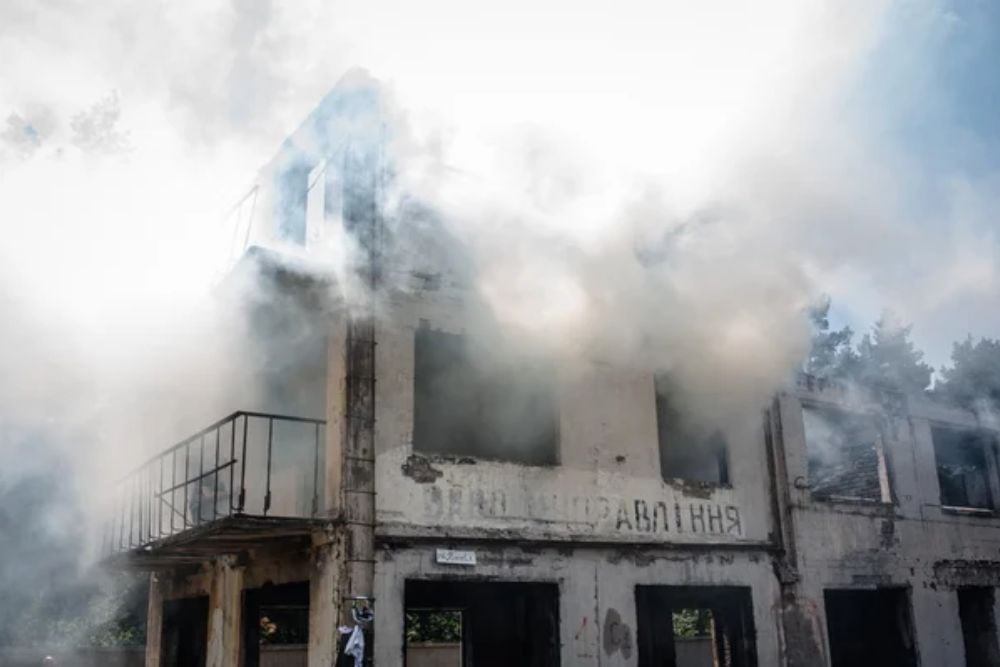
As the Soviet economy collapsed, underground entrepreneurs established a makeshift shopping mall in the pedestrian tunnels near Moscow’s Pushkin Square, where citizens could buy previously unavailable Western goods. This spontaneous market economy emerging literally beneath the streets of Moscow became a powerful symbol of the system’s failure.
Communist Party officials who visited were shocked to find even their own secretaries moonlighting as vendors after official work hours.
The Stranded Cosmonauts
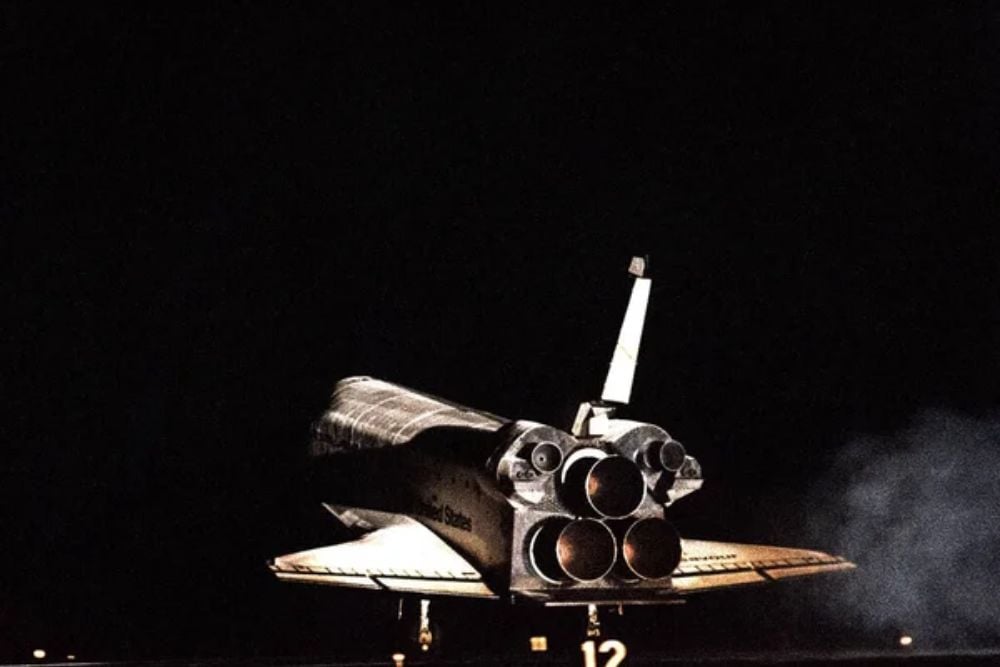
When the Soviet Union dissolved, cosmonaut Sergei Krikalev was aboard the Mir space station, leading to brief uncertainty about his status and even which country he now represented. Mission Control jokingly referred to him as “the last Soviet citizen.”
His scheduled return was delayed by the turmoil, extending his stay in orbit as the country that had sent him into space ceased to exist. Ground communications included updates about which government agencies still existed as he orbited Earth.
The Empty Shelves Phenomenon

In the final months of 1991, store shelves across the Soviet Union were so bare that many shops displayed cardboard cutouts of goods instead of actual products. In Moscow department stores, mannequins stood in empty food sections, modeling what shopping used to be like.
This visual representation of economic failure created a psychological tipping point for many citizens who had tolerated shortages for years but could no longer ignore the system’s complete breakdown.
The Beatles Connection
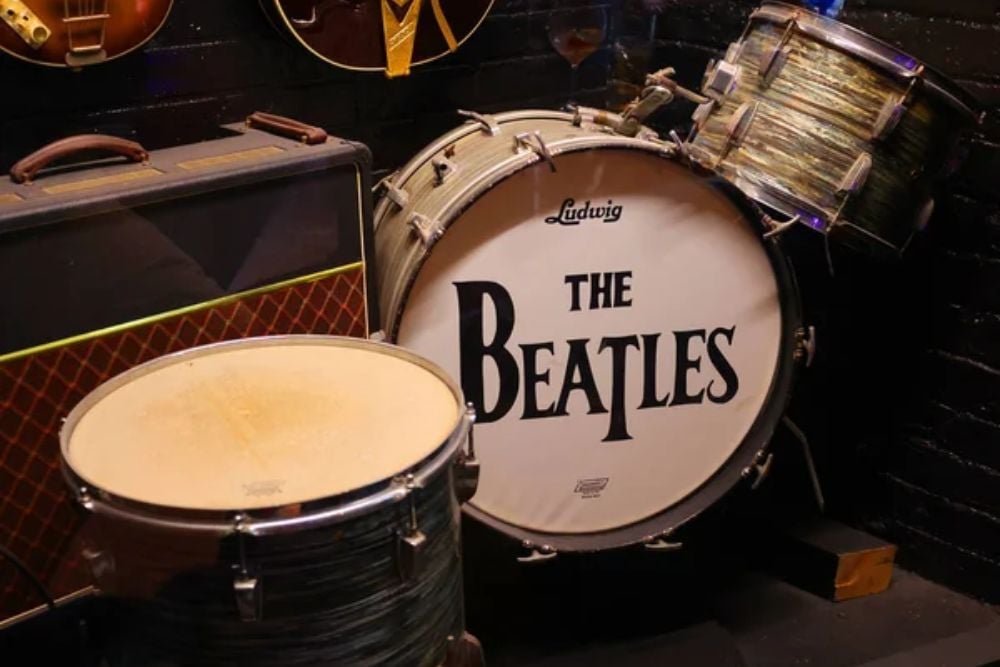
Former Soviet officials have acknowledged that the underground spread of Beatles music played a surprising role in changing youth culture and undermining Soviet authority. When Paul McCartney performed in Moscow’s Red Square in 2003, he met with Vladimir Putin who confessed, “The Beatles were a cultural invasion that helped melt the ice of the Cold War.”
Multiple Soviet-era ministers later admitted that their inability to control Western cultural influences, particularly music, significantly eroded their ideological control over younger generations.
The Unplugged Hotline

The famous direct communication line between Washington and Moscow – the “Hotline” established after the Cuban Missile Crisis – faced an unusual protocol problem during the power transition. For approximately 14 hours, American officials were uncertain about who would answer if they used it.
National Security staff prepared a special briefing for President Bush about this vulnerability. The communication system remained operational, but with explicit instructions to avoid using it except in absolute emergencies until clear protocols were established with the new Russian leadership.
When History Turns the Page
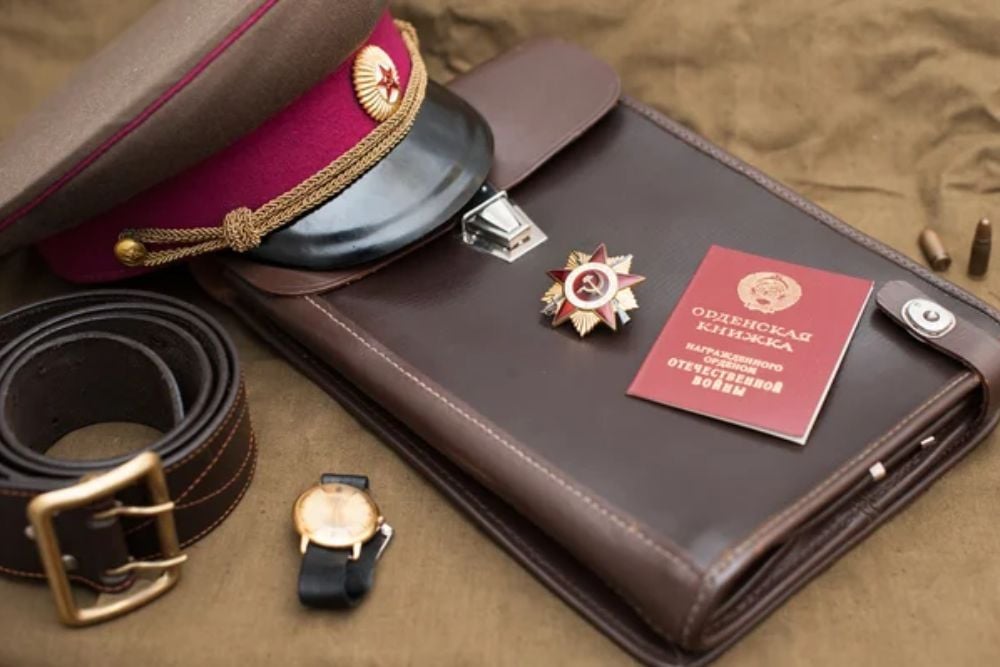
The dissolution of the Soviet Union happened with remarkable speed but was years in the making. What began as an attempt to reform and modernize the communist system ultimately led to its complete dismantling.
These behind-the-scenes moments reveal how large historical events are shaped by human factors – personal revelations, technical mishaps, symbolic images, and everyday realities that often escape the broader historical narrative. The Soviet Union’s fall reminds us that even seemingly permanent geopolitical structures can unravel quickly when their foundations weaken.
While textbooks focus on treaties and declarations, these intimate glimpses behind the curtain help us understand how ordinary people experienced – and influenced – one of history’s most significant transformations.
More from Go2Tutors!

- The Romanov Crown Jewels and Their Tragic Fate
- 13 Historical Mysteries That Science Still Can’t Solve
- Famous Hoaxes That Fooled the World for Years
- 15 Child Stars with Tragic Adult Lives
- 16 Famous Jewelry Pieces in History
Like Go2Tutors’s content? Follow us on MSN.