Strange Reasons Why Some Places Are Banned
You’d think most places get banned for obvious reasons — dangerous wildlife, unstable ground, or areas where people have actually died. But some of the world’s most restricted locations have backstories that sound more like urban legends than security briefings.
These aren’t your typical “authorized personnel only” situations. These are places where the reasoning behind the ban makes you wonder who came up with these rules and what exactly happened to make them necessary.
Poveglia Island
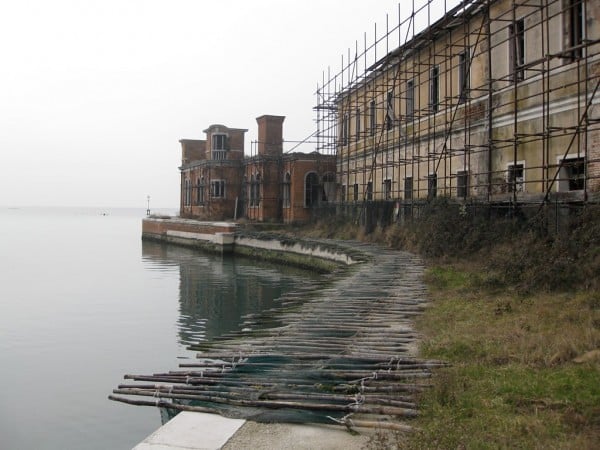
Italy’s Poveglia Island sits in the Venetian Lagoon like a 17-acre reminder that some places accumulate too much darkness to ever wash clean. The island served as a plague quarantine station for centuries, then later as a mental hospital where a sadistic doctor allegedly conducted gruesome experiments on patients.
Today, the soil contains so much human ash from cremated plague victims that locals claim it’s 50% human remains. The Italian government banned public access, and even fishermen avoid the waters around it.
Their nets supposedly pull up human bones instead of fish.
Room 39
North Korea operates Room 39, not as a physical location but as a government bureau that sounds like something from a spy novel. This secretive office allegedly manages illegal activities to fund the regime — counterfeiting money, drug trafficking, and cybercrime operations that generate billions for the state.
The location of Room 39’s headquarters remains classified, and even mentioning it can land North Korean citizens in prison camps. Foreign journalists who’ve tried to investigate it have been detained or expelled from the country.
Mezhgorye
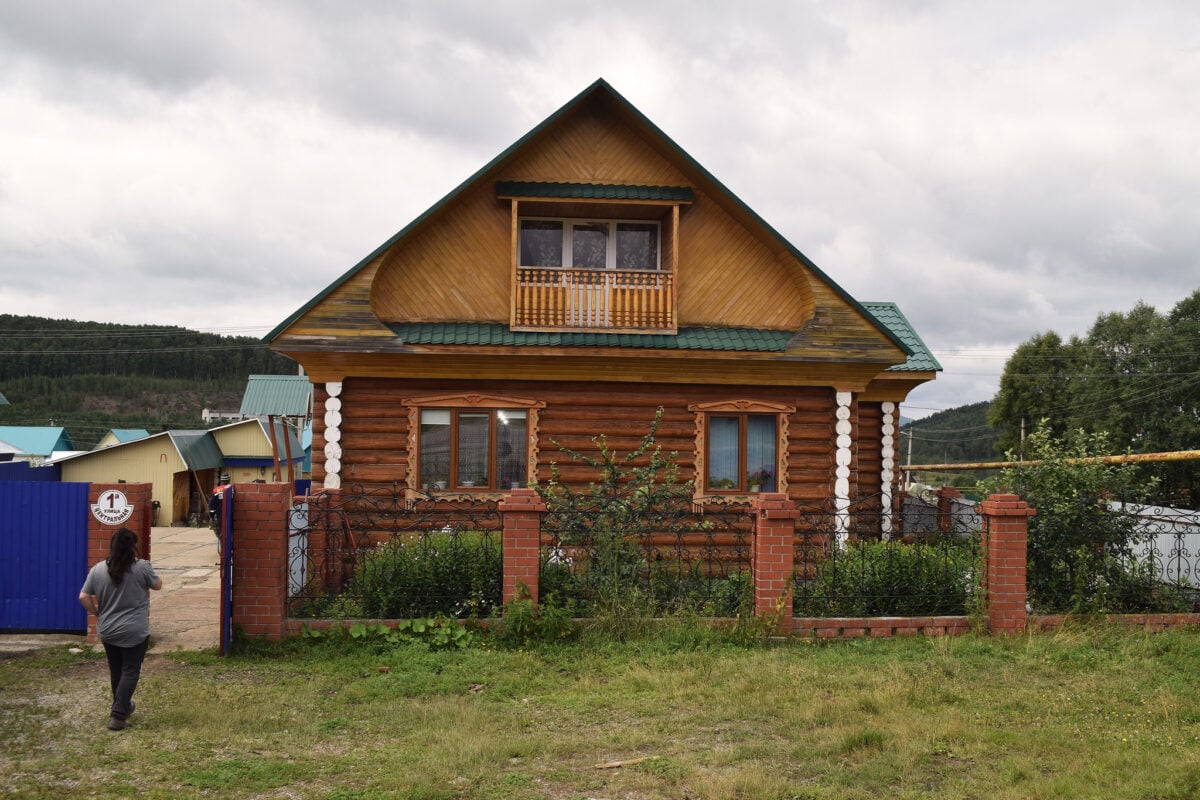
Deep in Russia’s Ural Mountains sits Mezhgorye, a closed city that officially doesn’t exist on most maps. The town supposedly houses a massive underground complex built during the Cold War, with theories ranging from nuclear weapon storage to a doomsday bunker designed to protect government officials during global catastrophe.
Russian authorities deny everything and restrict the airspace above it. But satellite images show suspicious infrastructure, and former Soviet officials have hinted that whatever’s buried there cost more than Russia’s entire annual military budget to construct. Which is saying something.
Vatican Secret Archives
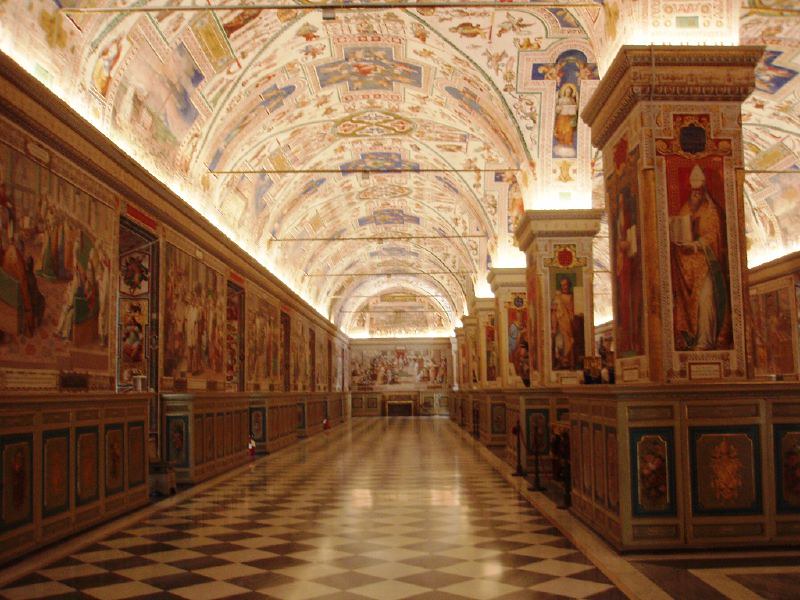
The Vatican’s Secret Archives contain twelve centuries of papal correspondence, locked away from public view with access restricted to a handful of qualified researchers who must apply months in advance. The archives allegedly hold documents about everything from Galileo’s trial to letters between the Pope and world leaders during major historical events.
But here’s where it gets strange: even researchers with access can only request three folders per day, and they’re not allowed to bring cameras, phones, or even pens with metal tips inside. The Vatican claims it’s about document preservation, yet they won’t say what’s in most of the collection.
You spend your entire career studying medieval history, finally get approval to access these archives, and then you’re handed three folders and told that’s all you get for the day (and don’t even think about taking notes with anything that might somehow, theoretically, damage a document that’s survived six centuries already). But the strangest part isn’t the restrictions — it’s that the Vatican renamed them the “Vatican Apostolic Archives” in 2019, claiming the word “secret” gave people the wrong impression.
Fair enough, but if you have to rebrand your archives because they sound too mysterious, maybe the problem isn’t the name.
Club 33
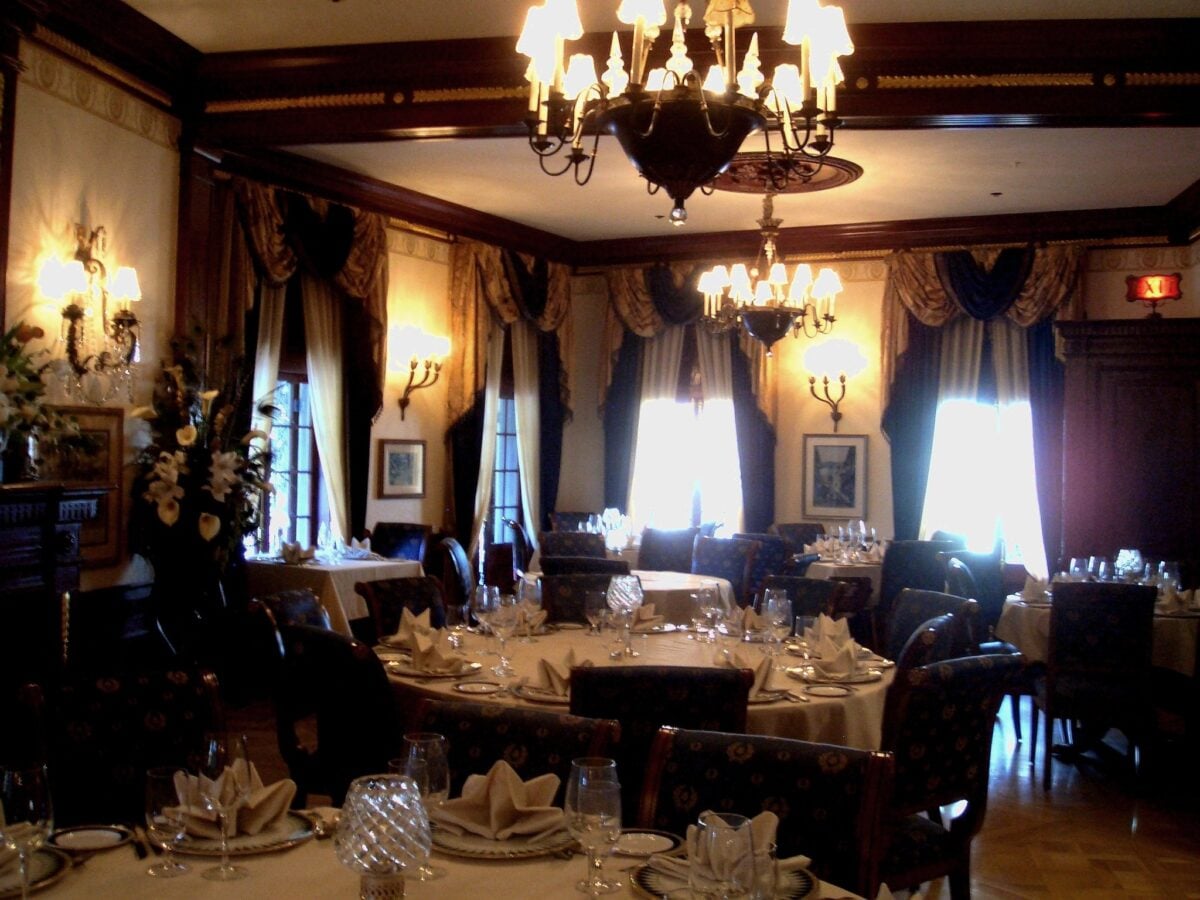
Disney created Club 33 as an exclusive members-only restaurant hidden inside Disneyland, and getting inside requires navigating a waitlist that’s reportedly years long and membership fees that cost more than most people’s cars. The club was Walt Disney’s personal project, designed to entertain VIPs and celebrities away from the crowds.
What makes it banned isn’t the exclusivity — it’s that Disney treats the location like a state secret. Members sign agreements prohibiting them from discussing what happens inside, photographing the interior, or even confirming specific details about the club’s operations.
Break the rules, lose your membership permanently.
Surtsey Island
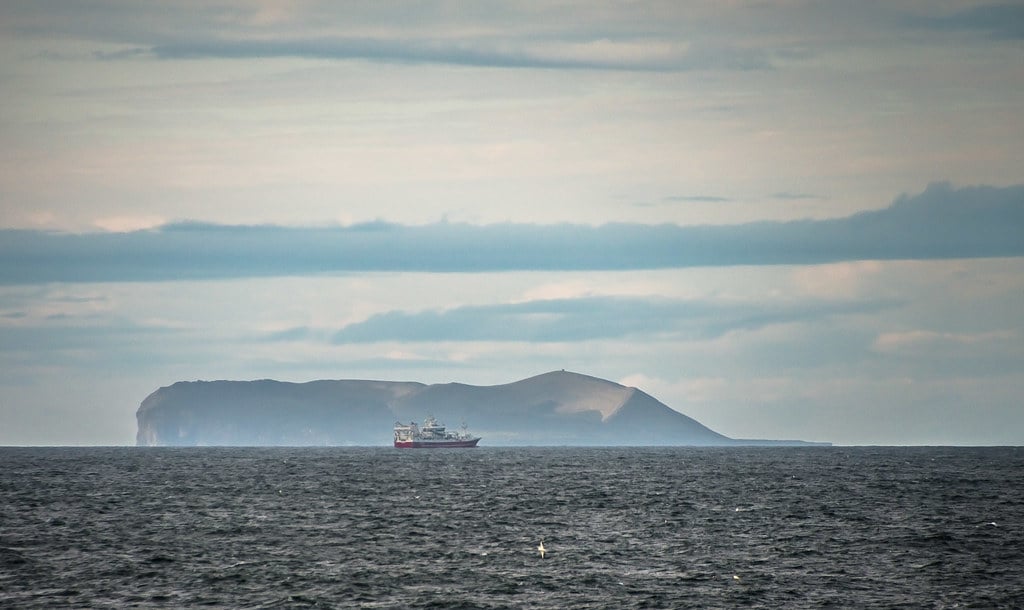
Iceland’s Surtsey Island emerged from the ocean during a volcanic eruption in 1963, creating a natural laboratory that scientists use to study how life develops on completely sterile land. The island remains banned to everyone except a small group of researchers who visit occasionally to document which plants and animals arrive first.
The ban exists because human contamination would ruin the experiment. Even the scientists must sterilize their equipment and clothing before stepping foot on the island.
One unauthorized visitor could introduce seeds, bacteria, or insects that would forever alter the natural colonization process that scientists have been studying for decades.
Lascaux Cave
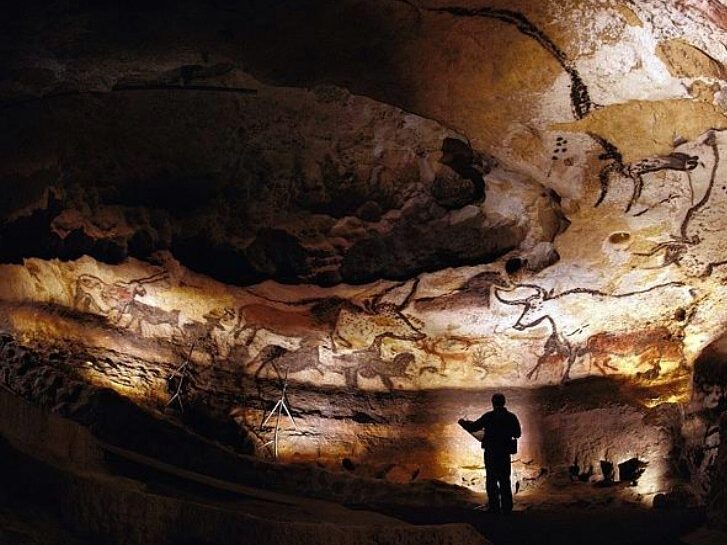
The Lascaux Cave in France contains 17,000-year-old cave paintings that represent some of humanity’s earliest artistic achievements. These aren’t crude stick figures — they’re sophisticated, detailed images of animals that reveal surprising artistic skill from Paleolithic humans.
But tourism nearly destroyed them. The carbon dioxide from visitors’ breath created a fungal growth called “green sickness” that began eating away at the paintings.
France sealed the cave in 1963 and built an exact replica nearby for tourists, while the original remains accessible only to a handful of researchers who can spend mere minutes inside before their presence starts damaging the art.
Snake Island
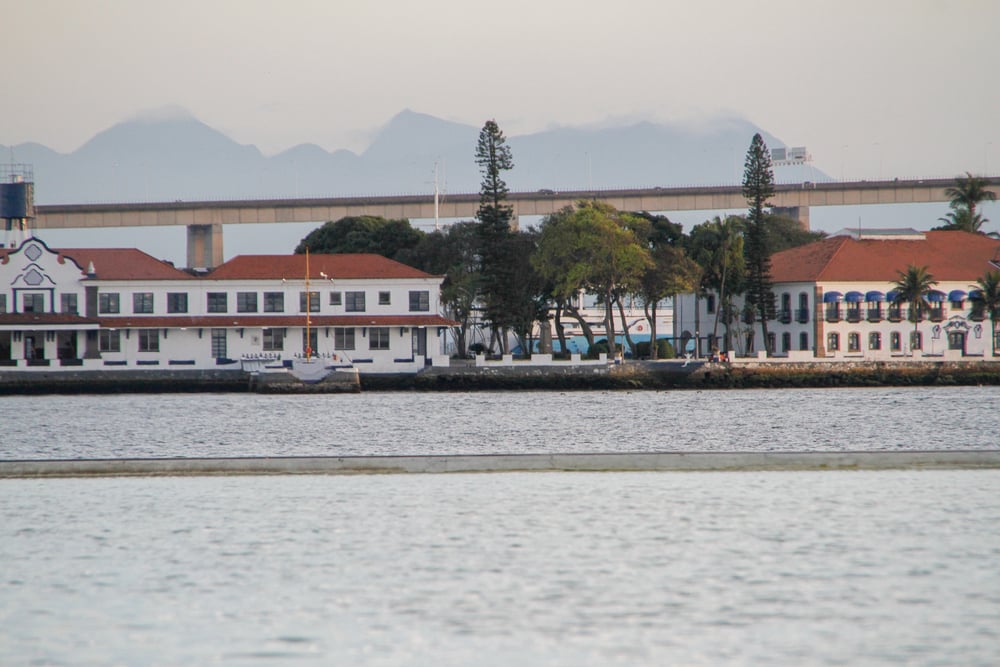
Brazil’s Snake Island hosts the world’s highest concentration of venomous snakes, with an estimated one to five deadly golden lancehead vipers per square meter. These snakes exist nowhere else on Earth, and their venom can kill a human within an hour.
The Brazilian government banned all civilian access to protect both people and the snakes, since the snake population has become critically endangered. The only people allowed on the island are researchers studying the species and Brazilian Navy personnel who maintain the automated lighthouse.
Even they don’t stay overnight.
Area 51
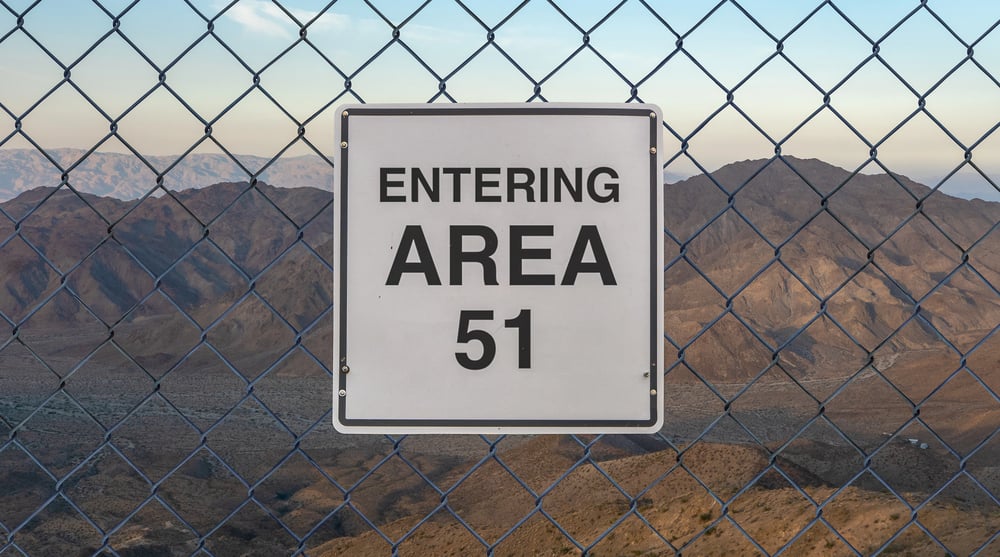
Nevada’s Area 51 represents the most famous banned location in America, though the reason for the ban isn’t what most people think. The site tests experimental military aircraft, not alien technology, but the government’s refusal to acknowledge what happens there has created decades of conspiracy theories.
The ban extends beyond the base itself — unauthorized aircraft can’t fly over it, satellites can’t photograph it, and approaching the perimeter triggers immediate detention by armed guards. The restrictions exist because experimental aircraft testing requires absolute secrecy, but the extreme measures have made Area 51 more famous than if they’d just admitted it was a military test site from the beginning.
North Brother Island
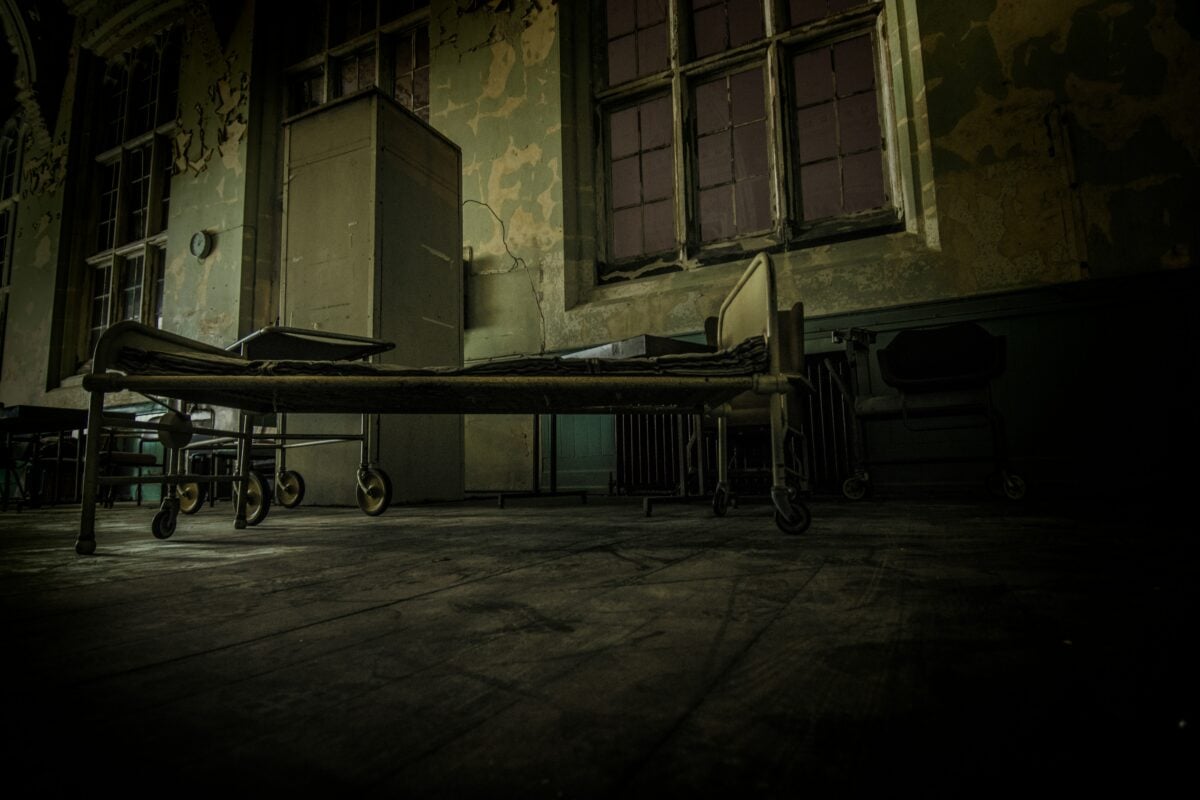
New York’s North Brother Island sits abandoned in the East River, home to crumbling hospital buildings where “Typhoid Mary” Mallon spent the final decades of her life in quarantine. The island housed a tuberculosis hospital, then later served as housing for war veterans and drug rehabilitation patients before closing in the 1960s.
Today, the island functions as a bird sanctuary where human visitors are banned to protect nesting colonies. But urban explorers who’ve illegally accessed the island report that the decaying hospital buildings contain medical equipment, patient records, and personal belongings left exactly where they were when the facility closed — as if everyone simply walked away one day and never returned.
The Tomb of Qin Shi Huang
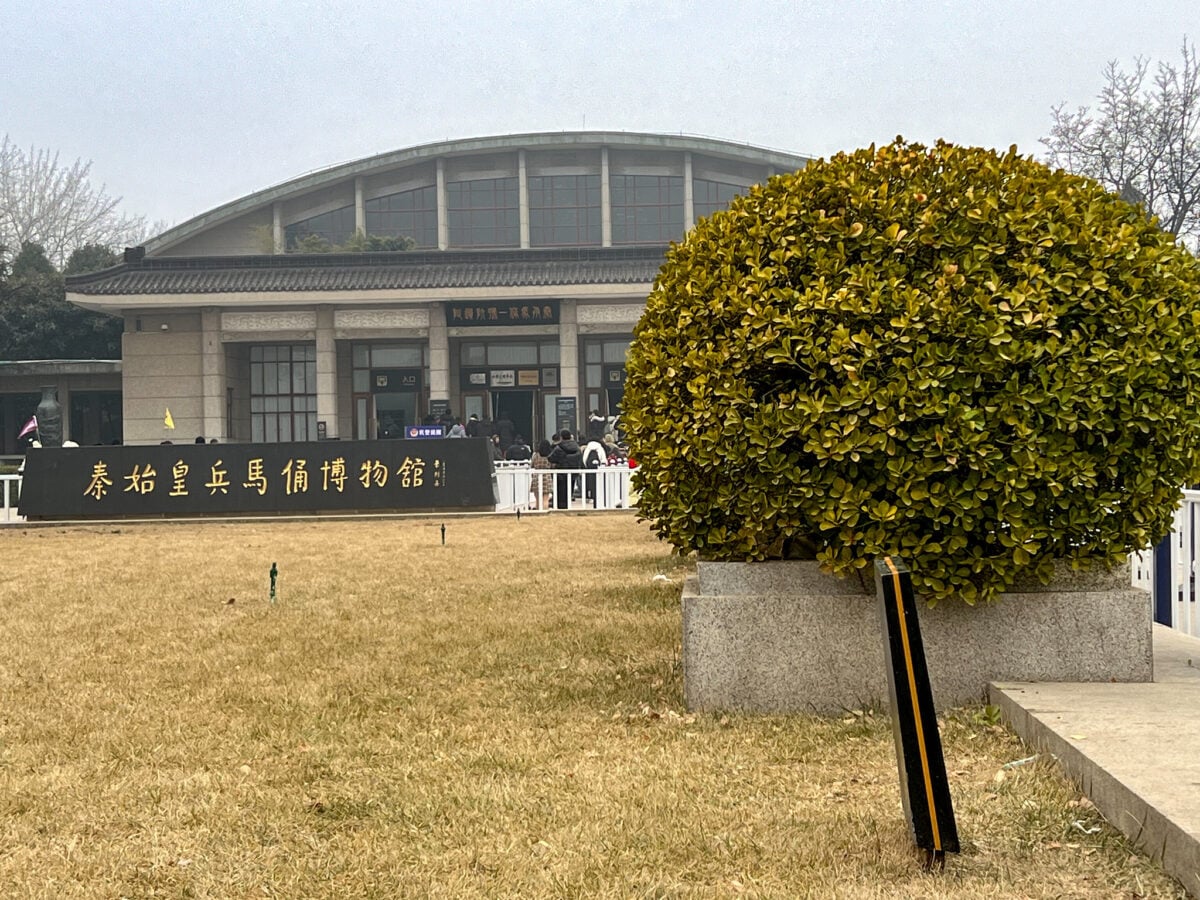
China’s first emperor lies buried beneath a massive mound surrounded by the famous Terracotta Army, but archaeologists have never opened the actual tomb. Ancient texts describe the burial chamber as containing rivers of mercury and booby traps designed to kill intruders, claims that modern testing has partially confirmed.
The Chinese government restricts excavation of the tomb itself, partly due to concerns about mercury contamination and partly because current archaeological techniques might damage whatever’s inside. They’ve been studying the site for decades, but the emperor’s actual burial chamber remains sealed more than 2,000 years after his death.
Bouvet Island
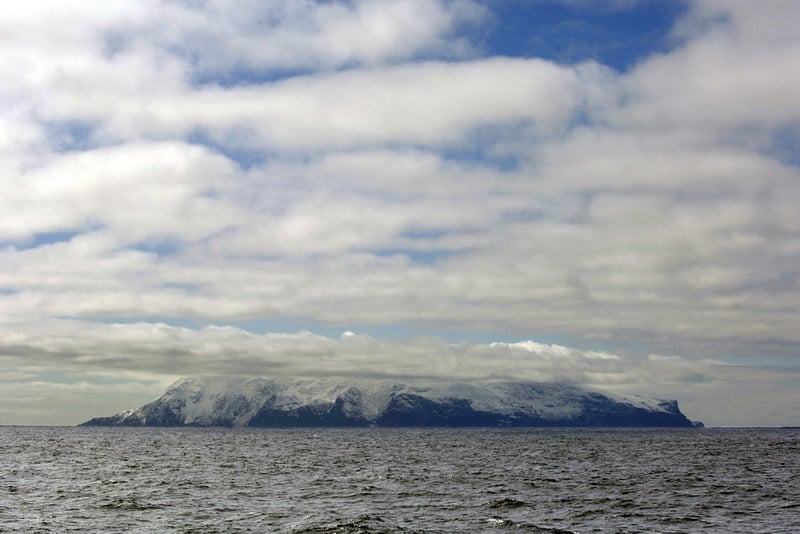
Norway’s Bouvet Island sits in the South Atlantic Ocean as one of the most remote places on Earth, accessible only by helicopter since it has no beaches or harbors where boats can land safely. The island remains uninhabited and largely unexplored due to its extreme isolation and harsh conditions.
But what makes Bouvet Island strange isn’t just its remoteness — it’s that researchers occasionally find evidence of human presence despite the island’s inaccessibility. In 1964, they discovered an abandoned lifeboat and supplies, but never found any people or explanation for how the boat arrived.
The mystery remains unsolved, and Norway restricts access to prevent unauthorized expeditions that would likely end in disaster.
Room 1046
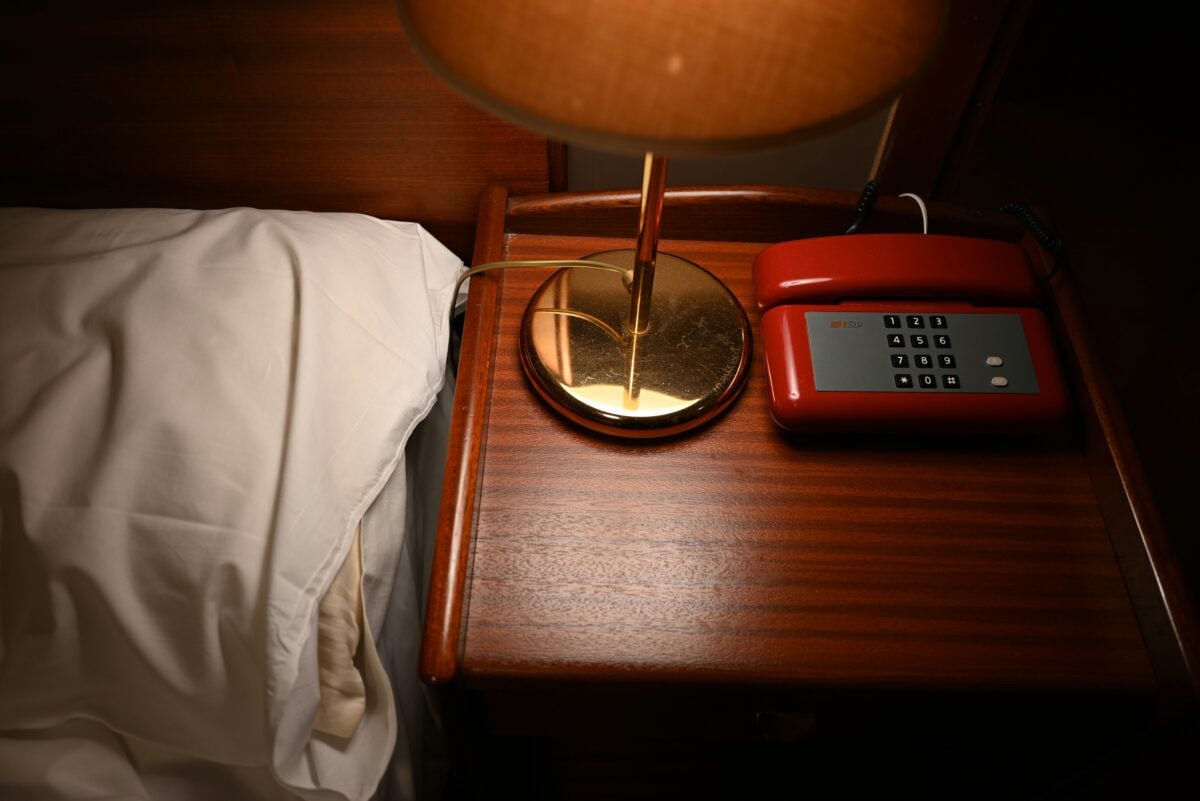
Kansas City’s President Hotel sealed Room 1046 after a bizarre 1935 murder case that remains unsolved. A man checked in under a fake name, spent several days receiving mysterious visitors, and was found dead with brutal injuries that suggested torture rather than a simple killing.
The case became one of America’s strangest unsolved murders, with evidence pointing to organized crime, espionage, or something even more unusual. The hotel eventually banned access to the room, and later renovations supposedly eliminated it entirely, though some hotel employees claim the room number still appears on building plans.
Where Mysteries Live On
These banned places remind us that the world still contains genuine mysteries, locations where the official explanation feels incomplete or the restrictions seem disproportionate to the stated danger. Whether they’re protecting ancient art, preserving scientific experiments, or hiding government secrets, these forbidden zones capture something essential about human curiosity — the more someone tells us we can’t go somewhere, the more we want to know what’s really there.
And maybe that’s exactly the point.
More from Go2Tutors!

- The Romanov Crown Jewels and Their Tragic Fate
- 13 Historical Mysteries That Science Still Can’t Solve
- Famous Hoaxes That Fooled the World for Years
- 15 Child Stars with Tragic Adult Lives
- 16 Famous Jewelry Pieces in History
Like Go2Tutors’s content? Follow us on MSN.