14 Strangest Animal Defense Methods
Animals don’t just run away when danger shows up. Some have really weird ways to keep safe. Like playing dead or spraying nasty smells, they use some strange tricks. Nature sure has some odd ideas. These things might seem weird or even gross, but they help animals survive.
Here’s a look at some of the oddest ways animals protect themselves—and why these strange moves actually work.
Hairy frog breaks its own bones

There’s a frog in Central Africa that does something crazy. It actually breaks its own bones to push sharp claws through its skin.
So, it kinda makes claws from inside! When it feels in danger, it uses these claws to fight. Later, the bones slide back in and the skin heals. Strange, but it helps the frog live.
Hagfish slime up the sea

When bigger fish or sharks try to eat a hagfish, it sprays thick slime. This slime gums up the predator’s gills, so it can’t breathe well.
The attacker lets go fast. Then, the hagfish twists around to clean off the slime and swims away. It’s one of the stickiest tricks in the ocean.
Like Go2Tutors’s content? Follow us on MSN.
Sea cucumbers turn themselves inside out
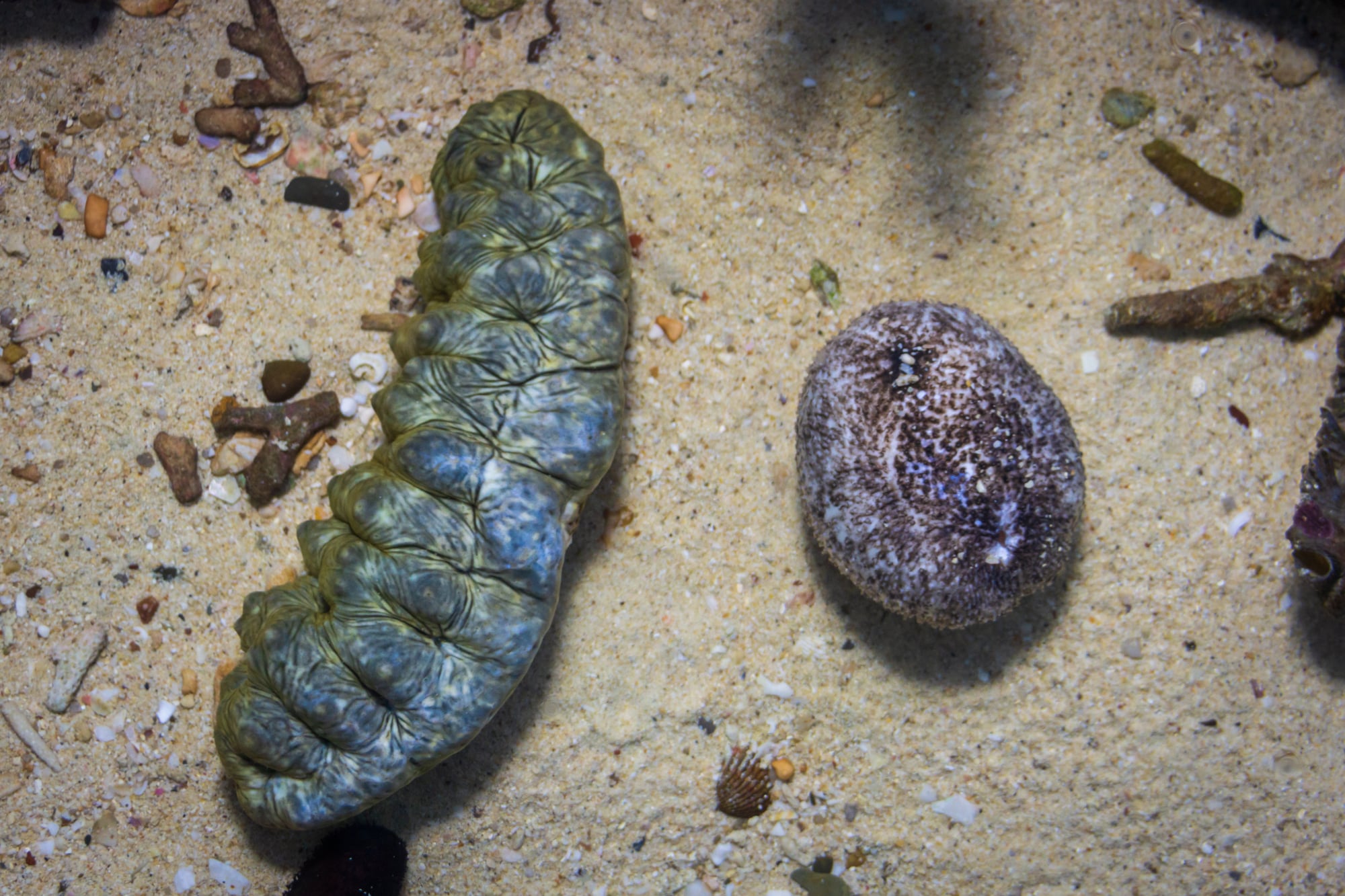
If a predator bothers a sea cucumber, it pushes its insides out through its back end. The sticky, sometimes poisonous parts confuse the attacker and give the sea cucumber time to escape.
Later, it slowly grows its insides back. Not pretty, but it works.
Bombardier beetle blasts boiling liquid
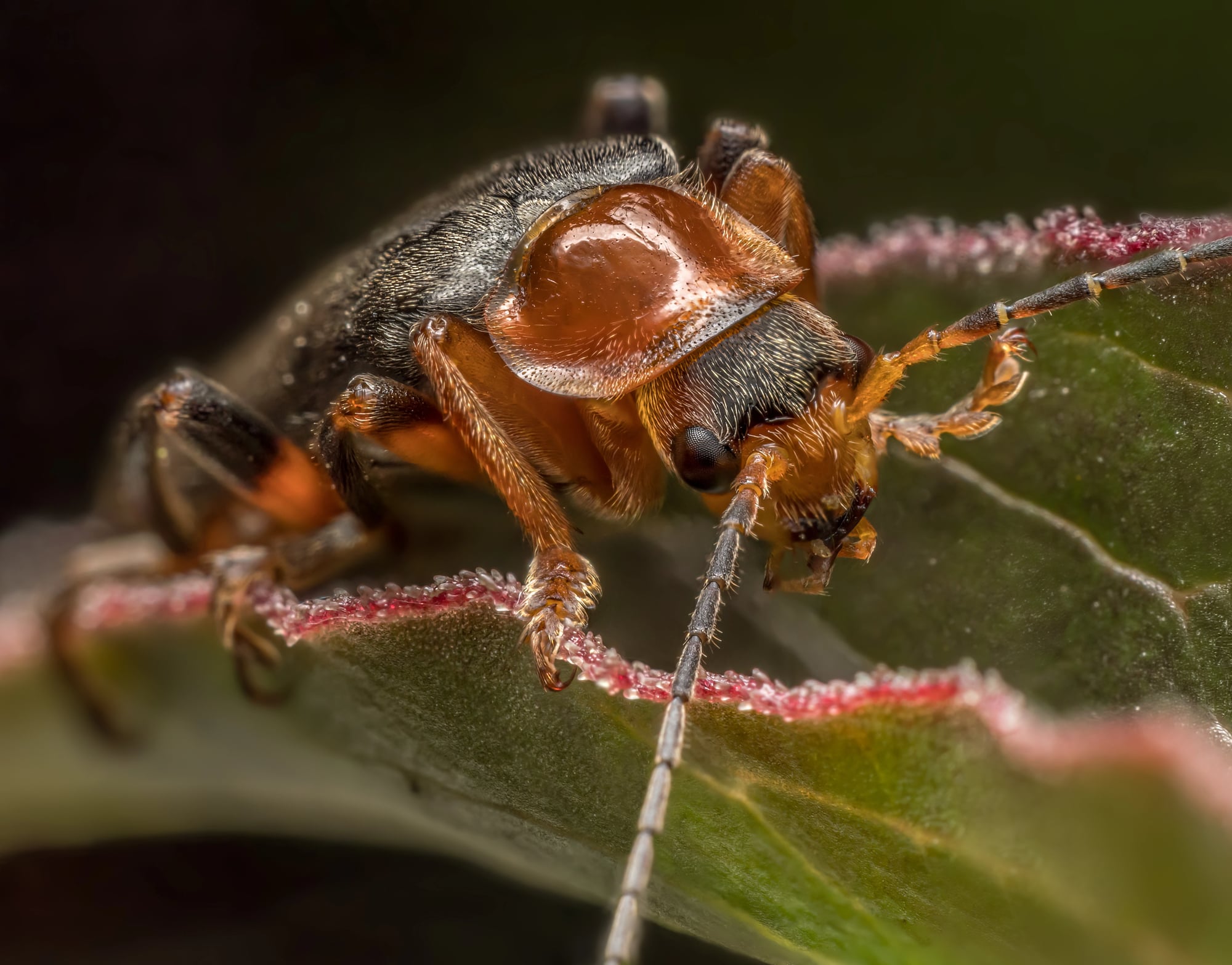
This tiny beetle doesn’t just run away—it shoots boiling chemicals from its back. The chemicals mix right before shooting out and get nearly as hot as boiling water.
Predators jump back, shocked and burned. That gives the beetle time to get away. It’s like a tiny chemical bomb.
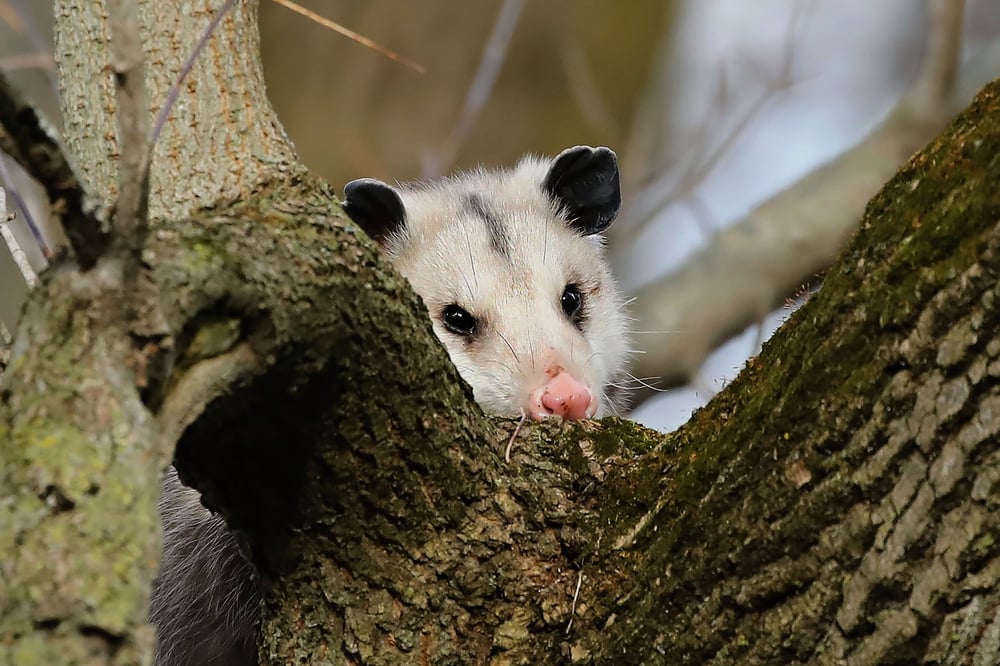
Opossum plays dead

Sometimes, doing nothing is best. When scared, an opossum just falls over, sticks out its tongue, and stays still.
It even smells like it’s rotten. Predators that want fresh food usually leave it alone. The opossum can stay like that for hours.
Like Go2Tutors’s content? Follow us on MSN.
Horned lizard squirts blood from its eyes
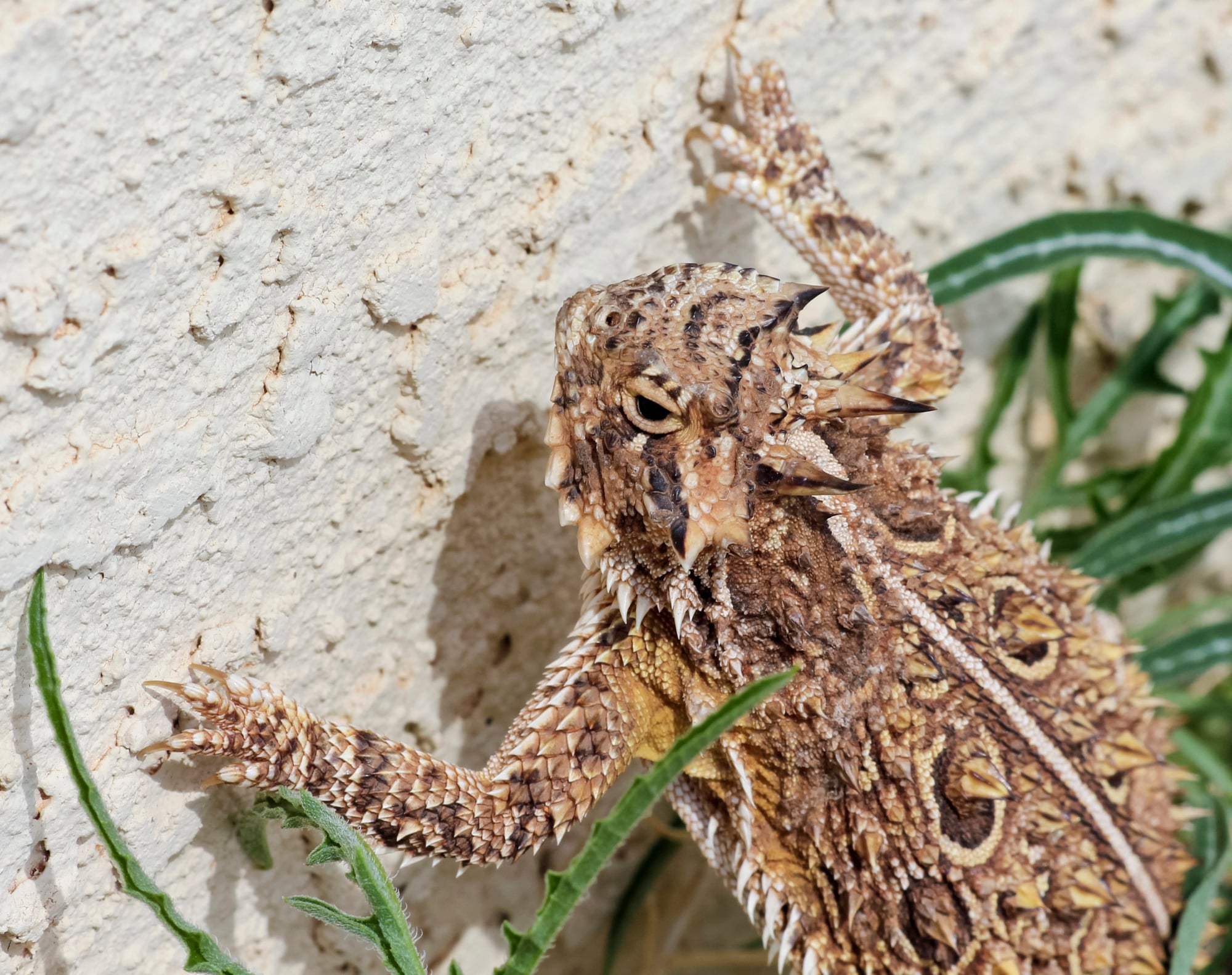
This desert lizard has a weird trick. It builds pressure behind its eyes and shoots blood at attackers.
The blood can shoot a few feet and taste bad to dogs and others. It can also help clean its eyes. It doesn’t do this all the time, but when it does, it’s a surprise.
Pufferfish inflates like a balloon

When scared, a pufferfish fills up with water or air to puff up like a balloon. This makes it look bigger and harder to eat.
Some have sharp spikes that stick out when puffed. Plus, many puffers have poison that can hurt predators. It’s a strong defense all at once.
Skunks spray a stink cloud

Skunks are famous for their smell. When threatened, they lift their tails and spray a strong, smelly liquid at the threat.
The spray can travel a few feet and cause burning eyes or nausea. Most animals quickly learn to stay away. The message is clear: stay back or smell this.
Like Go2Tutors’s content? Follow us on MSN.
Malaysian exploding ant goes out with a bang

These ants protect their home in a crazy way. When caught, they squeeze their bodies until they explode, spraying sticky, toxic goo.
The blast can trap or kill the predator. The ant dies, but it helps save the colony. That’s teamwork taken to the extreme.
Flying fish leap out of danger
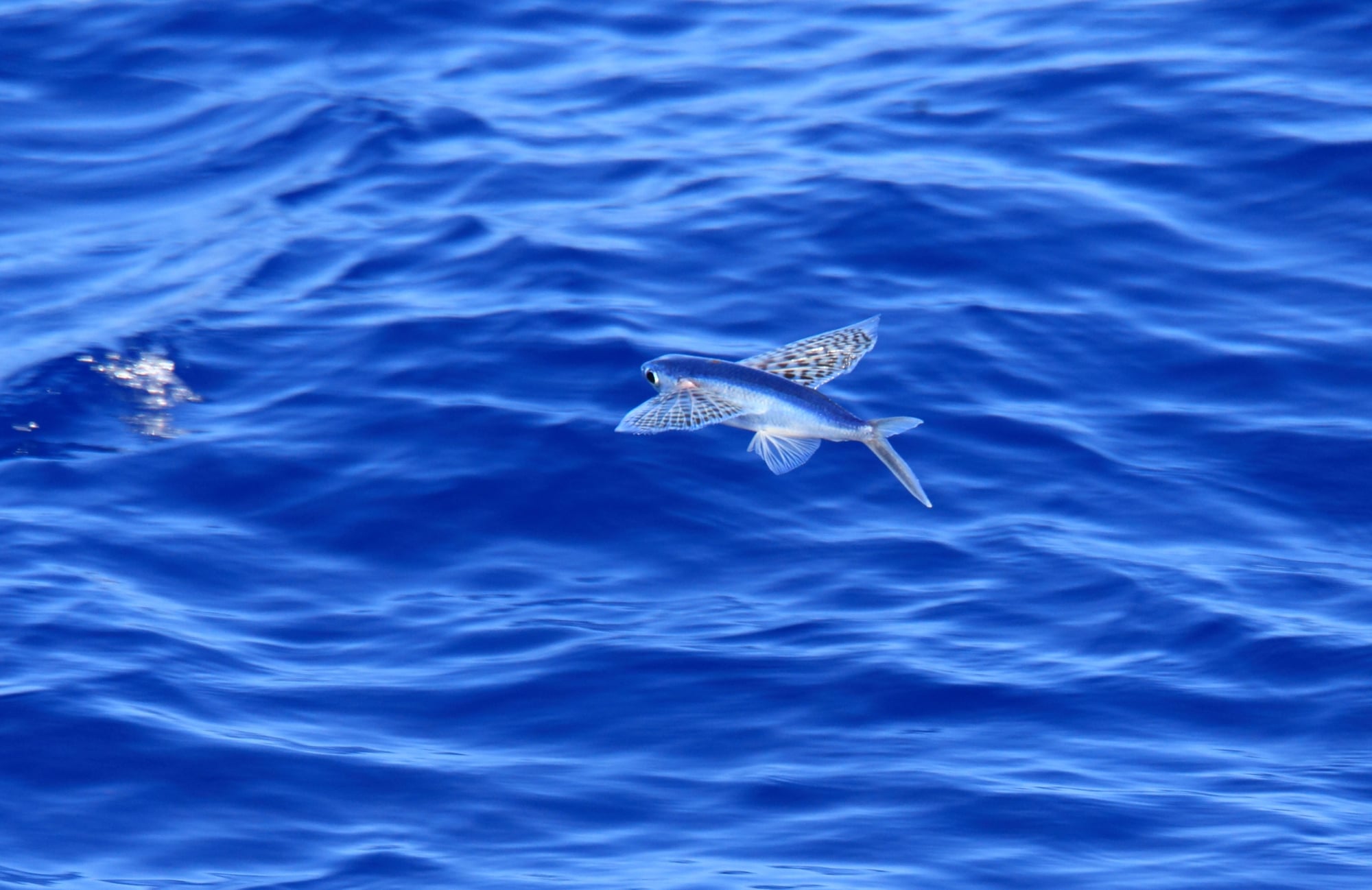
Flying fish don’t just swim faster when chased. They jump out of the water and glide through the air using their fins like wings.
Some can glide over 150 feet. This helps them avoid underwater hunters and sometimes confuse birds too. It’s not true flying, but it works.
Slow loris uses poison from its elbows

The slow loris looks cute but hides a secret. It licks a gland on its arm and mixes the liquid with its spit.
This makes a mild poison it can spread by biting or rubbing on its babies. The poison causes pain and allergic reactions. It’s one of the few venomous primates.
Like Go2Tutors’s content? Follow us on MSN.
Mimic octopus becomes other animals

When danger comes, the mimic octopus doesn’t run—it changes color and shape to look like other animals.
It can copy lionfish, sea snakes, or flatfish. This confuses predators and helps it get away. It’s a real underwater actor.
Eurasian roller vomits to warn its parents

Baby Eurasian rollers have a messy trick to stay safe. When a predator comes near, they throw up bright orange liquid.
It smells bad and warns the parents something’s wrong. The smell also makes the chicks taste bad, so some predators leave them alone. It’s both a warning and a defense.
Decorator crab wears its surroundings
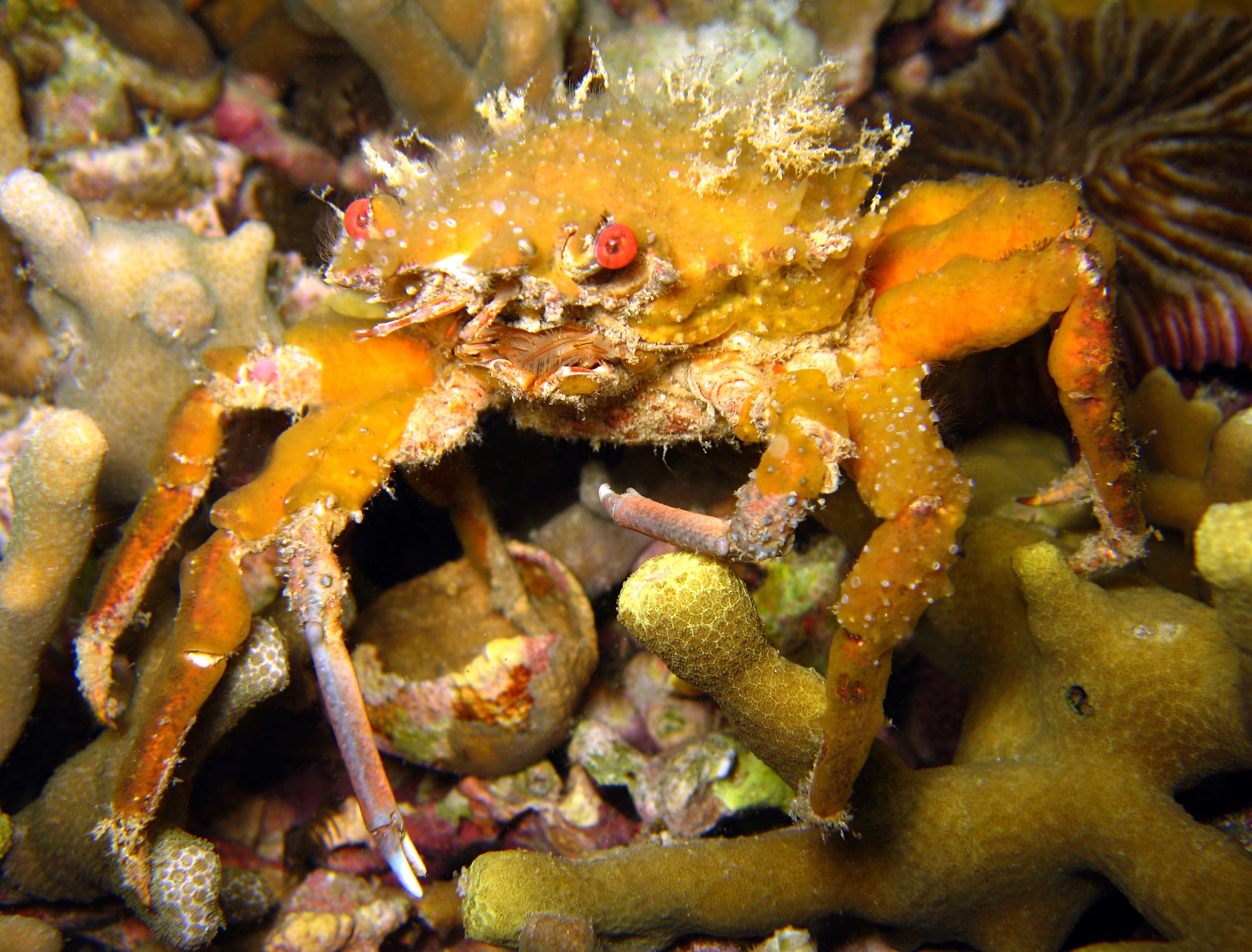
This crab doesn’t just hide—it sticks seaweed, shells, and small animals onto itself. This helps it blend in so well predators often miss it.
The crab chooses its “clothes” based on where it lives. It’s nature’s camouflage expert.
Like Go2Tutors’s content? Follow us on MSN.
How odd defenses show nature’s cleverness
Looking back, these strange animal tricks show how far nature will go to keep its creatures safe. What seems weird or gross to people actually makes a lot of sense for survival.
These defenses didn’t just appear—they took a long time to develop. Today, they remind us how smart and tough life is, even in the strangest forms. When it comes to staying alive, every little trick counts, no matter how odd it looks.
More from Go2Tutors!

- 16 Historical Figures Who Were Nothing Like You Think
- 12 Things Sold in the 80s That Are Now Illegal
- 15 VHS Tapes That Could Be Worth Thousands
- 17 Historical “What Ifs” That Would Have Changed Everything
- 18 TV Shows That Vanished Without a Finale
Like Go2Tutors’s content? Follow us on MSN.