16 Surprising Items Discovered in Egyptian Tombs
When most people think of Egyptian tombs, their minds drift to golden masks, ornate sarcophagi, and towering pyramids filled with treasures. The reality of what archaeologists actually find buried alongside the pharaohs and nobles tells a different story entirely.
Beyond the expected ceremonial objects and precious metals, Egyptian burial chambers have yielded discoveries that reveal the deeply human side of ancient life. These findings paint a picture of people who worried about their appearance, enjoyed games, craved familiar foods, and held onto personal mementos in ways that feel startlingly familiar thousands of years later.
Ancient Pregnancy Tests

The Kahun Gynaecological Papyrus wasn’t the only medical marvel tucked away in tombs. Archaeologists discovered detailed instructions for pregnancy testing that involved urinating on barley and wheat seeds.
If the barley sprouted, it indicated a male child. If wheat grew, a female was expected. Modern testing has shown this method was surprisingly accurate—about 70% of the time.
The hormones in pregnant women’s urine actually do promote seed germination.
Board Games
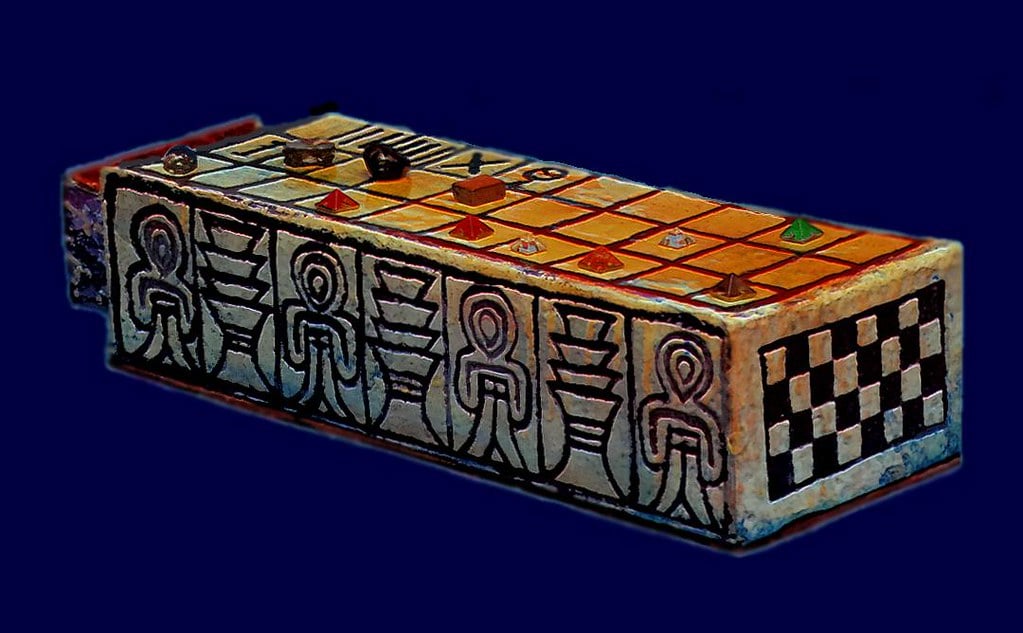
You can almost see them hunched over these wooden boards by flickering oil lamp light, moving pieces with the same focused intensity people bring to chess today (though the stakes felt considerably higher when eternity hung in the balance). Senet, the most popular game found in tombs, wasn’t just entertainment—it was a spiritual roadmap for navigating the afterlife, where each move carried the weight of the soul’s journey through the underworld.
But here’s what makes these discoveries so unexpectedly touching: alongside the ornate, gold-inlaid sets meant for pharaohs, archaeologists keep finding humble wooden boards with hand-carved pieces, evidence that everyone from nobles to servants wanted their favorite game waiting for them on the other side. The game boards show wear patterns from countless matches.
Even in death, people refused to give up their favorite pastime.
Toilet Seats
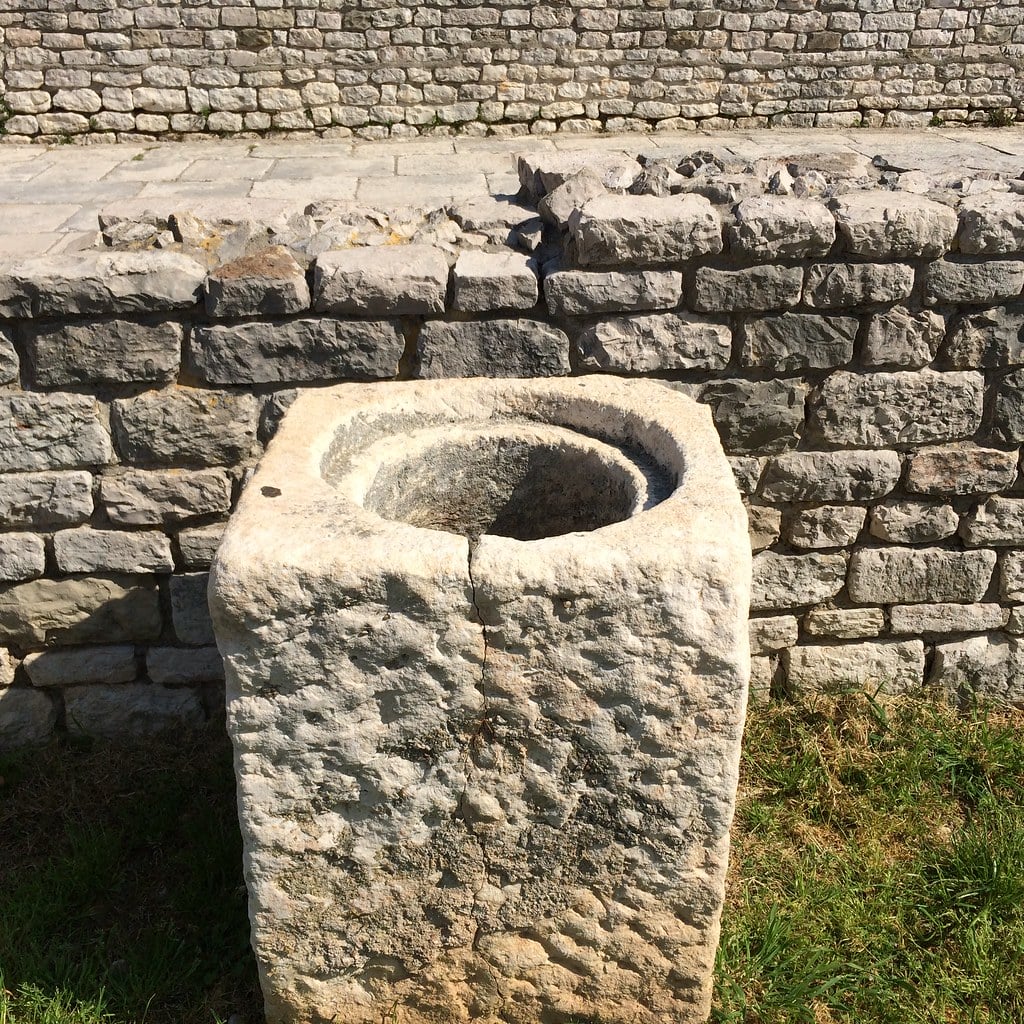
Rich people have always been particular about their bathroom fixtures. Egyptian nobles were buried with portable toilet seats made from limestone, some elaborately carved with decorative patterns.
The wealthy couldn’t bear the thought of squatting in the afterlife like common people. These weren’t crude necessities either.
Craftsmen spent considerable time creating comfortable, aesthetically pleasing designs. Death was no excuse for abandoning civilized bathroom habits.
False Teeth
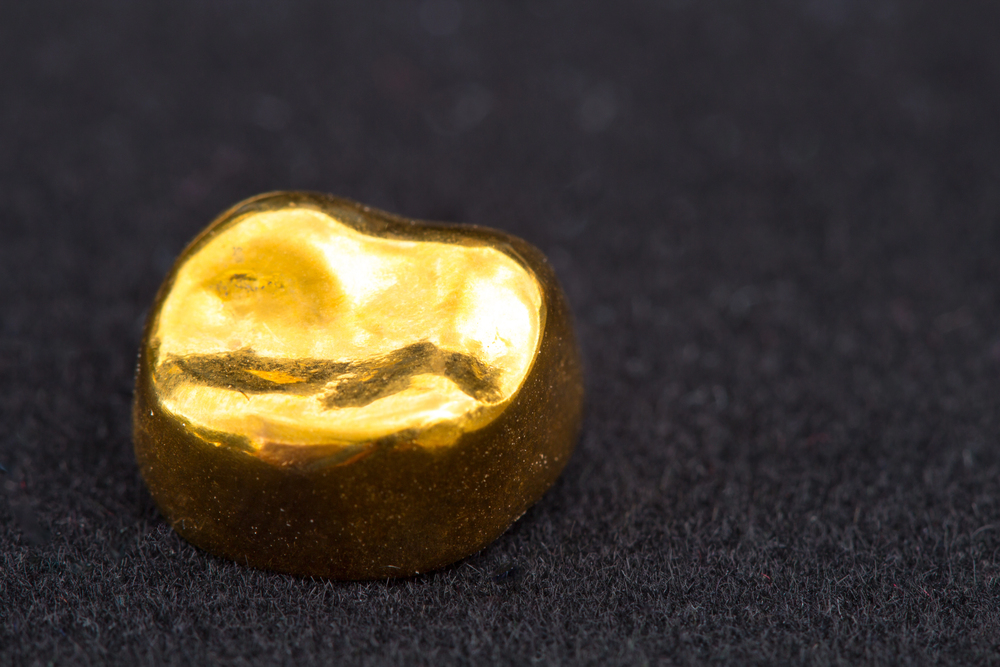
The quest for a perfect smile crosses millennia, and the ancient Egyptians—those architects of eternity who built monuments meant to last forever—understood that a gap-toothed grin had no place in the afterlife, even if gold wire and carefully carved replacement teeth were the best technology could offer at the time. These dental prosthetics, discovered wired to the remaining teeth of mummies, weren’t just about vanity (though vanity played its part): they represented something deeper about how people wanted to be remembered, how they imagined greeting the gods with their dignity intact, their appearance restored to some idealized version of themselves.
And perhaps there’s something both sad and beautiful about that impulse—the very human refusal to let physical decline define how eternity remembers you. The workmanship on these dental pieces rivals modern techniques.
Gold wire held everything in place with surprising effectiveness.
Eye Makeup Kits
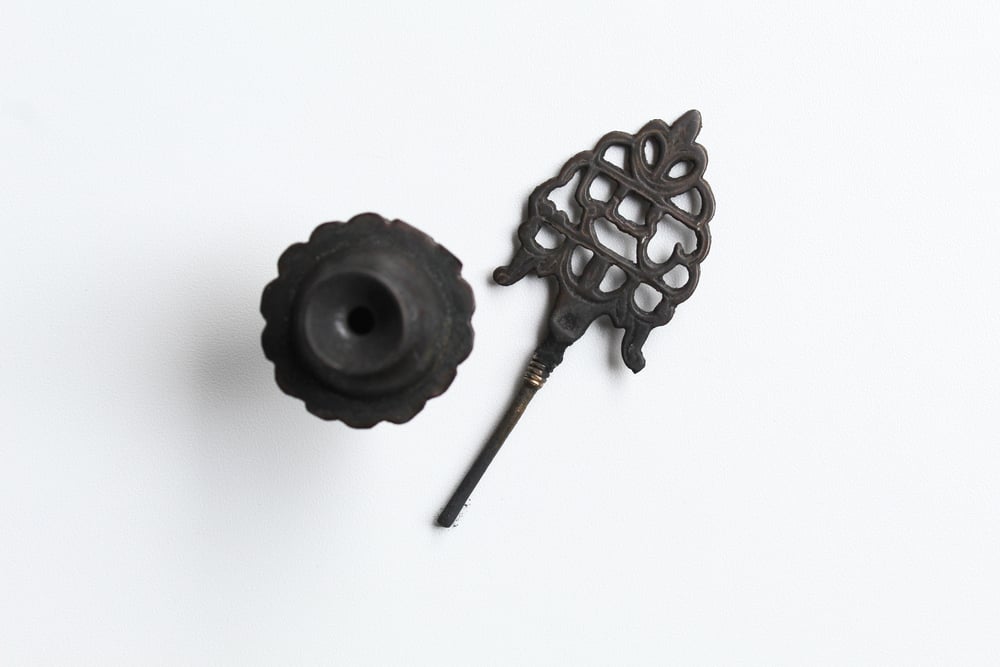
Kohl wasn’t just about looking good—it was medicine and magic rolled into one black powder. The lead-based makeup actually helped prevent eye infections by killing bacteria around the sensitive eye area.
Smart vanity at its finest. Complete kits included bronze mirrors, applicators, and small pots for different colored powders.
Archaeologists have found these sets in tombs ranging from royal burial chambers to middle-class graves. Nobody wanted to face eternity without their signature look intact.
Honey Pots
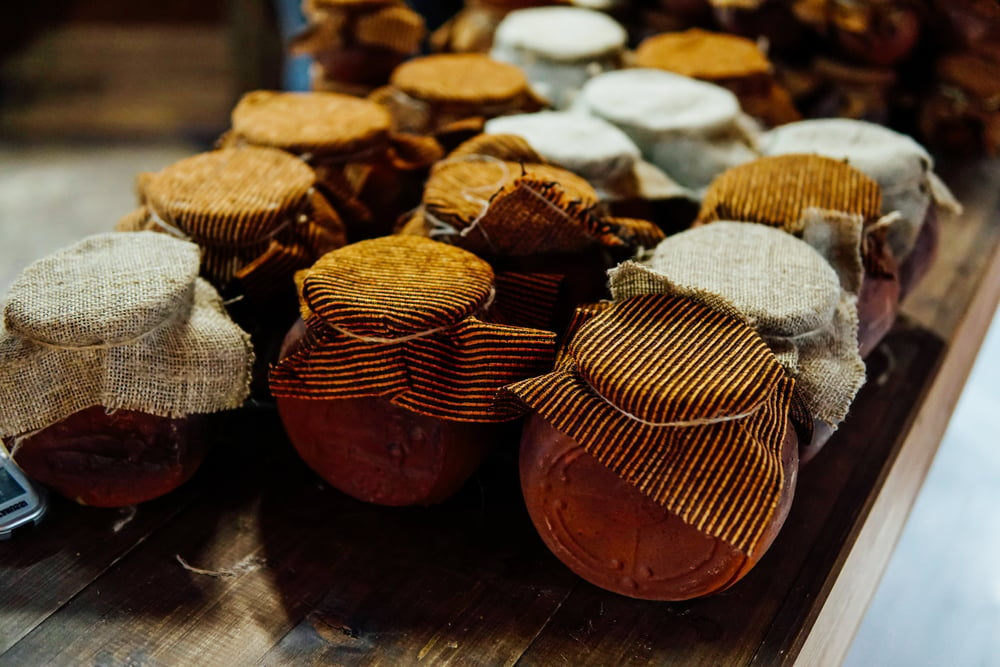
There’s something almost heartbreaking about finding 3,000-year-old honey still perfectly preserved in clay jars, as if someone just stepped away from preparing a meal and simply forgot to return (except they never could return, and the honey waited in darkness all this time, patient as only sweetness can be). Ancient Egyptians knew honey was never spoiled, which made it the perfect offering for eternal life—a substance that defied decay in tombs dedicated to defeating death itself.
But beyond its symbolic immortality, honey served practical purposes: it preserved other foods, treated wounds with its antibacterial properties, and provided the concentrated energy needed for long journeys through the underworld. Archaeologists have actually tasted this ancient honey.
It’s still sweet, still edible, still perfectly preserved after millennia underground.
Wine Collections
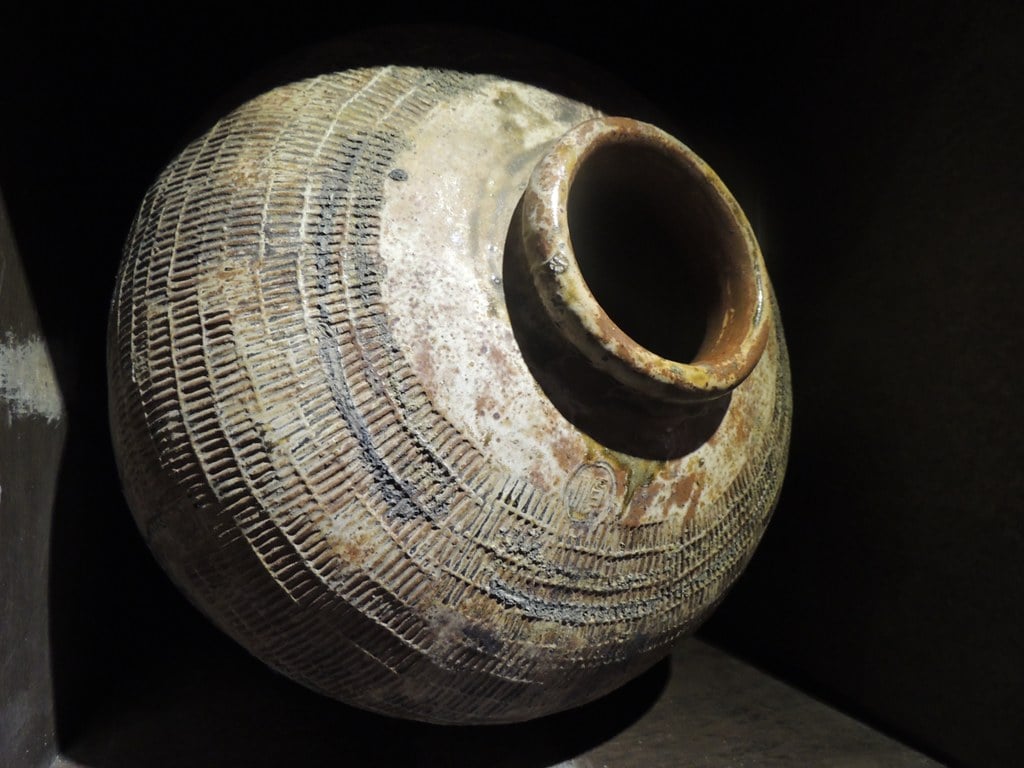
The afterlife apparently demanded a well-stocked cellar. Egyptian nobles were buried with extensive wine collections, complete with vintage labels detailing the vineyard, year, and winemaker’s name.
Quality control mattered, even in death. King Tutankhamun’s tomb contained 26 wine jars, each carefully labeled with information that would make modern sommeliers jealous.
These weren’t just any wines either—they were premium vintages from the best Egyptian vineyards. The boy king wasn’t taking chances with subpar alcohol for eternity.
Musical Instruments
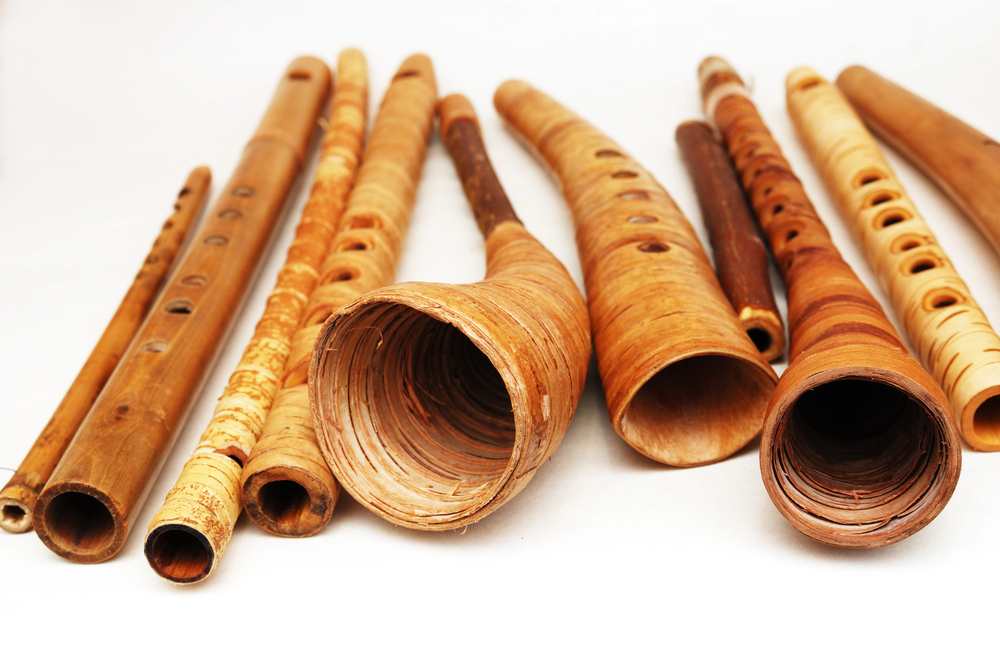
Silence held no appeal for people heading into forever, so they packed harps with strings that would never again vibrate under skilled fingers, flutes that would produce no melodies, and drums whose rhythms had fallen permanently quiet—instruments that represent perhaps the most poignant category of grave goods because music lives only in its performance, only in the moment it fills the air. These weren’t just objects but repositories of all the songs that once animated dinner parties, religious ceremonies, and quiet evening entertainment, now condemned to eternal muteness unless the afterlife proved more acoustically active than anyone dared hope.
The instruments show wear patterns from years of use, evidence of hands that knew exactly which strings produced which notes, which holes created which tones. Some instruments were clearly personal favorites rather than ceremonial pieces.
Musicians couldn’t imagine eternity without their tools of trade.
Underwear
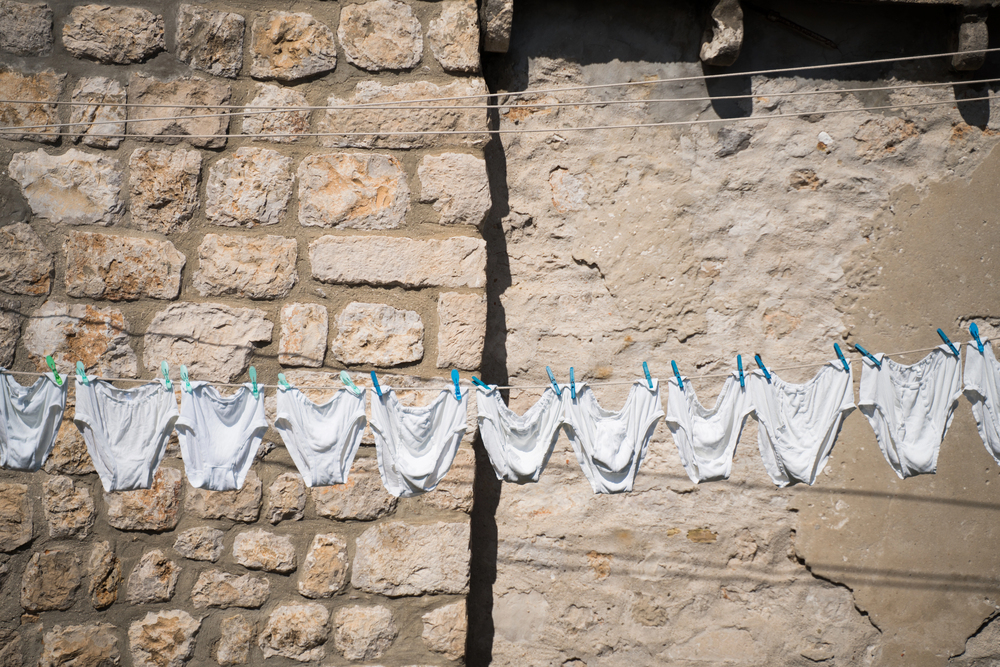
Linen undergarments have been discovered on mummies, proving that even ancient people understood the importance of proper foundation wear. These weren’t rough, utilitarian pieces either—many featured decorative pleating and careful construction.
The wealthy were buried in multiple layers of increasingly fine linen garments. Apparently, good underwear was considered essential for meeting the gods.
Comfort and modesty mattered just as much in death as in life.
Reading Material
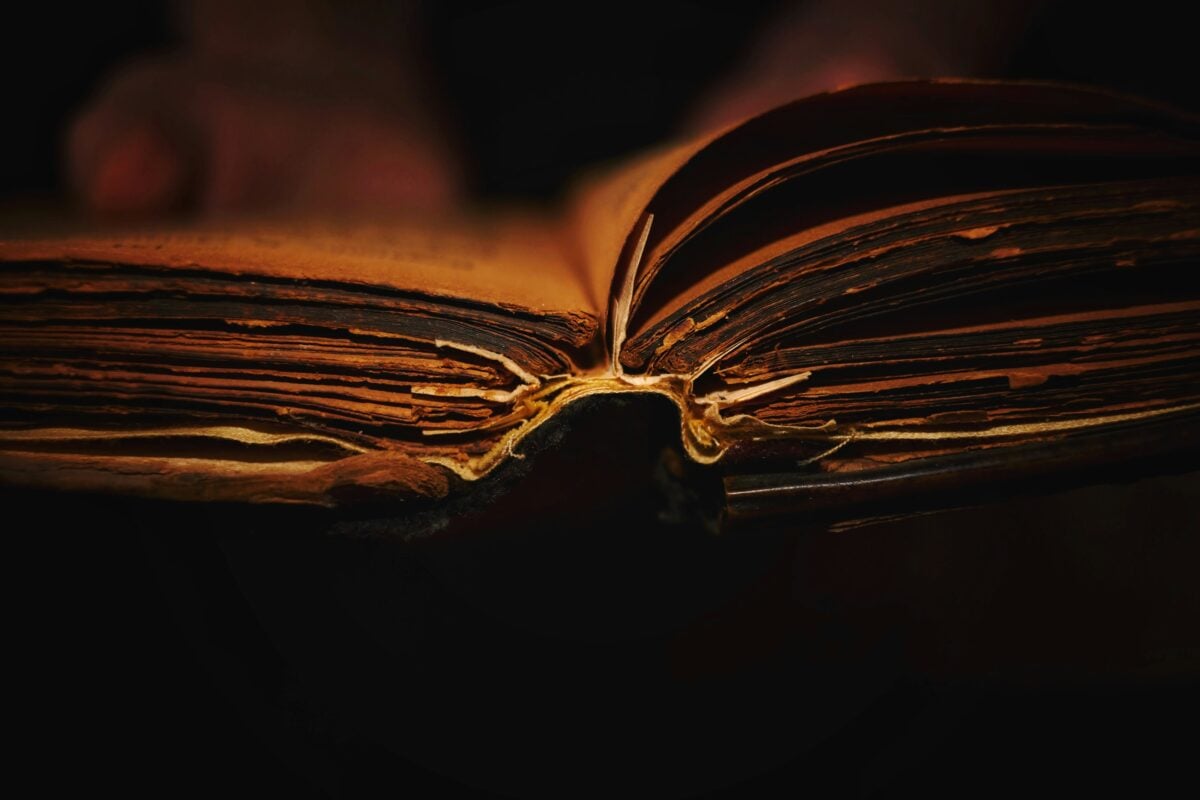
Books accompanied bodies into Egyptian tombs because eternity sounded unbearably boring without something to read (and perhaps because the afterlife included entrance exams that required studying, which would be just like bureaucracy to extend beyond death and into the realm of final judgment). The famous Book of the Dead wasn’t actually a single book but a collection of spells, prayers, and instructions customized for each person’s journey through the underworld—essentially a spiritual GPS system for navigating the afterlife’s various challenges and checkpoints.
But alongside these religious texts, archaeologists have discovered personal libraries: medical treatises, poetry collections, mathematical problems, and administrative records that suggest people expected their intellectual curiosity to survive bodily death intact. Literacy was precious in ancient Egypt.
Taking books to the grave represented a significant investment in afterlife entertainment.
Tweezers and Razors
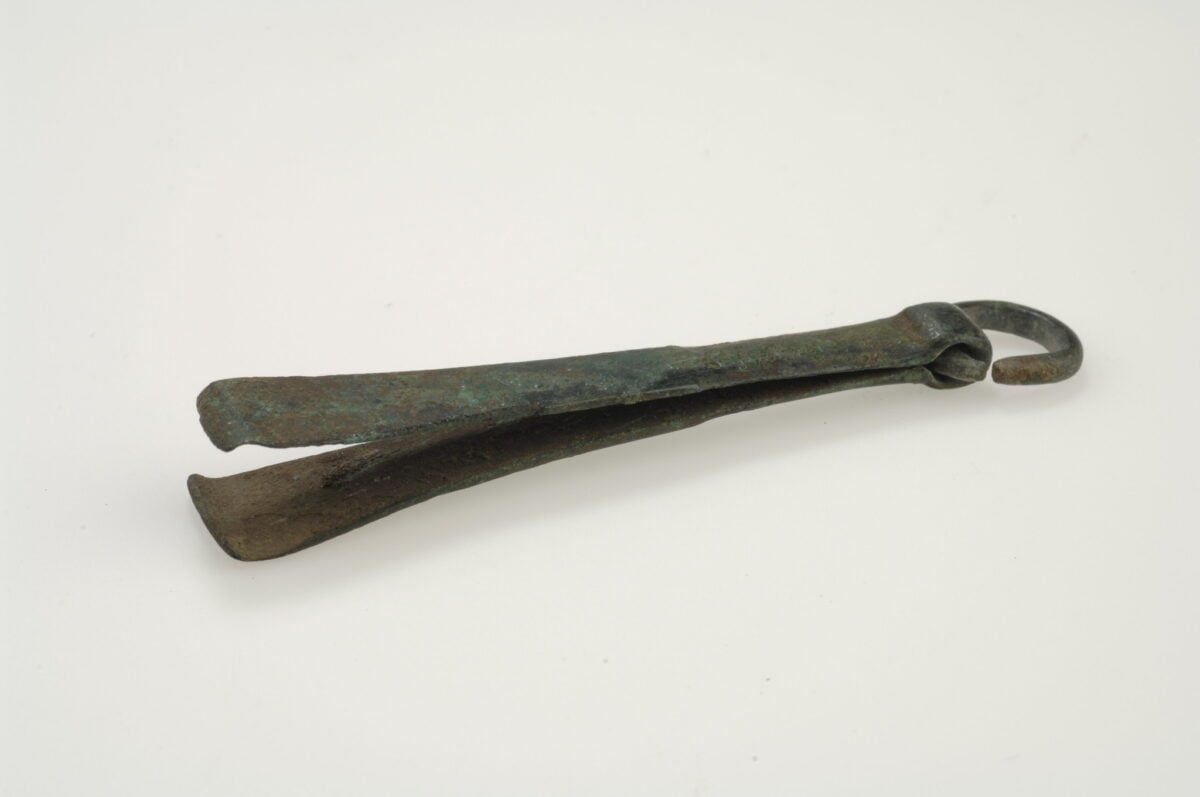
Personal grooming remained a priority even after death stopped being a concern. Bronze tweezers, razors, and other grooming tools appear in tombs across all social classes.
Apparently, nobody wanted to spend eternity looking unkempt. These tools show clear signs of regular use before burial.
People packed their actual grooming kits rather than buying new ones specifically for the tomb. Familiar objects provided comfort for the unknown journey ahead.
Board Game Pieces Made from Precious Stones
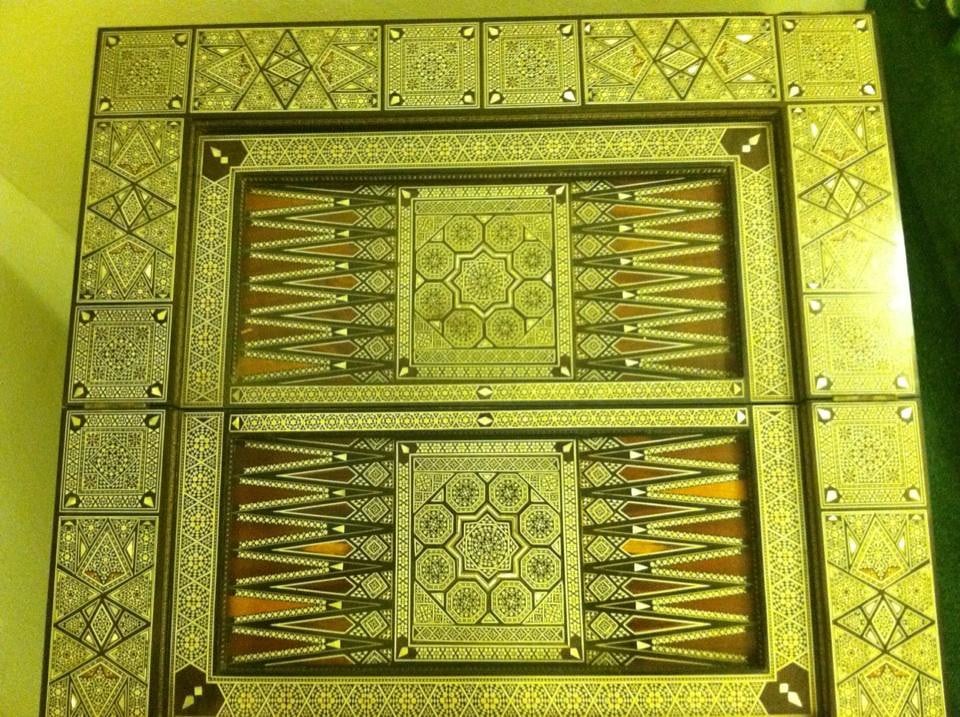
While common people carved their game pieces from wood or clay, the wealthy commissioned sets with pieces made from precious stones, ivory, and gold—because apparently competitive gaming requires proper equipment, and status symbols don’t become less important just because you’re dead and buried under tons of stone blocks with no one left to impress. These elaborate sets often came with their own storage boxes, dice made from bone or ivory, and instruction sheets carved into tomb walls, suggesting that learning the rules might take some time and eternal practice was expected.
But what strikes you most about these discoveries isn’t the luxury involved: it’s the evidence that people believed so firmly in consciousness continuing after death that they packed entertainment accordingly. Some game sets were clearly treasured possessions rather than burial decorations.
The wear patterns tell stories of countless matches and favorite pieces handled smoothly.
Snacks and Preserved Foods

Eternity apparently worked up an appetite. Tombs contained everything from dried fish and preserved meats to bread loaves and fruit.
The Egyptians weren’t taking any chances on heavenly catering services. King Tutankhamun was buried with 116 baskets of fruit, various cuts of meat, and enough bread to feed a small army.
Even more impressive: much of this food remained recognizable when discovered thousands of years later. Egyptian preservation techniques were remarkably effective.
Children’s Toys
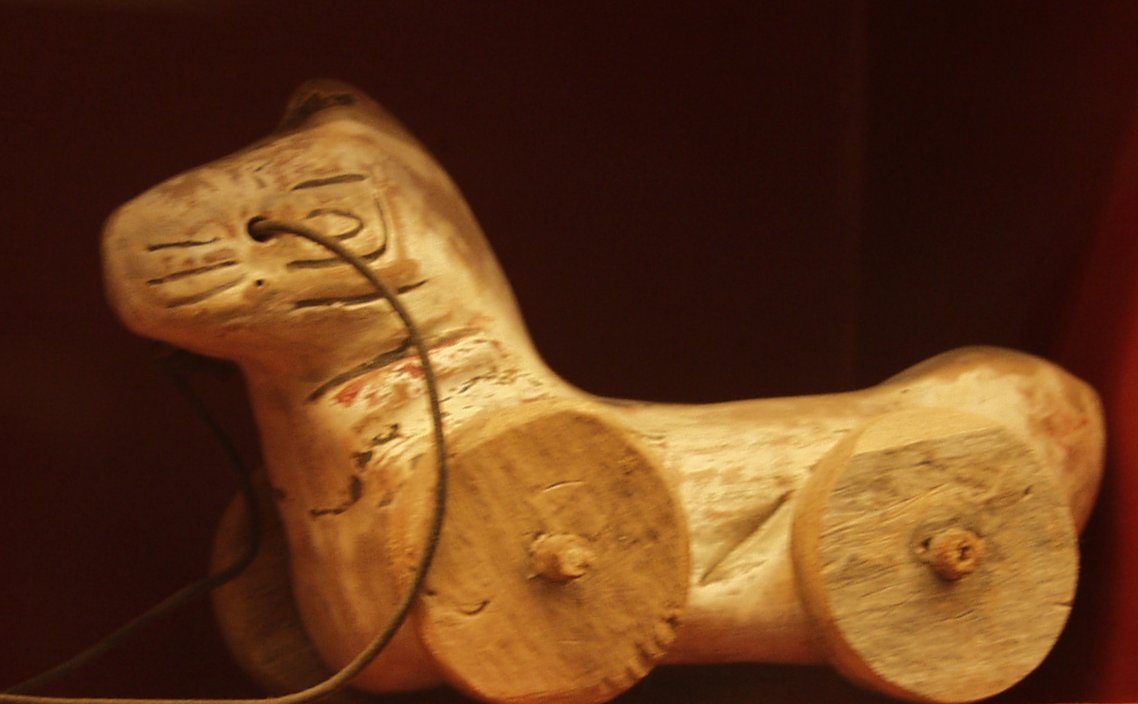
Nothing reveals the tender humanity of ancient Egyptian burial practices quite like the discovery of toys carefully placed in small coffins—dolls with moveable limbs and real hair, miniature furniture sets for playing house, wooden animals on wheels, balls made from leather and stuffed with reeds. Parents who had lost children couldn’t bear the thought of their little ones facing eternity empty-handed.
These weren’t hastily made items either. Craftsmen created elaborate dollhouses, complete wooden armies with tiny chariots, and intricate puzzles.
Love demanded the finest toys money could commission, even when the child would never play again.
Furniture
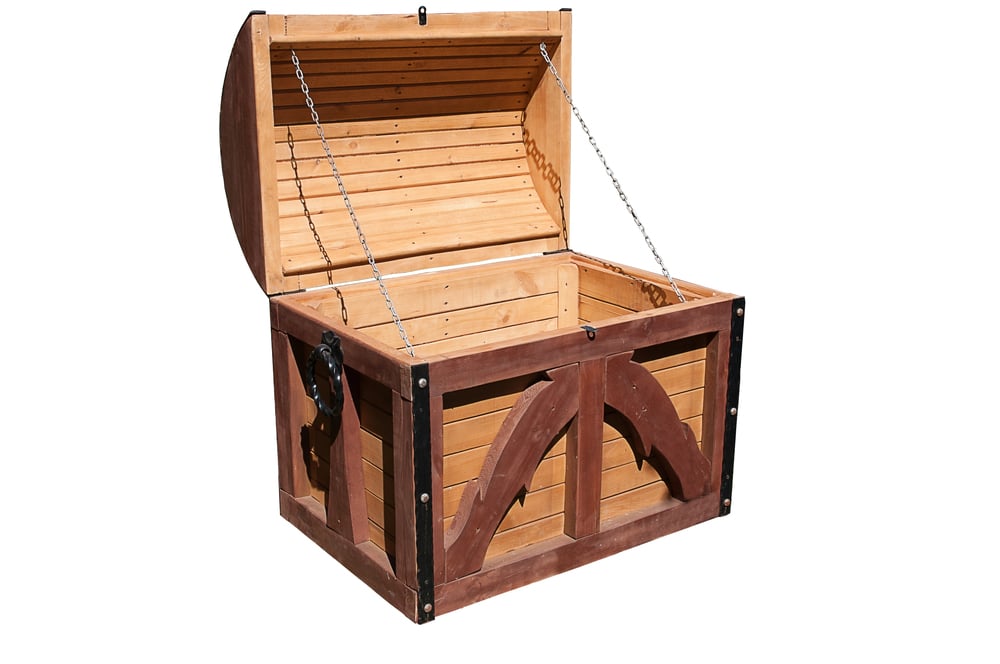
Egyptian tombs weren’t just burial sites—they were fully furnished apartments for the afterlife. Chairs, tables, beds, and storage chests filled the chambers, creating comfortable living spaces for eternal residence.
This furniture wasn’t symbolic either. These were actual functional pieces, often transported directly from the deceased person’s home.
Familiar surroundings mattered when facing the unknown. Some of the woodwork rivals anything produced by master craftsmen today.
The attention to detail suggests people expected to spend considerable time using these pieces in whatever came next.
Letters from Family Members
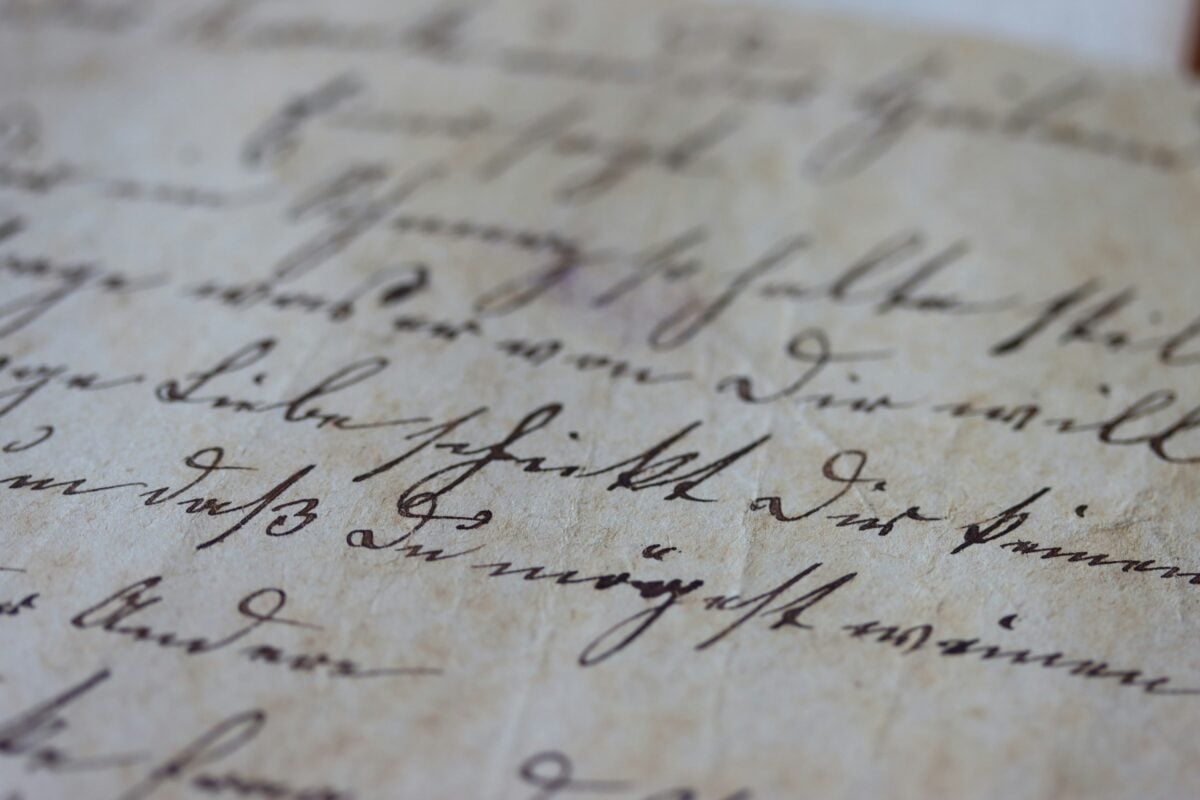
Perhaps the most touching discoveries are the personal letters found tucked into wrappings or placed beside bodies—messages from family members expressing love, sharing news, or simply saying goodbye one final time. These intimate communications remind modern readers that grief and love haven’t changed much over thousands of years.
Some letters were clearly written specifically for burial, while others appear to be treasured correspondence saved during life. Either way, they represent the refusal to let death completely sever emotional connections. Words carried the weight of relationships into whatever came next.
Treasures Beyond Time
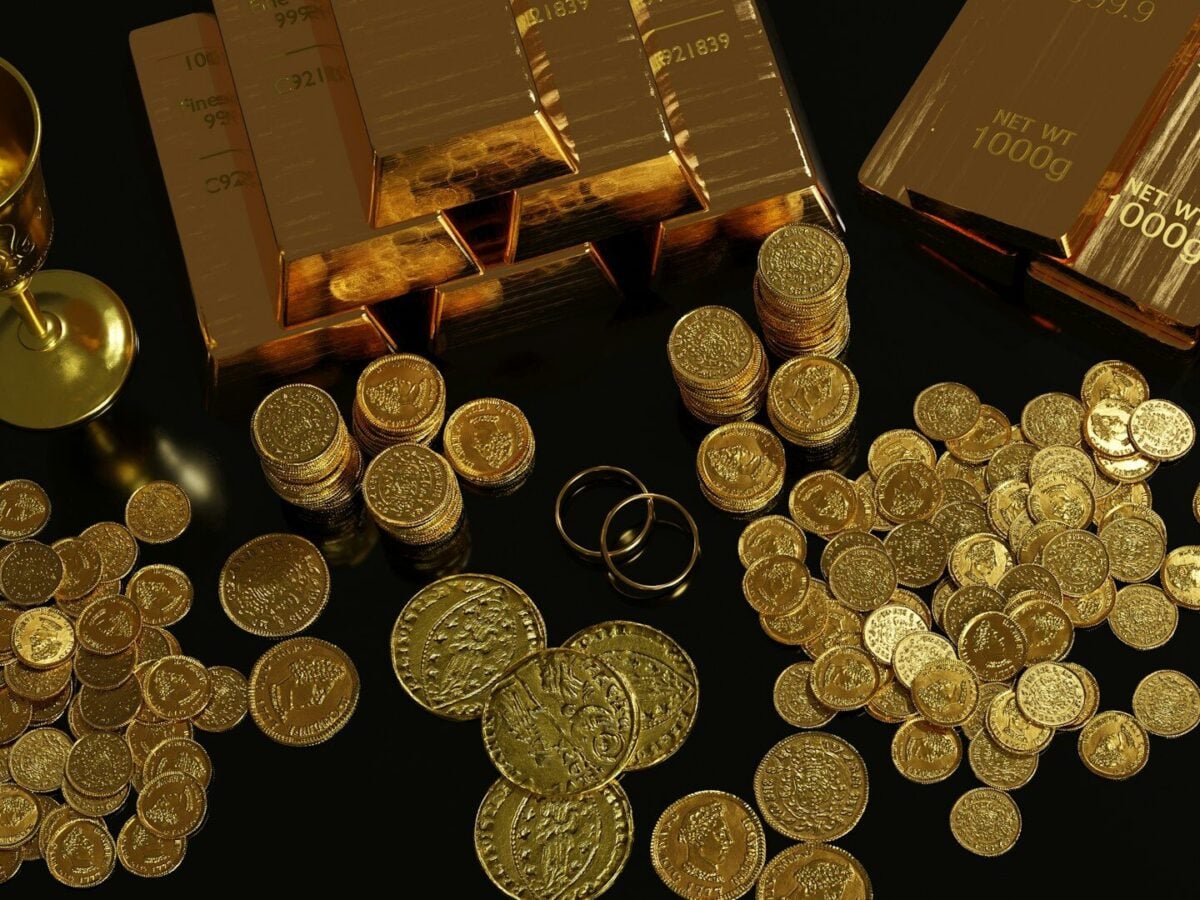
These unexpected discoveries transform our understanding of ancient Egyptian culture from something remote and mysterious into something remarkably familiar. The board games and snacks, the grooming tools and reading materials, the loving letters and children’s toys—all reveal people who approached death not as an ending but as a transition requiring careful preparation.
Their tombs weren’t monuments to the past but provisions for a future they believed would unfold beyond the grave. And in that preparation, in their refusal to let go of the things that made life worth living, they left behind the most human story of all: the stubborn insistence that love, comfort, and dignity matter more than death itself.
More from Go2Tutors!

- The Romanov Crown Jewels and Their Tragic Fate
- 13 Historical Mysteries That Science Still Can’t Solve
- Famous Hoaxes That Fooled the World for Years
- 15 Child Stars with Tragic Adult Lives
- 16 Famous Jewelry Pieces in History
Like Go2Tutors’s content? Follow us on MSN.